Please don't scroll past — we need your help to survive

No ads, no industry money. Without reader support, foodfacts will vanish.

Donate now →
foodfacts logo
  • Articles
    
    Latest
    arrow pointing right
    All Fact Checks
    arrow pointing right
    Guides
    arrow pointing right
    Features
    arrow pointing right
    Opinion Pieces
    arrow pointing right
    Topics
    The Climate Crisis
    Politics Of Food
    Health
    Food Systems
    Media Literacy
    Popular Media
    Ethics
    Environment
    Nutrition
    Trending Tags
    Microbiome
    Red Wine
    Mediterranean Diet
    Alcohol
    Seed Oils
    Artificial Sweeteners
    Lifestyle
    Brain Health
    Polyphenols
    Frankenchicken
    Observational Study
    Ultra Processed Animals (UPA)
    Zoonotic Diseases
    Lab-Grown Meat
    Glossary
    arrow pointing right
    Fact Checks
    Is eating two meals a day better for your health? What the evidence says
    Is berberine really “nature’s metformin and Ozempic”? What research actually shows
    Is ketosis needed to combat inflammation?
  • About
    
    • About
    • The Team
    • Science Communication Fellowship
    • Board of Trustees
    • Our Experts
    • Fact Checking Policies
    • Funding/Disclosures
    • Advisory Board
    • Media Mentions
    • FAQs
  • Food Database
  • Misinfo Watchlist
Report Misinfo
Join freeJoin
Log inBecome a memberMy dashboardMy accountLog out
Home
/
Articles
/
Health

Health

Filter by Tag:

Red Wine
Alcohol
Lifestyle
Brain Health
Yoghurt
Glucose
Food Storage
Studies
Cortisol
Saturated Fat
Insulin
Dietary Guidelines
CBD
Junk Food
Menopause
Pesticides
Immune System
Supplements
Acidic Foods
Autism Spectrum Disorder
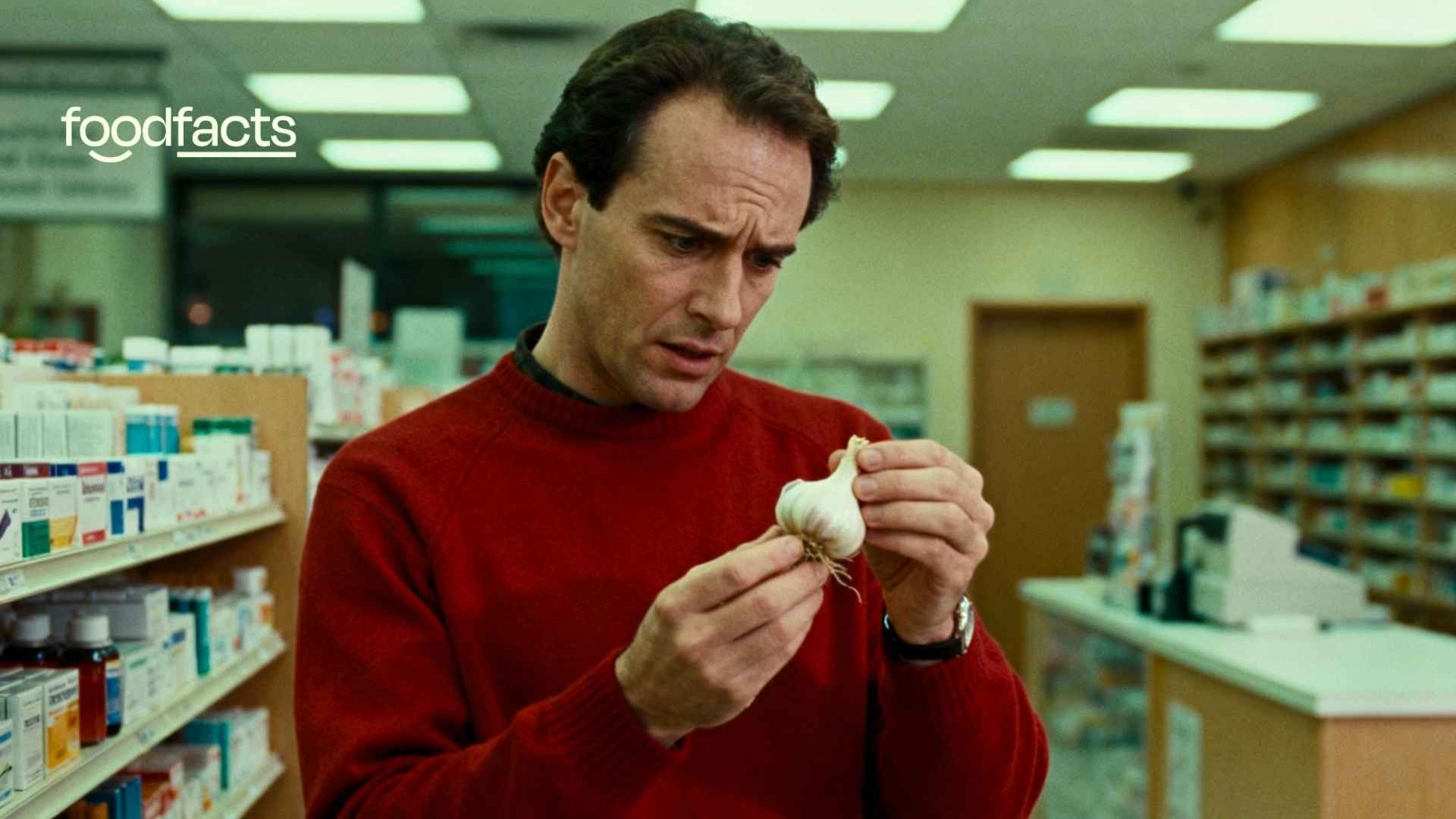
A man is standing in a pharmacy, looking intently at a bulb of garlic, confused by the claims that garlic can reduce blood pressure.
FACT CHECK
OPINION
Health

Garlic and blood pressure: what the evidence shows and what it doesn’t

Garlic may reduce blood pressure modestly in some people, but the evidence is inconsistent. It is not a substitute for medication — here's the full…
Read more
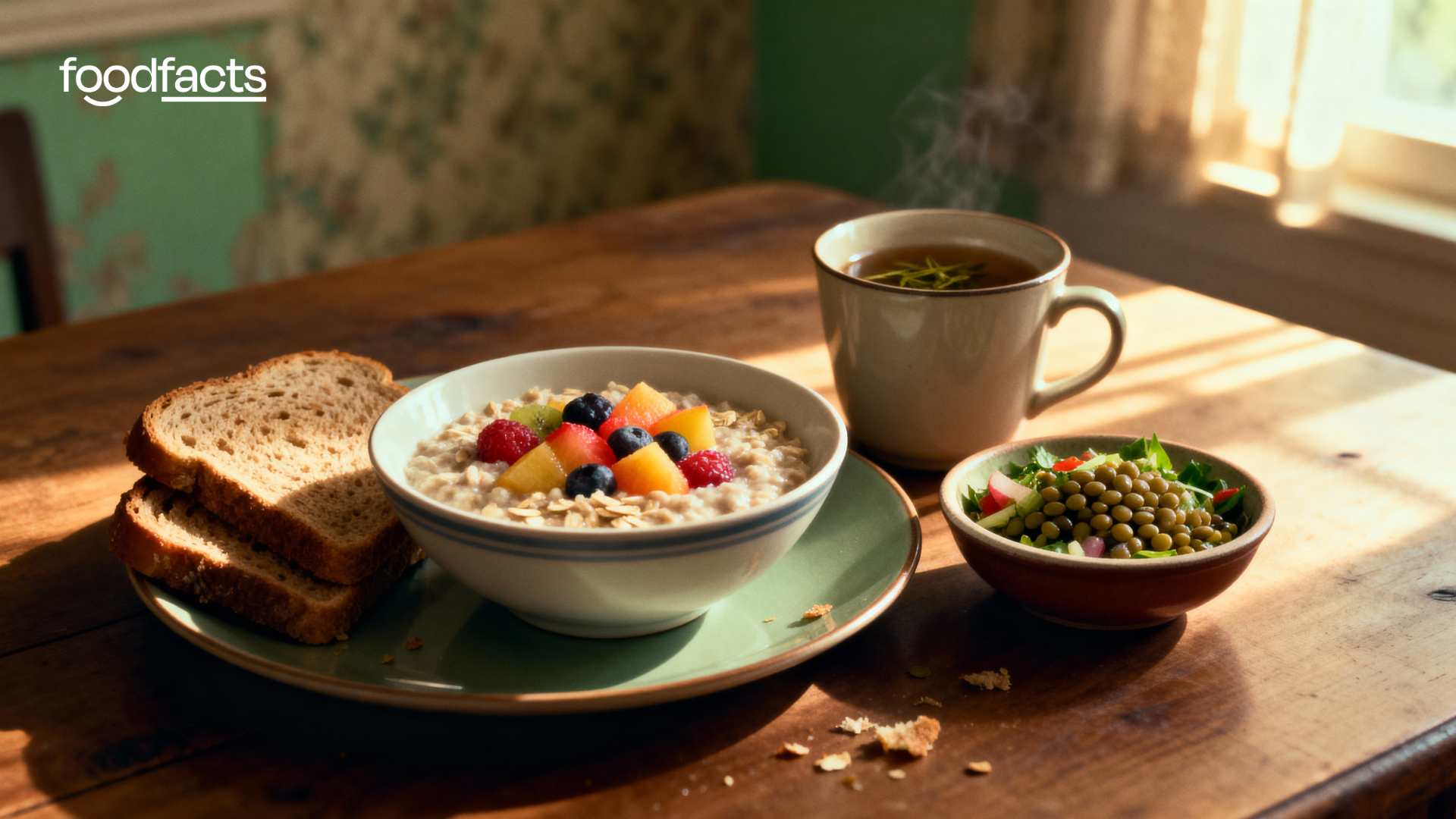
A photorealistic 1920x1080 image of a cozy breakfast table in soft morning light, styled with a subtle grainy texture and a 90s color tone. The foreground shows a bowl of oatmeal with colorful fruit, wholegrain toast on a pink plate, a small bowl of small pui lentil salad, and a cup of coffee or herbal tea on a wooden table. The setting features gentle golden-hour side lighting, muted warm colors, and faint green accents. The background is softly blurred with vintage details like textured wallpaper and sunbeams through a window, evoking a nostalgic, comfortable kitchen atmosphere. Add a soft film grain for realism and warmth—food arranged naturally, not perfect. Minimal imperfections like crumbs or uneven slices for authenticity. If adding text: ” Overall mood is inviting, understated, and quietly wholesome, channeling the feel of a 1990s food magazine.
FACT CHECK
OPINION
Health

How much fibre should you eat everyday? Why most of us fall short of the recommneded intake, and what Rhiannon Lambert’s new book adds

How much fibre should you eat everyday? Rhiannon Lambert’s new book explains why fibre matters and offers practical tips to close the gap for better...
Read more
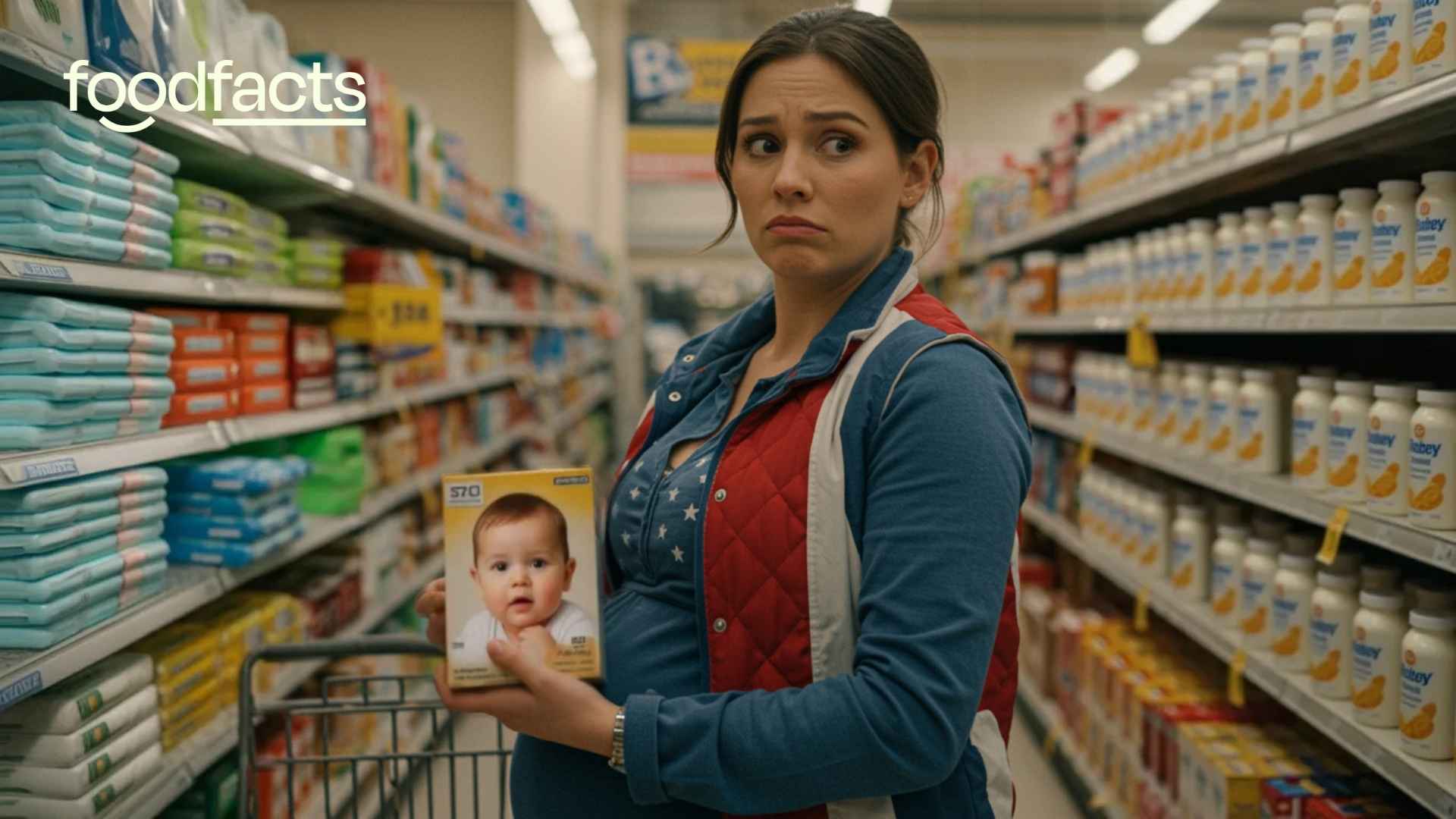
A mother looks confused at whether to feed her baby infant formula or raw goats milk, alluding to the misinformation surrounding this claim.
FACT CHECK
OPINION
Health

Does infant formula cause autism? Why the science says no, and why raw goat’s milk is not a safe alternative

No credible evidence links infant formula to autism. Raw goat's milk is not a safe alternative for infants — here's what paediatric research actually…
Read more
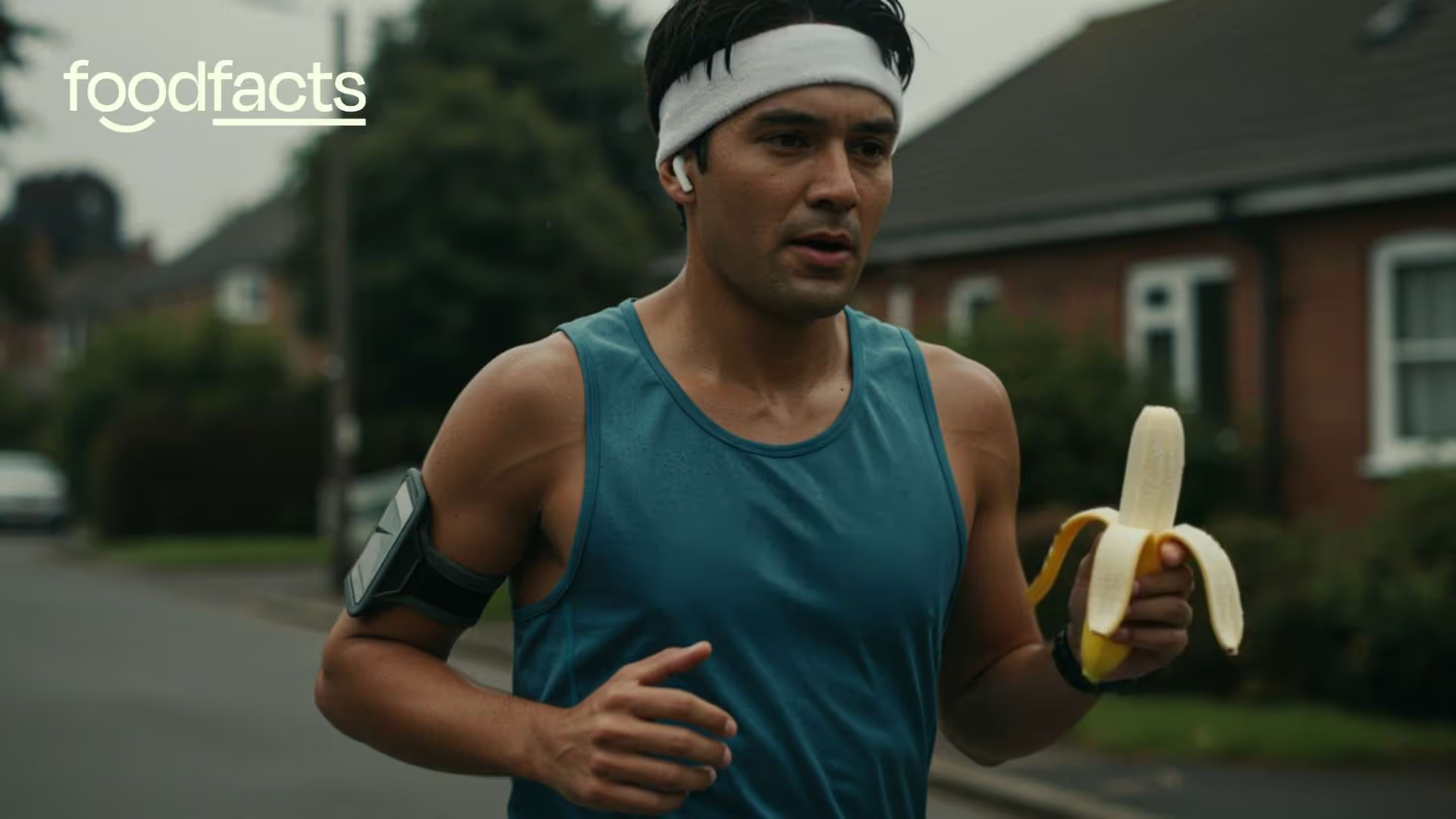
A man goes for a job whilst holding a banana in his hand, signifying the importance of combining exercise with a healthy diet in order to manage weight
FACT CHECK
OPINION
Health

Sustainable weight management backed by science: 7 long-term strategies that work

Forget fad diets: sustainable weight management is built on science. This guide explains evidence-based strategies to lose weight.
Read more
Previous
More
Explore Categories
The Climate Crisis
Politics Of Food
Health
Food Systems
Media Literacy
Popular Media
Ethics
Environment
Nutrition
Explore Tags
Microbiome
Red Wine
Mediterranean Diet
Alcohol
Seed Oils
Artificial Sweeteners
Lifestyle
Brain Health
Yoghurt
Electrolytes
Glucose
Food Storage
Metabolic Health
ApoB
LDL
Crime
Studies
Fact Checking
Cortisol
Chicken

Free account, free goodies.

Save your favourite articles and unlock our members-only fact-checking toolkits, guides and resource library. Free to join, no card required.

Create free account

Get the facts, not the fads

Evidence-based nutrition and food-industry investigations — free to your inbox, every week.

One last step: check your inbox and click the confirmation link.

It may take a minute. Please check Promotions, Updates, or spam if you can’t see it.

Follow Us
youtube [#168] Created with Sketch.
Food misinformation threatens public and planetary health. We're fighting back against misinformation, fostering healthy communities, honest food, and a thriving planet

ai powered chat bot experience provided by Elevenlabs
Lenny the Lime, the foodfacts.org chatbotOr message Lenny on WhatsApp: +44 7356 131717 →
Article

Top Myths

Latest

The Climate Crisis
Politics Of Food
Health
Food Systems
Media Literacy
Popular Media
Ethics
Environment
Nutrition
Take Action
Become a MemberPartner Organisations
About
Fact Checking PoliciesOur Funding/DisclosuresThe TeamScience Communication FellowshipOrganisational StructureArticles Of AssociationIndependence & TransparencyAi Usage PolicyAdvisory BoardMedia MentionsFAQsGlossaryXML News Feed
Contact
Report Mis/DisinformationContact Us / PressHire Us To TalkProvide Feedback
Privacy Policy  
Terms & Conditions © 2024
The Worlds First Food Fact-Check Platform.
foodfacts.org is a non-profit organisation. (no. 15414442) limited by guarantee and registered in England and Wales.
‍
© Copyright 2024-2026 foodfacts.org  Launched in 2025. 🇬🇧 Grown in the United Kingdom.