




Is ketosis needed to combat inflammation?


In a video in late July, 2026, Candi Frazier from “The Primal Bod” claimed that the reason why everybody is chronically inflamed is because they are not getting into ketosis, concluding that we have to “practice ketosis” as “the proper way” to generate anti-inflammatory molecules. Are these claims supported by the evidence?
Full claim: The reason why everybody is chronically inflamed is because they're not getting into ketosis. Ketosis triggers some major anti-inflammatory pathways. One of them is it triggers a boost in glutathione. Glutathione is your body's major antioxidant and it triggers superoxide dismutase. And you don't make vitamin C. So that vitamin C was supposed to be the anti-inflammatory molecule our bodies were supposed to make to keep the inflammation down. And we don't make that now. So now we have to practice ketosis, which is the proper way for humans to get those anti-inflammatory molecules to be produced. And then you're not inflamed anymore. And you can only do that if you keep your insulin levels low.



A state of ketosis, which can be reached by following a keto diet can modestly lower some inflammatory markers in some people, and may be of support to treat some diseases. However, there is currently no strong evidence that lack of ketosis is "the" cause of widespread chronic inflammation, nor that ketosis is the proper way to produce anti-inflammatory reactions in the body.
The claim by Frazier is framed in absolute terms (the reason, the proper way), potentially leading the audience to believe that following (or not) a specific diet can be the “cure” to chronic inflammation. Framing a restrictive diet as the fix, rather than one tool with real tradeoffs and limited evidence in healthy populations, can lead people to adopt a diet that may cause more harm than good.


Claim 1: “The reason why everybody is chronically inflamed is because they’re not getting into ketosis"
Fact-check: This claim is not supported by the evidence, and oversimplifies a complex and multifactorial process. Chronic inflammation is caused by different factors, and the literature identifies several established drivers besides ketosis status.
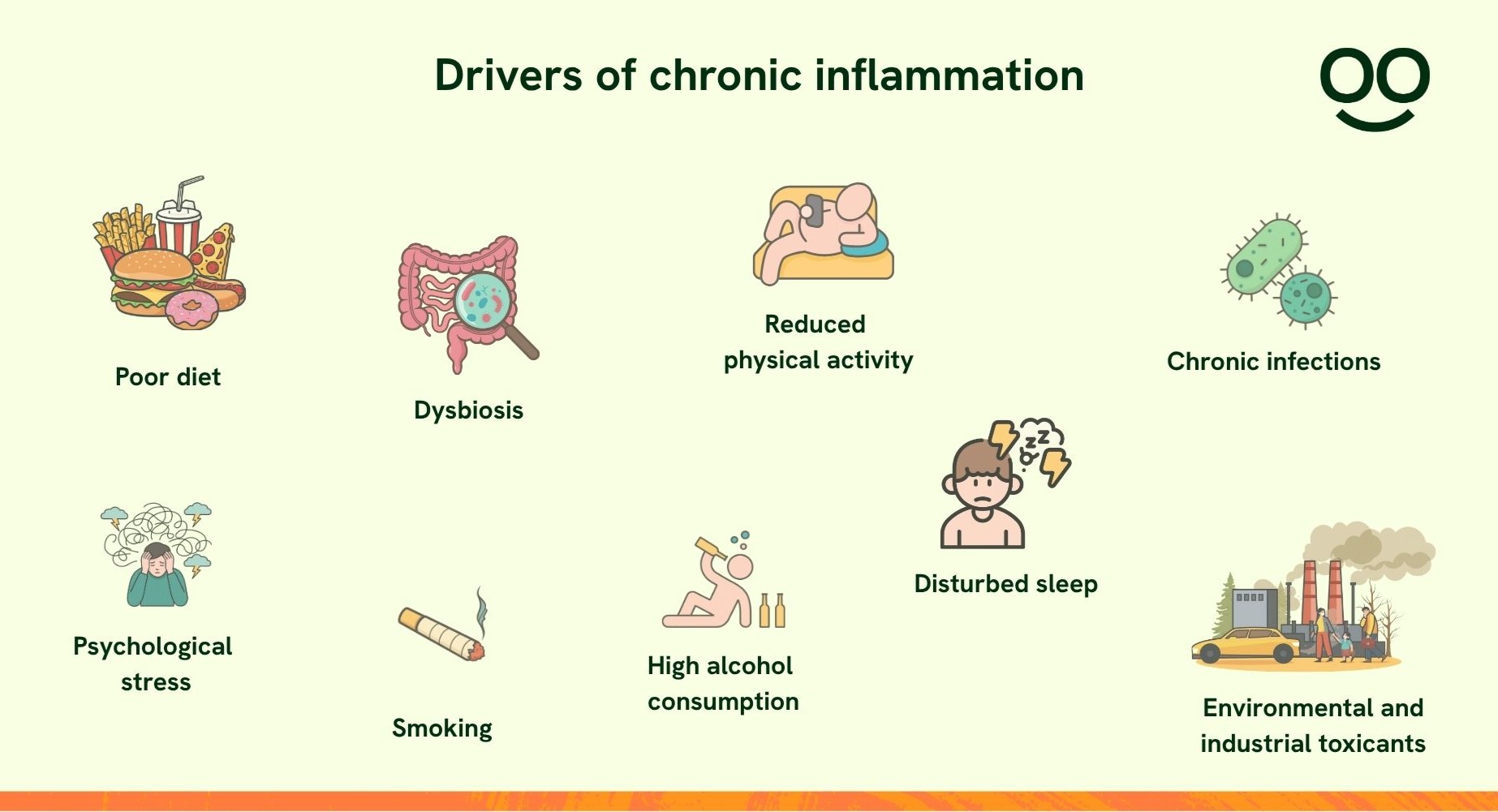
Inflammation is a normal biological response of the body to infections or injuries. However, when inflammation becomes chronically elevated, it can lead to a wide range of mental and physical health problems, such as cardiovascular disease, type 2 diabetes, depression, neurodegenerative diseases, among others (source; source). Drivers for chronic inflammation include excess visceral fat, poor sleep, poor diet, chronic infection, autoimmune processes, dysbiosis (alteration in the gut microbiome), smoking, air pollution and physical inactivity (source; source).
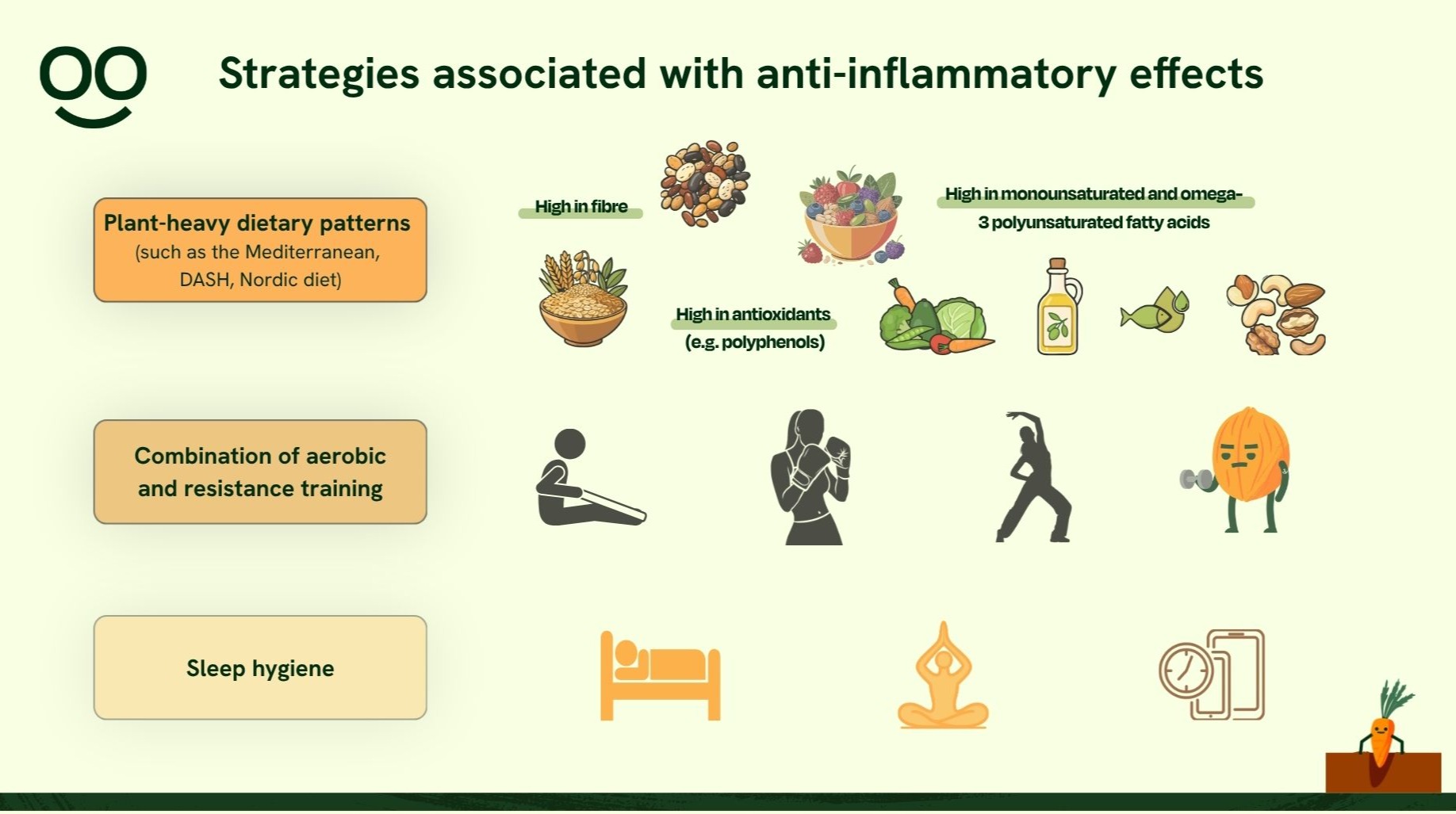
Ketosis is a condition where the body uses ketone bodies (derived from fat) as an alternative source of fuel, instead of glucose, which is derived from carbohydrates. The keto diet (or ketogenic diet) is a dietary pattern that is a high-fat, low-carbohydrate and moderate protein diet that induces a metabolic state of ketosis. Though there is evidence that ketosis can improve some markers associated with inflammation (source), there is currently no robust evidence or official guidance that support the statement that lack of ketosis is associated with chronic inflammation. Other dietary patterns that have shown anti-inflammatory effects include the mediterranean style and a plant-based diet (source).
Claim 2: "Ketosis triggers some major anti-inflammatory pathways"
Fact-check: This claim is partly accurate, but overstated.
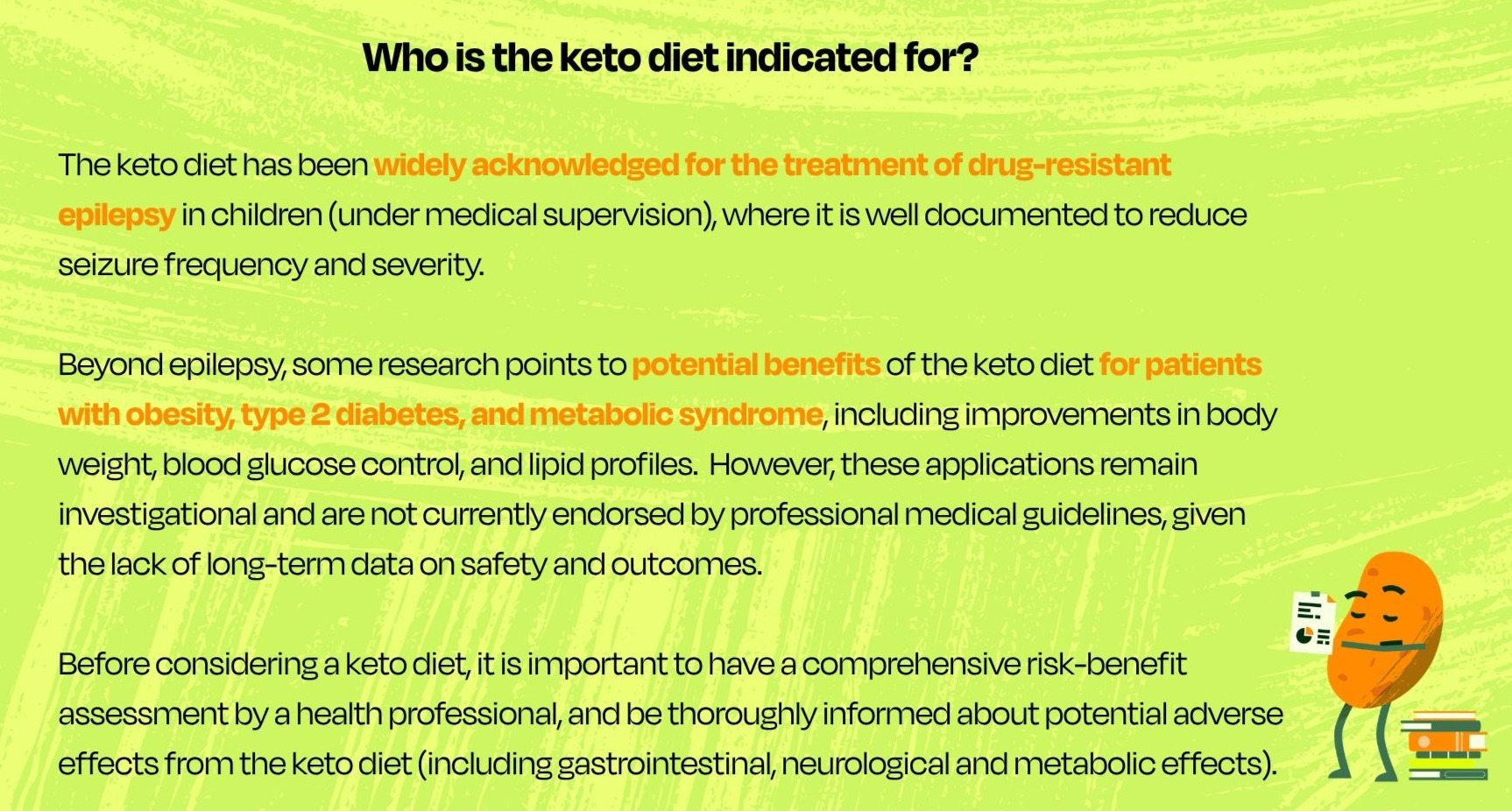
Current evidence suggests that a keto diet can improve certain inflammation markers, and may aid in the treatment of some conditions. For instance, the keto diet has been long established as a treatment option for epilepsy, and its applicability for other conditions (including metabolic and neurodegenerative conditions, like obesity and Alzheimer’s disease) has been an expanding area of research (source).
A systematic review and meta-analysis published in 2024 found that ketogenic diets significantly lowered TNF-α and IL-6 (two pro-inflammatory molecules) compared to control diets, but showed no significant effect on other inflammation markers (including CRP, IL-8, IL-10). The reduction was larger in trials of 8 weeks or less and in participants 50 or younger (for TNF-α), and in people with obesity (for IL-6). The authors' own conclusion is that adherence to a ketogenic diet appears to improve some (not all) inflammation-related markers, but that further research is needed to better understand long-term effects, optimal duration, and exact mechanisms of how the keto diet influences inflammation. Moreover, most of the studies included adults with overweight/obese and/or type 2 diabetes patients rather than healthy individuals, and thus the findings cannot be generalised to the general population.
So, even though there is evidence that a ketogenic diet can lower certain inflammatory markers (TNF-α and IL-6), the effect appears to depend on who's dieting and for how long. This supports a part of the claim, but not the overall idea of the post that ketosis is "the" way to shut down inflammation.
Claim 3: “We don't make vitamin C... so now we have to practice ketosis" as the "proper way" to generate anti-inflammatory molecules
Fact check: This claim is vastly overstated. Though the genetic fact is backed by evidence, the leap to ketosis as the way to generate anti-inflammatory molecules is not.
Vitamin C has several functions in the body, including helping the body produce collagen, keep blood vessels and capillary walls firm, and healing cuts/wounds. As an antioxidant, it helps neutralise free radicals that contribute to oxidative stress (a process closely tied to inflammation) and supports normal immune function (source).
It is well-established in the literature that humans (alongside other animals) lost the functional gene (GULO) for making vitamin C many millions of years ago (source), and thus we rely on the food we eat to provide this vitamin. Fruits and vegetables are a major source of vitamin C; some of these with a high content of vitamin C include citrus fruits, guava, red and green peppers, kiwi, lychee, broccoli and papaya (among others).
However, the current evidence does not support that ketosis is a "replacement" pathway that evolved, or that the body is somehow "supposed to" rely on, because of this lost vitamin C synthesis capacity. There are several hypotheses of why this function could have been lost, including that the GULO gene could have been inactivated due to an adequate vitamin C intake within the diet (source).
Moreover, recommending the general population to follow a keto diet could be harmful. A review published by the Journal of the American Heart Association notes that it is not uncommon to observe cases of healthy-weight individuals with elevated LDL cholesterol after following a ketogenic diet, raising concerns about an increased risk of developing cardiovascular disease. Another review published in 2025 notes specific cases where the keto diet should be approached with caution, including individuals with type 1 or type 2 diabetes (particularly those taking medication), gallstones, psychosocial stress, intense physical activity, cardiac arrhythmia, who are underweight, or taking certain medications that can negatively interact with the keto diet.
Final take-away
The lack of ketosis is not currently recognised as the main explanation for chronic inflammation. The evidence points to multiple interacting causes, with stronger support for overall diet quality, adiposity, and lifestyle than for ketosis status alone. The keto diet may be used as part of treatment for certain conditions , but the optimal duration, long-term risks and actual mechanisms of how it can work in the body are still a matter of research. It is not recommended to follow a keto diet without the supervision of a qualified health professional.
We have contacted Candi Frazier and are awaiting a response.
Disclaimer
This fact-check is intended to provide information based on available scientific evidence. It should not be considered as medical advice. For personalised health guidance, consult with a qualified healthcare professional.
Independent fact-checking, funded by readers like you.
Misinformation is a growing threat to our health and planet. At foodfacts.org, we're dedicated to exposing the truth behind misleading food narratives. But we can't do it without your support.
Sources
- Furman, D, et.al. (2019) “Chronic inflammation in the etiology of disease across the life span”
- Ferrucci, L, et.al. (2018) “Inflammageing: chronic inflammation in ageing, cardiovascular disease, and frailty”
- Christ, A, et.al. (2019) “The Western lifestyle has lasting effects on metaflammation”
- Ji, Jiawei, et.al (2025) “The effect of a ketogenic diet on inflammation-related markers: a systematic review and meta-analysis of randomized controlled trials”
- Reyneke, G et.al. (2026) Dietary Patterns Associated With Anti-inflammatory Effects: An Umbrella Review of Systematic Reviews and Meta-analyses
- Xu, X et.al. (2026) Exercise Effects on Inflammatory Markers in Middle-Aged and Older Adults: A Network Meta-Analysis
- Ballesio, A et.al. (2025) Effects of Experimental Sleep Deprivation on Peripheral Inflammation: An Updated Meta-Analysis of Human Studies
- NIH (2025) Vitamin C - Fact sheet for professionals
- Dyńka, D, et.al. (2026) “The ketogenic diet is not for everyone: contraindications,side effects, and drug interactions”
- Henriques, S, et.al (2019) “Multiple independent L-gulonolactone oxidase (GULO) gene losses and vitamin C synthesis reacquisition events in non-Deuterostomian animal species”
- Hornung, T, et.al (2019) “Glut-1 explains the evolutionary advantage of the loss of endogenous vitamin C-synthesis”
- DiMattia, Z & Petersen, K. (2026) “Ketogenic Diets and Low‐Density Lipoprotein Cholesterol in Adults With Normal Weight: An Emerging Clinical Challenge”
- Kossoff, E, et.al. (2018) Optimal clinical management of children receiving dietary therapies for epilepsy: Updated recommendations of the International Ketogenic Diet Study Group
- Yuan, X, et.al. (2020) Effect of the ketogenic diet on glycemic control, insulin resistance, and lipid metabolism in patients with T2DM: a systematic review and meta-analysis




foodfacts.org is an independent non-profit fact-checking platform dedicated to exposing misinformation in the food industry. We provide transparent, science-based insights on nutrition, health, and environmental impacts, empowering consumers to make informed choices for a healthier society and planet.








.svg)


.svg)

