
The facts about food shouldn't be harder to find than the myths.
Foodfacts.org is a small UK non-profit that fact-checks the diet claims flooding your feed, with every article reviewed by real dietitians, doctors and nutrition scientists. We take no ads and no food-industry money, so we're asking, humbly, for your help. About the price of a coffee a month keeps the facts free for everyone.
- ✓Independent
- ✓Expert-reviewed
- ✓No ads, no industry money
218,000 readers since January · £0 from industry · ~60 expert reviewers
Keep the facts free
£10 a month funds new fact-checks of the influencers with the biggest reach.
🔒 Cancel anytime · Secure payment by Stripe · No ads, ever
What readers say
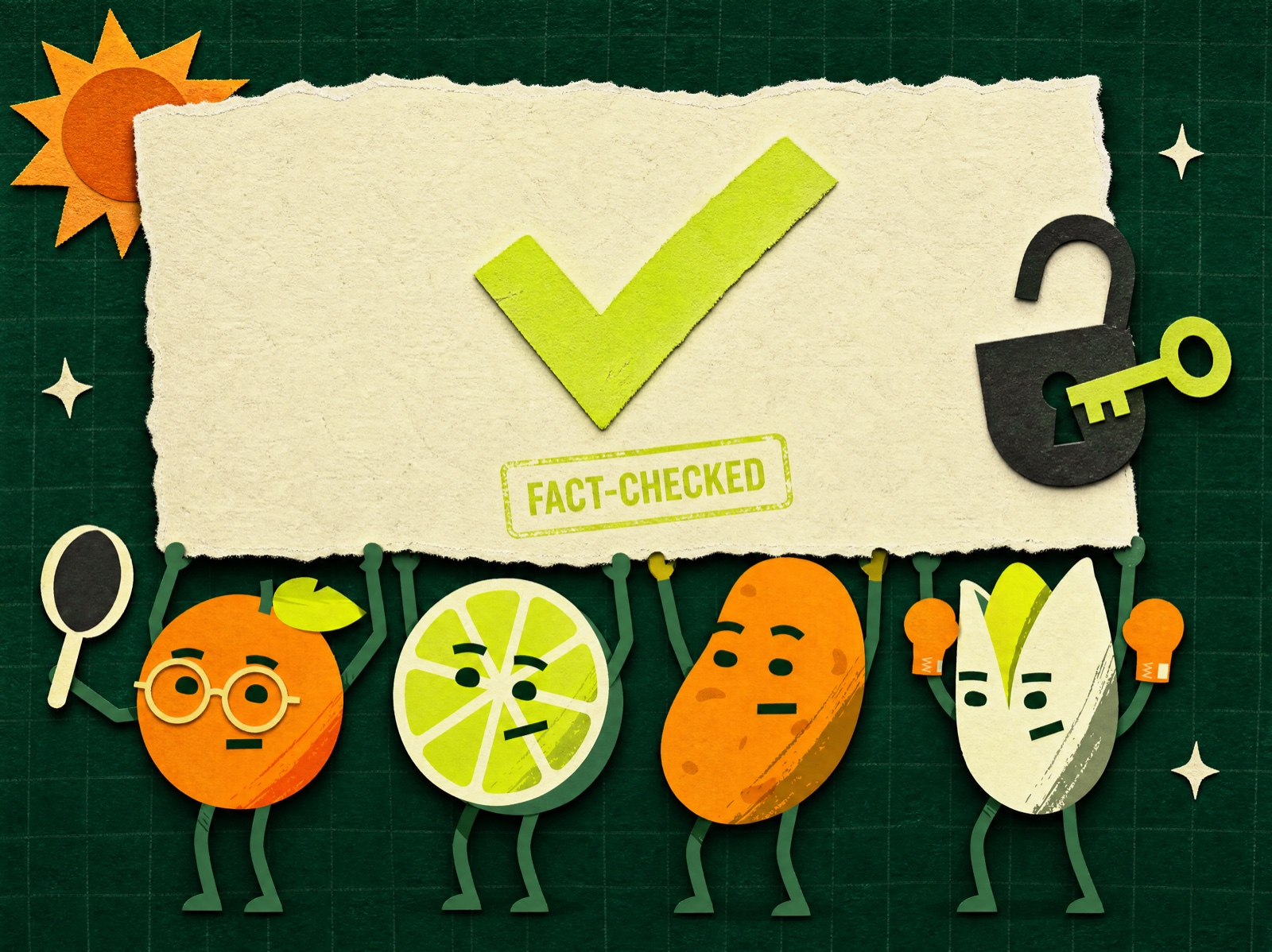
Why we need you
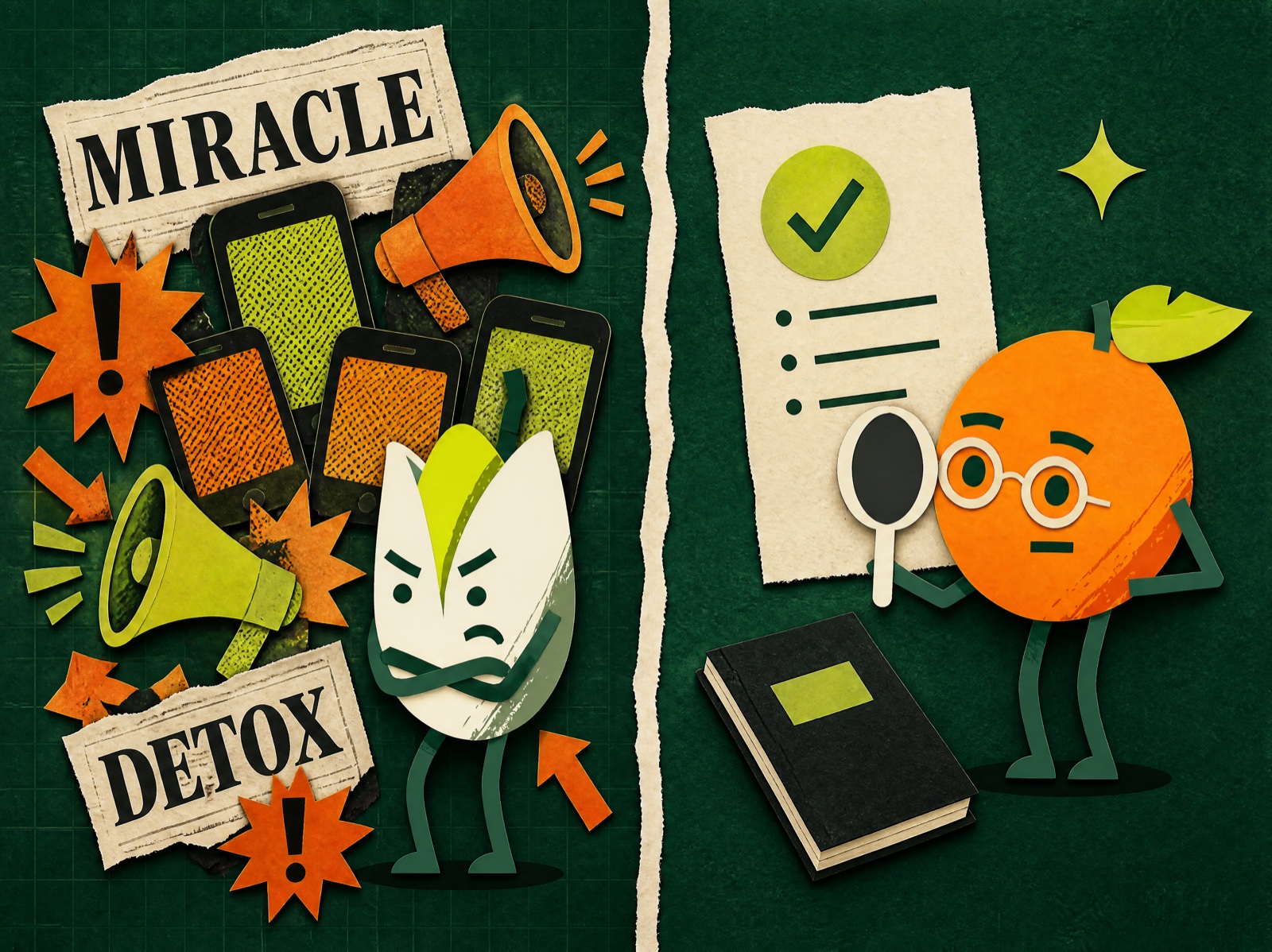
Nutrition is now the most-searched, least-checked subject on the internet.
One in four UK patients now turn to social media or AI for health guidance. What they find is mostly wrong: an analysis of 67,000 TikTok nutrition videos found only 2% matched public-health advice.
The people making that content are not fringe. One chiropractor has 14 million YouTube subscribers. A "glucose" influencer sells a $120 protein powder to people who don't need it. And the cost isn't abstract: cancer patients who swap treatment for "natural" cures die at twice the rate, and in 2025 a coroner found a 23-year-old had been persuaded to refuse chemotherapy she had an 80% chance of surviving.
Nobody is paid to stand in the way of that. So we do.
Sources: Semble patient survey 2025 · Dublin City University TikTok analysis · JAMA Oncology 2018 · ITV News, Kent inquest 2025
Powered by readers
Appreciated by real people
"You changed my life. Thank you for calming my fears and helping me regain my health."
PPasqualina, reader
"I trusted a wellness influencer's advice. Now I don't."
CCarole, reader
"Removed my fear of rice and nuts. Thank you!"
CChristine, reader
What your support funds
Small amounts, real work

£3 a month
About the price of a coffee
Keeps the fact-checks online, up to date and free. The unglamorous work of keeping 200+ articles accurate when someone finds them next year.
£5 a month
Most popular
Helps pay for expert review, so every article is checked by a dietitian, doctor or nutrition scientist before it goes live. The part no influencer bothers with.

£10 a month
Takes on the big names
Funds new fact-checks of the influencers with the biggest reach: the research, the evidence trail and the writing that gets them onto page one.
Prefer to give once? A single gift of any size goes straight into the next article. Give once instead →
How every fact-check is made
Claim in. Evidence out.
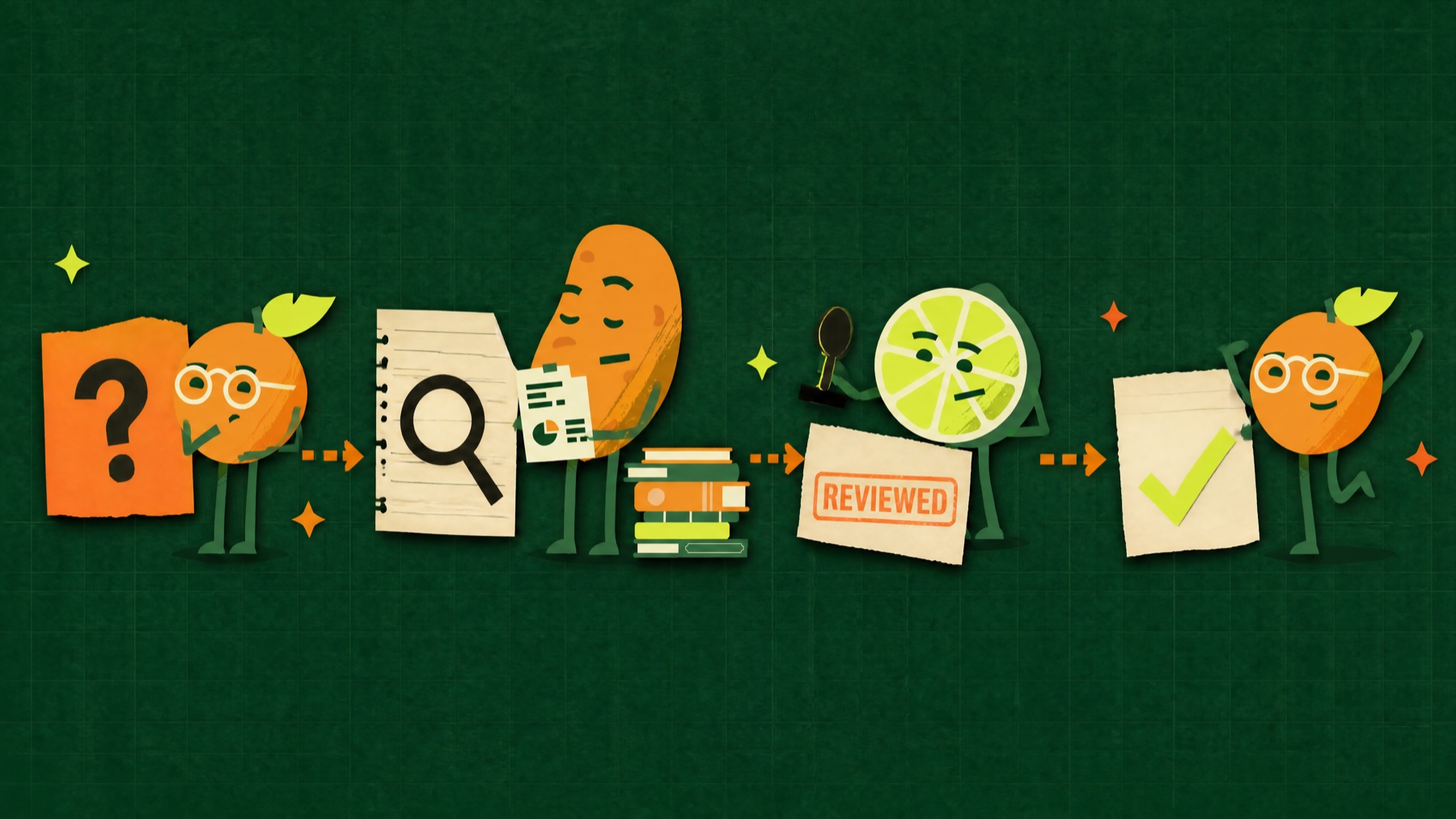
Before a fact-check goes live it is checked by members of our advisory network of around 60 registered dietitians, nutrition scientists and doctors. Every claim links to the evidence, and we publish corrections openly. Meet the experts →
Impact so far
Every one of these is someone deciding whether to believe a myth.
200+
expert-reviewed fact-checks, guides and explainers
~60
dietitians, nutritionists and doctors in our advisory network
218,000
readers since January 2026
1.7M
Google search impressions every quarter
Search the names of the biggest diet influencers and foodfacts.org is on page one of Google, right where the myth would otherwise win. Every donation keeps the correction above the claim.
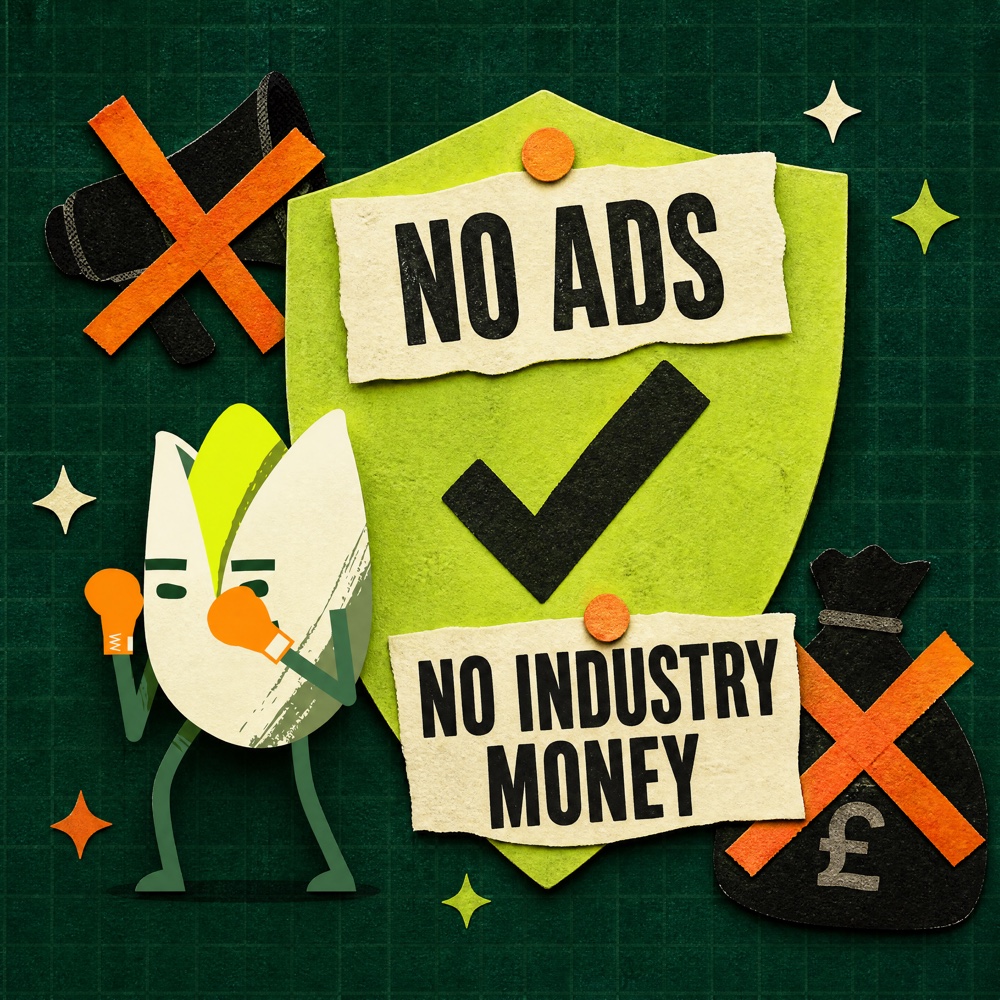
Independent, by design
Our readers are the only people we answer to.
No advertising, no sponsorship, no money from food, supplement or diet companies. Because most food advertising is exactly what we fact-check, the moment a brand pays our bills you can't trust us, and neither can we. Reader funding is the only model that keeps us independent.
Foodfacts.org is a UK non-profit company limited by guarantee (company no. 15414442) with no shareholders. Nobody profits. We're not yet a registered charity, so we can't claim Gift Aid, but every pound goes to the work.
Our funding and disclosures · Independence and transparency · Fact-checking policies

If you've ever found a straight answer here, please help us keep giving straight answers.
We don't have a billionaire, a brand or an ad network behind us. We have readers. It takes about a minute, and about the price of a coffee, to make sure the next person who searches for a diet myth finds the facts instead. Thank you, sincerely.
Support foodfacts.org →Cancel anytime · Secure payment by Stripe · No ads, ever
Questions
Before you give
Can't give right now?
No guilt. It all helps: report a claim you'd like us to check · volunteer or fundraise with us · share a fact-check with someone who needs it.
Keep the facts free
Give £10 a month →


.svg)
