




Europe’s new protein plan could reshape food and farming. Here’s what it means


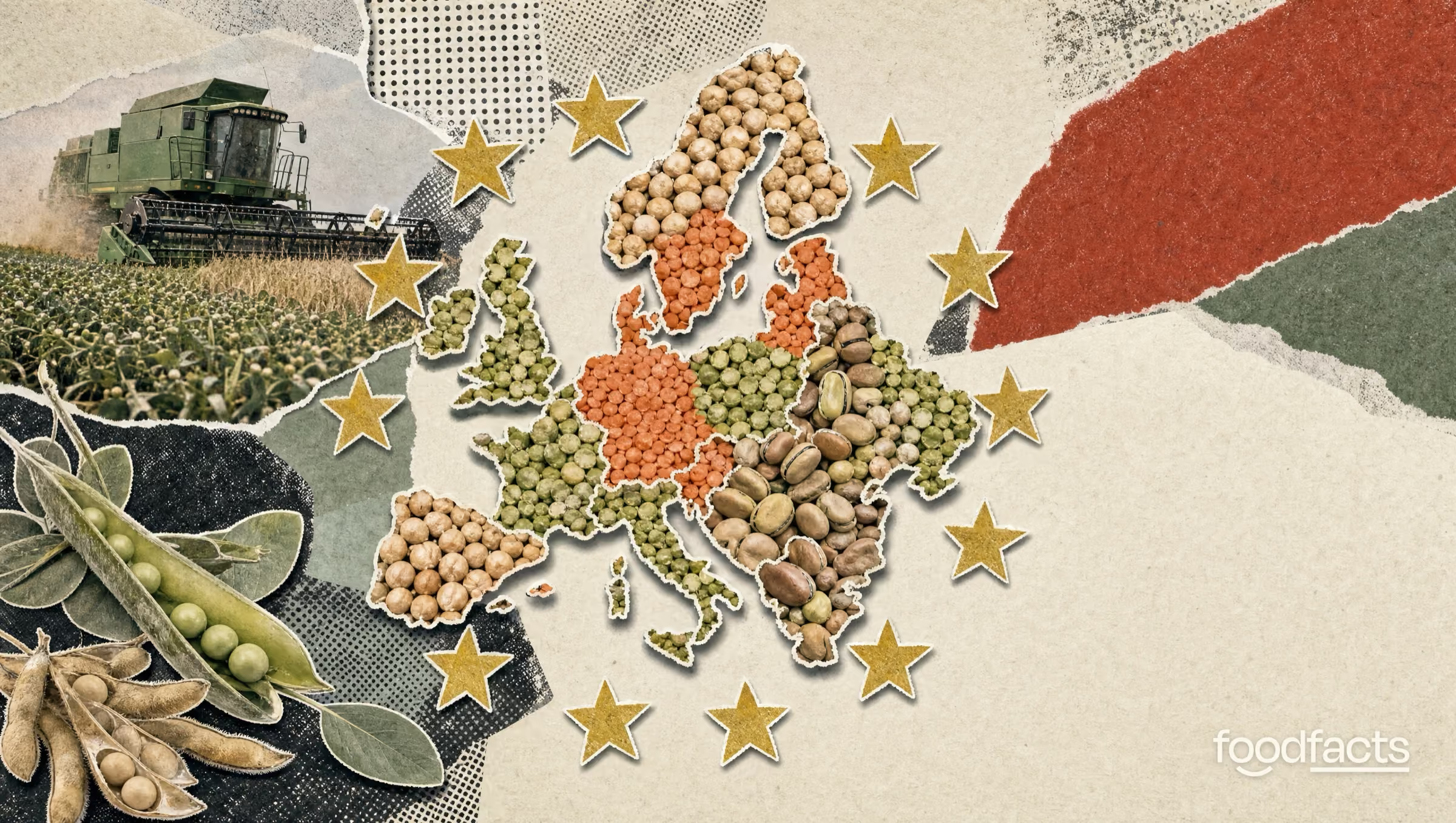
The European Commission’s new EU Protein Plan places plant proteins at the heart of Europe’s future food strategy. It recognises their potential to support food security, farming livelihoods, resilience and sustainability – but its most concrete target remains focused on animal feed, while questions remain about how the plan will help Europeans eat more plant foods.



The European Commission has published its long-awaited EU Protein Plan (formally the Protein Action Plan, adopted on 7 July 2026 alongside an EU Livestock Strategy), setting out a framework intended to expand sustainable plant-protein production and strengthen Europe’s protein system.
That may sound like a niche agricultural policy. In reality, it has implications for what farmers grow, how food businesses invest, how public institutions buy food, and whether healthier, more sustainable plant-rich diets become easier and more affordable for people across Europe.
The plan frames plant proteins as relevant to food security, strategic autonomy, competitiveness, public health, climate and environmental goals. It also recognises the economic opportunities that may come from growing and processing more protein crops, including opportunities for farmers, rural communities and a new generation entering agriculture.
See the European Vegetarian Union (EVU) press release about the plan.
For supporters of a shift towards more plant-based food, this is an important acknowledgement. But the details matter. While the plan signals several promising directions, the European Vegetarian Union (EVU) argues that it does not yet contain the clear targets, funding or demand-side measures needed to address Europe’s wider “protein imbalance” and support a meaningful shift in diets.
Key takeaways
- The European Commission adopted its EU Protein Plan (formally the Protein Action Plan) alongside an EU Livestock Strategy on 7 July 2026.
- Its only numerical target is to raise the EU-grown share of protein used in animal feed from 25.8% to 35% by 2035.
- There is no target, and no earmarked funding, for helping people eat more plant protein directly.
- Most measures, from public procurement to tax incentives, are recommendations that Member States can choose to act on.
- Denmark’s Action Plan for Plant-based Foods is cited as an example of good practice.

Why does Europe need a protein plan?
Protein is often discussed in personal dietary terms – how much we need, where it comes from and whether plant foods can provide enough of it. But at a policy level, protein is also about land use, farming systems, trade, industrial capacity and resilience.
Europe’s protein system includes both food eaten directly by people and protein crops used in livestock feed. The Commission’s plan aims to make that system more autonomous and resilient by supporting sustainable protein production within the EU. In particular, it highlights the role of plant proteins in strengthening food security and reducing vulnerabilities in supply chains.
Protein crops can include pulses such as peas, beans, lentils and chickpeas, as well as crops such as soy and other ingredients used in food manufacturing or animal feed. Increasing their production could help diversify farming systems and create new markets for farmers and food businesses.
The Commission also links plant proteins to wider environmental and climate objectives. These links are important, but they should not be oversimplified: the nutritional and environmental effects of food depend on the specific food, how it is produced, where it is grown, how it is processed and what it replaces in the diet. Nevertheless, a more diverse protein system could give Europe greater flexibility and resilience.
What does the EU Protein Plan propose?
The plan outlines several potential policy routes for supporting protein crops and plant-protein value chains. Some relate directly to agriculture; others concern investment, food procurement and national policy.
| Area | Implications |
|---|---|
| Crop diversification | The plan encourages Member States to include protein crops in crop-rotation and diversification policies. This could broaden farm markets and reduce reliance on a limited range of crops. |
| Farmer support | The plan recognises the additional costs of switching to protein crops and recommends support for farmers. This could reduce the financial risk of adopting new crops. |
| Farm diversification | The Commission encourages livestock-focused farms to diversify, including through mixed crop–livestock systems. This supports a gradual transition rather than an all-or-nothing change. |
| Processing infrastructure | The plan highlights investment in research, processing and on-farm technologies. Farmers need reliable routes to process and sell protein crops if production is to expand. |
| Protein value chains | The plan considers a dedicated protein-crop sector and targeted support across the value chain. Better coordination could help link farmers, processors and food manufacturers. |
| Public procurement | The Commission proposes prioritising “best value” over lowest price in public food contracts. This could give nutrition, sustainability and resilience greater weight in public meals. |
| Tax measures | Member States are invited to consider tax measures, potentially including lower rates for plant proteins. This could improve affordability, though no EU-wide tax change is proposed. |
Importantly, many of these recommendations are directed at individual Member States rather than being measures that will be implemented automatically across the EU. National governments are encouraged to invest in protein-crop production and supply chains, for both food and feed, and to develop national protein strategies. These recommendations are voluntary, so their impact will depend largely on whether and how Member States choose to act. If widely adopted, however, they could help drive significant changes in what Europe grows, processes and ultimately eats.
The plan also identifies potential opportunities in wider EU policy discussions, including the post-2027 Common Agricultural Policy, the Common Market Organisation, the European Competitiveness Fund and public-procurement rules.
This breadth is considered a strength, since a meaningful protein transition cannot be delivered by agricultural policy alone. It requires coordinated action across farming, food processing, research, retail, public institutions and consumer food environments.
The main target is for animal feed
The most specific numerical commitment described in the plan is a target to increase EU production of proteins for feed from 25.8% to 35% by 2035. According to the Commission's own protein supply and demand factsheet, only around a quarter of the high-protein feed used in the EU is currently grown in the EU, and soya makes up most of what is imported.
This target matters. Protein used in animal feed is an important part of Europe’s wider food system, and increasing domestic production may help reduce reliance on external supply chains. It could also create demand for protein crops grown by European farmers.
However, it is essential to be clear about what the target does – and does not – address.
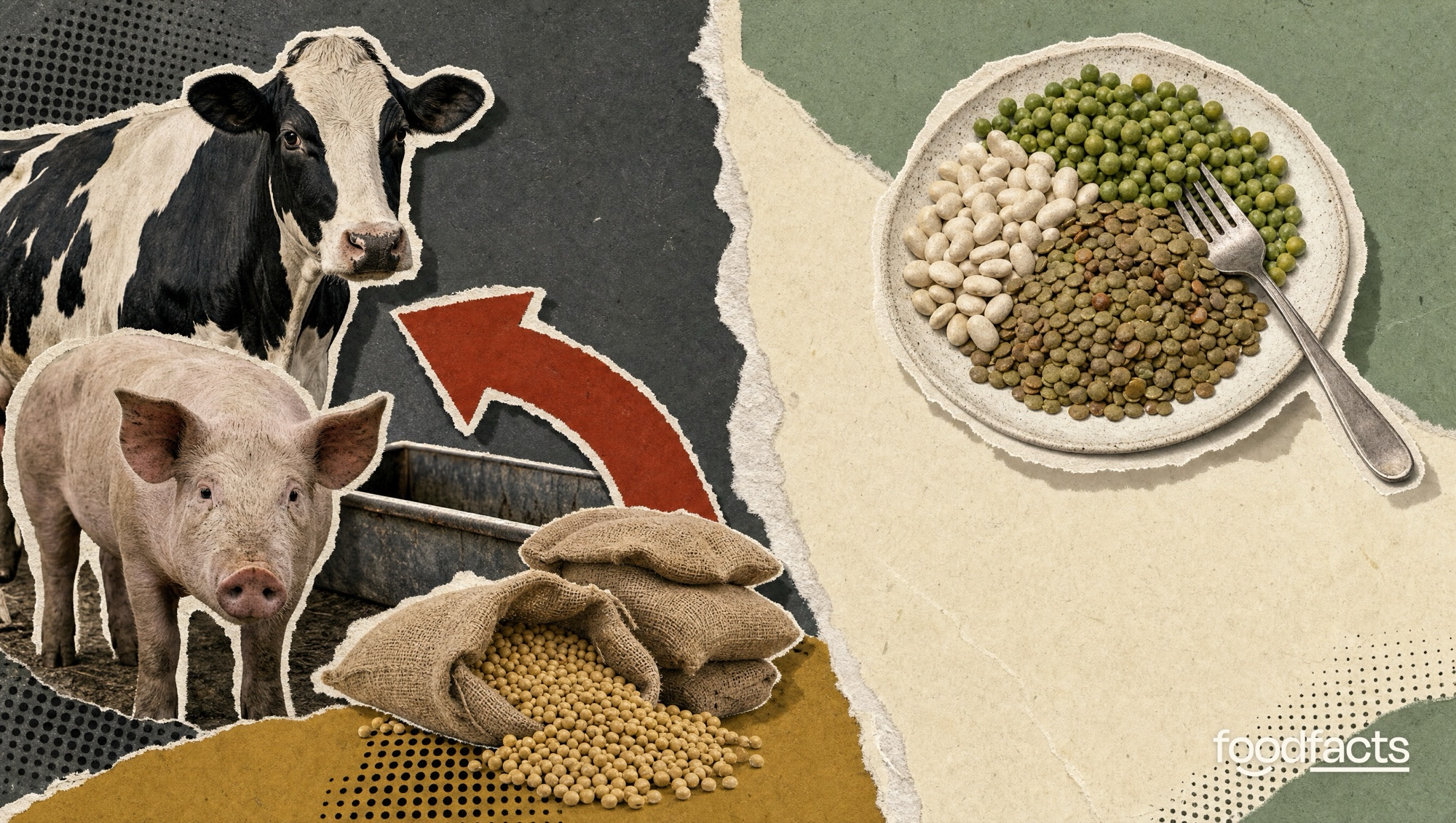
It is a target for protein used in animal feed, not a target for increasing direct human consumption of plant-protein foods. The distinction is important because the health, environmental and food-security implications of growing more crops for feed may differ from those of helping people eat more beans, lentils, peas, whole grains, nuts, seeds and other plant foods directly.
The EVU argues that the EU’s protein dependency is linked to imbalanced diets, and that increasing direct consumption of plant proteins could reduce the need for imported feed proteins. In its view, the feed target could be achieved faster if policy also supported a shift towards greater consumption of plant foods by people.
This is the central question raised by the plan: will it mainly strengthen Europe’s existing feed system, or will it also help reshape the food environment to make plant-rich diets a more normal, accessible and affordable option?
Producing plant proteins is not the same as eating more plant foods
The Commission’s recognition of plant proteins is a welcome step. Yet supply-side policy alone does not automatically change diets.
Farmers may grow more peas, beans or other protein crops, but that does not guarantee that these foods will be widely available, affordable, appealing or routinely eaten. A dietary shift depends on many factors, including:
- The price and availability of plant-protein foods
- Product development and food-processing capacity
- Culinary familiarity, cooking skills and convenience
- Retail and food-service provision
- Dietary guidance and public-health communication
- School, hospital, university and workplace catering
- The relative affordability and promotion of different foods
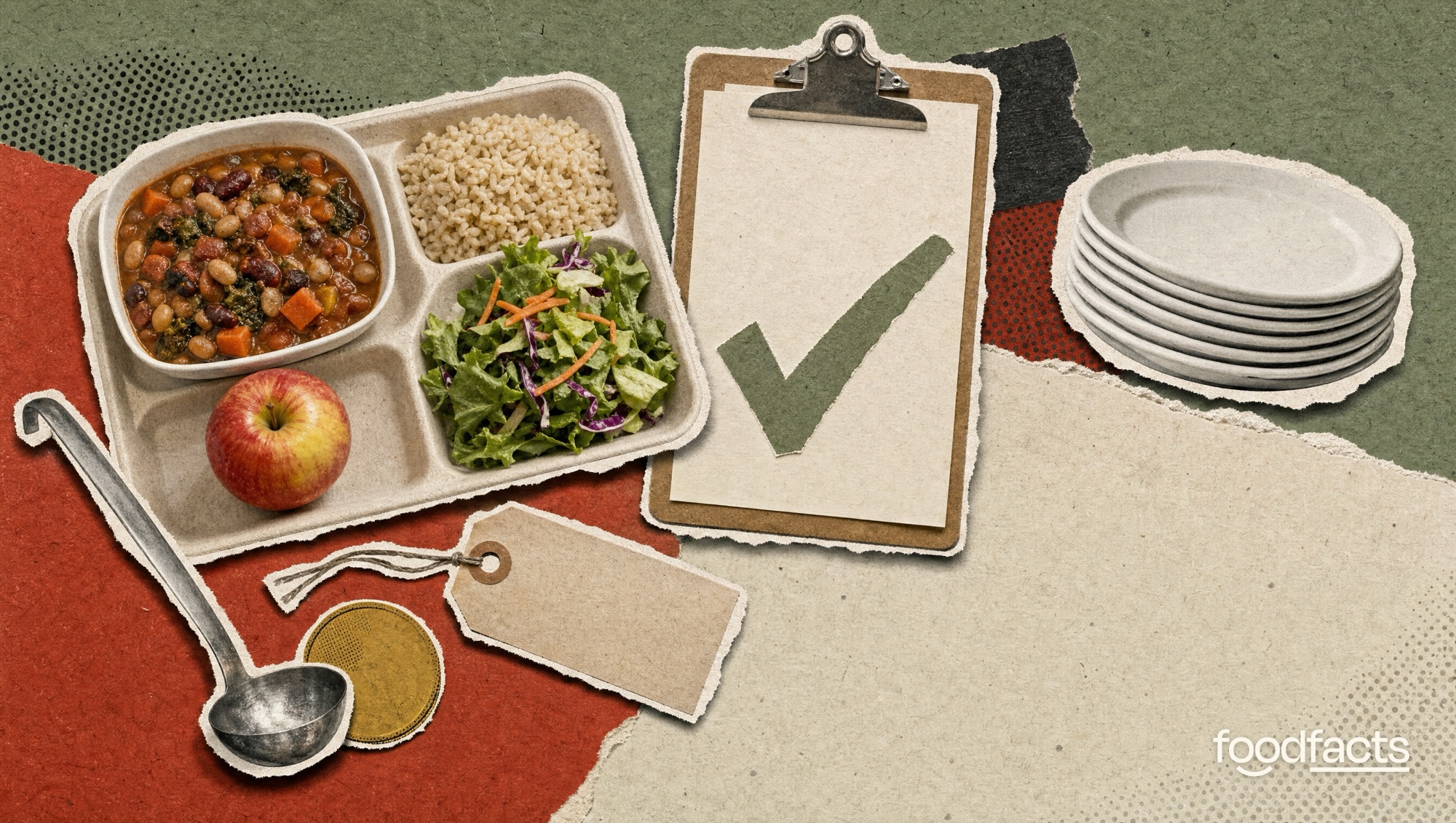
This is why public procurement could be one of the most significant elements of the plan. Governments and public bodies purchase large volumes of food for schools, hospitals, care homes, universities and other institutions. A move away from lowest-price purchasing towards a broader “best value” approach could create space to consider nutritional quality, sustainability, resilience and social value alongside cost.
If implemented well, that could support more varied and appealing plant-protein options in public meals. But the plan’s language is still an invitation and a policy opportunity, rather than a binding Europe-wide requirement.
Similarly, the mention of possible taxation measures – including lower rates for plant proteins – may be important, but it does not amount to a committed EU-wide change. Much will depend on whether individual Member States choose to act.
A positive step, but important gaps remain
The EVU has welcomed the Commission’s recognition that plant proteins are central to Europe’s future food system and its acknowledgement of opportunities for farmers, rural communities and generational renewal. Rafael Pinto, Senior Policy Manager at the EVU, described the plan as an “important milestone” and a possible turning point in political support for the sector:
"This is the first time the European Commission acknowledges the positive impact that plant-based proteins can have for farmers. It can be an important step in overcoming the culture war and focusing on real policies that benefit farmers, producers and consumers at once. We look forward to following the implementation of the Protein Plan on all governance levels: European, National, Regional and Local."
At the same time, the organisation argues that the plan falls short of the concrete action needed to solve Europe’s protein imbalance.
Its main concerns are clear:
- There is no target to rebalance plant and animal protein production and consumption.
- There is no earmarked funding specifically designed to accelerate the shift towards plant foods.
- There are limited concrete measures aimed at increasing demand for plant-protein foods among the public.
- The only quantified target concerns feed protein rather than direct human consumption.
These criticisms do not mean the plan lacks value. Rather, they point to the difference between recognising a strategic priority and building a full policy programme capable of delivering it.
The EVU’s proposed next step is an EU Plant-Based Action Plan: a more focused framework that would support both the production of plant proteins and their direct consumption in everyday diets.
Denmark offers one possible model
The Commission recognises the Danish Action Plan for Plant-based Foods as an example of good practice. Launched in October 2023, it was the first national plan of its kind, combining support for farmers and food businesses with action on public meals, training and consumer demand. Denmark is not alone in rethinking its food policy: the Netherlands has cut its recommended meat intake by 40%.
That is notable because it points towards a more coordinated approach: one that considers farmers, food businesses, research, public meals and consumers together, rather than treating plant proteins solely as an agricultural commodity or a feed issue.
For other Member States, the lesson may be that a successful transition requires action along the entire value chain. Farmers need viable crops and markets. Processors need infrastructure and investment. Caterers and retailers need affordable, useful products. Consumers need plant-rich meals that are attractive, familiar and easy to choose.
A protein strategy will be most effective when it connects those parts of the system rather than addressing them in isolation.
What should happen next?
The EU Protein Plan creates an opening. Its ultimate value will depend on the policies, investments and national actions that follow.
A stronger approach would include:
- Support for farmers to incorporate protein crops into diverse and economically viable farming systems.
- Investment in processing, storage, research and product innovation.
- Public procurement standards that reward health, sustainability and resilience alongside price.
- Transparent monitoring of progress, including both protein production and dietary consumption.
- Specific targets that address direct human consumption of plant proteins, not only feed self-sufficiency.
- Dedicated funding for a transition towards healthier and more sustainable food environments.
The plan’s publication is therefore an important moment for Europe’s food system. It signals that plant proteins are no longer being treated as a marginal issue: they are now part of the conversation about economic resilience, farming futures, public health and strategic autonomy.
But recognition is only the beginning. The real test will be whether Europe turns this framework into practical action that helps farmers thrive, supports food innovation and makes plant-rich diets easier for everyone to choose.
Frequently asked questions about the EU Protein Plan
What is the EU Protein Plan?
The EU Protein Plan is the European Commission’s Protein Action Plan, adopted on 7 July 2026 alongside the EU Livestock Strategy. It sets out a framework to expand sustainable plant-protein production in Europe and reduce the EU’s reliance on imported protein, mainly for animal feed.
What is the EU’s 35% protein target?
The plan aims to raise the share of EU-grown oilseeds and protein crops used in animal feed from 25.8% to 35% by 2035. It is the plan’s only quantified target.
Does the plan set targets for people to eat more plant protein?
No. The plan contains no target or dedicated funding for direct human consumption of plant proteins. Its demand-side ideas, such as “best value” public procurement and possible tax measures, are recommendations that individual Member States can choose to adopt.
What is the Danish Action Plan for Plant-based Foods?
Launched in October 2023, it was the first national plan of its kind, combining support for farmers and food businesses with action on public meals, training and consumer demand. The Commission cites it as an example of good practice for other Member States.

Independent fact-checking, funded by readers like you.
Misinformation is a growing threat to our health and planet. At foodfacts.org, we're dedicated to exposing the truth behind misleading food narratives. But we can't do it without your support.
References
- European Commission (2026). Commission adopts Livestock Strategy and Protein Action Plan. Press release, 7 July 2026. (source)
- European Commission. Reducing the plant protein deficit of the EU: the Protein Action Plan. (source)
- European Commission (2026). Factsheet: protein supply and demand in the EU. (PDF)
- European Commission (2026). Factsheet: the CAP post-2027 and protein and leguminous crops. (PDF)
- European Commission. EU Livestock Strategy. (source)
- European Vegetarian Union (2026). European Commission unveils plan to strengthen Europe’s plant protein system. Press release, 7 July 2026. (source)
- Ministry of Food, Agriculture and Fisheries of Denmark (2023). Action Plan on Plant-based Foods. (source)




foodfacts.org is an independent non-profit fact-checking platform dedicated to exposing misinformation in the food industry. We provide transparent, science-based insights on nutrition, health, and environmental impacts, empowering consumers to make informed choices for a healthier society and planet.






.svg)


.svg)

