




No, lentils aren't "unhealthy" — here's what the evidence shows


Eddie Abbew, a bodybuilding champion, retired nurse, and online influencer promoting an animal-food-centred diet, has controversially claimed in an Instagram reel that pulses, including lentils, are “not healthy”. He offers no explanation or evidence to back up this claim, so let’s look at what the research actually says about pulses and health.



Research links higher legume intake with lower cardiovascular-disease risk, while trials suggest pulses can improve cholesterol and some blood-sugar risk markers, particularly when they replace refined carbohydrates or red and processed meat. Pulses can cause bloating or wind in some people, especially those with IBS, but this usually calls for adjustments to portion size, type or preparation rather than avoiding them altogether.
Discouraging people from eating lentils and pulses risks reducing consumption of foods that are consistently linked with better cardiometabolic health in populations that already under‑consume fibre and plant foods. If such advice is followed, it could shift diets towards more harmful patterns, especially when paired with promotion of restrictive meat-heavy diets.


Claim: “Are pulses/lentils healthy? No.”
Fact-check verdict: This claim is inaccurate. Lentils and other pulses are nutrient-dense foods, and the available evidence does not support the claim that they are inherently unhealthy.
What are pulses?
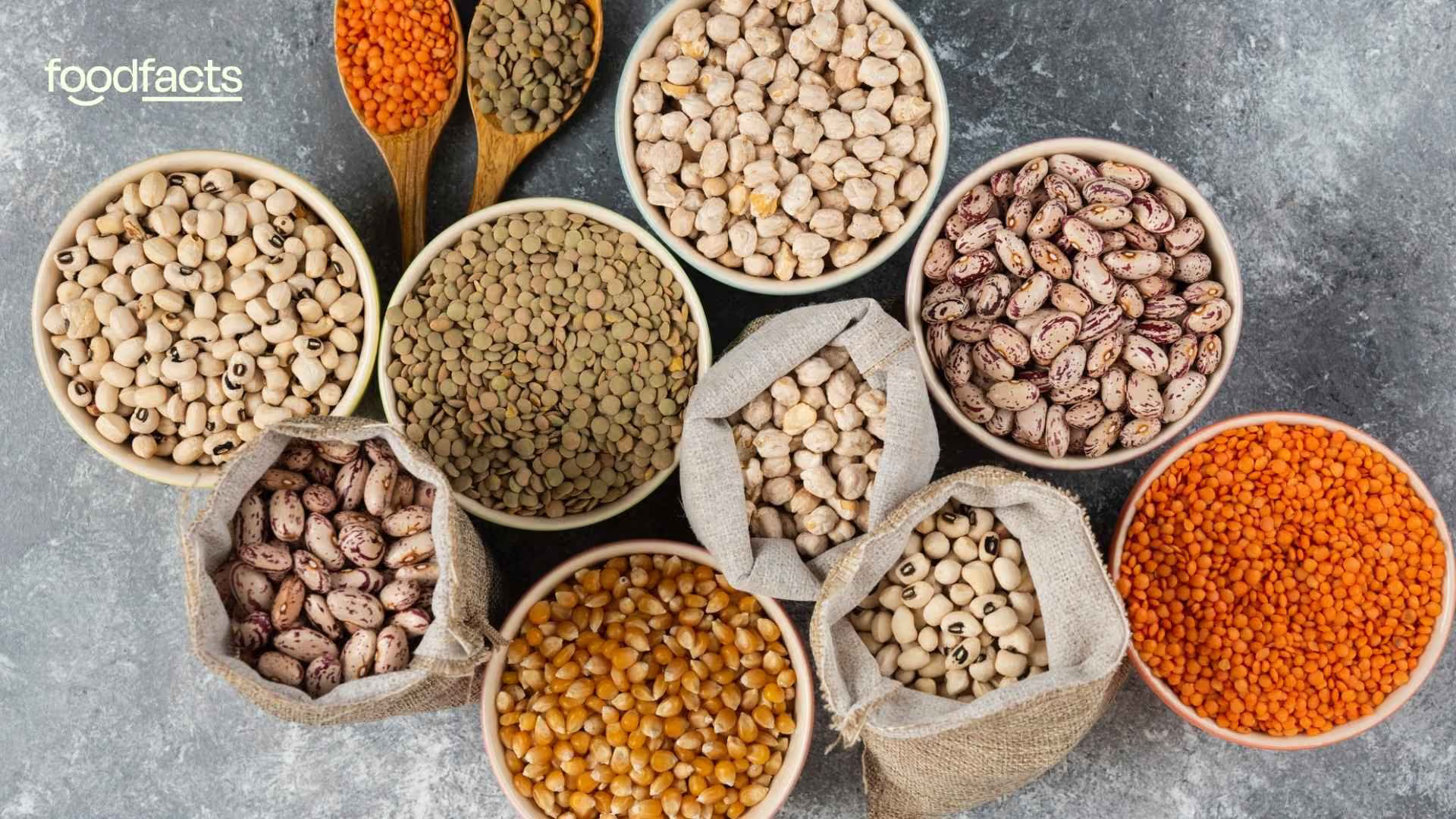
Pulses are a subgroup of legumes and include lentils, chickpeas, dried beans and dried peas. The broader legume family also includes foods such as soybeans, peanuts and fresh peas (source).
The Eatwell Guide recommends that we eat more plant proteins such as beans and pulses. Pulses provide fibre, plant protein, carbohydrate, and micronutrients including folate, iron, zinc, magnesium and potassium. In a UK observational study, higher pulse and legume intake has been associated with higher intakes of fibre, folate, vitamin E, iron, zinc and magnesium (source).
Pulses and disease risk: the evidence
Current evidence does not show that lentils or pulses raise the risk of chronic disease. Instead, studies generally suggest that people who eat more legumes typically have better health outcomes than those who eat less.
For heart health, a major review of population studies found that a higher legume was associated with a 6% lower risk of cardiovascular disease and a 10% lower risk of coronary heart disease.
Controlled human trials suggest that adding pulses to the diet can modestly improve cholesterol and blood-sugar markers. A review of trials found lower total cholesterol, LDL (“bad”) cholesterol, fasting blood glucose and insulin resistance in people eating legumes compared with control diets. These effects are likely to be most beneficial when pulses replace foods such as refined carbohydrates and red or processed meats, rather than simply being added to an already energy-dense diet.
Pulses may also help keep blood sugar steadier after meals. For example, beans, lentils, peas and chickpeas may produce smaller rises in blood glucose after meals than many refined carbohydrate foods, including white rice and foods made with refined wheat flour (source).
The evidence specifically linking pulses to type 2 diabetes is less consistent. One prospective study in adults at high cardiovascular risk linked higher lentil intake with a lower chance of developing type 2 diabetes. However, a large analysis combining 27 studies worldwide found no clear association between pulse intake and type 2 diabetes. This may reflect the importance of the whole dietary pattern in disease prevention, meaning a varied diet rich in fibre, with minimally processed foods and lower in refined grains, added sugars and saturated fat, is optimal to reduce disease risk factors (source).
What is in pulses that makes them good for us?
Fibre
The metabolic effects seen with pulses may partly reflect their high fibre content.
Fibre helps keep stools soft and bulky, which supports regular bowel movements. Some types, especially some soluble fibres, slow digestion and the absorption of glucose and fats. This can reduce the rise in blood glucose after meals and may help lower cholesterol levels (source).
Some fibres are fermented by gut bacteria in the colon, producing compounds such as short-chain fatty acids (SCFAs). These can provide energy for the cells lining the colon and support gut barrier function and can enter the bloodstream and may help regulate blood sugar, blood fats and appetite signals (source).
Protein
Pulses are a rich source of protein, which is essential for growth and repair of tissues such as muscles and bones, helping to maintain strength. It is also needed to make enzymes, hormones, and immune cells (source).
Protein may also contribute to feeling fuller after eating. Alongside fibre and the slower digested carbohydrate in pulses, this can help to control appetite and may support a lowever overall energy intake in some people (source)
Low in saturated fat
Pulses are low in total fat and saturated fat, and can be alternatives to proteins that are higher in saturated fat, such as in some full-fat dairy products (like cheese) and processed meats. Replacing these foods with nutrient-rich plant foods such as lentils or other pulses may help to lower LDL (“bad”) cholesterol and is associated with lower risks of cardiovascular disease and type 2 diabetes (source).
Micronutrients
Pulses provide folate for cell growth and red blood cell formation; iron for oxygen transport; zinc for immune function; potassium for normal nerve, muscle and heart function; and magnesium for blood-glucose and blood-pressure regulation (source).
Polyphenols and Phytosterols
Polyphenols: These plant compounds may positively influence oxidative stress, inflammation, and glucose or lipid metabolism. Lentils, for example, contain a range of polyphenols, especially in the seed coat (source). That said, evidence for specific polyphenols is mechanistic or based on experimental studies, so their specific health effects in people remains uncertain.
Phytosterols: Pulses contain small amounts of plant sterols. At much higher intakes, typically obtained from foods fortified with plant sterols or from supplements, plant sterols can reduce cholesterol absorption and lower LDL cholesterol (source). However, it is unlikely that the small amounts in a normal serving of pulses are enough to produce this effect on their own. Instead, any cholesterol-lowering benefit from pulses is more likely to come from their overall nutrient profile such as fibre, low saturated fat and plant protein rather than phytosterols alone.
The anti-nutrient question
Some people may avoid pulses because they contain compounds often called “anti-nutrients”, including lectins and phytate (source). These substances can reduce the absorption of some minerals in certain circumstances. However, the term “anti-nutrients” can make them sound more harmful than the evidence supports.
For example, phytate may reduce the absorption of non-haem iron (the plant form), zinc and calcium from the same meal. This is likely to matter more for someone with an existing nutrient deficiency or a very limited diet. However, in a varied diet, phytate is not usually a reason to avoid pulses, and it may also have antioxidant or other beneficial effects (source).
Lectins can be harmful if certain pulses, especially red kidney beans, are eaten raw or undercooked. However, pulses are normally soaked and cooked before eating, which greatly reduces lectin activity (source). A review concluded that there is no strong evidence from human trials that properly cooked lectin-containing foods are harmful in the general population; their nutritional benefits are likely to outweigh potential harms for most people.

Do pulses cause gas and discomfort?
Some people do experience bloating, wind or discomfort after eating lentils and beans. This can be especially common in people with irritable bowel syndrome (IBS), because pulses contain fermentable carbohydrates known as FODMAPs (source). That does not make them unhealthy. It simply means that the amount, type and preparation may need to be adjusted. Smaller portions, introducing pulses gradually, and choosing canned, drained and rinsed lentils can help some people (source).
It can also help to introduce pulses gradually, giving the gut time to adapt. In three feeding trials, participants ate half a cup of beans daily: although some initially reported more flatulence, this generally declined after the first few weeks. For example, in one trial, reports of increased flatulence fell from 35% in week 1 to 11% by week 4 and 3% by week 8. This suggests that, for many people, increased wind is temporary and tends to become minimal as regular pulse intake is established.
“The idea that lentils and other pulses are unhealthy is simply not supported by the evidence. They’re nutrient-dense foods that provide protein, fibre and a range of important micronutrients, and higher intakes of pulses and legumes are generally associated with favourable cardiometabolic outcomes. Concerns about compounds sometimes labelled ‘anti-nutrients’ also need to be kept in perspective: normal preparation and cooking substantially reduces these compounds, and the overall evidence points towards benefits, rather than harms, from including pulses as part of a varied diet. For most people, eating more lentils, beans, chickpeas and other pulses is likely to be a positive change.”

Final Take-away
Calling pulses “unhealthy” is not consistent with the overall body of evidence, therefore is misleading. It overlooks evidence that they can support heart and metabolic health, while common criticisms often exaggerate concerns about anti-nutrients and digestive symptoms that affect only some people.
The claim could lead people to cut out affordable sources of fibre and plant protein, potentially replacing them with lower-fibre or foods higher in saturated fats. People with IBS may need to adjust the type, portion size or preparation of pulses, but this does not make pulses unhealthy for everyone.
We have contacted Eddie Abbew and are awaiting a response.
Disclaimer
This fact-check is intended to provide information based on available scientific evidence. It should not be considered as medical advice. For personalised health guidance, consult with a qualified healthcare professional.
Independent fact-checking, funded by readers like you.
Misinformation is a growing threat to our health and planet. At foodfacts.org, we're dedicated to exposing the truth behind misleading food narratives. But we can't do it without your support.
Sources:
- Food and Agriculture Organization of the United Nations (2025). ‘What is the difference between legumes and pulses?’
- National Health Service (NHS) (2016). ‘Eatwell Guide’.
- Kaimila et al. (2025). ‘Pulse and legume consumption is associated with a more optimal nutrient intake and a higher EAT-Lancet index in a representative UK population.’
- Mendes et al. (2023). ‘Intake of legumes and cardiovascular disease: A systematic review and dose-response meta-analysis.’
- Thorisdottir et al. (2023). ‘Legume consumption in adults and risk of cardiovascular disease and type 2 diabetes: a systematic review and meta-analysis’.
- Petroski and Minich (2020). ‘Is there such a thing as “anti-nutrients”? A narrative review of perceived problematic plant compounds.’
- Government of Canada (2017). ‘Lectins in Dry Legumes’.
- Hutchins et al. (2012). ‘Phaseolus beans: Impact on glycaemic response and chronic disease risk in human subjects.’
- Becerra-Tomás et al. (2018). ‘Legume consumption is inversely associated with type 2 diabetes incidence in adults: A prospective assessment from the PREDIMED study.’
- Pearce et al. (2021). ‘Associations of total legume, pulse, and soy consumption with incident type 2 diabetes: Federated meta-analysis of 27 studies from diverse world regions.’
- British Nutrition Foundation (2023). ‘Type 2 Diabetes’.
- Ioniță-Mîndrican, CB et al. (2022). ‘Therapeutic Benefits and Dietary Restrictions of Fiber Intake: A State of the Art Review.’
- British Nutrition Foundation (2023). ‘Protein’.
- McCrory, MA et al. (2010). ‘Pulse consumption, satiety, and weight management.’
- Cronin et al. (2021). ‘Dietary fibre modulates the gut microbiota.’
- Neuenschwander et al. (2023). ‘Substitution of animal-based with plant-based foods on cardiometabolic health and all-cause mortality: A systematic review and meta-analysis of prospective studies.’
- https://www.betterhealth.vic.gov.au/health/healthyliving/Vitamins-and-minerals#types-of-minerals-and-their-functions
- Mustafa et al. (2022). ‘Polyphenols, saponins and phytosterols in lentils and their health benefits: An overview.’
- European Food Safety Authority (2012). ‘Scientific Opinion on the substantiation of a health claim related to 3 g/day plant sterols/stanols and lowering blood LDL-cholesterol and reduced risk of (coronary) heart disease pursuant to Article 19 of Regulation (EC) No 1924/2006’.
- Collins (2016). ‘Including legumes on a low FODMAP diet.’
- Cambridge University Hospitals NHS Foundation Trust (2025). ‘Low FODMAP diet: Reducing fermentable carbohydrates in your diet.’
- Winham, DM & Hutchins, AM (2011). ‘Perceptions of flatulence from bean consumption among adults in 3 feeding studies.’



foodfacts.org is an independent non-profit fact-checking platform dedicated to exposing misinformation in the food industry. We provide transparent, science-based insights on nutrition, health, and environmental impacts, empowering consumers to make informed choices for a healthier society and planet.








.svg)


.svg)

