
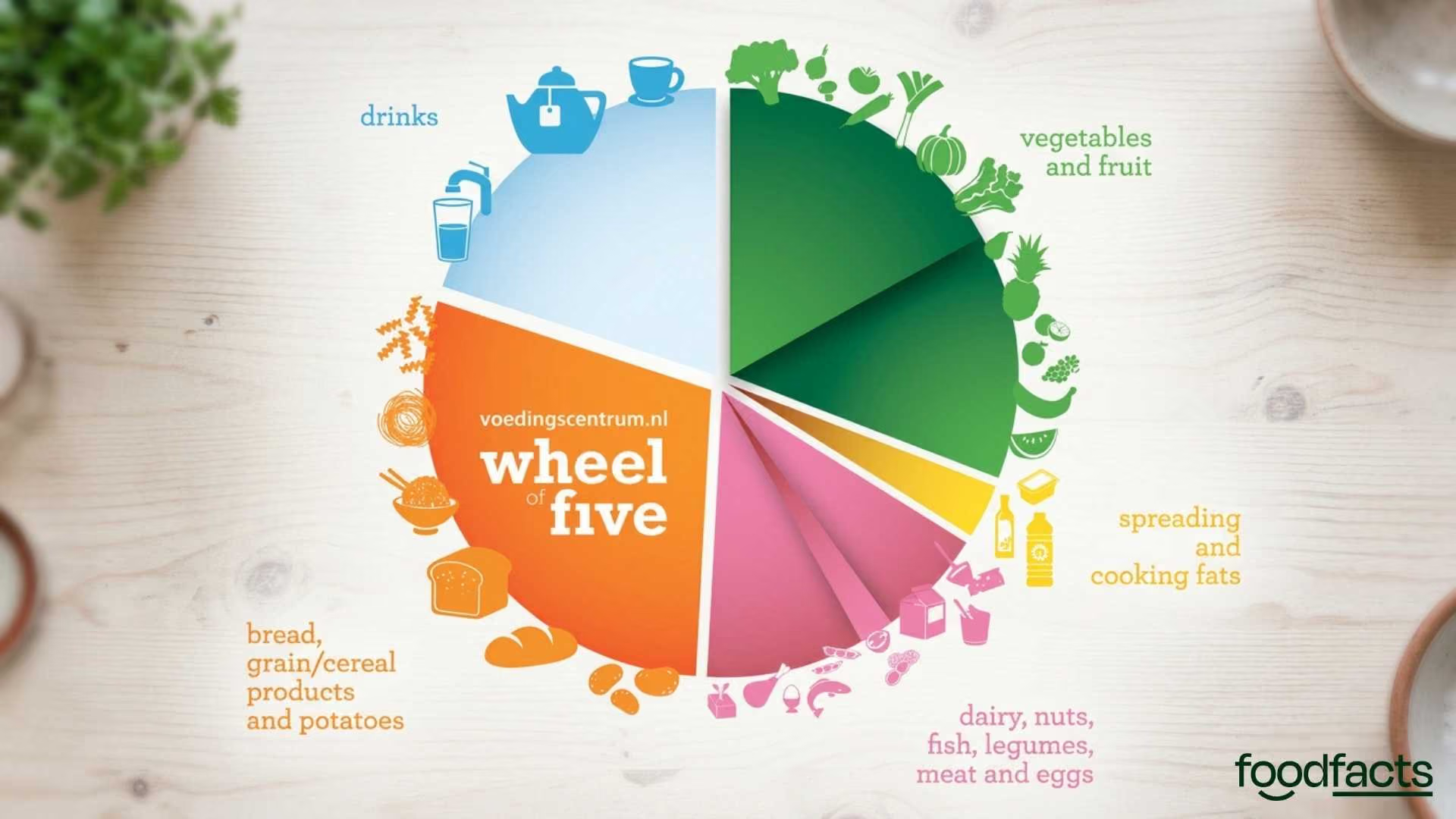




The Netherlands' Wheel of Five, updated: how health, sustainability, and safety are now inseparable




The Netherlands Nutrition Centre launched the updated Schijf van Vijf (the Wheel of Five) in April 2026, a familiar guide now refined to align with the latest science on healthy eating and, for the first time, on sustainable and safe eating. It translates current insights into practical, personalised advice based on age, gender, and dietary preferences, emphasising balance between animal and plant-based foods.
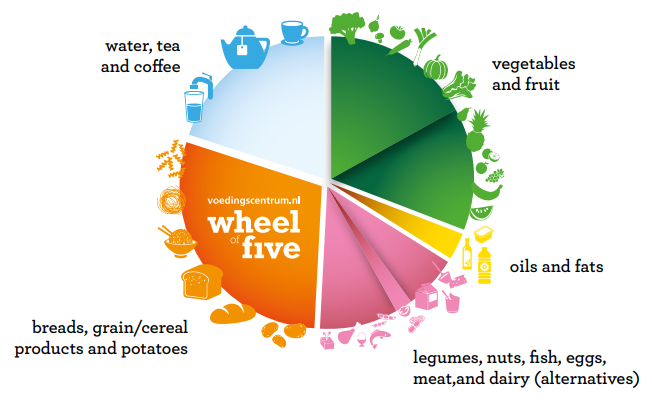
The Director of the Netherlands Nutrition Centre, Petra Verhoef, stresses that health, sustainability, and safety are inseparable, and the updated food guidance considers not only our current health, but also that of the world around us and future generations (source).
What's new in the 2026 Wheel of Five
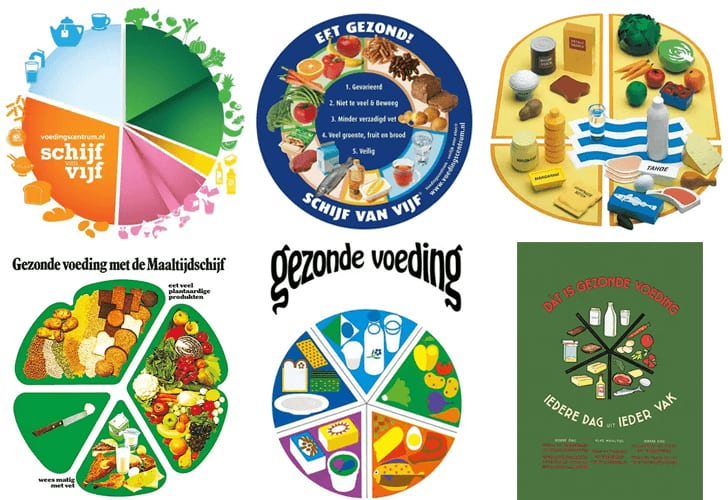
The Schijf van Vijf, which dates to 1953 and has been updated over the years, retains its five recognisable sections, prioritising ample vegetables, fruit, and whole grains, and less salt, saturated fat, and sugar. The biggest difference from previous versions of the Schijf van Vijf lies in the quantities.
For adults aged 18-50 the main changes are:
- Legumes, tofu and tempeh: up from 120-180 g to 250 g per week
- Meat: down from a maximum of 500 g to 300 g per week, with just 100 g coming from red meat (and as little as possible from processed meat)
- Cheese: down from 40 to 20 g per day
- Nuts: from 25-30 g per day
- Advice is to alternate between dairy and fortified plant-based alternatives
The research behind the updated food wheel
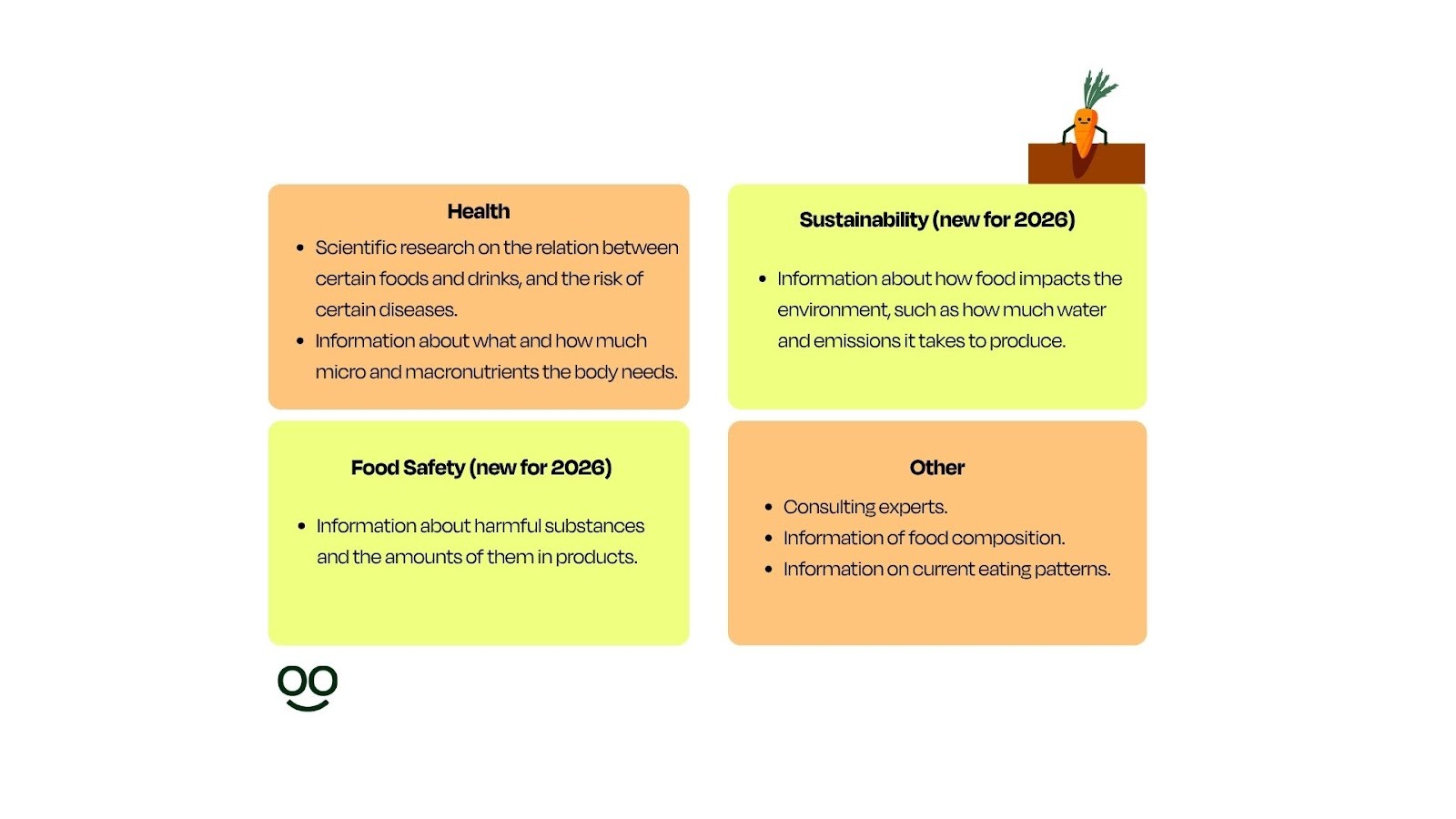
The Netherlands Nutrition Centre, working with the National Institute for Public Health and the Environment (RIVM), modelled eating patterns for nutritional needs, greenhouse gas emissions, water use, and risks like PFAS and heavy metals (source). The update incorporates the latest Health Council 2025 advice on proteins/patterns.
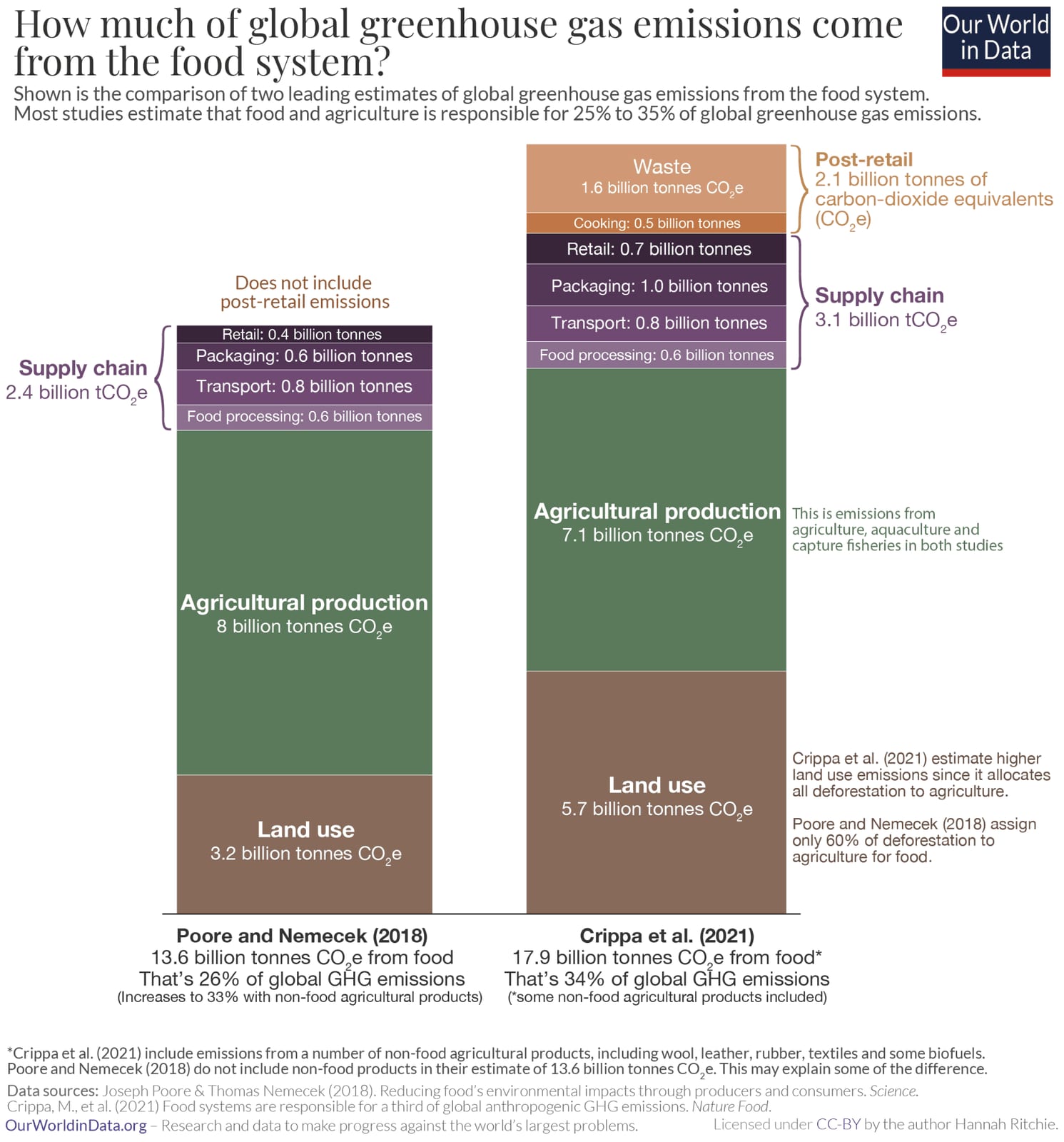
Over the past decade, research has evaluated the effects of diet on coronary heart disease, type 2 diabetes, and cancers; recently, it has also examined food contaminants and environmental effects. The global food system, from production to waste, accounts for ~30% of GHG emissions and is the primary driver of biodiversity loss, endangering future food security (source, source, source). These revised guidelines and an updated Food Wheel aim to align disease prevention with planetary boundaries.
The process to update the Schijf van Vijf had two main parts:
- Gathering input on healthy, safe and sustainable food
- Feeding the input into a calculation model and translating the results into recommendations.
The input used included the following dimensions:
Who these guidelines are designed for
The Wheel of Five serves as a public health and educational tool and is a key component of a coherent food policy. They are the basis for developing policies that aim to shift production, purchasing, and consumption patterns toward healthier and more sustainable directions. Thus, it is intended to be of use to the general population, health professionals, educators, food professionals, and policymakers.
Dietary Guidelines - From science to practice
The Netherlands Nutrition Centre acknowledges that people’s eating habits often deviate from the national recommendations and aims to bridge the gap between science and consumers’ habits. One tool that the Centre has to help individuals to better guide their food choices is the Schijf van Vijf voor jou-tool (EN: The Food Wheel for you-tool).
This tool allows every person to have an idea of what a healthy eating pattern for them could be, based on their age, sex, and main dietary food patterns (e.g., vegetarian, vegan). By translating complex guidelines into easy-to-navigate, visual advice, some people may be more encouraged to make healthier, more sustainable choices.
However, responsibility also lies with governments and industry to make healthy and sustainable options accessible and affordable.
From food guides to ad bans: the Netherlands' wider food shift
This updated Food Wheel with a greater focus on sustainability comes just a few weeks before the Amsterdam meat advertising ban takes effect on May 1st, 2026. This is another effort by a local government to reduce greenhouse gas emissions, improve public health outcomes, and support the city’s target of 50% plant-based diets by 2050.

Independent fact-checking, funded by readers like you.
Misinformation is a growing threat to our health and planet. At foodfacts.org, we're dedicated to exposing the truth behind misleading food narratives. But we can't do it without your support.
References:
- Voedingscentrum (2026) De vernieuwde Schijf van Vijf: klaar voor de toekomst (EN: The updated Food Wheel: ready for the future)
- Voedingscentrum (2026) De basis en ontwikkeling van de Schijf van Vijf (EN: The basis and development of the Food Wheel)
- Voedingscentrum (2025) Nieuwe richtlijnen eiwitbronnen Gezondheidsraad: wat betekent dit voor de Schijf van Vijf? (EN: New Health Council guidelines on protein sources: what does this mean for the Food Pyramid?)
- Gezondheidsraad (2025) Samenvatting advies Richtlijnen goede voeding: eiwitbronnen en voedingspatronen (EN: Summary of advice Guidelines for Good Nutrition: protein sources and dietary patterns 2025)
- Our World in Data (2021) How much of global greenhouse gas emissions come from food?
- Our World in Data (nd) Environmental Impacts of Food Production
- Voedingscentrum (2026) Hoeveel en wat kan ik per dag eten? (EN: How much and what can I eat per day?)
- foodfacts.org (29 January 2026). Amsterdam bans meat advertising: the first capital city to restrict meat ads in public spaces



foodfacts.org is an independent non-profit fact-checking platform dedicated to exposing misinformation in the food industry. We provide transparent, science-based insights on nutrition, health, and environmental impacts, empowering consumers to make informed choices for a healthier society and planet.






.svg)


.svg)

