




Does soy lower testosterone? What the science actually says


Despite being one of the most-studied foods in nutrition science, many men still worry that eating tofu, drinking soy milk, or consuming other soy foods could lower testosterone, reduce fertility, or somehow affect masculinity. These concerns are often repeated on social media and in fitness circles, but do they stand up to scientific scrutiny? In this guide, we'll examine where the soy myth came from, what the evidence actually says, and whether men need to be concerned about consuming this popular plant protein source.



What are phytoestrogens?
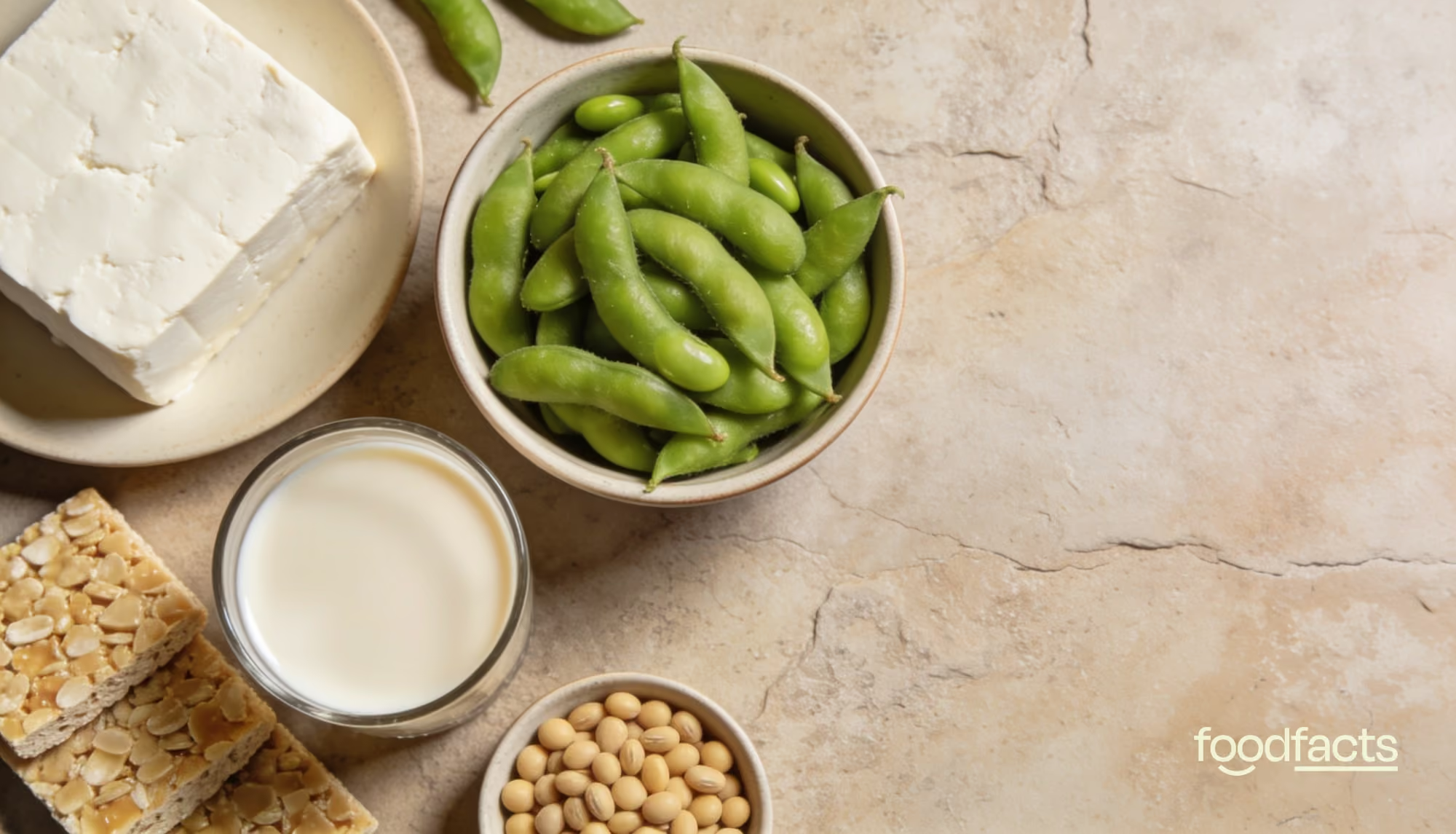
Much of the concern surrounding soy stems from the fact that it contains compounds known as isoflavones, a class of phytoestrogens found naturally in soybeans and soy-based foods such as tofu, tempeh, edamame and soy milk. Because these compounds share some structural similarities with oestrogen (estrogen to American readers), many people assume that consuming soy must increase oestrogen activity within the body and, consequently, reduce testosterone levels.
However, structural similarity does not necessarily translate into the same biological effects. Many compounds found in foods resemble naturally occurring substances in the body without behaving in the same way. While soy isoflavones have been studied extensively because of these similarities, decades of human research have consistently failed to show that normal soy consumption meaningfully alters male hormone levels. In fact, as we'll discuss later, higher soy intake has been associated with several potential health benefits, including a lower risk of cardiovascular disease and prostate cancer.
Where did the soy-testosterone myth come from?
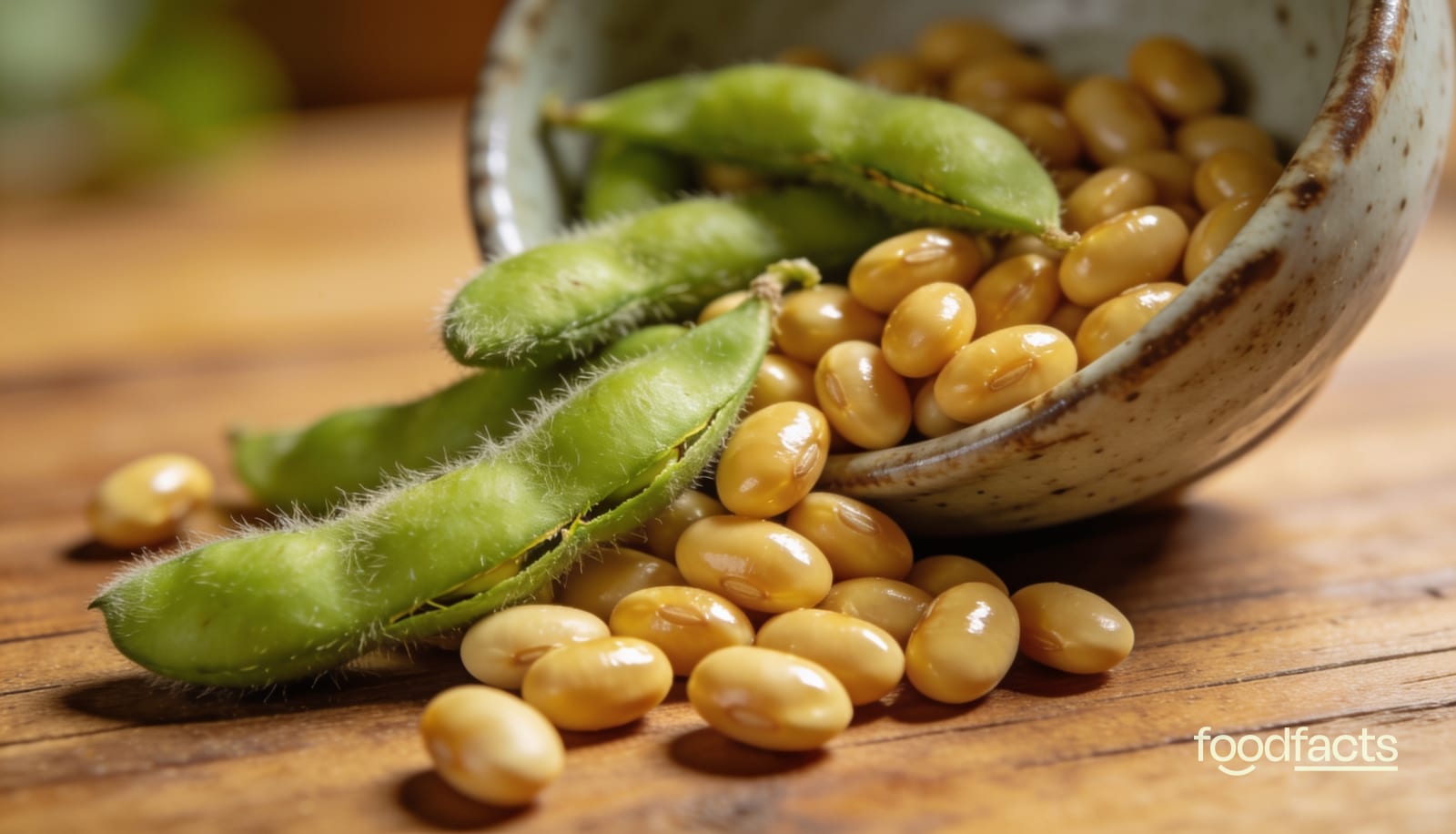
The origins of the soy-testosterone myth stem in large part from early animal studies. Researchers often observed hormonal and reproductive changes in rodents exposed to large quantities of isolated soy isoflavones, raising questions about whether similar effects might occur in humans.
At the time, these concerns were scientifically reasonable. Animal studies are often used to identify potential biological effects and guide future research. However, rodents metabolise isoflavones differently from humans, and many of these experiments used doses that would be difficult to achieve through a normal diet. As a result, findings from animal models cannot be assumed to apply directly to people (1).
The good news is that this question has since been investigated extensively in humans. Over the past three decades, researchers have conducted numerous human randomised controlled trials examining the effects of soy foods, soy protein and soy isoflavones on male reproductive hormones. These studies provide a much stronger basis for drawing conclusions than animal experiments alone.
What does the human evidence show?
While mechanistic research and animal studies can provide useful clues, clinical trials in humans remain the most reliable way to determine whether soy meaningfully affects hormone levels, and this kind of research has now been conducted extensively.
The most comprehensive assessment of the evidence to date pooled data from 41 clinical studies examining the effects of soy protein and soy isoflavones on male reproductive hormones. Across the included studies, researchers found no clinically meaningful effects on total testosterone, free testosterone, oestrogens or sex hormone-binding globulin (SHBG). Importantly, the findings remained consistent regardless of age, study duration, or the amount of soy consumed (2).
Another recent review found no convincing evidence that soy foods or soy isoflavones negatively affect thyroid function, sperm quality, or semen parameters in men (3). Taken together, the human evidence does not support the notion that soy affects male hormones or fertility.
What about the case reports?
Proponents of the soy-testosterone hypothesis often point to a handful of case reports involving men who developed adverse symptoms after consuming extremely large amounts of soy products. However, it is important to understand both the strengths and limitations of the case reports.
For instance, soy intakes reported in these cases were extraordinarily high, and far beyond what most people would realistically consume. In one widely cited example, a man was drinking approximately three quarters of a gallon of soy milk per day (4). Such intakes bear little resemblance to the dietary patterns of most soy consumers.
Additionally, while case studies can be useful for identifying unusual events that warrant further investigation, they also cannot establish cause and effect. By definition, they describe individual cases rather than controlled experiments, making it impossible to determine whether the observed outcome was caused by soy, another factor, or a combination of influences.
Overall, the existence of rare or extreme cases does not negate the much larger and higher-quality body of evidence.
Can soy support muscle growth?
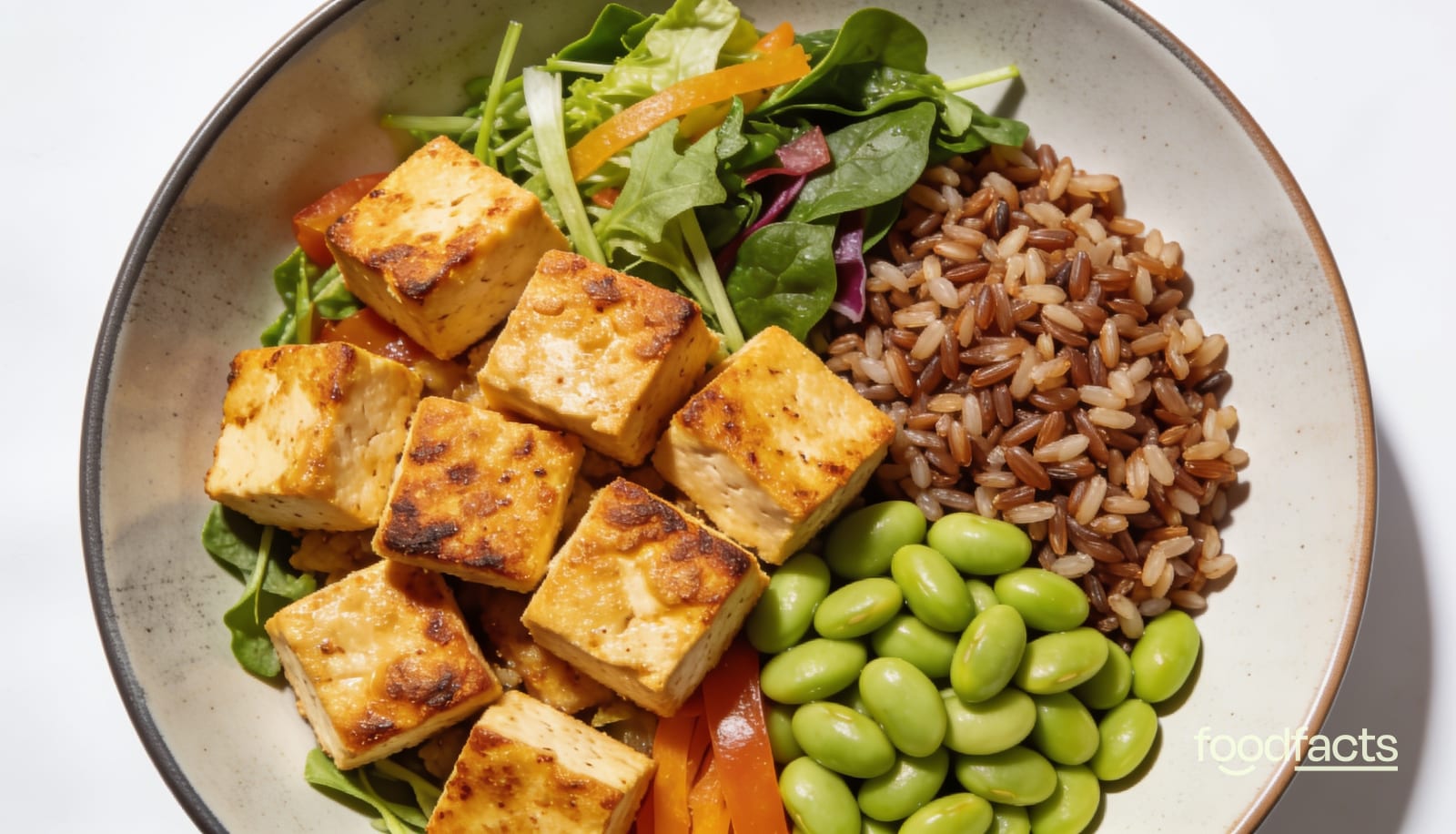
Soy is a versatile, high-protein ingredient. Firm tofu, for example, derives up to 45% of its calories from protein, making it more protein-dense than eggs, and comparable by protein content to some fish and lean beef.
A large body of evidence also suggests that soy protein can be as effective as animal proteins like whey for building muscle (5,6). This is consistent with research that shows that plant proteins in general, including exclusively plant-based diets, are as effective for building muscle size and strength as animal protein (7-9).
For most individuals, factors that play a much more important role for muscle growth include resistance training, total protein intake, energy balance, sleep and recovery. Whether protein comes from plant foods, like soy, or animal sources comes way down the list and for most people is unlikely to make any meaningful difference.
Could soy actually benefit men's health?
One of the most interesting aspects of the soy debate is that it often focuses exclusively on potential risks while overlooking potential benefits. Meanwhile, the evidence supporting health benefits appears to be ever growing.
Soy consumption has been associated with improvements in cardiovascular risk factors, particularly LDL cholesterol. Several meta-analyses have found that replacing other protein sources with soy protein can produce modest reductions in LDL cholesterol concentrations (10,11). That helps explain why greater intake of soy foods is linked with a significantly lower risk of cardiovascular disease, the leading cause of death in men in high-income countries (12,13).
Soy may also offer benefits for prostate health. A number of observational studies and meta-analyses have reported that higher soy intake is associated with lower risks of certain cancers, including prostate cancer, although findings are not entirely consistent and the evidence is generally stronger for some cancer types than others (14,15). These findings have generated considerable scientific interest, and researchers have proposed several mechanisms that may explain these associations, including effects on inflammation, oxidative stress and cellular signalling pathways.
Why do the myths persist?
Given the evidence, it's reasonable to ask why concerns about soy persist.
Part of the answer lies in the way nutrition information is communicated. Claims that evoke fear tend to attract attention and perform well algorithmically on social media, particularly when they relate to topics such as masculinity, fertility or hormone levels. The idea that a common food could secretly lower testosterone is inherently compelling and therefore highly shareable.
The terminology itself may also contribute to confusion. The word "phytoestrogen" sounds alarming to many people, particularly when stripped of context. It is easy to assume that anything containing a plant oestrogen must exert the same effects as human oestrogen, despite the substantial biological differences discussed earlier.
The bottom line
After decades of research, there is limited evidence to support the claim that typical consumption of soy foods lowers testosterone, impairs fertility, or causes feminising effects in men. While early animal studies and a small number of unusual case reports raised legitimate questions, these concerns have not been supported by the findings of numerous controlled human studies.
In contrast, soy is among the most extensively studied foods in nutrition science and appears to be a safe, nutritious source of protein that may offer benefits for cardiovascular health, prostate health and overall diet quality. For most men, including soy foods as part of a balanced diet is reasonable and does not need to be avoided on hormonal grounds.
Disclaimer
This guide is intended to provide information based on available scientific evidence. It should not be considered medical advice. For personalised health guidance, consult a qualified healthcare professional.

Independent fact-checking, funded by readers like you.
Misinformation is a growing threat to our health and planet. At foodfacts.org, we're dedicated to exposing the truth behind misleading food narratives. But we can't do it without your support.
References
- Messina, M., Barnes, S., & Setchell, K. D. (2025). Perspective: Isoflavones—Intriguing Molecules but Much Remains to Be Learned about These Soybean Constituents. Advances in Nutrition (Bethesda, Md.), 16(5), 100418. (PubMed)
- Reed, K. E., Camargo, J., Hamilton-Reeves, J., Kurzer, M., & Messina, M. (2021). Neither soy nor isoflavone intake affects male reproductive hormones: An expanded and updated meta-analysis of clinical studies. Reproductive Toxicology (Elmsford, N.Y.), 100, 60–67. (PubMed)
- Messina, M., Mejia, S. B., Cassidy, A., Duncan, A., Kurzer, M., Nagato, C., Ronis, M., Rowland, I., Sievenpiper, J., & Barnes, S. (2022). Neither soyfoods nor isoflavones warrant classification as endocrine disruptors: a technical review of the observational and clinical data. Critical Reviews in Food Science and Nutrition, 62(21), 5824–5885. (PubMed)
- Martinez, J., & Lewi, J. E. (2008). An unusual case of gynecomastia associated with soy product consumption. Endocrine Practice, 14(4), 415–418. (PubMed)
- Messina, M., Lynch, H., Dickinson, J. M., & Reed, K. E. (2018). No Difference Between the Effects of Supplementing With Soy Protein Versus Animal Protein on Gains in Muscle Mass and Strength in Response to Resistance Exercise. International Journal of Sport Nutrition and Exercise Metabolism, 28(6), 674–685. (PubMed)
- Zare, R., Devrim-Lanpir, A., Guazzotti, S., Ali Redha, A., Prokopidis, K., Spadaccini, D., Cannataro, R., Cione, E., Henselmans, M., & Aragon, A. A. (2023). Effect of Soy Protein Supplementation on Muscle Adaptations, Metabolic and Antioxidant Status, Hormonal Response, and Exercise Performance of Active Individuals and Athletes: A Systematic Review of Randomised Controlled Trials. Sports Medicine (Auckland, N.Z.), 53(12), 2417–2446. (PubMed)
- Hevia-Larraín, V., Gualano, B., Longobardi, I., Gil, S., Fernandes, A. L., Costa, L. A. R., Pereira, R. M. R., Artioli, G. G., Phillips, S. M., & Roschel, H. (2021). High-Protein Plant-Based Diet Versus a Protein-Matched Omnivorous Diet to Support Resistance Training Adaptations: A Comparison Between Habitual Vegans and Omnivores. Sports Medicine (Auckland, N.Z.), 51(6), 1317–1330. (PubMed)
- Monteyne, A. J., Coelho, M. O. C., Murton, A. J., Abdelrahman, D. R., Blackwell, J. R., Koscien, C. P., Knapp, K. M., Fulford, J., Finnigan, T. J. A., Dirks, M. L., Stephens, F. B., & Wall, B. T. (2023). Vegan and Omnivorous High Protein Diets Support Comparable Daily Myofibrillar Protein Synthesis Rates and Skeletal Muscle Hypertrophy in Young Adults. The Journal of Nutrition, 153(6), 1680–1695. (PubMed)
- López-Moreno, M., Rossi, E. V., López-Gil, J. F., Marrero-Fernández, P., Roldán-Ruiz, A., & Bertotti, G. (2025). Are Plant-Based Diets Detrimental to Muscular Strength? A Systematic Review and Meta-Analysis of Randomized Controlled Trials. Sports Medicine - Open, 11(1), 62. (PubMed)
- Blanco Mejia, S., Messina, M., Li, S. S., Viguiliouk, E., Chiavaroli, L., Khan, T. A., Srichaikul, K., Mirrahimi, A., Sievenpiper, J. L., Kris-Etherton, P., & Jenkins, D. J. A. (2019). A Meta-Analysis of 46 Studies Identified by the FDA Demonstrates that Soy Protein Decreases Circulating LDL and Total Cholesterol Concentrations in Adults. The Journal of Nutrition, 149(6), 968–981. (PubMed)
- Taku, K., Umegaki, K., Sato, Y., Taki, Y., Endoh, K., & Watanabe, S. (2007). Soy isoflavones lower serum total and LDL cholesterol in humans: a meta-analysis of 11 randomized controlled trials. The American Journal of Clinical Nutrition, 85(4), 1148–1156. (PubMed)
- Naghshi, S., Tutunchi, H., Yousefi, M., Naeini, F., Mobarak, S., Asadi, M., & Sadeghi, O. (2024). Soy isoflavone intake and risk of cardiovascular disease in adults: A systematic review and dose-response meta-analysis of prospective cohort studies. Critical Reviews in Food Science and Nutrition, 64(18), 6087–6101. (PubMed)
- Zuo, X., Zhao, R., Wu, M., Wan, Q., & Li, T. (2023). Soy Consumption and the Risk of Type 2 Diabetes and Cardiovascular Diseases: A Systematic Review and Meta-Analysis. Nutrients, 15(6), 1358. (PubMed)
- Wang, C., Ding, K., Xie, X., Zhou, J., Liu, P., Wang, S., Fang, T., Xu, G., Tang, C., & Hong, H. (2024). Soy Product Consumption and the Risk of Cancer: A Systematic Review and Meta-Analysis of Observational Studies. Nutrients, 16(7), 986. (PubMed)
- Applegate, C. C., Rowles, J. L., Ranard, K. M., Jeon, S., & Erdman, J. W. (2018). Soy Consumption and the Risk of Prostate Cancer: An Updated Systematic Review and Meta-Analysis. Nutrients, 10(1), 40. (PubMed)




foodfacts.org is an independent non-profit fact-checking platform dedicated to exposing misinformation in the food industry. We provide transparent, science-based insights on nutrition, health, and environmental impacts, empowering consumers to make informed choices for a healthier society and planet.






.svg)


.svg)

