




Can apricot seeds and broccoli sprouts fight cancer?


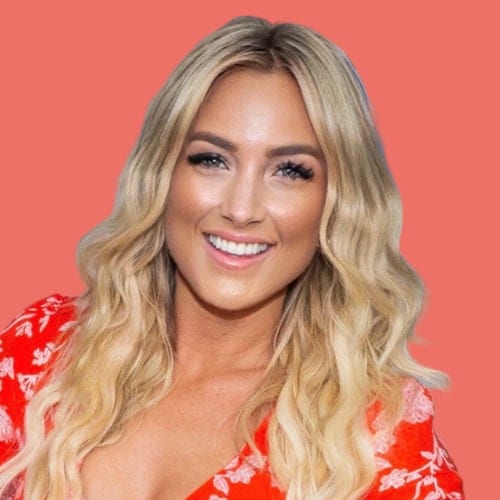
Dr Josh Axe recently shared to Instagram an interview he had with Liana Werner-Gray describing her experience of recovering from a tumour, and her approach to natural health. This episode was subsequently shared on Instagram.
When asked about the top three ways to "fight off cancer", Werner-Gray recommended consuming apricot seeds, sulforaphane from broccoli sprouts, and liquid chlorophyll. She claimed that cyanide released from apricot seeds kills cancer cells while sparing healthy cells, that "no cancer or tumour" can survive in the presence of sulforaphane, and liquid chlorophyll is another way to fight cancer.
Werner-Gray describes herself as a "certified nutritionist, natural food chef, and five-time bestselling author", she states she has been "cancer-free seventeen years". However, it is worth taking a closer look at the evidence behind her claims as to how she successfully managed her cancer, and what it might mean for people affected by cancer.
Full claim:
"[The top three ways people can fight cancer naturally] number one, apricot seeds, which have B-17 and amygdalin. When they find the cancer cells, they explode cyanide, kill the cancer cell, but spare the healthy cell. Number two, sulforaphane, which is found in broccoli sprouts. No cancer or tumour has been proven to be able to hold form with sulforaphane present. And number three, chlorophyll, liquid chlorophyll from the leaves."

Researchers do investigate the biological effects of these plant compounds. However, findings from both laboratory experiments and early human studies do not demonstrate that consuming them treats cancer. This distinction is particularly important for amygdalin, because it has no established clinical benefit against cancer, and can cause life-threatening cyanide poisoning.
People affected by cancer may understandably seek ways to improve their health or look for ways to feel more in control of their treatment. Presenting foods or supplements as ways to "fight" cancer may create false hope, encourage unsafe supplement use, or lead to people delaying/replacing evidence-based treatment. Clear, balanced information helps people make informed decisions without dismissing the potential role of nutrition in supporting general health during cancer care.

Caution is needed with claims that a specific food or supplement can "kill cancer cells" without reliable, scientifically proven human evidence. Laboratory findings and personal recovery stories are not proof of treatment efficacy. Look for well-designed clinical trials and guidance from reputable cancer organisations.
Claim 1: "Number one, apricot seeds, which have B-17 and amygdalin. When they find the cancer cells, they explode cyanide, kill the cancer cell, but spare the healthy cell."
Fact-check: Apricot seeds contain amygdalin, which can release hydrogen cyanide when metabolised. However, there is no reliable clinical evidence that amygdalin selectively targets and kills cancer cells while sparing healthy cells, or that it is an effective cancer treatment (source). Oral consumption can cause serious cyanide poisoning (source).
Amygdalin is sometimes marketed as "Vitamin B17" but is not a recognised vitamin. This label can lend the substance the appearance of nutritional legitimacy, without establishing that it is beneficial or safe.
Although laboratory research has investigated amygdalin's potential anticancer effects, it does not demonstrate that it works in people. A systematic review found no reliable evidence supporting the use of amygdalin or its semi-synthetic derivative, laetrile, to treat cancer (source). Research also highlights the risk of serious cyanide poisoning, particularly following oral ingestion (source)
The claim also presents a proposed mechanism, as though it were proven targeted treatment. Cyanide is toxic to cells, but there is no evidence that the body can deliver it selectively to cancer cells without harming healthy tissues (source). This distinction matters because the claim not only overstates the efficacy of a proposed cancer intervention, but also promotes a potentially dangerous substance.
Bottom line: Amygdalin in apricot seeds has no established, proven benefit for treating cancer, but oral consumption of apricot seeds have been shown to cause serious, potentially fatal cyanide poisoning (source, source). The claim of selective cancer-cell destruction is unsupported and potentially harmful.
Claim 2: "Number two, sulforaphane, which is found in broccoli sprouts. No cancer or tumour has been proven to be able to hold form with sulforaphane present."
Fact check: Sulforaphane is a bioactive compound derived from glucoraphanin, found in cruciferous vegetables such as broccoli. Broccoli sprouts can contain high concentrations of glucoraphanin, making them an area of scientific interest. However, human studies have not established that sulforaphane prevents all cancers or makes existing tumours unable to survive.
Laboratory and animal studies suggest sulforaphane can influence biological processes involved in cancer development, including inflammation, cell signalling, and programmed cell death (source). These findings provide a rationale for further research, but effects observed in experimental models cannot automatically be assumed to occur in people who consume broccoli sprouts or supplements.
Human research remains limited and mixed. A randomised controlled trial of 98 men undergoing prostate biopsy found changes in the expression of some genes associated with prostate cancer following broccoli sprout extract supplementation. However, several measured tissue markers did not change significantly, and the researchers concluded that further investigation was needed (source). Similarly, a small study in melanoma patients given oral broccoli sprout extracts for 28 days demonstrated reduced plasma inflammatory markers, but it did not cause tumour regression (source). A 2025 review of 84 clinical trials, of which 39 had been published. This review reported promising findings in early-stage prostate and breast cancer (source). However, they also noted limited effects in advanced cancers, and that larger, better-designed clinical trials are required.
This evidence differs significantly from the claims that no tumour can survive in the presence of sulforaphane. This claim by Liana Werner-Gray uses absolute language to turn a possible biological effect into a universal claim about a complex group of diseases. It also fails to distinguish between studying a concentrated extract under controlled conditions and eating sulforaphane-containing foods as a part of an ordinary diet.
Broccoli and other cruciferous vegetables can form part of a varied, balanced diet. Their nutritional value, however, should not be confused with claims that sulforaphane is a proven cancer treatment (source).
Bottom line: Sulforaphane is being investigated for potential anticancer effects, but current evidence does not support the claim that it eliminates tumours, prevents all cancers or treats cancer in humans.
Claim 3: "And number three, chlorophyll, liquid chlorophyll from the leaves."
Fact check: Chlorophyll is the green pigment that allows plants to absorb light for photosynthesis. Chlorophyllin, a water-soluble derivative of chlorophyll, has also been studied for potential effects on exposure to certain carcinogens. However, the research has not established that liquid chlorophyll prevents or treats cancer.
A randomised, double-blind, placebo-controlled trial involving 180 adults in China investigated the effects of chlorophyllin on people exposed to aflatoxin, a carcinogen associated with liver cancer (source). The study found a reduction in urinary aflatoxin-related DNA damage biomarkers compared with placebo. This is a potentially relevant research finding; however, the outcomes measured related to biomarkers associated with carcinogen exposure, not whether participants developed less cancer. Human research suggests that chlorophyll may influence biomarkers associated with exposure to certain carcinogens (source). However, a change in a biomarker in itself cannot establish that a substance prevents cancer or treats an existing tumour.
It is important to distinguish chlorophyll-containing vegetables from liquid chlorophyll supplements. Green vegetables can contribute fibre, vitamins, minerals, and a range of bioactive compounds to the diet (source). Eating a diet rich in vegetables and other plant foods is associated with lower risks of some cancers, alongside other known health benefits. However, these benefits cannot be attributed to chlorophyll alone (source, source). It is also important to distinguish chlorophyllin used in research from commercially available liquid chlorophyll products, as different formulations, doses and chemical forms mean that evidence for one preparation cannot automatically be applied to another.
There is no reliable clinical evidence that liquid chlorophyll kills cancer cells or prevents cancer from developing. Therefore, the claim that "chlorophyll, liquid chlorophyll from the leaves" is useful as a cancer treatment proposes a compound but does not explain the limitations of existing research or lack of proof of clinical benefit.
Bottom line: Some human research suggests that chlorophyll may influence biomarkers associated with exposure to certain carcinogens. This does not demonstrate that liquid chlorophyll prevents or treats cancer, and there is insufficient clinical evidence to recommend it for these purposes.
Final take-away
The main concern with the claims made in this video is that a personal recovery story is presented alongside specific foods and compounds as though they explain why the cancer was successfully managed. However, a personal experience cannot establish a cause-and-effect relationship, and the available research does not show that apricot seeds, sulforaphane or liquid chlorophyll can successfully treat or cure cancer. Presenting these products alongside claims of cancer-fighting effects may therefore give viewers greater confidence in their effectiveness than the scientific evidence supports.
The video also presents some genuine areas of scientific research without explaining their limitations. Laboratory studies can show that compounds such as sulforaphane affect cancer-related processes in cells or animals, while human studies may show changes in biomarkers associated with carcinogen exposure. However, these findings do not demonstrate that a substance prevents or treats or cures cancer in people. The statement that "no cancer or tumour" can survive in the presence of sulforaphane is particularly misleading because it presents an absolute conclusion that is not supported by clinical evidence. Similarly, the lack of context around apricot seeds is concerning because amygdalin can release toxic cyanide, meaning that following this advice could cause serious harm.
This illustrates why it is important to consider the whole body of evidence rather than focusing on promising mechanisms, early research or individual experiences. A varied, balanced diet can support nutritional status, general health and wellbeing during cancer care, but this is different from claiming that a particular food, compound or supplement can fight or cure cancer. There is no single diet that is appropriate for everyone with cancer, and dietary needs may change according to the cancer, treatment, symptoms, appetite and nutritional status.
Anyone considering supplements or substantial dietary changes during cancer treatment should discuss these with their cancer care team or a suitably qualified healthcare professional.
We have contacted Liana Werner-Gray and are awaiting a response.
Disclaimer
This fact-check is intended to provide information based on available scientific evidence. It should not be considered as medical advice. For personalised health guidance, consult with a qualified healthcare professional.
Independent fact-checking, funded by readers like you.
Misinformation is a growing threat to our health and planet. At foodfacts.org, we're dedicated to exposing the truth behind misleading food narratives. But we can't do it without your support.
Sources
Jaszczak-Wilke, E., et al. (2021). "Amygdalin: toxicity, anticancer activity and analytical procedures for its determination in plant seeds."
Tatli, M., et al. (2017). "Acute cyanide poisoning due to apricot kernel ingestion."
Milazzo, S., et al. (2011). "Laetrile treatment for cancer."
Akyildiz, B. N., Kurtoğlu, S. (2010). "Cyanide poisoning caused by ingestion of apricot seeds."
Barakat, H., et al. (2022). "Amygdalin: a review on its characteristics, antioxidant potential, gastrointestinal microbiota intervention, anticancer therapeutic and mechanisms, toxicity, and encapsulation."
Akyildiz, B. N., et al. (2010). "Cyanide poisoning caused by ingestion of apricot seeds."
Kaiser, A. E., et al. (2021). "Sulforaphane: A broccoli bioactive phytocompound with cancer preventive potential."
Zhang, Z., et al. (2020). "Sulforaphane bioavailability and chemopreventive activity in men presenting for biopsy of the prostate gland: a randomized controlled trial."
Tahata, S., et al. (2018). "Evaluation of biodistribution of sulforaphane after administration of oral broccoli sprout extract in melanoma patients with multiple atypical nevi."
Saito, A., et al. (2025). "Sulforaphane as a potential therapeutic agent: a comprehensive analysis of clinical trials and mechanistic insights."
Jang, J. Y., et al. (2026). "Sulforaphane in Cancer Prevention and Therapy: A State-of-the-Art Review of Epidemiological Evidence, Molecular Mechanisms, and Translational Challenges."
Egner, P. A., et al. (2001). "Chlorophyllin intervention reduces aflatoxin–DNA adducts in individuals at high risk for liver cancer."
Jubert, C., et al. (2009). "Effects of chlorophyll and chlorophyllin on low-dose aflatoxin B1 pharmacokinetics in human volunteers."
Tabatabaei, S. V. A., et al. (2025). "Fruit and vegetable intake in relation to lung cancer risk: a systematic review and dose-response meta-analysis of prospective cohort studies."
Slavin, J. L., & Lloyd, B. (2012). "Health benefits of fruits and vegetables."
Aune, D., et al. (2017). "Fruit and vegetable intake and the risk of cardiovascular disease, total cancer and all-cause mortality—a systematic review and dose-response meta-analysis of prospective studies."
Nour, M., et al. (2018). "The relationship between vegetable intake and weight outcomes: a systematic review of cohort studies."



foodfacts.org is an independent non-profit fact-checking platform dedicated to exposing misinformation in the food industry. We provide transparent, science-based insights on nutrition, health, and environmental impacts, empowering consumers to make informed choices for a healthier society and planet.






.svg)


.svg)

