





Why diet success stories can be misleading




Social media thrives on compelling personal stories. A recent viral Instagram reel posted by influencer Isabella Ma (aka Steak and Butter Gal) features a 13-year-old girl describing how switching to a carnivore diet transformed her health after struggling with anorexia. The reel and accompanying caption suggest that discovering the creator's content helped lead her towards recovery from her eating disorder, alongside other benefits such as curing her acne, reducing body odour, and providing protection from sunburn.
Seeing anyone recover from anorexia is genuinely encouraging. Eating disorders are serious illnesses, and every recovery deserves to be celebrated. However, acknowledging that someone's health may have improved is very different from concluding that a particular diet caused that improvement. Personal stories can be powerful and inspiring, but they are not designed to answer questions about cause and effect.
This distinction extends far beyond one social media post. Every day, people share stories of diets, supplements and wellness practices that they believe transformed their health. These experiences are often compelling and can be sincere, but they cannot tell us whether an intervention actually works. Understanding why is one of the most important skills in navigating nutrition information online.

Why anecdotes matter… but aren't enough alone
Personal stories have always played an important role in medicine. They remind us that behind every clinical trial or statistical analysis is a real person with their own experiences, challenges and goals. They can also alert researchers to new ideas or hypotheses that deserve further investigation (source).
However, there is an important distinction between generating a hypothesis and testing one. An anecdote may suggest that a particular diet, supplement or treatment is worth studying, but it cannot tell us whether it genuinely caused the outcome. That requires comparing many people under carefully controlled conditions to determine whether the same effect occurs consistently.
Consider the claim: “My grandfather smoked every day and lived to 95.” The story may be completely true, but few of us would take it as evidence that smoking is not harmful. One person's experience cannot tell us what typically happens across thousands or millions of people. The same principle applies to diet: an individual success story may be genuine without demonstrating that the diet caused the outcome, or would have the same effect in others.
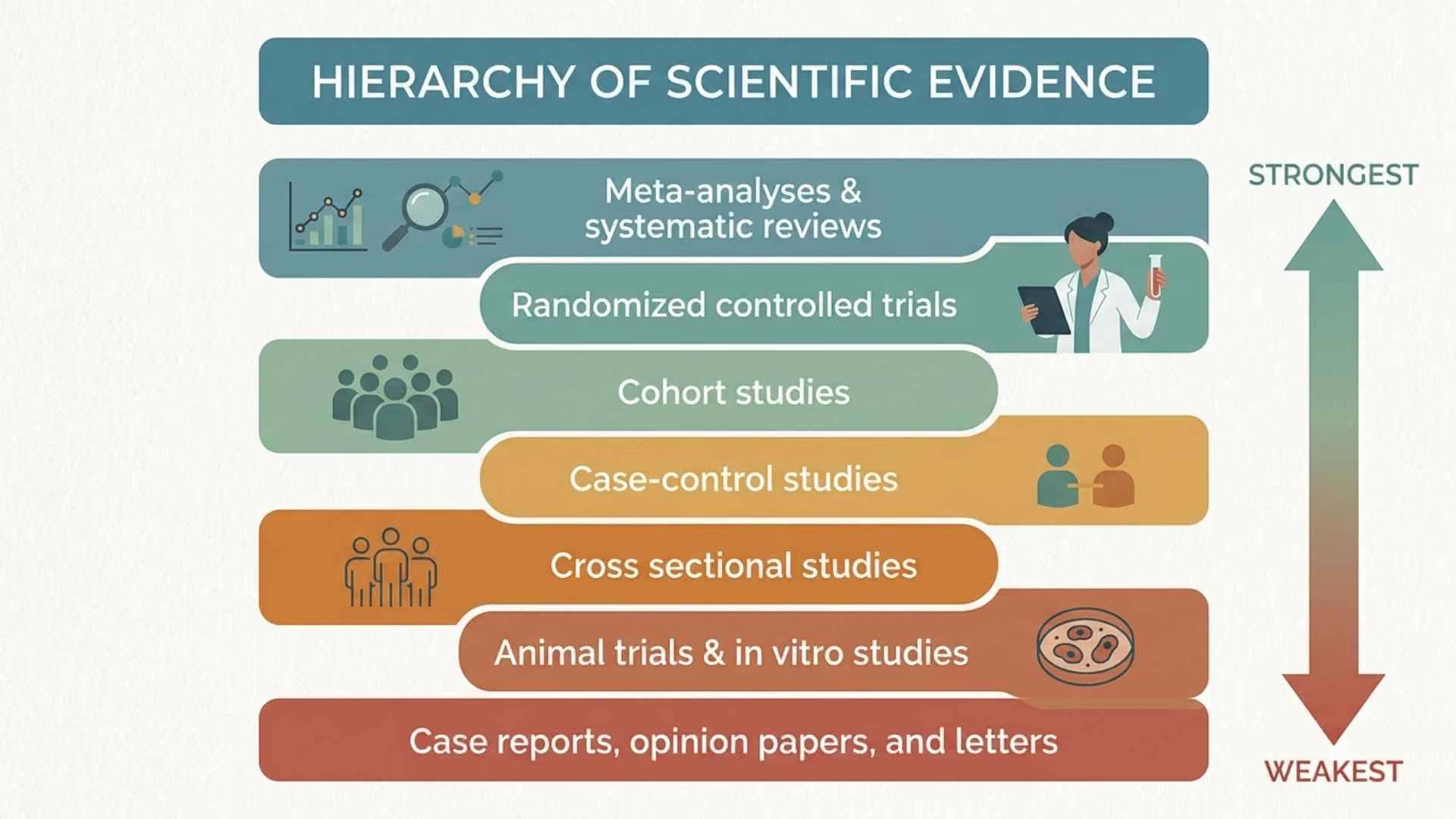
This is why scientists place anecdotes towards the bottom of the evidence hierarchy of medical and nutrition science (source). Not because they are uninteresting or unimportant, but because they are uniquely vulnerable to alternative explanations. When someone experiences a positive change in their health, there are often many possible reasons why it occurred. Before concluding that a single intervention was responsible, those other explanations need to be carefully considered and, wherever possible, ruled out.
Mistaking timing for cause
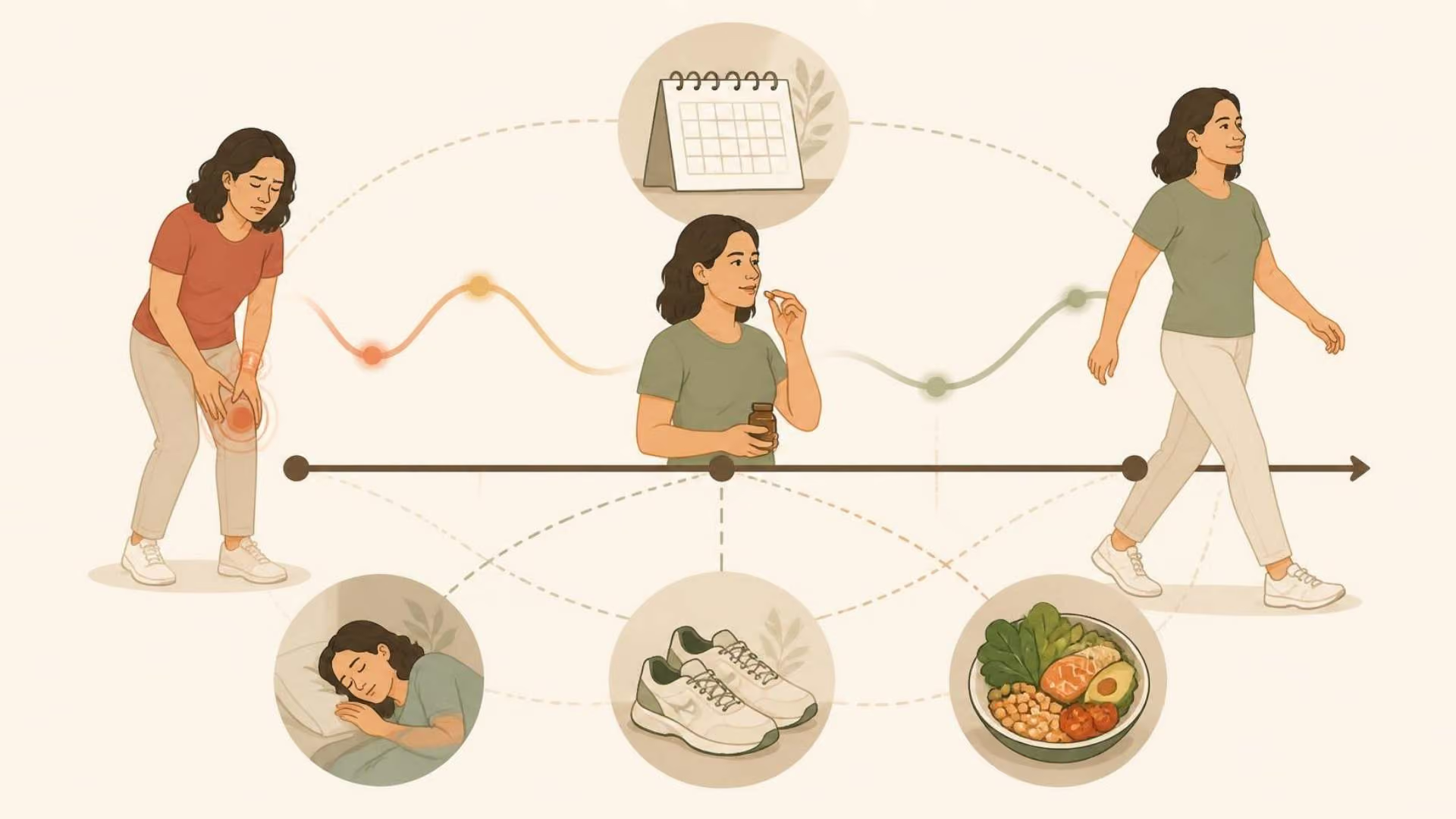
Imagine someone develops joint pain, starts taking a herbal supplement, and notices that their symptoms improve a few weeks later. It is entirely understandable to conclude that the supplement was responsible. After all, the improvement occurred after they started taking it.
The difficulty is that timing alone cannot establish cause and effect. This type of reasoning is so common that it has its own name: post hoc ergo propter hoc, a Latin phrase meaning "after this, therefore because of this". It describes the tendency to assume that because one event happened before another, it must have caused it (source, source).
In reality, there are often many other possible explanations. The condition may have improved naturally over time, symptoms may fluctuate from week to week, another lifestyle change may have occurred at the same time, or the person may simply have experienced a temporary improvement that would have happened regardless of the intervention. Without comparing similar people who did and did not receive the treatment, it is impossible to determine which explanation is most likely.
This principle is particularly relevant to nutrition because dietary changes rarely occur in isolation. Someone adopting a new way of eating may also lose weight, become more physically active, improve their sleep, reduce their alcohol intake, cook more meals at home or pay greater attention to other aspects of their health. Any of these changes could contribute to the outcome they experience.
Sometimes people improve anyway
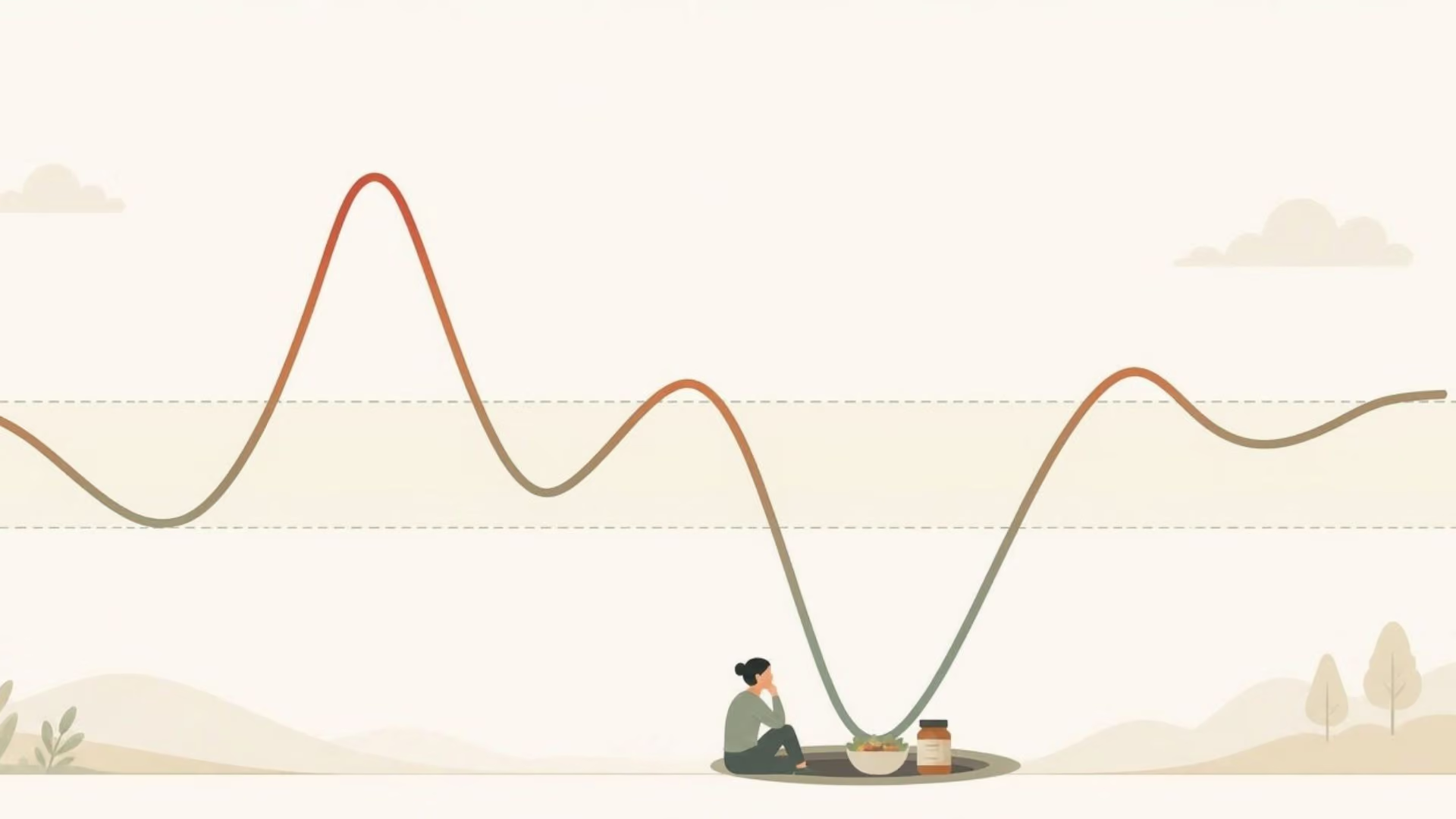
Many health conditions do not remain constant over time. Symptoms often fluctuate naturally, with periods when they worsen followed by periods when they improve. This is particularly true for conditions such as irritable bowel syndrome, eczema, migraines, insomnia, chronic fatigue, and joint pain.
Importantly, people are most likely to try a new diet or supplement when their symptoms are at their worst. If those symptoms subsequently improve, it is tempting to attribute the change to whatever intervention they have just started. However, this improvement may simply reflect the natural course of the condition.
Scientists refer to this phenomenon as regression to the mean. In simple terms, exceptionally good or bad periods are often followed by more typical ones. If someone begins a new treatment during an unusually bad spell, some improvement may have occurred regardless of whether the treatment itself had any effect (source).
This is one reason why personal testimonials can be so convincing while still leading to incorrect conclusions. Someone may adopt a new way of eating during a period of poor health, only to find that their symptoms improve over the following weeks or months. While the diet may deserve further investigation, the timing of the improvement alone cannot tell us whether it was responsible.
Feeling better doesn't always mean the treatment worked
Another reason anecdotes can be misleading is that our expectations can influence how we experience our health. This is known as the placebo effect (source).
If someone strongly believes that a new diet, supplement or medication will improve their health, that expectation alone can sometimes lead to measurable improvements in symptoms such as pain, fatigue, nausea or anxiety. These improvements can be genuine – they are not always imagined or "all in the mind" – but they do not necessarily mean that the intervention itself is responsible.
The placebo effect is particularly relevant when outcomes are subjective (source). Symptoms such as pain, mood, energy levels and digestive discomfort are all influenced, to some extent, by our perceptions and expectations. This is one reason why randomised controlled trials often compare treatments with an inactive placebo – to help researchers distinguish the effects of the intervention from the effects of expectation.
This does not mean that every reported benefit is simply a placebo effect, nor does it imply that people sharing their experiences are being dishonest. Rather, it highlights why individual experiences, however sincere, cannot establish whether a treatment is genuinely effective.
Seeing what we expect to see
Imagine someone adopts a new diet after reading dozens of positive testimonials online. They are motivated, optimistic and genuinely expect to feel better. Over the following weeks, they notice improvements in their energy levels, digestion and sleep, while any setbacks are viewed as temporary or unrelated.
This tendency to favour information that supports our existing beliefs while giving less weight to evidence that contradicts them is known as confirmation bias. It affects everyone to some degree, regardless of scientific training, and is one of the reasons personal experiences can be so misleading (source).
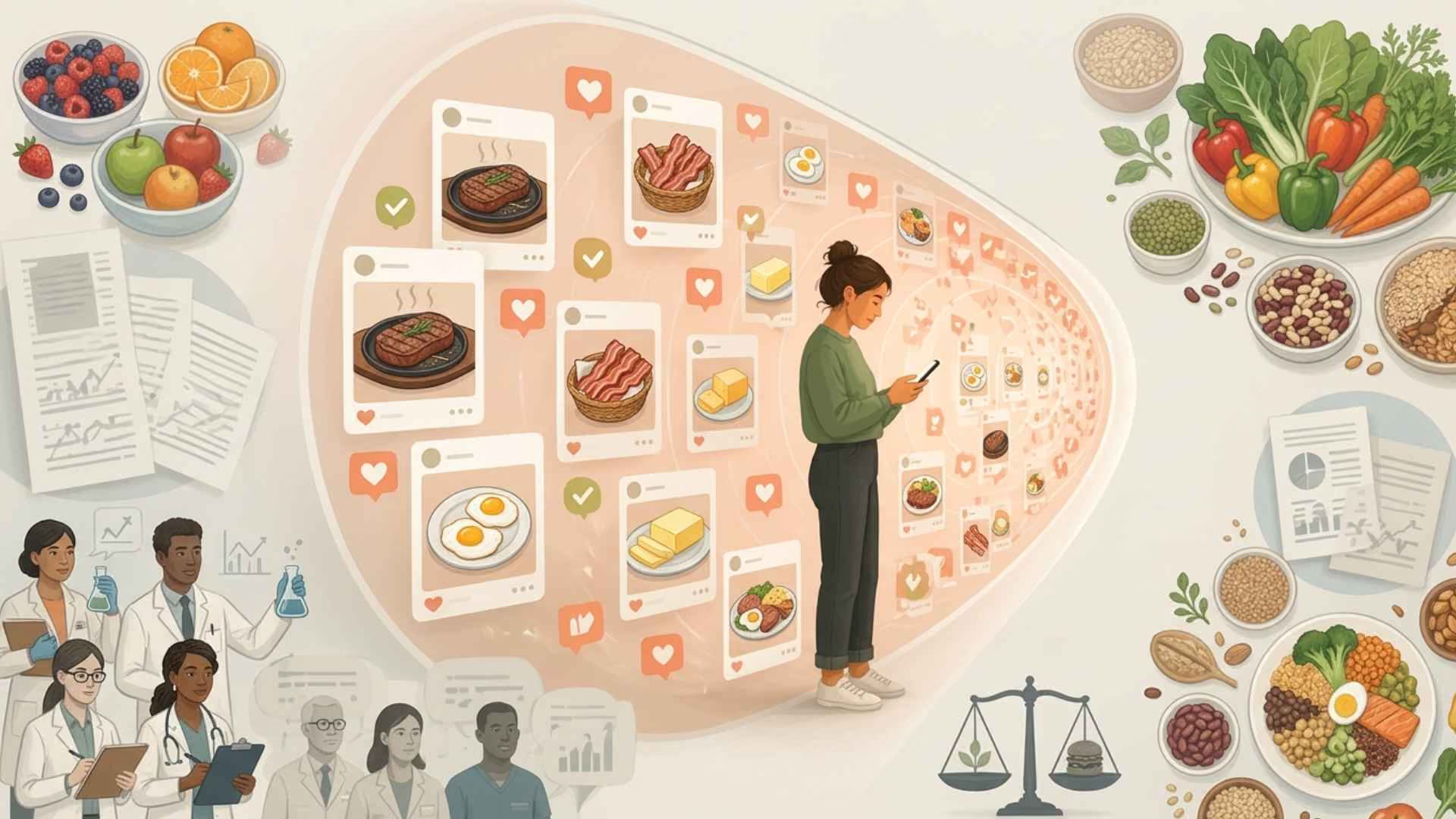
Confirmation bias does not require anyone to be dishonest. Most people sharing their stories genuinely believe they have identified the cause of their improvement. However, once we become convinced that a particular diet has transformed our health, it is natural to interpret future experiences through that lens. Improvements are readily attributed to the diet, whereas symptoms that persist or worsen may be explained away or overlooked. Social media algorithms often reinforce this phenomenon by showing more content that aligns with users’ existing interests and beliefs.
Scientists are just as vulnerable to confirmation bias as everyone else, which is why the scientific method is designed to minimise its influence. Randomisation, blinding, predefined outcome measures and independent replication all help ensure that conclusions are based on the totality of the evidence, rather than our expectations or beliefs.
The stories we never hear
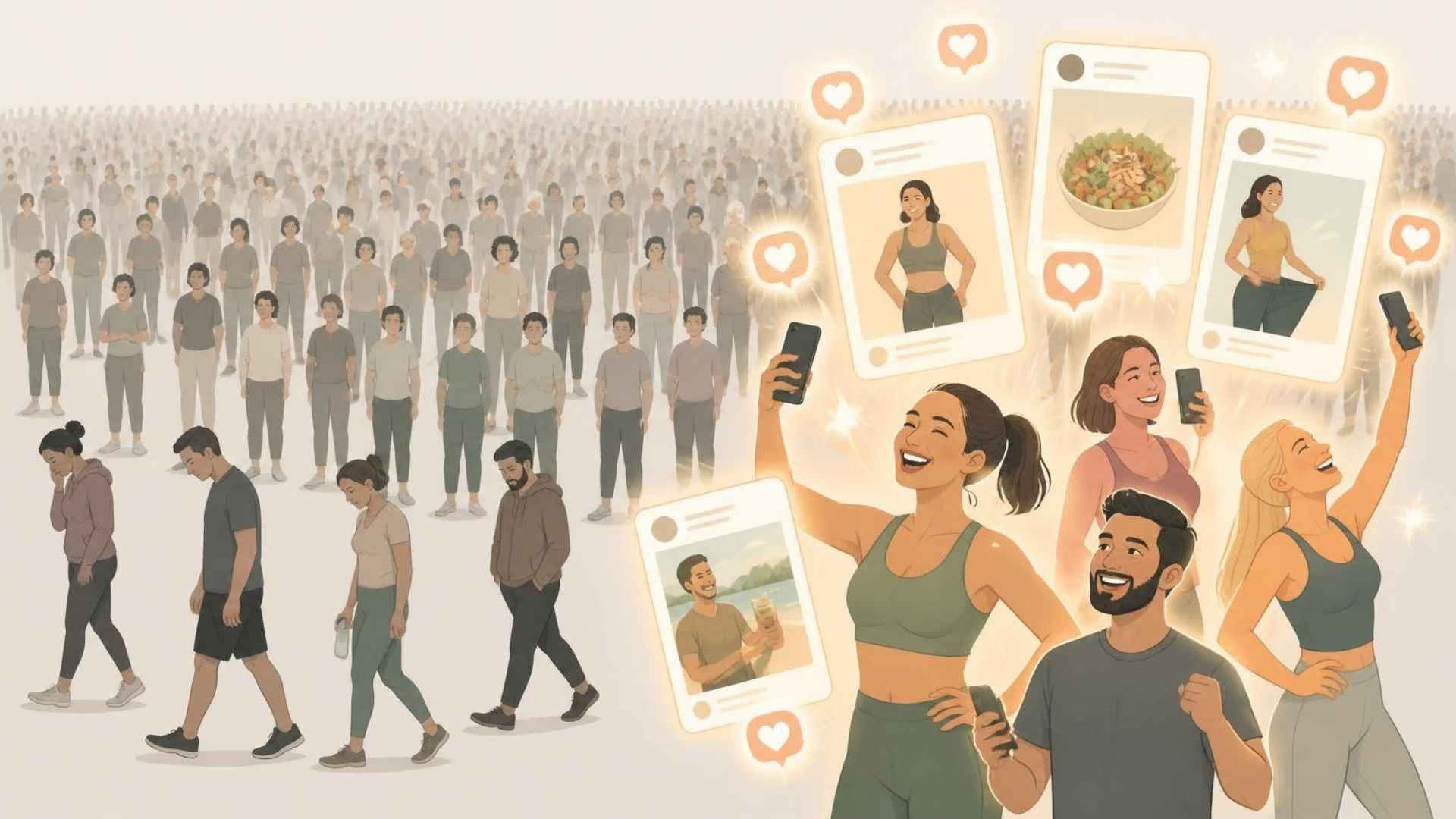
Social media presents another important challenge: we rarely see the full picture.
Imagine that 1,000 people decide to try the same diet. Perhaps a small number experience dramatic improvements, the majority notice little change, and some find the diet difficult to maintain or experience unwanted side effects. Which group is most likely to post a video or review describing how the diet changed their life?
Almost inevitably, it is those with the most remarkable experiences (source). The hundreds of people whose health remained largely unchanged are far less likely to share their stories, and those who quietly abandoned the diet often disappear from view altogether. As a result, social media feeds become dominated by exceptional outcomes rather than typical ones.
This phenomenon is a great example of selection, reporting, and survivorship biases. When we only hear from the apparent successes, it becomes easy to overestimate how effective an intervention really is. The absence of negative or neutral experiences does not mean they do not exist – it simply reflects the fact that they are less likely to be shared.
This is another reason why anecdotes, no matter how numerous, cannot substitute for well-conducted scientific research. A hundred testimonials may seem persuasive, but if they come only from the people who benefited, they tell us very little about how the intervention performs across everyone who tried it.
What would count as convincing evidence?
If anecdotes cannot tell us whether a diet works, what kind of evidence can?
In reality, scientists rarely rely on a single study or one type of research. Confidence increases when multiple independent lines of evidence converge on the same conclusion. Each type of study has strengths and limitations, but together they help build a much more reliable picture than any one piece of evidence alone can provide (source).
For example, observational studies can identify patterns by showing whether people who follow a particular dietary pattern tend to have different health outcomes. Randomised controlled trials can then test whether changing the diet actually causes those differences. Mechanistic research helps explain the biological processes that might underlie the observed effects, while genetic approaches, such as Mendelian randomisation, can strengthen causal inference for certain questions by reducing the influence of confounding variables. When findings from these different approaches all point in the same direction, confidence in the conclusion increases substantially.
This is how evidence has accumulated for many aspects of nutrition. Recommendations to consume more whole plant foods, such as whole grains, fruits, vegetables and legumes, for example, are not based on a handful of persuasive testimonials. They are supported by decades of research spanning observational studies, intervention trials and mechanistic evidence, which together paint a broadly consistent picture (source, source).
By contrast, the evidence supporting the carnivore diet remains extremely limited (source). The story shared by Isabella Ma at the beginning of this article is one example of the personal testimonials that have helped drive enthusiasm for the diet online. Beyond these individual experiences, the available research includes a small number of self-selected surveys and observational studies that lack appropriate comparison groups and cannot establish cause and effect (source, source). Such evidence can generate interesting hypotheses, but it cannot tell us whether any reported benefits are caused by the diet itself, whether they would occur in most people, or whether the potential risks outweigh any reported benefits over the long term.
This is perhaps the most important distinction. Anecdotes are not the opposite of science – they are often the beginning of science. A compelling personal story may identify a question worth investigating, but it is only through rigorous research that we can determine whether the apparent effect is real, reproducible and clinically meaningful. Anecdotes become most valuable when they complement a strong body of scientific evidence. When they are the primary evidence supporting a dietary approach, much greater caution is warranted.

The bottom line
Personal stories are one of the most powerful forms of communication. They are memorable, relatable and often genuinely inspiring. When someone shares how a change in their diet improved their health, there is no reason to assume they are being dishonest or exaggerating their experience. Their improvement may be entirely real.
The problem is that personal experiences cannot tell us why someone improved. As we've seen, the apparent benefits of a new diet or supplement can be influenced by many factors, including coincidence, natural recovery, placebo effects, confirmation bias and the tendency for only the most remarkable success stories to be shared. Without carefully designed research, there is simply no reliable way to separate these influences from the effects of the intervention itself.
This distinction matters because nutrition advice affects millions of people. A diet that appears transformative in one person's story may prove ineffective, or even harmful, when studied in larger groups; while an intervention that consistently performs well in rigorous research is much more likely to benefit people beyond the individual who first reported it. This is why evidence-based nutrition places far greater weight on the totality of the scientific evidence than on even the most compelling testimonial.
The next time you come across a dramatic health transformation online, resist the temptation to ask, "I wonder if this will work for me too?" Instead, ask a different question: "How do we know it was the diet?"
That simple shift in thinking is one of the most effective ways to separate persuasive stories from reliable evidence.

Independent fact-checking, funded by readers like you.
Misinformation is a growing threat to our health and planet. At foodfacts.org, we're dedicated to exposing the truth behind misleading food narratives. But we can't do it without your support.
Sources
- Enkin, M. W., & Jadad, A. R. (1998). “Using anecdotal information in evidence-based health care: heresy or necessity?”
- Wallace, S. S., et al. (2022). “Hierarchy of Evidence Within the Medical Literature.”
- Hartman S. E. (2009). “Why do ineffective treatments seem helpful? A brief review.”
- Bland, J. M., & Altman, D. G. (1994). “Some examples of regression towards the mean.”
- Hróbjartsson, A., & Gøtzsche, P. C. (2010). “Placebo interventions for all clinical conditions.”
- Wolters, F., et al. (2019). “Placebo and Nocebo Effects Across Symptoms: From Pain to Fatigue, Dyspnea, Nausea, and Itch.”
- Born R. T. (2024). “Stop Fooling Yourself! (Diagnosing and Treating Confirmation Bias).”
- De Barra, M., et al. (2014). “How feedback biases give ineffective medical treatments a good reputation.”
- Lawlor, D. A., et al. (2016). “Triangulation in aetiological epidemiology.”
- Bhandari, B., et al. (2023). “Long-Term Consumption of 10 Food Groups and Cardiovascular Mortality: A Systematic Review and Dose Response Meta-Analysis of Prospective Cohort Studies.”
- Schwingshackl, L., et al. (2018). “Food groups and intermediate disease markers: a systematic review and network meta-analysis of randomized trials.”
- Lietz, A., et al. (2026). “Carnivore Diet: A Scoping Review of the Current Evidence, Potential Benefits and Risks.”
- Lennerz, B. S., et al. (2021). “Behavioral Characteristics and Self-Reported Health Status among 2029 Adults Consuming a Carnivore Diet.”
- Kirwan, R., et al.(2022). “Limitations of Self-reported Health Status and Metabolic Markers among Adults Consuming a Carnivore Diet".”



foodfacts.org is an independent non-profit fact-checking platform dedicated to exposing misinformation in the food industry. We provide transparent, science-based insights on nutrition, health, and environmental impacts, empowering consumers to make informed choices for a healthier society and planet.






.svg)


.svg)

