



Is ginger good for you? Or are the benefits of this 'superfood' overstated?


In an article from 20th August, a British newspaper The Express claimed that ginger could “slash cholesterol levels and support heart health as well as ease nausea, reduce inflammation, relieve colds, and offer protection against dementia and cancer”. They also reported that ginger may enhance insulin sensitivity, reduce oxidative stress and possibly benefit sexual health.
This fact check verifies the accuracy of these claims so that you can have clarity on the true benefits of ginger in your diet.



The best evidence supports ginger for easing mild to moderate nausea (especially in pregnancy). Some early research suggests small improvements in blood sugar, inflammation and cholesterol, but most studies are small, short, or based on lab or animal research. There’s currently no strong human evidence that ginger prevents dementia, cancer, or viral infections. Ginger can be a helpful part of a varied diet, but it isn’t a cure-all or a substitute for medical treatment. Enjoy it as a tasty and health-supporting ingredient, but don’t rely on any one “superfood” for your wellbeing.
Newspaper headlines often grab our attention with big claims extolling the virtues of one food or another. This week it’s ginger preventing dementia. What will it be next week? Information and education around food is vitally important, but individual foods should not be feared nor should they be revered. As tempting as it may be to embrace the latest ‘superfood’, when it comes to our diet, the reality is that diversity is key, and consuming a wide range of whole foods will benefit us far more than seeking one silver bullet to cure all ails. We conduct these fact checks precisely for this reason: to cut through the noise, and give you a balanced interpretation with the aim of reducing overwhelm and helping you make informed decisions.


Understanding ginger’s health benefits
What is ginger?
Ginger has long been used as a go-to DIY remedy when we are sick with colds or suffering from a bout of nausea. Originating in Southeast Asia, it has been used for centuries in traditional medicine, including in Ayurveda and Traditional Chinese Medicine (TCM) for healing purposes. It is widely accepted as a health-supporting staple with anti-inflammatory and antioxidant properties, mainly due to the presence of bioactive compounds: gingerols, shogaols, zingerone, and paradols (source, source).
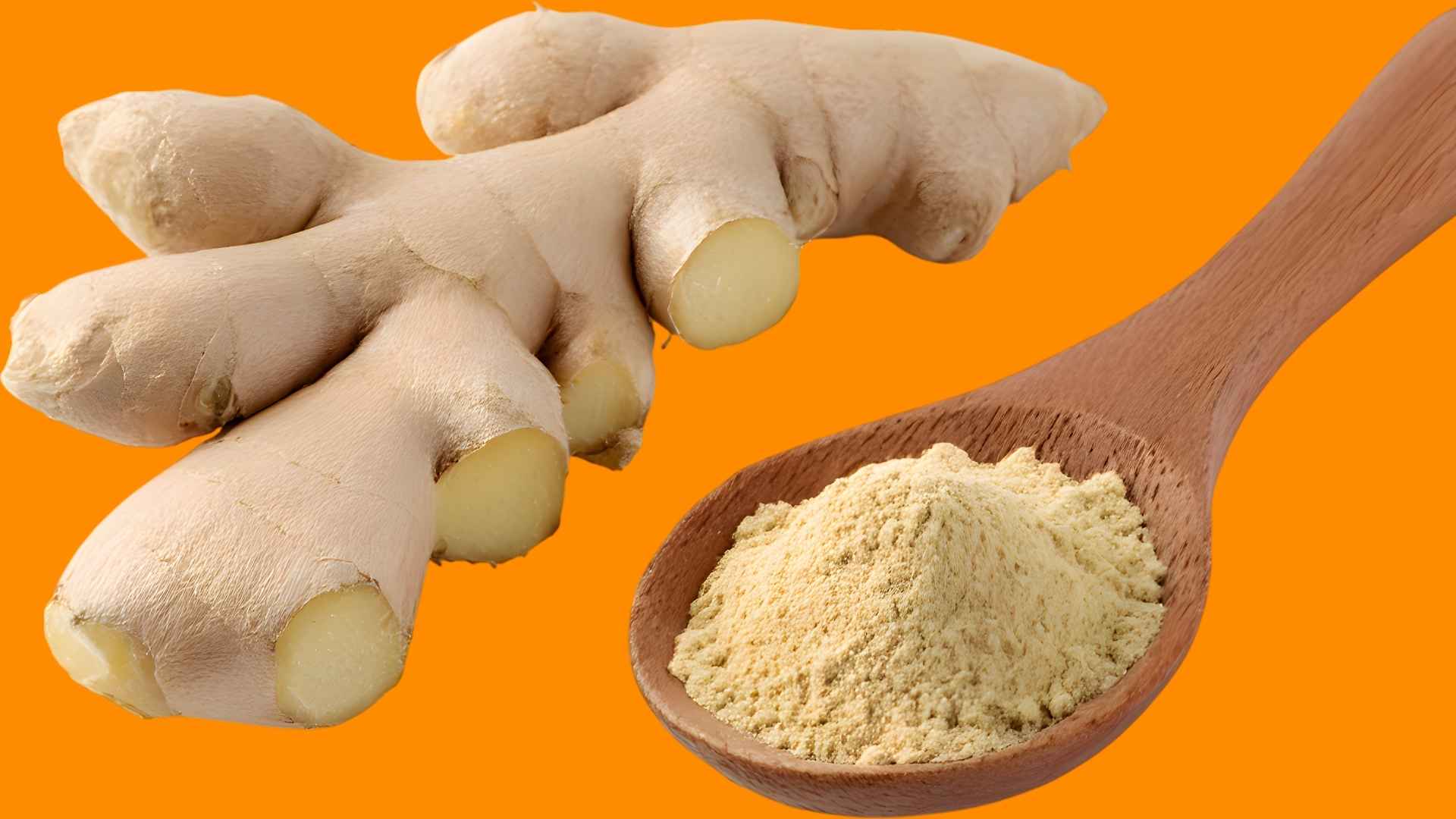
Ginger, or Zingiber officinale, is a flowering plant, whose thick underground stem (rhizome) is used worldwide as a spice and fresh ingredient in both sweet and savoury dishes. Given its long history, ginger does have a cultural reputation as a healing ingredient and has undergone a renaissance in recent years, now commonly heralded as a ‘superfood’ with products such as anti-inflammatory ginger shots and ginger supplements becoming more visible on shop shelves. Ginger has also shown promising results in some clinical trials, which could lead people to rush to assign it this lofty title.
What’s apparent, however, is that across the spectrum of research already carried out, most studies conclude that larger-scale, higher-quality human trials are needed to confirm even the most promising early-stage results.

Claim 1: “A 2022 study of 26 clinical trials found ginger lowers triglycerides and LDL, raises HDL, and lowers blood pressure.”
Fact check: Partially true, but misleading.
A 2022 meta-analysis of clinical trials concluded that ginger supplementation produced small but statistically significant improvements in triglycerides, total cholesterol, LDL and HDL versus control, and had modest effects on BMI (body mass index). Some analyses also reported blood-pressure reductions. Most included trials were short and varied in dose and form, for example, whether powder or extract was used. The effects are modest, and clinical significance depends on the person and context - some trials focused on patients with pre-existing conditions such as Type 2 Diabetes or Hyperlipidemia, whereas others included a general mix of adults.
So while ginger may play a supportive role in cholesterol management, its potential to “slash” levels appears to be overstated.
Claim 2: “Even <1,500 mg daily proved beneficial; a 2004 controlled study found a ‘significant’ lipid effect.”
Fact check: Partially true, but misleading.
Some individual randomised trials from the 2000s reported reductions in lipid levels with ginger versus placebo (source, source). However, it’s important to note that these trials were often short in duration (weeks) and conducted with small groups of people (e.g. the study in the above-cited claim involved just 85 patients). Dosing varied greatly, too, ranging from 500mg to 3000mg per day.
While these early trials are interesting and support the hypothesis that ginger can be beneficial for metabolic health, the results are not large, consistent, or robust enough to draw definitive conclusions.
Claim 3: “Those with type 2 diabetes could greatly benefit: a review of 10 studies found 1–3 g/day improved cholesterol and blood sugar.”
Fact check: Partially true.
Some trials in people with type 2 diabetes show modest improvements in fasting glucose and some lipid markers after taking between 1-3g per day for periods ranging from 4 -12 weeks. Across multiple studies, people who took ginger had lower fasting blood glucose and improved HbA1c, which is a long-term measure of how well your blood sugar is managed. Ginger seemed to support the pancreas and reduce insulin resistance, which is important for people at risk of type 2 diabetes. It also helped improve several risk factors associated with metabolic syndrome, a cluster of conditions including high blood sugar, high blood pressure, and abnormal cholesterol levels (source).
As mentioned in relation to the previous claims, here, again, we find that studies were often short in duration and involved small groups of people taking varying doses of ginger. Besides, results are inconsistent across studies (source, source). So while ginger appears promising in this context, it should not be considered a substitute for medical treatment but rather a possible complementary therapy to be discussed with a medical professional.
Claim 4: “Ginger may protect against dementia.”
Fact check: Inaccurate and misleading.
A 2014 lab study in mice found that 6-shogaol, one of the several bioactive compounds in ginger, reduced brain inflammation and improved memory in animal models. This is promising but very early evidence, and it does not mean ginger can prevent or treat dementia in humans. More research is needed.
Claim 5: “Ginger may protect against cancer; a small trial (Cancer Prevention Research) with 20 people at high risk of bowel cancer showed fewer cancer-like changes.”
Fact check: Inaccurate and misleading.
A small early-stage study gave 20 people who were at higher risk of bowel cancer 2g of ginger a day for four weeks. The researchers looked at tiny cellular markers in the lining of the colon and found some shifts that might suggest the cells were dividing less and clearing out damaged cells more effectively.
The results are interesting; however, this is not evidence that ginger prevents cancer. To understand if ginger could play a role in preventing cancer, much larger and longer studies would be required, examining real-life disease outcomes, rather than just cell changes.
When we read articles such as this one from The Express, discussing specific foods in the context of medical research, it’s important to consider the difference between clinical trials and real-life consumption, where the dose and form of ginger used in a lab may differ significantly from how we use ginger in the kitchen. It’s also worth noting what type of study has been done - some of the studies mentioned in this article were conducted on animals. These can offer important early insights, but they still fall short of providing clear conclusions about how a food will affect humans. Finally, everyone’s health needs and metabolism are unique. Just as with medication, we may respond differently to natural therapies, which is why broad claims should always be interpreted with caution.

Claim 6: “Recent research links ginger to sexual health.”
Fact check: Inaccurate and misleading.
Animal studies and a few small human trials suggest ginger might affect LH (luteinizing hormone), enhancing testosterone and sexual function, but human evidence is sparse and inconclusive. To date, most research has been carried out on diabetic rats, with promising results. However, more clinical research is needed to determine whether these benefits can be applied to humans, too (source).
Claim 7: “Ginger eases nausea, reduces inflammation, and relieves colds.”
Fact check: Mostly true.
Among all the health claims attributed to ginger, the strongest evidence lies in its role in supporting mild to moderate nausea. There is robust evidence that ginger can ease nausea, especially in pregnancy.
Meta-analyses also show that ginger supplementation (1-3g/day) can reduce inflammatory biomarkers in humans. It has shown benefits in supporting osteoarthritis pain; however, more research is needed (source).
Ginger’s use in supporting colds is well established in traditional medicine, and there is some evidence of its efficacy as an antiviral in fresh form (source). However, robust human trials are limited, so while it may make you feel better, we don’t yet know if it shortens a cold or prevents complications.

Final takeaway
Many of our common kitchen staples, from spices such as ginger and turmeric, to berries, nuts and seeds, and brightly coloured vegetables such as bell peppers and tomatoes, are rich in nutrients and antioxidants that are proven to be beneficial for our health. They are each a very nutritious addition to our diet. However, issues can arise when we single out one particular food, giving it a higher ‘status’ than the others.
No single ingredient can compensate for an otherwise unbalanced diet, and the term ‘superfood’ can, at times, reflect a marketing push rather than robust science. The best way to support our health is to eat a varied diet, allowing us to benefit from the widest range of nutrients. In fact, some foods’ beneficial properties are enhanced when consumed with complementary foods: for example, pairing iron-rich plant foods with sources of vitamin C.
A broad and varied diet does far more for our health than any one “miracle” food can. Overly focusing on ‘superfoods’ in our diet can also distract from the many other nourishing foods available to us, and often, ones grown closer to home and more affordable. Overall, it's the pattern of our diets that matters most. Instead of leaning on any one ingredient, filling our plate with a colourful mix of whole foods such as grains, pulses, vegetables, fruits, nuts and seeds, together gives us plenty of fibre, protein and healthy fats.
Ginger is great. It’s tasty, nutritious and definitely worthy as a staple in our kitchens. Many of ginger’s health claims are supported by strong laboratory and animal research, but only a few (relating to nausea in particular) are robustly supported by human clinical trials. For most effects, more high-quality human studies are needed before making definitive claims. Ginger is promising, but not all its benefits are fully proven in people yet. It’s also not realistic to think that any one food alone can prevent the onset of disease, or be used as an alternative to medical treatment where necessary.
Lastly, while being mindful not to fixate on one ‘superfood’, we should also remember the other important elements that make up a healthy lifestyle, such as managing stress, getting adequate sleep, maintaining social connection, and exercising regularly.
We have contacted Parul Sharma and are awaiting a response.
Disclaimer
This fact-check is intended to provide information based on available scientific evidence. It should not be considered as medical advice. If you’re thinking about taking a supplement, consult with a qualified healthcare professional first - particularly if you’re on any medication, to make sure it’s safe and that there are no chances of interactions. Pregnant people should also consult with their doctors to discuss safe doses.
Stand Against Nutrition Misinformation
Misinformation is a growing threat to our health and planet. At foodfacts.org, we're dedicated to exposing the truth behind misleading food narratives. But we can't do it without your support.
Sources
- Butt, M. S., & Sultan, M. T. (2011). Ginger and its Health Claims: Molecular Aspects.
- Shaukat, M. N., et al. (2023). Ginger Bioactives: A Comprehensive Review of Health Benefits and Potential Food Applications.
- Asghari-Jafarabadi, M., & Khalili, L. (2022). The Effect of Ginger (Zingiber officinale) on Improving Blood Lipids and Body Weight; A Systematic Review and Multivariate Meta-analysis of Clinical Trials.
- Alizadeh-Navaei, R., et al. (2008). Investigation of the effect of ginger on the lipid levels. A double blind controlled clinical trial.
- Zhu, J., et al. (2018). Effects of Ginger (Zingiber officinale Roscoe) on Type 2 Diabetes Mellitus and Components of the Metabolic Syndrome: A Systematic Review and Meta-Analysis of Randomized Controlled Trials.
- Ebrahimzadeh, A., et al. (2022). The effect of ginger supplementation on metabolic profiles in patients with type 2 diabetes mellitus: A systematic review and meta-analysis of randomized controlled trials.
- Daily, J. et al. (2015). Efficacy of ginger for treating Type 2 diabetes: A systematic review and meta-analysis of randomized clinical trials.
- Moon, M., et al. (2014). 6-Shogaol, an active constituent of ginger, attenuates neuroinflammation and cognitive deficits in animal models of dementia.
- Citronberg, J., et al. (2013). Effects of ginger supplementation on cell-cycle biomarkers in the normal-appearing colonic mucosa of patients at increased risk for colorectal cancer: results from a pilot, randomized, and controlled trial.
- Banihani, S. A. (2018). Ginger and Testosterone.
- Anh, N. H., et al. (2020). Ginger on Human Health: A Comprehensive Systematic Review of 109 Randomized Controlled Trials.
- Chang, J. S., et al. (2013). Fresh ginger (Zingiber officinale) has anti-viral activity against human respiratory syncytial virus in human respiratory tract cell lines.



foodfacts.org is an independent non-profit fact-checking platform dedicated to exposing misinformation in the food industry. We provide transparent, science-based insights on nutrition, health, and environmental impacts, empowering consumers to make informed choices for a healthier society and planet.








.svg)


.svg)

