




Does eating more red meat really cut APOE4 Alzheimer’s risk?


In an Instagram reel, Dave Asprey claims that a recent study shows that consumption of unprocessed red meat can completely remove the increased risk of Alzheimer’s Disease in individuals with APOE3/4 or APOE4/4 genes. He appears to apply these findings to the general population and ends with the advice to “eat a lot of meat” and aim for 1g of animal protein per pound of bodyweight. Let’s take a look at the data and see if this claim is supported.



Overall, the claim selectively overinterprets one observational study, omits to mention its limitations and the broader body of evidence on high consumption of red meat, and makes broad statements beyond the study population that are not supported by current science.
Social media posts that frame a single study as overturning everything, and position doctors as behind the times, can quietly erode trust in healthcare guidance. When someone sounds more visionary and certain than a GP ever could, it's easy to follow their lead instead. But that shift in trust doesn't just affect what you eat; it can pull people away from the professional support that accounts for their individual circumstances, and towards dietary patterns that carry well-documented risks in other areas of research.


Claim 1: “If you're in the highest risk of dementia and Alzheimer's because of these genetics, if you eat a lot of meat it completely abolishes your risk [...] So what you actually need to do is get 1 gram of animal protein per pound of body weight the way I've been talking about for many years and the study was very clear.”
Fact-check: This claim is partially supported by one Swedish cohort study, but overstates the magnitude, the certainty, and the generalisability of that finding, and is contradicted by other evidence.
What is APOE?
To understand this claim, it helps to know a little about the genetics involved. There is a gene called APOE, and the version of it known as APOE4 is the single biggest genetic risk factor for Alzheimer's disease. People who inherit one copy of this gene variant (from one parent) have roughly 3-4 times the average risk of developing Alzheimer's, while those who inherit two copies (one from each parent) may have 8-12 times the average risk. Around one in four people carry at least one copy of APOE4, so this is not a rare situation (source, source).
Importantly, APOE4 raises risk but does not guarantee disease. Lifestyle factors, including diet, still matter. However, any dietary advice aimed at APOE4 carriers should be based on the overall body of evidence, rather than a single study.
Studies on meat consumption and dementia risk
In the study cited by Asprey, high unprocessed meat consumption was associated with about a 55% observed reduction in dementia risk among APOE4 carriers, and notably, the elevated dementia risk typically seen in APOE4 carriers was not observed in the highest meat consumption group. This suggests that, when consuming large amounts of unprocessed red meat, both APOE4 carriers and non-carriers have the same risk of developing dementia, which represents a large drop in risk for carriers, whereas non-carriers have consistent risk levels regardless of meat consumption. While this data is notable, the interaction found was not statistically significant (p=0.1), and the observed effect range is very wide, with possible impacts ranging from modest to very large, so the available data alone isn’t sufficient to draw firm conclusions and should be interpreted with caution.
Another point to consider is that the study included people aged 60 and over. This matters a lot, because Alzheimer's doesn't develop overnight. Scientists now know that the brain changes linked to Alzheimer's, such as the build-up of abnormal proteins called amyloid plaques, typically begin years, often decades before a person shows any symptoms (source). A study that only looks at what people are eating from age 60 onwards can't tell us whether eating more meat throughout someone's life reduces their risk. It also can't rule out the possibility that people who were already in the very early stages of cognitive decline had already started eating less meat, making low meat intake look like a cause of decline, when it might actually be an early consequence of it. Studies which follow subjects’ dietary patterns over a longer time period are needed to thoroughly investigate this relationship.
Furthermore, the study was conducted in Sweden, based on a population of mainly ethnically nordic individuals, so the observed outcomes may not be applicable to other population groups. Alzheimer’s risk estimates and incidence patterns vary across ethnic groups, although interestingly, this effect appeared less pronounced within APOE4 carriers (source). Studies have also observed different effects of the APOE4 gene in African American and non-Hispanic white participants (source), suggesting the need for more nuanced research before a general recommendation can be made across populations. In fact, another Swedish study (source) in a similar Nordic population found the opposite to Norgen’s group (the study cited by Asprey): a Western-style diet high in red and processed meat was linked to a 37% higher dementia risk, but only in APOE4 carriers. Non-carriers showed no such associations. That two Swedish studies, using similar populations and methods, reached conflicting conclusions about APOE4 carriers and meat is in itself a strong signal that we should not be confident in either result just yet.
In contrast to the research referred to in the claim, a large cohort study from the US, which recruited health professionals aged 30 - 75 and followed them for up to 43 years, found opposing results to the study cited by Dave Asprey. Whilst it was reported that APOE4 carriers in this cohort had about three extra years of cognitive ageing compared with non-carriers, it did not support the hypothesis that increased unprocessed meat consumption counteracts this effect. The study did similarly find that higher processed meat intake was linked to worsening of cognition (roughly 1-2 years of extra cognitive ageing, or 14% higher risk of cognitive decline) and a 13% higher dementia risk. However, it found that higher unprocessed red meat showed no clear protective effect against dementia and was weakly linked to cognitive decline, although not consistently. While the study did find that the link between unprocessed red meat and dementia was weaker in APOE4 carriers than in non-carriers, which hints at a possible genotype-specific effect, the effect in carriers was not protective, and APOE4 carriers' higher rate of cognitive ageing (roughly three extra years compared with non-carriers) was not reversed by eating more meat. Therefore, we cannot assume dietary advice for meat consumption based on the current available research.
Does this mean we should all increase meat consumption?
Asprey does not present his recommendation as something only for a small group of older Swedish APOE4 carriers. By pairing the study with the specific value of 1 g of animal protein per pound of body weight and framing this as proof of what he has “been saying all along” about high-fat, animal-based diets, the message can easily be interpreted as general advice for his audience: that aiming for high meat and fat intake is protective and that everyone should eat this way.
However, high meat consumption has been linked to increased dementia risk in non-APOE4 carriers in other large studies, as well as to a range of wider health concerns, including cardiovascular disease and type 2 diabetes (source, source). Given that routine APOE genetic testing is not performed on the average person, most people do not know their carrier status. Recommending that the general population eat a lot of meat and hit 1g/pound of animal protein, based on one cohort with significant caveats and conflicting evidence elsewhere, is not supported by the current body of evidence .
Bottom line: Highlighting the limitations of the Swedish study does not mean the study is worthless or should be ignored. Rather, it means that on its own it cannot be used to make broad recommendations for people at higher risk of dementia. To understand what is really going on, we need to look at multiple studies together and see whether different types of evidence point in the same direction. When an influencer online discusses a single study as the proof that they are right, and does not mention what the rest of the evidence says on that topic, that should be a cue for caution.
Evidence on Mediterranean diets
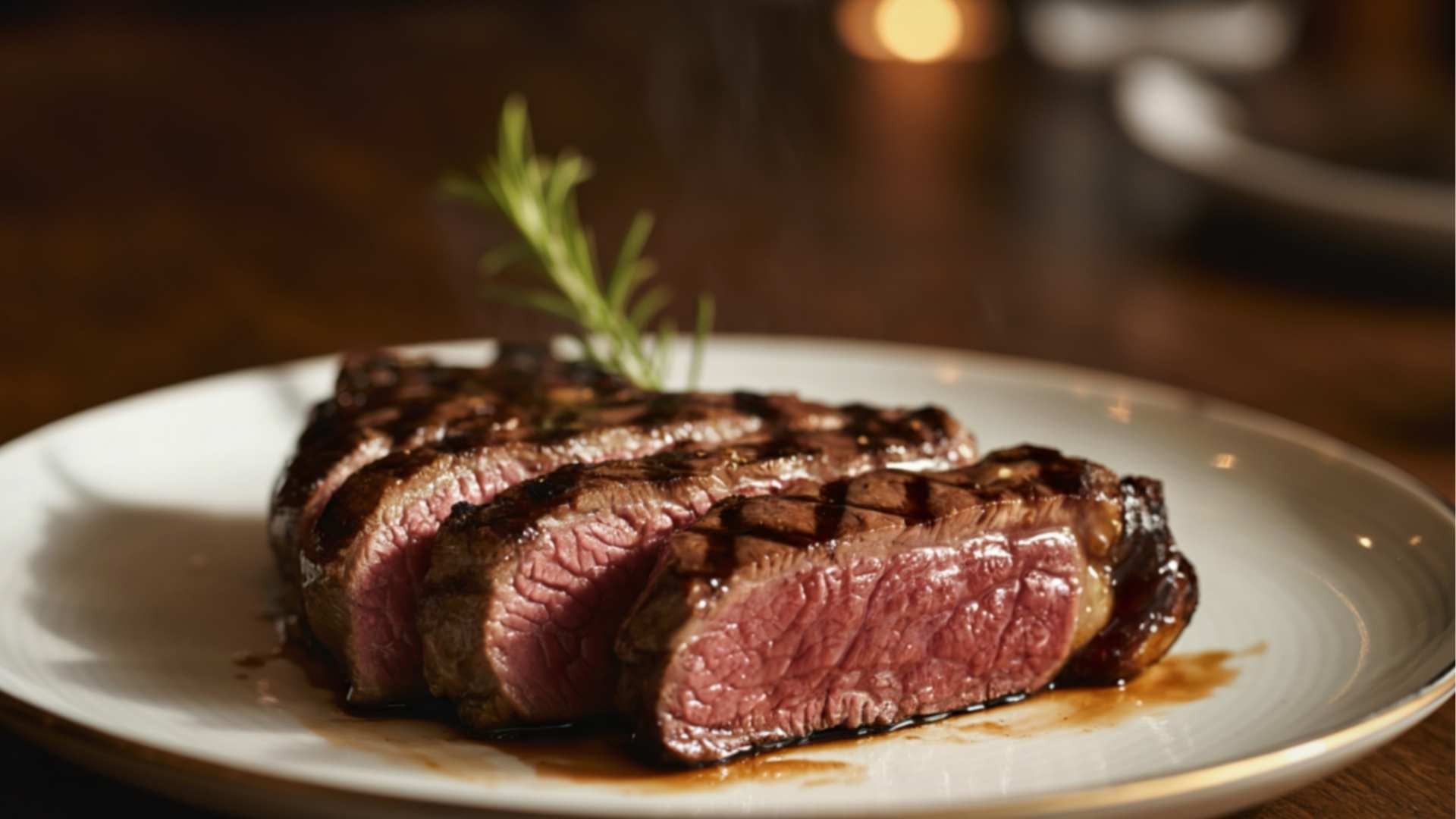
Some evidence suggests that APOE4 carriers may particularly benefit from the Mediterranean diet (diets emphasising vegetables, fruit, fish, legumes and olive oil, while limiting red meat and processed foods). The results of a recent study (source) were striking in a different way: people who stuck closely to a Mediterranean diet had lower dementia risk overall, but the benefit was greatest in those at highest genetic risk. APOE4 homozygotes, those carrying two copies of the high-risk gene, saw approximately a 35% reduction in dementia risk with high compared to low Mediterranean diet adherence, while non-carriers saw only around 5% reduction. Blood analysis suggested that greater Mediterranean diet adherence was associated with more favourable lipid and metabolite profiles in APOE4 carriers, which may partly explain the stronger protection seen in this group.
This does not rule out a possible role for unprocessed meat, but the overall direction of the best-supported evidence for APOE4 carriers points towards eating less red and processed meat within a broadly healthy dietary pattern, not more. Importantly, in the case of Mediterranean diets, we have different types of evidence: long-term cohort data, genetic analyses, and biological markers that are broadly consistent, which makes us more confident about the conclusions than when a single study stands alone.
Interpreting dietary research and media claims
It is also important to remember that dietary observational studies should be interpreted with some caution, especially as dietary data is often collected via self-report measures, such as in the aforementioned studies, which have limitations in terms of reliability (source). Studies with older adults and those with dementia are particularly susceptible to this limitation due to potentially poorer memory and ability to classify dietary components. Furthermore, observational studies cannot establish causation, only association between variables. Even though statistical analyses are carried out to limit the effect of other factors, there is always some residual effect that statistical methods cannot fully determine, called residual confounding (source). Controlled studies such as randomised controlled trials are needed to thoroughly investigate the links between meat intake and dementia risk as they provide the best evidence for causality (source), but they are difficult to conduct over the long timescales relevant to dementia.
When a clear lifestyle recommendation is made on social media such as “eat 1 g/kg animal protein for brain health”, a useful habit is to ask: is the claim based on a single study, or on multiple studies that broadly agree? Does the person making the claim discuss conflicting evidence and limitations, or do they present the study as definitive proof? Is the recommendation as broad as the study’s participant group, or has it been stretched to cover people the study never actually looked at? These are simple questions, but they can help us avoid taking bold, simple messages at face value when the underlying evidence is complex and still evolving.
Bottom line: The claim that eating a lot of meat "completely abolishes" Alzheimer's risk in APOE4 carriers, and the accompanying recommendation to eat around 1 g of animal protein per pound of body weight, are significant overstatements. The Swedish study they rely on is real but observational and limited, and its key finding on dementia diagnoses was not statistically robust, included only adults from age 60 onwards, and was not supported by at least two other substantial studies. The most consistently supported advice, for everyone, including APOE4 carriers, is to cut back on red and processed meat, and consider a Mediterranean-style dietary pattern overall.
Claim 2: “Higher meat intake makes you have stronger bones, better health, better longevity but just don't eat the pepperoni.”
Fact-check: Current evidence does not support this claim. A diet that provides enough calcium, vitamin D, protein, and overall dietary quality is more strongly supported for bone and general health.
Meat intake and bone health
The claim that “higher meat intake makes you have stronger bones” is not supported by current evidence. Bone strength and bone mineral density depend on several factors including getting enough calcium and vitamin D, together with regular weight‑bearing and resistance exercise, rather than on eating more meat (source). Calcium requirements are better met through dairy products, fortified dairy‑free alternatives, calcium‑set tofu, certain fish, and staple foods such as bread, all of which provide substantially more calcium than meat (source). Protein is important for musculoskeletal health, and meat is a good protein source, but systematic reviews and meta‑analyses indicate that increasing protein intake beyond adequate levels has little additional benefit for bone mineral density or fracture risk in healthy adults (source, source, source).
Research looking at the effect of animal protein on bone health has not shown clear, consistent benefits. A large systematic review of 37 studies (over 430,000 participants) examining meat and fish‑based dietary patterns found that protein intake from meat or fish was generally not harmful to bone density, but also did not show consistent, clinically meaningful benefits once overall dietary pattern was accounted for (source). Negative bone outcomes were more often seen when meat consumption occurred within a Western‑style pattern high in processed foods and saturated fat, rather than being driven by meat intake alone. Recent work comparing vegans, vegetarians and meat‑eaters suggests that when calcium and vitamin D needs are met and diets are well‑planned, bone mineral density can be similar across groups, supporting the view that bone health depends more on the overall quality and nutrient content of the diet rather than the amount of meat eaten (source).
Meat intake and general health/disease risk
The assertion that higher red and processed meat intake leads to “better health” is not supported by a substantial body of research on red and processed meat. Large cohort studies consistently link higher consumption of red and processed meat, and in some studies, poultry, with increased risks of type 2 diabetes, cardiovascular disease and certain cancers (source, source). For example, analysis of two major US cohorts found that each additional daily serving of unprocessed red meat was associated with a 13% higher risk of total mortality, and each additional daily serving of processed red meat with a 20% higher risk. Substituting one daily serving of red meat with fish, poultry, nuts, legumes, low‑fat dairy or whole grains was associated with a 7–19% lower mortality risk, indicating that alternative protein sources are likely to be more favourable for long‑term health (source).
Asprey correctly advises to “avoid the pepperoni”, which implies cutting down on processed meat. Processed meat, including products such as pepperoni, bacon, sausages and many deli meats, is of particular concern. It is classified as carcinogenic to humans, with regular intake linked to higher colorectal cancer risk, including about an 18% increase in relative risk per 50 g per day (source, source). Processed and red meats are also associated with increased risk of cardiovascular disease and all‑cause mortality in cohort and meta‑analytic studies (source, source). Reviews and position statements from cardiovascular and nutrition organisations highlight that dietary patterns high in red and processed meat and low in whole plant foods are associated with greater cardiometabolic risk, whereas patterns that emphasise fruits, vegetables, whole grains, legumes, nuts and seeds, with lower or moderate amounts of lean meat, are linked to lower rates of heart disease and diabetes (source, source).
Meat intake and longevity
The claim that higher meat intake yields “better longevity” is also not aligned with the balance of evidence. Positive correlations have been reported between total meat intake and life expectancy across countries, but such designs are heavily influenced by confounding factors like national income, healthcare and sanitation, and cannot demonstrate that meat itself causes longer life (source). In contrast, prospective cohort studies that follow individuals over time generally show that higher intakes of red and processed meat are associated with increased all‑cause, cardiovascular and cancer mortality (source, source). These studies consistently find that replacing red and processed meat with other protein sources such as fish, poultry, legumes, nuts and dairy is linked to lower mortality risk, suggesting that lower meat intake within an overall high‑quality dietary pattern is more favourable for longevity.
Bottom line: Higher meat intake does not reliably translate into stronger bones, better health or longer life. Adequate calcium, vitamin D, and exercise matter more for bone health than eating more meat, and higher intakes of red and processed meat are linked to greater risks of chronic disease and mortality, while substituting other protein sources lowers risk. Well‑planned, plant-rich diets with limited processed meat remain the most consistently supported pattern for long‑term health and longevity.

Final take-away
The research mentioned by Asprey does suggest that for people carrying certain high-risk Alzheimer's genetics, unprocessed red meat may offer some protective association. But the way this is presented crosses from reporting science into misrepresenting it, in four main ways:
It overstates what the evidence shows. One study in one population does not "completely abolish" risk. Dementia is shaped by dozens of factors: genetics, lifestyle, cardiovascular health, and more. This single study does not “prove what [Asprey has been] saying for years”, as suggested in the caption, i.e. that eating more red meat is generally recommended for better health outcomes.
It ignores the rest of the picture. A large and consistent body of research links high red and processed meat consumption to increased cancer and cardiovascular risk. None of that is mentioned here.
It’s framed in a polarising way. "Breaking news." "The science proves exactly what I've been saying for years." "Doctors were wrong." This language positions one content creator as more credible than the medical professionals and public health bodies whose guidance is based on decades of cumulative evidence. It risks undermining trust in dietary guidelines and in experts, which could lead to real harm.
Suggestions appear as broad recommendations, with no prior knowledge of the audience’s circumstances. Most people watching this don't know their APOE genotype, as genetic testing isn't routine. If you significantly increase your meat intake based on this advice without knowing whether you're in the group the study actually looked at, you may end up consuming large amounts of saturated fat, which could increase your risk of cardiovascular disease and colorectal cancer, the very health harms that dietary guidance focused on patterns is designed to help avoid.
We have contacted Dave Asprey’s team and are awaiting a response.
Disclaimer
This fact-check is intended to provide information based on available scientific evidence. It should not be considered as medical advice. For personalised health guidance, consult with a qualified healthcare professional.
Independent fact-checking, funded by readers like you.
Misinformation is a growing threat to our health and planet. At foodfacts.org, we're dedicated to exposing the truth behind misleading food narratives. But we can't do it without your support.
Sources
Mayo Clinic (2025). “Alzheimer’s genes: Are you at risk?”
National Institute on Ageing (2023). “Alzheimer’s Disease Genetics Fact Sheet.”
Norgren, J et al. (2026). “Meat Consumption and Cognitive Health by APOE Genotype.”
Rafii MS and Aisen PS (2023). “Detection and treatment of Alzheimer’s disease in its preclinical stage.”
Lim, U et al. (2021). “Risk of Alzheimer’s disease and related dementia by sex and race/ethnicity: The Multiethnic Cohort Study.”
Morris, J et al. (2019). “Assessment of Racial Disparities in Biomarkers for Alzheimer Disease.”
Samuelsson, J et al. (2022). “Interactions between dietary patterns and genetic factors in relation to incident dementia among 70-year--olds.”
Li, Y et al. (2025). “Long-Term Intake of Red Meat in Relation to Dementia Risk and Cognitive Function in US Adults.”
Wang, Y et al. (2023). “Associations between plant-based dietary patterns and risks of type 2 diabetes, cardiovascular disease, cancer, and mortality -- a systematic review and meta-analysis.”
Liu, Y et al. (2025). “Interplay of genetic predisposition, plasma metabolome and Mediterranean diet in dementia risk and cognitive function.”
Ruxton, C. (2022). “Interpretation of observational studies: the good, the bad and the sensational”
Faculty of Public Health. “Role of chance, bias and confounding in epidemiological studies.” (Accessed 2026).
Hariton E and Locascio JJ. (2018). “Randomised controlled trials - the gold standard for effectiveness research: Study design: randomised controlled trials.”
Kanis, J.A. et al. (2021). “Nutritional intake and bone health.”
Royal Osteoporosis Society. “Calcium-rich food chooser. Royal Osteoporosis Society website.” (Accessed July 2026).
Perna S et al. (2017) “Association between Dietary Patterns of Meat and Fish Consumption with Bone Mineral Density or Fracture Risk: A Systematic Literature.”
Darling, A. L. et al. (2019). “Dietary protein and bone health across the life-course: an updated systematic review and meta-analysis over 40 years”.
Tsagari, A. (2020). “Dietary protein intake and bone health”.
Galchenko A et al. (2024). “Bone mineral density parameters and related nutritional factors in vegans, lacto-ovo-vegetarians, and omnivores: a cross-sectional study.”
Papier K et al., (2021). “Meat consumption and risk of 25 common conditions: outcome-wide analyses in 475.000 men and women in the UK Biobank study”.
Kennedy J et al., (2024). “Estimated effects of reductions in processed meat consumption and unprocessed red meat consumption on occurrences of type 2 diabetes, cardiovascular disease, colorectal cancer, and mortality in the USA: a microsimulation study”.
Pan et al., (2012). “Red meat consumption and mortality: results from two prospective cohort studies”.
International Agency for Research on Cancer, WHO, (2015). “IARC Monographs evaluate consumption of red meat and processed meat”.
WHO, (2015). “Cancer: Carcinogenicity of the consumption of red meat and processed meat.”
Shi W, (2023). “Red meat consumption, cardiovascular diseases, and diabetes: a systematic review and meta-analysis”.
Wang, (2022). “Red meat consumption and all-cause and cardiovascular mortality: results from the UK Biobank study”.
Kim, H et al., (2019). “Plant‐Based Diets Are Associated With a Lower Risk of Incident Cardiovascular Disease, Cardiovascular Disease Mortality, and All‐Cause Mortality in a General Population of Middle‐Aged Adults”.
HEART UK. “Dietary patterns”. (Accessed July 2026).
You, W et al., (2022). “Total Meat Intake is Associated with Life Expectancy: A Cross-Sectional Data Analysis of 175 Contemporary Populations”.
Wang, X (2015). “Red and processed meat consumption and mortality: dose–response meta-analysis of prospective cohort studies”.




foodfacts.org is an independent non-profit fact-checking platform dedicated to exposing misinformation in the food industry. We provide transparent, science-based insights on nutrition, health, and environmental impacts, empowering consumers to make informed choices for a healthier society and planet.








.svg)


.svg)

