




The complete guide to vitamin B12: foods, deficiency symptoms and dosage


Vitamin B12 is an essential nutrient that supports healthy nerves, red blood cell production and DNA synthesis. But despite its importance, vitamin B12 is surrounded by confusion, and low vitamin B12 status is common in certain groups such as older adults, those following a vegan diet, and people with absorption issues (1).
Fortunately, maintaining healthy vitamin B12 levels is usually straightforward. This guide brings together the latest scientific evidence to answer everything you need to know about vitamin B12 — from what it does and where it comes from, to who should consider supplementation, how much to take, and differentiating between the various forms of vitamin B12 available.



Key takeaways
- Vitamin B12 is essential for healthy nerves, red blood cell production, and DNA synthesis.
- Deficiency can cause fatigue, anaemia, numbness or tingling, balance problems, memory issues, and, if left untreated, permanent nerve damage.
- People at higher risk of deficiency include those following plant-based diets, adults over 50 years of age, people with digestive disorders or gastrointestinal surgery, and those taking certain medicines that affect absorption (for example, metformin or proton pump inhibitors).
- Reliable sources of vitamin B12 include animal foods, fortified foods, and supplements; unfortified plant foods do not provide dependable amounts.
- B12 deficiency can take years to develop because the body stores the vitamin in the liver, so symptoms may appear slowly.
- If you follow a plant-based or vegan diet, a regular B12 supplement is often the simplest and most reliable way to stay protected.
What is vitamin B12?
Vitamin B12, also known as cobalamin, is a water-soluble vitamin that plays an essential role in several fundamental processes throughout the body. It's required for the production of healthy red blood cells, the maintenance of the nervous system, DNA synthesis, and normal cell division.
Unlike most vitamins, vitamin B12 has an unusual origin. It is produced not by plants or animals, but by certain bacteria and archaea. Many animals ultimately obtain vitamin B12 from these microorganisms, either directly or indirectly, while modern livestock often receive dietary supplementation to ensure adequate vitamin B12 status. Humans usually obtain vitamin B12 by consuming animal products, or by consuming fortified foods or supplements directly.
Vitamin B12 is also unusual because, unlike most other water-soluble vitamins, the body stores relatively large amounts of it, primarily in the liver. Deficiency can therefore take years to develop (timing varies by baseline stores, intake, and absorption). While this provides an important safety buffer, it also means people can have low vitamin B12 status for a long time before symptoms gradually become noticeable (2).
What is vitamin B12 good for? Key benefits and functions
Vitamin B12 is involved in numerous biological processes, but some of its more notable roles include:
Healthy red blood cells and preventing anaemia
Vitamin B12 is essential for producing healthy red blood cells. When intake or absorption is inadequate, red blood cells become unusually large and immature, reducing their ability to transport oxygen around the body. This can result in a condition known as megaloblastic anaemia, causing symptoms such as tiredness, weakness, shortness of breath and reduced exercise tolerance (1).
Nervous system function
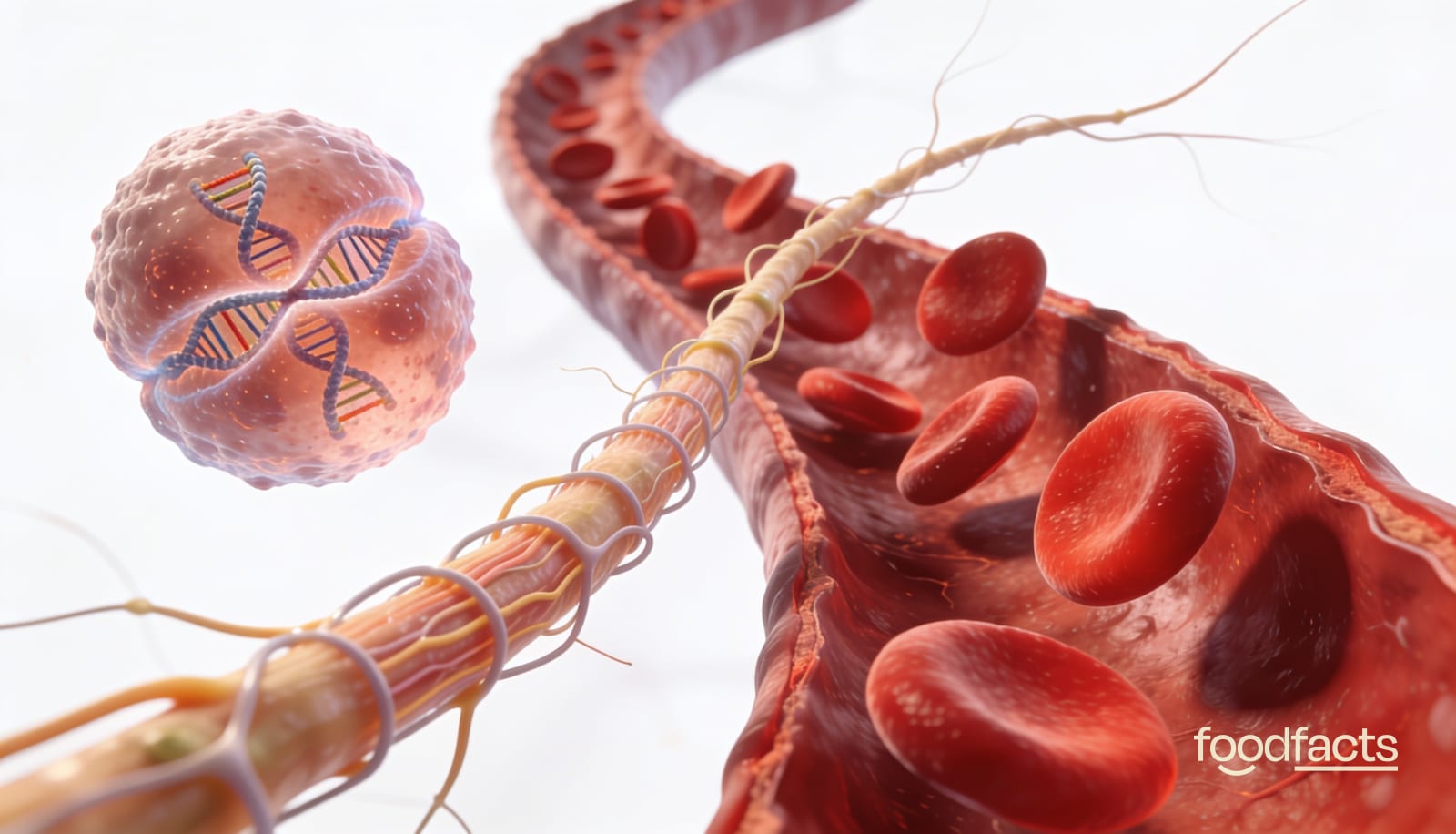
Vitamin B12 helps maintain the protective myelin sheath that surrounds nerves. Prolonged deficiency can damage this protective layer, leading to symptoms including numbness, tingling, poor balance and muscle weakness. If left untreated for too long, some neurological damage may become permanent, making prevention or early diagnosis particularly important (3).
DNA synthesis and cell division
Every cell in the body relies on vitamin B12 to make DNA. This makes the vitamin especially important for tissues that are constantly renewing themselves, such as blood cells and the lining of the digestive tract. Adequate vitamin B12 is therefore particularly important during pregnancy and infancy, when rapid growth and cell division are taking place (4).
Vitamin B12 foods and sources: where does B12 come from?
Humans obtain vitamin B12 from three main sources: animal foods, fortified foods and supplements.
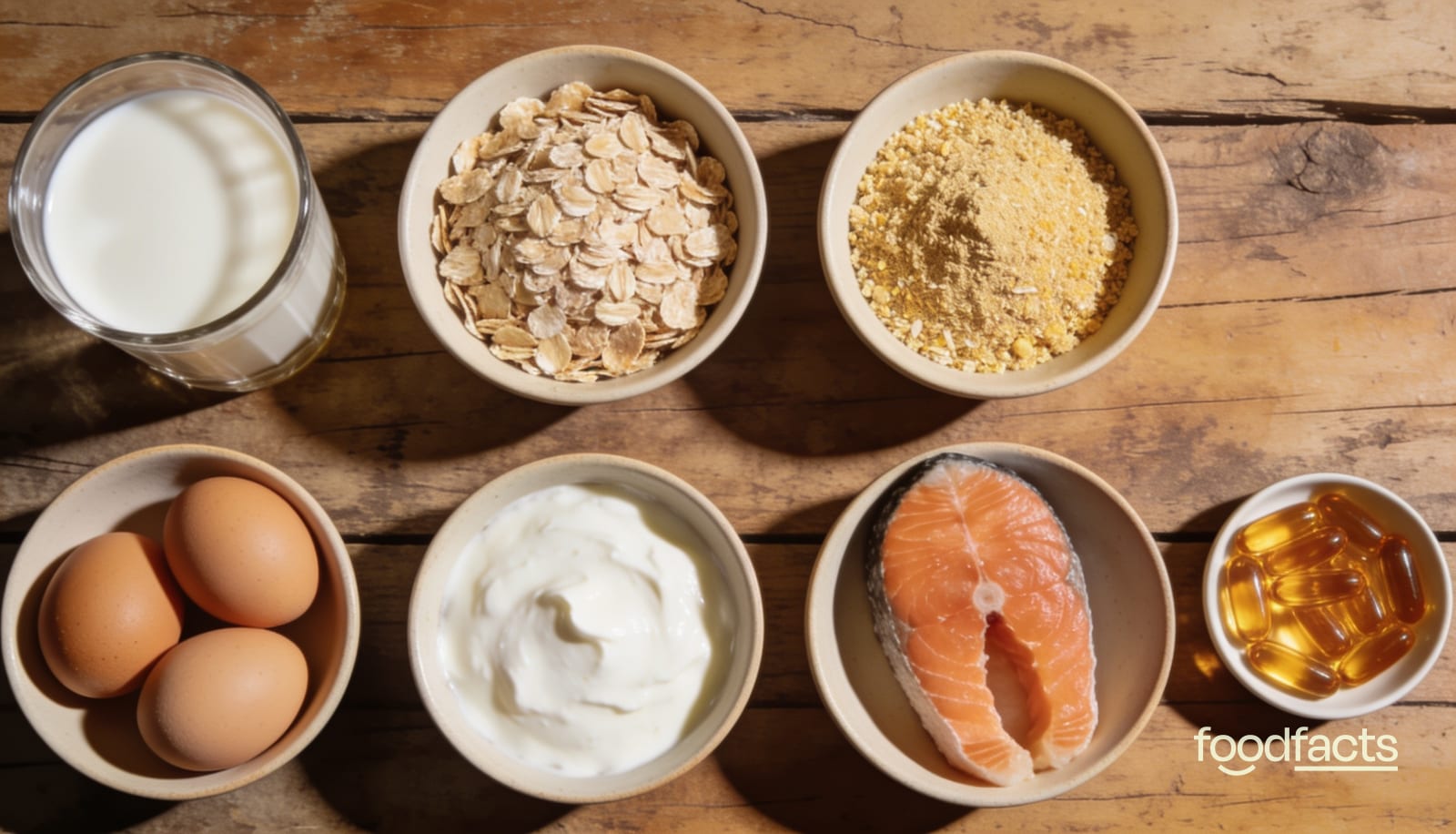
Foods high in vitamin B12: meat, fish, shellfish, eggs and dairy
Animal-derived foods are sources of vitamin B12 because animals accumulate the vitamin over time, either through microorganisms living within their digestive systems or from their feed. Dietary sources include meat, fish, shellfish, eggs and dairy products.
The amount of vitamin B12 varies considerably between foods, with liver and some shellfish containing particularly high concentrations, while milk and eggs provide more modest amounts (5).
Vitamin B12 foods for vegans and vegetarians: fortified foods
Several foods are fortified with vitamin B12, meaning the vitamin has been added during manufacturing. Depending on where you live, these may include:
- Plant-based milks
- Breakfast cereals
- Nutritional yeast
- Plant-based meat alternatives
- Plant-based spreads
Fortified foods can make an important contribution to vitamin B12 intake, although the amount varies considerably between products (6). Checking the nutrition label is therefore worthwhile if you're relying on fortified foods as a regular source.
Vitamin B12 supplements and injections
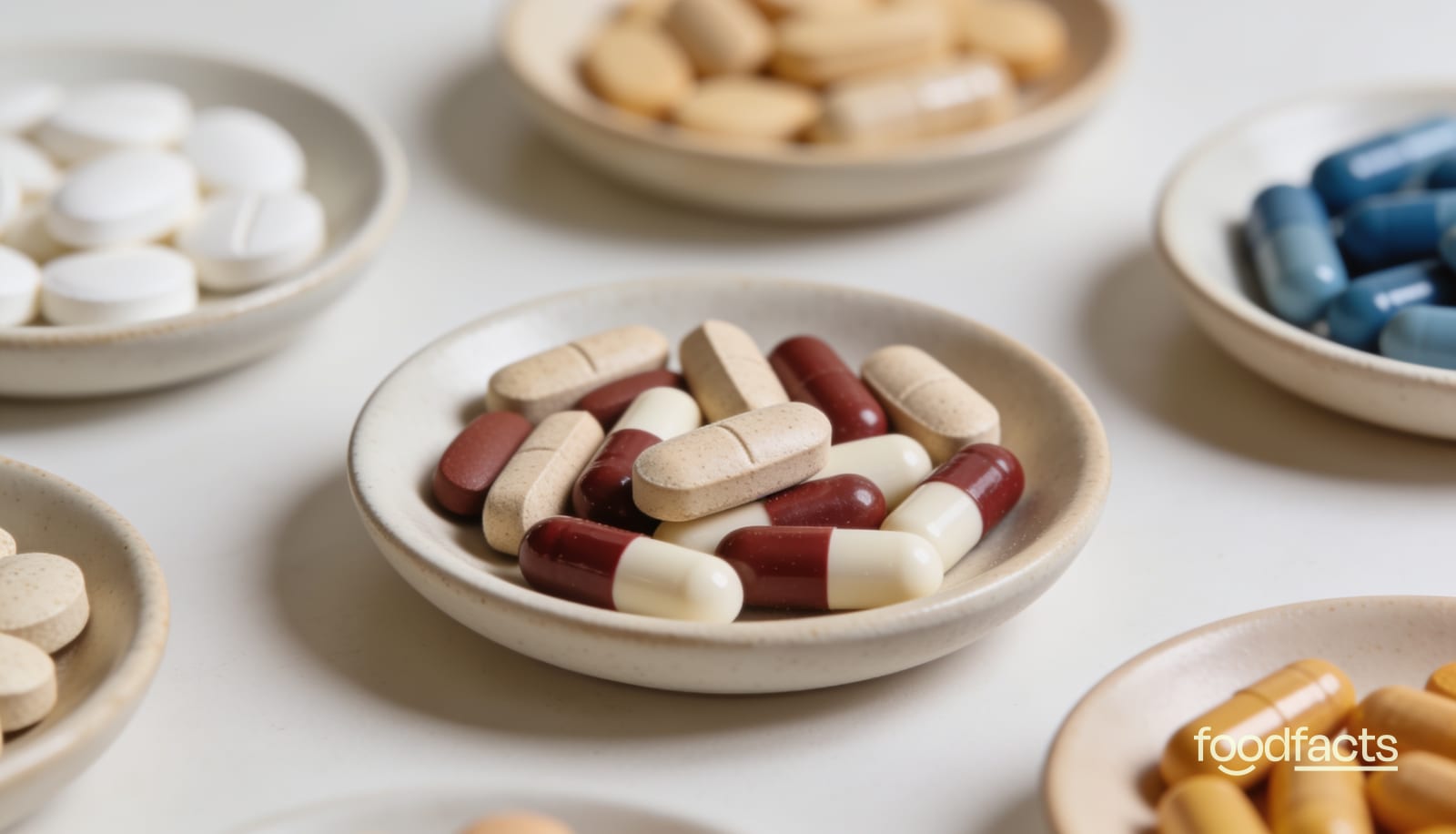
Vitamin B12 supplements provide a reliable, inexpensive and highly effective way of maintaining adequate vitamin B12 status (7). We'll discuss who should consider supplementation, how much to take and which forms are best later in this guide.
Vitamin B12 absorption: how it works and why it can fail
Vitamin B12 has one of the most complex absorption pathways of any vitamin, which is one reason why deficiency can occur even in people who consume adequate amounts in their diet.
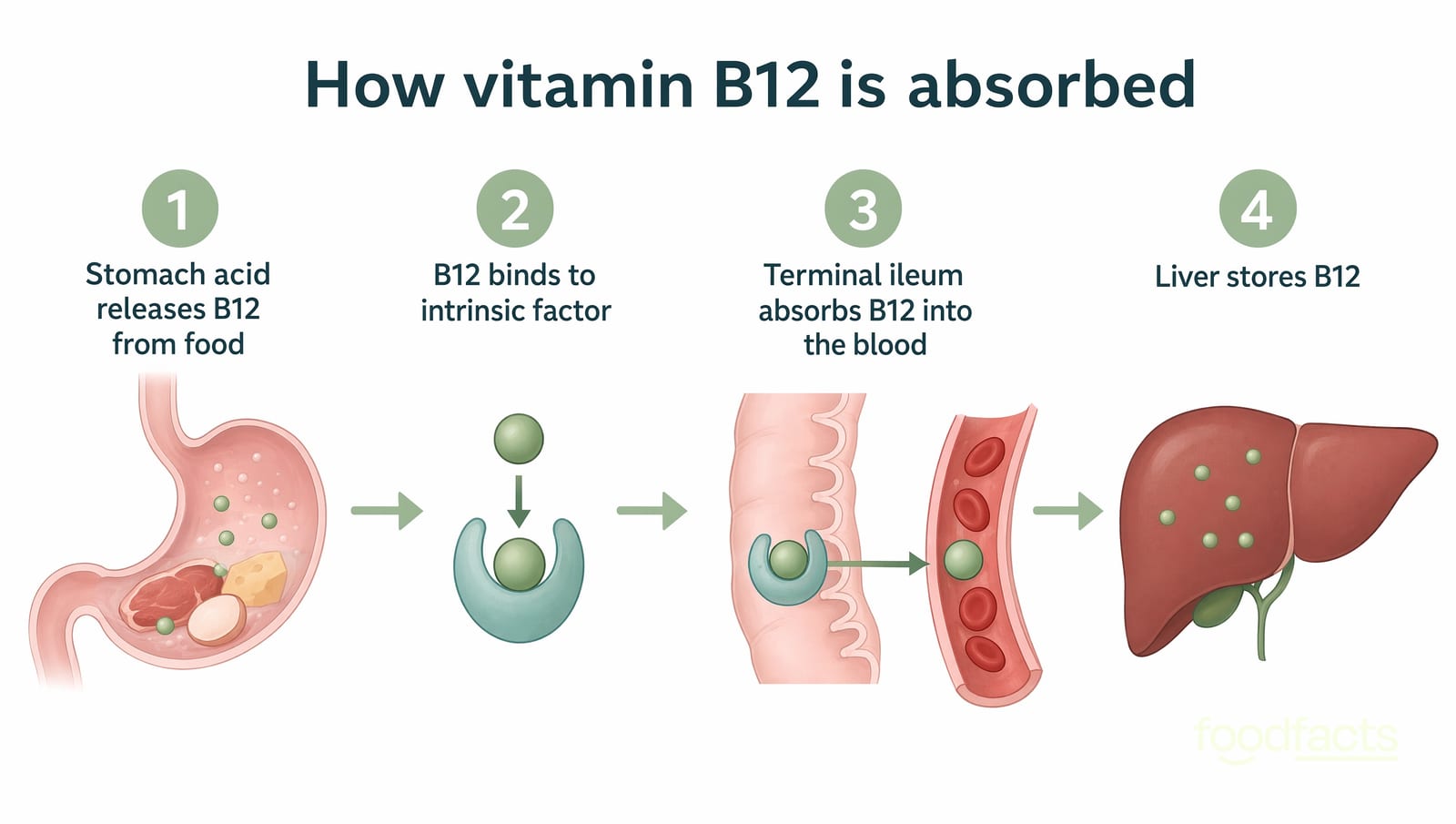
The process begins in the stomach. Here, stomach acid and digestive enzymes release vitamin B12 from proteins in food. The vitamin then temporarily binds to a transport protein before eventually attaching to intrinsic factor, a protein produced by specialised cells in the stomach lining.
This vitamin B12–intrinsic factor complex travels through the small intestine until it reaches the final section, known as the terminal ileum, where specialised receptors absorb it into the bloodstream. Once absorbed, vitamin B12 is transported around the body and stored primarily in the liver (8).
Because this process depends on several different steps working correctly, problems at any stage can reduce absorption. This helps explain why vitamin B12 deficiency is not confined to people avoiding animal products. Some individuals consume adequate dietary vitamin B12 but are unable to absorb enough of it (1).
What causes vitamin B12 deficiency, and who is at risk?
Vitamin B12 deficiency is often associated with plant-based diets, especially vegan diets, but in reality it can affect people following any dietary pattern. While inadequate intake is one cause, poor absorption is another major contributor, particularly as we get older.
In fact, one of the best-known studies on vitamin B12 status — the Framingham Offspring Study — found that approximately 39% of adults had low or marginal vitamin B12 status, despite the majority consuming omnivorous diets. The authors concluded that suboptimal vitamin B12 status was far more common than previously recognised, particularly among older adults (9).
The following groups are at higher risk:
Vegans and vegetarians: vitamin B12 on a plant-based diet
Because vitamin B12 is not naturally present in unfortified plant foods, people following a completely plant-based diet should consume reliable fortified foods or take a vitamin B12 supplement (6). This is one of the few nutrients that requires particular planning on a vegan diet, but fortunately preventing deficiency is usually straightforward.
Vegetarians generally have a lower risk than vegans because eggs and dairy contain some vitamin B12, although intake can still be relatively low in some individuals. Those eating only small amounts of animal products should also pay attention to their vitamin B12 intake.
Older adults: vitamin B12 after 50
Ageing is one of the strongest risk factors for vitamin B12 deficiency.
As we get older, the stomach often produces less acid, making it more difficult to release vitamin B12 from food. Some older adults also produce less intrinsic factor, the protein required for vitamin B12 absorption.
This is why vitamin B12 deficiency becomes increasingly common with age, even among people consuming adequate amounts of meat, fish and dairy.
For this reason, the National Academy of Medicine recommends that "adults over age 50 obtain their vitamin B12 mainly as synthetic B12 from fortified foods or supplements because absorption of food-bound B12 may be limited" (10).
Gut conditions: pernicious anaemia, coeliac disease and Crohn's disease
Several medical conditions can interfere with vitamin B12 absorption. These include:
- Autoimmune gastritis, the cause of pernicious anaemia
- Coeliac disease
- Inflammatory bowel disease, e.g. Crohn's disease
- Conditions affecting the terminal ileum
Because vitamin B12 absorption depends on a healthy digestive system, these individuals may require long-term supplementation or, in some cases, vitamin B12 injections under medical supervision.
Stomach or bowel surgery, including gastric bypass
Procedures involving the stomach or small intestine can significantly reduce vitamin B12 absorption. Examples include:
- Gastric bypass surgery
- Partial stomach removal
- Surgery affecting the terminal ileum
Many people who have undergone bariatric surgery require lifelong vitamin B12 supplementation.
Medicines that lower vitamin B12: metformin, omeprazole and other PPIs
Some commonly prescribed medications can reduce vitamin B12 absorption, for example:
- Metformin, widely used for type 2 diabetes
- Proton pump inhibitors (PPIs) such as omeprazole
- Some acid-reducing medications used to treat heartburn and indigestion
Long-term users may be advised to have periodic monitoring of their vitamin B12 status (5).
Other medications may also affect vitamin B12 status or interact with vitamin B12 metabolism. If you take prescription medication regularly and are concerned about your vitamin B12 intake or status, it's worth discussing this with your doctor, pharmacist or other healthcare professionals, who can advise whether monitoring or supplementation may be appropriate.
Vitamin B12 in pregnancy and breastfeeding
Vitamin B12 requirements increase during pregnancy and breastfeeding because the vitamin is needed to support the baby's growth and neurological development.
People with the ability to become pregnant should ensure they have a reliable source of vitamin B12 before conception and throughout pregnancy and lactation. This is particularly important because infants born to, or breastfed by, those with vitamin B12 deficiency are themselves at increased risk of deficiency, which can impair normal neurological development (6).
Vitamin B12 deficiency symptoms: the signs of low B12
Vitamin B12 deficiency often develops gradually because the body is able to store the vitamin in the liver. As a result, symptoms may be subtle at first and are easily mistaken for stress, ageing or simply feeling run down (1).
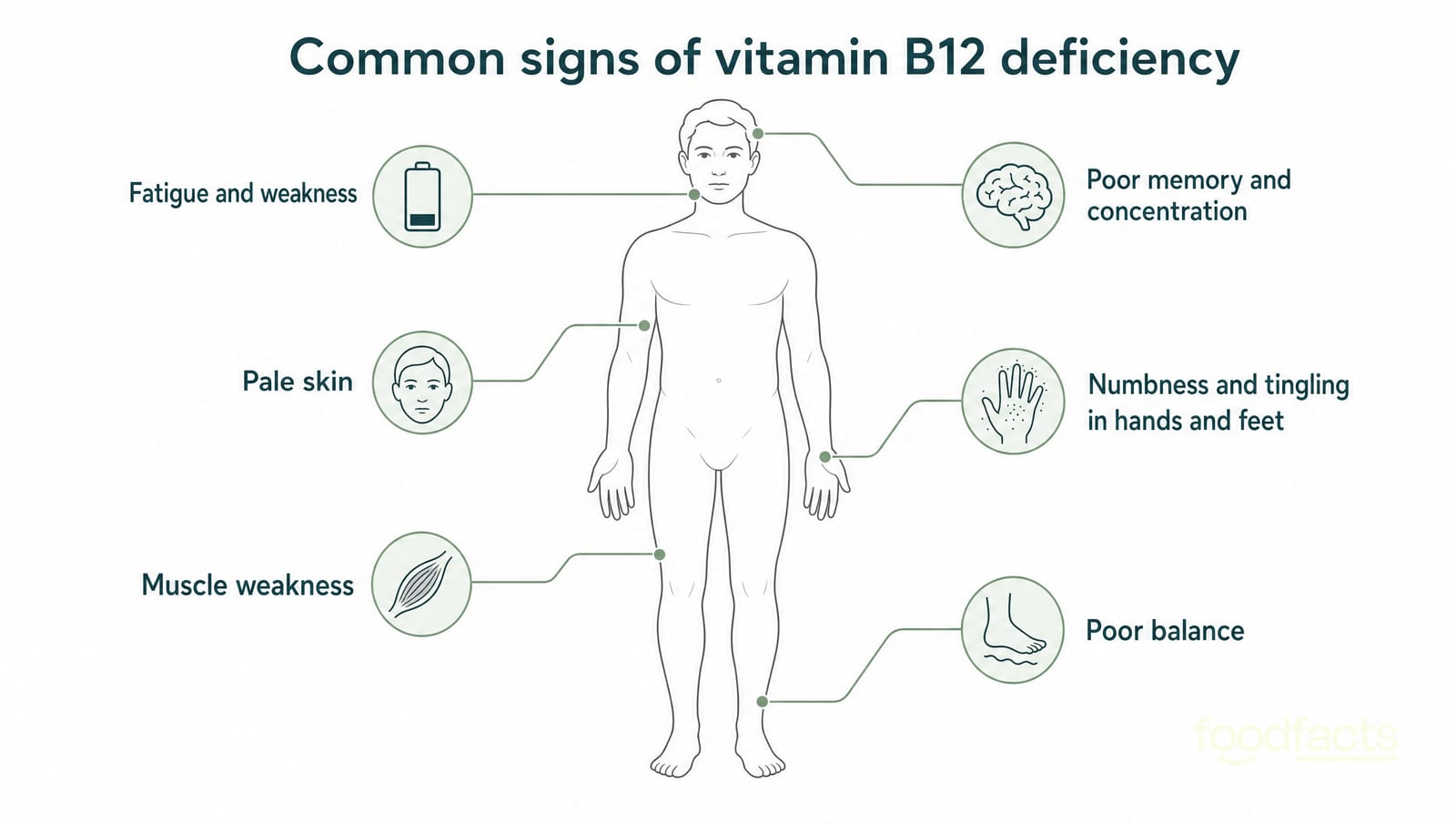
Common early symptoms include:
- Persistent fatigue
- Weakness
- Pale skin
- Shortness of breath
- Difficulty concentrating
- Poor memory
As deficiency progresses, neurological symptoms become more likely. These may include:
- Pins and needles in the hands or feet
- Numbness
- Poor balance
- Muscle weakness
- Difficulty walking
- Low mood or depression
- Confusion
Although fatigue and anaemia are common features of vitamin B12 deficiency, some people develop neurological symptoms before any abnormalities are seen in routine blood tests. Left untreated, severe and prolonged vitamin B12 deficiency can lead to permanent nerve damage (3). Although this is uncommon in countries with good healthcare access, it highlights why persistent symptoms should always be discussed with a healthcare professional.
It's also important to remember that these symptoms are not specific to vitamin B12 deficiency. Many other medical conditions can cause similar problems, so symptoms alone cannot diagnose deficiency.
Vitamin B12 blood test: how is deficiency diagnosed?
Because the symptoms of vitamin B12 deficiency can be caused by many different conditions, diagnosis is based on blood tests rather than symptoms alone.
The first test is usually a serum vitamin B12 blood test, which measures the amount of vitamin B12 circulating in the bloodstream. However, this test is not perfect: some people with symptoms of deficiency may have serum vitamin B12 levels that fall within the normal range, while others may have low levels despite having no symptoms (11).
For this reason, healthcare professionals sometimes request additional blood tests if the diagnosis is unclear or symptoms strongly suggest vitamin B12 deficiency. They may also arrange a full blood count, which can identify changes in red blood cells that are characteristic of vitamin B12 deficiency. This test, alone, isn't perfect either: very high intakes of folic acid can correct the anaemia associated with vitamin B12 deficiency without correcting the underlying neurological damage, potentially delaying diagnosis and treatment.
These reasons are why, rather than relying on a single result, doctors should interpret blood tests alongside your symptoms, medical history and any relevant risk factors.
If vitamin B12 deficiency is confirmed, it's also important to identify the underlying cause. For some people this is simply inadequate dietary intake, while for others it reflects a problem with vitamin B12 absorption that may require further investigation and treatment (12).
How much vitamin B12 per day? Recommended intake and dosage for adults
For many people, vitamin B12 supplements provide a simple, generally safe, and inexpensive way of preventing deficiency. Whether supplementation is appropriate depends on both your dietary intake and your ability to absorb vitamin B12 from food.
One of the most common sources of confusion about vitamin B12 is the huge variation in supplement doses. While some multivitamins contain around 1.5 micrograms, standalone vitamin B12 supplements often provide 50, 100 or even 1,000 micrograms.
The answer lies in the unique way vitamin B12 is absorbed. Although the recommended daily intake for healthy adults is 1.5 micrograms per day in the UK, this recommendation relates to vitamin B12 obtained from food.
Many B12 supplements contain higher doses than the daily requirement because the body absorbs only a limited amount at a time. In practice, many healthy adults following a vegan diet use either a daily supplement or a weekly higher-dose supplement to help maintain adequate status.
That's why several evidence-based reviews have concluded that the following supplementation strategies are appropriate for healthy adults following a vegan diet:
- 50–100 micrograms daily (13)
- Or 2,000 micrograms once per week (14)
Both approaches have been shown to maintain adequate vitamin B12 status in most healthy adults. However, individual needs can vary, so if you have an underlying health condition or are unsure whether supplementation is appropriate, seek advice from your doctor or another qualified healthcare professional.
Can you take too much vitamin B12? Overdose and side effects
Vitamin B12 generally has a very good safety profile.
No tolerable upper intake level has been established because toxicity has not been demonstrated in healthy individuals, even at doses many times higher than the recommended daily intake (15).
Occasionally, high-dose supplementation has been linked with adverse effects, such as acne-like skin eruptions in susceptible individuals, but these appear to be uncommon and generally resolve when supplementation stops.
Although high-dose supplements are generally considered safe, taking substantially more vitamin B12 than you need is unlikely to provide additional health benefits. Once vitamin B12 requirements have been met, larger doses are mostly unnecessary and may simply add to the cost of supplementation.
Cyanocobalamin vs methylcobalamin: which form of vitamin B12 is best?
Vitamin B12 supplements are available in several different forms, including cyanocobalamin, methylcobalamin, hydroxocobalamin and adenosylcobalamin. Some manufacturers claim that certain forms are more "natural", "better absorbed" or more "bioavailable". However, current scientific evidence provides little support for these claims (15).
For most people, cyanocobalamin is the most practical and evidence-based choice. It is highly stable, inexpensive, and has been used safely in clinical practice for decades. Once absorbed, the body efficiently converts it into the active forms of vitamin B12 that cells require (7).
Other forms, such as methylcobalamin, are also effective sources of vitamin B12, but there is currently no convincing evidence that they provide superior health benefits for most people. Similarly, hydroxocobalamin is commonly used in prescription injections because it remains in the body for longer, but this offers no clear advantage for routine oral supplementation.
Ultimately, the most important factor is taking vitamin B12 consistently. Choosing a reputable supplement and using it regularly is likely to have a far greater impact on your vitamin B12 status than the particular form it contains.
Vitamin B12 myths, fact-checked
Myth 1: "Only vegans become vitamin B12 deficient."
Verdict: False. Although people following a vegan diet need to pay particular attention to vitamin B12, they are not the only group at risk. Older adults, people taking certain medications (such as metformin or proton pump inhibitors), individuals with digestive disorders, and those who have undergone stomach or bowel surgery are all examples where vitamin B12 deficiency can develop despite consuming animal products (2).
Myth 2: "Spirulina and seaweed provide enough vitamin B12."
Verdict: False. Although some algae and seaweeds contain compounds that resemble vitamin B12, many are biologically inactive analogues that cannot be relied upon to meet human requirements. Current evidence does not support relying on spirulina, chlorella, nori or other algae as dependable sources of vitamin B12 (6).
Myth 3: "Methylcobalamin is much better than cyanocobalamin."
Verdict: Mostly false. Methylcobalamin is an active form of vitamin B12 and is an effective oral supplement. However, current evidence does not show that it produces better health outcomes than cyanocobalamin in healthy people (5).
In fact, cyanocobalamin is generally more stable, less expensive and has been used successfully in clinical practice for decades. For most people, consistency is far more important than choosing one form over another.
Myth 4: "If I eat meat, I don't need to think about vitamin B12."
Verdict: False. Animal foods are sources of vitamin B12, but intake is only one part of the equation.
Vitamin B12 absorption depends on healthy stomach acid production, intrinsic factor, and normal intestinal function. Conditions affecting any of these processes can lead to deficiency, even when dietary intake is adequate (2).
Myth 5: "Vitamin B12 supplements give everyone more energy."
Verdict: Mostly false. Vitamin B12 is often marketed as an energy supplement, but this can be misleading.
If you're deficient, correcting that deficiency can improve fatigue and wellbeing. However, in people who already have adequate vitamin B12 status, supplementation has not been shown to boost energy levels or athletic performance (5).
Myth 6: "Taking a vitamin B12 supplement is unnatural."
Verdict: Misleading. Vitamin B12 is produced by bacteria, not by animals or plants.
In modern farming, many livestock are supplemented with vitamin B12 or cobalt to ensure adequate vitamin B12 levels. For those who do not reliably obtain enough vitamin B12 from food, taking a supplement simply provides the vitamin in a direct, reliable form, rather than indirectly through animal products.
From a nutritional perspective, the important question isn't whether a source is "natural", but whether it reliably provides enough vitamin B12 to maintain good health.
Frequently asked questions about vitamin B12
Can you get enough vitamin B12 on a vegan diet?
Yes. A well-planned vegan diet that includes reliable fortified foods or an appropriate vitamin B12 supplement can easily provide adequate vitamin B12 (13).
Can you get vitamin B12 from fruit and vegetables?
No. Fruit and vegetables do not naturally provide reliable amounts of vitamin B12 (7).
How long do vitamin B12 stores last?
Because the body stores vitamin B12 in the liver, deficiency can take several years to develop after intake becomes inadequate. However, this varies considerably depending on initial stores and individual absorption (2).
Can low vitamin B12 cause tiredness and fatigue?
Yes. Fatigue is one of the most common symptoms of vitamin B12 deficiency because inadequate vitamin B12 can impair red blood cell production and oxygen transport (4).
Can vitamin B12 deficiency cause nerve damage and neurological symptoms?
Yes. Vitamin B12 deficiency can cause pins and needles, numbness, poor balance, memory problems and, in severe cases, permanent nerve damage if left untreated (3).
Can children take vitamin B12 supplements?
Yes. Vitamin B12 supplements are safe for children when taken in appropriate doses. Children following vegan diets should have a reliable source of vitamin B12 from fortified foods or supplements (15).
Is nutritional yeast a good source of vitamin B12?
Only if it has been fortified. Some nutritional yeast products contain added vitamin B12, while others contain none. Always check the nutrition label rather than assuming all brands are fortified (6).
Are vitamin B12 injections better than tablets?
Not necessarily. For many people, higher-dose oral vitamin B12 supplements are just as effective as injections. However, injections may be required in certain medical conditions, such as autoimmune gastritis or severe deficiency, depending on clinical circumstances. A healthcare professional can help determine the most appropriate option (12).
Can you take vitamin B12 every day?
Yes. Vitamin B12 has a generally very good safety profile, and daily supplementation is recommended by many organisations for people following a plant-based or vegan diet (13).
Does cooking destroy vitamin B12?
Some vitamin B12 can be lost during cooking, particularly with prolonged heating, but animal foods generally remain useful sources after cooking (16).
The bottom line
Vitamin B12 is an essential nutrient that deserves attention, but it doesn't need to be a source of anxiety. Deficiency is both common and potentially serious, yet it's also one of the easiest nutritional deficiencies to prevent.
Whether you eat meat, follow a vegetarian diet or consume a completely plant-based diet, the key is understanding your own risk factors and ensuring you have a reliable source of vitamin B12. For most healthy adults, this is as simple as consuming vitamin B12-rich foods, choosing fortified products, or supplements when needed.
Disclaimer
This guide is intended to provide information based on available scientific evidence. It should not be considered medical advice. For personalised health guidance, consult a qualified healthcare professional.

Independent fact-checking, funded by readers like you.
Misinformation is a growing threat to our health and planet. At foodfacts.org, we're dedicated to exposing the truth behind misleading food narratives. But we can't do it without your support.
References
- Green, R., Allen, L. H., Bjørke-Monsen, A. L., Brito, A., Guéant, J. L., Miller, J. W., Molloy, A. M., Nexo, E., Stabler, S., Toh, B. H., Ueland, P. M., & Yajnik, C. (2017). Vitamin B12 deficiency. Nature Reviews Disease Primers, 3, 17040. (PubMed)
- Sobczyńska-Malefora, A., Delvin, E., McCaddon, A., Ahmadi, K. R., & Harrington, D. J. (2021). Vitamin B12 status in health and disease: a critical review. Diagnosis of deficiency and insufficiency — clinical and laboratory pitfalls. Critical Reviews in Clinical Laboratory Sciences, 58(6), 399–429. (PubMed)
- Kumar, N. (2014). Neurologic aspects of cobalamin (B12) deficiency. Handbook of Clinical Neurology, 120, 915–926. (PubMed)
- Langan, R. C., & Zawistoski, K. J. (2011). Update on vitamin B12 deficiency. American Family Physician, 83(12), 1425–1430. (PubMed)
- National Institutes of Health, Office of Dietary Supplements. (2024). Vitamin B12: Fact sheet for health professionals. (source)
- Melina, V., Craig, W., & Levin, S. (2016). Position of the Academy of Nutrition and Dietetics: Vegetarian Diets. Journal of the Academy of Nutrition and Dietetics, 116(12), 1970–1980. (PubMed)
- Hannibal, L., Lederer, A. K., Storz, M. A., Huber, R., & Jacobsen, D. W. (2024). Vitamin B12 Status and Supplementation in Plant-Based Diets. Food and Nutrition Bulletin, 45(1_suppl), S58–S66. (PubMed)
- O'Leary, F., & Samman, S. (2010). Vitamin B12 in health and disease. Nutrients, 2(3), 299–316. (PubMed)
- Tucker, K. L., Rich, S., Rosenberg, I., Jacques, P., Dallal, G., Wilson, P. W., & Selhub, J. (2000). Plasma vitamin B-12 concentrations relate to intake source in the Framingham Offspring study. The American Journal of Clinical Nutrition, 71(2), 514–522. (PubMed)
- Institute of Medicine. (1998). Dietary reference intakes for thiamin, riboflavin, niacin, vitamin B6, folate, vitamin B12, pantothenic acid, biotin, and choline. National Academies Press. (PubMed)
- NHS England. (2025). Vitamin B12 or folate deficiency anaemia: Diagnosis. (source)
- National Institute for Health and Care Excellence. (2024). Anaemia — B12 and folate deficiency. NICE Clinical Knowledge Summaries. (source)
- Fernandes, S., Oliveira, L., Pereira, A., Costa, M. D. C., Raposo, A., Saraiva, A., & Magalhães, B. (2024). Exploring Vitamin B12 Supplementation in the Vegan Population: A Scoping Review of the Evidence. Nutrients, 16(10), 1442. (PubMed)
- The Vegan Society. (n.d.). Vitamin B12. (source)
- National Institutes of Health, Office of Dietary Supplements. (2024, March 26). Vitamin B12: Fact sheet for health professionals. (source)
- Watanabe, F. (2007). Vitamin B12 sources and bioavailability. Experimental Biology and Medicine (Maywood, N.J.), 232(10), 1266–1274. (PubMed)




foodfacts.org is an independent non-profit fact-checking platform dedicated to exposing misinformation in the food industry. We provide transparent, science-based insights on nutrition, health, and environmental impacts, empowering consumers to make informed choices for a healthier society and planet.






.svg)


.svg)

