


Are pregnant vegans really at higher risk of deadly complications? The media headlines fact-checked


Daily Mail, Diabetes UK and NY Post published reports suggesting pregnant vegans may be at higher risk of a life-threatening condition, following the release of a study by researchers in Denmark.
This new study has indicated that being vegan during pregnancy may raise the risk of preeclampsia, a condition that affects some pregnant women, usually during the second half of pregnancy (from 20 weeks) or soon after their baby is delivered. Publications such as the Daily Mail and Diabetes.co.uk reported on this study, with some suggesting a clear link between vegan diets and preeclampsia. The Daily Mail also issued a ‘warning’ to vegan mothers, which could create fears around plant-based diets.
This analysis seeks to discuss the study’s findings in light of the current evidence on dietary requirements during pregnancy and includes reactions from experts in the field.

Key concerns explained
Lower Birth Weight: In the study, babies born to vegan mothers had an average weight of 240g less than those born to omnivorous mothers. Most were in the normal weight range, and many factors could explain this difference.
Increased Risk of Preeclampsia: Vegan women showed a higher rate of preeclampsia compared to omnivores. This does not reflect previous study findings and could likely be a spurious result given that only 2 pregnancies were affected.
Sensational headlines have the capacity to distort findings from scientific studies and cause unnecessary alarm. Keep reading to fully explore the implications of this study for pregnant women.


Claim: "Study suggests plant-based diet can raise risk of pre-eclampsia by 5-fold."
Fact-check: While the study in question found that vegans had a higher rate of pre-eclampsia and warrants further research, the headline's suggestion of a 5-fold increased risk doesn't take into account the type of study or its limitations (such as the very small number of vegans).
What did the study find?
The research involved 66,738 pregnancies, where self-reported dietary patterns split the mothers; this included 65 872 omnivores, 666 fish/poultry vegetarians, 183 lacto/ovo vegetarians, and 18 vegans. The participants completed a food frequency questionnaire 25 weeks into their pregnancy to assess their dietary and supplement intake.
The study found that protein intake was lower among lacto/ovo-vegetarians (13.3%) and vegans (10.4%) than among omnivorous participants (15.4%). When considering dietary and supplement intake, no significant differences in micronutrient intake were observed between the groups.
Compared with omnivorous mothers, vegans had a higher rate of preeclampsia, and their offspring had, on average, 240g lower birth weight. Preeclampsia is a condition that causes high blood pressure during pregnancy and after labour. Additionally, pregnancies were 5.2 days longer among vegan women.
The study is observational despite these findings, meaning it can’t draw a cause-and-effect relationship. Additionally, several limitations in this study, such as the very small number of vegans compared to omnivores, prevent any definite conclusions. Besides, the recruitment period was over 20 years ago, from 1996-2002, when knowledge of and support for vegan pregnancies was in its infancy. Although no definite claims can be made, the study does point to the need for further research.
I don't believe the lower intake of protein is responsible for the lower birth weight. Babies in the vegan group were as long as the others; they were thinner, but 90% of them were within the normal range, which is what matters. Omnivorous mothers had a high frequency of being overweight, 27% versus 18% in vegans, and this alone could explain much of the difference in birth weight.

What did the study not include?
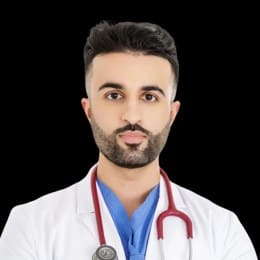
The study also does not report on adverse outcomes for larger babies. Dr. Martinez Biarge says, “Why didn't they report on the percentage of large for gestational age babies, those with abnormally high weight? Every obstetrician and every paediatrician knows this is an important adverse outcome in pregnancy.”
This is an important result missing from the study, as research suggests that the percentage of babies with an abnormally large weight may be higher among omnivorous mothers and is associated with complications during labour, both in the short and long term. This could also explain the higher number of induced labours and caesarean sections in the omnivores in this study.
“In the end, we know that women with lower BMI at the start of pregnancy and low weight gain during pregnancy are at risk of having smaller foetuses, whatever their diet. The point is that vegan mothers have a higher frequency of lower BMI and lower weight gain, probably because of lower caloric intake. Identifying these women and increasing energy intake would solve the problem in almost all cases.”
It’s worth noting that other studies have found a lower birth weight in vegan babies, and vegan children tend to be a bit shorter. However, these results often fall within the normal range for birth weight, and no evidence has suggested this results in future health issues.
The current study does not address the longer-term health of these children.
Although the overall number of women included in this study was large at over 65,000, the studies only included 18 people who identified as being vegan. The very small number of vegans who took part means that there is a risk of statistical error and that could explain the higher rates of pre-eclampsia reported in vegans. As there were only two women who presented with pre-eclampsia who were vegan, it could be due to variability and chance. This study aimed to consider protein as a mediating factor, which, due to the small number of women who were vegan in the study, makes it very hard to fully interpret any meaning from this data.

Key take-aways
The critical takeaway is that pregnant women should pay close attention to their diet to ensure they get all the necessary nutrients. This is also true for women who wish to pursue a plant-based diet during pregnancy.
“It can be more challenging to follow a vegan diet to ensure that it is nutritionally complete, as there can be risks of lower intakes of iron, iodine and vitamins B12 and D, which can affect the health of both the mother, along with the development of the baby,” says Dr Duane Mellor.
“When planning a pregnancy and during pregnancy, whatever your dietary patterns and preferences, it is key to eat a varied and balanced diet, including supplements as advised by government and health guidelines. If a diet is balanced and includes the necessary nutrients including protein, vitamins and minerals, the type of diet is not as important.”
A 2019 review supports this by concluding, “Vegetarians and vegans are at risk of nutritional deficiencies, but if the adequate intake of nutrients is upheld, pregnancy outcomes are similar to those reported in the omnivorous population. So updated evidence highlights that well-balanced vegetarian and vegan diets should be considered safe for the mother’s health and offspring during pregnancy and lactation.”
“The vegetarian-type pattern should be considered safe, and it is not associated with preterm birth, birth weight, or small for gestational age if the requirements are met.”
Headlines generally aim to grab the readers’ attention while only capturing the gist of an article. When reporting on this study, the tone adopted by certain headlines seems alarming; for example, the Daily Mail summed up the study as follows: "Pregnant women urged not to go vegan over risk of deadly complications." However, this does not align with the recommendations from experts.
Stand Against Nutrition Misinformation
Misinformation is a growing threat to our health and planet. At foodfacts.org, we're dedicated to exposing the truth behind misleading food narratives. But we can't do it without your support.
If you are considering a plant-based pregnancy, consider the following resources for more information:
Plant Based Health Professionals UK: Pregnancy and Children
British Nutrition Foundation: Vegetarian and vegan diets during pregnancy
Sources
Avnon, T. et al. (2020). The impact of a vegan diet on pregnancy outcomes. https://www.nature.com/articles/s41372-020-00804-x
Hedegaard, S. et al. (2024). Adherence to different forms of plant-based diets and pregnancy outcomes in the Danish National Birth Cohort: A prospective observational study.https://doi.org/10.1111/aogs.14778
Kesary, Y. et al. (2020). Maternal plant-based diet during gestation and pregnancy outcomes. https://link.springer.com/article/10.1007/s00404-020-05689-x
NHS. Pre-eclempsia. https://www.nhs.uk/conditions/pre-eclampsia/
Sebastiani, G. et al. (2019). The Effects of Vegetarian and Vegan Diet during Pregnancy on the Health of Mothers and Offspring. https://pmc.ncbi.nlm.nih.gov/articles/PMC6470702/


foodfacts.org is an independent non-profit fact-checking platform dedicated to exposing misinformation in the food industry. We provide transparent, science-based insights on nutrition, health, and environmental impacts, empowering consumers to make informed choices for a healthier society and planet.






.svg)


.svg)

