




Plant-based diets and creatine: why the benefits are real but more modest than wellness media suggests


Plant-based diets are linked to lower intakes of certain nutrients. A recent article published on the wellness platform Mindbodygreen looked more closely at creatine, suggesting that those who don’t eat much meat or don't include meat in their diet may need to supplement with creatine to observe benefits in health and performance. Let’s check what the evidence says about creatine supplementation and plant-based diets.



Creatine supplementation can be of benefit to those who have lower amounts, such as vegans and vegetarians. However, the evidence for the health risks and cognitive benefits is lacking. While the article in Mindbodygreen implies clear benefits, the data points to more moderate effects.
Creatine has recently been suggested as an important supplement for health and performance, but it’s important to be clear about what the evidence currently shows and doesn’t show. Exaggerated claims may lead to unnecessary supplementation and reliance on a product rather than following evidence-based nutrition.


What is creatine?
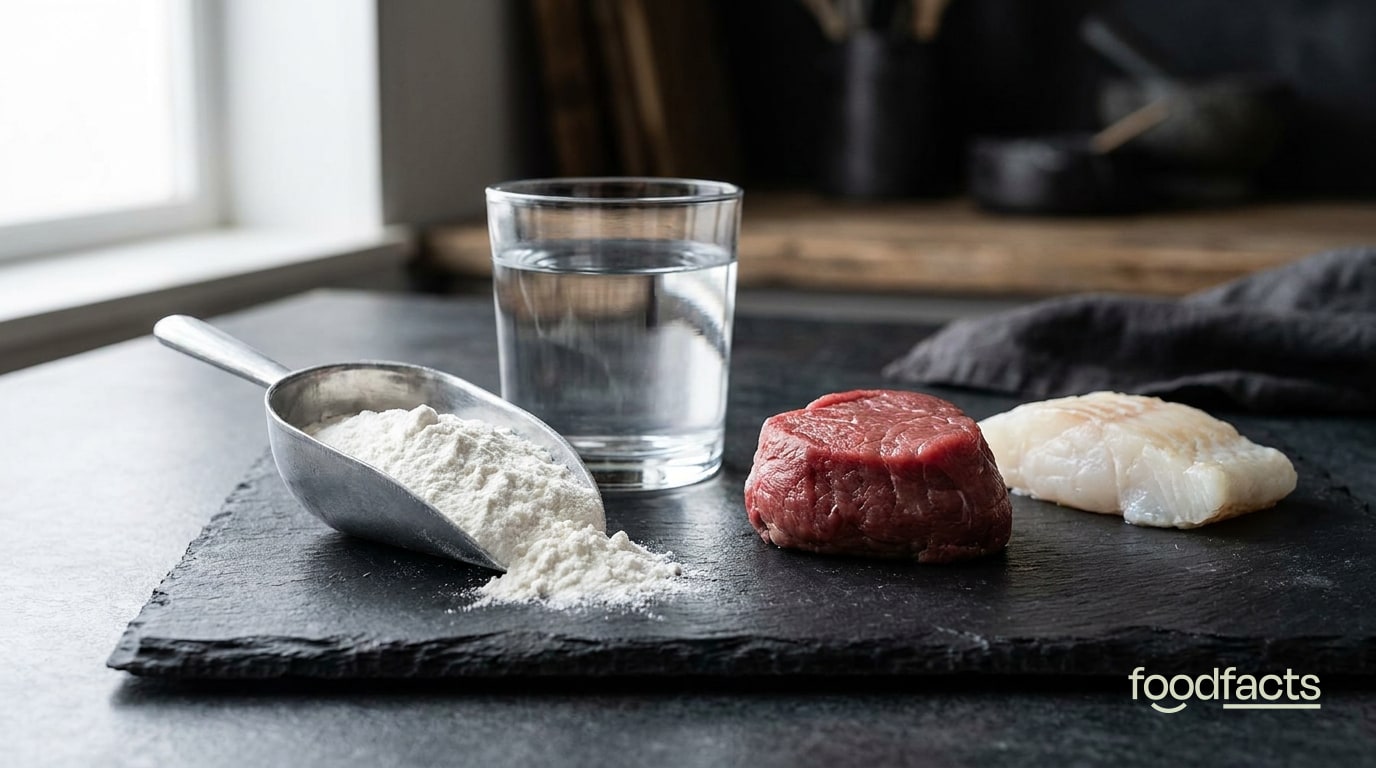
Creatine is a compound produced in small amounts (around 1g per day) naturally in the body and used for energy. It can also be taken as a dietary supplement. It is especially helpful for improving performance during short bursts of exercise, such as weightlifting and sprinting. It can also be found in foods such as meat and fish. Most creatine is stored in skeletal muscles, where it supports performance. Smaller amounts of creatine can also be found naturally in the brain.
What did the author get right?
The author has recognised creatine as the most studied supplement in sports nutrition, and has confirmed that it is a naturally occurring compound found in the body.
Additionally, the article correctly states that dietary creatine is derived from meat and fish, so individuals following plant-based diets may benefit from creatine supplementation because they have lower stores. Similarly, they are correct in stating that creatine is synthesised from amino acids such as arginine and glycine, which are found in both plant-based and animal sources.

The article also uses phrases such as “may” and “linked to,” which reflect the uncertainty of the claims rather than suggesting they are facts.
Lastly, the article notes that as long as some strength training is performed, benefits can be seen, a claim supported by scientific evidence (source).
Claim 1: “Low creatine consumption is linked to various health concerns.”
Fact-check: The author uses “linked to” to suggest association rather than claiming a direct causation. However, the claim lacks context. When discussing “low consumption”, which could lead to “various health concerns,” it is important to clarify: what is too low, what health concerns are we referring to, who is affected, and how strong is the evidence?
What is low creatine consumption?
Creatine is a compound found in foods such as meat and fish. While it is not available in plant-based diets, the body can synthesise 1g of creatine from the amino acids arginine and glycine, which are also found in plant-based foods (source). As a result, those who consume little to no meat, such as vegetarians or vegans, may have lower muscle creatine stores rather than a true deficiency, as the body can produce enough creatine for basic needs.
What health concerns are linked to low creatine?
The article does not clearly specify which health concerns are linked to low creatine consumption. We took a look at the list of sources provided to contextualise the claim, based on the evidence the article is based on.

One of the sources used in the mindbodygreen article suggests health benefits in muscle, bone and cognitive health, particularly in older adults and clinical populations. These are linked to potential benefits of supplementation rather than showing that low creatine causes these health concerns.
For example, A randomised control trail study in the review examines older adults with type 2 diabetes and shows that creatine supplementation combined with exercise can improve muscle mass and strength. Additionally, an intervention study shows supplementation can help with sleep deprivation. These are examples of population-specific findings and show the effects of adding a creatine supplement to the diet rather than the causes of having low intake. This study does not directly support the claim that low creatine intake is associated with health concerns. Rather, it suggests that it can be beneficial in certain contexts.
What does this mean in practice?
Individuals with low creatine stores, such as vegans and vegetarians, may benefit from supplementation to increase their creatine stores and gain performance benefits, especially when paired with strength training (source). This reflects an improvement in performance rather than a prevention of disease.
Claim 2: “Daily 5-gram dose helps build lean muscle, enhance strength, and improve body composition”
Fact-check: This claim is well supported by the literature but overestimates the results.
Consuming a daily supplement of 3-5g has been shown to improve muscle strength, increase lean mass and support exercise performance, especially when combined with strength training (source). However, these results typically have had a moderate effect and are more consistently observed in physically active individuals and athletes.

Additionally, it is worth noting that the article does promote its own product (which includes added taurine) as the necessary solution. This mixes legitimate nutritional guidance with product-specific promotion, the article blurs the critical line between health education and commercial marketing. It is important to look for balanced information when considering supplements, including whether any limitations are discussed.
Claim 3: “A 10g daily dose supports memory.”
Fact-check: This claim is not consistently supported by evidence and may indicate cherry-picking.
There is currently no evidence to suggest meaningful differences in creatine concentrations in the brain in those who follow a vegetarian diet compared to those who follow an omnivorous diet.
Creatine supplementation has been shown to improve memory in vegetarians, but the effects depend on the task and are not guaranteed, and there are inconsistent findings throughout the studies (source). There is a lack of robust scientific evidence to support that a 10g daily dose supports memory.
The article has not considered the mixed quality of the research findings, focusing on the positives that support its claims.
Conclusion
Overall, creatine is one of the most researched supplements and can be beneficial for certain individuals, such as those with low creatine stores and those who are physically active, improving muscle strength and exercise performance. However, it is not essential for health, and the claims regarding cognitive or health benefits remain inconsistent and require more rigorous long-term evidence
When considering supplements, it is important to go beyond the headline claims and assess the quality and balance of evidence, especially taking into account whether any limitations are discussed and if reliable evidence is used to support the claims. Speaking to a qualified health professional can help determine whether supplementation is required on an individual basis.
We have contacted Mindbodygreen and are awaiting a response.
Disclaimer
This fact-check is intended to provide information based on available scientific evidence. It should not be considered as medical advice. For personalised health guidance, consult with a qualified healthcare professional.
Independent fact-checking, funded by readers like you.
Misinformation is a growing threat to our health and planet. At foodfacts.org, we're dedicated to exposing the truth behind misleading food narratives. But we can't do it without your support.
Sources
- Gutierrez-Hellin, J. et al. (2025). “Creatine Supplementation Beyond Athletics: Benefits of Different Types of Creatine for Women, Vegans, and Clinical Populations—A Narrative Review.”
- Kaviani, M. et al. (2020). “Benefits of Creatine Supplementation for Vegetarians Compared to Omnivorous Athletes: A Systematic Review.”
- Goldman, D. et al. (2025). “Assessing the roles of retinol, Vitamin K2, Carnitine, and creatine in plant-based diets: A narrative review of nutritional adequacy and health implications.”
- Kreider, R. et al. (2022). “International Society of Sports Nutrition position stand: safety and efficacy of creatine supplementation in exercise, sport, and medicine.”



foodfacts.org is an independent non-profit fact-checking platform dedicated to exposing misinformation in the food industry. We provide transparent, science-based insights on nutrition, health, and environmental impacts, empowering consumers to make informed choices for a healthier society and planet.






.svg)


.svg)

