




The hidden toll of heatwaves on fish: what the evidence shows about heat, oxygen and welfare




Europe's hottest June on record, and what it means for fish
In a river that has grown a few degrees too warm, a sockeye salmon reaches the final stretch of a journey she has made almost without eating, swimming from the open ocean back toward the gravel bed where she hatched. The warm water carries less oxygen than her labouring muscles need. Her heart can't keep pace, and she falters before she can spawn. Biologists studying salmon migration and temperature have traced this kind of failure to a limit written into the animal's physiology.

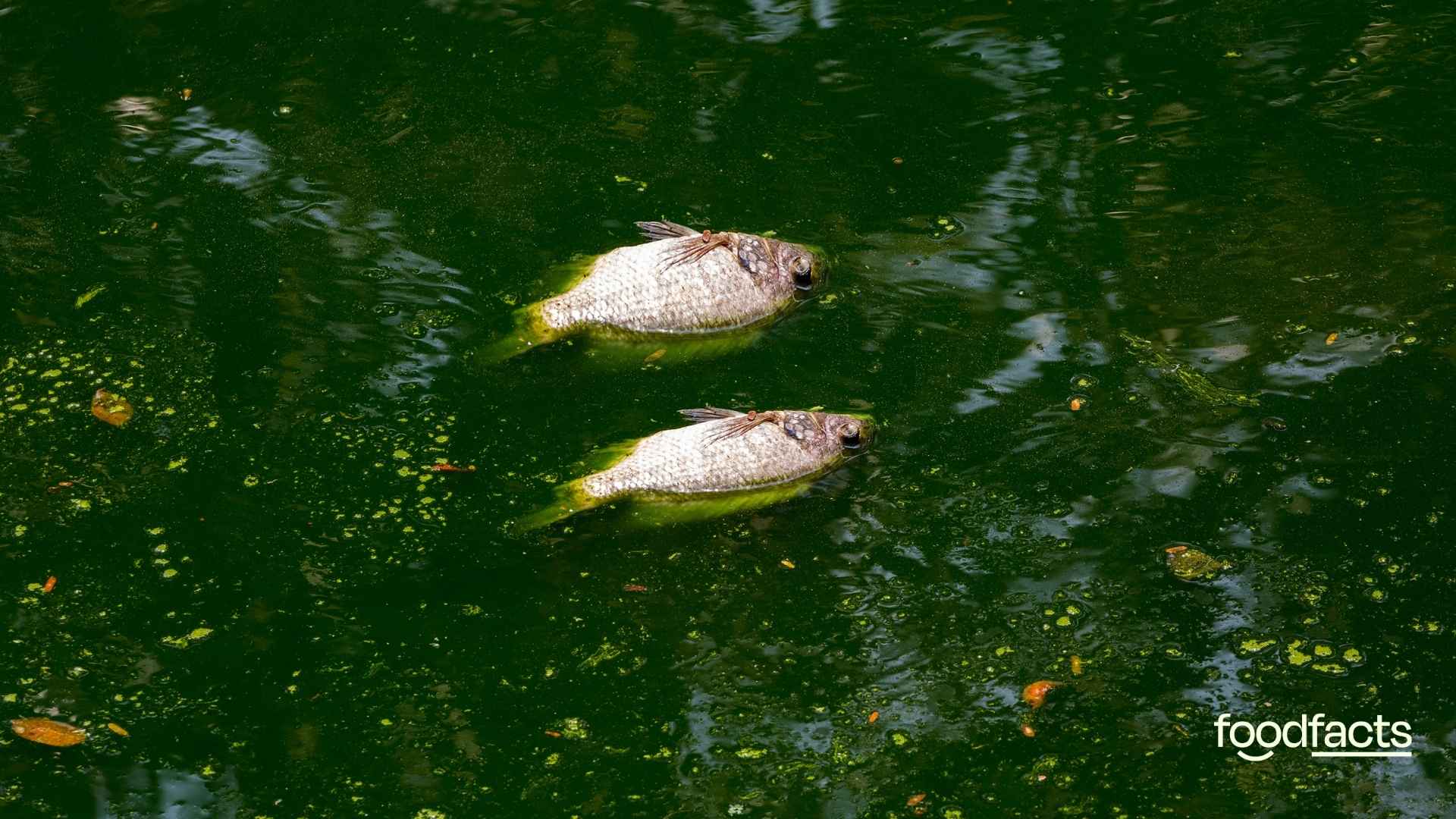
This June, that same limit was being tested in waters across Europe. Copernicus confirmed the month as western Europe's warmest June on record, averaging 3.06°C above the 1991 to 2020 norm, with marine heatwaves across the western Mediterranean and along the Atlantic coasts. Sea surface temperatures across the world's non-polar oceans were the highest ever recorded for June, though only marginally above the previous record. Heat is not a background discomfort for fish. It reaches into the way their bodies work, and for many of them it proves fatal.
Why heat hits cold-blooded animals so hard
Fish are cold-blooded, so their body temperature follows the water around them, and with it the pace of everything happening inside. When the water warms, their metabolism races and calls for more oxygen. The cruel twist is that warmer water holds less oxygen, not more. Supply drops away just as demand climbs. As the temperature passes a fish's comfort zone, the energy it keeps in reserve for swimming and escaping predators bleeds off and then gives out. Heat also puts fish under lasting stress. Faced with a threat, a fish releases the hormone cortisol, much as we do, which frees up energy to deal with an emergency. That response is useful in short bursts. When warm water keeps it switched on for weeks, the fish burns energy it would otherwise spend on growing and staying healthy, and it has less held back for whatever comes next.

For cold-water species the range of healthy temperature is slim. Early work on sockeye salmon, a cold-water fish at the sensitive end of the spectrum, found that growth peaked at around 15°C while water of roughly 24°C was lethal. Warm-water species such as tilapia thrive at temperatures that would kill a sockeye, but every species has a ceiling. Fewer than ten degrees separate a sockeye at its best from one that cannot survive, and a warming river can close that gap within a week.
The damage isn't spread evenly. Studies of Fraser River sockeye reveal populations with markedly different tolerances for heat, each tuned over many generations to its own stretch of river. This is a marvel of adaptation, and it's also the trap. This adaptation takes generations to build, and rivers are warming way faster than their fish can change. Freshwater species are the most cornered of all, unable to slip away to cooler water offshore. One assessment of about 11,500 riverine fish species found that if warming reaches 3.2°C, 36 per cent of them would have over half their present range exposed to water temperature and flow extremes beyond anything they currently experience. Holding warming to 1.5°C brings that share down to 4 per cent. Warm water helps disease take hold as well, by speeding up parasites that a healthy fish might otherwise shrug off. In warming rivers, the parasite behind proliferative kidney disease bears down harder on wild brown trout and Atlantic salmon. At sea, controlled experiments found that higher temperatures and sea lice each independently drained the liver energy reserves of juvenile Atlantic salmon and altered their heart muscle.
Trapped in the heat: why farmed fish can't escape
Farmed fish face the same heat, but they can't get away from it. A wild fish might find a cool, deep pocket of water and wait out the worst. A fish held in a sea cage is confined to whatever the heatwave delivers. The consequences are turning up in the mortality figures. A global study of salmon farming found that the scale of mass mortality events grew between 2012 and 2022, with the largest single events getting larger, and that they became more frequent in Norway, Canada and the UK. The authors' database records 865 million farmed salmon deaths across six countries over that decade, and they describe the risk as built into the way the industry farms. Disease follows the heat here too, in farmed cod and in the seabream and seabass of the Mediterranean. And warmth seldom acts alone. Stacked onto crowding and low oxygen, a temperature a fish might otherwise have weathered turns fatal.

The suffering is the heart of it, but there's waste here too. Farmed fish are raised on feed made partly from wild-caught fish, so months of growth draw steadily on the ocean. When a heatwave kills those fish before they reach harvest, the wild fish caught to feed them are lost as well.
Scientists are on firm ground about the basic mechanism. Warmer water means less oxygen and more stress, and past a threshold it harms and kills. Some of the longer-range numbers carry more doubt. One widely cited projection has the average maximum body weight across fish communities falling by 14 to 24 per cent by 2050 under high emissions. Only about half of that comes from individual fish growing smaller, through a mechanism in which gills grow more slowly than the body they supply. The rest comes from warm-water species shifting their ranges and the mix of species in a given place changing. The physiological half is contested, and its authors have since had to defend it in print, so the number reads better as a direction than a forecast. A separate set of models points the same way for the ocean as a whole, with the total mass of marine animals dropping by about 5 per cent for every degree of warming and the largest predators thinning out fastest. The spread across those models is wide enough that the figure could sit several points either side. What isn't in question is that the heat pushes fish the wrong way, and that marine heatwaves keep growing longer and more frequent. This June was a glimpse of the norm to come.
Can fish adapt fast enough? A look at the limits
Can't fish simply adapt? To a point, yes. Some species shift their range or acclimate over time, and farmers can lower their cages or move to cooler sites. Those responses genuinely help. But acclimation has a physiological ceiling and evolution is slow, while the heat keeps arriving faster. Mortality rates in Norway have edged down over the past two years, from 16.7 per cent in 2023 to 14.2 per cent in 2025, which shows the industry can move the number when it tries. But roughly one farmed salmon in seven still dies before harvest, and the largest single die-offs are getting larger, so the improvement starts from a level that would not be tolerated in any land-based livestock system.

What actually helps: shade, deep water and lower emissions
All of this is easy to read as a supply problem, a story about fewer fish in the sea and smaller ones on the plate. That framing steps around the animals at the centre of it. A mass mortality event, put plainly, is a vast number of creatures dying slowly of suffocation and stress in water they cannot leave. The more hopeful part is that protecting fish welfare and building a durable food system point the same way. Shielding fish from thermal stress, through lower emissions and more careful farming, serves the animals and the system at once.
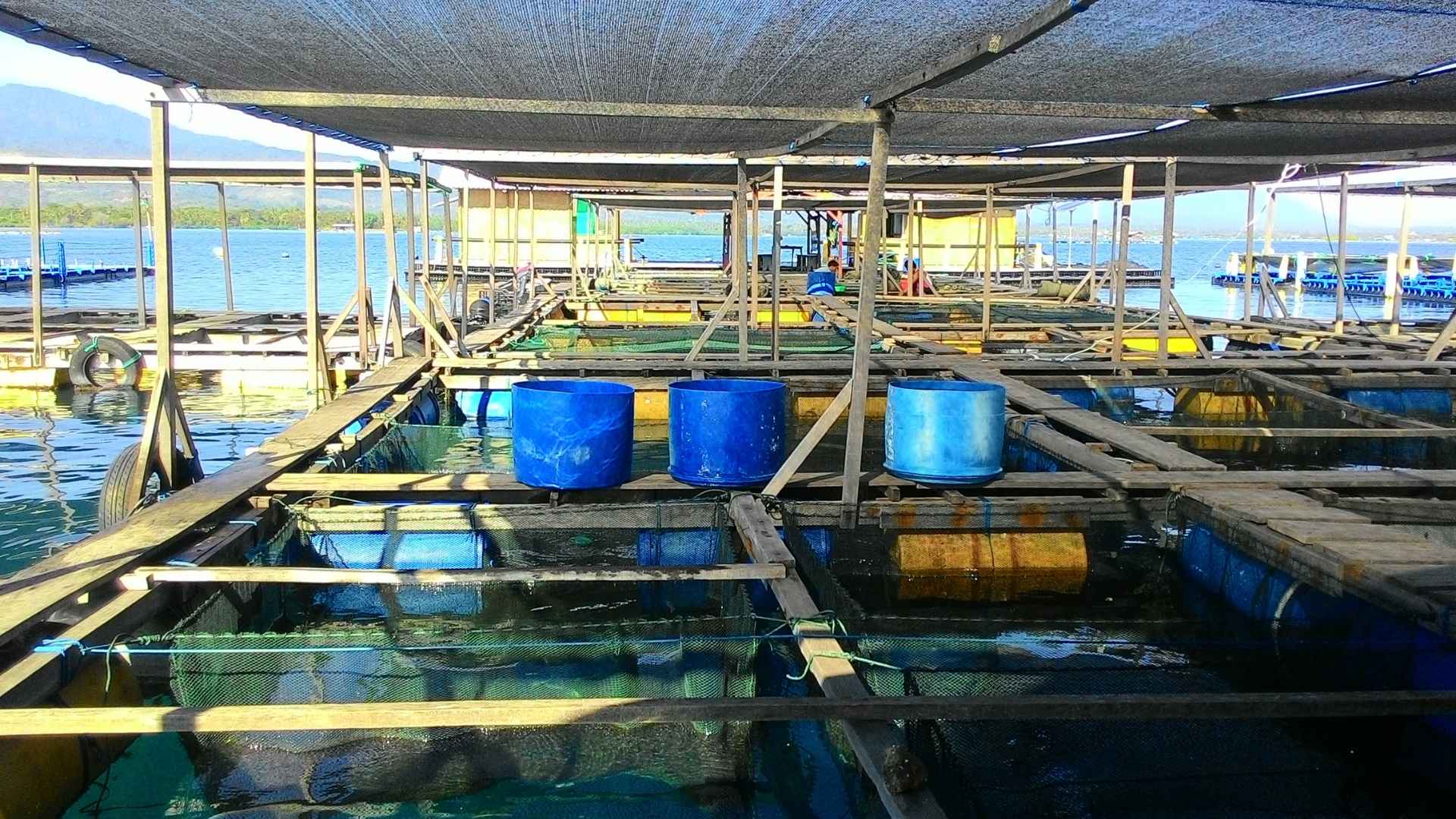
The most useful step is also the hardest, which is limiting how far the water warms. For wild fish, holding warming near 1.5°C rather than letting it climb well past that is what decides whether whole populations survive. In the nearer term, they need cooler water to retreat into. That means protecting the deep, cold pockets that persist through a heatwave, and planting trees along riverbanks to shade the water. On farms, keeping fewer fish in each cage and choosing cooler sites both cut deaths, though the harder question is whether some species should be farmed at all in waters that are becoming too warm for them. And if you eat fish, ask where it was raised and how it was killed.
The heatwaves keep coming, the water keeps warming, and the fish are left to absorb it. The salmon who never reaches her gravel bed, and the caged fish with nowhere cooler to turn, are early signs of what a hotter ocean asks of the animals living in it. Recognising the heat below the surface is the first step. Acting on it is the next.

Independent fact-checking, funded by readers like you.
Misinformation is a growing threat to our health and planet. At foodfacts.org, we're dedicated to exposing the truth behind misleading food narratives. But we can't do it without your support.



foodfacts.org is an independent non-profit fact-checking platform dedicated to exposing misinformation in the food industry. We provide transparent, science-based insights on nutrition, health, and environmental impacts, empowering consumers to make informed choices for a healthier society and planet.






.svg)


.svg)

