

Is bone broth really a heart healthy drink?


Bone broth has become a popular wellness trend on social media, promoted for everything from gut health to glowing skin. In a post on Instagram shared in July 2026, Eric Berg, a chiropractor and popular social media health influencer, claimed that bone broth is the best drink for heart health, saying: "The number one drink for your heart is not green tea and it's certainly not red wine, it's something that cardiologists never talk about”. We checked each part of the claim against the evidence on bone broth, collagen and heart health.
Full Claim:
“The number one drink for your heart is not green tea and it's certainly not red wine, it’s something that cardiologists never talk about. We were told recently to drink wine for something called resveratrol but to get the amount of resveratrol you would need you would have to drink like 100 glasses of wine every single day. There’s a much better remedy that you could drink for your heart. Think about arteries, what they are made of. They are the plumbing in the body and they're made out of collagen. This drink is a really good source of collagen. It actually supports the arteries, preventing them from getting stiff or brittle. A really important thing about this drink is something called glycine. It’s an amino acid and a lot of people are deficient in glycine, but glycine will help you in a lot of ways. It’s a key amino acid for building collagen, it also helps you sleep, it helps you build antioxidants, it helps build that slick coating just on the inside of the arteries to allow the blood to get through easily and that is bone broth. You can very easily make your own bone broth or get it at the store. It's a very simple thing to do and creates so many benefits that go way beyond just supporting a healthy heart.”



While Berg is right that neither green tea nor red wine deserves the “number one heart drink" label, the evidence doesn't support bone broth as a better alternative. Collagen and glycine are involved in processes relevant to blood-vessel health, but there's no strong evidence that drinking bone broth specifically benefits arteries or reduces cardiovascular risk.
Fact checking claims like this is important because they can encourage people to spend time, money, and put trust into a single "miracle" food that is unlikely to solve a health problem on its own. They can turn people's focus away from well established dietary patterns, such as the Mediterranean diet, which have much stronger evidence behind them for supporting overall health.


Claim 1: “The number one drink for your heart is not green tea and it's certainly not red wine, it’s something that cardiologists never talk about [bone broth].”
Fact check summary: The wording in this claim is misleading: as far as we know there is no scientifically proven “number one” drink for heart health, so it is fair to say that neither green tea or red wine hold that title. But this doesn't mean bone broth should be the choice. Heart health depends on a balanced diet and regular exercise and other lifestyle and medical factors, not any single drink.
Green tea and heart health
Studies have linked green tea consumption with a lower risk of coronary heart disease, although this evidence is mainly observational and cannot prove that green tea itself prevents heart disease. Some trials of green tea extract supplements have also found small improvements in cholesterol, blood glucose and blood pressure, but these findings cannot be directly applied to drinking green tea. Even so, this does not support Berg’s claim that bone broth is the “number one” drink for heart health. Green tea may be a reasonable choice within a heart-healthy diet, but no drink has been shown to be superior to an overall healthy dietary pattern.

Red wine, resveratrol and heart health
Resveratrol is a polyphenol found in various plants such as grapes, berries and peanuts (source). Some clinical studies suggest it may have favourable effects on insulin sensitivity, heart and blood vessel function and inflammation, although evidence remains limited (source).
However, much of the research uses resveratrol supplements that provide a far higher dose than is typically found in red wine. For instance, a meta-analysis found reductions in systolic blood pressure with intake above 150mg a day (source). Meanwhile, a 175ml glass of red wine may contain up to 2.6mg, which is far below the doses typically used in many supplement studies (source).
More importantly, even if red wine is not a good choice for heart health, that does not support the claim that bone broth is. The British Heart Foundation states that there is “no completely safe level” for any alcohol intake but the evidence for bone broth improving artery health or reducing cardiovascular risk is also limited (source).
Bone broth and heart health
Research on bone broth and heart health is still limited. There is little direct evidence for human studies assessing whether drinking bone broth improves cardiovascular outcomes.
An in-vitro study found that peptides derived from dry-cured ham bones inhibited enzyme activity involved in high blood pressure and blood clotting (source). This suggests there may be compounds in bone-derived foods with possible relevance to cardiovascular health. However, this study was carried out in the laboratory and not in people, therefore caution needs to be applied when extrapolating to cardiovascular benefit in humans. The researchers themselves called for further studies to assess whether the peptides are absorbed and have physiological effects of these peptides within humans (source).
This type of research is sometimes presented as evidence that bone broth supports cardiovascular health. However, it is important to note that this study did not test bone broth as it is typically made or sold, it used peptides derived from dry-cured ham bones. Overall, there is little direct evidence linking bone broth directly to cardiovascular benefit in humans.
Why is the claim persuasive and appealing?
The claim is persuasive because it taps into the appeal of a quick fix, amplified by bone broth's status as a trending wellness drink on social media. The idea that one drink could meaningfully protect your heart is far more attractive than the less exciting reality that cardiovascular health depends upon many interacting factors over time.
Bottom line: Green tea has more supporting evidence than bone broth for possible heart-health benefits, but neither is a proven “number one” drink for the heart. Berg’s framing is misleading because it dismisses green tea alongside red wine without fairly comparing the evidence behind them.
Claim 2: “Arteries are the plumbing in the body and they are made out of collagen… [Bone broth] is a really good source of collagen. It actually supports the arteries, preventing them from getting stiff or brittle”
Fact check summary: This is misleading and oversimplifies complex mechanisms. Collagen is a structural component of arterial walls (source) but that does not mean the collagen from bone broth directly reaches the arteries, “preventing them from getting stiff or brittle.”
Does bone broth collagen directly support our arteries?
It is important to note that eating collagen doesn't automatically lead to increased levels in the body. Consumed collagen is broken down into peptides and free amino acids during digestion, which are absorbed from our gut into our blood stream (source). These are then allocated by the body to wherever they're needed based on physiological demand, rather than being routed to a specific tissue of choice (source). In other words, there's no biological mechanism that sends bone broth collagen specifically to the arteries.
This doesn't mean collagen is irrelevant to artery health. A 2022 systematic review of 12 randomised, placebo controlled trials found some evidence that concentrated collagen peptide supplements may modestly benefit cardiovascular markers like arterial stiffness (source). However, this evidence was limited and inconsistent and the studies used standardised collagen peptide supplements, not bone broth.

Is bone broth a reliable source of collagen?
Research shows that bone broth does contain collagen in the form of gelatin, but its content varies greatly between preparation methods, animal bone source and cooking conditions (source). A study analysing commonly consumed preparations of bone broth found they were unlikely to provide a consistently reliable source of key collagen precursor amino acids compared with supplemental collagen sources (source).
There is currently a lack of evidence for the advantage of consuming collagen from bone broth compared with collagen from other sources. In a small human trial enzymatically hydrolysed collagen, the type found in supplements, had a higher absorption rate and bioavailability of glycine, proline and hydroxyproline (collagen precursor amino acids) compared with non-enzymatic hydrolysed collagen, which is the form of collagen usually found in bone broth (source). However, this study compared two collagen supplements, not bone broth, so it does not show that bone broth is a poor source of collagen; rather, it shows that collagen content and absorption can differ substantially between products.
Bottom line: Collagen is structurally important for arteries, and some studies using concentrated collagen supplements show potential for cardiovascular markers, but bone broth's collagen content is variable and hasn't been tested for these outcomes, so these results can't be applied to it. The claim oversimplifies a complex picture into a one-drink solution.
Claim 3: “A really important thing about this drink is something called glycine. It’s an amino acid and a lot of people are deficient in glycine, but glycine will help you in a lot of ways…”
Fact check summary:
This claim oversimplifies the evidence. Glycine is an amino acid involved in many body processes, but there is no established evidence that “a lot of people” are glycine deficient. Nor is there evidence that bone broth's glycine specifically reaches and protects the arteries.
Are a lot of people actually deficient in glycine?
Glycine is a conditionally-essential amino acid, meaning that our bodies can synthesise glycine on their own (source), but not always enough to meet our metabolic needs (source). We can also get glycine from protein-containing foods.
There are no established dietary reference values for glycine specifically since the body can synthesise it itself, so it is difficult to define or diagnose glycine deficiency. However, research has found lower circulating levels of glycine may be associated with individuals who have type 2 diabetes, obesity and other metabolic disorders (source) and that glycine supplementation has beneficial effects in these conditions (source). Whether low circulating glycine levels are prevalent in healthy populations remains a question as there is limited evidence.
Is bone broth a good source of glycine?
Bone broth may contribute to glycine intake as glycine is concentrated in collagen-rich animal tissues. However, bone broth's glycine content is inconsistent between products and recipes (source). The amount consumed may also be lower than that used in research investigating the potential benefits of glycine supplementation (source).
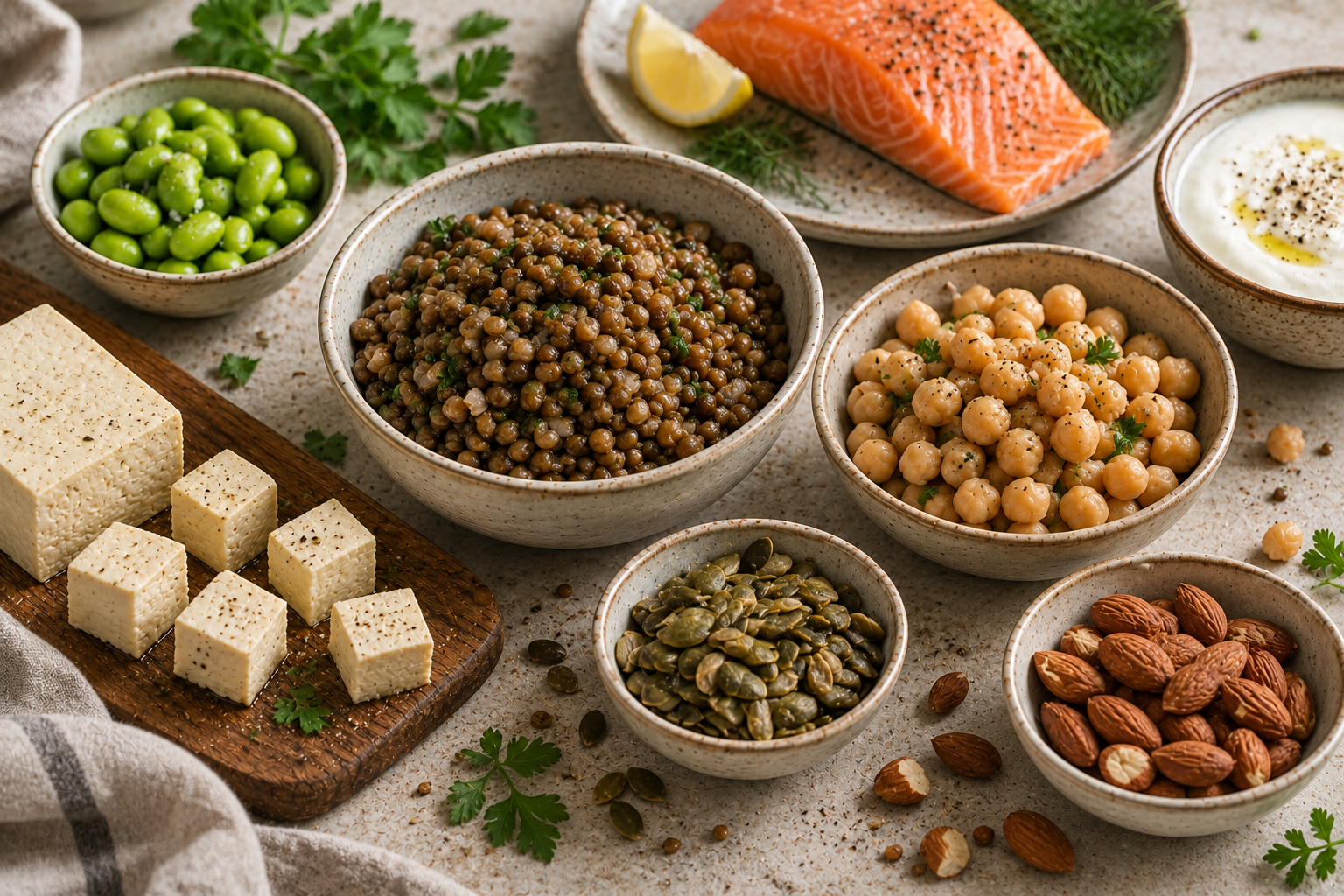
As the body can synthesise glycine and it is found in a range of both animal and plant protein sources, bone broth is not a necessary or more superior source of glycine, particularly when compared with foods that provide additional nutrients, such as fibre.
What are some of the benefits of glycine?
Glycine has several roles in the body. It is a major component of collagen, making up roughly one-third of its amino acids (source). It is also involved in the production of glutathione, an important antioxidant (source). However, consuming glycine does not mean the body will automatically make more collagen or direct it to the arteries.
Are there any potential risks with drinking bone broth?
Salt content
Bone broths can be high in salt, especially in shop bought varieties, where the individual does not have control over the salt added. The World Health Organisation recommends a maximum daily intake of 5g of salt for adults (source). Depending on the recipe and serving size, some bone broths could provide a substantial proportion of this limit (source). Excess sodium can raise blood pressure, which is a major risk factor for cardiovascular health. (source). For people monitoring their salt intake, homemade bone broth or lower-salt versions may be preferable.
Time and money
Traditional bone broth can require several hours of simmering and this may make commercially produced versions appear more convenient. These can be relatively expensive and may contain more salt compared to homemade ones. For heart health, time and money might be better spent on a varied, balanced diet, which has a far stronger evidence base than any single “miracle” drink.
Bottom line: Even if bone broth provides glycine, the body uses amino acids according to its overall needs. There is no evidence that the glycine in bone broth is directed specifically to the arteries or protects them from becoming stiff.
Final take-away
Bone broth can contribute some protein and gelatin to the diet, and adding vegetables, herbs, pulses or other ingredients can improve its overall nutritional value. But when it comes to heart health, no single food or drink, including bone broth, can substitute for the basics: a balanced diet and regular exercise. The most consistent evidence for cardiovascular benefit points to dietary patterns like the Mediterranean diet, which is rich in vegetables, whole grains, pulses, fish, and healthy fats, rather than any one miracle ingredient (source).
We have contacted Eric Berg and are awaiting a response.
Disclaimer
This fact-check is intended to provide information based on available scientific evidence. It should not be considered as medical advice. For personalised health guidance, consult with a qualified healthcare professional.
Independent fact-checking, funded by readers like you.
Misinformation is a growing threat to our health and planet. At foodfacts.org, we're dedicated to exposing the truth behind misleading food narratives. But we can't do it without your support.
Sources
- Wang, Z., et al. (2023) Green tea consumption and risk of coronary heart disease: A systematic review and meta-analysis of cohort studies
- Zamani, M., et al. (2023). “The effects of green tea supplementation of cardiovascular risk factors: A systematic review and meta-analysis.”
- Kulkarni, A., et al. (2026). “Resveratrol as a Bioactive Compound in Functional Food Science: Sources, Quantification, and Health Implications.”
- Brown, K., et al. (2024). “Resveratrol for the management of human health: how far have we come? A systematic review of resveratrol clinical trials to highlight gaps and opportunities.”
- Liu, Y., et al. (2015). “Effect of resveratrol of blood pressure: A meta-analysis of randomised controlled trials.”
- Stervbo, U., et al. (2007). “A review of the content of the putative chemopreventive phytoalexin resveratrol in red wine”
- Jeandet, P., et al. (1993). “Analysis of resveratrol in Burgundy wines.
- Waterfall, T., Greene, A. (2026). “Is red wine healthy? What the evidence really says.”
- British Heart Foundation. (2026). “Alcohol and heart disease: what are the risks?”
- Gallego, M., et al. (2019). “ Peptide with potential cardioprotective effects derived from dry-cured ham byproducts.”
- British Heart Foundation. (2026). “How collagen helps the blood to clot.”
- Iwai, K., et al. (2005). “Identification of food-derived collagen peptides in human blood after oral ingestion of gelatin hydrolysates.”
- Wu, G. (2009). “Amino acids: metabolism, functions, and nutrition.”
- Jalili, Z., et al. (2022). “Effects of collagen peptide supplementation of cardiovascular markers: a systematic review and meta-analysis of randomised, placebo-controlled trials.”
- Alcock, R.D., et al. (2019). “Bone broth unlikely to provide reliable concentrations of collagen precursors compared with supplemental sources of collagen used in collagen research.”
- Massy, H., (2026). “ What is bone broth, and should I have it?”
- Skov, K. et al. (2019). “Enzymatic hydrolysis of a collagen hydrolysate enhances postprandial absorption rate – a randomised controlled trial.”
- Holecek, M. (2025). “Glycine as a conditionally essential amino acid and its relationship to L-serine.”
- Melendez-Hevia, E., et al. (2009). “A weak link in metabolism: the metabolic capacity for glycine biosynthesis does not satisfy the need for collagen synthesis.”
- Okekunle, A.P., et al. (2017). “Abnormal circulating amino acid profiles in multiple metabolic disorders.”
- Alves, A., et al. (2019). “Glycine metabolism and its alterations in obesity and metabolic diseases.”
- Albaugh, V.L., et al. (2017). “Proline precursors and collagen synthesis: Biochemical challenges of nutrient supplementation and wound healing.”
- Soh, J., et al. (2023). “The effect of glycine administration on the characteristics of physiological systems in human adults: a systematic review.”
- McCarty, M.F., et al. (2018). “Dietary glycine is rate-limiting for glutathione synthesis and may have broad potential for health protection.”
- World Health Organisation (2026). “Sodium reduction.”
- Heathcote, R. (2026). “Bone Broth.”
- Hunter, R.W., et al. (2022). “The impact of excessive salt intake on human health.”
- Monro, J.A., et al. (2013). “The risk of lead contamination in bone broth diets.”
- Hse, D., et al. (2017). “Essential and toxic metals in animal bone broths.”
- Verstraeten, SV. (2008). “Aluminium and lead: molecular mechanisms of brain toxicity.”
- Sebastian, S. A., et al. (2024). “Long-term impact of mediterranean diet on cardiovascular disease prevention: A systematic review and meta-analysis of randomized controlled trials.”




foodfacts.org is an independent non-profit fact-checking platform dedicated to exposing misinformation in the food industry. We provide transparent, science-based insights on nutrition, health, and environmental impacts, empowering consumers to make informed choices for a healthier society and planet.