
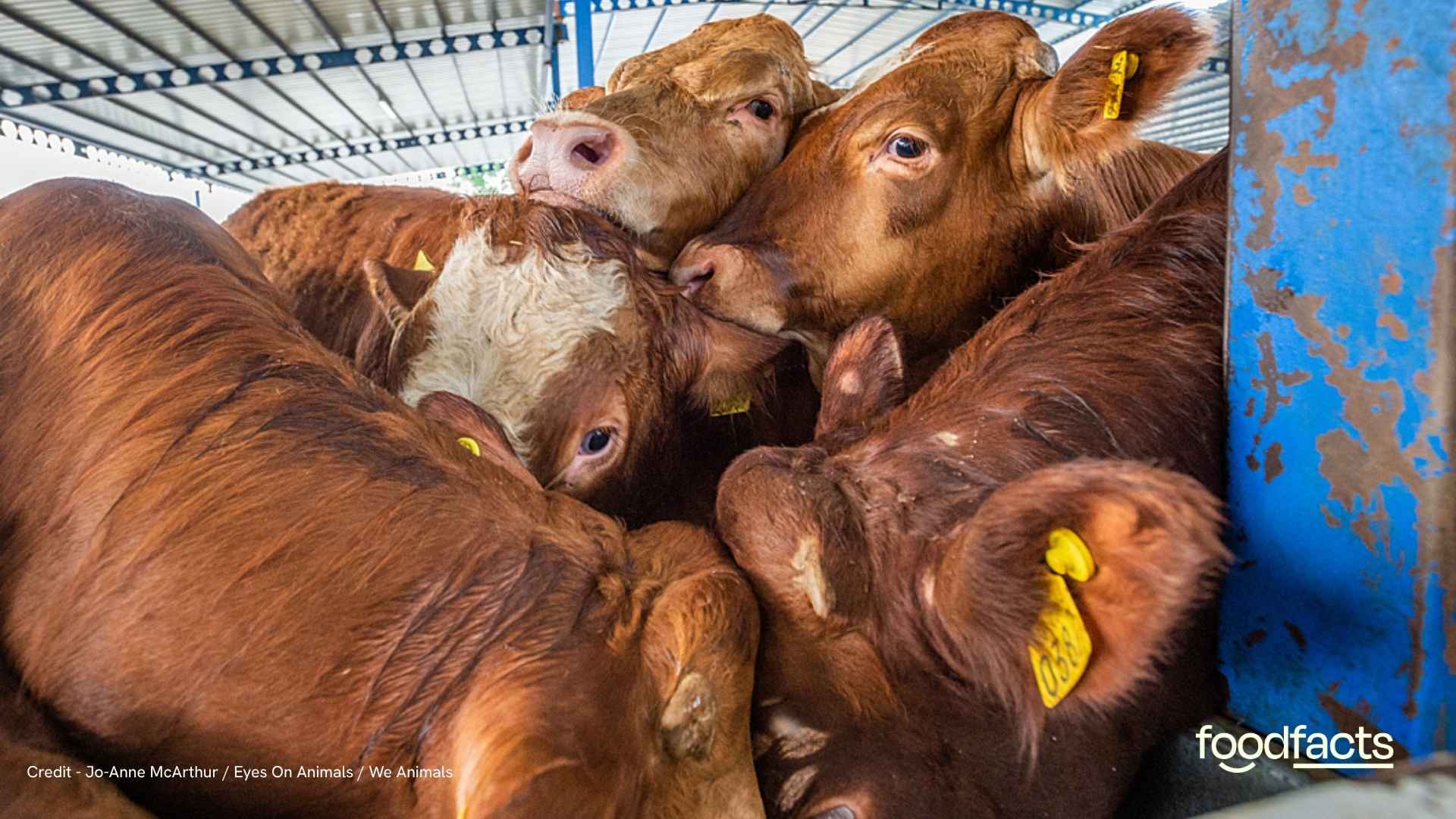




What happens to farmed animals during a heatwave?




Imagine being in a busy train during a heatwave. It’s hard to breathe, you’re thirsty, and all you can think about is escaping and cooling off. Billions of farmed animals experience this sort of discomfort, especially during heatwaves, but unlike us, they have no way to escape.
When a heatwave hits, the conversation turns to hosepipe bans, melting tarmac, and advice to stay hydrated. Almost nobody talks about what billions of farmed animals experience during the same period. The answer, backed by a growing body of research, is deeply troubling.
Farmed animals can't cool down the way we can
When you get too hot, you sweat. Your body has a system designed to shed heat. Most farmed animals don't have that luxury.
Pigs cannot sweat at all. Broiler chickens, the most farmed land animal on earth, rely entirely on panting, which quickly creates further problems for their bodies. Dairy cows can begin showing signs of heat stress at temperatures as low as 20°C, a threshold the UK regularly crosses in summer.
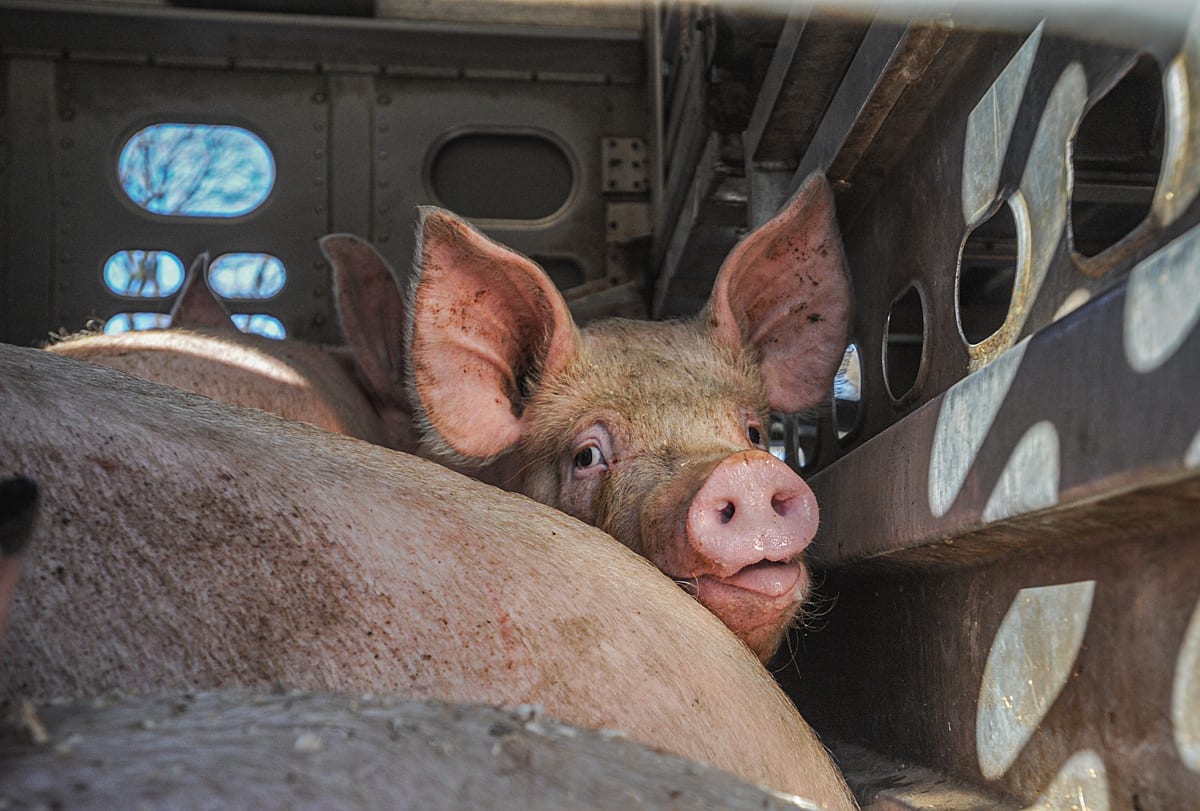
Heat stress is the term scientists use when an animal's body can no longer balance the heat it's absorbing with the heat it can lose. This triggers a cascade of physical harm: reduced appetite, laboured breathing, lethargy, and in severe cases, organ failure and death. A 2015 study in the Journal of Dairy Science confirmed that heat waves directly increase the risk of dairy cow mortality, with deaths continuing to rise even days after temperatures fall.
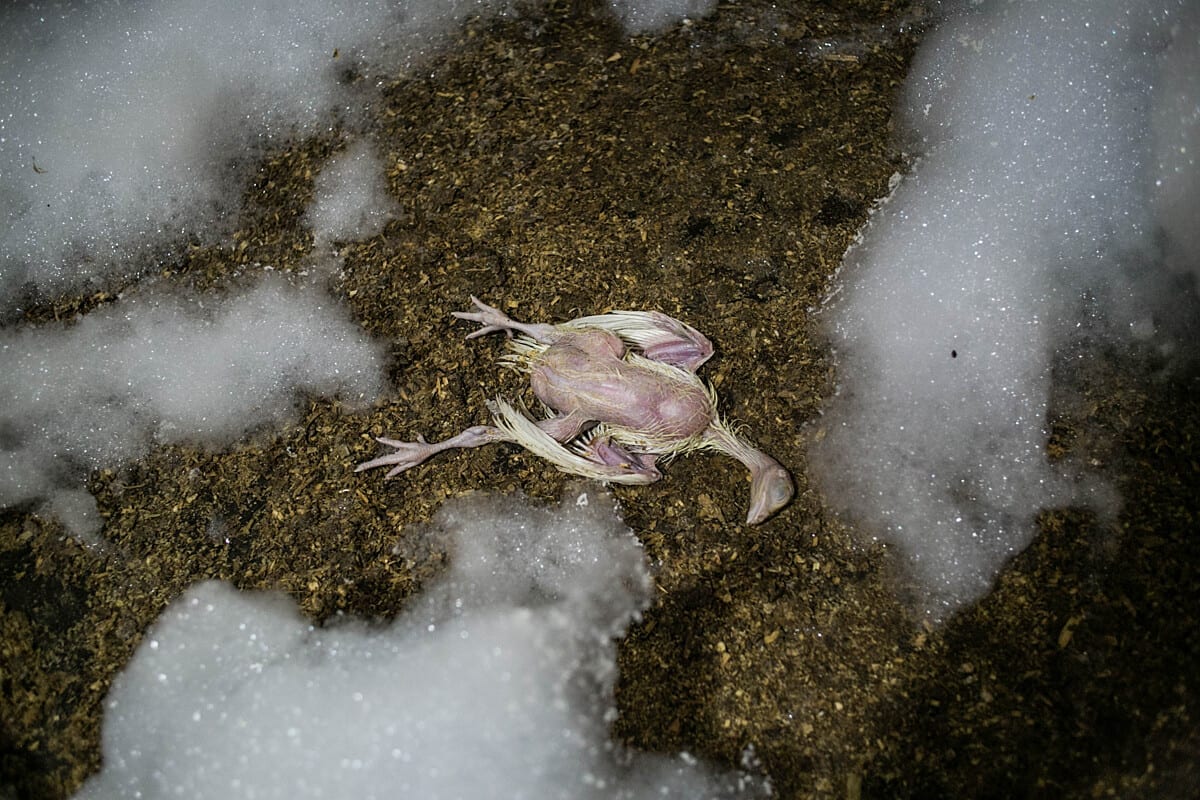
For chickens kept in large indoor sheds, the standard in intensive poultry farming, the conditions during a heatwave can become particularly severe. A 2020 systematic review in Poultry Science found that heat-stressed broilers were nearly four times more likely to die compared to those kept at comfortable temperatures. It’s important to remember that these are not edge cases but the standard.
Heatwaves opens the door to disease
A body under heat stress has a weakened immune system. Articles published in Frontiers in Animal Science confirmed that heat stress compromises immune function across all livestock species, making animals more vulnerable to infection at the exact moment their environment is teeming with bacteria.
For chickens, heat stress damages the gut wall, creating what scientists call a "leaky gut", which allows bacteria, including Salmonella and Campylobacter, to enter the bloodstream. These are the same bacteria that cause food poisoning in humans. Therefore, hot weather doesn't just harm the animals: it can compromise the safety of the food items they are turned into.
For fish farmed in sea cages and tanks, rising water temperatures create a different but equally serious risk. A 2021 study in Pathogens found that warmer Mediterranean waters were already driving significant increases in disease outbreaks in farmed sea bass and sea bream.
Stuck on a lorry in 30°C heat
The journey to slaughter is already one of the most frightening experiences a farmed animal faces: cramped space, unfamiliar surroundings, no food or water, constant vibration. In a heatwave, it can turn fatal fast.
UK law says animals must not be transported when external temperatures exceed 30°C without a temperature-controlled vehicle. But many trailers use passive ventilation that only works when the lorry is moving. Stop in traffic on a hot day, and the temperature inside can reach lethal levels within minutes.
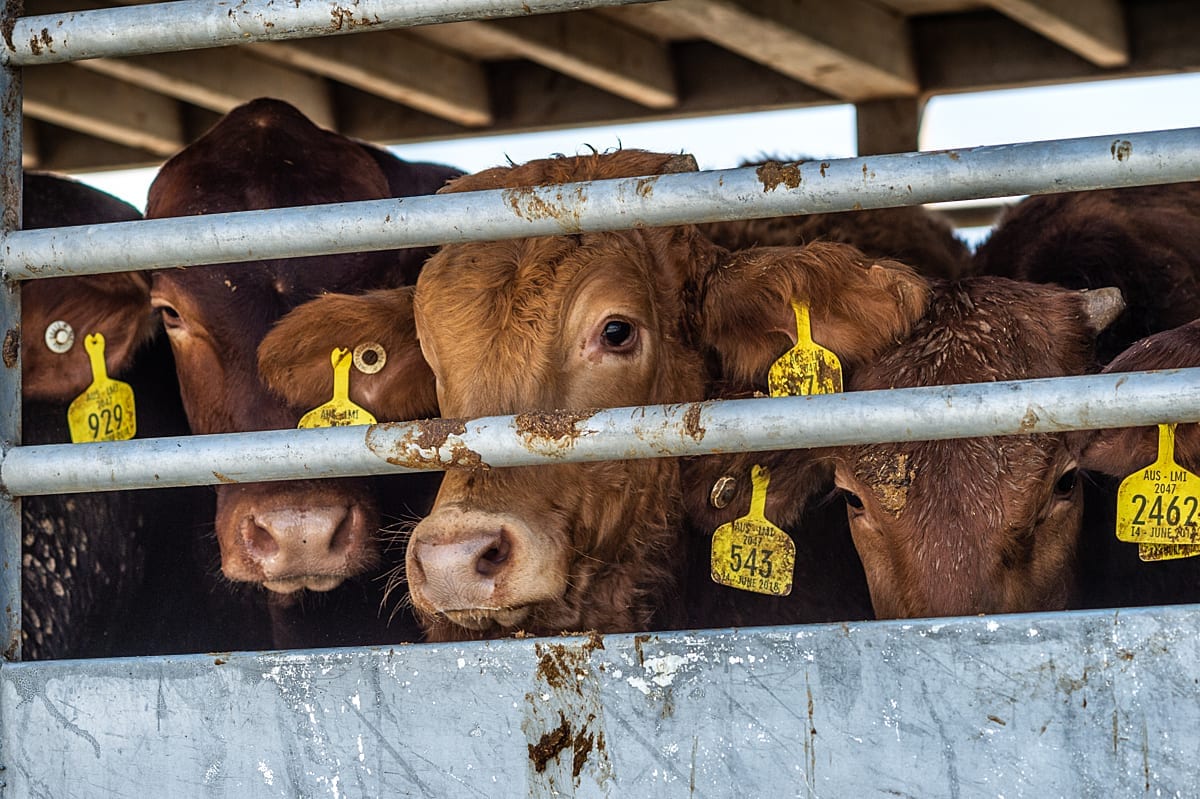
The numbers from 2022, the year the UK first recorded 40°C, are stark. Carbon Brief obtained government data showing that over 18,500 chickens died from heat stress during transport in England and Wales across that summer. On the day temperatures peaked, 9,640 broiler chickens died on a single lorry journey. In the UK, more than 1 million chickens died while being transported to slaughterhouses between 2016 and 2017.
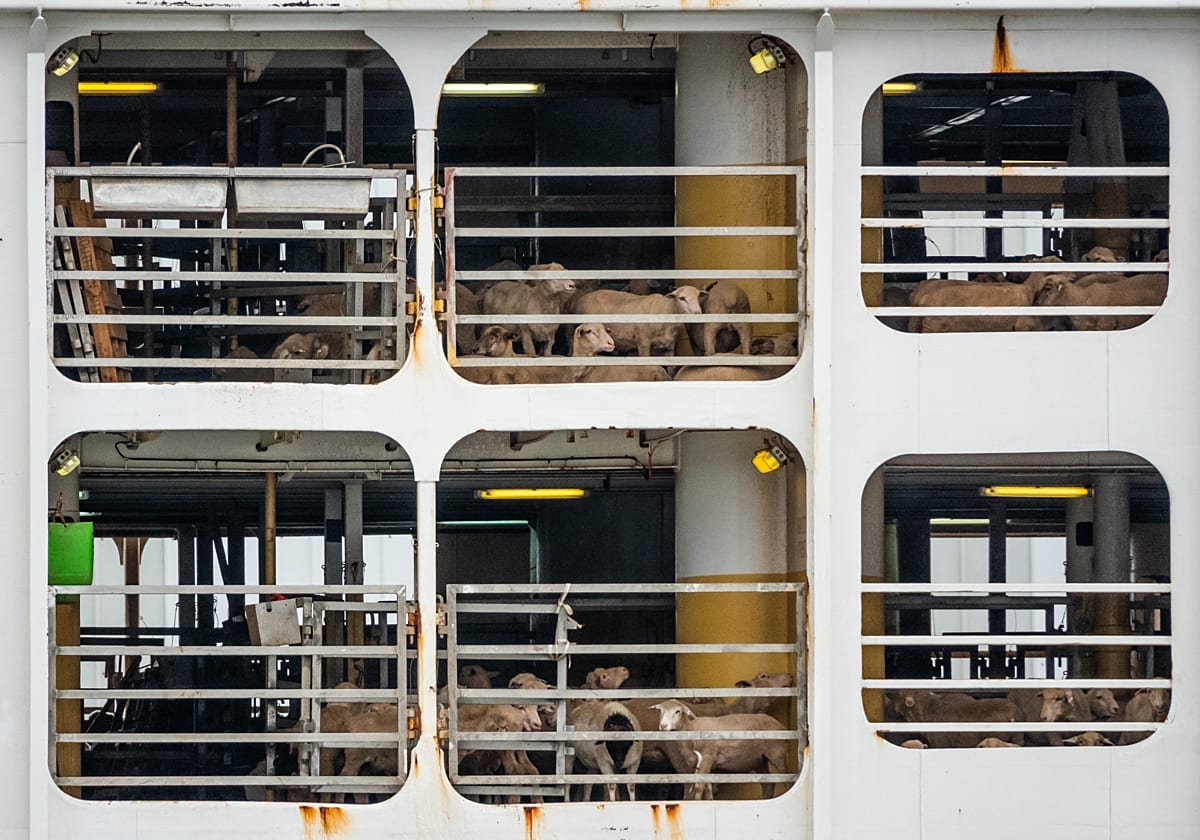
For animals exported by sea over long distances, the situation is worse still. A 2020 peer-reviewed study in Animals found that sheep on long-distance voyages from Australia to the Middle East experienced dangerous heat stress on half of all departures during the summer months.
Reproduction breaks down under heat stress
This one rarely makes the news, but the evidence is striking. Heat stress disrupts the hormonal systems that control reproduction in both male and female farm animals.
Because on-farm conditions can be so hot, in dairy cows, up to 82% of heat cycles go undetected in summer months because heat suppresses the physical signs farmers and vets look for. Fertilisation rates in heat-stressed cows can drop from around 83% to just 37%. Even a tiny rise in body temperature of 0.5°C can reduce a cow's chance of conceiving by nearly 7%.
In male animals, the effects are just as significant. Heat stress reduces sperm quality and quantity in bulls for up to twelve weeks after a single heat event. In sheep, Australian research estimated that 2.1 million potential lambs are lost every year due to heat stress under current climate conditions; a number projected to rise to 3.3 million with a 3°C temperature increase. Therefore, heat stress also impacts farmers’ incomes, as well as causing distress and suffering to the animals.
The system that built the problem
There's a painful irony in all of this. The very agricultural system that keeps billions of animals in conditions where they can't cope with heat is also a significant contributor to the warming that makes heatwaves more frequent and severe.
The UN's Food and Agriculture Organisation (FAO) estimates that livestock supply chains alone account for 14.5% of all human-caused greenhouse gas emissions globally. The broader food system accounts for around 30%. A 2022 Stanford University model found that phasing out animal agriculture over 15 years would have the same climate benefit as a 68% reduction in CO2 from every other sector combined.
These aren't abstract numbers; they connect directly to the animals dying on lorries and suffering in sheds this summer.
These animals feel it
In 2012, a group of leading neuroscientists published the Cambridge Declaration on Consciousness, confirming that all mammals and birds possess the neurological systems that generate conscious experience. The UK's own Animal Welfare (Sentience) Act 2022 legally recognises that vertebrate animals feel pain and can suffer.
Cows form bonds. Pigs show empathy. Chickens can feel fear. During every heatwave, in intensive sheds and on transport lorries across the UK and beyond, billions of these sentient animals are suffering quietly, invisibly, and largely without public acknowledgement.
Short-term fixes exist: better ventilation, lower stocking densities, restricting transport on hot days, and more shade and water. These are important, but as campaigners have argued for decades, a food system built on intensive animal farming was never designed to withstand a climate emergency, and it is the animals who bear the cost.
Next time there’s a heatwave, and you’re considering lighting up the barbecue, give an extra thought to the animals that will be suffering in the heat. No farmed animals suffer if you eat a plant-based burger, and they taste just as nice and can have just as much protein!

Independent fact-checking, funded by readers like you.
Misinformation is a growing threat to our health and planet. At foodfacts.org, we're dedicated to exposing the truth behind misleading food narratives. But we can't do it without your support.
Sources
- Trouw Nutrition (n.d.). Combating heat stress in pigs
- EW Nutrition (30 June 2023). Heat Stress in Poultry
- Energy & Climate Intelligence Unit (27 May 2026). Impact of heat stress on food chains and farm animals: comments
- Vitali, A., et al (2015). The effect of heat waves on dairy cow mortality.
- foodfacts.org (6 March 2025). From cow to cup: the journey of dairy most consumers don't see — and a reality check on awareness
- foodfacts.org (23 January 2025). What is factory farming? A closer look at the industry that produces most of the world's meat — and what can change
- Liu, Lili, et al. "Heat Stress Impacts on Broiler Performance: A Systematic Review and Meta-analysis."
- Alhussien, Mohanned N., et al. "Editorial: Heat Stress and Immune Responses in Livestock: Current Challenges and Intervention Strategies."
- foodfacts.org (22 April 2025). Food safety in peril: why cutting key committees puts millions of consumers at risk
- Cascarano, Maria C., et al. "Mediterranean Aquaculture in a Changing Climate: Temperature Effects on Pathogens and Diseases of Three Farmed Fish Species."
- Gov.uk (n.d.) Keeping farm animals and horses in extreme weather
- Carbon Brief (2 August 2023). Revealed: Thousands of chickens in transit died from heat stress on day UK hit 40C
- Carnovale, Francesca, and Clive J. C Phillips. "The Effects of Heat Stress on Sheep Welfare during Live Export Voyages from Australia to the Middle East."
- Khan, Imran, et al. "Heat Stress As a Barrier to Successful Reproduction and Potential Alleviation Strategies in Cattle."
- Dovolou, Eleni, et al. "Heat Stress: A Serious Disruptor of the Reproductive Physiology of Dairy Cows."
- Meat & Livestock Australia (12 February 2020). A review of the impact of heat stress on reproductive performance in sheep - Stage 1 &2
- foodfacts.org (5 December 2024). Elon Musk told Joe Rogan that animal agriculture has no effect on climate change — but is that true?
- FAO (2016). FAO’s work on climate change: Livestock and climate change
- Stanford Report (1 February 2022). Replacing animal agriculture and shifting to a plant-based diet could drastically curb greenhouse gas emissions, according to new model
- Low, P. The Cambridge Declaration on Consciousness. Proceedings of the Francis Crick Memorial Conference, Churchill College, Cambridge University, July 7 2012, pp 1-2.
- Gov.uk (n.d.) Animal Welfare (Sentience) Act 2022



foodfacts.org is an independent non-profit fact-checking platform dedicated to exposing misinformation in the food industry. We provide transparent, science-based insights on nutrition, health, and environmental impacts, empowering consumers to make informed choices for a healthier society and planet.






.svg)


.svg)

