




How fish farming threatens human health by breeding disease, parasites, and antibiotic resistance




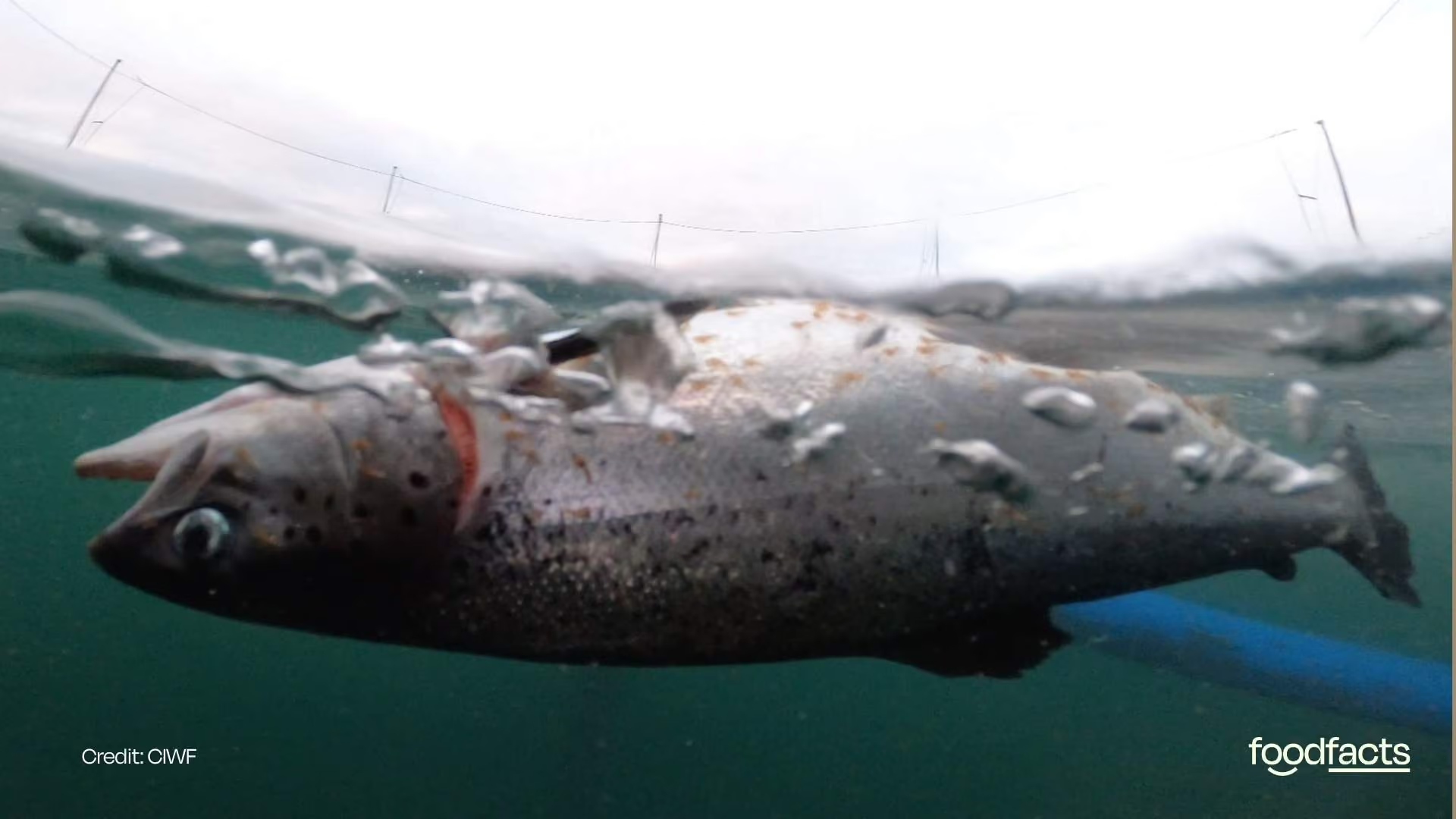
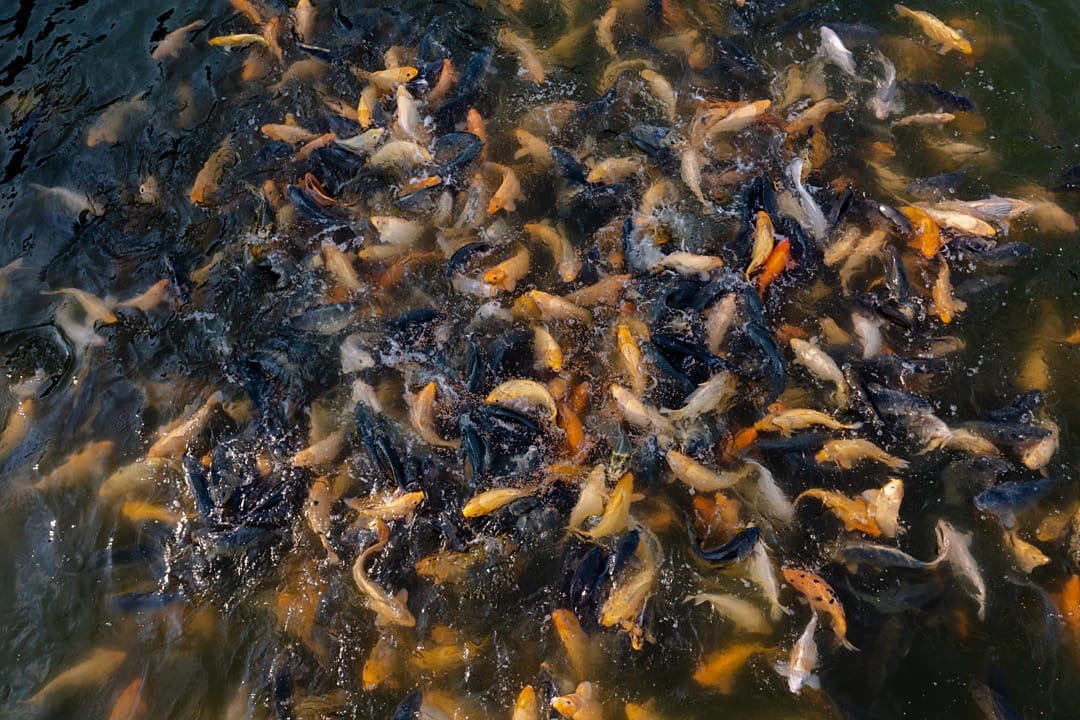
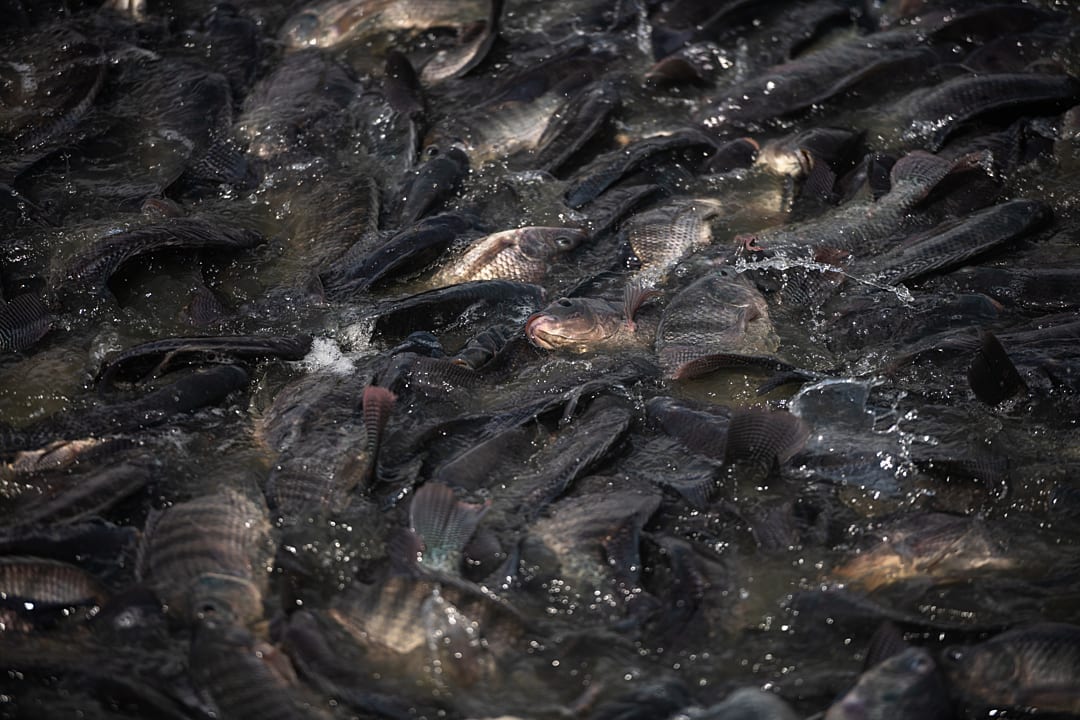
The aquaculture industry promotes farmed fish as a safe, nutritious ocean protein that modern consumers can trust. This promise has helped industrial fish farming grow into a sector that now produces more sea animal products than wild‑capture fisheries. Yet the reality on many farms is much closer to factory farming on land: tens or hundreds of thousands of animals confined at high densities in pens, cages, or ponds where waste, pathogens, and parasites flourish. These conditions drive repeated disease outbreaks, large‑scale die‑offs, and heavy reliance on antibiotics that are important to human medicine.
This article is the third in a series examining the myths that uphold the image of “sustainable” aquaculture, drawing on the Aquaculture Accountability Project’s January 2026 report with Farm Forward, The Myth of “Sustainable” Aquaculture. Earlier articles on how aquaculture actually intensifies overfishing of wild species and on industry‑engineered demand have shown how fish farming compounds pressure on wild fisheries rather than relieving it. Here, the focus is on health: how intensive aquaculture spreads diseases and parasites, how these pathogens move into the human food chain, and how drug use in fish farming accelerates the global crisis of antimicrobial resistance.
Factory farm conditions cause rampant disease and parasites in fish
Industrial salmon farms typically use open-net pens, floating cages that hold tens of thousands of fish in each enclosure, with very porous barriers between farm and surrounding waters. Waste, uneaten feed, and chemicals pass straight through the nets, concentrating beneath the cages and creating conditions that favour bacteria, viruses, and parasites. A 20-year retrospective published in Nature describes how the rapid expansion of such systems has made disease control a defining challenge for global aquaculture. Reviews from organisations such as the Johns Hopkins Center for a Livable Future similarly conclude that nearshore finfish aquaculture creates significant ecosystem and public-health risks, largely because of these high-density, waste-rich environments.
Farmed salmon face a wide range of pathogens as a direct result. Infectious salmon anaemia (ISA), caused by an orthomyxovirus, leads to severe anaemia, organ failure and high mortality; outbreaks in Chile and Norway have forced mass kills and prolonged production shutdowns, detailed in reports by national aquaculture and veterinary authorities. Another viral disease, pancreas disease (PD), causes inflammation and degeneration of the pancreas, heart and skeletal muscle, and can kill up to 60% of affected fish.
Parasitic sea lice add a further layer of suffering and economic loss. The lice feed on skin and mucus, causing open lesions, fin erosion and severe stress. Crucially, because open-net farms have no physical barrier to the surrounding sea, sea lice can spread freely from farm pens into wild waters, threatening wild salmon populations migrating past. A detailed risk assessment in the ICES Journal of Marine Science concluded that sea lice escaping from Norwegian salmon farms pose a high risk to both farmed and wild salmon. In Scotland, investigations by NGOs such as WildFish have found farms exceeding national sea-lice limits and reported mortality rates above 30% in some production cycles. The Scottish Government's own Fish Farm Production Survey for 2023 recorded substantial losses across salmon sites, largely attributed to disease, parasites, and handling stress.
Shrimp farming has followed a parallel trajectory. In major producing countries, mangrove forests and coastal wetlands have been cleared for intensive shrimp ponds, where animals are stocked at high densities in shallow, frequently polluted water. Viral diseases such as white spot syndrome virus (WSSV) and early mortality syndrome (linked to toxin-producing Vibrio bacteria) can wipe out entire ponds within days. Reviews in journals such as the Journal of Invertebrate Pathology and PLoS Pathogens describe how WSSV and other shrimp pathogens have spread rapidly across Asia and the Americas as farms have intensified, with losses counted in billions of animals and billions of dollars.
These conditions drive extremely high mortality across species. According to Norway's Veterinary Institute Fish Health Report 2023, 62.8 million farmed salmon died before slaughter in the sea phase that year alone, about one in six fish put to sea, the highest mortality rate ever recorded. In Chile, Sernapesca's annual antimicrobial use reports show persistent bacterial challenges met with very high antibiotic use compared to other salmon-producing countries. It's important to understand what's driving that drug use: in aquaculture, antibiotics are frequently administered sub-therapeutically, not to treat animals who are already sick, but as a routine preventive measure against the very diseases that overcrowded conditions make inevitable. As the scientific literature on antimicrobial resistance in aquaculture makes clear, it is precisely this low-level, prophylactic use that most powerfully selects for resistant bacteria, a pattern that mirrors land-based factory farming, where disease is managed with drugs rather than prevented through humane husbandry.
A 2021 study in Scientific Reports comparing antibiotic-resistant bacteria in wild-caught versus imported farm-raised shrimp found that farmed products were significantly more likely to carry multi-drug-resistant strains, providing direct evidence that the resistance generated in farm environments can reach consumers' plates.
Farmed fish diseases pose risks to human health
The pathogens that thrive in fish farms do not always stop at the farm gate. In the United States alone, an estimated 260,000 people suffer foodborne illness from seafood each year, with shrimp, tilapia and salmon, species heavily supplied by aquaculture, frequently implicated. Risk assessments published in journals such as Microbial Risk Analysis have highlighted Salmonella risks from aquaculture-produced shrimp, while reviews in The Veterinary Quarterly outline the broader spectrum of zoonotic diseases shared between fish and humans.
Shrimp ponds, often located in areas with poor sanitation, can harbour Salmonella and other enteric bacteria. In 2021, the US Food and Drug Administration traced a multi-state outbreak of Salmonella Weltevreden to frozen cooked shrimp imported from India and issued a public outbreak investigation report. FDA's Import Refusals database shows hundreds of shrimp and fish shipments rejected in recent years due to Salmonella contamination or illegal drug residues, despite the fact that the FDA tests only around 2% of seafood imports for safety parameters and roughly 0.1% for drug residues. Because FDA tests so few imports, the true scale of the problem is unknown; however, the high rates of contamination the agency does find in the tiny fraction of samples it tests, including a 12.2% drug violation rate in shrimp tested in FY2015, according to a US Government Accountability Office review, indicate that contamination may be rampant across the industry.
Bacteria in the genus Vibrio are another major concern. These organisms, which thrive in warm, brackish water, conditions common to intensively farmed shrimp ponds, can cause severe gastroenteritis, wound infections and septicaemia in humans. A 2018 study in Microbial Risk Analysis and subsequent work have linked Vibrio contamination to farmed shrimp in retail markets, including in the US.
Other fish-borne pathogens pose targeted risks. Listeria monocytogenes can contaminate ready-to-eat and smoked salmon products, with outbreaks reported in Europe and North America. Streptococcus iniae, a pathogen of cultured tilapia, has caused serious skin and invasive infections in people handling live or freshly killed fish, as summarised in zoonoses reviews in The Veterinary Quarterly. These cases underscore how the disease pressures created by intensive aquaculture can translate into consumer risk, especially where food safety oversight is limited.
Drug use in aquaculture exacerbates the global crisis of antibiotic resistance
Antibiotic use in animal agriculture, including aquaculture, is one of the most significant drivers of the global antimicrobial resistance (AMR) crisis. The WHO has explicitly identified antibiotic use in animals raised for food as a serious and growing threat, warning that overuse and misuse across the animal sector is accelerating the emergence of bacteria resistant to the drugs we rely on most. AMR is already associated with nearly 5 million deaths annually, and that figure is projected to reach 10 million by 2050, making it one of the gravest public-health threats humanity faces. Drug-resistant infections don't just complicate routine care; they directly compromise our ability to treat even common infections, from urinary tract infections to post-surgical complications.
The WHO classifies antimicrobials according to their level of importance to human medicine. Of antibiotics approved for use in aquaculture, a 2024 review in Foods found that 96% fall into the categories the WHO labels as "highly" or "critically" important, meaning they are among the drugs most needed to treat serious infections in people. There are no antibiotics developed solely for fish; the industry draws directly from the same pharmacopeia as hospitals. A 2020 analysis in Scientific Reports projected that by 2030, aquaculture would have the highest antimicrobial use intensity of any food-animal sector, more antibiotics used per kilogram of production than in any terrestrial livestock industry.
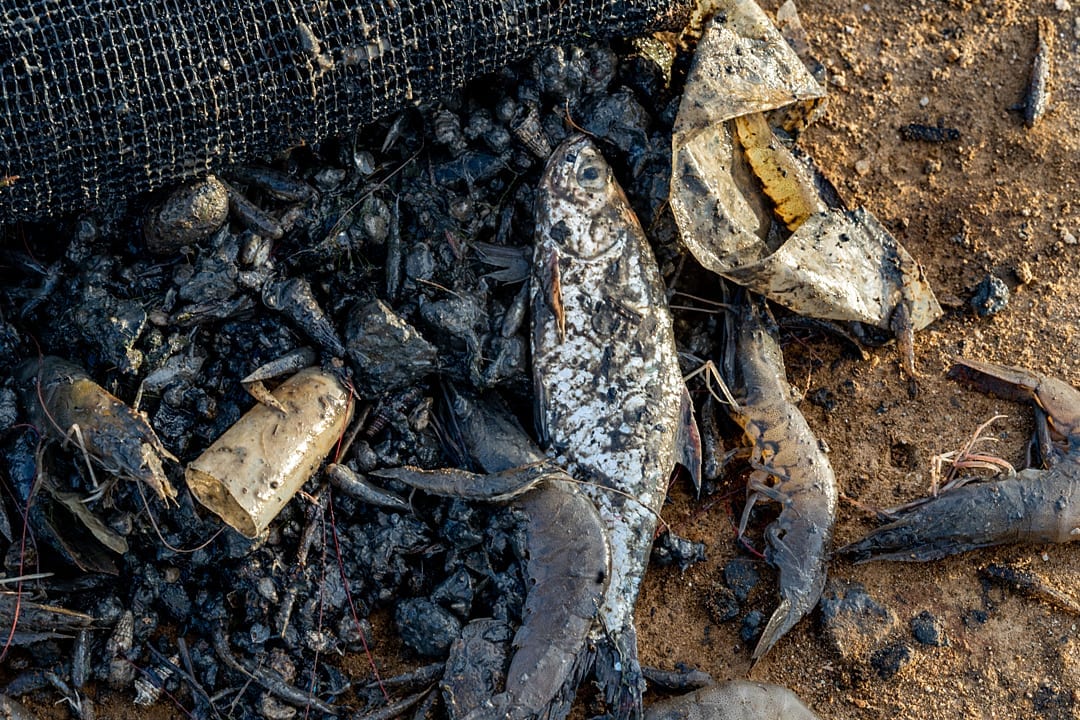
Antibiotics in aquaculture are often delivered in feed, and a large proportion passes through the fish unmetabolised. Studies have estimated that roughly three-quarters of administered antibiotics may be excreted into surrounding water and sediments, where they create ideal conditions for bacteria to develop and share resistance genes. A 2015 study in Diseases of Aquatic Organisms found that more than 70% of bacteria isolated from Turkish trout farms and their local aquatic environment carried at least one antimicrobial resistance gene, and around two-thirds carried multiple resistance genes. Work in Chile, published in Biological Research and Environmental Microbiology Reports, has documented resistance genes in marine bacteria near salmon farms that are identical to those found in human pathogenic Escherichia coli in nearby communities, suggesting a direct pipeline of resistance from farm environments into human pathogens.
A 2021 study in Scientific Reports comparing antibiotic-resistant bacteria in wild-caught versus imported farm-raised shrimp found that farmed products were significantly more likely to carry multi-drug-resistant strains, providing direct evidence that the resistance generated in farm environments can reach consumers' plates.
Chile, the world's second-largest salmon producer, illustrates these dynamics vividly. According to Sernapesca's annual antimicrobial use report, Chilean salmon farms used more than 338 tonnes of antibiotics in 2023, over 300 times the amount used in Norway, the largest salmon producer by volume. Studies around Chilean farms have found high loads of resistant Vibrio, Aeromonas, and other bacteria in sediments and water, and molecular evidence of resistance genes moving between environmental and clinical bacteria. Surveillance programmes such as NORM-VET in Norway, by contrast, report far lower antibiotic use and lower prevalence of resistance around salmon farms, underscoring how regulation and husbandry practices shape AMR risks.
Because of these risks, many drugs are banned in seafood production and imports in markets such as the US and EU. Yet testing continues to find residues and resistant bacteria. A 2020 study in Aquaculture Reports found residues of the prohibited antibiotic nitrofurantoin in 70% of farmed shrimp samples from US retail outlets. Data compiled in the US Government Accountability Office's report Imported Seafood Safety: FDA and USDA Could Strengthen Efforts to Prevent Unsafe Drug Residues highlights repeated detection of chloramphenicol, nitrofurans and other banned drugs in imported aquaculture products, even though only a tiny share of shipments is ever tested.
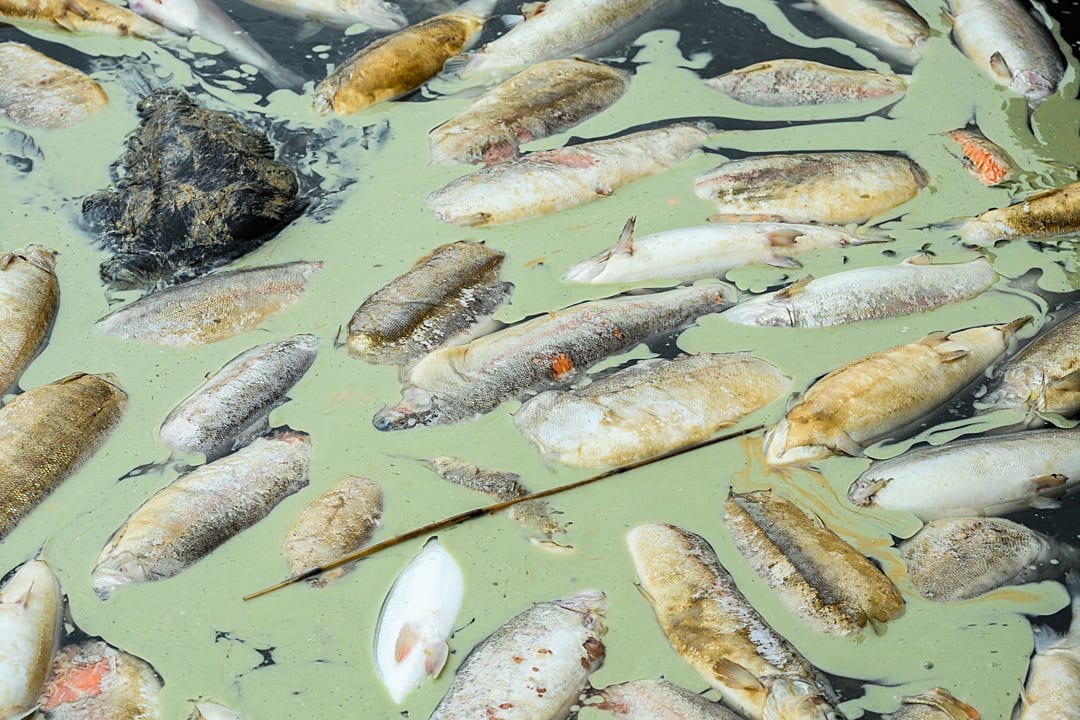
A 2022 review of 95 national AMR action plans found that 37% made no mention of aquaculture at all, and most that did offered little detail on surveillance or stewardship. Among the world's 15 largest aquaculture producers, six, including Chile, Egypt and Brazil, had yet to implement a meaningful aquaculture component in their AMR strategy. This gap stands in stark contrast to the scale of antimicrobial use and the volume of seafood these countries export.
Framed against the industry's marketing, the picture that emerges is striking. Instead of delivering a clean, healthy alternative to land-based meat, industrial aquaculture has reproduced many of the same structural problems, overcrowding, routine disease, and a heavy dependence on antibiotics, while adding new pathways for harm through aquatic environments and global seafood trade. For consumers seeking the nutritional benefits of seafood, it's worth knowing that algae-based omega-3 supplements can deliver the same long-chain fatty acids found in fish, without the disease and AMR risks, since fish themselves get their omega-3s from algae in the first place. As covered in foodfacts.org's explainer on omega-3 fatty acids and the role of fish and plant sources, certain seeds such as flax and chia also contribute plant-based omega-3s. But for those who love seafood for its own sake, the briny, umami-rich depth that no supplement can replicate, a growing range of genuinely plant-based alternatives now exist that evoke those flavours without the harms inherent to factory-farmed fish.

Independent fact-checking, funded by readers like you.
Misinformation is a growing threat to our health and planet. At foodfacts.org, we're dedicated to exposing the truth behind misleading food narratives. But we can't do it without your support.
Sources
- Aquaculture Accountability Project (December 2025) - The Myth of Sustainable Aquaculture
- Centers for Disease Control and Prevention (11 July 2024) - About Antimicrobial Resistance
- Cuéllar-Anjel, J. (October 2023) - White Spot Disease
- De Schryver, P., et al. (24 April 2014) - Early mortality syndrome outbreaks
- Fry, J., Love, D., and Innes, G. (August 2018) - Johns Hopkins Center brief
- Hamilton, K. A., et al. (August 2018) - Salmonella risks from aquaculture shrimp
- Krkosek, M., et al. (16 October 2024) - Pathogens from salmon aquaculture
- Milijasevic, M., et al. (2 August 2024) - Antimicrobial resistance in aquaculture
- Norwegian Veterinary Institute (2024) - NORM-VET Report 2023
- Schar, D., et al. (2020) - Global trends in antimicrobial use in aquaculture
- Scottish Government (30 October 2024) - Scottish Fish Farm Production Survey 2023
- Sernapesca (2024) - Uso de Antimicrobianos (antimicrobial use report)
- Sharma, L., et al. (8 February 2021) - Antibiotic-resistant bacteria in shrimp
- Sommerset, I., et al. (2024) - Fiskehelserapporten 2023
- US FDA (August 2021) - Outbreak Investigation of Salmonella Weltevreden
- US FDA - Import Refusals Dashboard
- US GAO (September 2017) - Imported Seafood Safety report
- WildFish (March 2023) - Breaching the Limits (Scottish salmon)
- World Health Organization (2021) - Antimicrobial Resistance: Key Facts



foodfacts.org is an independent non-profit fact-checking platform dedicated to exposing misinformation in the food industry. We provide transparent, science-based insights on nutrition, health, and environmental impacts, empowering consumers to make informed choices for a healthier society and planet.






.svg)


.svg)

