
.avif)

Avoid false nutrition information online with our practical guide.

This morning I opened up Instagram, and was presented with a video by someone telling me that spinach contained a ‘harmful’ and ‘toxic’ compound called oxalates. Apparently, I should stop eating it right away before I get kidney stones. It had over 10,000 likes, and the influencer, who calls herself a nutritionist, even put some references on the screen. Seems kind of legitimate, right? To me, the claim sounded quite scary; I don’t want to get kidney stones because of the foods I eat! So I did a little digging and came to the conclusion this claim was way over exaggerated.
It’s not the first time I’ve come across a claim that scares me about the foods I eat regularly, and I know it won’t be the last. Open instagram or TikTok these days and you’re bombarded with endless nutrition advice. Social media influencers, blogs, YouTube channels, and even some news outlets often make bold claims about what you should or shouldn’t eat. They scare you about one food, and make the next seem like it can cure cancer.
So how can you separate science from fiction?
Identifying nutrition misinformation can be tricky, especially when it’s packaged in a way that seems credible. This guide will arm you with key strategies to help you spot and avoid misleading nutrition advice online.
1. Look for Credentials: Who’s Behind the Advice?
The first step in evaluating any nutrition advice is to check the qualifications of the person delivering it. Here’s a quick breakdown of what to look for:
- Registered Dietitians (RD or RDN): The gold standard for nutrition expertise. They undergo extensive education, supervised practice, and are legally regulated.
- Associate or Registered Nutritionists (ANtur or RNutr), or Certified Nutrition Specialists (CNS): These professionals have an accredited degree and experience in nutrition.
- Medical professionals: Doctors can give reliable advice, especially concerning diet-related diseases, but their nutrition training may be limited.
- Unqualified "experts": Be wary of self-proclaimed diet gurus or influencers who lack formal training. Check if their qualifications align with their claims.
Red Flag: Anyone without formal education or credentials who calls themselves a "nutritionist" or "diet expert." Remember, in many places, these terms are not legally protected. Not everyone with a qualification will be providing sound advice, such as doctors that promote the carnivore diet, (think Anthony Chaffee), so use the steps below as well.
2. Beware of Overly Simplified Solutions
Nutrition is complex. Our bodies, diets, and health are all influenced by multiple factors, so be skeptical of advice that promises a one-size-fits-all solution to complicated issues.
Common examples include:
- “This one food will make you lose weight.”
- “Avoid this food and your health problems will disappear.”
- “All your problems are caused by [sugar, gluten, carbs, fat].”
Red Flag: Overgeneralised phrases or terms like “superfood” or “miracle cure.” Scientific studies rarely support such claims, as health outcomes are influenced by many factors. Professionals providing accurate advice will rarely, if ever, make such bold claims.
3. Watch for Sensational Headlines and Clickbait
If the headline of an article or video seems too good to be true, it probably is. Sensationalism is often used to generate clicks, likes, and shares, but the underlying content might be exaggerated or even completely false.
Examples of clickbait phrases:
- “The one food doctors don’t want you to know about.”
- “You’ll never eat this food again after reading this!”
- “Shocking new study proves [food] is killing you.”
Red Flag: If the tone of the content is alarmist or overly dramatic, it’s a strong indicator of misinformation. Sensationalism isn’t science.
4. Check the Sources
Reliable nutrition information is backed by credible, peer-reviewed studies or respected health organisations like the World Health Organization (WHO), National Institutes of Health (NIH), or the British Dietetic Association (BDA). When reading online advice, see if the claims are supported by scientific evidence, reputable organisations, or if peer-reviewed scientific sources are referenced.
How to spot a good source:
- Peer-reviewed research published in scientific journals.
- Reports from well-known organisations like the American Heart Association or NHS.
- Interviews with credentialed experts (dietitians, PhDs, MDs).
Red Flag: Blogs, social media posts, or websites that cite no sources at all or rely heavily on anecdotal evidence like "I tried this diet, and it worked for me!" are unreliable. Personal stories can be interesting but aren’t scientific evidence. Social media algorithms amplify this issue by showing users more of the same content they engage with, creating echo chambers. This can make false or unproven claims seem more credible through repeated exposure, even without scientific backing.
Unfortunately, people might often cite a study but misrepresent what it says, so we’ve put together another article on how to tell whether someone is using a scientific source correctly.
5. Look for Conflicts of Interest
Is the person providing the information trying to sell you something? Many influencers and websites promote products—supplements, diet plans, or "miracle" foods—that they directly profit from. Be cautious when financial incentives are involved, as the advice may be biased. The product they’re selling will often be a solution for the problem they’re ‘exposing’ on their platforms. Think of the Glucose Goddess who claims that glucose spikes are harming our health, and then sells an “anti-spike” formula to fix the issue (an issue doesn’t exist in the first place, with a product that has not been properly tested for it’s effectiveness).
Or the post could be coming from a for-profit company, such as one selling vitamin supplements or beverages with specific health claims.
What to check:
- Does the website sell a product tied to the claim (e.g., supplements or detox teas)?
- Is the influencer sponsored by a company pushing a specific diet or food?
- Does the author disclose any conflicts of interest?
Red Flag: If the advice directly leads to buying a specific product, particularly if it’s not backed by solid research, it’s worth questioning.
6. The Appeal to Nature Fallacy
A common tactic in nutrition misinformation is the "appeal to nature" fallacy, where a product is marketed as superior simply because it’s “natural.” While eating whole, minimally processed foods can be beneficial, just because something is “natural” doesn’t automatically make it better or healthier.
Examples include:
- “This natural supplement will detox your body.”
- “Avoid synthetic vitamins; only natural ones are healthy.”
Red Flag: “Natural” is often used as a buzzword in marketing. Remember, arsenic and poisonous mushrooms are also natural, but they aren’t good for you!
7. Be Skeptical of Testimonials and Before-and-After Photos
Testimonials and dramatic before-and-after photos can be persuasive, but they are often cherry-picked to show only the best results. They don’t reflect the average experience and rarely account for individual factors like genetics, metabolism, or lifestyle.
Common red flags:
- Personal stories presented as proof.
- Photos that seem heavily edited or manipulated.
- Claims like "I lost 20 pounds in a month!"
Red Flag: Testimonials without accompanying scientific evidence are unreliable. Weight loss, improved health, or other outcomes depend on a variety of factors, and individual results will vary.
8. Beware of Conspiracy Theories
Some individuals or websites spread conspiracy theories to discredit well-established nutrition science, often promoting their own alternative remedies or diets. These can be highly persuasive, especially when they tap into fears of "big pharma" or claim that "the government is hiding the truth about food." If you’ve ever had a bad experience with a doctor or other medical professional, these claims might hit close to home, making them seem even more believable.
But it's important to recognize that while these experiences are valid, they don’t undo the solid foundation of nutritional guidelines. In fact, many of these guidelines are based on decades of research that often isn't followed in everyday life. The next time you come across a sensational claim, take a moment to ask: Is there credible evidence backing it up, or is it relying on fear or personal anecdotes to seem true?
Examples:
- “Doctors don’t want you to know this because it’ll put them out of business.”
- “The government is hiding the cure to cancer, but this diet will save you.”
Red Flag: Conspiracy-based claims are a major red flag. Reputable health advice doesn’t rely on secret plots or grand schemes. Look for evidence-based recommendations instead.
9. Use Common Sense
Finally, trust your gut. If something sounds too extreme, too easy, or too miraculous, it probably is. Legitimate health advice is rarely black-and-white; good nutrition advice often involves balance, variety, and moderation.
Red Flag: Claims that promise “instant results” or “effortless weight loss” without changing your overall lifestyle are usually false. Achieving lasting health benefits takes time and sustainable habits.
10. Go with the Consensus
What are most health professionals and organisations saying on the topic? If the advice goes against what most experts are saying, it’s unlikely to be true.
Example:
- Carnivore Diet Advocates: Despite decades of research showing the health benefits of a balanced diet with fruits, vegetables, and whole grains, some influencers promote extreme diets like the carnivore diet, claiming plants are toxic. This view is not supported by mainstream dietetics or medical organisations.
Red Flag: If someone’s advice is contradicting what most reputable dietitians, doctors, or scientific organisations recommend, especially without strong scientific evidence to back it up, approach with caution. Nutrition science is constantly evolving, but when the majority of experts agree on something, it's often for a good reason.
Conclusion: Stay Smart and Skeptical
The internet can be a valuable source of information, but it’s also home to a lot of misinformation. To protect yourself, always check the credentials of the person giving the advice, verify their claims with reliable sources, and use your common sense. Misinformation can not only waste your time and money but could also harm your health. Stay informed and skeptical, and seek advice from trusted, qualified professionals.
.avif)

Plant-based meats: what are they doing to your heart health?
CLAIM 4 - A “vegan diet is not healthier.”
Such headlines have the potential to be misleading because they conflate “vegan food” and “vegan diets” with a few “ultra-processed substitutes,” which constitute a small proportion of what vegan food is. Research highlights that a healthy plant-based diet is associated with better health outcomes, whereas an unhealthy plant-based diet is associated with worse health outcomes. The evidence is particularly compelling when it comes to cardiovascular health.
Some media outlets have misrepresented this and similar studies by overlooking that plant-based meat typically makes up only a small part of a plant-based diet. In a trial, it’s necessary for the food being studied to account for a significant portion of the participants' calorie intake; otherwise, the results could be inconclusive. However, this does not mean that plant-based meats are intended to replace meat in a one-to-one ratio based on the quantities people currently consume. Instead, these products can serve as a helpful transition tool toward plant-based diets, alongside a greater emphasis on whole plant protein sources.
The bottom line
Plant-based meats offer a practical way to transition to a more plant-centered diet. They can be incorporated as part of a balanced, healthy diet that favours whole foods. Sensational headlines tend to oversimplify issues, which can, in the long run, hinder the transition towards plant-centred diets.
According to The Daily Mail, the concerns regarding an increased risk of diabetes are supported by previous research conducted in Poznań. Yet, they did not reference the study in the article. One study from Poznań University of Medical Sciences compared fast food meals from plant- and animal-based products. However, as it focuses on menus from fast-food restaurants, it doesn’t address the health effects of incorporating plant-based meats into one’s diet.
Additionally, a 2024 study published in the journal The Lancet Regional Health–Europe, found that plant-based alternatives (milk and meat combined) were associated with lower risk of developing type 2 diabetes.
CLAIM 2 - "Plant-based products could negatively impact heart health.”
Specific plant-based meat alternatives can contain high salt levels and are heavily processed. The media often use this to suggest that eating these products could increase the risk of heart problems. For example, “spikes” in sodium intake among “fake meat eaters” are quoted by The Daily Mail, alongside a lack of improvement in blood pressure.
Several factors can increase the risk of developing heart disease, including diabetes, high LDL cholesterol, and high blood pressure. In this study, there were no significant effects on the lipid profile (including LDL cholesterol) between the animal-based and plant-based groups.
The claim that plant-based diets could negatively affect heart health partially stems from the interpretation of findings on blood pressure. For example, The Daily Mail wrote “‘modest improvements’ in blood pressure were noted in the meat-eaters but not those on a plant-based diet.” These modest improvements concerned nocturnal systolic and diastolic blood pressure dip. However, the American Heart Association and the American College of Cardiology do not count these nocturnal blood pressure changes as significant as health risks, as noted in the study. The study also found that those following a plant-based meat diet (PBMD) had lower diastolic blood pressure (DBP) than the animal-based meat group, which doesn’t appear in The Daily Mail’s coverage.
Overall, the results do not suggest that plant-based meats increase the risk of heart problems.
Additionally, a recent review of studies examining the impacts of plant-based meat alternatives (PBMAs) on heart health found that the evidence supports the idea that replacing meat with PBMAs is likely a more heart-healthy choice. However, more long-term studies assessing the risk of having a heart attack or stroke amongst people who regularly consume PBMAs would support more robust conclusions about these foods.
CLAIM 3 - “Plant-based meats aren’t healthier than the products they aim to replace."
The available data comparing animal-based and plant-based alternatives does not suggest that plant-based meats are “worse for your health.” This is a broad claim that requires further evidence.
The SWAP-MEAT study compared the effects of plant and animal meat products. The results suggest that plant meats offer some heart health advantages, as they found LDL-cholesterol concentrations and body weight were lower when consuming plant-based meats. Despite this, the more recent study found few differences between the two diets; the 8-week plant diet didn’t show widespread cardiometabolic health benefits compared with a corresponding meat-based diet, which is what seems to have led to headlines stating that PBMDs are “worse for your health.” This does not mean that we should dismiss either study, or that plant meats are worse for you; it just means we have some mixed results so far.
We also have evidence to suggest a link between red and processed meat consumption and increased risks of diabetes and heart disease, suggesting healthier alternatives could exist. A recent review of 93 studies concluded that carefully selected, specific plant-based alternatives have the potential to be healthier and nutrient-rich alternatives to animal-based foods. There is a vast diversity in the available meat alternatives, so it’s therefore essential to know how to select plant-based options:

These articles categorise plant-based meats as unhealthy by making the following claims:
- 1 - Plant-based meats can increase your risk of diabetes…
- 2 - … they can raise your risk of heart problems, too.
- 3- Therefore, they aren’t healthier than animal-based meats.
- 4- Some then conclude that going vegan is not as healthy as consuming animal products.
Let's break down these claims. Firstly, what was the study which the above articles are reporting on, leading to those claims? The study was an 8-week Randomized-Controlled Trial (RCT) that included 89 people at high risk of type 2 diabetes. They were randomly assigned to consume either six types of Animal-Based (AB) meat or Plant-Based (PB) meat and provided with the test foods every 3 days.
CLAIM 1 - “Plant-based meats increase the risk of developing diabetes."
Many of the media articles written based on this study claim meat alternatives raise the risk of diabetes. While no significant differences were found in fasting blood glucose, insulin, or HOMA-IR (insulin resistance) between the two groups, the blood sugar levels of participants who followed an animal-based meat diet (ABMD) had more time within the healthy range of glucose levels. In the ABMD group, the median time within this healthy range was 94.1%, while in the plant-based meat diet (PBMD) group, it was 86.5%.
It’s a stretch to claim that these results show meat alternatives increase the risk of diabetes:
A portion of participants volunteered to wear CGMs and those in the meat group had a little more time within a specific range of glucose levels. This is likely because those in the Plant-Based Meat Diet group had slightly larger rises in glucose after meals due to the higher carb content of the Plant-Based meats, but it came right back down afterwards, which is what should happen. It’s also not clear how informative this data even is for people without type 2 diabetes, and both groups were well above the target of >70% set for those with type 2 diabetes. Suggesting that the meat eaters had a lower risk of “full-blown diabetes” based on this is a stretch.
While PBMAs tend to provide healthier nutritional profiles than meat, on average, the different products that are available can still vary substantially in their profiles, so it’s important to read nutritional labels, paying particular attention to the saturated fat content, if you’re aiming for healthier options.
Avoid emotional language: Sensationalist or emotional headlines often indicate misinformation.
On April 8, 2024, a new study was published in The American Journal of Clinical Nutrition, comparing the effects of plant-based and animal-based meat products on cardiometabolic health. Many news outlets have since published reports on these findings, with sensational headlines claiming that plant-based meats are bad for you.
Our analysis aims to review recurrent claims made in several news articles reporting on this study about the health effects of plant-based meats.
In summary, the study reported by the media outlets does not show that plant-based meats increase the risk of diabetes or heart disease. They also didn’t find that plant-based meats offer clear cardiovascular benefits. Awareness of the variety of plant-based alternative products is crucial for making informed choices.
Meat alternatives are becoming increasingly popular as people look for more environmentally friendly and ethical dietary choices. However, there’s a lot of conflicting information online about their impact on health. In this article, we clarify common claims to help you make informed choices about these products.
.avif)
Do seed oils cause inflammation?
Remember, no single food is ever the enemy, it’s about the diet overall.
If you want a deeper dive into the topic, take a look at this video by Nutrition Made Simple.
If you consumed a diet high in seed oils contained within high-fat, high-sugar processed foods, you would likely see some adverse effects on your health. However, the current evidence from controlled human trials suggests that seed oils in isolation do not cause inflammation in the body.
Seed oils, extracted from plants like sunflower, soybean, and corn, have become a common ingredient in many diets due to their versatility and affordability. However, they’re now at the center of debate, with some claiming that seed oils contribute to inflammation and adverse health outcomes.
This is largely due to their high omega-6 fatty acid content. Specifically, critics argue that linoleic acid, an omega-6 found in high amounts in seed oils, may promote inflammation by increasing levels of another omega-6 fatty acid, arachidonic acid, in the body.
In the human body, linoleic acid is converted, via a multistep pathway, into another omega-6 fatty acid called arachidonic acid, which is involved in pro-inflammatory responses. So, by this understanding, more linoleic acid in the diet (through more seed oils) increases arachidonic acid and results in more inflammation.
However, evidence shows us this is not how it actually works in the body.
A systematic review looked at the results in 36 human intervention studies on whether more linoleic acid in the diet resulted in more arachidonic acid.
It did not.
Increasing the levels of linoleic acid by up to 551% did not significantly increase the levels of arachidonic acid in the plasma, serum, and red blood cells.
But what if you measure the levels of inflammation in the body after regular consumption of seed oils? Surely, given all the hype around their inflammatory effects, there would be strong evidence for this?
Not quite.
Studies have also debunked the prevailing myth that these oils lead to inflammation, showing that they may actually possess anti-inflammatory properties. Yes, you read that right—anti-inflammatory!
“Seed oils contain omega-6 fatty acids. Some argue that too many of these fatty acids are pro-inflammatory, but the research doesn't support that at all. This review of dozens of control studies looked at 10 on the effect of seed oils on inflammatory markers. They found that not a single study found convincing evidence that seed oils increase inflammation, and actually, three of them found seed oils to have an anti-inflammatory effect.” says Dr Idz.
This review failed to find substantial evidence linking seed oils to increased inflammation.
Another systematic review of 15 randomised controlled trials in healthy humans found no significant evidence for dietary linoleic acid increasing a range of inflammatory markers.
The evidence supporting the claims that seed oils cause inflammation is next to zero. Including omega-6 fatty acids from seed oils in your diet is unlikely to spike your risk of disease or premature death.
“The key isn't to fear seed oils, but to embrace a diet rich in whole foods. For example, fruits, veggies, pulses, and whole grains. These are your champions in fighting inflammation and disease. Overall, the science suggests that having omega-6 fatty acids from seed oils in your diet is unlikely to increase your risk of death or disease.
Among all the food misinformation online, seed oils, in particular, have been the subject of controversy, with many labelling them as the culprits for inflammation and disease.
The sheer volume of information about seed oils online is immense. There are even accounts and apps dedicated to helping people avoid restaurants and products that contain seed oils.
Is this level of fear around seed oils valid? Can they really be so damaging to your health?
When we look at the evidence, it seems that the villainising of seed oils might just be one big misunderstanding…
Most of the trials done in humans show seed oils have no effects on a range of inflammatory biomarkers. Some studies even show they could have an anti-inflammatory effect.


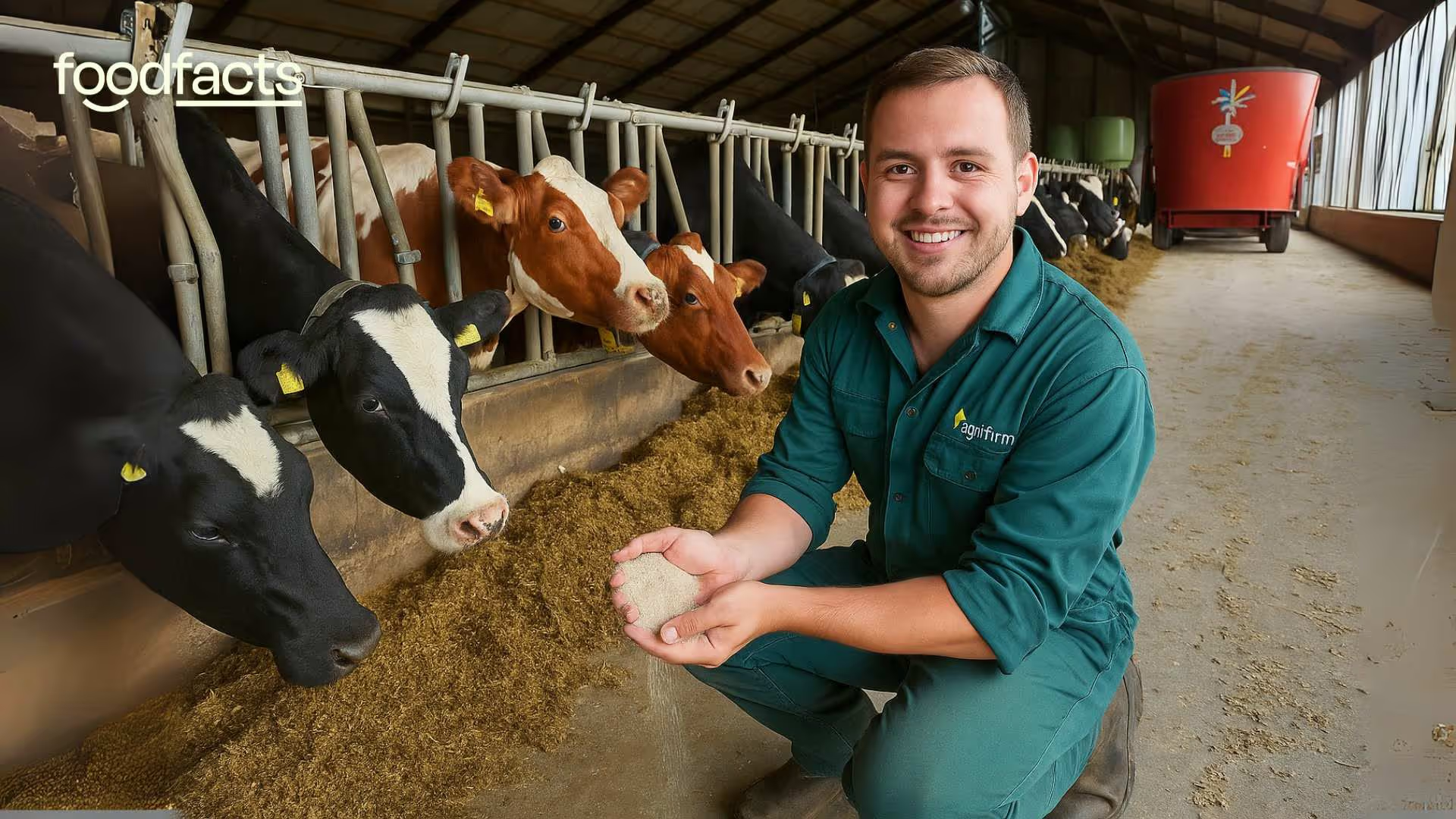
Methane in the food system: a hidden driver of climate change and what we can do about it
A Simple Intro to the Role of Methane in the Food System
Methane (CH4) is one of the most potent greenhouse gases driving climate change today. While methane emissions don’t last as long in the atmosphere as carbon dioxide (CO₂), methane is up to 28 times more effective at trapping heat over a 100-year period, with its warming impact even more intense in the first 20 years. This short-lived but potent effect makes methane reduction a top priority for near-term climate action, especially given the urgency of our current climate crisis. Reducing methane emissions can provide rapid benefits, slowing warming in the near term and buying critical time to address longer-lasting greenhouse gases like CO₂. Understanding methane’s sources and impacts, especially in the food system, can pave the way for effective solutions and immediate benefits to the global climate.
Methane Emissions from Animal Agriculture
The food system is a significant source of methane emissions, with animal agriculture as a primary contributor. Methane is generated through enteric fermentation (a digestive process in ruminant animals such as cows) and manure management. Together, these agricultural sources contribute approximately 30% of global methane emissions, with cattle production leading the charge. As environmental advocate George Monbiot puts it, "Livestock farming is the world’s greatest source of methane from human activities."
Monbiot emphasized that, without reducing methane emissions from livestock, climate targets will be exceedingly difficult to reach. Nicholas Carter, another environmental advocate, highlights methane reduction as one of the most cost-effective climate solutions available today. Carter argues that reducing methane offers rapid benefits, making it a crucial component of the climate solution puzzle.
The Role of Food Waste in Methane Emissions
Food waste is a significant source of methane emissions, especially when it decomposes anaerobically (without oxygen) in landfills. Decomposing food waste releases large amounts of methane, contributing to the climate impact of the food waste crisis. By reducing food waste, we can prevent methane emissions, conserve resources, and reduce pressure on landfill sites.
Practical solutions for reducing food waste and methane generation include composting and planning meals effectively. Composting, which breaks down food waste aerobically, prevents methane emissions by keeping organic waste out of oxygen-deprived landfill environments.
Textile Waste and Methane Production
Textile waste is often overlooked, yet it contributes to methane emissions when organic fibers like cotton and wool decompose in landfills. The rise of fast fashion and high clothing turnover increases textile waste, exacerbating methane emissions. Encouraging sustainable practices, such as donating or repurposing old clothes, can help reduce this methane-generating waste. Opting for sustainable brands and materials can also limit methane contributions from textile waste, an area often overshadowed in methane discussions.
Solutions and Policy Efforts to Reduce Methane Emissions
Several global initiatives and policy efforts aim to curb methane emissions across sectors, especially in agriculture. The Global Methane Pledge is one such collaborative effort focusing on reducing methane emissions worldwide. Swapping livestock feed or giving supplements has shown, in niche experiments, to potentially lower methane. Many are debunking the exaggerated claims around things like seaweed fed to cows, and showing it's a greenwashing delay tactic. Instead focus on what would bring multiple times more reductions in livestock methane: strategically reduce the vast number of them farmed in the first place. Additionally, innovative sustainable rice farming techniques are being developed to reduce methane emissions from rice paddies, another significant source of methane.
Other industry efforts are underway to change how methane is measured, risking allowing the biggest polluters to be rewarded for minor decreases. Nicholas Carter’s methane report warns that adjusting methane measurements could obscure the real impact of large-scale polluters, making it appear as if meaningful progress is being made when, in fact, emissions remain dangerously high.
Monbiot asserts that governments should address agricultural methane more rigorously. Unfortunately, according to Monbiot, the livestock industry’s influence has stifled efforts to curb methane emissions from animal agriculture. Monbiot calls for a global shift away from livestock products to achieve real progress in climate goals, advocating for climate-conscious diets and policies that prioritize methane reduction.
Taking Action: Small Steps, Big Impact on Methane Reduction
Reducing methane emissions within the food system offers an opportunity for fast, impactful climate action. From minimizing food and textile waste to adopting climate-friendly diets and supporting methane-focused policies, consumer actions complement policy and industry efforts in a meaningful way. A collective approach—combining policy, innovation, and individual action—can significantly reduce methane emissions, leading to measurable benefits for the planet’s climate.

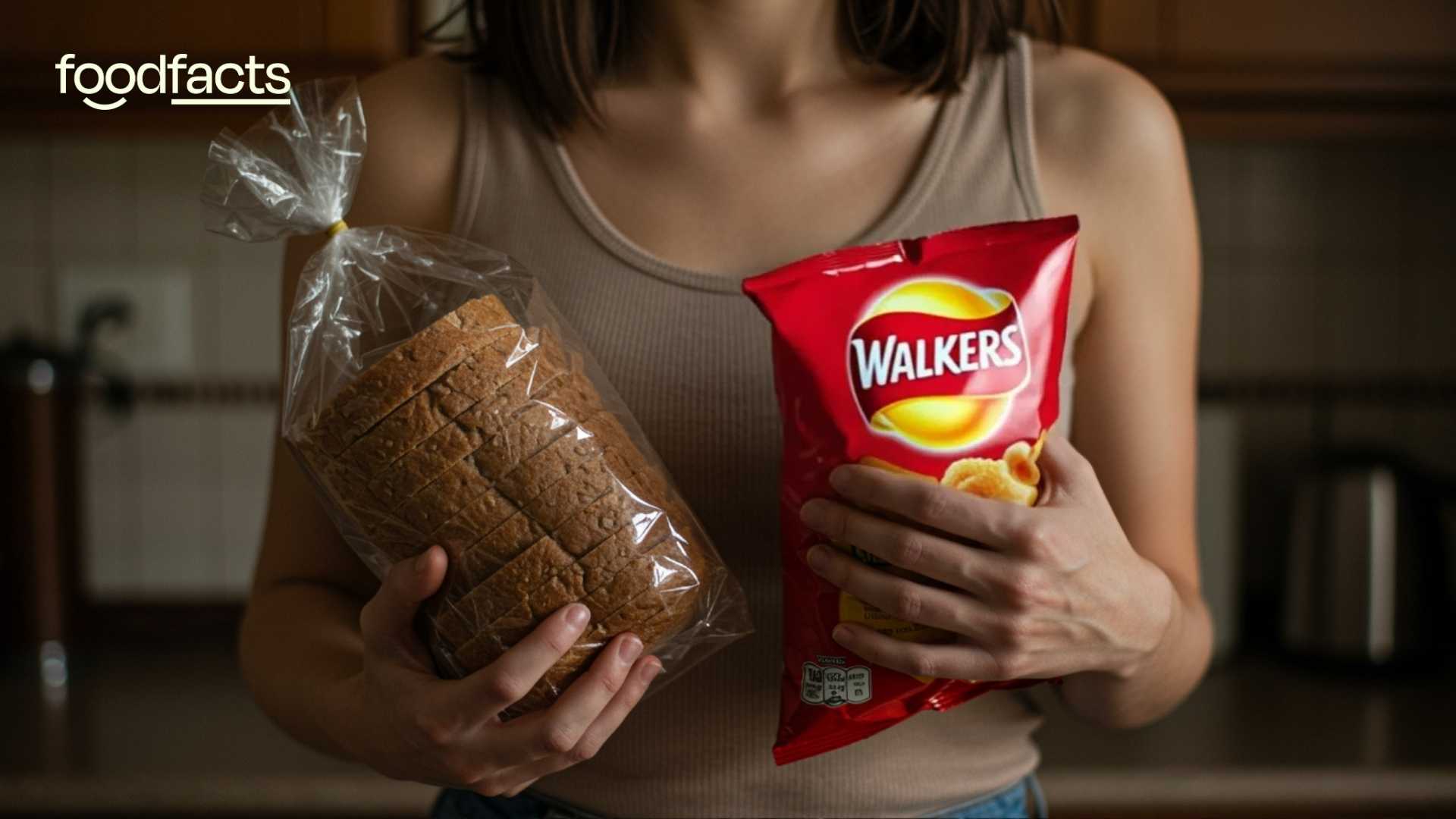
Can freezing white bread make it healthier? Here’s what you need to know
Other benefits
Beyond the health perks, freezing bread has practical advantages too:
- Food waste reduction: Freezing bread extends its shelf life, allowing you to store extra loaves or reduced-price bread without it going stale.
- Longer freshness: If you can’t get through a loaf before it goes bad, freezing keeps it fresher for longer.
- Improved satiety: Foods rich in resistant starch help keep you fuller for longer, which can assist with appetite control and weight management.
Claim 2: Freezing bread feeds your gut microbiome
Verdict: True!
Resistant starch isn’t just beneficial for blood sugar control; it’s also a type of prebiotic, meaning it helps to feed the good bacteria in your gut.
When you consume resistant starch, it reaches the large intestine undigested, where it becomes food for your gut bacteria. This process produces beneficial compounds, such as short-chain fatty acids, which support gut health and health beyond your gut. For example, it may play a role in your inflammatory responses and benefit the immune system.
So, by freezing and reheating your bread, you’re not only lowering its glycemic index but also feeding your gut microbiome!
Does this happen with every type of starch?
The effect of freezing and reheating starches can vary depending on the food. While studies show that freezing bread helps, research hasn’t found the same to be consistently true for other starchy foods like rice.
For instance, a 2015 study on white rice showed that cooling and reheating the rice lowered glycemic response compared with freshly cooked white rice. However, a more recent study in 2021 found no significant difference in glycemic response between fresh and cooled rice.
Therefore, not all starchy foods will behave the same way. Freezing can improve resistant starch content, but the impact on glycemic response can vary based on the food’s composition.
Who can it help?
For most people, blood sugar spikes after eating are a normal physiological response provided they rise and fall within the normal range, and if you eat a generally balanced diet, there’s no need to worry about trying to control every spike. However, for individuals with insulin resistance, pre-diabetes, or diabetes, managing blood sugar levels and spikes is important to prevent complications.
For those managing their blood sugar, freezing starchy foods like bread, potatoes, or rice could be a useful strategy to help prevent large spikes in glucose.
But it’s not just about blood sugar! The extra-resistant starch can improve gut health, support weight management by improving satiety, and even reduce calorie absorption since resistant starch isn’t fully digested.
Claim 1: Freezing bread slows down your blood sugar spikes and helps to reduce the glycemic response
Verdict: It’s true!
It’s nice to find a food hack online that really works, and this is one of them!
Research supports the claim, showing that freezing white bread overnight and then toasting it can lower its glycemic index (GI), which means it causes a slower and more gradual rise in blood sugar levels.
A 2008 study published in the European Journal of Clinical Nutrition found that freezing bread and toasting white bread significantly lowered the blood sugar response compared to fresh white bread. They found three different methods favourably altered participants’ glucose responses to the bread: freezing and defrosting, toasting from fresh, and toasting following freezing and defrosting.
More recent research backs this up. A 2017 study found that altering the temperature of bread increased resistant starch content, which is key to lowering blood sugar levels. In 2023, a study published in the journal Novelty in Clinical Medicine showed that participants who ate frozen and reheated bread had a lower glycemic response than those who ate fresh bread.
So, why does this happen?
When you put your bread in the freezer overnight, the starch will break down, and more retrograded starch is formed, which is a type of resistant starch. This is where the carbohydrate chains in the starch realign themselves, which increases the proportion of resistant starch in that food. This starch acts more like a fibre because isn’t broken down as easily by your digestive enzymes, so it’s absorbed more slowly, resulting in a more gradual rise in blood sugar.
Cooling or changing the temperature of other starchy foods such as rice, bread, and potatoes can also cause starch retrogradation to occur in these foods.
While the effect is not super significant (like the study showing 120 mg/dL for frozen bread vs. 132 mg/dL for fresh bread), it’s still a useful strategy for managing blood sugar. People with blood glucose issues should monitor their levels and follow their doctor’s recommendations for how often to check them. The impact may also vary depending on the type of bread.
Resistant starch may improve satiety and reduce calorie absorption, but it's not a guaranteed or significant effect for everyone. The impact on weight management or calorie absorption is relatively minor, so adding a note to manage expectations would make the claim more balanced overall.
Question viral content: If something seems too outrageous or extreme, it may be misleading or false.
On the 22nd April 2024, This Morning posted a clip of Emily English (@emthenutritionist) discussing how freezing bread can convert the starch into resistant starch. She claimed this could help “slow down your blood sugar spikes, it helps to reduce the glycemic response and it also feeds your gut microbiome”. She also stated, “You instantly improve the nutritional value of it by freezing your food.”
Not only that, it can also feed your gut microbiome, making it a simple and effective food hack. While it may not work for every starchy food, it’s a great way to add a little extra nutrition to your daily toast!
This claim has caused a lot of confusion online, so we dug into the facts to help clear things up.

Understanding seed oil cards: the risks of mislabelling allergies
Seed oils have become a contentious topic on social media. While this article won't dive into the full details of the debate (check out our full fact-check on popular seed oil claims for that), it aims to draw attention to the language used in these claims and its impact on how we reason about nutrition. In particular, we will examine a new trend: seed oil cards.
What are seed oil cards?
On social media, the message about seed oils is often simple: avoid them! To help those who want to steer clear of seed oils when eating out, some health influencers (for example Ben Azadi or Dr Pompa) have started promoting or even selling "Seed Oil Cards." These cards suggest avoiding certain vegetable oils by presenting them as an "allergy," exploiting fear and offering an illusion of control over one's health. This reflects a broader trend in online nutrition discourse where foods are labelled either as “toxic” or “superfoods.” When we treat nutrition in such black-and-white terms, we adopt an oversimplified and often inaccurate view of food. While some may see this as a small price to pay to avoid “toxic” foods that are marketed for profit without regard for our health, the message is more harmful than it seems.
Allergy? Intolerance? What’s the difference and does it matter?
At the core of this trend is a misunderstanding of allergies and the concept of toxicity.
Allergies can be confused with food intolerances or sensitivities. This confusion is made worse by claims of allergies to avoid distrusted products. However, allergies and intolerances involve different bodily mechanisms. Allergies trigger a reaction in the immune system. For instance, when someone with a peanut allergy consumes peanuts, their immune system overreacts, potentially causing life-threatening symptoms. While peanuts themselves are not inherently dangerous, they pose a real threat to individuals with peanut allergies. For these individuals, strict avoidance is key because even a trace of the allergen can trigger a severe reaction.
In contrast, food intolerances involve the digestive system and typically result in discomfort rather than life-threatening reactions. Confusing the two can end up trivialising the severity of allergies.
On social media, this first type of immune reaction often gets equated with claims that certain foods are inherently “toxic” and should be avoided entirely, much like allergens for allergy sufferers. This concept of a food or substance being inherently dangerous is important. As it gets repeatedly reinforced on social media, it is likely to influence our thinking about nutrition. However, this approach promotes a critical misunderstanding of nutrition, which is fundamentally about balance. Nutritional guidelines don't typically say, “Never eat this or you'll get cancer.” Instead, they advise moderating the intake of certain foods and increasing the intake of others for long-term health benefits.
This messaging also ignores a key concept in toxicology: “the dose makes the poison.” Almost anything can be harmful in excessive amounts—even water. For seed oils, the scientific evidence does not support the claim that they are inherently dangerous in typical dietary amounts. Demonising these oils as toxic only fosters unnecessary fear.
The Real-World Consequences of Misusing Allergy Claims
Let’s take a real-world scenario to illustrate why these distinctions matter. Imagine presenting a seed oil “allergy” card at a restaurant. If a person falsely claims an allergy to seed oils and a mistake occurs, there are no immediate health risks, and that mistake could easily go unnoticed. However, if someone with a life-threatening peanut allergy encounters cross-contamination, the consequences could be dire, as the body will detect that mistake and react accordingly.
When individuals misuse allergy cards, which can greatly facilitate communication between the allergy sufferer and kitchen staff, it can contribute to a culture where allergies or other conditions like Coeliac disease (which also involves the immune system) are not taken seriously. Professor Adam Fox, a leading expert in pediatric allergy, describes this trend as frustrating, and notes that “hijacking allergies for dietary preferences risks stopping restaurants from taking all such requests seriously.”
As the parent of a child with several severe food allergies, I know how stressful eating out can be. Those who don’t live with allergies may assume that the condition is generally well understood by anyone working in the food industry, but this isn’t always the case. Often, it’s not due to ignorance but rather a lack of awareness about the severity of allergies, particularly the risk posed by cross-contamination. Encouraging the misuse of allergy cards only undermines ongoing efforts to raise awareness and promote better education around these issues.
The Problem with "Toxic Food" Thinking
The idea that seed oils are inherently “toxic” feeds into a larger narrative of food fear-mongering. In this narrative, certain foods are demonised without solid scientific backing, leading to unnecessary dietary restrictions.
A scientific mechanism might be presented to support such claims, which can sound pretty convincing (see this article for more information on how this works). But the scientific process also calls for evidence of actual harm in humans, and for hypotheses to be tested. And when it comes to seed oils, the evidence simply isn’t there.
Instead of fostering moderation and informed choices, this approach promotes avoidance and anxiety around food. Such extreme thinking is not only unhelpful, but it can also fuel disordered eating by instilling irrational fears about everyday foods.
Conclusion
Nutrition is complex and cannot be boiled down to simplistic labels. Encouraging people to avoid foods by falsely claiming an allergy spreads misinformation and undermines the seriousness of real allergies. It's important to distinguish between personal dietary preferences and medically necessary restrictions. Choosing to avoid seed oils is a personal choice, but falsely claiming an allergy is a different matter altogether. Rather than sowing fear, we should focus on education and a balanced, science-based understanding of food. This will enable people to make informed, reasonable decisions about what they eat without unnecessary alarm or confusion.
Disclaimer: The views expressed in this article are based on the author's interpretation of available information and are intended for educational and informational purposes only. This article does not constitute professional medical advice or guidance. Always consult with a qualified healthcare provider or nutrition expert before making changes to your diet or health routine, particularly if you have allergies or medical conditions.
Latest fact-checks, guides & opinion pieces














.svg)

