
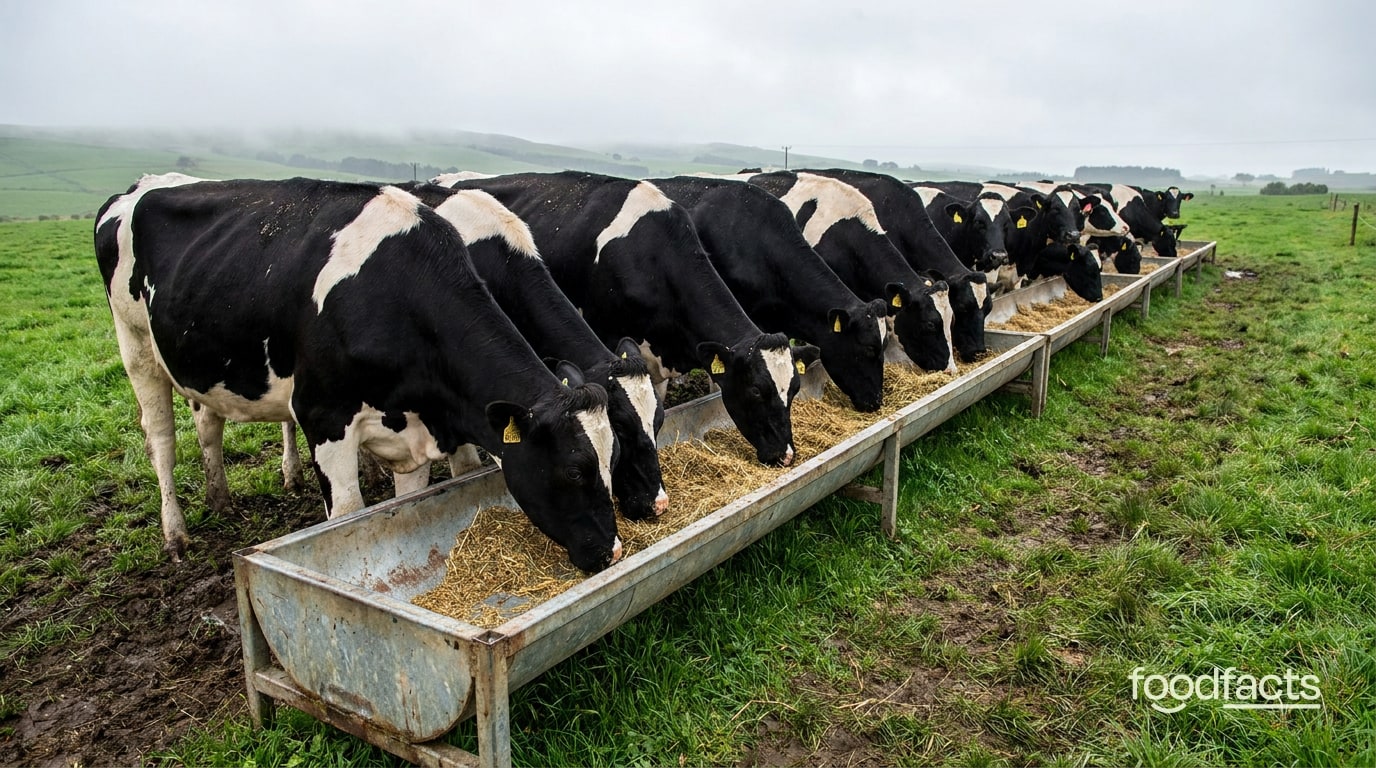




Can feed additives really fix the methane problem — or are they a convenient distraction?




Big industries follow one rule: protect profit. The trillion-dollar animal agriculture sector is no exception. After years of criticism for its impact on the planet, animals, and food systems, meat and dairy giants are now trying to clean up their image. But the real question isn’t if they’ll change, but how, and whether those changes will make a real difference. Enter a series of promising-sounding feed additives. But do they deliver? Let’s take a closer look.
Let’s Talk About Methane
For the first time, 2024 was the first year above the critical 1.5°C global warming threshold, and this March shattered temperature records worldwide. We’re in a climate crisis, and transformative changes are urgently needed, especially from the agricultural sector.
Methane is a powerful greenhouse gas with a warming effect that is 86 times stronger than carbon dioxide, and livestock accounts for 32 percent of human-caused methane emissions. These emissions come from cattle, and their burps in particular, due to the microbes in cattle's digestive systems, which help them break down fibrous plants like grass that humans can’t digest. With around 1.5 billion cattle on the planet, their methane adds up pretty quickly. Yet instead of reducing herd sizes or rethinking the industrial farming model, the industry is focusing on feed additives as quick fixes.
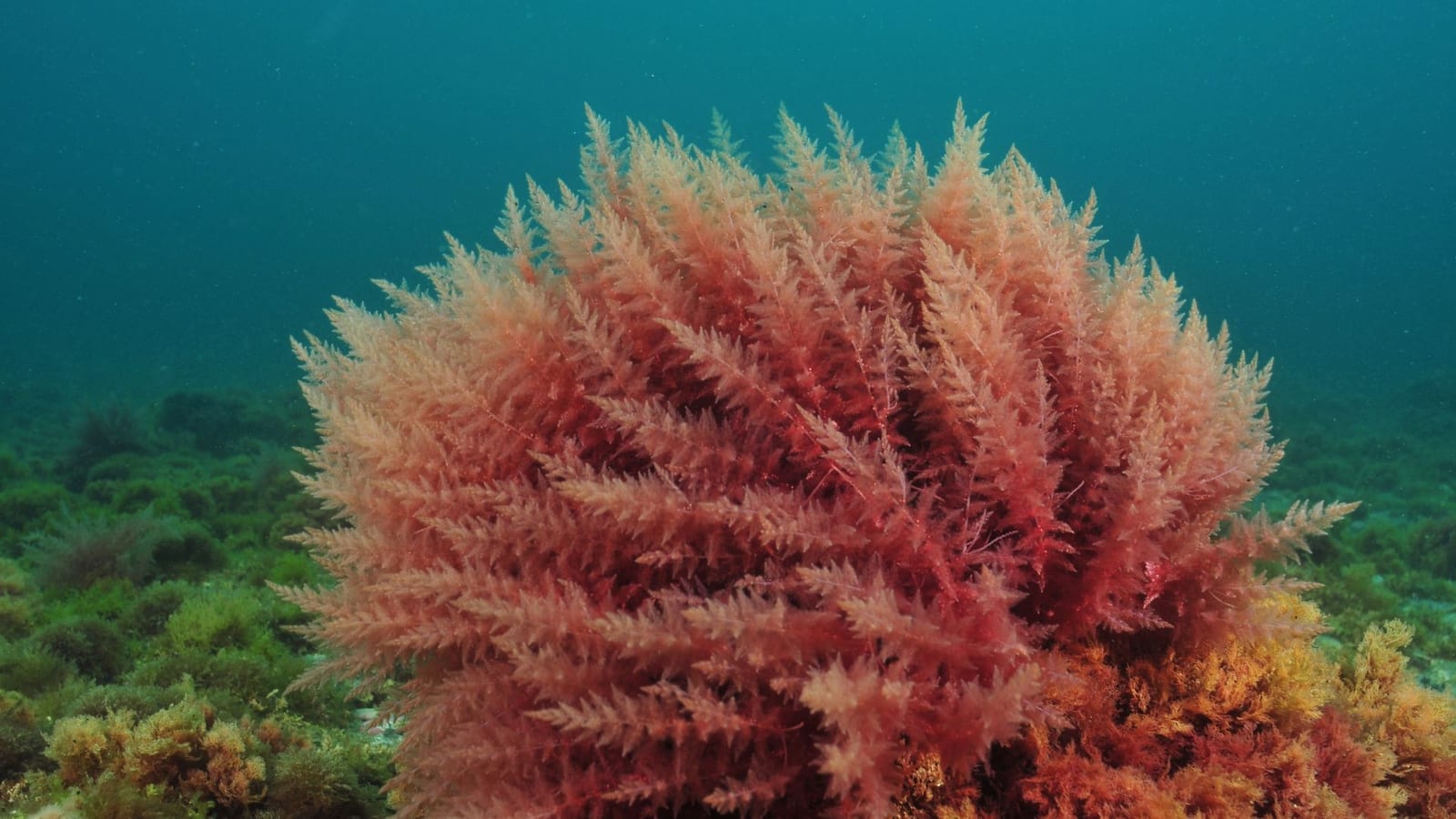
Red seaweed as a feed additive
One of the most recent hyped feed additives is a type of red kelp (Asparagopsis taxiformis), claimed to reduce methane by up to 99%. But in a major real-world trial - conducted by Meat and Livestock Australia (MLA)- results dropped to just 28%, and that’s before factoring in the downsides: cows ate less, produced less milk, and were 15 kilograms underweight at slaughter. Needing an extra 35 days to ‘catch up,’ the methane reduction dropped closer to 19%. Even worse, the active compound in seaweed, bromoform, has been linked to inflammation and toxicity in animals.
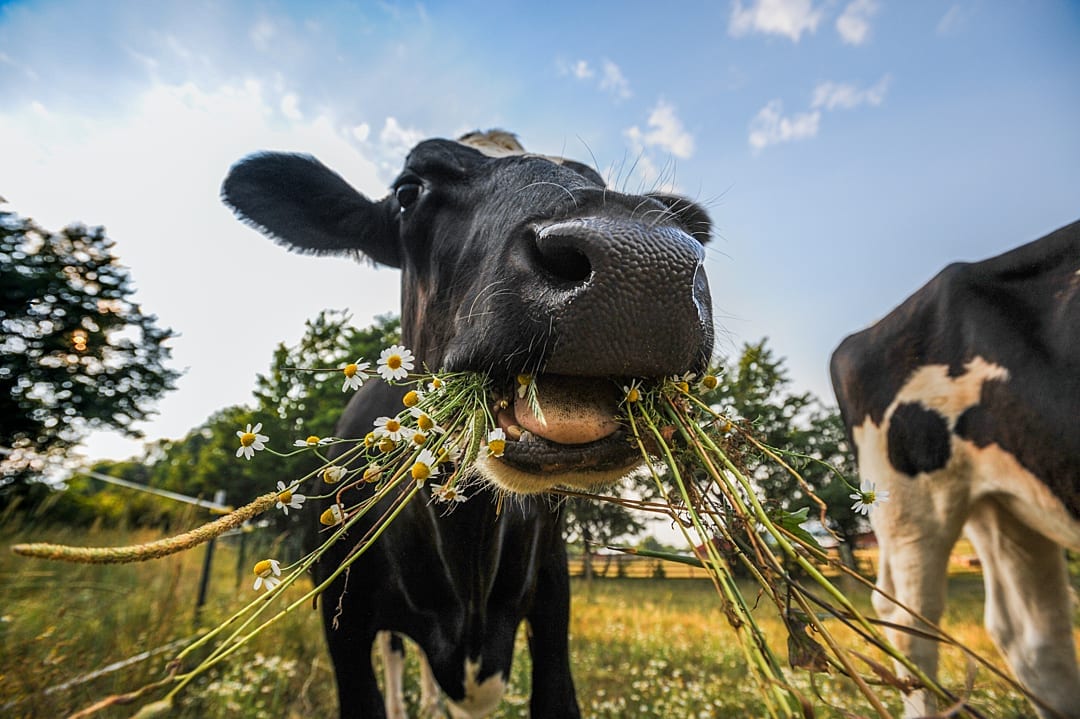
Bovaer: Frankenstein's Milk
Feed additive Bovaer, developed by DSM-Firmenich, is a synthethic organic compound that has been authorized for use in over 65 countries. The active ingredient in Bovaer is 3-nitrooxypropanol (3-NOP), which works by inhibiting an enzyme in the cow’s stomach that helps produce methane during digestion. On average, it is said to reduce methane emissions by 30% in dairy cows, and 45% in beefcattle.
However, Bovaer has gained attention for other reasons. Public mistrust has led to the nickname "Frankenstein's Milk," with consumers, farmers, and influencers criticizing the product. This nickname reflects concerns about unnatural interventions in food production, fear of chemical manipulation, and skepticism of large corporations.
Although Bovaer has passed multiple trials and been approved by various regulatory authorities, questions about its genotoxicity (the potential to cause genetic damage) were not fully clarified. This means its long-term genetic safety is still uncertain. Additionally, it has not been definitively proven that Bovaer is safe for other animal species, or that it poses no risks to those who handle it.
Nitrates as a feed additive
Nitrates, chemical compounds made of nitrogen and oxygen, are also added to cattle feed to reduce methane emissions. It is said to lower methane emissions by up to 14%, yet research shows that it might also lead to increased emissions of nitric oxide (NO). As a result, there are diminishing returns in emission reduction for this feed additive due to the higher NO emissions released by higher levels of nitrates.
The biggest concern is that when nitrates are broken down in the rumen, they first convert to nitrites before becoming ammonia. If the process is too fast or the dose too high, nitrite can build up in the animal’s blood, potentially leading to nitrite toxicity, which can cause serious health problems like methemoglobinemia - a potentially fatal condition where blood loses its ability to carry oxygen.
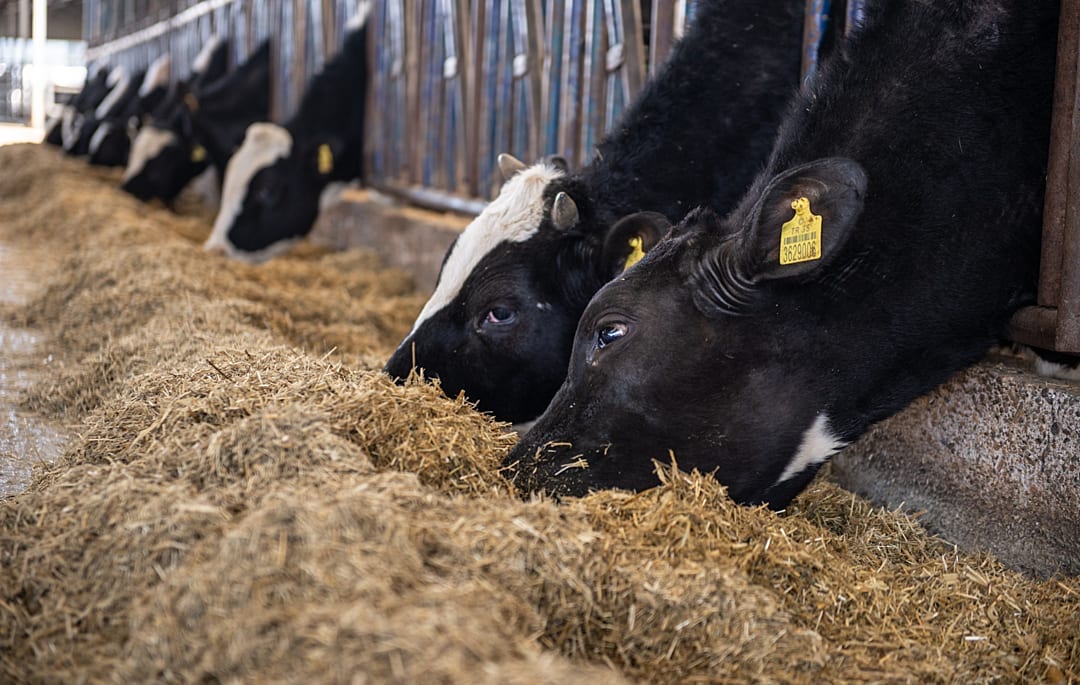
So, do feed additives deliver on their promises?
The list doesn’t stop there. There’s a wide range of other additives like tannins, fats, oils and saponins that are used. It is true that the mentioned additives show potential to reduce methane emissions, but many come with trade-offs and long-term effects on animals and ecosystems are still not clear. Meanwhile, they do nothing to address the scale of animal production, which continues to rise globally. And they can’t touch the massive emissions and ecological damage tied to feed crops, deforestation, manure, or slaughter. Trying to green a fundamentally unsustainable system won’t get us where we need to go.
These efforts represent only a small part of a much larger strategy. The animal agriculture industry has funded research to produce favorable emissions reports, downplayed the importance of individual action, shaped public conversations about dietary changes, and even created a front group, the Food Facts Coalition, to defend the industry against criticism of livestock farming.
If we’re serious about tackling climate breakdown, we need to look beyond quick fixes and rethink the system itself. Studies show again and again that a plant-based diet is our best and most immediate chance to massively cut environmental damage – resulting in 75% less climate-heating emissions, water pollution, and land use. We need a bold shift toward a food system that values sustainability, justice and life.
Because the climate can’t wait, and neither can we.
Update *14th July 2025* Article thumbnail and header image updated to remove illustrated imagery. Replaced with images that more accuratly represent the feed additives used in industry.

Independent fact-checking, funded by readers like you.
Misinformation is a growing threat to our health and planet. At foodfacts.org, we're dedicated to exposing the truth behind misleading food narratives. But we can't do it without your support.
Sources
- AgTech Navigator (9 September 2024). “dsm-firmenich secures market approval for Bovaer in South Korea”
- Bampidis, V. et al (2021). Safety and efficacy of a feed additive consisting of 3‐nitrooxypropanol (Bovaer® 10) for ruminants for milk production and reproduction (DSM Nutritional Products Ltd). EFSA Journal, 19(11), e06905.
- BBC (10 January 2025) “2024 first year to pass 1.5C global warming limit”
- Changing Markets Foundation (September 2024). “Big Meat and Dairy’s narratives to derail climate action”
- Climate Copernicus (10 January 2025). “Copernicus: 2024 is the first year to exceed 1.5°C above pre-industrial level”
- Dsm-firmenich. “Bovaer® How cows can help us fight climate change”
- EPA (October 2020). “Agriculture and Aquaculture: Food for Thought”
- Farmerdb (12 Feb 2025). “Bovaer: The Ruminants’ Feed Additive to Reduce Methane Emissions”
- Honan M., Feng X., Tricarico J.M., Kebreab E. (2022) Feed additives as a strategic approach to reduce enteric methane production in cattle: modes of action, effectiveness and safety. Animal Production Science 62, 1303-1317.
- Loy L., Jaquet J (2024). The animal agriculture industry’s obstruction of campaigns promoting individual climate action.Climate Policy 2025.
- MLA (7 July 2023). “P.PSH.1353 - Effect of Asparagopsis extract in a canola oil carrier for long-fed Wagyu cattle”
- Murdoch University (24 January 2024). “Seaweed might not be the answer to reducing methane from cows”
- Petersen SO et al. Dietary Nitrate for Methane Mitigation Leads to Nitrous Oxide Emissions from Dairy Cows. J Environ Qual. 2015 Jul;44(4):1063-70.
- Roque, B. M., Venegas, M., Kinley, R. D., Duarte, T. L., Yang, X., & Kebreab, E. (2021). Red seaweed (Asparagopsis taxiformis) supplementation reduces enteric methane by over 80 percent in beef steers. PLoS ONE, 16(3), e0247820.
- Stanford University (2 February 2022). “Could going vegan help reduce greenhouse gas emissions?”
- The Guardian (20 July 2023). “Vegan diet massively cuts environmental damage, study shows”
- UNEP (20 August 2021). “Methane emissions are driving climate change. Here’s how to reduce them.”
- Wageningen University (12 March 2021). “Seaweed as a methane inhibitor not without risks”




foodfacts.org is an independent non-profit fact-checking platform dedicated to exposing misinformation in the food industry. We provide transparent, science-based insights on nutrition, health, and environmental impacts, empowering consumers to make informed choices for a healthier society and planet.






.svg)


.svg)

