
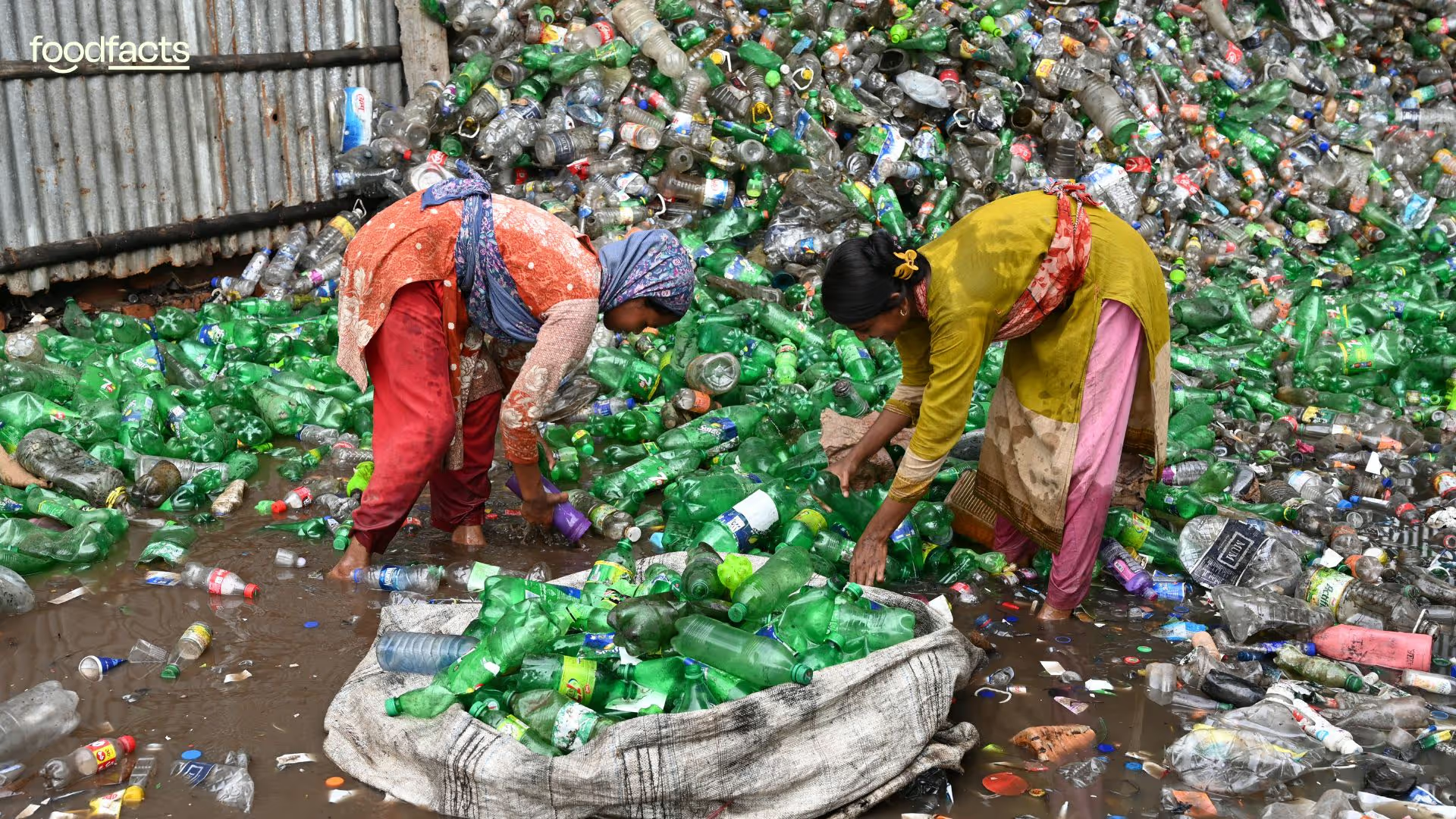

Trapped in a plastic tide: the devastating impact of food packaging and the fight for change

When Did The Plastic Problem Begin?
Plastics are light, strong, and shapeable synthetic materials that use polymers as their primary building blocks. They are a relatively recent invention, but they have become some of the most widely used materials on the planet. Plastics are extremely versatile and have helped to revolutionize sectors as diverse as healthcare, aerospace, and food preservation.
Modern mass production, use, and disposal of plastics are linked to extensive pollution, chemical contamination, rising greenhouse gas emissions (GHGs), and various negative health outcomes. Despite these risks, the extensive use of polymers in almost every industry makes a global shift away from plastics uniquely challenging.
Widespread plastic use has led to what Environmental Health Sciences founder and Chief Scientist Dr Pete Myers has called an “over-reliance” on the material, per Reuters. However, opportunities for future innovation and adaptation could help to mitigate the impact of plastic waste, and redirect humanity’s reliance on synthetic polymers to sustainable alternatives.

The Rise Of Plastic Food Packaging
Bakelite, the first modern synthetic plastic, was produced in 1907, but the plastic boom didn’t begin in earnest until the 1950s. Tupperware was first launched in 1949, and polyethylene bags, polystyrene foam cups, and polyethylene terephthalate (PET) drink bottles followed shortly afterward. In 1976, plastic became the most-used material in the world.
Plastic-based packaging provides a hygienic barrier for physical damage, moisture, microbes, and UV light. This makes it ideal for food storage, and the expansion of plastic packaging into the food and beverage sector notably improved food safety.
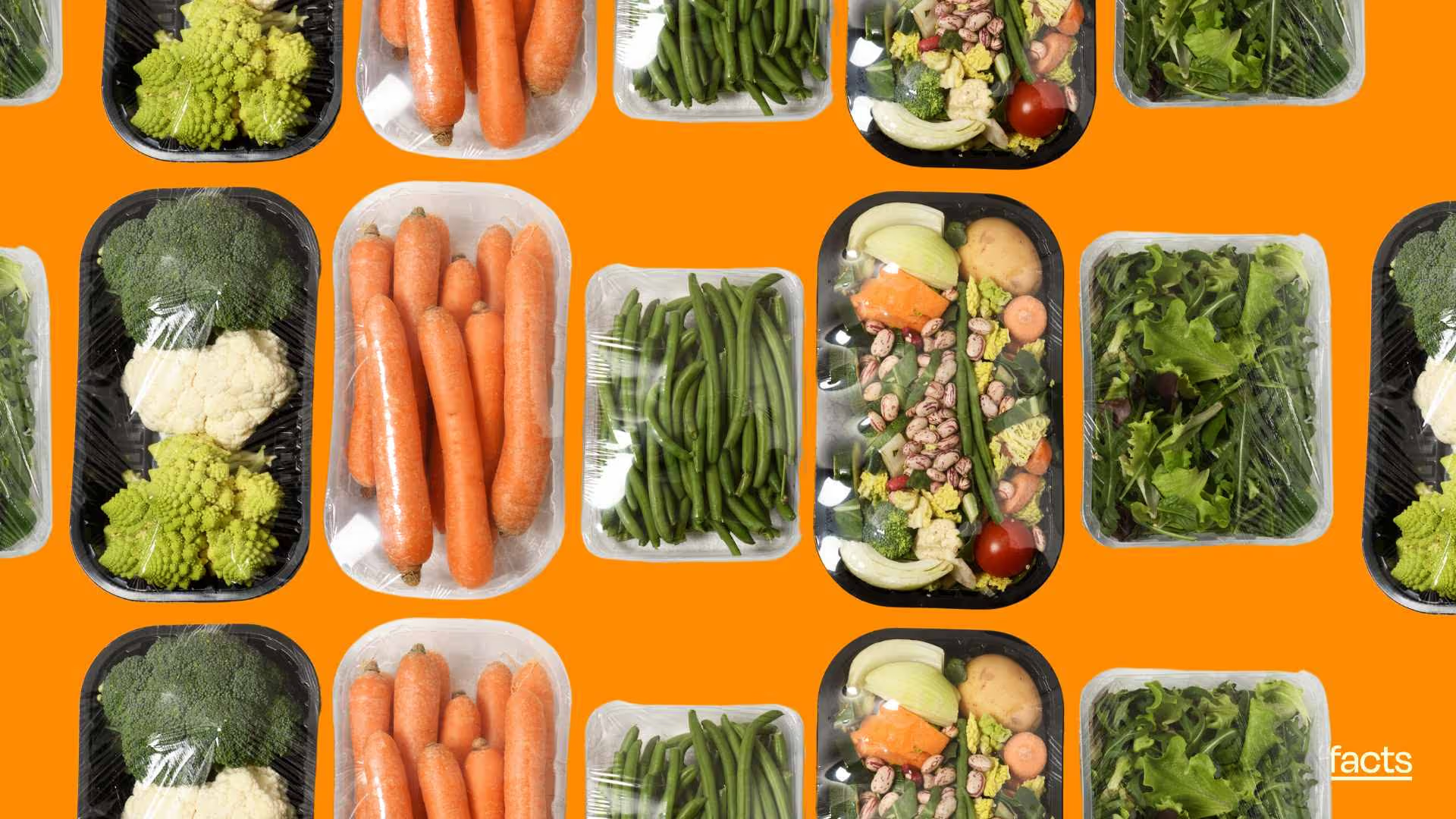
Annual plastic production has since increased by nearly 230 percent, reaching 460 million tonnes in 2019. Just nine percent of this is recycled. Fifty percent of it ends up in landfills and up to two percent in the ocean. Food producers are notably the largest consumers of plastic packaging materials, dapproximately 36 percent of all produced plastics are used in packaging such as single-use food and beverage containers.
Plastic Waste Pollution And Microplastics
Plastics can take up to 500 years to “decompose,” but even then they do not disappear entirely. Instead, plastics break down into smaller and smaller pieces, joining the other microplastics - fragments less than five milimeters long - that permeate the air, water, soil, plants, wildlife, and even humans. Microplastics clog waterways, interfere with plant growth, and circulate toxic chemicals.
As these tiny plastic particles infiltrate food chains, they spread to other ecosystems causing further disruption, injury, and death. The World Wildlife Fund (WWF) estimates that around 100,000 marine mammals are killed by plastics per year. The number of deaths amongst fish and other aquatic animals remains unknown, but is most likely high.
A study from September 2024 found that even if all new plastic production ceased overnight, the degradation of existing waste would still double plastic pollution by 2040. A separate study published in November documents a “disproportionate” rise in small “legacy” fragments in the North Pacific Garbage Patch over the last seven years.
Globally, food and drink packaging makes up 88 percent of coastline litter, and just 10 different plastic products - including common single-use items like coffee cup lids - account for 75 percent of ocean rubbish, per Business Waste Management.
However, even with an appropriate plan for end-of-life plastic waste, the entire life cycle of plastic products would remain high-impact. Over 99 percent of all plastics are made from fossil fuel-derived chemicals, and plastic production and disposal account for three percent of global emissions. That's approximately 1.8 billion tonnes of CO2 equivalents.
Health Concerns Linked To Plastic Use
While it is still unclear what ubiquitous exposure to plastics will do to humans, a growing body of evidence directly links plastic pollution to negative health outcomes. Even without other forms of direct exposure, the average person comes into contact with microplastics almost constantly through food, water, air, and rain.
A WWF study found that the average person ingests about 5 grams of plastic per week, the rough equivalent of a credit card. Microplastics have now been found in people’s brains, lung tissue, kidneys, blood, and according to this recent study, even in placenta.
Speaking to the Guardian, study lead Professor Matthew Campen of the University of New Mexico said “If we are seeing effects on placentas, then all mammalian life on this planet could be impacted. That’s not good.” He added that the growing presence of plastic particles in human tissue could also be behind the increasing number of people with inflammatory bowel disease, cases of colon cancer in people under 50, and declining sperm counts.
The International Union for Conservation of Nature (IUCN) confirms that several of the chemicals used in plastic production are carcinogenic, with the potential to cause developmental, reproductive, neurological, and immune disorders. A new study published in October describes the “alarming” link between microplastics and cancer risk.
Innovation, Adaptation, And Solutions To The Plastic Problem
A variety of companies are working on or with alternatives to traditional plastic packaging, including for food and drink. Bioplastics, for example, are often biodegradable and produced without reliance on fossil fuels. A recent report by Appleyard Lees found that patent filings for bioplastics exceeded 600 for the first time in 2022, an increase of 10 percent from 2021.
Cornstarch-derived Polylactic Acid (PLA) is transparent and can be used for biodegradable straws and beverage containers, while starch-based plastics work well for trays, bags, and products with a short shelf life. Improving performance of existing materials and synthesizing new polymers are key ways in which the bioplastics sector is working to scale up.
London-based company Notpla uses compostable and plant-based ingredients like seaweed to replace synthetic plastic containers, cutlery, and dry food sachets. Notpla estimates that its products have eliminated around 16 million single-use plastics in the last decade.
Biotechnology also represents a possible partial solution to existing plastic waste. In August, a study reported that four strains of fungi can thrive off certain plastic polymers, degrading them safely in the environment. Similarly, plastic-eating bacteria can alsohelp free soil, water, and plants of contamination, prompting additional interest in “bioremediation” for plastic pollution.
“We should definitely try to release as little plastic as possible into the environment,” said Hans-Peter Grossart, a co-author of the study on plastic-eating fungi, per Reuters. “Plastic is made from fossil carbon and if the mushrooms break it down, it’s no different to us burning oil or gas and releasing CO2 into the atmosphere.”
Legislation And The Need For A Global Plastic Treaty
There is increasing global awareness of the need for a move away from single-use and towars a circular economy, with reduced production and consumption in favor of greater efficiency. This requires an updated approach to plastic recycling, which the industry considers “not technically or economically viable at scale." It also requires far more thoughtful production methods and quotas.
An analysis published the evening before this month’s UN plastic treaty talks began in Busan, South Korea, confirmed that global production must be cut to mitigate plastic pollution. It also laid out several possible avenues that a global plastic treaty could explore.
While technological innovation and bioremediation are promising avenues for reducing plastic waste, legislative intervention, ironclad corporate commitments, and increasing consumer awareness are also essential parts of the global fight against plastic waste.
“It is a very hard problem that will require a suite of very ambitious policies to solve. Without a production cap, the problem gets harder to solve and the ambition required for other policies goes up,” said lead author Samuel Pottinger of the University of California, Berkeley, per the Guardian. “This research truly laid bare to us the immensity of the global challenge of mismanaged plastic waste.”

Closing Canada’s food waste gap: how food stash foundation leads the charge
Imagine throwing half of all your meals into the trash every year. That’s the reality in Canada where nearly half of all food produced is wasted–even as 1 in 4 Canadians struggle to afford groceries.
Food waste is a well-hidden but cumulative problem. “Out of sight, out of mind” is the fate destined for the groceries that have gone bad or the leftovers we just don’t feel like having again. And with gastronomic abundance seemingly everywhere–just look at the overflowing supermarket shelves, bloated restaurant portions, and picture-perfect food adverts–it’s easy to be fooled into believing we can afford to waste food. But if the rising rate of food insecurity and climate disasters occurring around the country is any indication, this simply isn’t true.
Food Waste is the Third Leading Cause of Climate Change
Unfortunately, our food scraps don't just vanish from existence the moment they land in a trash bin. Or even when they enter a landfill. Instead, they naturally become fuel for climate change.
Globally, food waste accounts for 8-10% of all greenhouse gas emissions
When food decomposes, it releases large amounts of carbon dioxide and methane: major heat-trapping gases that linger in Earth’s atmosphere. Of the two, methane is more potent, trapping 120 times more heat, but breaks down faster (in about a decade). Carbon dioxide on the other hand can idle in the atmosphere for hundreds to thousands of years.
Then, picture this: 21 million tonnes of food rotting in landfills, slowly releasing 77.7 million metric tonnes of CO2 over the course of 2023. That’s right–food waste in Canada generated the equivalent of emissions from over 17 million cars last year.
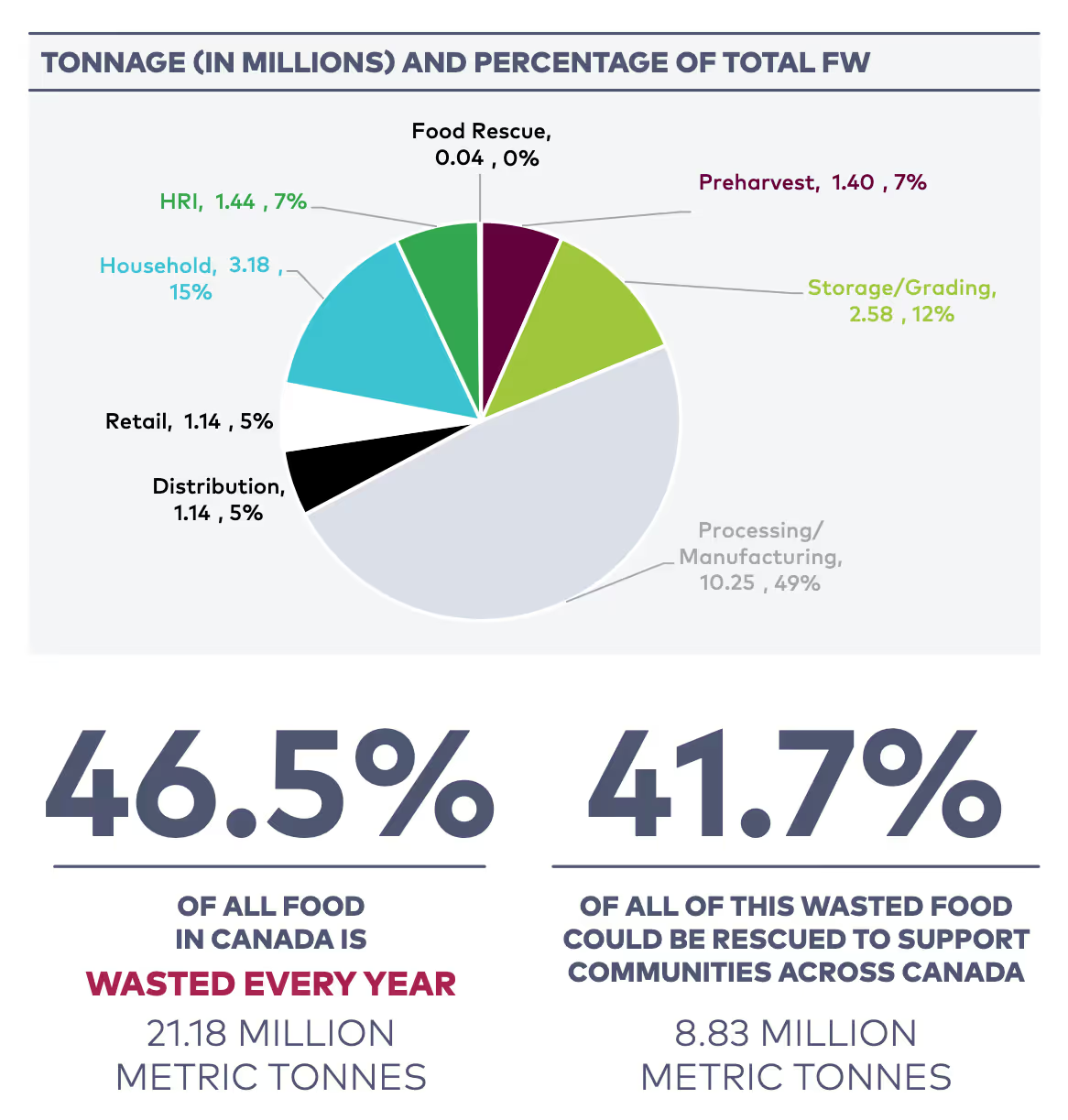
As bad as it sounds, total food waste in Canada has actually decreased in the last five years. Data gathered by Second Harvest reveals that the country wasted 35.5 million tonnes, or 60% of all food production, in 2019. However further progress is still needed. The IPCC states that “all pathways [to prevent global warming exceeding 1.5 degrees] involve limiting cumulative emissions of long-lived greenhouse gases, including carbon dioxide…” Moving forward, it’ll be important to remember that these pathways don’t just apply to the energy sector–fossil fuels get all the airtime–they apply to how we handle and consume food as well. Doubling down on curbing food waste throughout the entire supply chain will be critical to mitigating climate change.
Wasting food is wasting resources
Privileged are those who waste food thinking it will always be available. Under current rates of consumption, the sad reality is that your favourite cheese or coffee won’t be around forever.
When we waste food, we’re also wasting vast amounts of land, water, and energy. Industrial agriculture, especially livestock production, consumes the majority of the Earth’s arable land and freshwater–such to the degree that these resources are rapidly dwindling.
The glamour and convenience of modern-day food access does a superb job in masking this reality. Fast food chains and delivery apps make conjuring groceries or our favourite dishes the work of a magician: at the tap of a button, food seems to miraculously appear out of thin air. But anyone who has ever tried to grow their own vegetables or cook something completely from scratch knows: there is a cost to every meal. Whether in the form of extracting resources from the earth, labour spent in harvest or production, or simply monetary value, food doesn’t come free.
Certainly, no one understands the value of food, and not wasting it, like the quarter of Canadians living in food-insecure households today.
Canadians are Wasting More Food Than Ever Despite Record-High Food Insecurity
Out of the 21 billion tonnes of food wasted in Canada last year, around 9 billion tonnes was “avoidable food waste”, or surplus food that could have otherwise been eaten. Discarded leftovers, mouldy groceries, unsold goods, and produce that “failed” to meet industry grading standards fall into this category. And unlike total food waste, which has declined, avoidable food waste has increased in the last five years.
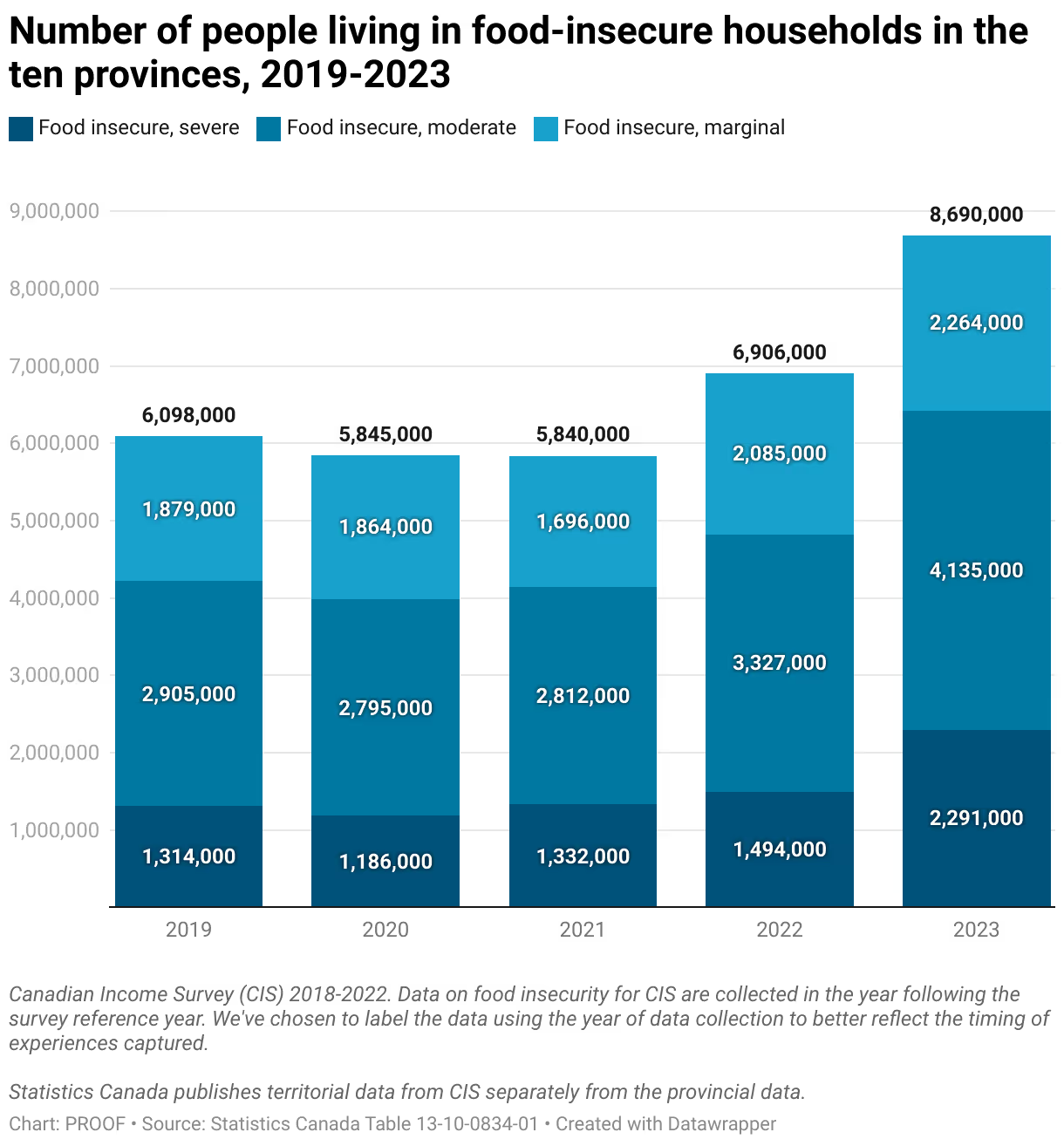
This upward trend sadly occurs at a time when more and more people across the country struggle to afford food. 8.7 million people were food insecure in 2023, the highest recorded number in almost 20 years. Reliance on food banks has skyrocketed, with Food Banks Canada citing a milestone of two million visits a month this year–a 90% increase since 2019. And if that’s not alarming enough? Children make up one third of all food bank visitors.
Food Rescue Charities are Closing the Loop
So, what to do? Food that could have fed every single food-insecure person in Canada twice over rots in landfills, fueling nation-wide climate disasters. Industry and government-led progress is happening but evidently not fast enough.
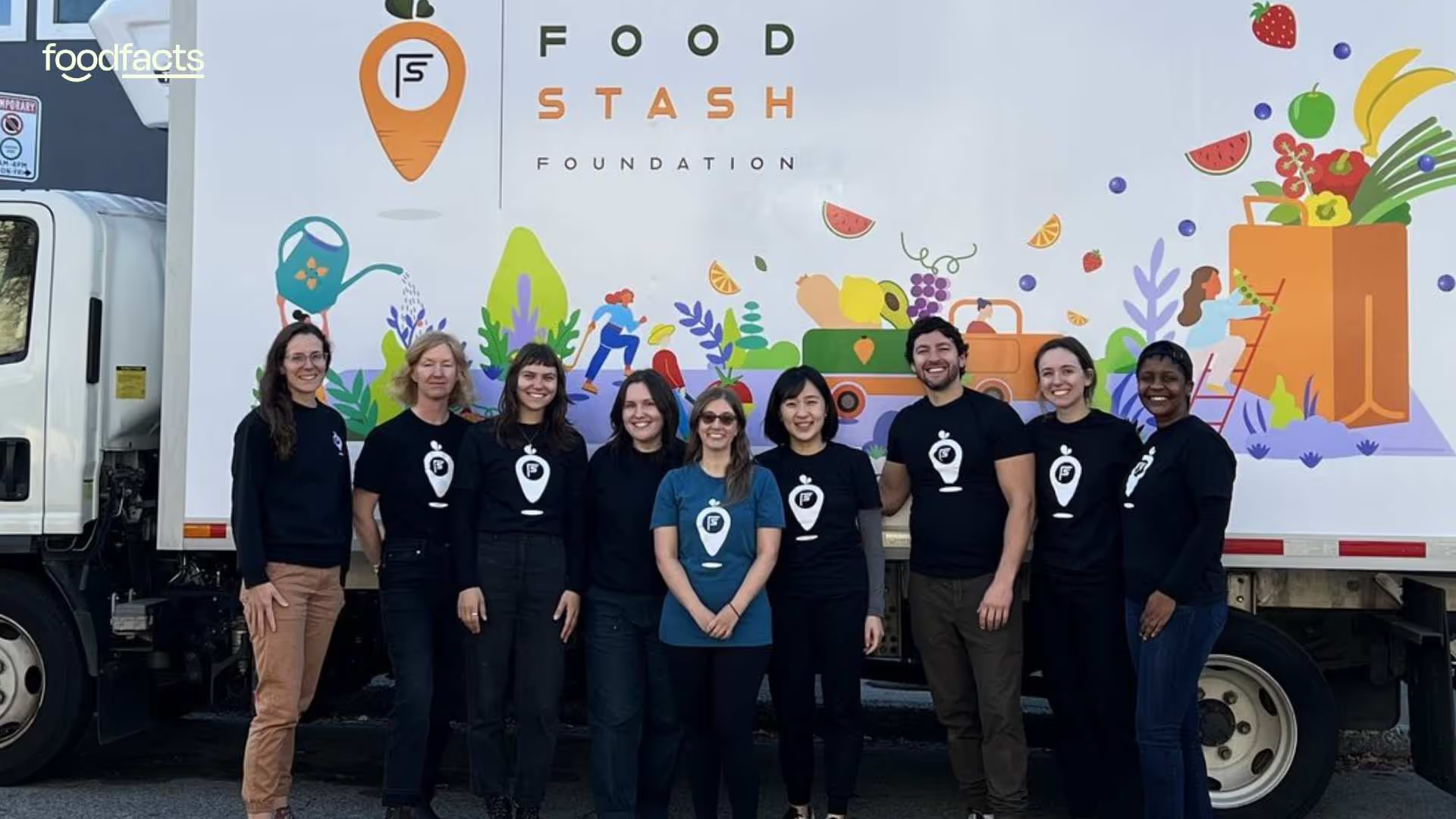
Until the powers that be treat the problem with the urgency it demands, we thankfully have grassroots organisations like the Food Stash Foundation that are actively transforming the problem into a source of hope.
Meet the Food Stash Foundation
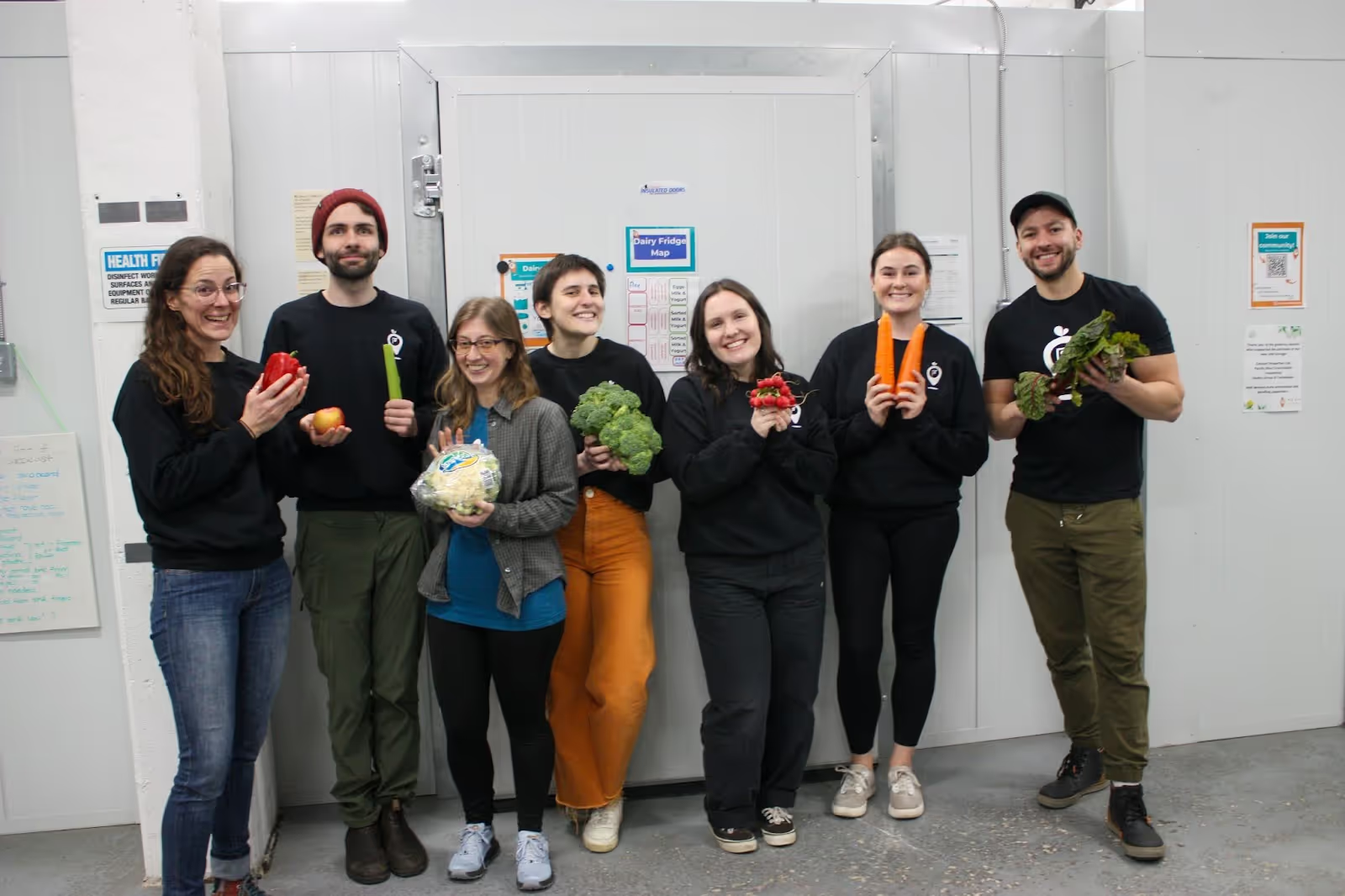
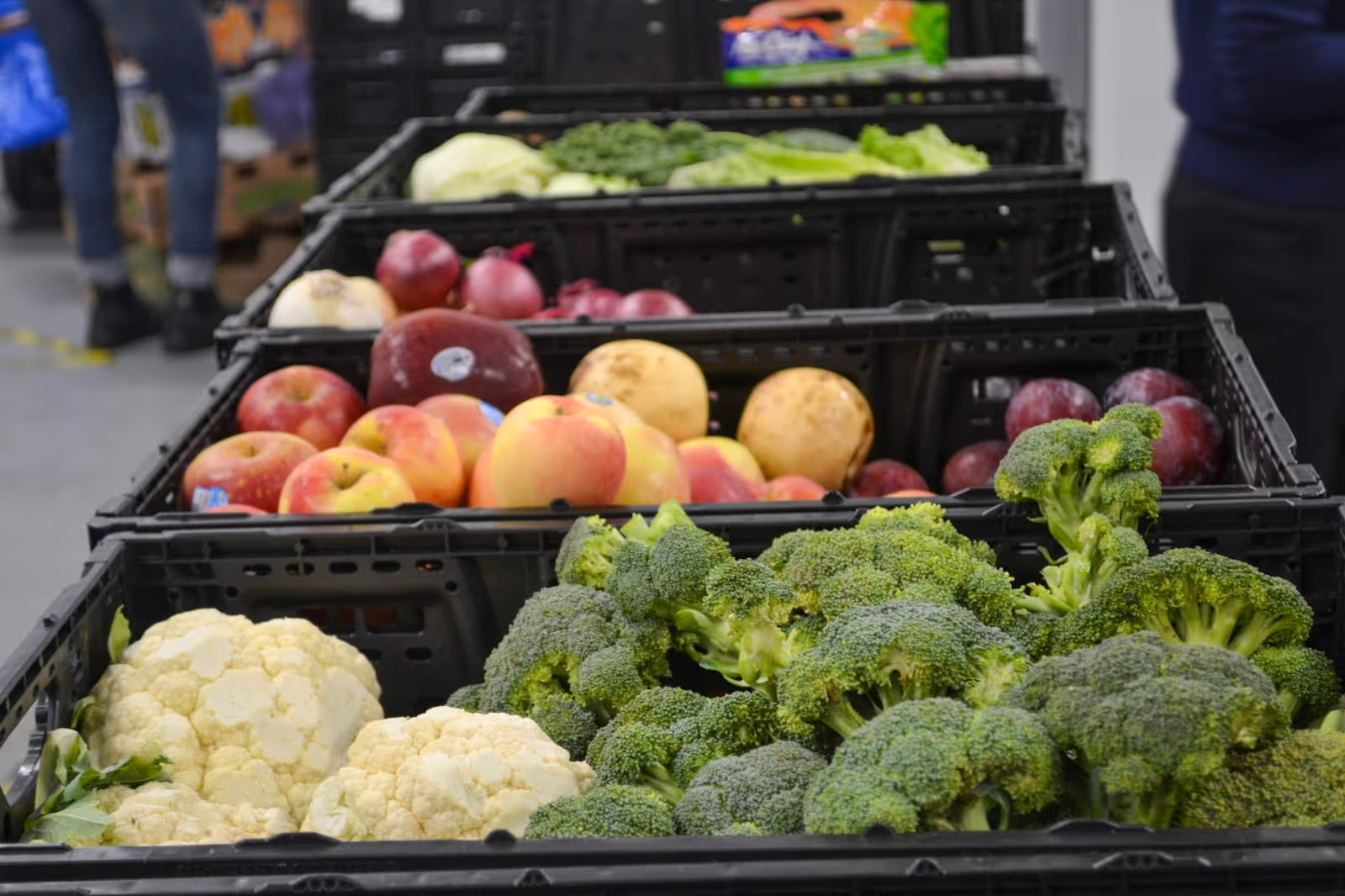
Founded in 2016 in Vancouver (a city with one of Canada’s highest rates of urban poverty), Food Stash has been diverting over 100,000 pounds of perfectly edible, surplus food from landfills to low-income households every month.
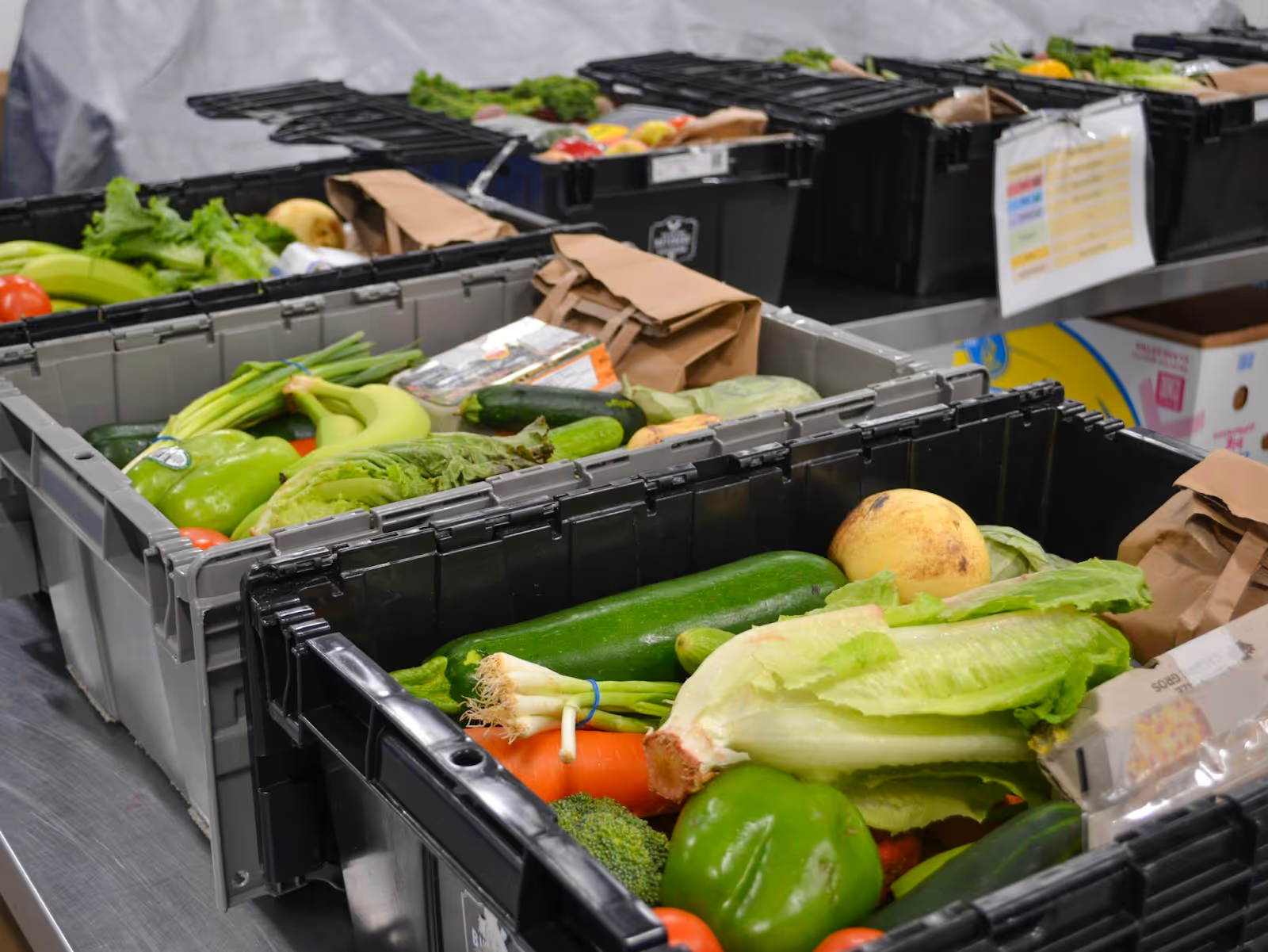
Their process is straightforward. After picking up food pallets from their network of donors–which consist of 36 different supermarkets, wholesalers, and local farmers–team members sort and organise the bounty according to Food Stash’s four programs:
- Rescued Food Box Delivery - a weekly food box packed with 25 lbs of healthy perishable food, intended for low-income individuals possessing a disability and/or chronic health condition.
- Weekly Rescued Food Market - an affordable and sustainable market that charges no more than $2 per trip.
- Community Fridge - a free fridge, freezer, and pantry that’s open 24/7 and boasts a “take what you need and leave what you can” policy.
- Community Partner Delivery - regular food deliveries to 38 organizations across Vancouver who collectively serve over 12,000 people each week.
Transforming Food Waste Into Hope with Dignified Food Access
The beautiful thing about Food Stash’s programs, beyond functioning as a salve for Vancouver’s food waste problem, is that they foster a sense of community, dignity, and well-being amongst the city’s most vulnerable.
Those of us who have never needed the services of a food bank take for granted our agency over what we eat. Though we may consider grocery shopping a chore, we’re free to browse the supermarket aisles at leisure, selecting the ripest and brightest produce. We can pick snacks to our liking, try new products. There’s a certain dignity in being able to choose how we nourish our bodies.
But that choice is not available to everyone. “While many food programs provide an essential service, they are organised in a way that don’t afford their recipients any autonomy. People just line up and are given a food hamper,” shares Anna Gray, Food Stash’s Communication Specialist.
That hierarchical structure, compounded with barriers to access, can damage a person’s sense of identity and belonging. Food Stash understood this, and opted to do things differently. Instead of prescribing every individual with the same grocery hamper, they created programs that enabled people to shop based on their needs and preferences. And according to Gray, this normalcy makes a huge difference:
Our program members have shared how important it is that they feel autonomy and dignity at our Rescued Food Market. They come back to us again and again because they love being able to feel like they’re just at a regular grocery store,” she says. “And we love that. We really value people being able to have choice [over their food].
Thanks to Food Stash’s dedication and the ingenuity of their programs, over 1.2 million pounds of food have so far been diverted from landfills this year. That translates to about 1 million meals given back to the community!
To learn more about Food Stash and Vancouver’s food waste crisis, check out the interview with Gray below.
Interview: Anna Gray, Food Stash Foundation
Can you share some behind-the-scenes insight into how much food is wasted in Vancouver each year?
The food rescue community is pretty diversified in Vancouver, but at least for us at Food Stash, we’re finding that the amount of surplus food in grocery stores and supermarkets goes up every year. We rescued 774,930 pounds of surplus food in 2020. Then it was 874,796 pounds in 2021, and just over 1 million pounds in 2022. Last year, we rescued 1.5 million pounds of food–the highest we’ve ever had. So yeah, it’s getting worse every year.
In your experience, why are stores discarding so much food?
I think a big part of it is just a lack of education and poor retail management. In grocery stores, over-ordering can result in a lot of food waste. Like with the holidays coming up, we already saw a huge influx of rescued food last night because these grocery stores are anticipating people shopping for Thanksgiving. The stores put in bigger orders, and then the food just doesn't sell, or they've overestimated how much they actually need. And then in turn, we rescue way more food than we normally would.
What measures would you like to see companies and governments implement to prevent so much food from going to waste?
Creating more accurate “best-before” labels would be helpful, at least on the consumer end. These labels were created so that the manufacturer doesn't get in trouble if the food is ‘off’, but oftentimes the food is perfectly fine past the date. That's something we've talked a lot about at Food Stash. If the government could better regulate these labels, it could prevent a lot of avoidable food waste.
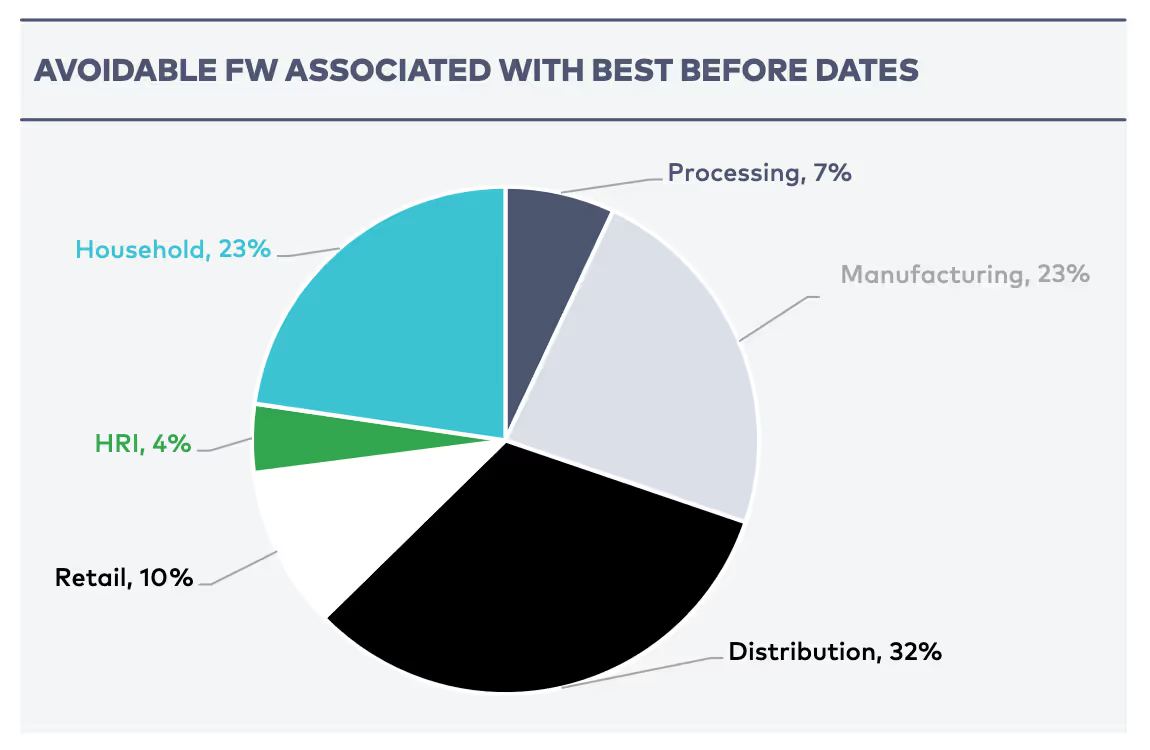
Better food packaging and storage would help as well. When I get home from grocery shopping, I do a bunch of things to make sure that my food lasts longer in my fridge. But maybe manufacturers and distributors can start that process before the food even gets to the grocery store.
Farmers have also shared with me the importance of getting young people into agriculture. There’s currently a lack of young people entering the workforce which has led to stunted innovation in the food system. You have these older farmers and manufacturers who have done things one way forever, so there's a lack of fresh perspective. If there’s more incentive for young people to work in agriculture, that could lead to new innovations to close the loop.
How would you broach the conversation about the importance of not wasting food with someone who’s unaware of the consequences of their actions?
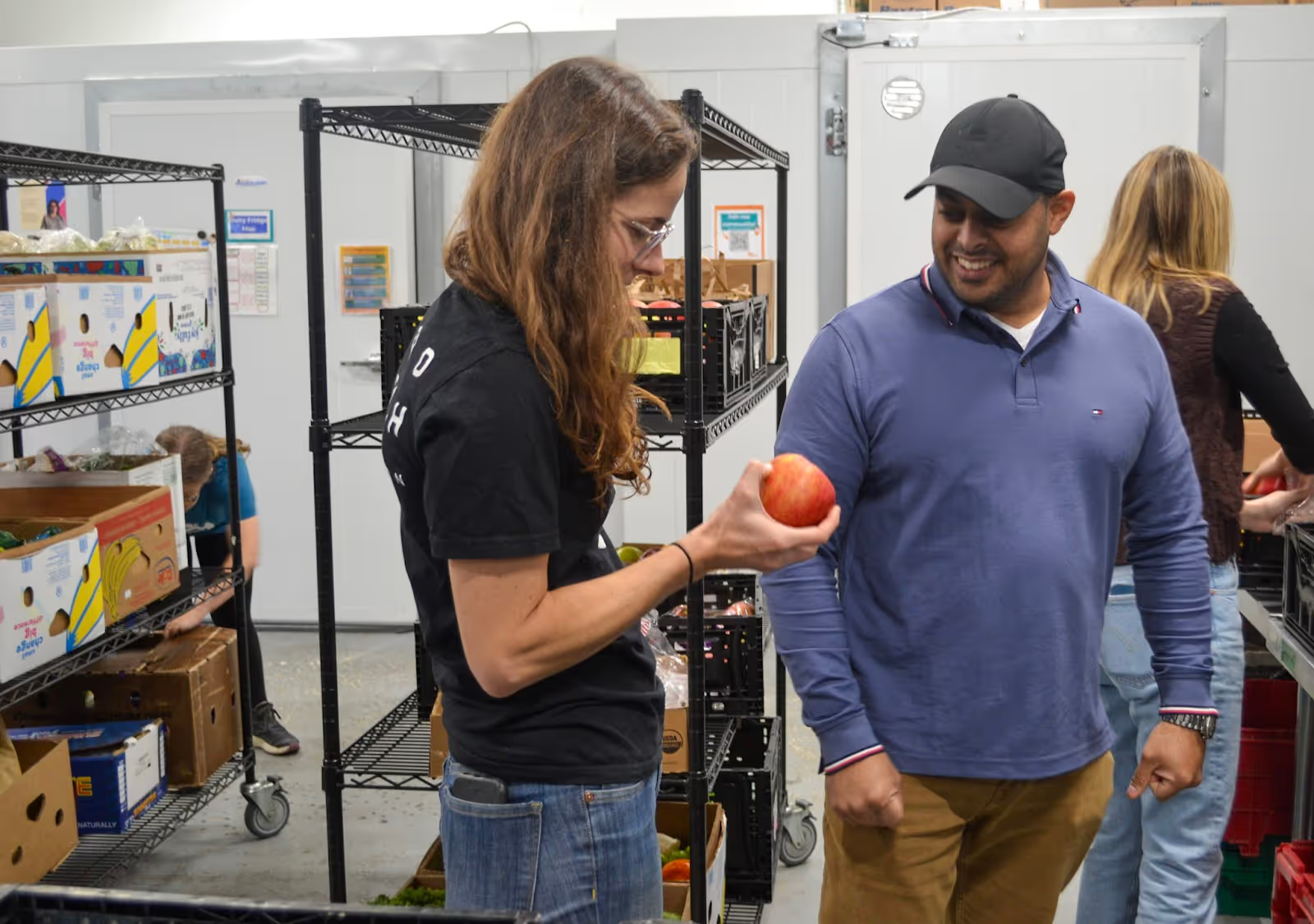
I try to lead with humour or relatability. Like, just emphasising that no one is perfect at it. I am not perfect. Sometimes I forget about something in the fridge, and sometimes I don't eat leftovers. But I make sure I have a meal plan before I leave the house so I can avoid over-buying. Whenever I come home from grocery shopping, I make sure I store my herbs in water. If I do have food waste, I put it in the compost. I think that people respond better if you’re honest and show them how easily small things like that can change your habits for the better.
What would you say needs to change in our wider cultural attitude around food to prevent so much of it from going to waste?
I think we need to provide more food education in general. Instead of being so disconnected from our food sources, we should be teaching kids about where their food comes from as early in life as possible so they grow up appreciating the work that goes into producing what’s on their plates. And making that education accessible whether you live in urban or rural areas.
And I also feel like everyone should have to be a part of a community garden or try to grow their own food. I’ve started gardening recently, and the amount of work it's taken to grow just two tomatoes this year is absolutely insane. It makes me realise how much work farmers go through just to produce that pack of cherry tomatoes I buy at the supermarket. I wouldn't have had that perspective if I hadn't tried to do it myself.
What stories of hope or inspiration have you experienced while working at Food Stash?
Oftentimes the hope and inspiration is in the small things, but it always comes from people in our community. Like in the past, some members have put together recipe cards for each other. It was nice to see people sharing knowledge and connecting in such a simple yet wholesome way.
Another example is the creative ideas people come up with. We just did a seniors community kitchen, and that only happened because one of our members thought of it. She was also the one who spearheaded that initiative, so it was cool to see her step into a leadership role, too.
I think hope just comes from being part of a bigger community and knowing we’re all working together to help alleviate the problem.

Conclusion
Regardless of where you fall on the spectrum of food access, climate change has shown that food waste is everybody’s problem. We must change our relationship with consuming food if we are to mitigate further ecological damage.
The situation may seem dire, but not all hope is lost. Food Stash’s positive impact on the Vancouver scene serves as an example that, taken together, individual and collaborative actions make a truly tangible difference. If you’re moved by their fight against food waste, consider volunteering with local food rescues or start a compost initiative in your community. Alternatively, check out this simple toolkit on how to minimise food waste in your household!
Sources:
The Avoidable Crisis of Food Waste (UPDATE), Second Harvest
New data on household food insecurity in 2023, PROOF
How to Shrink Elephants and Fight Climate Change, Carla Pellegrini, TEDx
2024 Poverty Report Card, Food Banks Canada
Global Warming of 1.5 ºC, IPCC


Jessie Inchauspé says we should avoid smoothies. What does the science say?
Whole fruits are fantastic, but smoothies can be a convenient way to consume fruit, especially if you're short on time. This is particularly important in our Western context, where a large majority of the population does not consume enough fibre. Plus, smoothies allow you to incorporate other nutritious ingredients like spinach, nuts, seeds, or yoghurt.
Yes, enjoy whole fruits too—but don't fear your blender! Balance is key.
Why Words Like "Always" and "Never" Matter
The post uses words like "always" and "never," which are often red flags in nutrition advice. Sound dietary guidance recognises that individual needs vary. What works for one person might not work for another, and blanket statements can oversimplify complex topics. Nutrition is about balance and personalisation—not rigid rules.
Let's break down the claim about smoothies and their impact on fibre, sugar, and glucose spikes.
1. Does blending destroy fibre?
Jessie mentions that the blending process “pulverizes the fiber in them”, leading her to the conclusion that “the fiber can no longer help reduce the spike from the sugar in the fruit.” This conclusion seems to imply that blending fruits in a smoothie destroys fibre, which is not accurate. In a paper published in Nutrients, researchers studied the health benefits associated with different fibres. They write about the effects of processing foods on dietary fibre:
Blending fruits or vegetables will not decrease fiber content, as dietary fiber does not decrease with mechanical forces.
2. Should you avoid smoothies because of glucose spikes?
The suggestion that smoothies always cause bigger glucose spikes oversimplifies how our bodies process food, and is not supported by scientific evidence. Dr Nicola Guess addresses this question (in response to the same post by Jessie Inchauspé) on her Instagram account:
Blending fruit rather than eating it whole doesn’t necessarily raise your blood sugars more. In fact some studies show that if you blend the fruit, you’ll actually get a lower glycemic response. And we think this might be because when you blend the seed, you can release soluble fiber, which increases the viscosity, the stickiness of the contents of your gut lumen, so it slows down the absorption of glucose. But many health professionals will recommend eating a fruit rather than drinking it. And it’s for 2 reasons: Firstly it’s just super easy to drink a ton of calories without realizing it, especially given the serving size you find in some stores. The second reason has to do with fructose. Fructose is a great sugar because it’s low glycemic. But in excess there is concern that it can cause elevated blood lipids. Absolutely none of this means fruit or fruit juice is bad. As always, the dose is what matters, so if you enjoy fruit juice, just limit yourself to one serving a day of about 150 ml.
3. Should you only eat whole fruits?
Registered Dietitian Katia Mashni from Top Nutrition Coaching shared her thoughts and advice on consuming fruits through smoothies or whole fruits:
Blending fruit can make it easier to digest and absorb. In some cases, blended fruit can be a good way to add fiber to people's diets and aid in digestion.
One might argue that smoothies can raise blood sugar levels faster than eating fruit; the reason for that is not necessarily the fiber content but the content of sugars in the fruit and the ability of the body to absorb the sugars more quickly in a blended form vs. a solid form. To avoid spikes in blood sugar levels from sugar in the fruit, dieticians always recommend having the fruit with a source of protein or fat to slow down the absorption of sugar into the bloodstream. For example, blend some nut butter, avocado or flax seeds with your fruit smoothie or add protein powder to it, and if you have the fruit, enjoy a handful of raw nuts or nut butter with it.
Spot Absolutes: Claims using “always” or “never” are red flags. Health and nutrition are nuanced, not black-and-white.
In a recent social media post, Jessie Inchauspé, aka the Glucose Goddess, claims that fruit smoothies are unhealthy due to their impact on dietary fibre and glucose levels. The post suggests that blending fruit destroys its fiber, causing glucose spikes and increasing cravings. This claim has garnered significant attention, raising questions about whether smoothies are a poor dietary choice.
Research suggests that glucose responses following the consumption of smoothies can vary depending on what type of fruit was blended. However, moderation and balance are key. Nutritional guidelines indicate that smoothie consumption should be limited to one serving of 150ml per day.
Misleading nutrition advice can cause unnecessary fear and confusion. Smoothies are a practical way for many to increase fruit and vegetable intake, particularly in populations that struggle to meet daily fibre requirements. Understanding the nuance behind such claims helps consumers make informed, balanced dietary choices. Keep reading to separate fact from fiction!
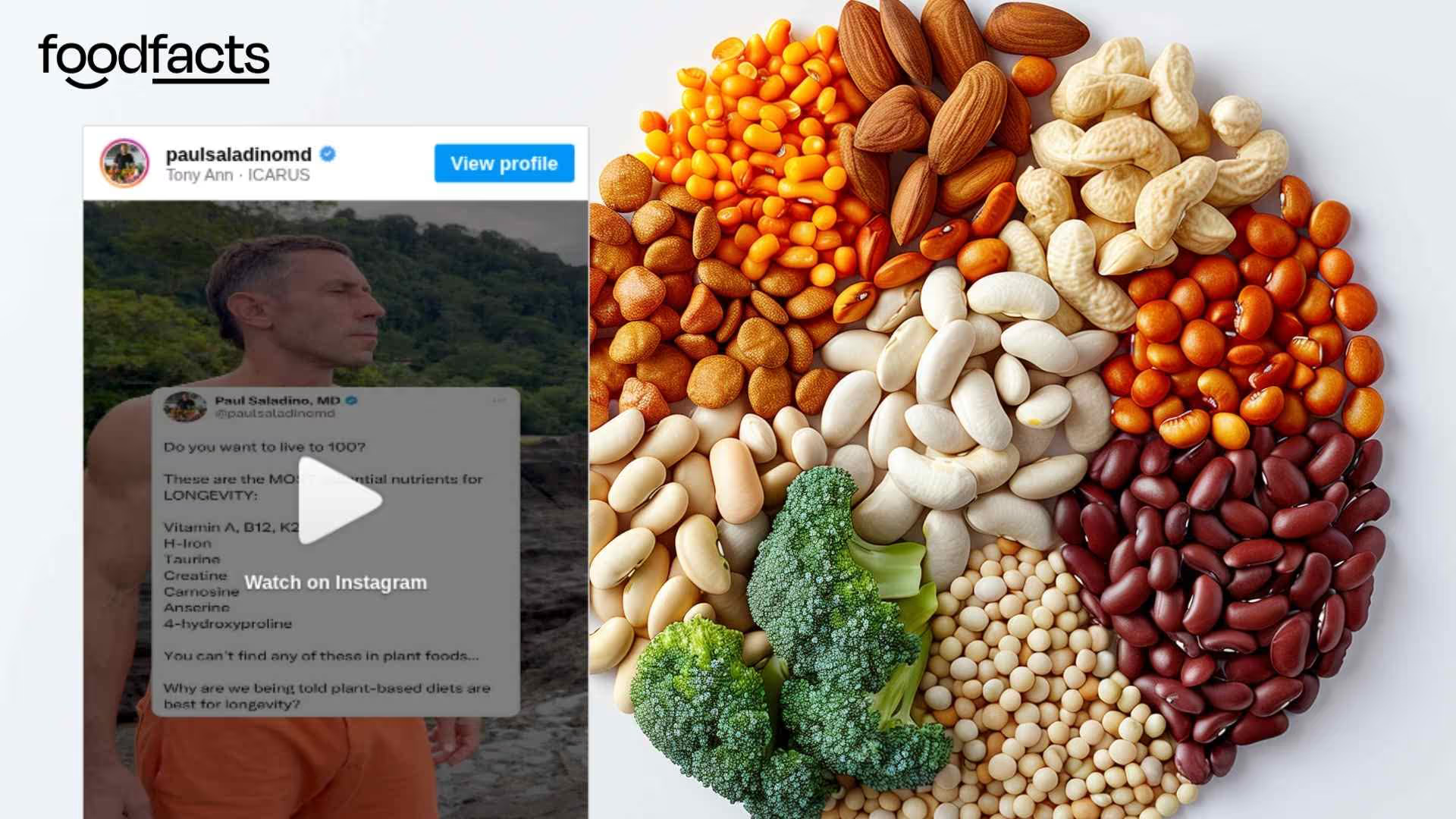

Paul Saladino MD questions plant-based diets for longevity. What does the science say?
3. What the post overlooks
According to Saladino, the most essential nutrients for longevity are Vitamin A, B12 and K2; H-Iron; Taurine; Creatine; Carnosine; Anserine; and 4-hydroxiproline. By focusing solely on this group of nutrients, Saladino’s post leaves out a list of other essential nutrients, minerals and fatty acids which might not be abundant or present in animal-based foods. His list also leaves out the role of dietary fibre, which has recently come to the foreground of nutritional research. Dietary fibre is crucial for gut health, supporting digestion, and reducing the risk of chronic diseases like heart disease and diabetes.
Secondly, the list of nutrients shared by Saladino is predominantly (but not exclusively) found in animal products, particularly organ meats and muscle tissues. These are also the foods which Saladino regularly promotes on his platform. But what is also left out is the important role of balance to support health. The foods which Saladino promotes to support longevity are mostly foods which are also high in saturated fat. It is well understood that a diet high in saturated fats can raise LDL-Cholesterol, increasing risks of heart disease and stroke.
Why do these considerations matter? Many people’s diets are too high in saturated fats, and deficient in fibre. As a result, the general advice to make foods high in saturated fats the foundation of one’s diet without considering individuals’ health backgrounds can be problematic.
Finally, the post ignores the existence of cultures around the world where plant-forward diets are the norm and are positively associated with longevity and good quality of life. The Mediterranean diet is one example.
4. So, can you be on a 100% plant-based diet and meet all nutritional requirements?
Yes, as long as you ensure a reliable source of certain micronutrients such as B12, which can be obtained through supplements and fortified foods. According to Registered Nutritionist Rhiannon Lambert, “certain needs cannot be met by eating plants alone so you may need to consider supplementation and, in particular, vitamin B12, iodine, iron, calcium, and omega-3.” This would ensure getting the health benefits from plants while avoiding deficiencies.
Let’s finish by taking a closer look at the list of nutrients shared by Saladino, which he claims are not found in plant foods:
Vitamin A - Found in the form of beta-carotene (provitamin A), which is converted to active vitamin A in the body. Think “orange foods” like carrots, sweet potatoes, pumpkin or squash. Other rich sources include spinach and other leafy greens.
Vitamin B12 - It is true that B12 is not naturally present in plant foods. It is synthesised by bacteria and found in animal products or fortified foods and supplements. Supplements and fortified foods make it possible to obtain B12 on a plant-based diet.
Vitamin K2 - Found in animal products and fermented foods (e.g., natto, a plant-based food). Sauerkraut is another source. K1 (from plants) can also be converted to K2 in the body, though conversion rates vary.
Heme Iron (H-Iron) - While heme iron is found in animal products, non-heme iron is abundant in plant foods like legumes, tofu, seeds, and leafy greens. Consuming it with vitamin C boosts absorption.
Taurine - Taurine is found in animal products but is not essential, as the body can synthesise it from other amino acids (methionine and cysteine).
Creatine - Creatine is present in animal tissues but is non-essential because the body produces it from amino acids like arginine, glycine, and methionine.Carnosine - Found in animal products but is also non-essential, as the body synthesises it from beta-alanine and histidine.
Anserine - Found in animal tissues. Like carnosine, it is non-essential and not required in the diet.
4-Hydroxyproline - Found in collagen (animal products). The body can synthesise it from proline, which is derived from plant or animal proteins.
While some nutrients listed are predominantly found in animal products, many are non-essential, as the human body can produce them from precursors found in plant foods. The claim that none of these nutrients are in plant foods or that plant-based diets are not good for longevity is misleading. With proper planning and supplementation (e.g., B12), a plant-based diet can support optimal health and longevity.
We have contacted Paul Saladino and are awaiting a response.
Disclaimer:
This fact-check evaluates the claims made in Dr. Saladino’s post based on current evidence in nutritional science and public health guidelines. It does not aim to promote or discredit specific dietary patterns but to provide clarity on the relationship between diet, nutrients, and longevity. Individual dietary needs vary, and it is always advisable to consult with a registered dietitian or healthcare professional for personalised nutritional advice.
2. Why might a plant-based diet support longevity?
After listing several nutrients found in animal products, Saladino asks the question: “why are we being told plant-based diets are best for longevity?” Saladino looks at those nutrients in isolation, but the answer to his question should address the role of the whole diet for overall health and well-being.
Nutritional guidelines are guided by years of research and accumulated data. This is what leads to advice such as that to increase consumption of plants to support better health. For example, meta-analyses offer robust evidence to inform nutritional guidelines, because they combine data from numerous, relevant studies to answer specific questions. In a review published in Critical Reviews in Food Science and Nutrition, researchers examined and summarised a few available meta-analyses looking into the links between nutrition and longevity. The authors found that eating more whole grains, vegetables, fruits, nuts, and coffee was associated with living longer, while a high intake of red and processed meat was related to an increased risk of early death. Following eating patterns like the Mediterranean diet also lowers this risk.
In her book, The Science of Plant-Based Nutrition, Registered Nutritionist Rhiannon Lambert looks at the research surrounding plant-based nutrition. She summarises the benefits as follows:
- Reduced Risk of Heart Disease
- Reduced Diabetes Risk
- Lower Rates of Obesity
- Better Gut Health
These benefits mainly stem from an increased intake of fibre, combined with a reduced consumption of saturated fat. Together, the above benefits can contribute to an increased life span, although other important factors such as healthcare access, genetics and environment also come into play.
1. What even is a plant-based diet?
Before looking in more detail at the nutritional benefits of plant-based diets, we need to be clear on what a plant-based diet actually means. Within the health context, plant-based means, as Rhiannon Lambert puts it, that plants are “the heroes” in your diet. For some people, this will translate into a diet that is 100% free from animal products. But for others, this means that plants are the foundation of their diet. Building up on that foundation, and in order to meet all nutritional needs, there exists a variety of options, including incorporating a small amount of animal products.
Why is this important? Because this definition makes a distinction between rules and guidelines. By focusing on guidelines, we can acknowledge that what suits an individual might not suit another. And it is an especially important distinction to make for people giving advice on social media, that is to say general advice to the general population, without any prior knowledge of individuals’ backgrounds, needs or preferences.
No one should be saying one diet is best for longevity. The best diet that’s best for longevity is whatever works for that individual. Some people are vegan, some are vegetarian for religious reasons, there are medical conditions, there’s the rising cost of living which means some people can’t afford to eat in certain ways, so this type of messaging is generally unhelpful. Not only is it nutritionally incorrect, because nutrients don’t work by picking them apart, it’s unhelpful public health messaging.
The quality of the overall diet is also a factor. Fibre is well researched for health and longevity and to discredit a diet that promotes more vegetables and fibre doesn't add up.
The point of this fact-check isn’t to defend one diet over another. It is to address the broader messaging which is used to frame a lot of nutrition advice online. Understanding these issues can make a big difference in navigating nutrition information online.
In a video posted on Instagram on 22 November 2024, Dr Paul Saladino questions the validity of the advice that plant-based diets might better support longevity. Instead, he claims that animal-based foods are the best source of the most essential nutrients for longevity. This fact-check will break down the claims made in Saladino’s post, and analyse them against the balance of available evidence on nutrition and healthy ageing.
This type of messaging can undermine trust in well-established nutritional guidelines that emphasise the benefits of a diverse, balanced diet. By focusing solely on a group of nutrients, Saladino’s argument overlooks the importance of plant-based foods in promoting longevity, particularly their role in providing dietary fibre and reducing the risks of chronic diseases like heart disease and diabetes.
Where do nutritional guidelines come from? What are they based on? These are important questions which are regularly raised on social media. Read on to get the bigger picture of the links between your food choices, overall health and longevity.

The Glucose Goddess on coffee, milk, and blood sugar levels
Final Take Away
The bottom line is that there is no one-size-fits-all answer to the question: how should you drink your coffee? Perhaps one thing that stands out when talking to experts is that we should keep in mind long-term health outcomes when discussing issues related to how different foods impact our health. This might help prevent unhealthy attitudes towards food, which can get us to lose sight of the big picture and potentially be detrimental to mental health.
The underlying question that we should address when we evaluate claims about food products and their impact on glucose levels, particularly when we’re talking about minimal intake (i.e. a splash of milk in coffee) is this: for people without diabetes, are glucose spikes a relevant concern when enjoying a cup of coffee? Dr Nicola Guess, a Registered Dietician with a PhD in the dietary management of pre diabetes, addresses this type of question in her blog:
“Even though [Glycaemic Variability] GV can be extremely high in diabetes, it’s still not 100% clear that GV per se is causal in terms of diabetes-related complications. However, there’s a good chance it might be in some way - and quite rightly a lot of research is being carried out to understand this. By contrast, there is no data I am aware of (maybe there is and I just haven’t see it though!) that GV per se is relevant to any health outcome in people without diabetes.”
We have contacted Jessie Inchauspé and are awaiting a response.
So, while adding oat or rice milk to your coffee might lead to larger increases in blood sugar than cow’s milk or unsweetened nut milks, some nuance is needed. It is worth remembering that the quality of diet as a whole should be at the forefront of discussions around food and overall health. Ultimately, personal preferences and dietary requirements might guide your decision here, as issues such as sensitivities, allergies and environmental or ethical concerns might also come into play. Beyond its creamy texture, one reason why oat milk has gained in popularity is its environmental benefits when compared with dairy options.
3. Coffee Timing and Glucose Levels
Finally, Jessie advises to wait until after breakfast to enjoy a cup of coffee to help with glucose levels. This might well be true, but is there evidence to support this?
Let's break down the different tips Jessie shares in this post:
1. Black Coffee and Sugar
The video correctly states that black coffee can be enjoyed as part of a healthy diet. Coffee has several health-enhancing properties. For example, it is rich in polyphenols, a type of antioxidant, and can help to diversify your gut microbiome. However, it’s true that added sugar increases calorie intake, so reducing your consumption is advised. This is particularly relevant in the context of regular coffee consumption, and broadly speaking in the context of Western diets where sugar consumption tends to be too high.
2. Milk Choices
The post then advises avoiding oat or rice milk in favour of dairy milk or unsweetened nut milks. As Jessie states that the choice of milk is “super important,” the underlying assumption is that coffee habits might significantly and negatively impact blood sugar levels and overall health. Before going into the different properties of each milk option, it might be worth pausing to ask the following question: is this a relevant, serious concern? Registered Nutritionist Hazel Long helps us to unpack this information and more importantly, what it means for us as consumers:
It is correct that both oat and rice milk are higher in carbohydrate per 100ml than dairy milk and unsweetened almond milk, and lower in protein than dairy milk. Therefore we would expect to see a slightly larger increase in blood sugar if someone consumes oat or rice milk, in comparison to dairy or unsweetened almond milk. However this data is not particularly informative for people without diabetes as there is currently no strong evidence that glucose variability as a single measure will have an impact on long term health outcomes. The milk added to coffee is a tiny proportion of someone's overall energy intake, and whilst dairy is a nutrient rich option there are plenty of unsweetened plant based milks that provide a suitable alternative and can be fortified with important nutrients for those who choose not to eat dairy.
Coffee timing in relation to blood glucose is not well researched. At present there is no long term data that suggests coffee before breakfast has an impact on long term health outcomes. People do respond differently to caffeine consumption so it is worth considering how it makes you feel.
Spot Absolutes: Claims using “always” or “never” are red flags. Health and nutrition are nuanced, not black-and-white.
Jessie Inchauspé, aka the Glucose Goddess, posted an Instagram video on October 23rd, in which she shares several tips for coffee consumption. She suggests that timing of coffee consumption and milk choice are two significant factors to help with glucose levels.
Avoiding added sugar in daily drinks aligns with evidence-based practices. However, there are no significant health concerns in the general population associated with specific milk choices or with the consumption of coffee before breakfast.
Coffee is a very popular drink, enjoyed frequently and socially by millions of people around the world. It’s important to understand the basis of recommendations to avoid or favour certain products, particularly when those choices might affect one’s daily habits. This step might help to guard against developing unhealthy attitudes towards eating and drinking.

Laser-weeding: a game-changing technology for sustainable farming
As the world’s population grows, farmers face an urgent need to boost crop yields while protecting the environment. Traditional weed control methods rely heavily on herbicides and manual labor, which can harm both the ecosystem and farmers’ bottom lines. Enter the LaserWeeder by Carbon Robotics—an innovative laser-weeding technology that uses advanced AI and laser systems to autonomously target and eliminate weeds. This breakthrough promises not only to cut costs and labor but also to improve soil health, making it a game-changer for sustainable agriculture.
How the LaserWeeder Works: Precision Weeding with AI
Developed by Seattle-based Carbon Robotics, the LaserWeeder is an autonomous machine equipped with CO₂ lasers and high-resolution cameras. The device uses computer vision and artificial intelligence to scan crops in real time, identifying and targeting weeds with precision. Thermal energy from the lasers eliminates the weeds without disturbing the surrounding crops or soil, addressing one of the biggest challenges in farming: controlling weeds without damaging soil health.
Capable of eradicating up to 100,000 weeds per hour (or about 28 weeds per second), the LaserWeeder operates day or night and in all weather conditions. For farmers, this automated weeding solution means fewer chemical inputs, lower labor needs, and improved soil quality—all essential for sustainable farming.
Environmental and Economic Benefits of Laser Weeding
The environmental impact of traditional herbicides is well-documented. These chemicals not only harm beneficial insects and wildlife but can also degrade soil microbiota, reducing the land’s long-term productivity. By contrast, the LaserWeeder eliminates the need for chemical herbicides, making it an eco-friendly alternative. “We’re helping farmers reduce their herbicide use and lower their environmental footprint,” said Paul Mikesell, CEO of Carbon Robotics .
On top of the environmental advantages, the LaserWeeder offers significant cost savings. Carbon Robotics estimates that farmers can save up to 80% on weeding expenses, with an average return on investment (ROI) in two to three years. This reduction in costs comes at a time when labor shortages are impacting farms nationwide, making it difficult for farmers to maintain traditional weeding practices. By reducing reliance on labor, the LaserWeeder addresses both financial and logistical issues faced by today’s farmers .
Precision Weeding: The Key to Healthier Soil and Higher Yields
Traditional weeding methods—whether herbicidal, mechanical, or manual—often compromise soil health. Herbicides can contaminate crops and ecosystems, while mechanical tilling disrupts soil structure, leading to erosion. The LaserWeeder’s precision-targeted lasers solve this problem by focusing only on weeds, leaving the soil and crops untouched. This approach promotes healthier root development, which can boost yields and improve the nutritional quality of the crops.
“With the LaserWeeder, we are able to get precision, reliability, and cost-effectiveness in a way that wasn’t possible before,” says Jeff Morrison, Director of Innovation at Grimmway Farms. This innovative approach is particularly beneficial for organic farms that avoid synthetic herbicides and have few other options for weed control.
Ideal for Both Organic and Conventional Farming
While organic farmers stand to benefit most from the LaserWeeder’s herbicide-free approach, conventional farmers are also turning to this technology to address herbicide-resistant weeds. Labor shortages further compound the challenge, making automation a critical asset. Josh Roberts, president and GM of Triangle Farms, shared that “the LaserWeeder automates one of the most demanding tasks on the farm: weeding” .
The LaserWeeder is highly adaptable and can be easily integrated into existing farm setups. It attaches to a standard tractor and can cover up to two acres per hour, making it versatile for various crop types and row widths. This flexibility allows farmers to adjust for different crops quickly, maximizing efficiency and minimizing downtime .
Transforming the Agricultural Industry with Sustainable Innovation
The LaserWeeder has attracted significant attention and demand from major vegetable growers across the U.S., including farms like Grimmway Farms, Triangle Farms, and Terranova Ranch. With many reporting reduced costs and improved crop health, the technology is poised to become a staple in modern, sustainable agriculture. “We’ve hit upon lasers as the solution,” explains Mikesell, noting that “the strong demand for LaserWeeders shows we’re helping farmers solve a serious problem” .
As Carbon Robotics scales up production to meet demand, the company plans to expand beyond North America, introducing laser-weeding to a broader global market. With continued advancements in AI technology and laser precision, the LaserWeeder promises to play a central role in making farming more efficient and eco-friendly.
A Sustainable Future Starts Now
The LaserWeeder by Carbon Robotics is more than just a tool; it symbolizes a shift toward sustainable farming practices. By reducing the need for chemicals and labor, this technology offers a pathway to more resilient food production systems. For farmers, it means immediate savings and long-term soil health—two critical factors for the future of agriculture. As we seek solutions to balance productivity with environmental stewardship, the LaserWeeder represents a hopeful step forward.
Latest fact-checks, guides & opinion pieces












.svg)

