
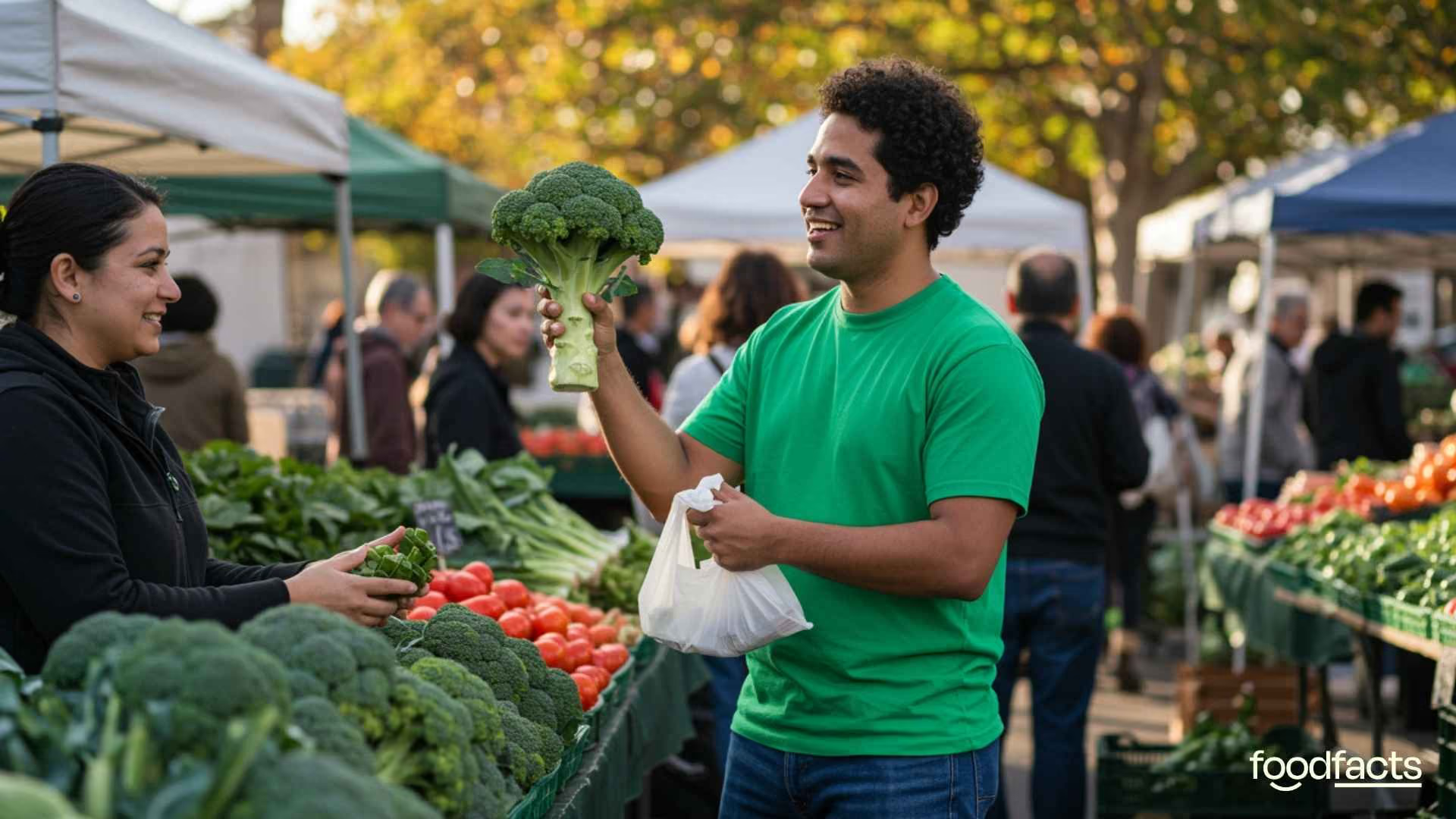




Should you eat broccoli stalks? Why throwing them away means wasting money and nutrition




Each year, around 119,000 tonnes of broccoli are lost or wasted in the United States alone. Globally, an estimated 60 to 75 percent of broccoli production is discarded as waste during harvesting, with much of this coming from the parts of the vegetable we've been conditioned to overlook. In New Zealand, over 2,500 tonnes of broccoli stalks and leaves are thrown away annually. With 37 percent of people admitting they throw away broccoli stalks, we're not just wasting food—we're discarding nutrition, money, and squandering precious environmental resources.
The question isn't whether broccoli stalks are edible. They absolutely are. The real question is: why have we been throwing away such a valuable part of this vegetable for so long?
The hidden proportion: how much broccoli are we really wasting?
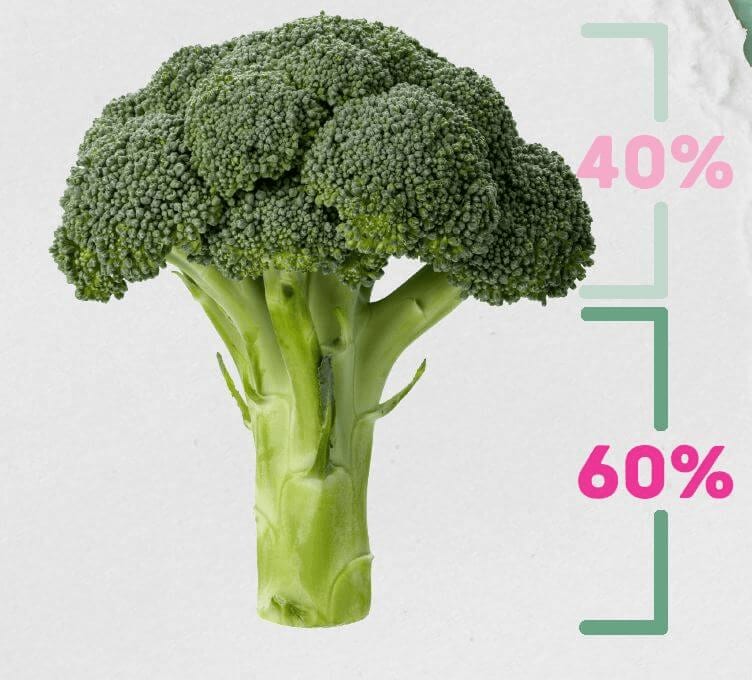
When you pick up a head of broccoli at the supermarket, you might be surprised to learn just how much of what you're paying for ends up in the bin. In practical terms, the stalk can account for around 60% of the weight of the broccoli you purchase. This means that when you throw away the stalk, you're discarding nearly two-thirds of the vegetable you've just paid for.
Nutritional treasure hiding in plain sight
Perhaps the most compelling argument for eating broccoli stalks is what they contain. Far from being nutritionally inferior to the florets, broccoli stems hold their own—and in some cases, exceed—the nutritional value of their more celebrated counterparts.
Broccoli stalks contain comparable levels of calcium, magnesium, phosphorus, potassium, manganese, and B vitamins to the florets. A portion of broccoli stalk provides 52 milligrams of vitamin C—more than half the daily recommended intake for most adults—along with significant amounts of vitamin A, folate, iron, and fiber. One portion of cooked medium stalk delivers 22 percent of your daily folate requirement, 9 percent of your daily fiber requirement, 5 percent of potassium, 7 percent of vitamin A, and an impressive 94 percent of vitamin K.
The fiber content is particularly noteworthy. Broccoli stems are rich in insoluble fiber, which supports digestive health, helps regulate blood sugar levels, and promotes satiety. Some sources indicate that broccoli leaves actually contain a higher concentration of certain nutrients, particularly fiber, compared to the florets.
Research comparing different parts of the broccoli plant found that while florets contain higher levels of certain glucosinolates (the compounds linked to broccoli's anti-cancer properties), stems have their own advantages. Broccoli stems contain about 10 to 20 times more glucoerucin than floret tissue, and the stems can even contain slightly more calcium, iron, and vitamin C than florets.
The nutritional profile is remarkably similar overall. The stems provide protein, vitamins, minerals, and beneficial plant compounds—essentially all the good stuff you're eating broccoli for in the first place. The main difference lies in texture rather than nutrition, and that's easily addressed with proper preparation.//

The environmental cost of throwing food away
To understand why eating broccoli stalks matters, we need to look at the broader environmental picture. Food waste has emerged as one of the most pressing environmental challenges of our time, with far-reaching consequences that extend well beyond overflowing bins.
Globally, food loss and waste account for 8 to 10 percent of annual greenhouse gas emissions—nearly five times the total emissions from the aviation sector. If food waste were a country, it would rank as the third-largest emitter of greenhouse gases, after only China and the United States. In the United States alone, surplus food generates the same amount of greenhouse gas emissions as driving 54 million cars annually.
When food ends up in landfills, it decomposes anaerobically—without oxygen—producing methane, a greenhouse gas that is significantly more potent than carbon dioxide in the short term. Food waste in US landfills produces nearly three million metric tons of methane each year, representing 10 percent of the country's total annual methane emissions.
The environmental burden extends beyond emissions. Food production requires enormous inputs of land, water, energy, and fertilizer. When we waste food, we waste all of those resources too. Food waste uses up almost a third of the world's agricultural land and accounts for about 16 percent of the environmental impacts of the EU food system, including 16 percent of CO₂ emissions, 12 percent of water use, and 16 percent of land use.
For broccoli specifically, every discarded stem means squandered irrigation water, wasted agricultural inputs including fertilizers and pesticides, and unnecessary carbon emissions from cultivation, transportation, and disposal. The 119,000 tonnes of broccoli wasted annually in the US alone represents a massive environmental cost that could be significantly reduced if we simply ate more of what we're already growing.
The next time you consume broccoli, consider including the stems as well as the florets. It is a common misconception that broccoli stalks are inedible; in fact, they are highly nutritious and contain vitamins, fibre, and antioxidants. Incorporating the stems into meals is an effective way to reduce food waste while maximising the vegetable’s nutritional value. - Aenya Greene, foodfacts.org Dietician
From rubbish bin to dinner plate: how to eat broccoli stalks
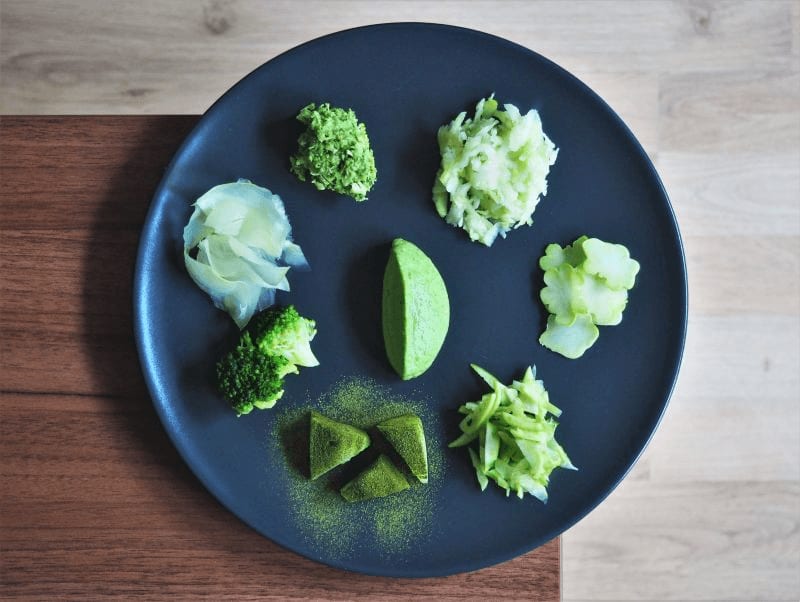
The good news is that incorporating broccoli stalks into your cooking is remarkably simple. The key is understanding how to prepare them properly to achieve the tender, delicious texture they're capable of.
How to prepare broccoli
The outer layer of broccoli stems can be tough and fibrous, which is likely why many people assume the entire stalk is inedible. However, once you peel away this outer skin—which comes off surprisingly easily—you'll discover a tender, mild-tasting core that's similar in texture to the heart of a cabbage stem or kohlrabi.
To prepare broccoli stalks, start by cutting off the florets where they meet the main stem. Trim about an inch from the bottom of the stalk, and use this cut to begin peeling back the thick outer skin with a sharp knife or vegetable peeler. The skin peels away almost by itself once you get started. Peel all the way up the stalk until you reach the point where it becomes more tender.
Once peeled, the possibilities are endless.
How to cook broccoli
Broccoli stalks are incredibly versatile and can be prepared using virtually any cooking method:
Stir-frying: Cut the peeled stalks into thin slices or matchsticks and stir-fry them with garlic, ginger, soy sauce, and sesame oil. They cook quickly and develop a pleasant, slightly sweet flavor.
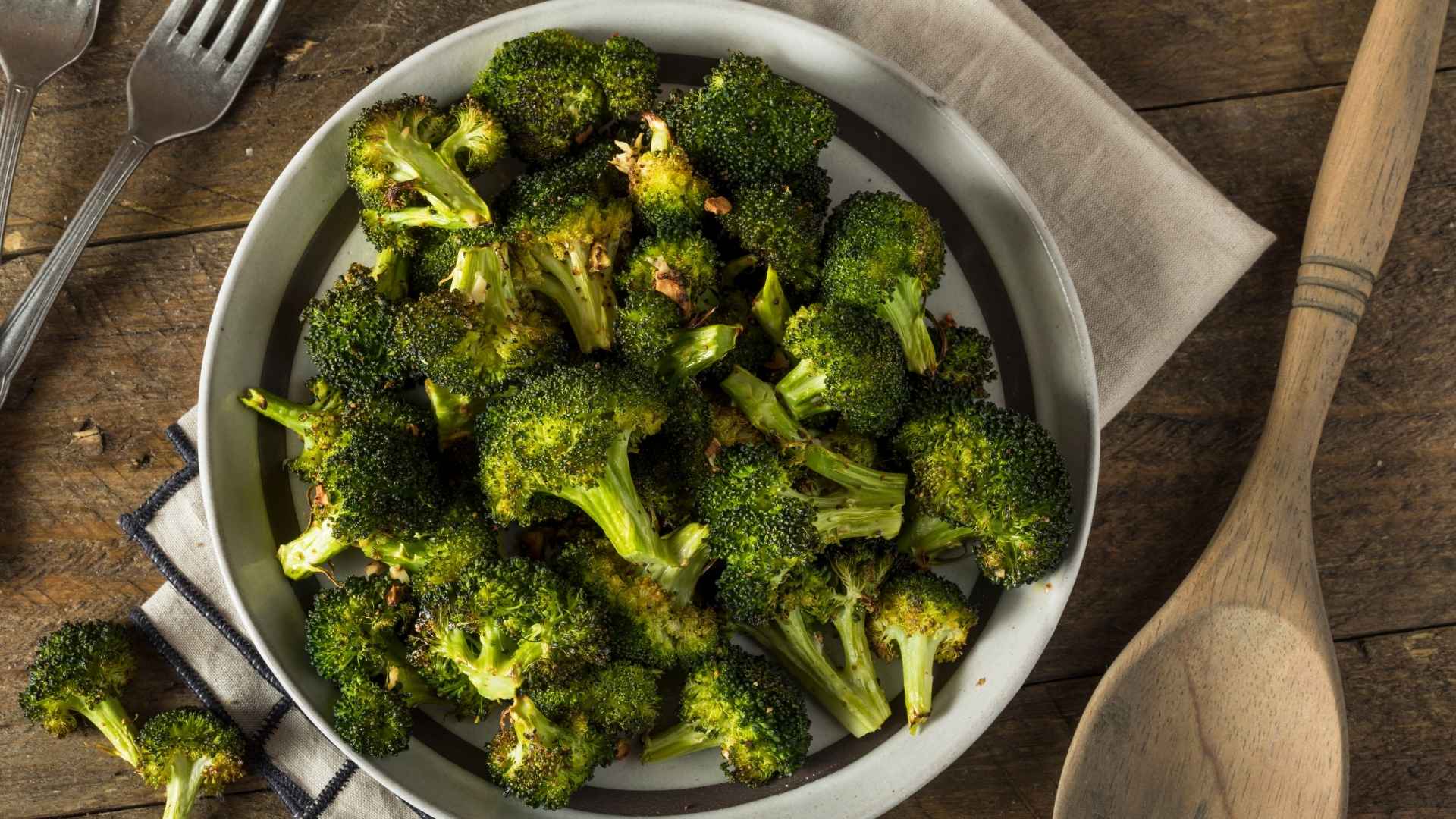
Roasting: Slice stalks into rounds or sticks, toss with olive oil and seasoning, and roast at high temperature (around 200°C/400°F) until tender and slightly caramelized at the edges. The roasting brings out natural sweetness and creates delicious crispy edges.
Steaming and boiling: Place sliced stalks in the bottom of a pot with water, then place the florets on top. Both parts finish cooking at the same time.
Air frying: Peel and cut stalks into fry-shaped pieces, season with garlic powder and salt, and air fry at 200°C/400°F for 15 to 20 minutes until golden and crispy. Serve with your favorite dipping sauce for a healthy snack.
Raw applications: Finely julienne or shred peeled stalks to add to slaws, salads, or vegetable platters. The texture is crisp and refreshing, with a mild, slightly sweet taste.
Soups and purées: Chop stalks and add them to soups, stews, or blend them into purées for pasta sauces. Broccoli stalk soup is a classic way to use the whole vegetable.
The flavor is milder and slightly sweeter than the florets, making stalks an excellent addition to dishes where you want broccoli's nutritional benefits without an overpowering taste.
Beyond broccoli: rethinking what we throw away
The conversation about broccoli stalks is really a conversation about something much larger: our relationship with food waste and the arbitrary decisions we've made about what's "edible" and what's "waste."
Researchers examining discarded food have found that between 52 and 71 percent of total food thrown away is actually edible. We discard carrot tops, celery leaves, cauliflower stems, chard stalks, and countless other nutritious plant parts simply out of habit or lack of knowledge. This root-to-stem approach to cooking recognizes that many of the parts we throw away contain equal or greater nutrition than the parts we eat, and that using the whole vegetable reduces waste, saves money, and adds variety to our diets.
A simple change with meaningful impact
Should you eat broccoli stalks? The evidence overwhelmingly says yes. They're nutritious, delicious when properly prepared, and throwing them away wastes food, money, and environmental resources at a time when we can afford to waste none of these things.
When 37 percent of people throw away broccoli stalks, that represents a collective opportunity for change. The next time you're preparing broccoli, consider pausing before you toss that stem. Peel it, slice it, cook it alongside the florets. Share what you learn with others who might not know that broccoli stalks are edible.
Food waste is a complex global challenge, but eating broccoli stalks is a simple, concrete action that addresses it. It's a small step that acknowledges the true value of our food—not just the parts we've been taught to eat, but all the nutritious, flavorful parts that deserve a place on our plates rather than in our bins.

Independent fact-checking, funded by readers like you.
Misinformation is a growing threat to our health and planet. At foodfacts.org, we're dedicated to exposing the truth behind misleading food narratives. But we can't do it without your support.
Sources:
- Berndtsson E, Andersson R, Johansson E, Olsson ME. Side Streams of Broccoli Leaves: A Climate Smart and Healthy Food Ingredient. Int J Environ Res Public Health. 2020 Apr 1;17(7):2406. doi: 10.3390/ijerph17072406. PMID: 32244813; PMCID: PMC7178181.
- Biocycle (25 February 2020). Is This Edible?
- Eat This Much. Broccoli. Cooked, boiled, drained, without salt.
- EUFIC (30 August 2024). Food waste in Europe: statistics and facts about the problem
- LeaderBrand (22 June 2023). BROCCOLI STALKS ARE GOING TO WASTE!
- Liu M, Zhang L, Ser SL, Cumming JR, Ku KM. Comparative Phytonutrient Analysis of Broccoli By-Products: The Potentials for Broccoli By-Product Utilization. Molecules. 2018 Apr 13;23(4):900. doi: 10.3390/molecules23040900. PMID: 29652847; PMCID: PMC6017511.
- LoveFoodHateWaste NZ. Why you should be a broccoli stalker
- Moreno, L. C., Tran, T., & Potts, M. D. (2020). Consider a broccoli stalk: How the concept of edibility influences quantification of household food waste. Journal of Environmental Management, 256, 109977. https://doi.org/10.1016/j.jenvman.2019.109977
- ReFED (February 2025). From surplus to solutions: 2025 ReFED U.S. Food Waste Report
- Shinali TS, Zhang Y, Altaf M, Nsabiyeze A, Han Z, Shi S, Shang N. The Valorization of Wastes and Byproducts from Cruciferous Vegetables: A Review on the Potential Utilization of Cabbage, Cauliflower, and Broccoli Byproducts. Foods. 2024 Apr 11;13(8):1163. doi: 10.3390/foods13081163. PMID: 38672834; PMCID: PMC11049176.
- United Nations Climate Change (30 September 2024). Food loss and waste account for 8-10% of annual global greenhouse gas emissions; cost USD 1 trillion annually
- University Hospitals. Nutrition Facts. Broccoli, stalks, raw, 1 stalk




foodfacts.org is an independent non-profit fact-checking platform dedicated to exposing misinformation in the food industry. We provide transparent, science-based insights on nutrition, health, and environmental impacts, empowering consumers to make informed choices for a healthier society and planet.






.svg)


.svg)

