Researcher & Fact-Checker (Volunteer)

Isabella Dos Santos Tobón

Isabella holds a BSc in Nutrition and Dietetics and is currently undertaking a Nutrition & Menopause certification.

Isabella holds a BSc in Nutrition and Dietetics and an MSc in Management. Professionally, she has worked in the development sector, in international programmes related to nutrition, gender equality, and women’s empowerment. Alongside her current work, she has been increasingly exploring the intersection of (peri)menopause and nutrition. She is currently undertaking a Nutrition & Menopause certification.

Articles featuring  

Isabella Dos Santos Tobón

FACT CHECK
Opinion
Health

Do tomatoes, bread, and ginger turn toxic in the fridge?

Fridge storage can change food quality, but tomatoes, bread, and ginger do not automatically turn toxic when refrigerated.
FACT CHECK
Opinion
Nutrition

Is coffee really decreasing the amount of magnesium in your body? The nuance behind “anti-nutrients”

Coffee slightly raises magnesium excretion; anti‑nutrients in plants mildly reduce mineral absorption, but prep methods and diet balance limit…
FACT CHECK
Opinion
Politics Of Food

The Netherlands cuts its meat recommendation by 40%: what this signals for food policy across Europe

The Dutch Wheel of Five has been overhauled — less red meat, more plant-based foods, and sustainability built into official dietary advice for the first...
FACT CHECK
Opinion
Health

Are hemp, flax and chia seeds causing “major disruptions in hormones”?

Flax, chia and hemp seeds contain phytoestrogens — but evidence suggests they don't disrupt hormones and may support long-term health for most people.
No items found.
FACT CHECK
Opinion
Nutrition

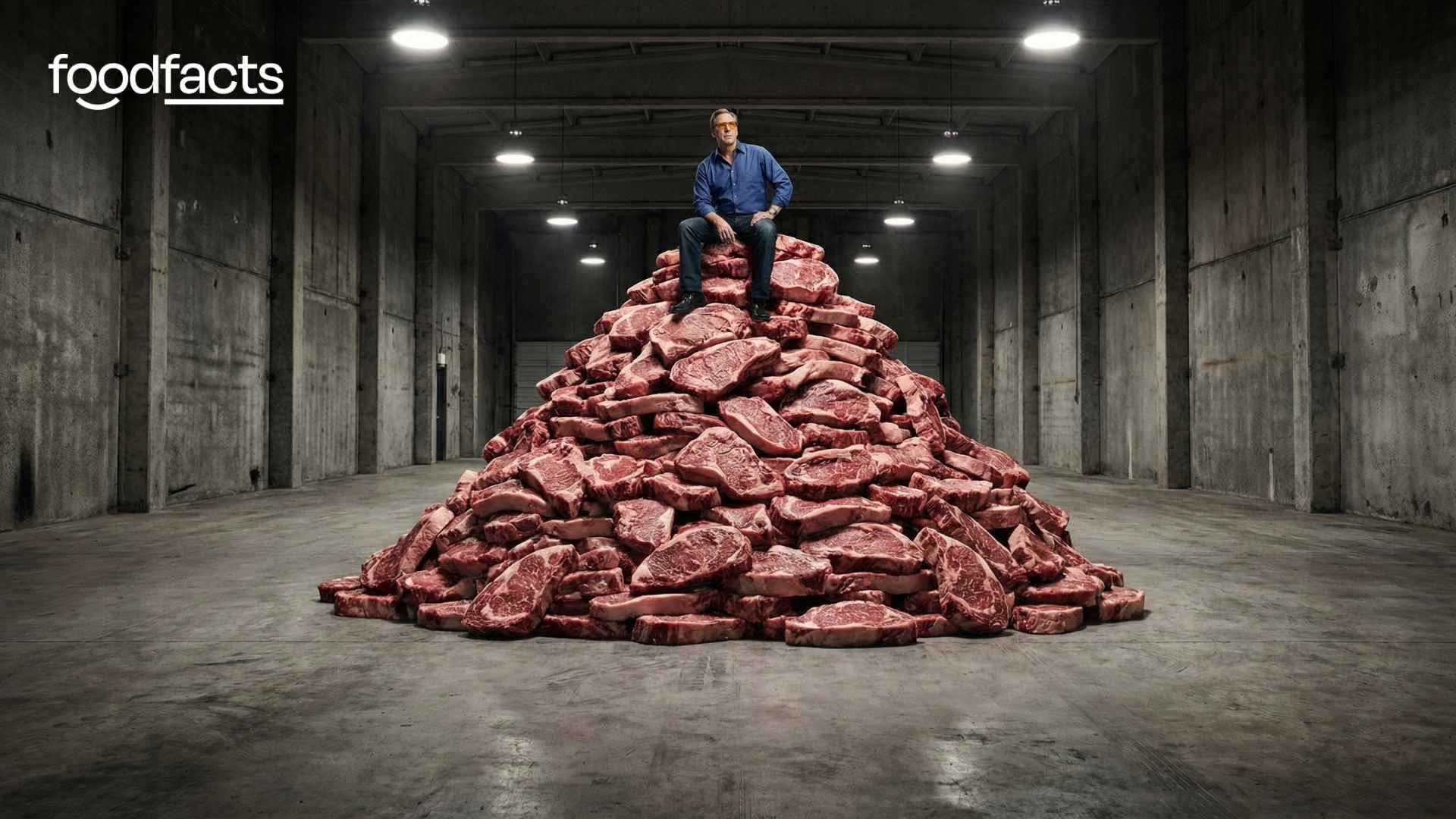
Why the Dave Asprey "Meat Pyramid” presents a misleading picture

Is Dave Asprey's food pyramid scientifically accurate? This fact-check reveals why the Bulletproof founder's meat-heavy dietary visual is misleading.
FACT CHECK
Opinion
Health

Is a “plant heavy” diet preferred for women in perimenopause?

We explore why the evidence suggests that a plant-heavy, minimally processed eating pattern supports overall health during the menopause transition.
No items found.