




Anti-nutrients are real, but the science suggests they're far less harmful than viral posts imply


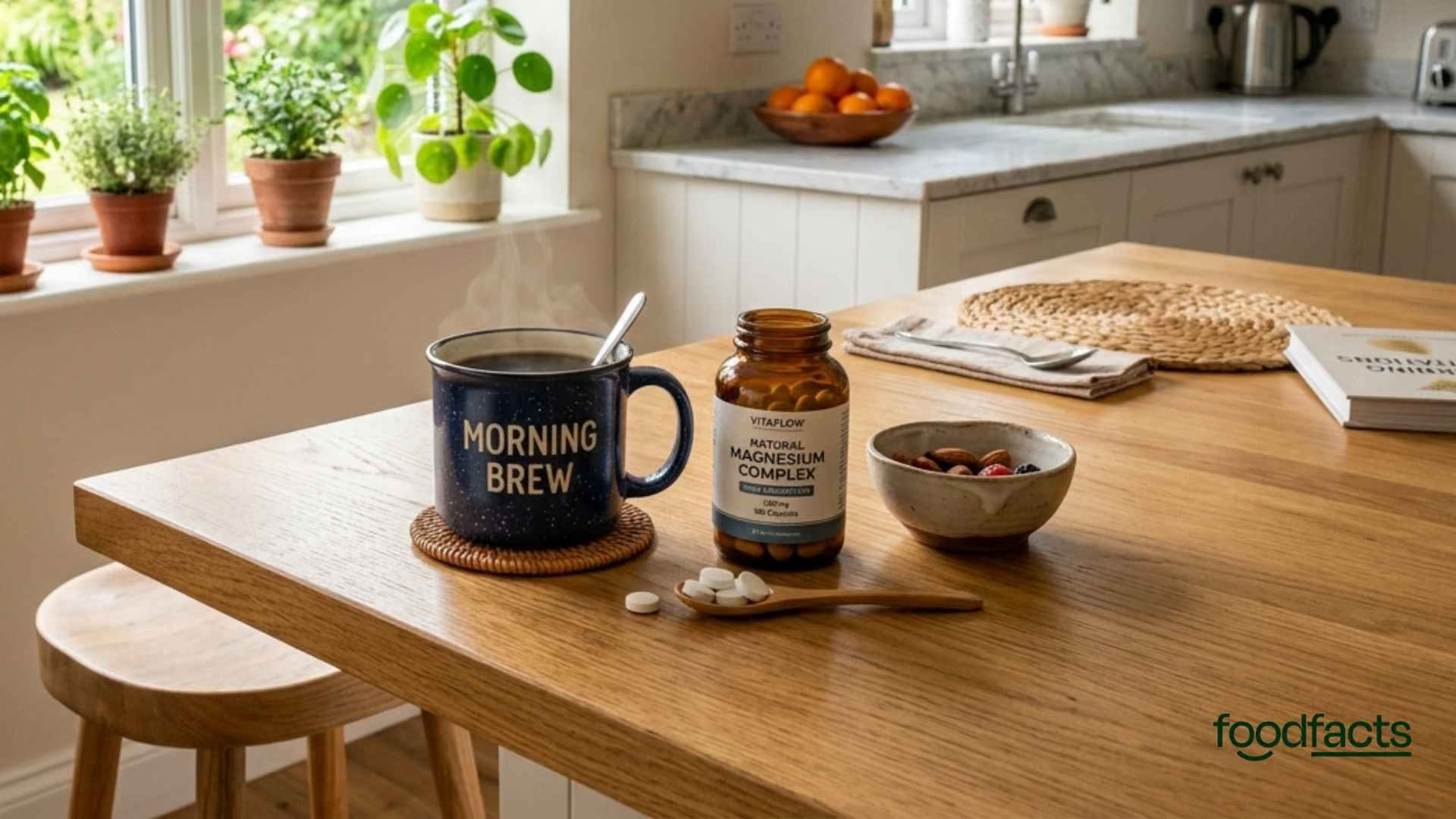
A recent post by Anthony Chaffee on Instagram claims that beans and corn block zinc absorption, that coffee will “strip out” magnesium from the body, and that eating foods that contain goitrogens will cause goitre, a condition where the thyroid gland grows beyond normal levels and impacts health status.
The following article unpacks these claims and shows what the current research says about the consumption of anti-nutrient factors (AKA ‘antinutrients’) and overall eating patterns.



The science shows that some compounds present in plants can reduce the amount of absorption of certain nutrients, but not in the absolute way described in the claim. Though it is true that zinc absorption may be lower when certain anti-nutrient levels are high in a specific meal, that coffee may slightly increase magnesium excretion, and that some goitrogenic foods can interfere with thyroid function in iodine-deficient settings, the actual impact is varied, and depends on the amounts eaten, how the food is prepared, and the health status of each individual. Research has shown that common practices such as soaking, properly cooking and fermenting can help reduce the level of anti-nutrient factors in food.
The post taps into common social media mechanisms where absolutes and overgeneralisation prevail in the narrative, pointing at specific foods and food groups as inherently bad. The claim promotes restrictive eating patterns and can push people toward unnecessary fear of plant foods, coffee, and entire food groups. It also risks confusing readers about real nutrient needs, especially around zinc and iodine, where the actual issue is usually overall dietary pattern, food preparation, and nutrient adequacy rather than avoiding foods that contain “anti-nutrients”.


Be sceptical of social media claims that use absolute terms and figures to back their argument, especially if the sources are not properly disclosed. Nutrition science is usually more nuanced, and it is rooted in overall eating patterns, as opposed to demonising specific foods or food groups.
Some context on anti-nutrients
If asked to say the first thing that comes into mind when hearing the word “nutrients”, you might think about iron, protein, magnesium, zinc or certain vitamins…,which would all be correct. What about “anti-nutrients”?
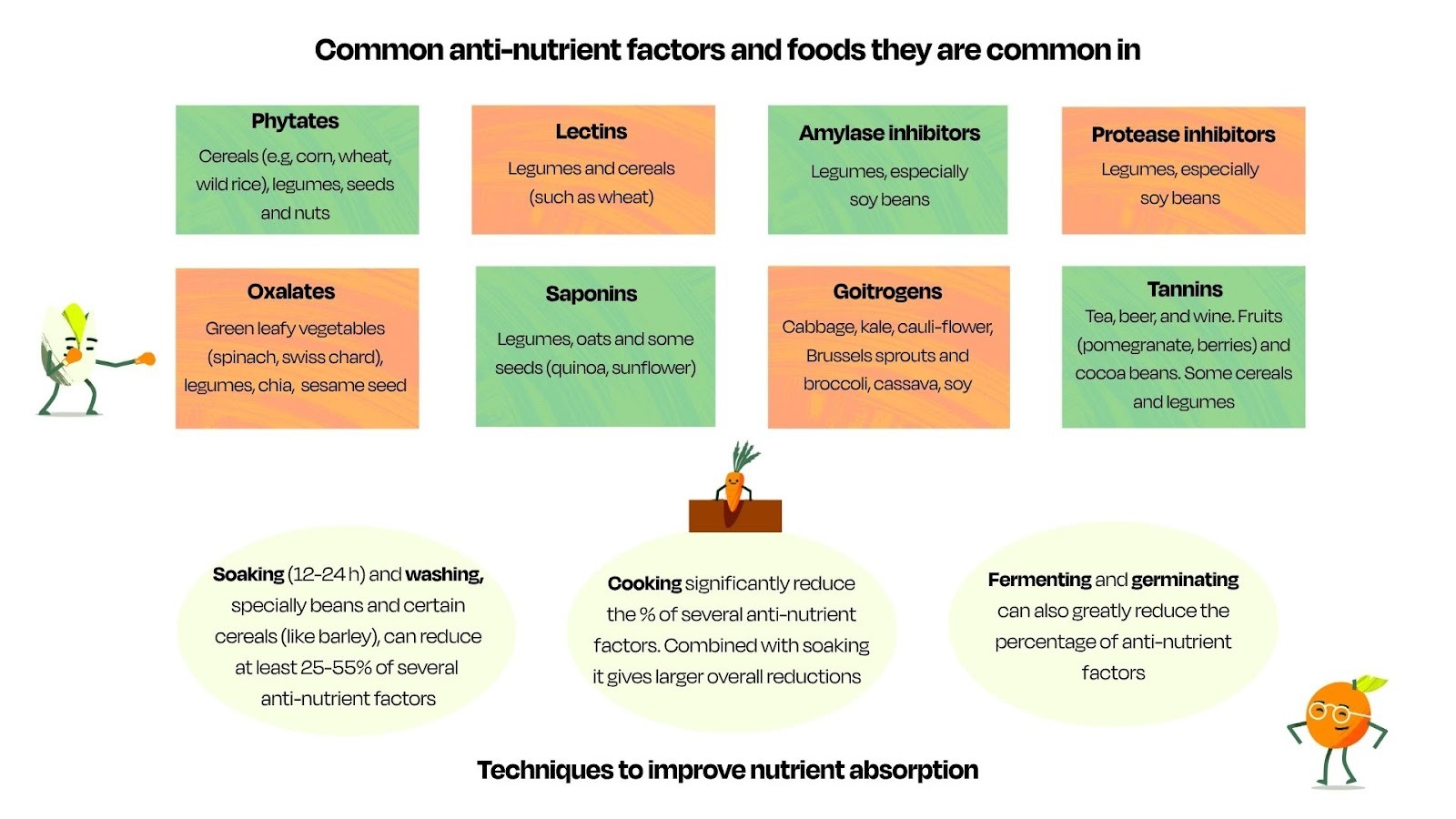
Anti-nutrient factors (or sometimes referred to as “anti-nutrients”) is a term that has been used to refer to certain natural components present mainly in legumes and cereals (among other plants) which, in some cases, can interfere with the absorption of essential nutrients (source). Common anti-nutrient factors include phytic acid (phytates), oxalates, goitrogens, lectins, tannins and saponins, which may bind to minerals such as iron, calcium, magnesium and zinc, or affect the digestibility of proteins, thereby limiting their absorption in the digestive tract. However, the impact of these compounds depends on their concentration, the food matrix, and how the food is processed; soaking, milling, roasting, cooking, germination and fermentation all significantly reduce the anti-nutrient levels and mitigate negative effects (source; source).
Important nuance:
Some anti-nutrient factors like tannins, phytates and saponins have also been linked to antioxidant and anti-inflammatory properties, potentially protecting against oxidative stress and certain diseases. These benefits highlight the importance of not demonising specific foods, but rather ensuring that the emphasis is on healthy eating patterns, with optimal food preparations, and adequate for each person’s needs and health status (source).
Claim 1: “Studies have shown that corn and corn products will block out 100% of zinc absorption and beans will block out 75 to 100% of zinc absorption”
Fact-check: This claim is exaggerated. Current studies show partial, not total, effects in absorption.
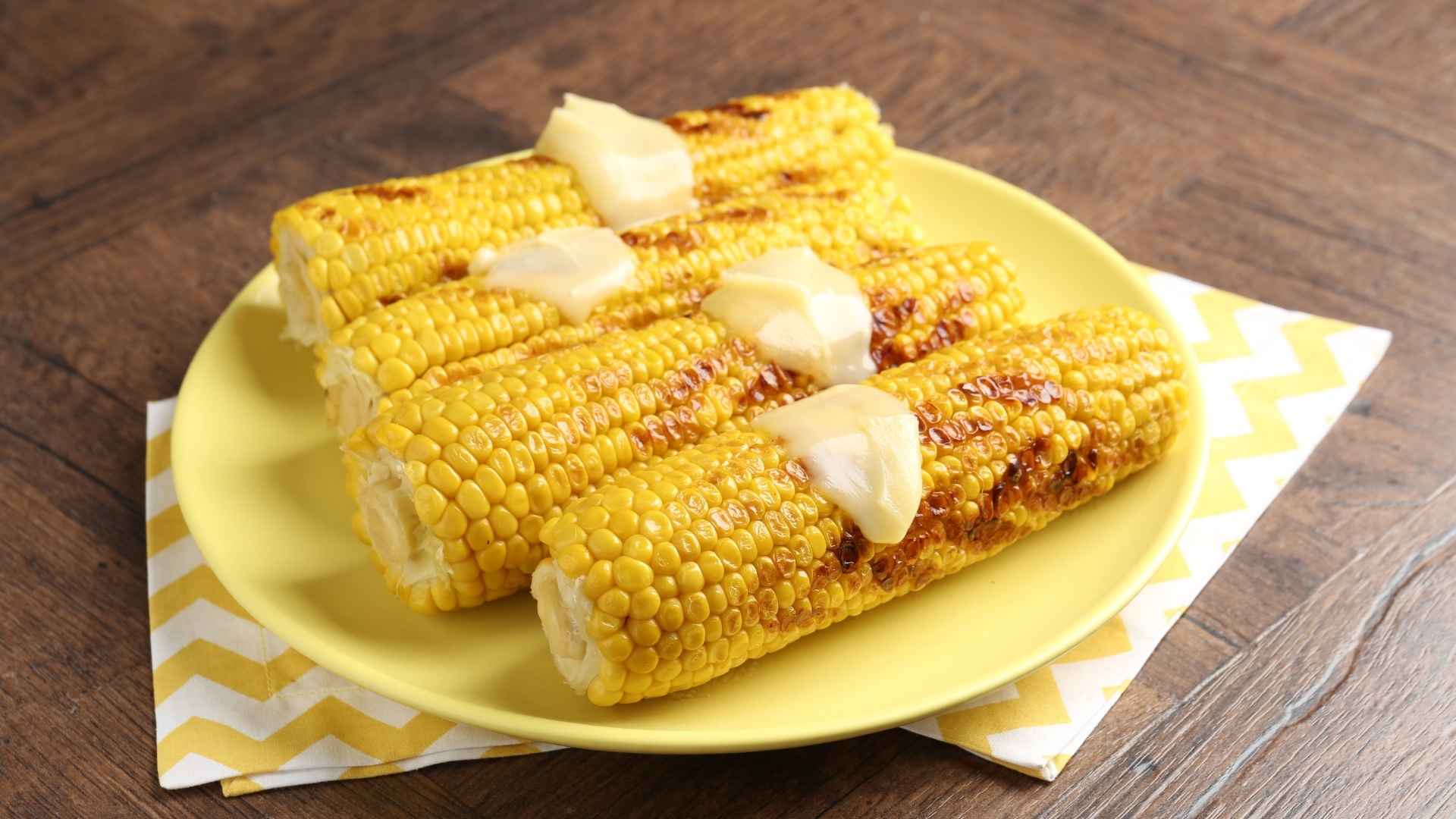
The claim that corn and beans block 75-100% of zinc absorption is not strongly supported by current research. While it is true that beans contain some anti-nutrient factors like phytates and lectins that can inhibit mineral absorption, the extent of this effect varies and is generally less absolute than stated.
Phytates and lectins, like other anti-nutrient factors, are heavily affected by soaking and cooking. When properly soaked and/or cooked, and eaten in moderate amounts, they present little concern for most people and are very unlikely to completely block mineral absorption, especially when included within a varied and balanced diet (source).
Who should be extra aware?
Some people, including those who have had gastrointestinal disorders, are pregnant or lactating, people who follow a vegetarian/vegan diet, or those with other relevant medical conditions, may have lower levels of zinc. In these instances, it is especially important to follow certain food preparation techniques, such as soaking and properly cooking, to reduce the binding activity of zinc by phytates (source), and seek personalised advice from a health professional, such as a registered nutritionist/dietitian, to prevent any deficiencies.
Canned beans are another healthy, affordable and convenient option. Pairing beans with some vitamin C sources, such as tomato, bell pepper or a dash of lemon may also help to increase zinc absorption, as well as eating fermented foods, such as tempeh and miso (source).
Claim 2: “Antinutrients are blocking out the nutrient absorption (and) if you’re eating antinutrients then you need an over abundance of these nutrients”
Fact-check: Misleading. The effects of anti-nutrient factors are not as absolute as presented.
Anti-nutrient factors may reduce absorption of some minerals and proteins, but they do not typically “block out” absorption completely, especially within a varied and balanced diet. The idea that anyone eating plants therefore “needs an overabundance” of nutrients is an oversimplification.
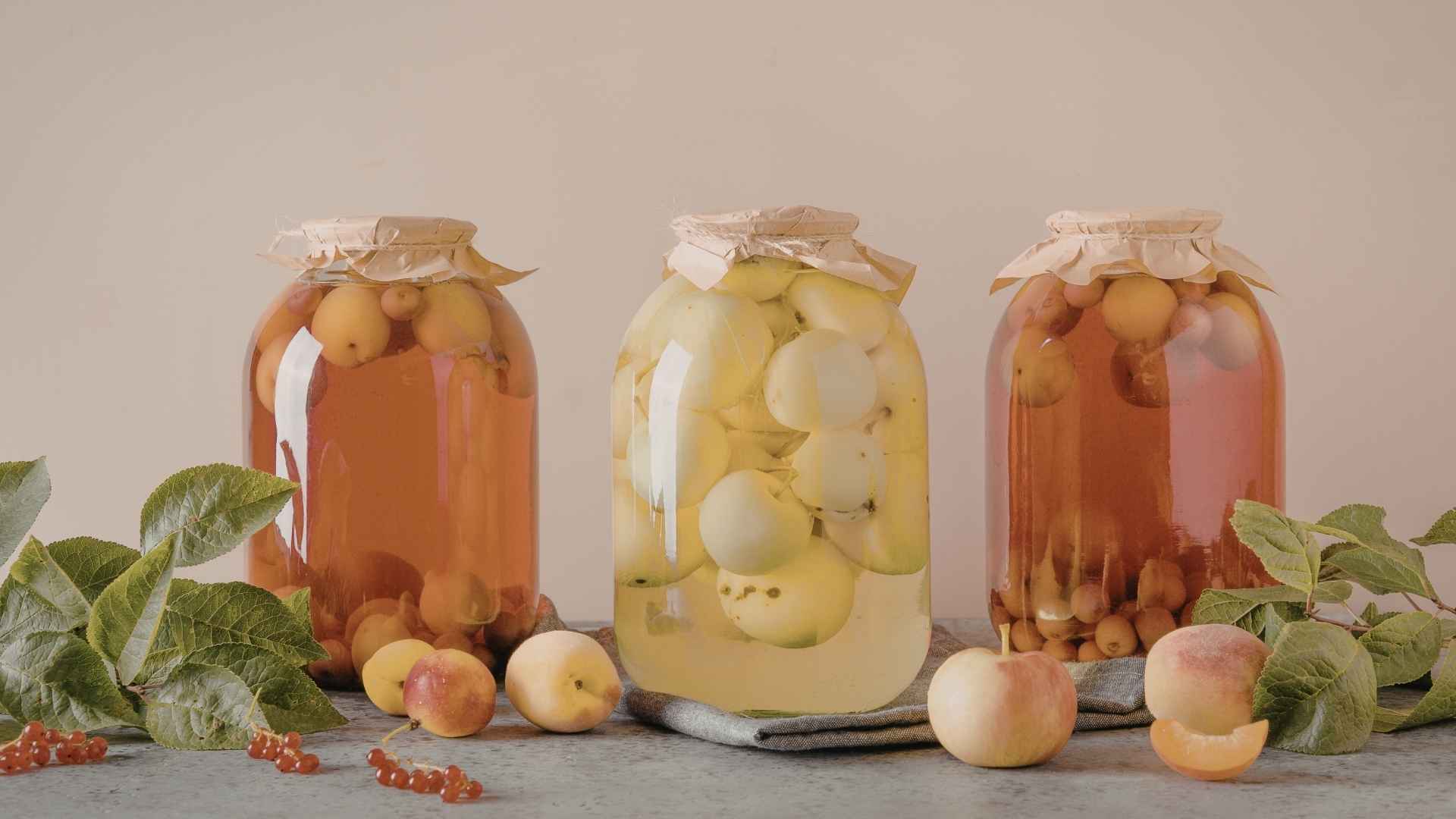
Several literature reviews describe a negative relationship between a high content of anti-nutrient factors and mineral bioavailability, but they emphasise processing, food preparation, and overall diet quality as the main tools to manage this, and not an “overabundance” of nutrient intake. Following a balanced, diverse eating pattern, and using a combination of preparation methods (soaking, fermenting, properly cooking), it is possible to reduce the level of anti-nutrient factors in foods and absorb higher levels of micronutrients for most people (source).
Claim 3: “Coffee will strip out magnesium”
Fact check: Partially true but overstated. The effect of coffee on magnesium excretion is temporary.
Though coffee and caffeine can increase the urinary losses of magnesium (and other minerals, including calcium and potassium), this excretion is usually temporary, with studies showing a peak in excretion in the first hour and then a fall within a few hours after caffeine intake, followed by a return toward baseline over the rest of the day (source).
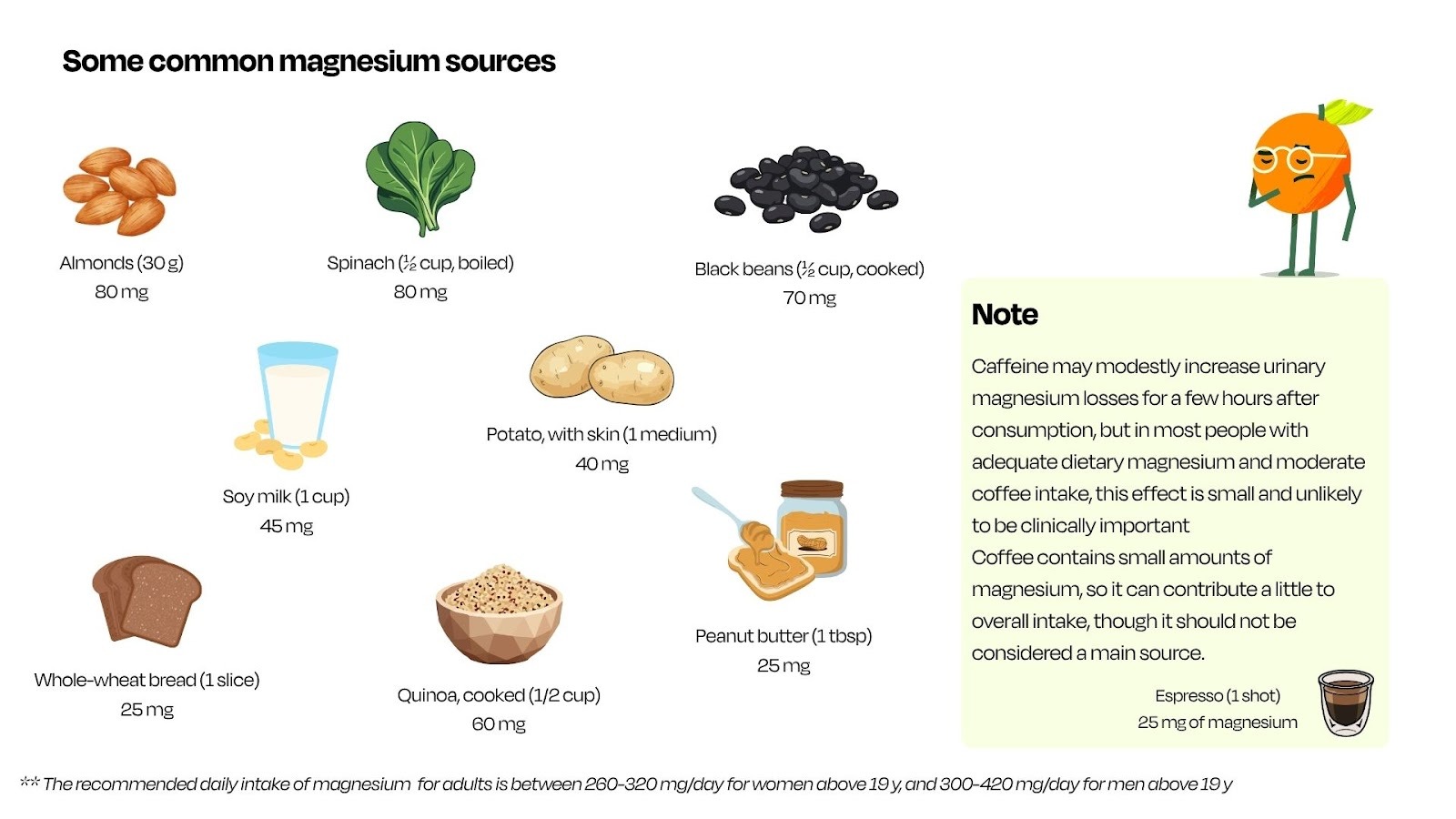
At common intakes of coffee (1-3 cups a day) and with an adequate intake of dietary magnesium, evidence does not currently link drinking coffee in moderation with a clinically significant magnesium depletion in otherwise healthy adults with adequate dietary intake. Some magnesium sources include green leafy vegetables, legumes, nuts, and whole grains (source).
Claim 4: “Goitrogens (can cause) goiter (...) by blocking iodine uptake in your cells”
Fact check: True, but misleading. The presence of goitrogens in foods is not, per se, a reason to avoid them.
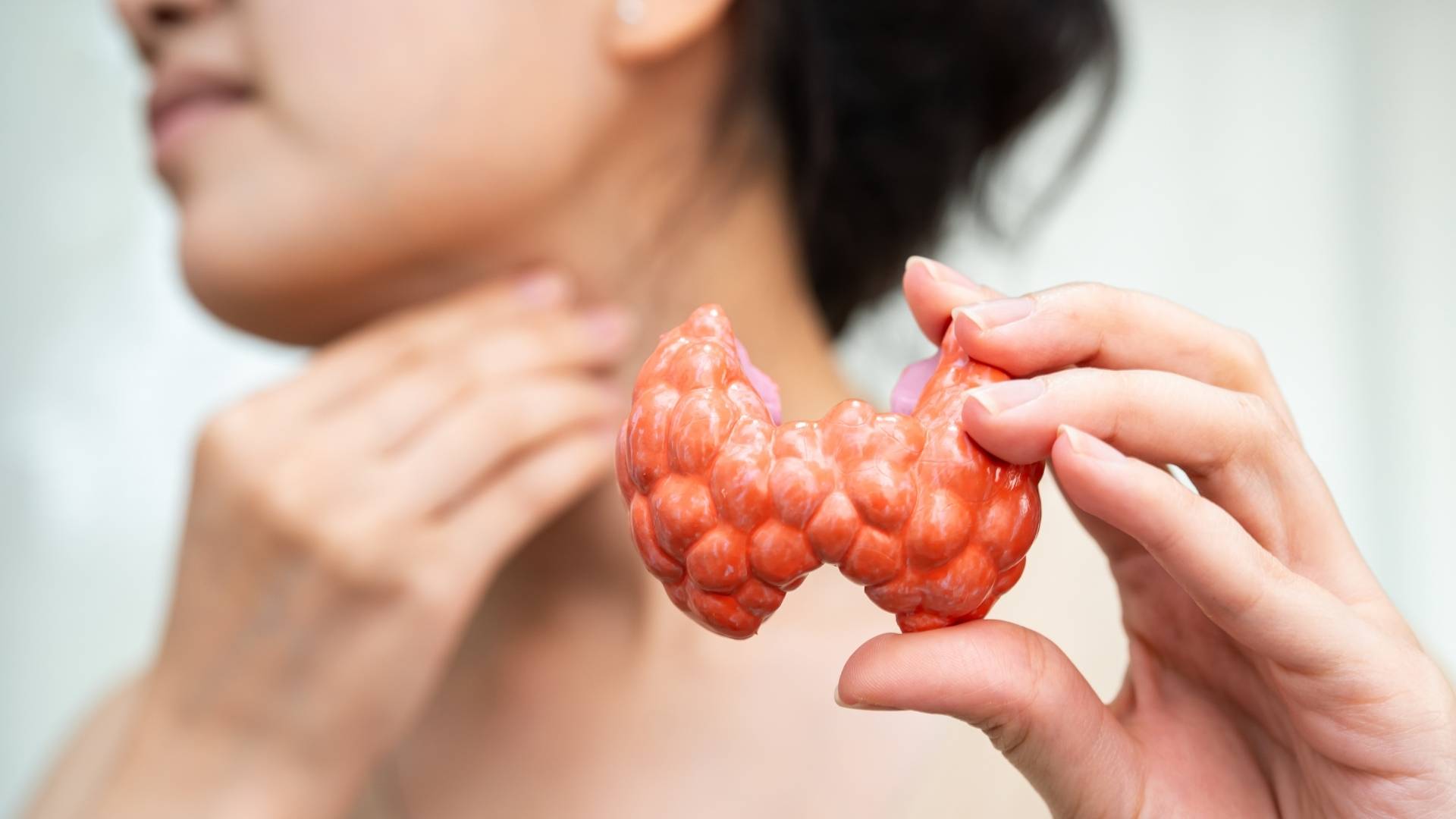
Goitrogens are natural compounds present in some foods that, when eaten in large amounts and over time, can potentially disrupt thyroid function by inhibiting iodine uptake and may contribute to thyroid-related issues. Foods that contain these components include soy, cassava, and cruciferous vegetables (e.g., cabbage, broccoli, and cauliflower). However, studies have shown that common cooking methods, such as boiling, steaming and stir-frying, can reduce the content of goitrogens in foods (source).
Populations with existing iodine deficiencies who consume high amounts of goitrogenic foods may be at a greater risk of iodine deficiency. This also applies to people who completely avoid dairy products and fish. In this case, the main focus should be on ensuring that iodine consumption is adequate, as opposed to removing certain foods. Cooking with iodised salt is an easy way to increase iodine consumption. For people who have adequate iodine intakes and eat a variety of foods, there are also no indications to remove goitrogen-containing foods from the diet. Some common sources of iodine include dairy products, iodised table salt, white fish, and fortified products (source; source).
In general, for people with gastrointestinal disorders, thyroid disease or nutrient deficiencies, seeking personalised dietary guidance is advisable.
Overgeneralisation and cherry picking in social media
Presenting only evidence that supports an influencer’s point, and extending it to all people, food groups or situations, is common in health and food claims, and is an example of how popular posts often rely on:
- Overgeneralisation: The claim is based on limited or specific evidence that is extended to all people, all foods, or all situations. Saying beans or corn “block” zinc absorption for everyone is a classic overgeneralisation because the actual effect depends on phytate dose, overall diet, and food preparation. A biological mechanism is identified (anti-nutrient factors can affect mineral absorption) and then oversimplified into a cause/effect conclusion that cannot be vastly generalised.
- Cherry-picking: when someone selects only the evidence that supports their point and leaves out evidence that goes against it. In nutrition debates, this often looks like citing one study or one extreme outcome while overlooking the broader body of evidence that does not. What is also not explored is all of the health benefits of, say, coffee. So one point is highlighted (plants contain anti-nutrients) that fits with the carnivore diet promotion, but the literature on the benefits of coffee is not mentioned.
When faced with a food and nutrition claim, one can:
- Check if cited studies are clearly identified and support the claims
- Verify what national health/nutritional authorities recommend (WHO, NIH, EFSA)
- Verify if the influencer has specific interests behind the claims made. For example, if they sell products or services tied to the claims.
Bottom line
The claims by Chaffee take real nutrition mechanisms, such as anti-nutrient factors and impact on mineral absorption, and turn them into absolute claims that the evidence does not support. Though research has shown that some anti-nutrient factors in plant foods can reduce nutrient bioavailability or affect digestion, particularly at high intakes, it has also shown that common food processing (such as soaking, cooking, fermenting) can lessen these effects to a great extent.
We contacted Dr. Anthony Chaffee for clarification and asked about the studies behind the claims. We appreciate his response and the depth of the information provided. In his reply, he referred to different studies on zinc absorption from black beans and corn tortillas, caffeine and magnesium excretion, and goitrogenic compounds in plants. We reviewed the studies shared, and while they support the existence of these mechanisms in specific contexts, on their own, they do not change the final verdict of this fact-check, which also takes into account the broader evidence on nutrient bioavailability, food preparation, and overall dietary patterns. They do not show that eating or drinking a specific food will inevitably lead to deficiency, nor do they support the idea that plant-based foods should broadly be cut to prevent nutrient deficiency. Some of the studies shared also conclude that preparation and cooking methods can decrease the impact of anti-nutrient factors on mineral absorption, as presented in this fact-check. The sources he shared are available in the sources section below.
Disclaimer
This fact-check is intended to provide information based on available scientific evidence. It should not be considered as medical advice. For personalised health guidance, consult with a qualified healthcare professional.
Independent fact-checking, funded by readers like you.
Misinformation is a growing threat to our health and planet. At foodfacts.org, we're dedicated to exposing the truth behind misleading food narratives. But we can't do it without your support.
Sources
- Tuncel, N, et.al., (2025) A Comprehensive Review of Antinutrients in Plant-Based Foods and Their Key Ingredients
- Samtiya, M et.al., (2020) Plant food anti-nutritional factors and their reduction strategies: an overview
- López-Moreno. M et.al., (2022) Antinutrients: Lectins, goitrogens, phytates and oxalates, friends or foe?
- Schlemmer, U, et.al., (2009) Phytate in foods and significance for humans: Food sources, intake, processing, bioavailability, protective role and analysis
- Shia, L, et.al., (2018) Changes in levels of phytic acid, lectins and oxalates during soaking and cooking of Canadian pulses
- USDA (2026) Food database
- BDA (nd) Nutritional considerations for dietitians
- NIH (2026) Zinc
- BDA (2024) Vegetarian, vegan and plant-based diet
- Barghouthy, Y, et.al., (2021) Tea and coffee consumption and pathophysiology related to kidney stone formation: a systematic review
- BDA (2024) Eat your way to strong bones
- NIH (2026) Iodine
Sources shared by Dr Anthony Chaffee, including his own comments:
Caffeine and magnesium
- Kynast-Gales & Massey (1994) — "Effect of caffeine on circadian excretion of urinary calcium and magnesium." Published in the Journal of the American College of Nutrition. PMID: 7836625
This controlled metabolic ward study gave 17 healthy subjects two caffeine doses (3 mg/kg lean body mass) and found that urinary magnesium was significantly elevated for 6 hours post-caffeine (p = 0.04). Nighttime compensatory renal conservation was insufficient to offset the losses, resulting in a net 24-hour urinary increase of 0.16 mmol Mg
Supporting Source
- Massey & Whiting (1993) — "Effects of dietary caffeine on renal handling of minerals in adult women." PMID: 2402180
This study in 37 women (ages 31–78) showed that caffeine at 6 mg/kg lean body mass decreased renal magnesium reabsorption from 97.0% to 94.2% (p < 0.0001) — a nearly 3 percentage point drop in tubular reabsorption. The calcium/magnesium filtered loads didn't change, confirming the mechanism is reduced renal reabsorption, not increased filtration
Anti nutrients
- Solomons NW, Jacob RA, Pineda O, Viteri FE. "Studies on the bioavailability of zinc in man. II. Absorption of zinc from organic and inorganic sources." Journal of Laboratory and Clinical Medicine. 1979 Aug;94(2):335–343.
What the Study Found
The researchers used plasma zinc response after oral zinc administration as the index of absorption Using Atlantic oysters as the zinc source:
Oysters alone → significant rise in plasma zinc, indicating excellent absorption
Oysters + 120g black beans → zinc absorption reduced by approximately 75%
Oysters + 120g corn tortillas → zinc absorption virtually eliminated; inhibition was significantly greater from tortillas than from beans
The mechanism is phytic acid in the beans and tortillas chelating zinc in the gut and preventing intestinal absorption. Corn tortillas had a worse effect than black beans due to their higher phytate content relative to the serving.
- Greer MA (1957)** — "Goitrogenic substances in food." *American Journal of Clinical Nutrition*, 5(4):440–44.
This is one of the earliest authoritative reviews establishing that cruciferous vegetables contain goitrogenic compounds capable of causing goitre [1].
- Gaitan E (1990)** — "Goitrogens in food and water." *Annual Review of Nutrition*, 10:21–39.
Comprehensive review of dietary goitrogens including cruciferous vegetables [2].
Cyanogenic Plants & Anti-TPO Activity
- Chandra AK, Mukhopadhyay S, Lahari D, Tripathi S (2004)** — "Goitrogenic content of Indian cyanogenic plant foods and their in vitro anti-thyroidal activity." *Indian Journal of Medical Research*, 119:180–85.
Tested raw, boiled, and cooked extracts of cauliflower, cabbage, mustard, turnip, radish, bamboo shoot, and cassava. All possessed anti-TPO activity. Boiled extracts showed the **highest anti-TPO potency**, followed by cooked and raw [1].
Cruciferous Vegetables & Thyroid Mechanisms
- Felker P, Bunch R, Leung AM (2016)** — "Concentrations of thiocyanate and goitrin in human plasma, their precursor concentrations in brassica vegetables, and associated potential risk for hypothyroidism." *Nutrition Reviews*, 74(4):248–58.
Quantifies goitrin and thiocyanate precursors across specific Brassica species and models the dose required to inhibit iodine uptake.
Thiocyanate Inhibiting NIS (Sodium-Iodide Symporter)
- Tonacchera M et al. (2004)** — The study on perchlorate, thiocyanate, and nitrate competing with iodide for uptake via the sodium-iodide symporter (NIS). Showed thiocyanate's serum half-life is 18–29× longer than other competing anions, making it particularly effective at sustained iodine uptake inhibition [3].
Comprehensive Modern Systematic Review
- Galanty A, Grudzińska M, Paździora W, Służały P, Paśko P (2024)** — "Do Brassica Vegetables Affect Thyroid Function?—A Comprehensive Systematic Review." *International Journal of Molecular Sciences*, 25(7):3988.
Reviewed 123 studies. Confirmed the mechanisms: glucosinolates → thiocyanate and goitrin → inhibit NIS and TPO → reduced iodine uptake → compensatory TSH rise → thyroid enlargement (goitre). However, concluded this is most clinically relevant when combined with iodine deficiency [3].
Thyroid Toxicants Review (Including Cruciferous & Cyanogenic Foods)
- Bajaj JK, Salwan P, Salwan S (2016)** — "Various Possible Toxicants Involved in Thyroid Dysfunction: A Review." *Journal of Clinical and Diagnostic Research*, 10(1):FE01–FE03.
States explicitly: "Goitrogenic foods if consumed in considerable quantities may contribute to development of goiter." Lists cabbage, cauliflower, broccoli, turnip, cassava, and cruciferous vegetables as naturally occurring goitrogens. Also covers cyanogenic plant foods' anti-TPO activity.
Cruciferous Vegetables & Thyroid Cancer/Goitre Epidemiology
- Truong T et al. (2010)** — "Role of dietary iodine and cruciferous vegetables in thyroid cancer: a countrywide case-control study in New Caledonia." *Cancer Causes & Control*, 21(8):1183–92.
High cruciferous vegetable consumption was associated with increased thyroid cancer risk in persons from endemic goitre areas [4].
Textbook Reference
- Braverman LE, Utiger RD** — *Werner & Ingbar's The Thyroid: A Fundamental and Clinical Text* (10th or 11th edition, Lippincott Williams & Wilkins). Chapter on "Intrinsic and Extrinsic Variables" covers dietary goitrogens including thiocyanates from cruciferous vegetables and cyanogenic glycosides from cassava. This is considered the definitive clinical endocrinology textbook on thyroid disease.
- Kan, J., & Chen, K. (Eds.). (2022). Essentials of Food Chemistry. Springer. ISBN: 978-981-16-0612-0.
The final chapter, "Harmful Constituents," identifies numerous toxic compounds naturally present in everyday plant foods, including glycoalkaloids in potatoes, cyanogenic glycosides in cassava, lectins in legumes, and oxalates in greens, all of which are capable of causing serious harm to human health. These toxins are so dangerous that extensive culinary processing such as prolonged soaking, boiling, fermenting, and cooking is required to reduce their toxicity to tolerable levels
The Mechanism in Brief
The pathway is: cruciferous vegetables contain **glucosinolates** → enzymatic hydrolysis (by myrosinase or gut bacteria) produces **thiocyanate**, **goitrin**, and **isothiocyanates** → thiocyanate competitively inhibits iodide uptake at NIS → goitrin directly inhibits TPO → reduced T3/T4 synthesis → compensatory TSH elevation → thyroid hyperplasia → **goitre** [3][1]. Cyanogenic plants (cassava, bamboo shoot, lima beans) work via a parallel route: **cyanogenic glycosides** → metabolized to **thiocyanate** → same NIS inhibition [5][1].
Government and WHO websites on natural toxins found in plant foods we eat
Natural toxins found in food, FDA website
https://www.fda.gov/food/chemical-contaminants-pesticides/natural-toxins-food?utm_source=perplexity
WHO: Natural Toxins Found In Food
https://www.who.int/news-room/fact-sheets/detail/natural-toxins-in-food
Natural plant toxins, Centre for Food Safety https://www.cfs.gov.hk/english/programme/programme_rafs/programme_rafs_fc_01_17_report.html?utm_source=perplexity



foodfacts.org is an independent non-profit fact-checking platform dedicated to exposing misinformation in the food industry. We provide transparent, science-based insights on nutrition, health, and environmental impacts, empowering consumers to make informed choices for a healthier society and planet.








.svg)


.svg)

