





Matcha may affect iron absorption, but you shouldn't really worry about it


Drew Canole shared a viral video in which he claims that drinking matcha, specifically three times per day and close to meals, could cause iron deficiency, anemia symptoms, and heavy periods. He also states that most matcha is contaminated with glyphosate that harms the gut and blocks mineral absorption, arguing that you should only consume organic matcha. In this fact-check, we review the available evidence on matcha consumption, iron deficiency and glyphosate levels, to assess whether those suggestions are backed by science.
Full Claim:Stop your matcha consumption until you listen to this. I had a friend who loved matcha three times a day. And then she started noticing weird bruising, fatigue, brain fog, specifically around her period. Blood work came back: severe iron deficiency. And then we looked at her matcha habit. Matcha is absolutely incredible. L-theanine, one of my favorite things. Antioxidants, steady energy all day. But here's the problem. When you overdo it. Matcha is concentrated in catechins, especially EGCG. These bind to non heme iron from plant based foods and create complexes that your body simply can't absorb. They also block iron transport out of the intestinal cells. Drinking multiple matcha lattes with meals makes it worse. Anemia, fatigue, bruising, heavy periods, all the stuff. Now here's the other issue: with matcha's popularity recently, quality’s degraded. Most matcha is laced with glyphosate, an herbicide that disrupts your gut, damages mitochondria and blocks mineral absorption. One matcha a day is fine, maybe two. But three, that's the cut off. This is where problems start. Only drink organic matcha. No glyphosate. Enjoy it away from meals two hours before or two hours after. Organifi green juice is a healthy source of matcha. It's organic, pesticide-tested, the matcha in it’s balanced, so you will get all the benefits without the iron blocking overload. Plus it has super foods like moringa, spirulina, chlorella, rich in iron.



Studies show tea catechins (including EGCG) in matcha can inhibit non‑heme iron absorption when consumed with or close to meals, but the effect size, timing, overall diet and baseline iron status all matter, and iron deficiency is usually multifactorial rather than caused by a single beverage. Regulatory reviews of glyphosate conclude that typical dietary exposures from foods, including tea, are unlikely to pose a carcinogenic or acute health risk when kept within established safety limits, so the statement that “most matcha is laced with glyphosate” and the implication that it is harming people’s mitochondria and mineral absorption go beyond current evidence.
Many people, especially those who menstruate, are already at higher risk of iron deficiency, so exaggerated messages about everyday foods and drinks, such as “your matcha lattes are slowly poisoning you”, can increase anxiety and lead to unnecessary restriction instead of focusing on overall diet and appropriate support from health professionals. Posts like this can also push marketing of "tested" or premium products without solid evidence that standard products are unsafe.


Background context: different iron types and iron absorption
Before assessing the claims in this reel, it helps to understand the two types of dietary iron, since they behave differently in the body (source):
- Heme iron comes from animal foods (red meat, poultry, fish, and organ meats). It is absorbed relatively efficiently and consistently.
- Non-heme iron mainly comes from plant foods (leafy greens, legumes, nuts, seeds, and fortified cereals). It is absorbed less efficiently than heme iron.
This difference matters because it's specifically non-heme iron that tea catechins interfere with.
.jpg)
Should we worry about where our iron comes from?
The NHS notes that for most people a varied and balanced diet should be enough to provide the iron that you need, which is around 8.7 mg/day for adult men and women over 50, and 14.8 mg/day for women 19 to 49 (source). The above distinction particularly matters for people following a plant-based diet, especially at times when iron needs are higher, such as during childhood, menstruating years or pregnancy. As Registered Nutritionist Rhiannon Lambert outlined in The Science of Plant-Based Nutrition, pairing plant-based iron sources with vitamin C can increase absorption by up to four times. She suggests pairings such as a spinach salad with berries, a chilli with beans and tomatoes, or a vegetable stir-fry with peppers.
This is worth bearing in mind before assessing whether matcha's effect on iron absorption is likely to be meaningful for most people.
Claim 1: “Matcha is concentrated in catechins (especially EGCG) that bind plant‑based iron and block its absorption, and drinking multiple matcha lattes with meals causes anemia and related symptoms.”
Fact-check: It is true that tea catechins, including EGCG, can reduce non‑heme iron absorption, especially when consumed with meals, but the implication that this habit alone typically causes iron deficiency or anemia in otherwise healthy people is overstated.
Tea and matcha contain polyphenols (including catechins and other flavonoids) that can bind non‑heme iron in the gut and reduce its absorption. This inhibitory effect is well documented and appears to be dose-dependent (source). For example, a narrative review on tannin consumption concludes that tea tannins significantly inhibit non‑heme iron absorption, particularly when tea is consumed with iron‑containing meals, and that this may contribute to iron deficiency in susceptible populations (source).
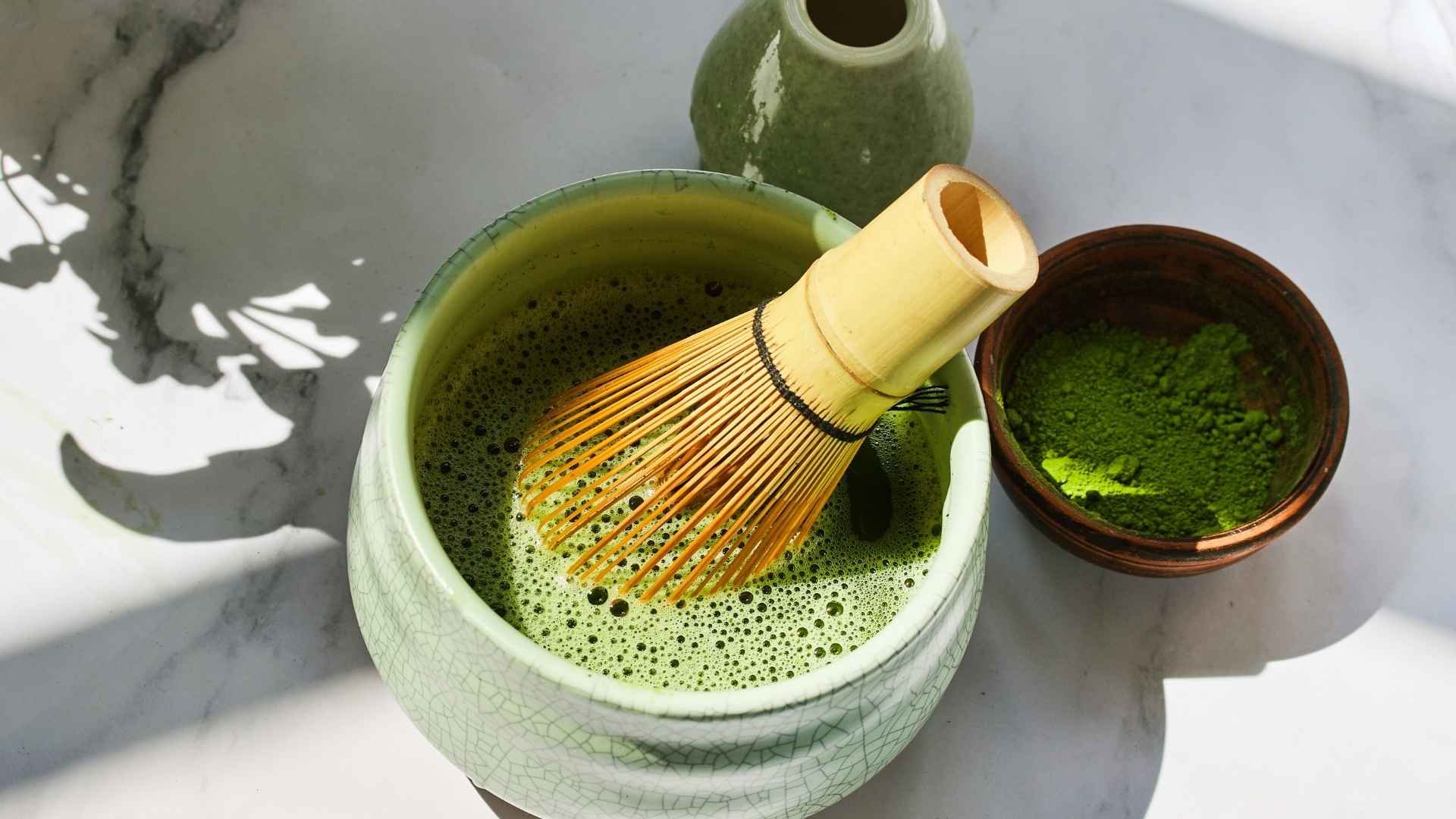
Matcha is a useful focus here because it typically delivers more polyphenols and catechins per serving than conventional whole‑leaf green tea, largely because the finely ground leaf itself is consumed, rather than just the compounds extracted into the brew (source). Analyses of tea composition before brewing report EGCG concentrations of around 50–60 mg per gram in matcha powder, compared with roughly 23–50 mg per gram in typical bagged or gunpowder green teas, depending on brand (source). On this basis, a 2 g serving of matcha can readily provide about 100 mg EGCG, whereas a standard 1–2 g serving of brewed green tea is likely to yield somewhat less in the finished drink, both because the dry tea often contains less EGCG per gram and because only a fraction of that EGCG is extracted into the cup. Because of the higher catechin content, strong, frequent matcha with meals could plausibly have a more pronounced effect on non‑heme iron absorption than weaker teas, although this remains one factor within a broader picture of overall iron intake, timing of consumption and individual susceptibility.
This randomised trial looked specifically at the degree of inhibition of non heme iron absorption by EGCG, and showed that reductions ranged from about 14–27%. However, such studies are usually done under controlled conditions with specific doses and do not necessarily reflect habitual consumptions. Indeed, the authors of this trial note that “the doses of EGCG in supplements, which will be lower than those used in this study, are not expected to have any health relevant effects on iron absorption in subjects with normal iron stores”. Real‑world risk depends on how much iron people consume overall, how often they drink tea with meals, and whether they already have low iron stores.
Non‑heme iron (from plant foods, fortified foods and some supplements) is more sensitive to inhibitors like polyphenols than heme iron from meat, but factors such as vitamin C and the presence of animal protein at the same meal may to some extent offset the inhibitory effect (source). Iron deficiency usually arises from a combination of low intake, poor absorption, and increased losses (for example heavy menstrual bleeding, pregnancy, or gastrointestinal blood loss) rather than a single beverage consumed several times a day. On diet’s role, this review notes that “[it] becomes far more relevant when the iron stores are lost, or anemia has already developed, and the host requires additional iron absorption from the gut for recovery.” So while it is plausible that very frequent tea or matcha with meals could contribute to low iron in someone whose intake or stores are already marginal, the video’s implication that matcha itself is the primary cause of an individual’s severe iron deficiency is an example of conflating correlation for causation: just because two events happen simultaneously does not necessarily mean that one caused the other.
Bottom line: This does not invalidate the anecdote or the experience of the influencer’s friend, which he describes in the video. A rare case report also describes severe iron‑deficiency anaemia after short‑term moderate green tea consumption in one woman, but the authors emphasise this is an unusual presentation, likely in a particularly susceptible individual, and not a typical outcome of moderate tea intake. They concluded that “tea-related anemia usually stems from prolonged and excessive intake.” Presenting three daily cups of matcha as a possible generic cause of iron deficiency therefore overgeneralises from mechanistic and observational evidence, without taking into account the many factors which may influence iron status.
Claim 2: “Most matcha is laced with glyphosate that disrupts the gut, damages mitochondria and blocks mineral absorption, so only organic, pesticide‑tested matcha products are safe.”
Fact-check: The reel does not provide evidence such as pesticide residue data, regulatory assessments or comparative studies to support the assertion that most matcha products are contaminated with glyphosate.
Glyphosate is a widely used herbicide in conventional agriculture, and tea plants may be exposed to various agrochemicals during cultivation. However, the statement that most matcha is "laced" with glyphosate implies widespread, substantial contamination across products, which would need to be demonstrated by systematic testing and residue surveys. No such data is cited in the post.
While regulatory assessments acknowledge that glyphosate can be present as a pesticide residue in foods, they conclude that, at levels seen in typical diets, it is unlikely to pose adverse health effects, including acute toxicity. The European Food Safety Authority’s review of glyphosate concluded that glyphosate is unlikely to pose a carcinogenic hazard to humans at current exposure levels, although debate continues about long‑term and occupational exposures. Food safety authorities use maximum residue limits and safety factors to keep average dietary exposure well below levels considered potentially harmful, and tea products are part of these monitoring programmes (source). While some in vitro and animal studies have explored possible effects of glyphosate on gut microbiota or cellular function, translating these findings to real‑world risk at dietary exposure levels is uncertain, and they do not justify claiming that most consumers’ matcha is damaging their mitochondria and blocking mineral absorption (source, source).
Choosing organic or independently pesticide‑tested matcha may reduce exposure to certain pesticides and is a valid preference, but conventional matcha that meets regulatory limits is not considered unsafe by mainstream food safety authorities. The video’s recommendation of a specific branded “pesticide‑tested” product immediately after highlighting dramatic health risks from “most matcha” raises concerns about conflicts of interest and marketing‑driven framing rather than a balanced review of the evidence. The recommended brand is Organifi, of which Drew Canole is the founder.
It is also worth noting that glyphosate in particular has been the focus of many claims linked to misinformation on social media platforms. Dr Andrea Love, a biomedical scientist, immunologist and microbiologist, has published a series of articles about glyphosate as a result: what it is, why it’s used, and why it has attracted so much attention, providing an overview of the science and controversy (source, source).
Bottom line: The reel presents mechanisms as settled facts and directly links them to matcha consumption, without discussing dose, exposure duration, or the distinction between high‑dose experimental models and low to moderate chronic dietary exposure. It also fails to mention that human data on glyphosate’s effects on gut microbiota, mitochondria and mineral status are limited and sometimes inconsistent (source).
Final Takeaway
While there is a genuine scientific basis for the claim that tea catechins can reduce non-heme iron absorption when consumed with meals, the reel presents this mechanism in a way that could lead to misinterpretations, contributing to the misleading verdict. It overstates the likelihood that matcha alone may cause iron deficiency, attributes a wide range of symptoms to a single dietary habit without considering other well-established causes, and makes unsupported claims about widespread glyphosate contamination and associated health harms. By omitting important context around dose, individual susceptibility, overall dietary patterns, and regulatory safety assessments, the content could create unnecessary fear about a commonly consumed food. The subsequent promotion of the creator's own organic matcha product further raises concerns about commercial bias.
We have contacted Drew Canole and are awaiting a response.
Disclaimer
This fact-check is intended to provide information based on available scientific evidence. It should not be considered as medical advice. For personalised health guidance, consult with a qualified healthcare professional.
Independent fact-checking, funded by readers like you.
Misinformation is a growing threat to our health and planet. At foodfacts.org, we're dedicated to exposing the truth behind misleading food narratives. But we can't do it without your support.
Sources
- NHS (Milton Keynes University Hospital). “Iron (good sources of).”
- He, Y. & Chen, J. (2024). “Severe iron-deficiency anemia after short-term moderate consumption of green tea in woman: A rare case report”
- SACN (2010). “Iron and health”
- Miller J. L. (2013). “Iron deficiency anemia: a common and curable disease”
- Ullmann, U., et al. (2005). “Epigallocatechin gallate (EGCG) (TEAVIGO) does not impair nonhaem-iron absorption in man”
- Delimont, N.M., et al. (2017). “The Impact of Tannin Consumption on Iron Bioavailability and Status: A Narrative Review.”
- Jakubczyk, K et al., (2020). ”Antioxidant Properties and Nutritional Composition of Matcha Green Tea.”
- Weiss, DJ & Anderton, CR (2003). “Determination of catechins in matcha green tea by micellar electrokinetic chromatography”.
- BBarnett, J.A. & Gibson, D.L. (2020). “Separating the Empirical Wheat From the Pseudoscientific Chaff: A Critical Review of the Literature Surrounding Glyphosate, Dysbiosis and Wheat-Sensitivity”
- Love, A. (2024). “Glyphosate doesn't cause Celiac disease or alter gluten structure”
- Love, A. (2024). “Glyphosate: a low toxicity herbicide is the target of a highly toxic disinformation campaign”
- Puigbò, P., et al. (2022). “Does Glyphosate Affect the Human Microbiota?”
- da Cunha Ignácio, A. et al. (2024). “Effects of glyphosate exposure on intestinal microbiota, metabolism and microstructure: a systematic review”
- EFSA (2015). “EFSA explains the carcinogenicity assessment of glyphosate”
- EFSA. “How pesticides are regulated in the EU”
- Fujioka K et al. (2016). “The Powdering Process with a Set of Ceramic Mills for Green Tea Promoted Catechin Extraction and the ROS Inhibition Effect.”
- Meyer BR et al. (2023). “Catechin Composition, Phenolic Content, and Antioxidant Properties of Commercially-Available Bagged, Gunpowder, and Matcha Green Teas.”





foodfacts.org is an independent non-profit fact-checking platform dedicated to exposing misinformation in the food industry. We provide transparent, science-based insights on nutrition, health, and environmental impacts, empowering consumers to make informed choices for a healthier society and planet.








.svg)


.svg)

