
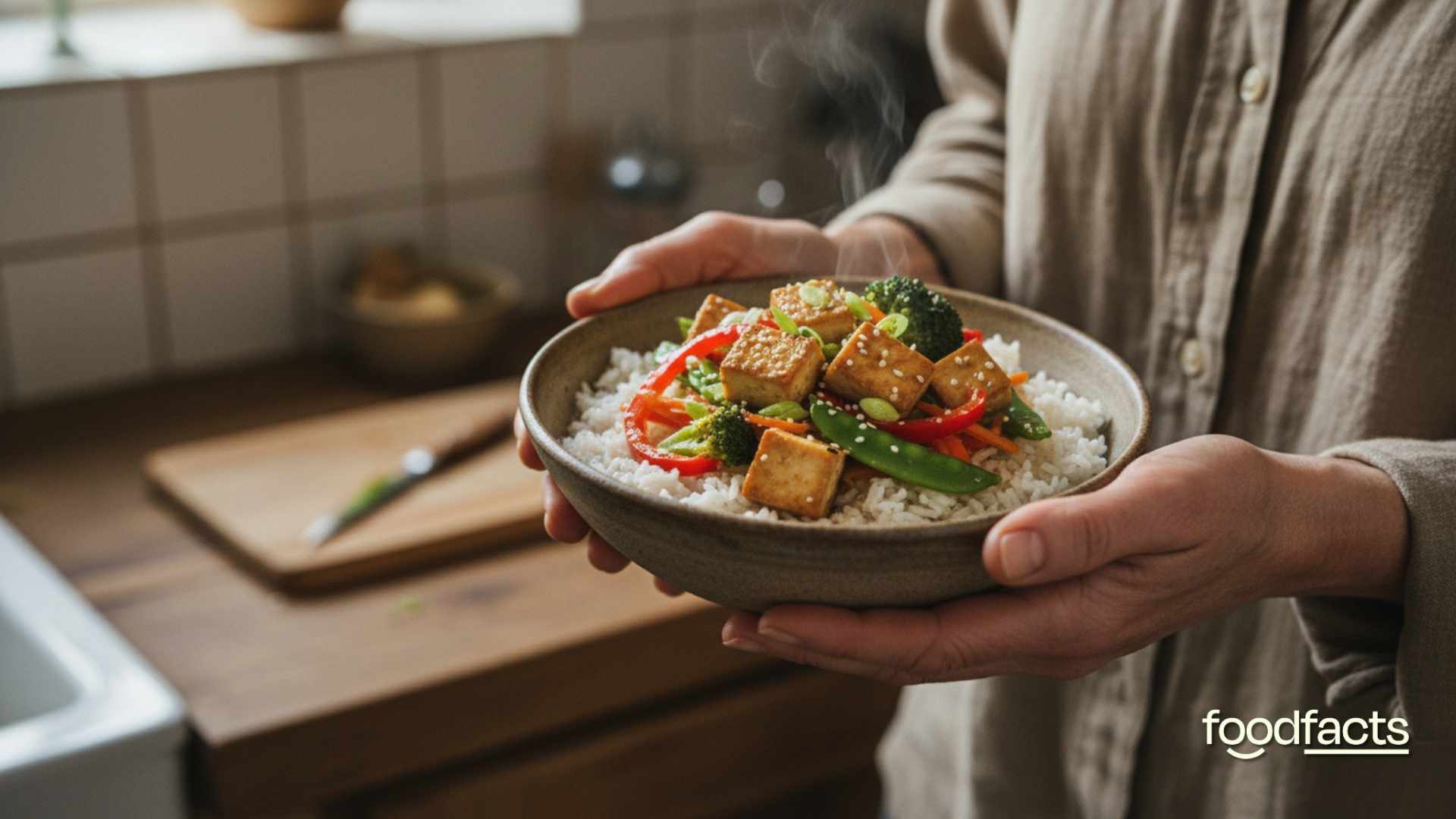




Is a 'plant-heavy' diet preferred for women in perimenopause? What the evidence suggests


A recent video by The Diary of a CEO asked a panel of women professionals in sports, health and nutrition what is the best diet for a woman1 who is perimenopausal (1h 36 min). Dr. Mary Claire Haver, Dr. Stacy Sims and Dr. Natalie Crawford mention that a “plant heavy” and anti-inflammatory pattern of eating is preferred. Let’s look at what the existing scientific evidence on nutrition during perimenopause is.
1For this fact check we use the term “women” to speak about menopause – however, we acknowledge that some transgender men and non-binary or gender diverse people might also experience menopause.



A review of the claims related to perimenopause and diet in the video shows that plant-heavy, minimally processed eating patterns (such as a Mediterranean-style diet) are strongly supported for overall health during the menopause transition, provided individual needs for protein and key micronutrients are met. Claims about inflammation and the gut microbiome are also supported; though research is still emerging, evidence points toward long-term diets rich in fibre and diverse plant foods being beneficial for reducing chronic inflammation and supporting gut health, which could benefit women during the menopause transition.
Diet can play a role in how women experience menopause, alongside other lifestyle factors like physical activity, stress management and good sleep. Until recent years, research on perimenopause and menopause was very scarce, leaving many questions unanswered.
As scientific interest in this life stage has grown, so has the amount of information shared about it, particularly on social media. As a result, there is a flow of information where evidence grounded in science mixes with conflicting and oversimplified claims, making it hard to navigate what is reliable and what is not.
Fact-checking claims can help clarify what is supported by evidence, what remains uncertain, and how to evaluate health information more critically, especially when many factors are interconnected and no single solution fits everyone.


Framing matters: even when claims are supported by evidence, the way it is communicated matters. Sound nutrition advice like that presented by the experts in this video often emphasises patterns of eating and lifestyle over time, rather than presenting a single diet or food as a universal solution (or as the enemy).
A note on the difference between perimenopause, menopause and post-menopause
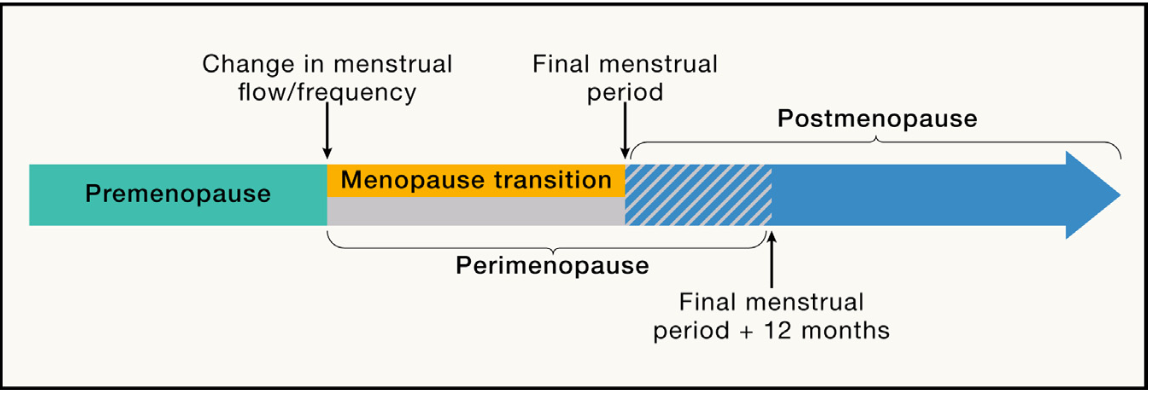
Before assessing the nutrition claims in the video related to nutrition in perimenopause, it’s useful to clarify the menopause-related terms often used interchangeably:
- Perimenopause is the period leading up to menopause, when fluctuations and declines in estrogen and progesterone begin to cause symptoms including (but not limited to) hot flashes, night sweats, cycle irregularity, and mood shift.
- The menopause itself is the day marking 12 consecutive months without a period, provided there is no other medical condition that explains it. On average this occurs at the age of 51, but it can occur earlier or later. In some cases, menopause is ‘induced’ either due to the removal of the ovaries or damage of ovarian function (e.g., due to chemotherapy or radiation).
- The time from the final menstrual period onwards is known as post-menopause. (source).
A general note on estrogen and body changes
During the menopause transition, decrease in estrogen is linked to shifts in body composition, including a decrease in lean body mass (muscle), an increase in fat mass, and a gradual decrease of bone density. The hormonal changes are also associated with a shift toward a ‘pro-inflammatory’ state in the body, which can affect different systems, such as the brain, the heart, the bones, and the gut. As a result, risk of conditions such as cardiovascular disease, insulin resistance, osteoporosis, and cognitive decline may increase (source, source, source, source).
Lifestyle and diet can play a major role in how strongly these changes are experienced, so adhering to healthier dietary patterns can support women’s overall health before, during and after the menopause transition.
Claim 1: A “plant heavy” diet is preferred for perimenopause
Fact check: True, though individual needs may vary, and some people may require adapted eating patterns depending on their health and nutrition status.
Though there is no single perimenopause or menopause diet, certain dietary patterns are consistently associated with better overall health, improved nutritional status, and more favorable cardiovascular and metabolic outcomes.
Eating patterns aligned with the Mediterranean-style diet may help prevent or improve several menopause-related health concerns (such as hot flashes and night sweats). This way of eating emphasises unprocessed plant foods—such as fruits, vegetables, whole grains, legumes, seeds, nuts, and olive oil—includes moderate amounts of fish, eggs, and some dairy, and occasional meat intake, with a preference for lean options like poultry over red meat (source, source).
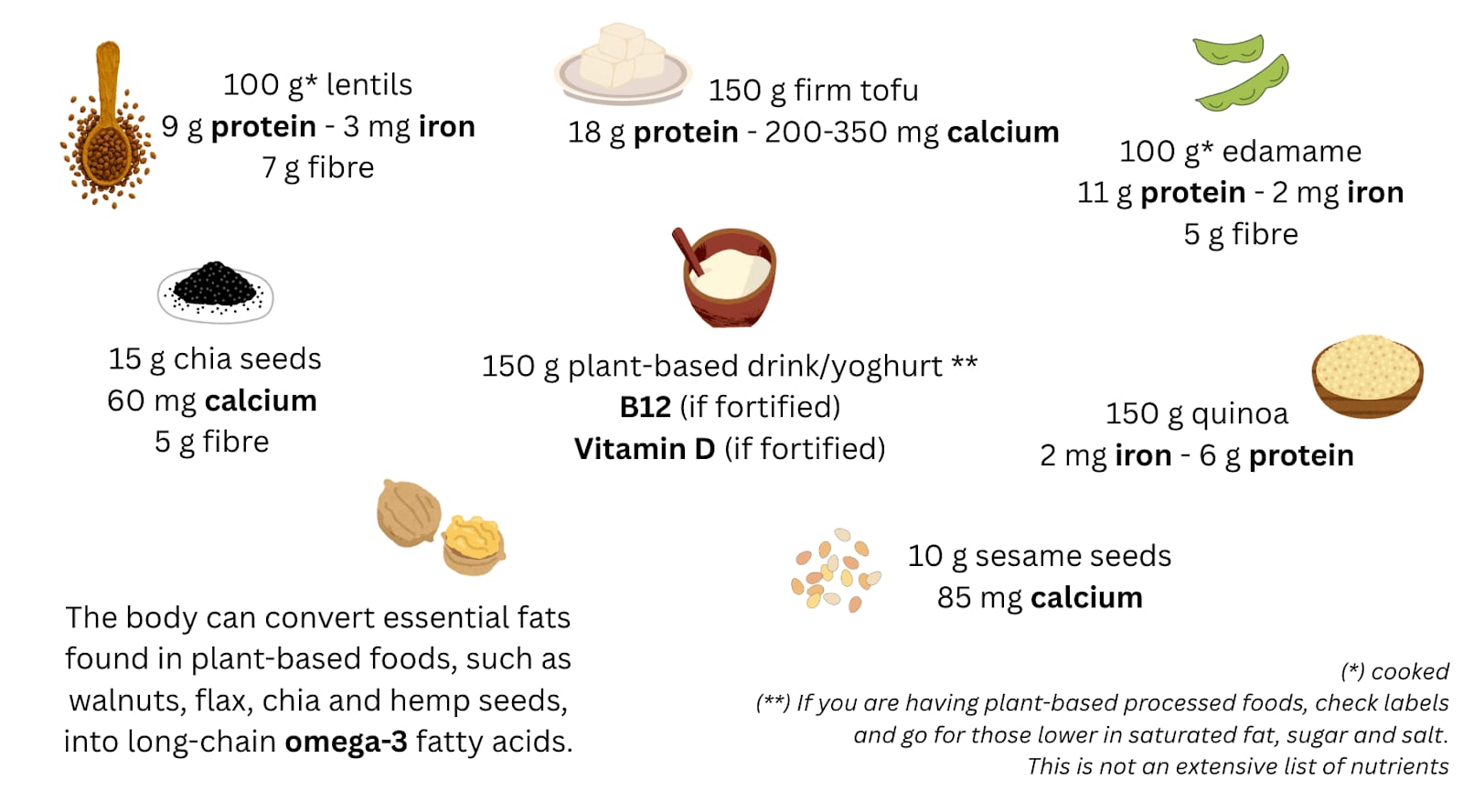
While individual needs vary, the overall pattern of a plant-forward, minimally processed diet appears to be a supportive and an effective foundation for optimising health during the menopausal transition. At the same time, it’s essential to ensure that the needs for key micronutrients and protein are adequately met to support bone health, muscle maintenance, and overall wellbeing (source). A dietitian can help tailor the diet to individual needs. Key nutrients of interest and a few food sources include:
Claim 2: “If you are making active decisions that are anti-inflammatory, you can tolerate the little things we know are going to cause inflammation in the body” - Dr. Natalie Crawford**
Fact check: True, with some nuance
Is inflammation always bad?
Inflammation is a normal biological response of the body to infections or injuries. However, when inflammation becomes chronic, it has been associated with the development of long-term conditions involving inflammatory processes, including cardiovascular disease, cancer, diabetes, and Alzheimer’s disease. Sedentary behaviour, chronic stress, and diets high in processed meats, sodium, saturated fats and added sugars have all been linked to higher levels of inflammation (source). Diets high in ultra processed foods (UPFs) have also been linked with inflammation and downstream complications (source).

What matters most is long-term eating patterns rather than achieving a perfect diet
A pattern of healthy eating over perfection is supported by emerging evidence showing that long-term adherence to diets that are rich in fibre, fruits, vegetables, nuts, beans, and seeds (such as the Mediterranean Diet) may lower inflammatory markers and improve health outcomes, and help create an internal environment that is less conducive to chronic inflammation (source, source, source).
However, it’s important to recognise that there are no defined minimums or maximums of “good” or “bad” foods to maintain an ideal inflammatory status, and individual responses can vary. Generally speaking, as Dr Crawford highlights in the video, an anti-inflammatory eating pattern can help buffer the effects of occasional less nutritious choices.
The claim is supported by a growing body of evidence, acknowledging that overall dietary patterns do influence inflammation, but tolerance to specific foods and the degree of their impact can differ from person to person.
Recommendations that emphasise patterns of healthy eating and lifestyle over time are often a sign of more reliable nutrition information, especially when compared to oversimplified messages frequently seen on social media, such as the idea that “inflammation is bad” and any food that could cause inflammation should be eliminated entirely.
** Dr. Crawford mentioned this following a question about “the best diet for fertility” – we included it in this fact check as Dr. Crawford linked it to the ongoing conversation related to diet in perimenopause.
Claim 3: “In late perimenopause there is a significant decrease in gut microbiome diversity (…) and we need to think more on the diversity of (our) plant foods ” - Dr. Stacy Sims
Fact check: True, but the underlying causes still need further research
Emerging research suggests that hormonal changes during the menopause transition may influence the composition and diversity of the gut microbiome (source). However, science is still evolving, and it is not fully clear how much of this change is due to hormones versus lifestyle, age, medication use, or diet.
What is clearer is that diet influences the gut microbiome. Fibre-rich foods, fermented foods, and plant diversity support beneficial gut bacteria. Probiotic supplements may be helpful for some people, but evidence remains mixed, and foods containing natural probiotics and prebiotics are generally preferred and advised to be part of eating patterns for most people.
The claim reflects the current body of research, but the evidence is still preliminary and there is more we need to understand regarding the changes of the microbiome during the menopause transition specifically. Dietary strategies that promote microbiome health such as diverse plant intake, fermented foods, and adequate fibre intake may be beneficial regardless (source).
Final takeaway
Though there is no single perimenopause or menopause diet, the evidence supports a plant-heavy, fibre rich eating pattern as a strong foundation for health during the menopause transition. However, individual needs vary, and some people may require adapted eating patterns depending on their overall health, digestive health (individuals with digestive diseases may need more specific recommendations),nutrition status and genetics
Diet alone cannot prevent or manage all menopause-related changes, but long-term healthy eating choices, exercise, good sleep and mindfulness strategies may support metabolic, cardiovascular, bone, gut and mind health.
Independent fact-checking, funded by readers like you.
Misinformation is a growing threat to our health and planet. At foodfacts.org, we're dedicated to exposing the truth behind misleading food narratives. But we can't do it without your support.


foodfacts.org is an independent non-profit fact-checking platform dedicated to exposing misinformation in the food industry. We provide transparent, science-based insights on nutrition, health, and environmental impacts, empowering consumers to make informed choices for a healthier society and planet.






.svg)


.svg)

