
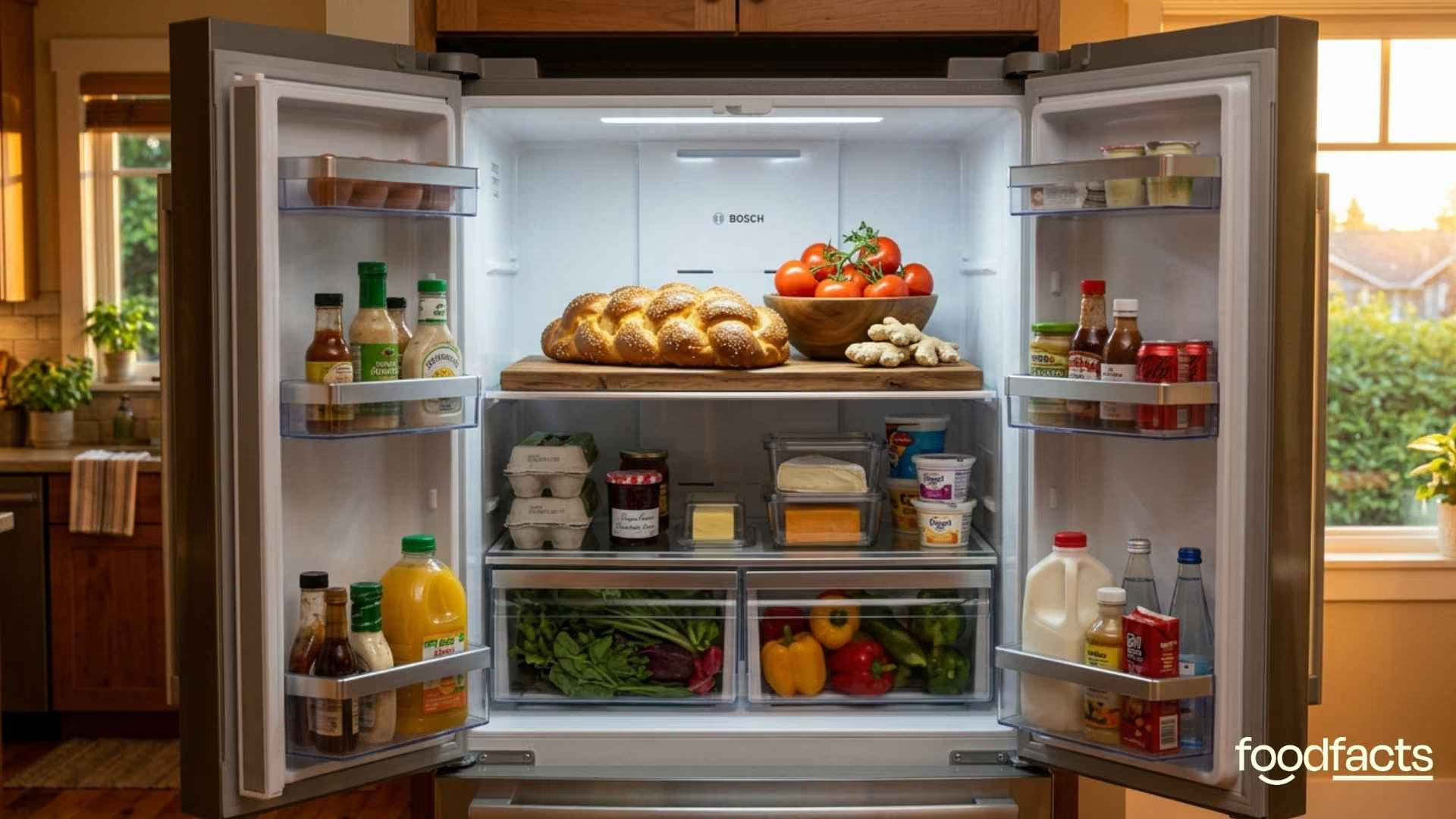




How refrigerating tomatoes, bread, and ginger actually affects your food


A recent video by Drew Canole shows the influencer claiming that tomatoes, bread and ginger “turn toxic” when putting them in the fridge. The advice in the caption is simple: “never refrigerate” those three foods, but what does the current evidence say about the effect of refrigeration on food? This fact-check explores whether the claim that you could be poisoning your family by refrigerating tomatoes, bread or ginger is supported by evidence.



The claim that refrigerating tomatoes, bread, and ginger turns them toxic or dangerous is not currently supported by evidence. Refrigeration at the recommended temperature (below 5°C) generally slows most bacterial and mold growth. Some quality changes, such as flavour loss in tomatoes or staling in bread, can occur, but these are very different from safety risks. In general, the main food safety concern lies in contamination during growing, handling and preparation, and not in how they are stored at home.
These types of claims sound urgent and health-focused, but the real story is more nuanced. Though refrigeration can affect taste, texture, and shelf life, if food is properly stored and consumed within given times it does not represent a source of ‘toxins’ simply because it was chilled. Though framed as tips on food safety, the post can make people develop fear around simple practices like refrigeration by questioning the audience if they are “unknowingly poisoning their family”. Understanding what refrigeration does to fresh produce can help make smarter and safe storage choices.


Be skeptical of one-sided arguments, especially when they seem to appeal to extremes (‘always’, ‘never’, ‘toxic’). Food and nutritional information is very nuanced, and the evidence needs to be analysed from multiple perspectives and consider different scenarios in order to present a clearer picture.
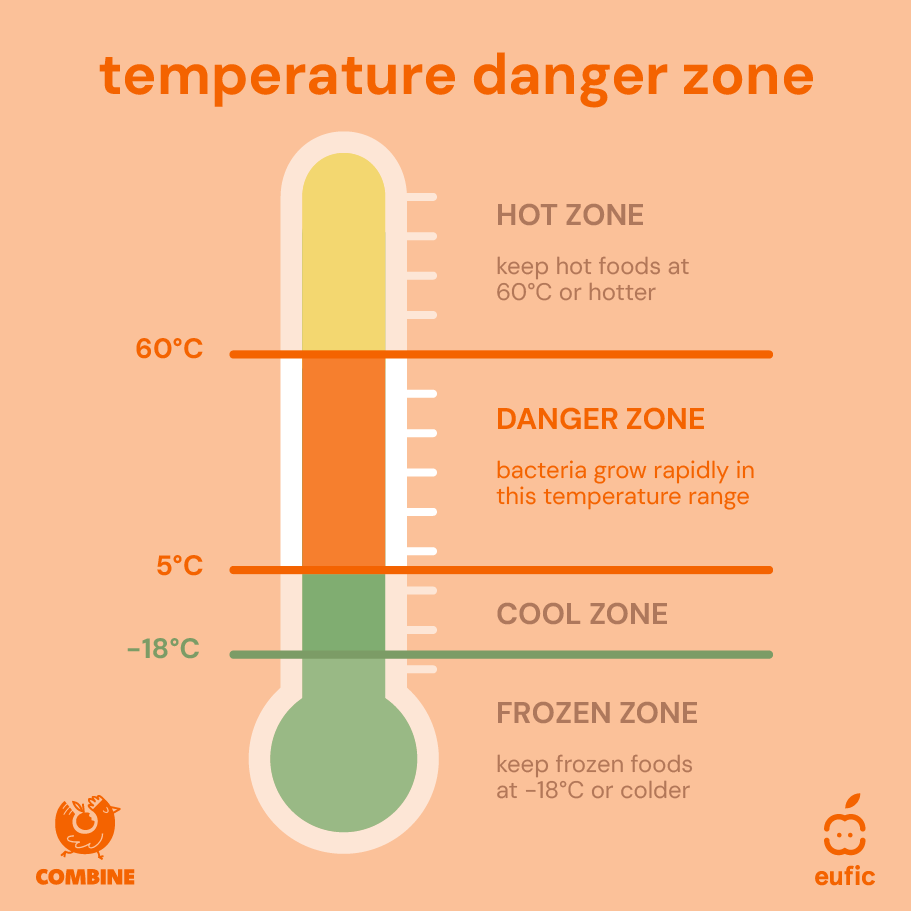
Refrigerating food at the right temperature (less than 5 °C) helps food stay safer and fresh for a longer time, and is a great strategy to reduce food waste. In general, cold temperatures slow bacterial and mold growth compared to room temperature if well stored (e.g., in airtight containers, avoiding excess moisture). In some cases, like with tomatoes and bread (more on it below), refrigeration can cause some losses in texture and flavour, but available evidence does not link refrigeration with promoting mold growth.
Is your refrigeration cold enough?
These reports in Scotland and in the UK, with samples of 361 and 65 households (respectively), showed that many households do not have their fridge at the recommended temperature (less than 5 °C), but higher, and this can encourage bacterial and mold growth. The reports recommend adopting the following behaviours to ensure your fridge is set at the right temperate:
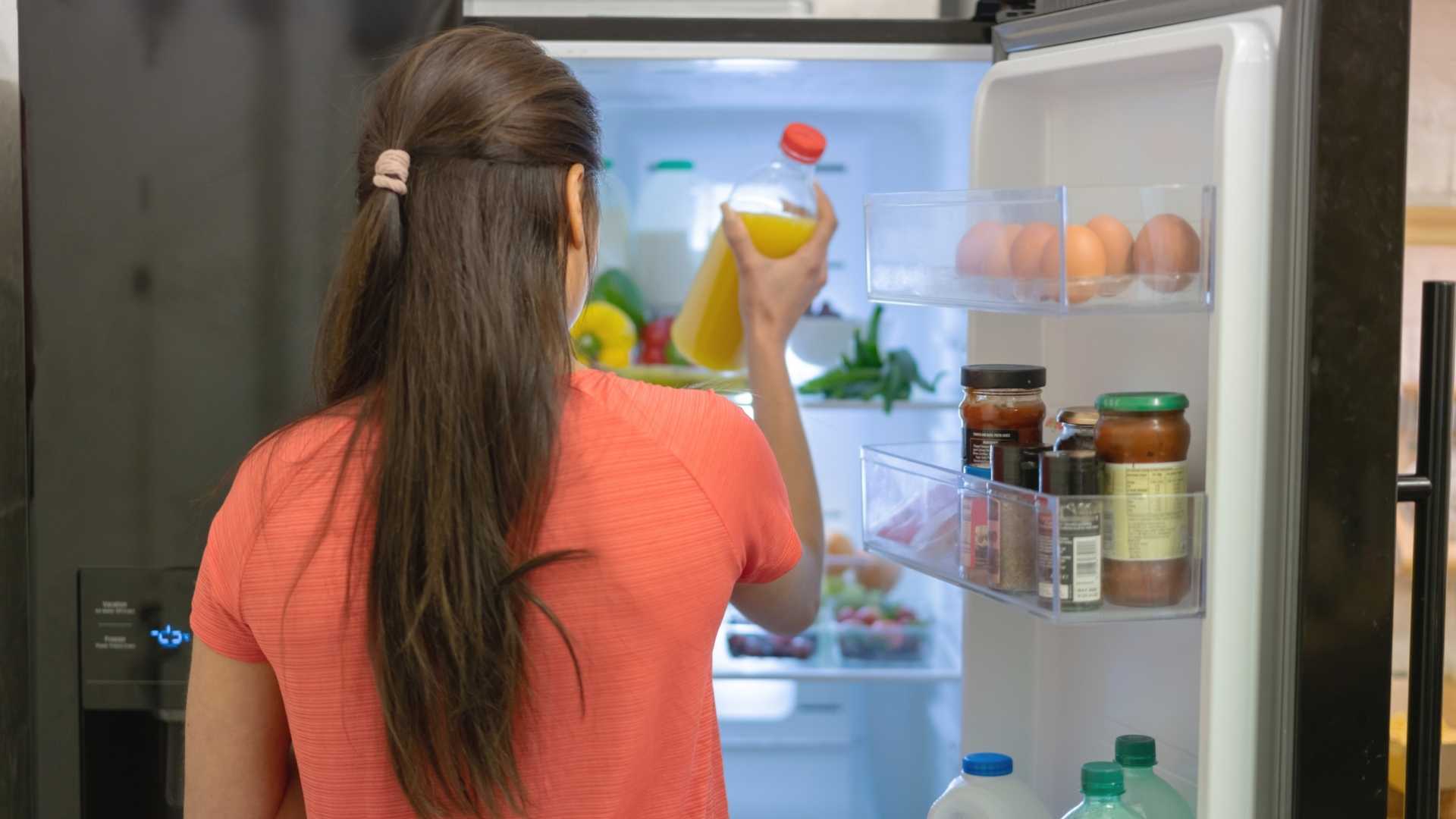
Checking the temperature the fridge is set to, and being aware of any changes in the temperature of the products stored.
- Ensuring there is available space inside the fridge for cold air to circulate. A ‘packed’ fridge can make it difficult for air to circulate, and impact the conditions of the products stored in it.
- Reducing the amount of time the door of the fridge is open.
Claim 1: Refrigerating tomatoes "destroys lycopene and vitamin C by 50% in one week" and "accelerates salmonella and E.coli growth".
Fact-check: This claim overstates the evidence by citing a specific figure (50% nutrient loss) that does not appear in the scientific literature. It also reverses the actual relationship between cold storage and microbial safety, since temperature control is used to slow spoilage and reduce bacterial growth rather than accelerate it. Though refrigerating tomatoes can affect texture and flavour, there is currently no evidence it halves nutrient content in a week or promotes bacterial growth.
Research on tomato storage shows that refrigeration can lead to texture changes, flavour loss, and some nutrient degradation depending on temperature and duration. Though cold temperatures may affect lycopene concentration (a type of antioxidant), the evidence does not support a universal 50% of nutrient loss in one week (source; source). For instance, a study with cherry tomatoes found a decrease in 40% of lycopene content after 3 weeks (source), probably due to increase in maturity state of the tomatoes (where lycopene content decreases) and cold temperature storage.
As for vitamin C, degradation of this vitamin in fruits and vegetables is temperature-dependent; lower temperatures generally slow oxidation and enzymatic breakdown, so refrigeration tends to preserve vitamin C better than room-temperature storage, not worse (source). This means refrigerated storage tends to retain vitamin C better than room temperature; a claim of a 50% loss within a week from refrigeration is inconsistent with what has been reported in the evidence.
Moreover, refrigeration at 4–5 °C generally slows microbial growth rather than accelerating it, and food-safety guidance focuses on preventing contamination and keeping cut produce properly chilled. Mold can still develop if tomatoes are damaged or stored wet, but that is a spoilage issue, not evidence that the fridge creates pathogens (source; source).
That said, if a tomato arrives already contaminated from soil, irrigation water, handling during harvest, or cross-contamination during packing and transport, neither refrigeration nor room-temperature storage will eliminate the risk. Pathogens like Salmonella can survive on tomato surfaces regardless of where the fruit is stored. The CDC has linked multiple Salmonella outbreaks to fresh tomatoes, with contamination traced to growing and packing environments rather than consumer storage conditions (source).
That is why food safety guidance emphasises the full supply chain:
- Proper agricultural water management
- Hygiene during harvest and packing
- Temperature control during transport
- At the consumer end, washing tomatoes under running water before eating, even if you plan to peel them
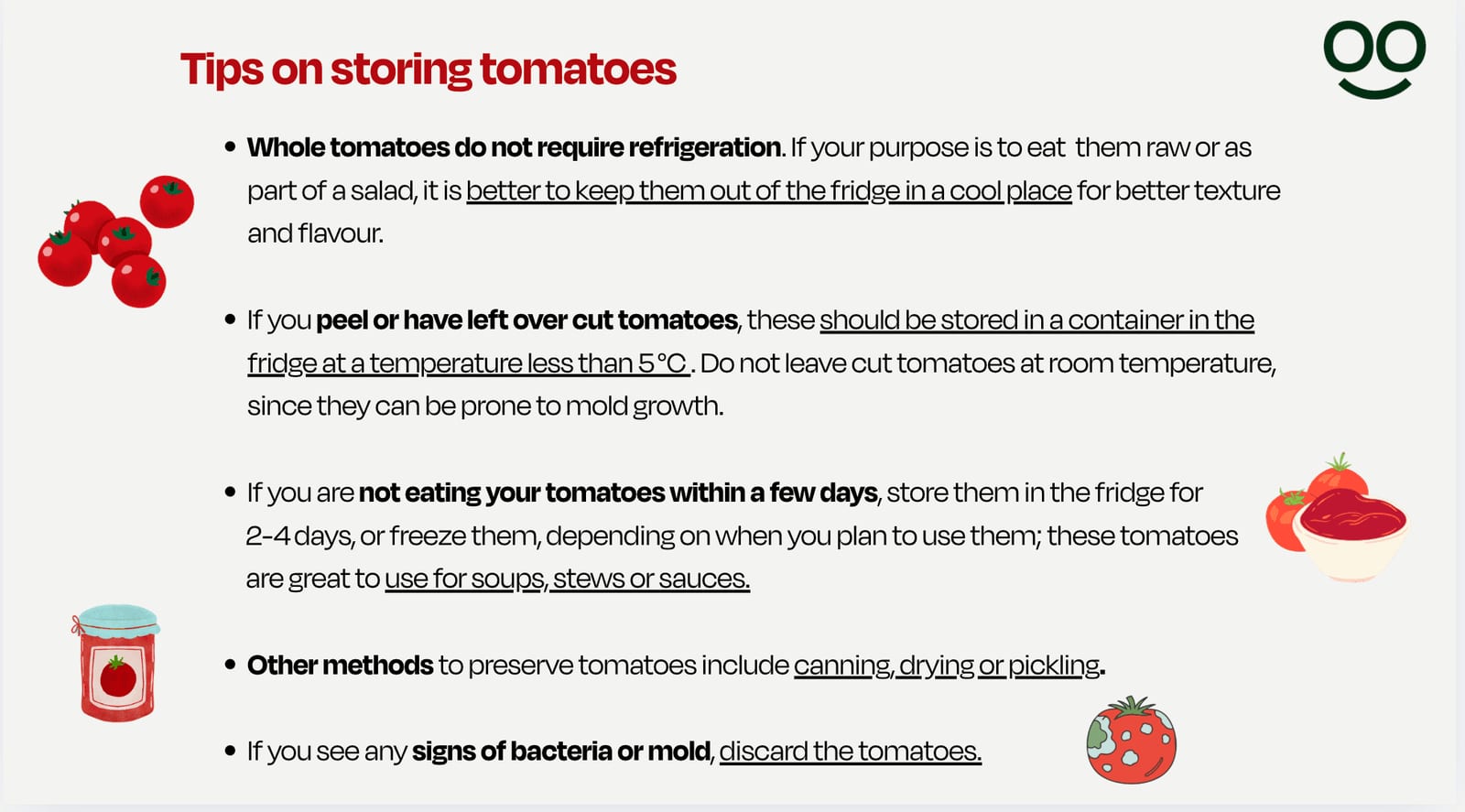
- Keeping cut tomatoes refrigerated and consumed within the next two days.
Bottom line: In short, should tomatoes be refrigerated? Not if they are kept whole and will be used in a few days; the texture and flavour are better preserved when the tomatoes are outside of the fridge. However, tomatoes can be refrigerated or frozen if they are not to be used within a few days, and used for sauces, stews or soups. Refrigerating tomatoes does not render them toxic or significantly increase foodborne pathogen risk under normal household conditions. The emphasis is on quality loss (flavour, aroma, firmness) rather than acute safety risks or dramatic nutrient destruction.
Claim 2: Refrigerating bread “makes moisture build up and creates the perfect environment for mold spores”
Fact-check: This claim misleads by mixing two separate processes - staling and mold growth - and misidentifies refrigeration as the cause of a problem that is actually driven by moisture and poor packaging.
Refrigeration is well known in the baking science literature to accelerate staling (firming, dryness), not to encourage mold growth. Staling is a process in which bread (and generally foods that contain starch) undergoes physical and sensory changes, including starch retrogradation, water migration from inside to outside and interactions between bread components (source; source). While these can certainly gradually affect the freshness and quality of the bread, they do not necessarily promote mold growth.
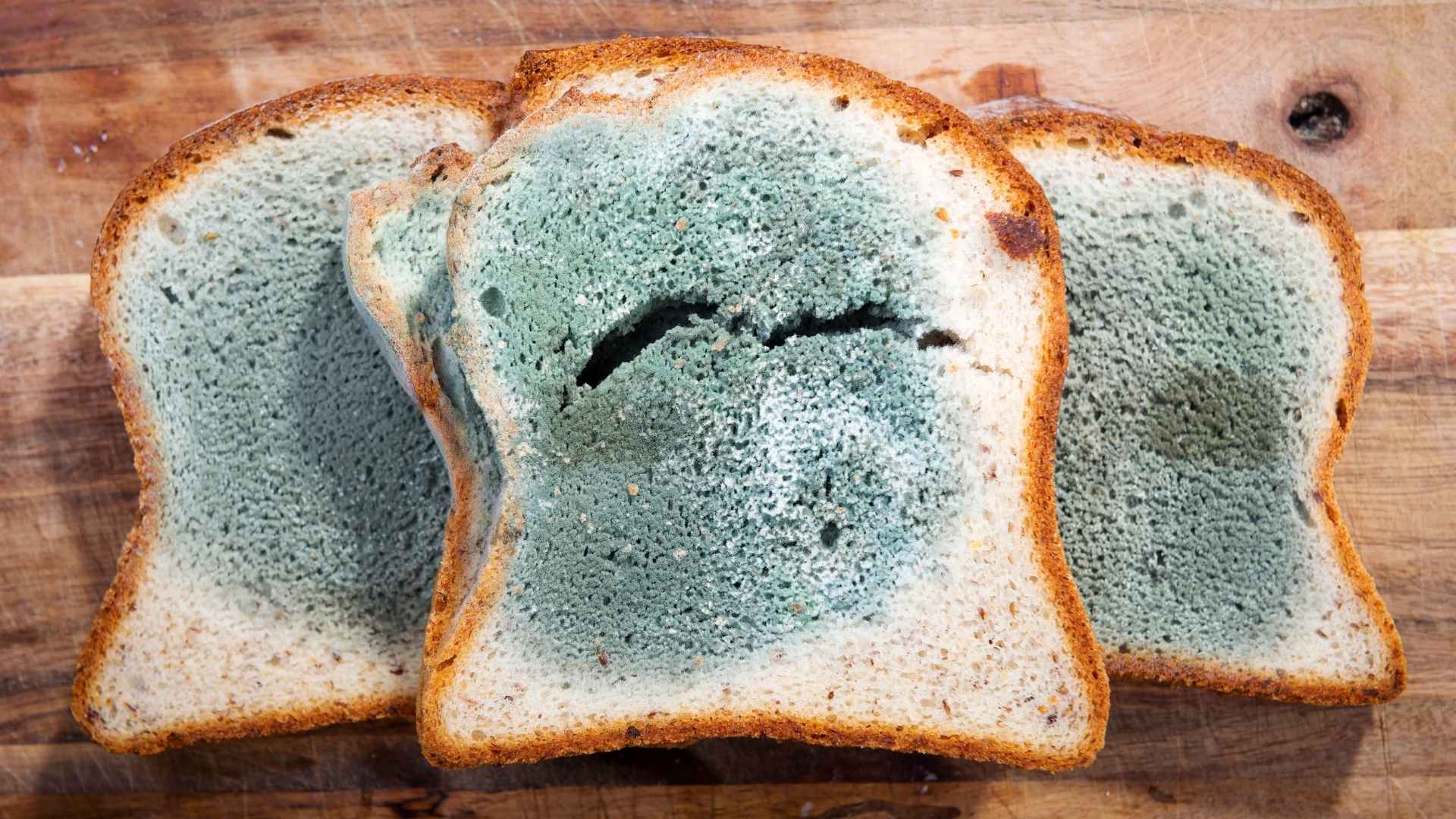
Mold fungi grow fastest at warmer temperatures; refrigeration substantially slows mold spoilage compared with room temperature, while freezing is best for long-term storage. The growth depends heavily on moisture, packaging, and how long bread is stored, and humid conditions inside a sealed bag can encourage spoilage regardless of whether the bread is stored in the fridge or left at room temperature (source).
Bottom line: bread in the fridge or the counter? In short, refrigeration can make bread stale faster, but generally slows mold growth, rather than creating a ‘mold environment’. If bread develops mold, the likely causes are excess moisture, poor packaging, or extended storage time, not refrigeration alone. If you are not planning on eating your bread within a few days you can refrigerate it and use it later in alternative recipes (such as bread pudding or soufflé) or freeze it; when you are ready to use it, warm it in the oven or a toaster.

Claim 3: Refrigerating ginger encourages mold growth
Fact check: This claim misleads by attributing mold risk to refrigeration itself, when the evidence points to storage conditions such as excess moisture, damage, or poor packaging as the determining factors.
As previously mentioned, refrigeration at 4–5 °C generally slows down microbial and mold growth on foods. Mold can still develop if food is stored for long periods of time, or if stored in packages that encourage dampness. Ginger can develop mold if it is stored with too much moisture, but refrigeration itself does not automatically encourage mold growth, and it can actually delay it (source). The real issue is whether condensation forms or the ginger is stored in a damp, damaged, or poorly packaged state. Other factors that can promote mold growth include a higher-than-recommended temperature of the fridge, or storing food for very long periods of time.
Bottom line: In practice, the recommendation is to store unpeeled ginger root in a cool, dry pantry, and consume within a few days. If refrigerated, ginger can be kept in a glass airtight container to preserve its quality for longer (source).
.jpg)
Final take away
Current evidence does not support that refrigerating tomatoes, bread or ginger turns them ‘toxic’. On the contrary, refrigerating is a storage method that can help preserve foods for longer, as long as the temperature of the fridge is set to an adequate temperature (4–5 °C).
The language of this type of post, asking viewers if they are “unknowingly poisoning their family”, can easily create fear and may draw people to follow influencers as they wonder what other hidden toxins may be in their environment. When coming across such claims, it is important to check what evidence influencers are sharing supporting their claims (if any), and compare it with what international health associations or government guidelines say on the topic.
There are credible resources online that can be used when in doubt of how to better store specific foods to preserve quality, texture and flavour, including these A-Z guides by No Food Left Behind or Worcestershire County Council.
We have contacted Drew Canole and are awaiting a response.
Disclaimer
This fact-check is intended to provide information based on available scientific evidence. It should not be considered as medical advice. For personalised health guidance, consult with a qualified healthcare professional.
Independent fact-checking, funded by readers like you.
Misinformation is a growing threat to our health and planet. At foodfacts.org, we're dedicated to exposing the truth behind misleading food narratives. But we can't do it without your support.
Sources
- FSA (2023) “Storing chilled foods at incorrect temperatures”
- Pance-Valadez, M, et.al., (2016) Effect of refrigerated storage (12.5 °C) on tomato (Solanum lycopersicum) fruit flavor: A biochemical and sensory analysis
- Farnetti, B, et.al., (2010) Effect of home-refrigerator storage temperature on tomato quality
- Davey, M, et.al., (2000) Plant L-ascorbic acid: chemistry, function, metabolism, bioavailability and effects of processing
- Simonne, A (2015) Tomatoes and Other Seed-Bearing Vegetables: Safe Handling Practices for Consumers
- Andress, E (2018) Resources for home preserving tomatoes
- EFSA (2025) Proper Food Handling
- CDC (2024) Tomato Handling
- Yadav, B, et.al., (2009) Studies on effect of multiple heating/cooling cycles on the resistant starch formation in cereals, legumes and tubers
- Fadda, C, et.al., (2014) Bread Staling: Updating the View
- Salinas, M & Puppo, M (2018) Bread Staling: Changes During Storage Caused by the Addition of Calcium Salts and Inulin to Wheat Flour
- Mafe, A, et.al., (2024) A review on food spoilage mechanisms, food borne diseases and commercial aspects of food preservation and processing
- Friends of the Earth (2026) 40 handy bread tips — and what to do with stale bread
- Taghavi, T, (2022) Quality and shelf life of ginger (Zingiber officinale) and turmeric (Curcuma longa) as affected by temperature and packaging
- Toth, B, et.al., (2024) Storage Conditions Influence the Quality of Ginger – A Stability Study Inspired by Clinical Trials



foodfacts.org is an independent non-profit fact-checking platform dedicated to exposing misinformation in the food industry. We provide transparent, science-based insights on nutrition, health, and environmental impacts, empowering consumers to make informed choices for a healthier society and planet.








.svg)


.svg)

