Cofounder

Elise Hutchinson, PhD

Elise is a cofounder of foodfacts.org, she has a PhD in cognitive linguistics and focuses on fighting misinformation & creating meaningful debate.

About Elise Hutchinson, PhD

Elise is one of the founders of foodfacts.org. She is a linguistics professional who was awarded Summa Cum Laude for her PhD thesis, which focused on the cognitive and discursive mechanisms behind effective persuasion, particularly in the long term. She is passionate about finding ways to fight against the spread of misinformation and disinformation, and to generate meaningful, constructive debates.

She is Director of Research and Co-Editor in Chief at foodfacts.org. Her responsibilities include:

  • Conducting research into misinformation, its mechanisms and evidence-based methods to fight it effectively
  • Training all of our volunteer fact-checkers
  • Overseeing the fact-checking process, from selecting claims to fact-checks, writing fact-checks to editing final drafts
  • Content creation

Elise earned her PhD at the Université de Neuchâtel and currently lives in England.

Articles featuring  

Elise Hutchinson, PhD

FACT CHECK
Opinion
Nutrition

Plants are good for you, so why do wellness influencers call them toxic?

Calling broccoli “toxic” makes for great clicks, but terrible nutrition advice In an Instagram reel shared recently through Billy Carson’s account ‘4bidden
FACT CHECK
Opinion
Nutrition

No, honey isn’t unhealthy because it spikes your blood sugar, but why does this influencer say the opposite?

Honey raises blood sugar — but so does everything sweet. The evidence shows honey's glycaemic response is more nuanced than most influencer claims suggest.
FACT CHECK
Opinion
Health

FDA bans the use of Red No.3 in food because of links to cancer. What’s the actual risk?

The FDA’s ban on Red No. 3 is more about outdated legal requirements than new evidence of harm On Wednesday, January 15th, the FDA banned the use of a synt
FACT CHECK
Opinion
Nutrition

Eddie Abbew claims calorie deficit should not be the main concern with fat loss. What does the data say?

Eddie Abbew questions the calorie deficit model—but this article explains why fat loss still depends on it, with some key context
FACT CHECK
Opinion
Media Literacy

Exposing misinformation: how influencers twist the truth on social media

Misinformation Detractors: How Social Media Influencers Deflect Accountability in Nutrition Conversations
FACT CHECK
Opinion
Health

Matcha may affect iron absorption, but you shouldn't really worry about it

Matcha has increased in popularity of the last few years, but with it, so have rumous about potential harms. We unpack the evidence in this fact check.
FACT CHECK
Opinion
Nutrition

Fact-checking whether carnivore diet babies are “super babies”?

Some influencers are claiming that babies on a carnivore diet become "super babies" - but what does the evidence say?
FACT CHECK
Opinion
Health

Does eating croissants really raise cancer risk? Fact-checking France’s cadmium warning and what it means for the UK

France’s cadmium warning is real, but croissants aren’t uniquely “cancerous” – the risk comes from lifelong exposure to cadmium in many staples.
FACT CHECK
Opinion
Health

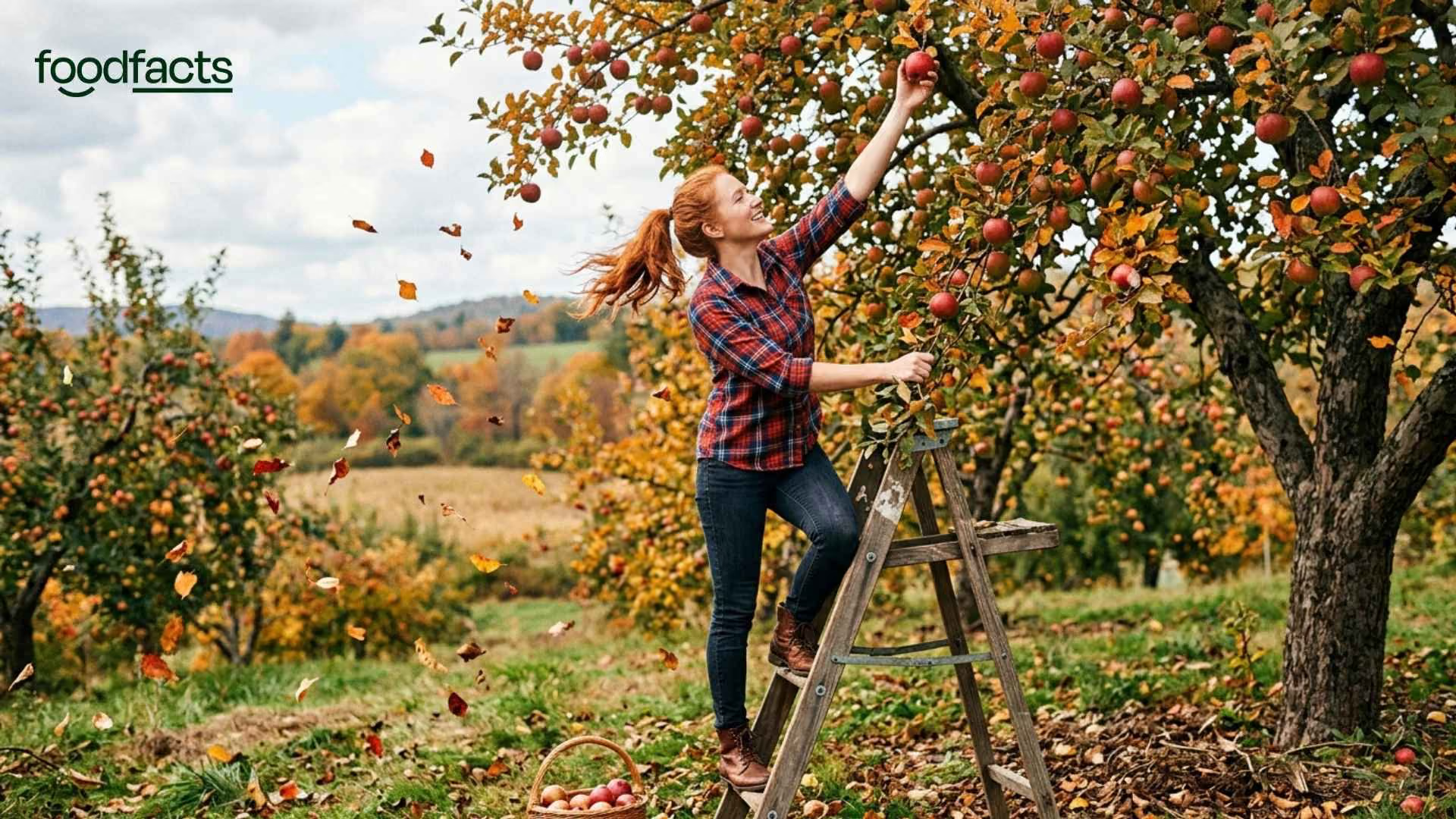
How viral posts about "unnatural" apples may be missing what the science actually shows

Modern apples have been selectively bred, but does that make them bad for you? The science suggests otherwise.
FACT CHECK
Opinion
Health

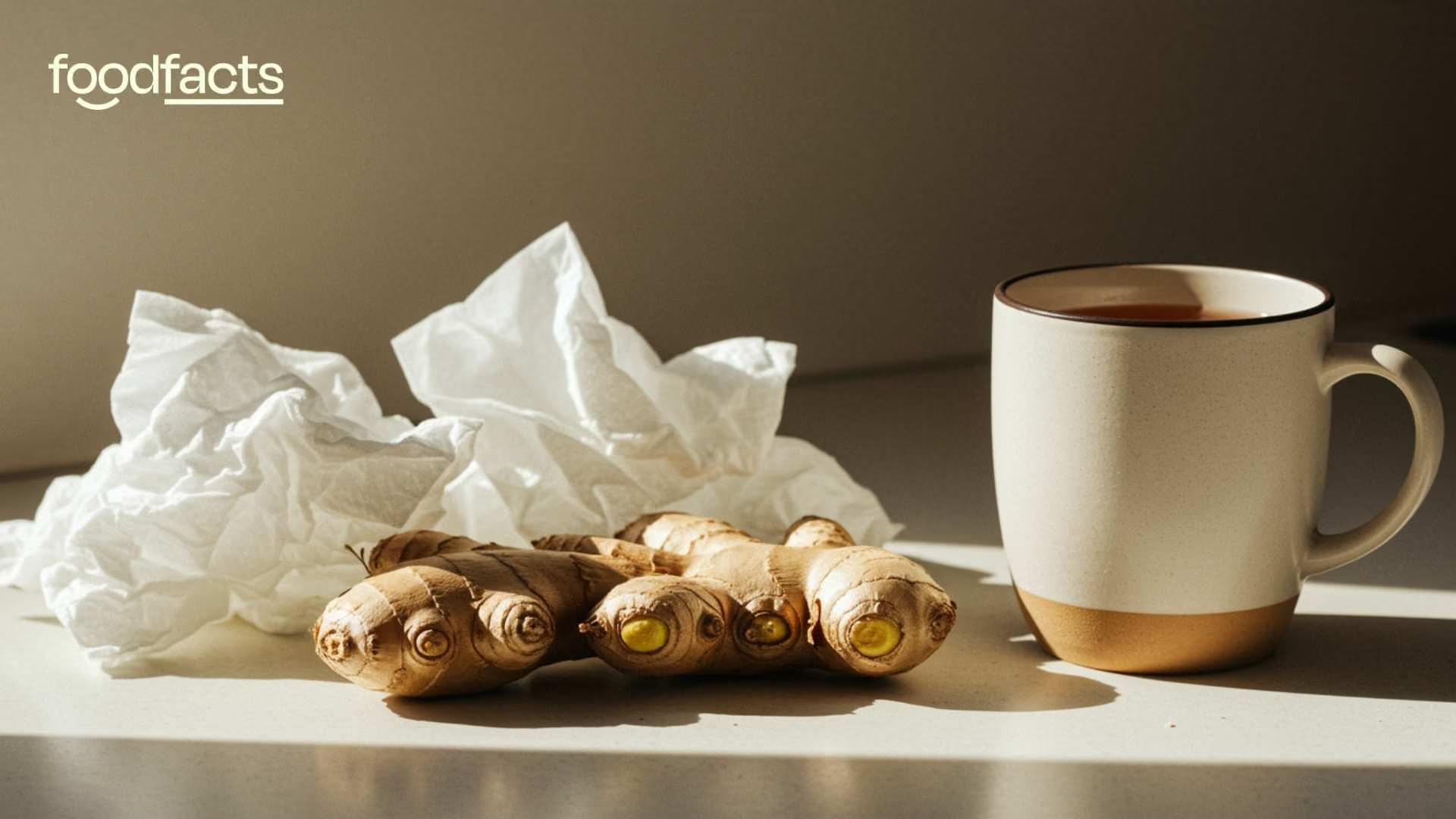
Is ginger good for you? Or are the benefits of this "superfood" overstated?

Many people eat ginger when they're feeling unwell, but are ginger's health benefits anecdotal or based in evidence? We find out in this fact-check!
FACT CHECK
Opinion
Media Literacy

Exposing misinformation: how influencers twist the truth on social media

Misinformation Detractors: How Social Media Influencers Deflect Accountability in Nutrition Conversations