




Do “carnivore babies” really grow better on a carnivore diet? The claim checked


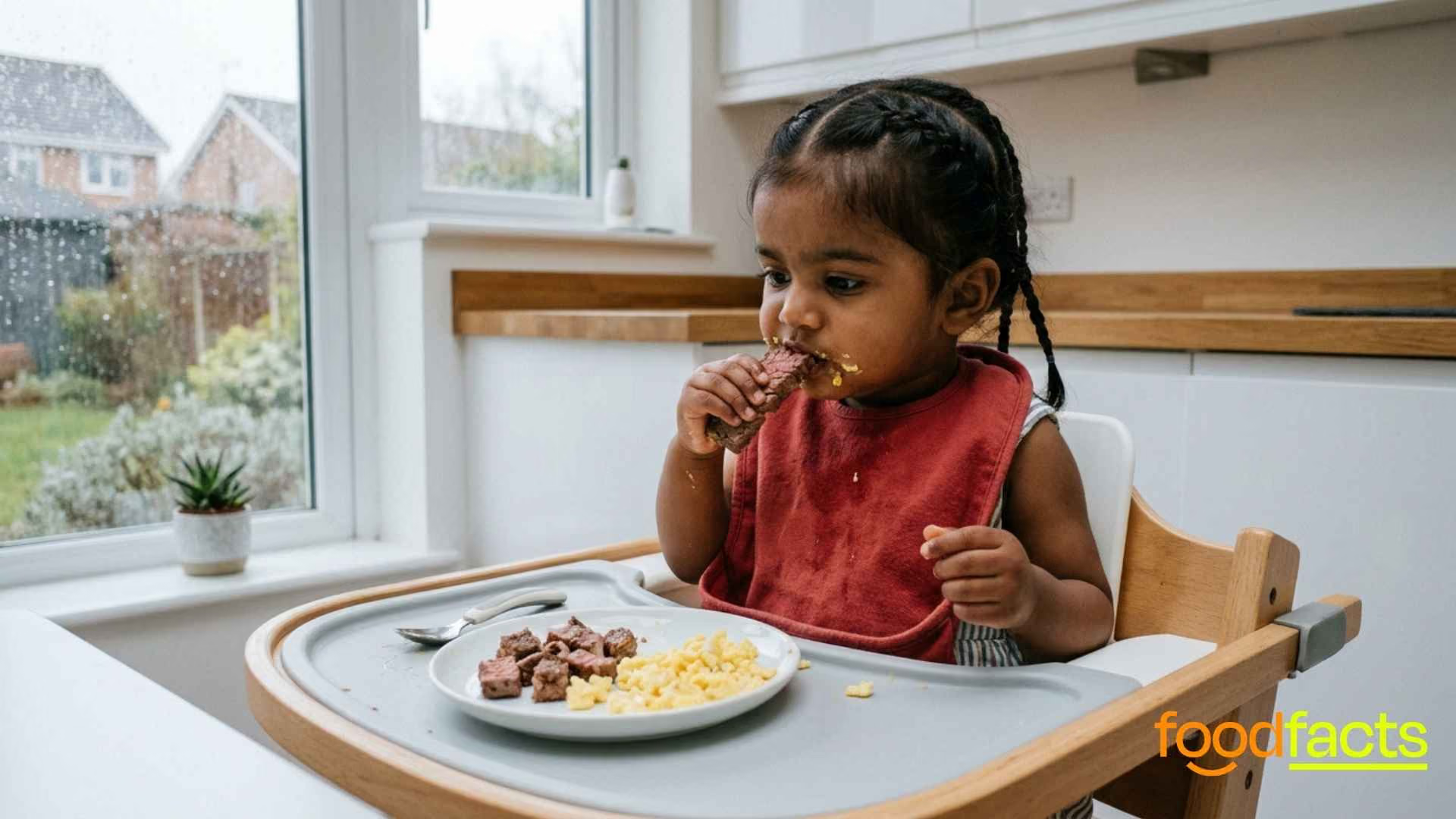
In this video, Paul Saladino comments on another user's content, where we see an infant being fed an essentially meat-based diet. As he narrates the video, Paul Saladino claims that a predominantly animal-based diet (meat, cream, egg yolks, sardines, bone broth) is what humans are "meant" to eat in infancy, suggesting it could prevent constipation, gas, allergies and doctor visits, and even help babies to hit milestones earlier than others.
These are bold claims, but are they supported by evidence? Let’s see what the science says about infant nutrition, brain and physical development.



Authoritative guidelines (WHO, ESPGHAN, AAP, NHS, EFSA) support animal-source foods such as meat, fish, eggs and dairy as valuable components of complementary feeding from around 6 months, mainly as dense sources of iron, zinc and some vitamins. However, they all emphasise a varied diet with a mix of animal and plant foods, alongside continued breast milk or formula. There is no evidence that predominantly animal-based diets make babies walk earlier, be "miles ahead" of peers, or be free of constipation, gas and allergies. Early motor and language milestones are largely driven by genetics and overall health, not a specific macronutrient pattern. Overall, the video’s anecdotal story and categorical conclusions about animal foods greatly overstate the evidence, ignore significant potential risks (nutrient imbalances which could lead to deficiencies in vitamin C, fibre and a range of vitamins, minerals and phytonutrients, or on the other hand, excess protein), and mischaracterise mainstream dietary advice.
This video is from Paul Saladino, a medical doctor, which can make the use of a single positive anecdote sound like a medically backed general rule for all babies. When a doctor presents an almost exclusively animal‑based infant diet as “what humans are meant to eat” and dismisses mainstream advice as “hogwash,” parents may understandably trust that over guidelines, perhaps adopt unbalanced feeding patterns, and delay or dismiss paediatric input, increasing the risk of nutrient imbalances.


Claim 1: Animal foods are “what humans are meant to eat, especially when we're young. [Animal foods] result in smart, healthy, happy babies that walk sooner, speak sooner, hit milestones sooner, are not fussy, do not have gas pains…”
Fact-check: The baby in the video may be doing well, but one apparently thriving child does not prove a special diet is the best, or safest, choice for all babies. The misleading aspect of this claim is twofold. First, it leaves out what infant‑feeding guidelines actually recommend, as well as the risks of nutrient imbalances. Second, it uses a single anecdote, voiced by a doctor, in a way that can sound like a general rule rather than one family’s story.
Animal‑source foods like meat and eggs can be valuable parts of a baby’s complementary diet, but this doesn’t mean more is always better, or that they should exclusively make up a baby’s diet. Let’s dig deeper into the different parts of this claim.
Balance and diversity
Major health organisations such as the World Health Organisation (WHO), the European Society for Paediatric Gastroenterology Hepatology and Nutrition (ESPGHAN), the American Academy of Pediatrics (AAP) and the NHS in the UK recommend:
- Exclusive breast‑ or formula feeding for about 6 months.
- Then, gradual introduction of a variety of foods: vegetables, fruits, animal‑source foods like meat, fish and eggs, while breast milk or formula continues.
These bodies highlight animal foods because they are rich in:
- Iron and zinc, which support blood formation, immunity and brain development;
- Protein and fat, which support growth and energy needs.
Plant foods are essential for:
- Fibre for gut health, immunity, developing a healthy, diverse microbiome, and bowel regularity;
- Vitamins and minerals that help with immunity and many metabolic processes. Vitamin C, for example, is almost entirely absent in meat. We need it to support general health and immunity, and to help absorb iron from other foods.
Bottom line: A baby’s brain and body rely upon a mix of nutrients, not just more of one type. Diets that are very heavy in animal foods can provide plenty of protein and fat, but may not provide enough fibre, vitamin C and other nutrients found in plant foods, especially as milk feeds are reduced.
The fact that a baby appears healthy on a particular diet tells us very little about whether that diet is optimal or what the long-term picture might look like. Nutrient deficiencies rarely announce themselves with obvious, immediate symptoms.
The first three years of life are a critical window for gut microbiome development, and fibre from plant foods is one of the major drivers. Low dietary diversity in infancy is consistently linked to lower microbial diversity, with potential consequences for physical, mental, and immune health.
As a general rule, diets that exclude entire food groups are rarely the answer, especially when you're feeding a body that is still building itself from scratch.
.avif)
Milestones: what drives walking and talking?
Standing, walking and early speech all fall within wide normal ranges (source). Many healthy babies do not walk until 12–15 months, and that is still considered normal. Age at onset of walking depends upon a multitude of factors, including prematurity, genetics, or environmental factors. For example, a genome‑wide study of over 70,000 infants found that common genetic differences explained about a quarter of the variation in the age at which babies took their first steps, meaning some children are naturally wired to walk earlier or later even when they grow up in very similar environments. Furthermore, twin studies suggest that psychomotor function is “one of the most heritable behavioural domains”, with an estimated heritability of about 59% (source). This means that stories about babies walking earlier than their peers after a dietary change may not tell us much about what actually caused the earlier milestone, because genetic differences already account for a large share of the variation.
Bottom line: What the evidence does not show, however, is that feeding high amounts of animal foods causes children to walk or speak earlier, once basic nutritional needs are met. Genetics, sleep, stimulation, illness and overall care all appear to play large roles.

Allergies
The video also notes that the child has “no allergies,” but that leap is not backed by evidence.
It is important to note that this is one child at one point in time; they could still develop allergies later. Moreover, many of the common food allergies are also excluded in an animal food-only diet, so parents would not be aware of any allergies if they were not introduced.
In fact, the advice emphasises early, careful introduction of allergenic foods like egg and peanut from around 6 months, within a diverse diet (source, source). This is because recent evidence suggests that earlier introduction of some allergens is linked to lower risks of developing allergies (source, source, source). Some studies also suggest that greater diet diversity in infancy is linked with a lower risk of food allergy later on. This seems to contradict the suggestion that a restricted diet (restricted to animal foods) may help prevent the development of allergies.
Constipation and gut comfort
The baby in the video is also described as never constipated and without gas. This sounds reassuring, but again it is describing one child.
Guidance on constipation in children stresses:
- Enough fibre from fruits, vegetables and, later, whole grains.
- Plenty of fluids.
- Regular movement.
As opposed to decreasing constipation risk, as Saladino suggests, meat-heavy diets with little fibre are more likely to increase risk of constipation in children (source).

Long‑term health and high animal‑food intake
Diets rich in nutrient-dense animal foods can provide good protein. However, what is missing from this video is some important balance on protein requirements, which is emphasised in guidelines such as this fact-sheet from ESPGHAN.
An infant's kidneys are still developing and aren't yet able to concentrate urine as efficiently as an adult's. When a baby takes in a lot of protein, their body breaks it down and produces more urea (a waste product that the kidneys must flush out). The more urea there is, the more water the kidneys need to get rid of it. In young infants, especially, this can tip the balance toward dehydration if the baby isn't getting enough fluids. In fact, cases have been reported where infants on very high-protein feeds developed dangerously high urea levels and metabolic acidosis (that were resolved when the diet was changed). This is one of the key reasons that health authorities set strict limits on how much protein infant formulas can contain. A predominantly meat-based diet in early infancy would far exceed those limits (source).
Research on early‑life diet and later obesity also suggests that too much total energy and high protein intakes in infancy and early childhood are linked with higher body fat later on (source, source). For example, the Generation R study found that higher protein intake early in life was associated with a higher body‑fat percentage at school age, with associations being stronger for animal-protein intake. These are observational studies, and so they cannot prove causation. But this uncertainty of evidence goes both ways. A doctor presenting a meat-heavy diet as optimal for infants, with no acknowledgement of this body of evidence, leaves viewers with a misleadingly one-sided picture.
Bottom line: This research does not mean that eating any animal foods is “bad” (they are not), it just means that excessive protein isn’t good. Overfeeding or very skewed macronutrient profiles in early life could have long‑term downsides, and it is important to note that this video also does not mention the potential consequences of nutrient imbalances. Balanced diets that include both animal and plant sources are what guidelines recommend.

Claim 2: “The crazy thing here is that we are told that animal foods are harmful for humans, but every little human that I've ever encountered loves them [...] You are being told animal foods are bad for you, they will shorten your life. This is all hogwash, this is baloney.”
Fact-check: This claim is misleading: major health organisations do not say that all animal foods are harmful or that they automatically shorten life, in infancy or adulthood. They distinguish between the role of animal‑source foods in early complementary feeding and the long‑term risks associated with high intakes of specific meats in adults, and this quote flattens that nuance into a straw‑man version of mainstream guidance.
What does mainstream guidance actually say about animal foods in the diet?
The WHO recommends that infants aged 6-23 months “should consume a diverse diet”, and include “animal source foods, including meat, fish, or eggs” for daily consumption. ESPGHAN lists meat, eggs and other animal foods as sources of some key nutrients during infancy, similar to NHS recommendations.
None of them claim that animal foods are inherently harmful for babies or young children and instead recommend including them in balanced amounts as part of a varied diet. They warn against unbalanced diets because these can lead to nutrient gaps or, in some cases, excesses.
Saladino may well be referencing advice on limiting saturated fat and red meat intake later on in life. For example, UK health guidelines recommend:
- Keeping saturated fat intake to less than 30g/day for men and less than 20g/day for women, and choosing more unsaturated fats instead (source).
- Limiting processed meat and keeping red meat to moderate amounts, because high intakes may be linked to higher risks of colorectal cancer and some heart problems (source).
In the US, the advice remains to keep saturated fat intake to less than 10% of daily calories (source).
.avif)
Such recommendations are based on patterns of intake in populations that already consume a lot of meat and animal fat, not on the idea that “all animal foods are bad” or must be avoided altogether.
So when the video claims “we are told animal foods are harmful” and that they “will shorten your life,” it takes targeted, context‑dependent advice (limit processed meat, keep saturated fat in check, avoid very high protein in infancy) and appears to stretch it into an all‑or‑nothing statement.
This is an example of a straw man argument: that is when someone else’s argument (or in this case, dietary recommendations) gets modified and often exaggerated, making it easier to refute. In this case, that ‘straw‑man version’ of guidance can make parents and adults more likely to dismiss evidence‑based recommendations altogether, based on the suggestion that they are not health-promoting.
Final take-away
The video takes one child who appears to be thriving and suggests it may be used as a template for all infants. Anecdotes like this are compelling but sit at the bottom of the evidence hierarchy. They do not:
- Control for genetics, sleep, infections, stimulation or healthcare access.
- Compare groups of babies on different diets.
- Show what negative health outcomes may happen over time if the diet remains restricted.
The narrative in the clip highlights successes (early walking, no gas, no allergies) but offers no systematic data, follow‑up or comparison group. Because the claim appears to build a broad message (“make these foods the centre of your children’s diets and they will thrive”) on a single anecdote, on discussions around selected nutrients, and on personal observations from a medical doctor, it risks creating a skewed picture in which heavily animal‑centric feeding looks uniquely safe and optimal, without mentioning potential downsides.
Besides, some of the claims in the video risk undermining trust in established, evidence-based guidelines by misrepresenting what health authorities recommend regarding the role played by animal foods at different life stages, from infancy to adult life. For those reasons, we rated the overall claim as misleading, with a significant potential for misunderstanding.
Independent fact-checking, funded by readers like you.
Misinformation is a growing threat to our health and planet. At foodfacts.org, we're dedicated to exposing the truth behind misleading food narratives. But we can't do it without your support.
Sources
- World Health Organization (2023). WHO Guideline for complementary feeding of infants and young children 6–23 months of age.
- The European Society for Paediatric Gastroenterology Hepatology and Nutrition (ESPGHAN) (accessed 2026). Infant Feeding Factsheet.
- American Academy of Pediatrics (2023). Infant Food and Feeding
- NHS What to feed your baby. (accessed 2026) Access at: NHS webpage
- U.S. Centers for Disease Control and Prevention (CDC) (accessed 2026) Infant and Toddler Nutrition. (accessed 2026). Iron: webpage Zinc: webpage
- Patel, J.K. & Rouster, A.S. (2026) Infant Nutrition Requirements and Options
- NHS (2023) What to feed young children. Access at: NHS webpage
- Better Health Channel, Victoria State Government (2024). Vitamins and Minerals. Webpage
- WHO Multicentre Growth Reference Study Group (2006) . WHO Motor Development Study: Windows of achievement for six gross motor development milestones.
- Gui, A.H., et al., (2025). Genome-wide association meta-analysis of age at onset of walking in over 70,000 infants of European ancestry.
- Patricia, K. et al., (2005). Iron Deficiency and Physical Growth Predict Attainment of Walking but Not Crawling in Poorly Nourished Zanzibari Infants
- The European Society for Paediatric Gastroenterology Hepatology and Nutrition (ESPGHAN) (2024). 2024 An ESPGHAN Position Paper on the Diagnosis, Management, and Prevention of Cow’s Milk Allergy
- Escribano, J., et al. (2011). Increased protein intake augments kidney volume and function in healthy infants.
- Du Toit, G. et al., (2017). Allergen specificity of early peanut consumption and effect on development of allergic disease in the Learning Early About Peanut Allergy study cohort
- Perkin, M. et al., (2019) Efficacy of the Enquiring About Tolerance (EAT) study among infants at high risk of developing food allergy
- Simons, E, et al., (2019). Timing of Introduction, Sensitization, and Allergy to Highly Allergenic Foods at Age 3 Years in a General-Population Canadian Cohort
- Lv, Y. et al., (2024). Associations between diet diversity during infancy and atopic disease in later life: Systematic review.
- Austerberry, C., et al. (2022). Heritability of Psychological Traits and Developmental Milestones in Infancy: A Systematic Review and Meta-analysis.
- National Institute of Diabetes and Digestive and Kidney Diseases (2018). Eating, Diet, & Nutrition for Constipation in Children. Webpage (accessed 2026).
- NHS (2023). Constipation in children. Webpage (accessed 2026).
- Rolland Cachera, M. F. et al., (1995). Influence of macronutrients on adiposity development: a follow up study of nutrition and growth from 10 months to 8 years of age.
- Yang, Z. & Huffman, F. L., (2013). Nutrition in pregnancy and early childhood and associations with obesity in developing countries.
- Voortman, T. et al., (2016). Protein intake in early childhood and body composition at the age of 6 years: The Generation R Study.
- World Health Organization (2026). Healthy diet. Webpage (accessed 2026).
- NHS (2023). How to eat less saturated fat. Webpage (accessed 2026).
- NHS (2024). Meat in your diet. Webpage (accessed 2026).
- Bowman, A. S. & Clemens, J. C. (2022). Dietary Data Brief No. 43Saturated Fat and Food Intakes of Adults.



foodfacts.org is an independent non-profit fact-checking platform dedicated to exposing misinformation in the food industry. We provide transparent, science-based insights on nutrition, health, and environmental impacts, empowering consumers to make informed choices for a healthier society and planet.








.svg)


.svg)

