





Is animal protein really superior for muscle growth? The protein quality scoring system examined




Protein plays a central role in exercise recovery, muscle repair, immune function, and countless metabolic processes. For individuals who train regularly, increasing total daily protein intake is often one of the first evidence-based steps to support adaptation and performance.
Beyond quantity, however, many discussions focus on “protein quality.” Certain protein sources are frequently described as superior based on established scoring systems. But how meaningful are these scores in real-world settings – particularly in countries where protein intake is already adequate?
To answer that, it’s important to understand what “protein quality” actually measures – and what it doesn’t.
What do protein quality scores actually measure?
Proteins are made up of amino acids. Of the 20 amino acids found in the diet, nine are considered essential because the body cannot synthesise them in sufficient amounts and must obtain them from food.

In the United States, protein quality has traditionally been assessed using the Protein Digestibility-Corrected Amino Acid Score (PDCAAS). This method:
- Compares the essential amino acid profile of a food to a reference pattern (based on requirements of young children, considered the most nutritionally demanding group (source)).
- Adjusts that score based on digestibility, typically determined using animal models (source).
Newer systems such as DIAAS attempt refinement, but similar limitations remain.
Importantly, these scoring systems were designed to prevent protein deficiency in vulnerable populations – not to predict muscle growth or long-term health outcomes (source, source).
How well do protein rankings predict athletic performance?
Protein scoring systems are often used as shorthand for “muscle-building potential.” However, current research suggests that this interpretation is overly simplistic.

Muscle adaptation appears to be driven primarily by:
- Proper training stimulus
- Total daily protein intake
- Adequate energy intake
While proteins with higher quality scores can sometimes stimulate slightly greater short-term increases in muscle protein synthesis, these acute responses do not reliably translate into greater long-term gains in lean mass (source, source).
Several controlled trials show that plant-based proteins support increases in muscle size and strength comparable to animal-based proteins – provided total protein intake is sufficient (source, source, source, source). Meta-analyses and longer-term training studies reinforce this conclusion (source, source, source).
In practical terms, hitting overall protein targets matters much more than maximising a quality score.
Why fibre, phytonutrients, and carbs don't show up in protein rankings
A key limitation of current scoring systems is their narrow focus on essential amino acid content and digestibility. They do not account for the broader nutritional context of the food delivering that protein.
.jpeg)
For example, many plant protein sources provide:
- Dietary fibre
- Phytochemicals and antioxidants
- Carbohydrates that support glycogen replenishment
- Micronutrients such as potassium and magnesium
These components can meaningfully influence strength performance and recovery, as well as cardiovascular health and other long-term metabolic outcomes (source, source, source).
Conversely, some protein sources that score highly for amino acid composition may also be higher in saturated fat or lower in beneficial phytonutrients.
When evaluating foods in the context of overall health and performance, the total nutritional package matters.
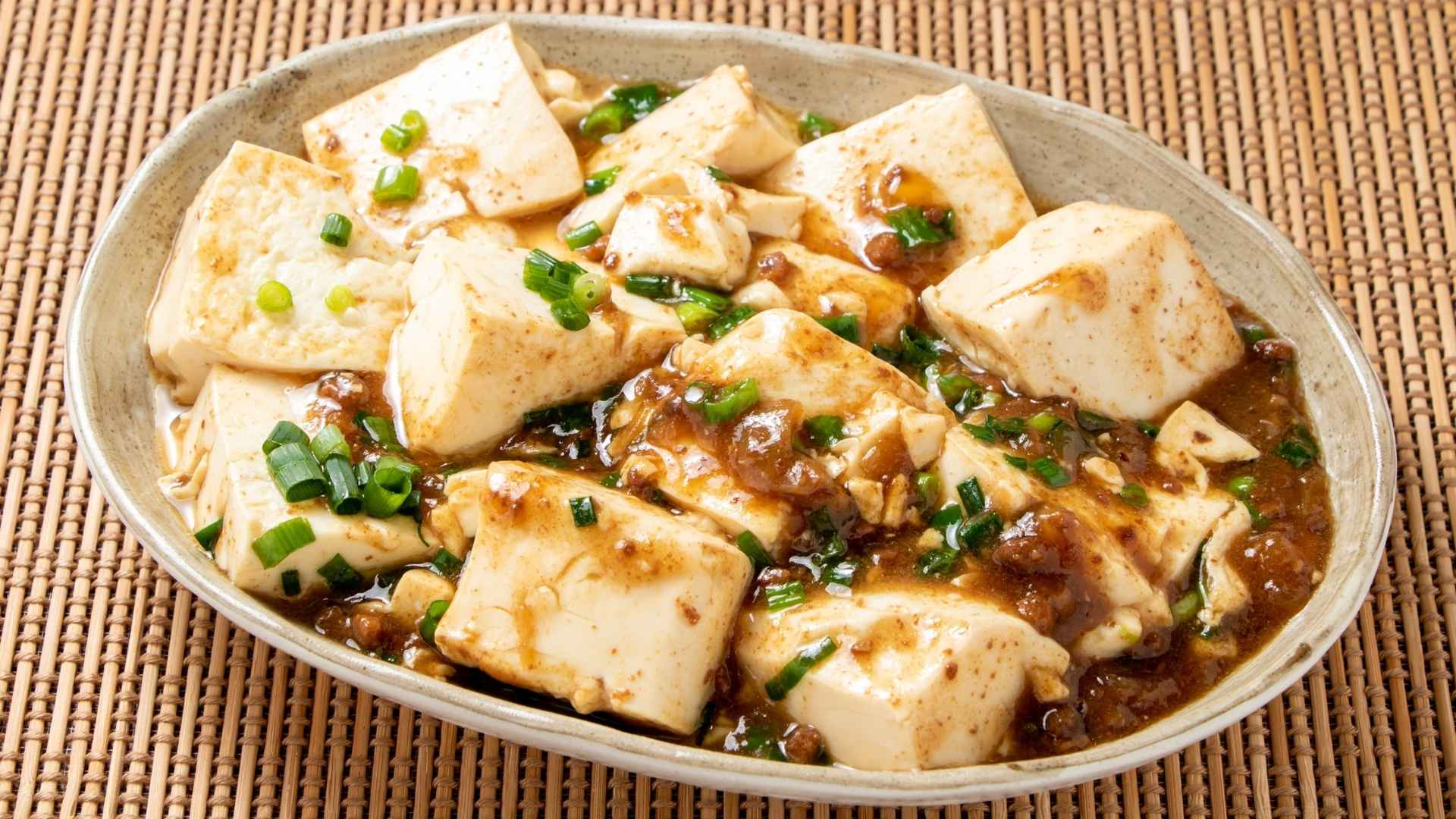
A high protein score doesn't mean a healthier food
Protein quality scoring may be highly useful in contexts of food insecurity or malnutrition, where essential amino acid sufficiency is a primary concern.
However, in economically developed countries – where average protein intake exceeds recommended requirements and most have access to a wide range of foods – the relevance of these scoring systems is more debatable (source, source).

Some experts have described current definitions of protein quality as misleading and outdated, arguing that they disproportionately elevate animal-based proteins while ignoring broader health outcomes (source).
Large prospective cohort studies suggest that higher intake of certain animal proteins – particularly red and processed meat – is associated with increased risk of chronic disease (source). In contrast, replacing animal protein with plant protein is consistently associated with improved cardiometabolic outcomes and, in some analyses, reduced all-cause mortality (source, source, source, source).
This divergence between amino acid scoring and long-term health data highlights the limitations of defining “quality” solely through essential amino acid ratios.
A more useful way to think about protein quality
The idea that protein quality determines muscle-building potential has become widespread, but leading researchers increasingly emphasise that:
- Adequate total protein intake is the primary driver of adaptation
- Both plant and animal proteins can support strength and hypertrophy when properly structured
- Health outcomes depend on overall dietary patterns, not isolated amino acid scores

If the goal is to define a high-quality protein source, a more useful question may be:
How does this food influence real-world outcomes – muscle mass, metabolic health, and disease risk – over time?
A narrow focus on amino acid ratios may obscure the bigger picture.
What actually makes a protein source worth eating?
Protein quality scoring systems were developed to address protein deficiency, not to rank foods for athletic performance or long-term disease prevention in well-nourished populations.
While amino acid composition and digestibility are relevant, they represent only a small part of the story.
In practice, a high-quality protein source is one that:
- Contributes meaningfully toward daily protein needs
- Supports muscle adaptation when paired with training
- Enhances – rather than undermines – long-term health
- Fits within a balanced, sustainable dietary pattern
When viewed through that broader lens, total diet quality matters far more than a single protein score.

Independent fact-checking, funded by readers like you.
Misinformation is a growing threat to our health and planet. At foodfacts.org, we're dedicated to exposing the truth behind misleading food narratives. But we can't do it without your support.
References:
- Energy and protein requirements. Report of a joint FAO/WHO/UNU Expert Consultation. (1985). World Health Organization technical report series, 724, 1–206.
- Food and Agriculture Organization/World Health Organization. (1991). Protein Quality Evaluation: Report of the Joint FAO/WHO Expert Consultation, FAO Food and Nutrition paper 51. FAO, Rome, Italy
- Craddock, J. C., Genoni, A., Strutt, E. F., & Goldman, D. M. (2021). Limitations with the Digestible Indispensable Amino Acid Score (DIAAS) with Special Attention to Plant-Based Diets: a Review. Current nutrition reports, 10(1), 93–98. https://doi.org/10.1007/s13668-020-00348-8
- Burd, N. A., Beals, J. W., Martinez, I. G., Salvador, A. F., & Skinner, S. K. (2019). Food-First Approach to Enhance the Regulation of Post-exercise Skeletal Muscle Protein Synthesis and Remodeling. Sports medicine (Auckland, N.Z.), 49(Suppl 1), 59–68. https://doi.org/10.1007/s40279-018-1009-y
- Morgan, P. T., Harris, D. O., Marshall, R. N., Quinlan, J. I., Edwards, S. J., Allen, S. L., & Breen, L. (2021). Protein Source and Quality for Skeletal Muscle Anabolism in Young and Older Adults: A Systematic Review and Meta-Analysis. The Journal of nutrition, 151(7), 1901–1920. https://doi.org/10.1093/jn/nxab055
- Mitchell, C. J., Churchward-Venne, T. A., Parise, G., Bellamy, L., Baker, S. K., Smith, K., Atherton, P. J., & Phillips, S. M. (2014). Acute post-exercise myofibrillar protein synthesis is not correlated with resistance training-induced muscle hypertrophy in young men. PloS one, 9(2), e89431. https://doi.org/10.1371/journal.pone.0089431
- Messina, M., Lynch, H., Dickinson, J. M., & Reed, K. E. (2018). No Difference Between the Effects of Supplementing With Soy Protein Versus Animal Protein on Gains in Muscle Mass and Strength in Response to Resistance Exercise. International journal of sport nutrition and exercise metabolism, 28(6), 674–685. https://doi.org/10.1123/ijsnem.2018-0071
- Banaszek, A., Townsend, J. R., Bender, D., Vantrease, W. C., Marshall, A. C., & Johnson, K. D. (2019). The Effects of Whey vs. Pea Protein on Physical Adaptations Following 8-Weeks of High-Intensity Functional Training (HIFT): A Pilot Study. Sports (Basel, Switzerland), 7(1), 12. https://doi.org/10.3390/sports7010012
- Moon, Jessica & Ratliff, Kayla & Blumkaitis, Julia & Harty, Patrick & Zabriskie, Hannah & Stecker, Richard & Currier, Brad & Jagim, Andrew & Jäger, Ralf & Purpura, Martin & Kerksick, Chad. (2020). Effects of daily 24-gram doses of rice or whey protein on resistance training adaptations in trained males. Journal of the International Society of Sports Nutrition. 17. https://doi.org/10.1186/s12970-020-00394-1
- Pinckaers, P. J. M., Hendriks, F. K., Hermans, W. J. H., Goessens, J. P. B., Senden, J. M., VAN Kranenburg, J. M. X., Wodzig, W. K. H. W., Snijders, T., & VAN Loon, L. J. C. (2022). Potato Protein Ingestion Increases Muscle Protein Synthesis Rates at Rest and during Recovery from Exercise in Humans. Medicine and science in sports and exercise, 54(9), 1572–1581. https://doi.org/10.1249/MSS.0000000000002937
- Monteyne, A. J., Coelho, M. O. C., Murton, A. J., Abdelrahman, D. R., Blackwell, J. R., Koscien, C. P., Knapp, K. M., Fulford, J., Finnigan, T. J. A., Dirks, M. L., Stephens, F. B., & Wall, B. T. (2023). Vegan and Omnivorous High Protein Diets Support Comparable Daily Myofibrillar Protein Synthesis Rates and Skeletal Muscle Hypertrophy in Young Adults. The Journal of nutrition, 153(6), 1680–1695. https://doi.org/10.1016/j.tjnut.2023.02.023
- Hevia-Larraín, V., Gualano, B., Longobardi, I., Gil, S., Fernandes, A. L., Costa, L. A. R., Pereira, R. M. R., Artioli, G. G., Phillips, S. M., & Roschel, H. (2021). High-Protein Plant-Based Diet Versus a Protein-Matched Omnivorous Diet to Support Resistance Training Adaptations: A Comparison Between Habitual Vegans and Omnivores. Sports medicine (Auckland, N.Z.), 51(6), 1317–1330. https://doi.org/10.1007/s40279-021-01434-9
- López-Moreno, M., Rossi, E. V., López-Gil, J. F., Marrero-Fernández, P., Roldán-Ruiz, A., & Bertotti, G. (2025). Are Plant-Based Diets Detrimental to Muscular Strength? A Systematic Review and Meta-Analysis of Randomized Controlled Trials. Sports medicine - open, 11(1), 62. https://doi.org/10.1186/s40798-025-00852-7
- Frampton, J., Murphy, K. G., Frost, G., & Chambers, E. S. (2021). Higher dietary fibre intake is associated with increased skeletal muscle mass and strength in adults aged 40 years and older. Journal of cachexia, sarcopenia and muscle, 12(6), 2134–2144. https://doi.org/10.1002/jcsm.12820
- Kimble, R., Jones, K., & Howatson, G. (2023). The effect of dietary anthocyanins on biochemical, physiological, and subjective exercise recovery: a systematic review and meta-analysis. Critical reviews in food science and nutrition, 63(9), 1262–1276. https://doi.org/10.1080/10408398.2021.1963208
- Margolis, L. M., & Pasiakos, S. M. (2023). Low carbohydrate availability impairs hypertrophy and anaerobic performance. Current opinion in clinical nutrition and metabolic care, 26(4), 347–352. https://doi.org/10.1097/MCO.0000000000000934
- Boye, J., Wijesinha-Bettoni, R., & Burlingame, B. (2012). Protein quality evaluation twenty years after the introduction of the protein digestibility corrected amino acid score method. The British journal of nutrition, 108 Suppl 2, S183–S211. https://doi.org/10.1017/S0007114512002309
- Katz, D. L., Doughty, K. N., Geagan, K., Jenkins, D. A., & Gardner, C. D. (2019). Perspective: The Public Health Case for Modernizing the Definition of Protein Quality. Advances in nutrition (Bethesda, Md.), 10(5), 755–764. https://doi.org/10.1093/advances/nmz023
- Shi, W., Huang, X., Schooling, C. M., & Zhao, J. V. (2023). Red meat consumption, cardiovascular diseases, and diabetes: a systematic review and meta-analysis. European heart journal, ehad336. Advance online publication. https://doi.org/10.1093/eurheartj/ehad336
- Mousavi, S. M., Jayedi, A., Jalilpiran, Y., Hajishafiee, M., Aminianfar, A., & Esmaillzadeh, A. (2022). Dietary intake of total, animal and plant proteins and the risk of coronary heart disease and hypertension: a systematic review and dose-response meta-analysis of prospective cohort studies. Critical reviews in food science and nutrition, 62(5), 1336–1349. https://doi.org/10.1080/10408398.2020.1841730
- Jafari, S., Hezaveh, E., Jalilpiran, Y., Jayedi, A., Wong, A., Safaiyan, A., & Barzegar, A. (2022). Plant-based diets and risk of disease mortality: a systematic review and meta-analysis of cohort studies. Critical reviews in food science and nutrition, 62(28), 7760–7772. https://doi.org/10.1080/10408398.2021.1918628
- Naghshi, S., Sadeghi, O., Willett, W. C., & Esmaillzadeh, A. (2020). Dietary intake of total, animal, and plant proteins and risk of all cause, cardiovascular, and cancer mortality: systematic review and dose-response meta-analysis of prospective cohort studies. BMJ (Clinical research ed.), 370, m2412. https://doi.org/10.1136/bmj.m2412
- Neuenschwander, M., Stadelmaier, J., Eble, J., Grummich, K., Szczerba, E., Kiesswetter, E., Schlesinger, S., & Schwingshackl, L. (2023). Substitution of animal-based with plant-based foods on cardiometabolic health and all-cause mortality: a systematic review and meta-analysis of prospective studies. BMC medicine, 21(1), 404. https://doi.org/10.1186/s12916-023-03093-1



foodfacts.org is an independent non-profit fact-checking platform dedicated to exposing misinformation in the food industry. We provide transparent, science-based insights on nutrition, health, and environmental impacts, empowering consumers to make informed choices for a healthier society and planet.






.svg)


.svg)

