Cofounder & Research Director (Volunteer)

Elise Hutchinson, PhD

Elise is a cofounder of foodfacts.org, she has a PhD in cognitive linguistics and focuses on fighting misinformation & creating meaningful debate.

About Elise Hutchinson, PhD

Elise is one of the founders of foodfacts.org. She is a linguistics professional who was awarded Summa Cum Laude for her PhD thesis, which focused on the cognitive and discursive mechanisms behind effective persuasion, particularly in the long term. She is passionate about finding ways to fight against the spread of misinformation and disinformation, and to generate meaningful, constructive debates.

She is Director of Research and Co-Editor in Chief at foodfacts.org. Her responsibilities include:

  • Conducting research into misinformation, its mechanisms and evidence-based methods to fight it effectively
  • Training all of our volunteer fact-checkers
  • Overseeing the fact-checking process, from selecting claims to fact-checks, writing fact-checks to editing final drafts
  • Content creation

Elise earned her PhD at the Université de Neuchâtel and currently lives in England.

Articles featuring  

Elise Hutchinson, PhD
FACT CHECK
Opinion
Health

Garlic and blood pressure: what the evidence shows and what it doesn’t

Can garlic replace blood pressure medication? We unpack the science, the hype, and why balanced dietary patterns still matter most.
FACT CHECK
Opinion
Media Literacy

How analogies shape nutrition debates: power and limitations to be aware of

From the Glucose Goddess comparing glucose to cavities to Dr. Berg calling canola oil “engine lubricant,” nutrition analogies go viral. Find out more
FACT CHECK
Opinion
Health

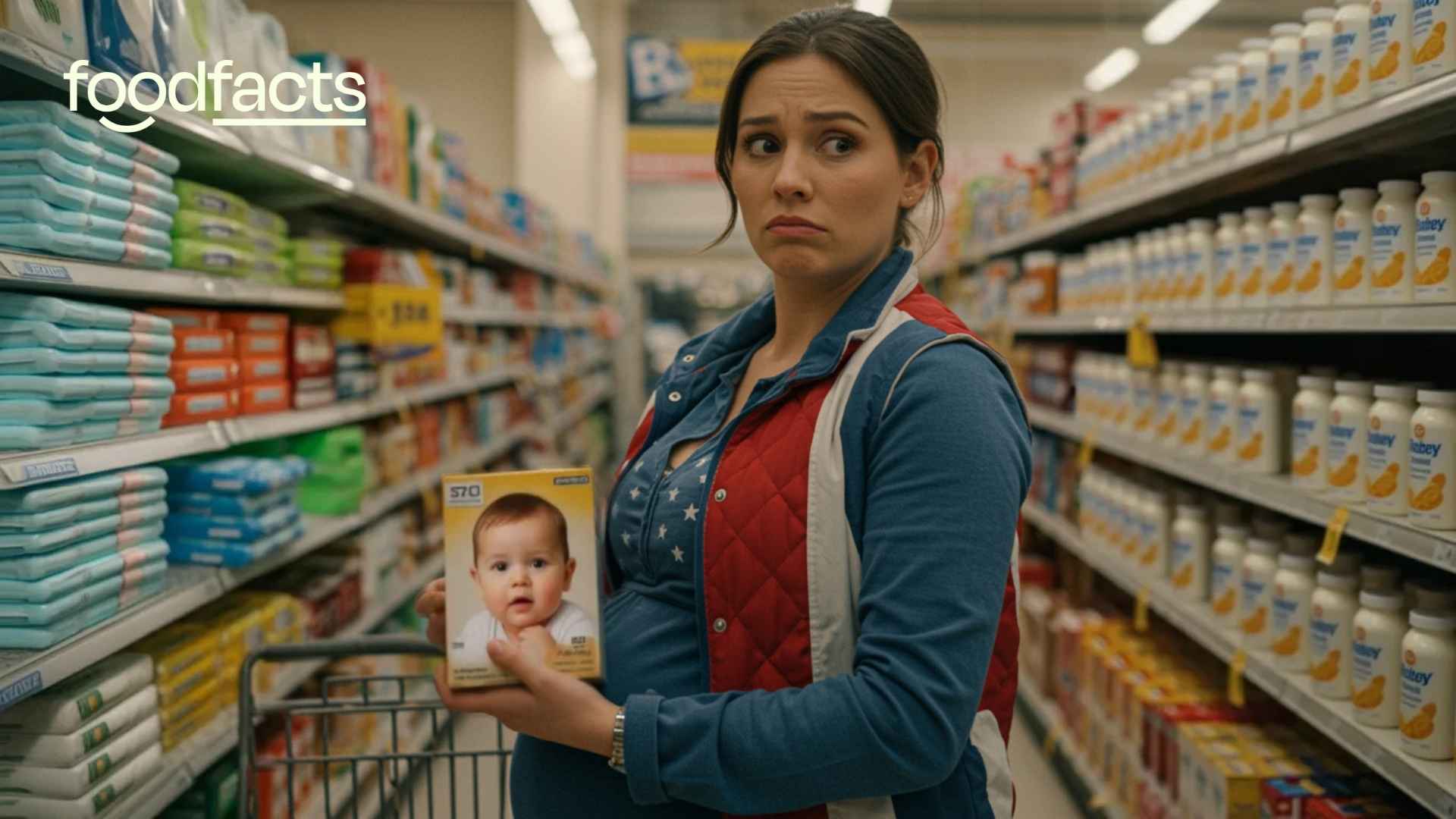
Does infant formula cause autism? Why the science says no, and why raw goat’s milk is not a safe alternative

Does formula cause autism? Is raw goat’s milk safe for infants? Here’s what research really says about these feeding claims.
FACT CHECK
Opinion
Media Literacy

Beyond ingredient panic: how to make better food choices together

Beyond fear and false villains: build common ground, demand accountability, and refocus nutrition on evidence—not algorithms or profit.
FACT CHECK
Opinion
Media Literacy

Exposing misinformation: how influencers twist the truth on social media

Misinformation Detractors: How Social Media Influencers Deflect Accountability in Nutrition Conversations
FACT CHECK
Opinion
Health

Does eating croissants really raise cancer risk? Fact-checking France’s cadmium warning and what it means for the UK

France’s cadmium warning is real, but croissants aren’t uniquely “cancerous” – the risk comes from lifelong exposure to cadmium in many staples.
FACT CHECK
Opinion
Health

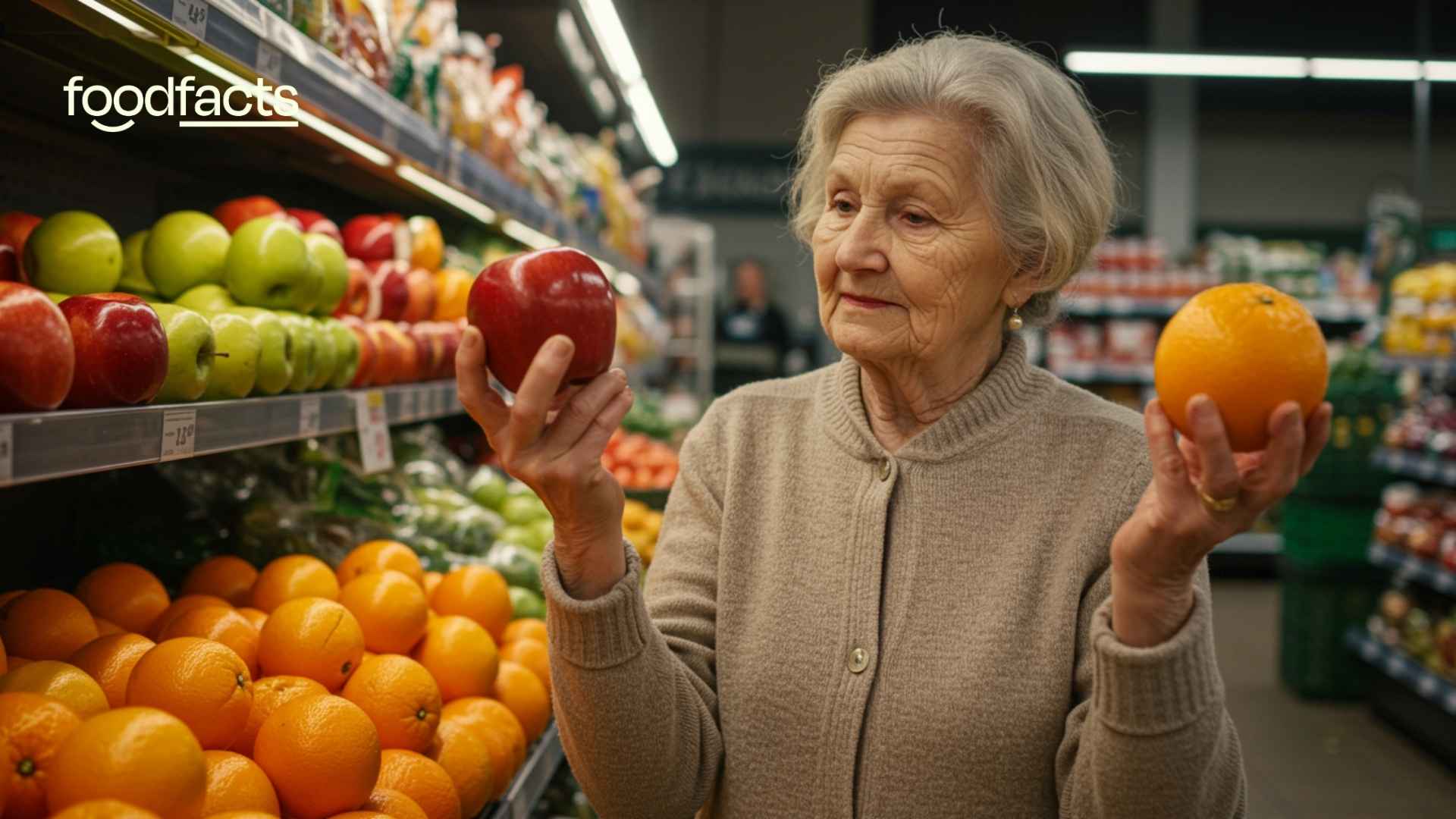
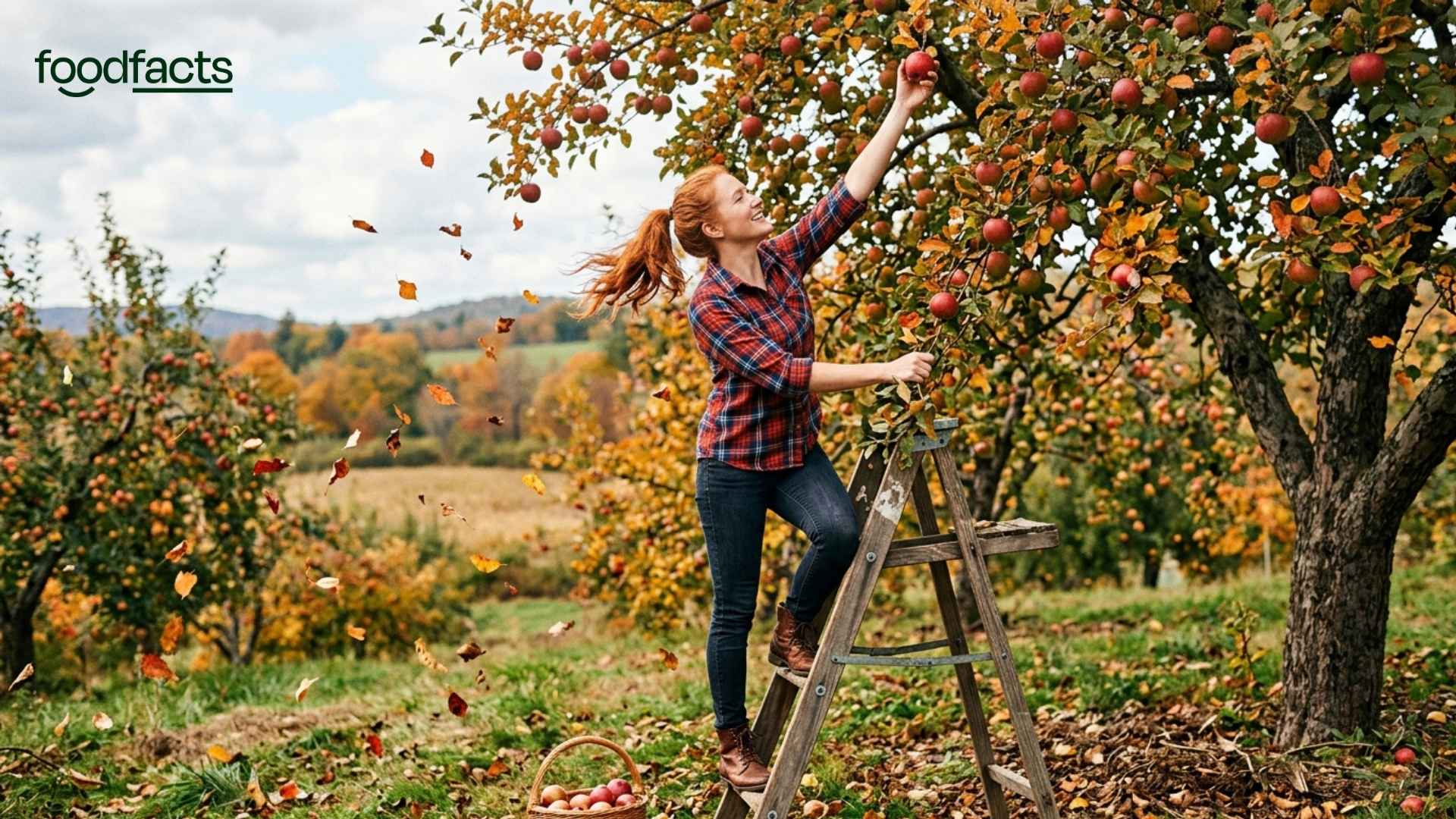
How viral posts about "unnatural" apples may be missing what the science actually shows

Modern apples have been selectively bred, but does that make them bad for you? The science suggests otherwise.
FACT CHECK
Opinion
Nutrition

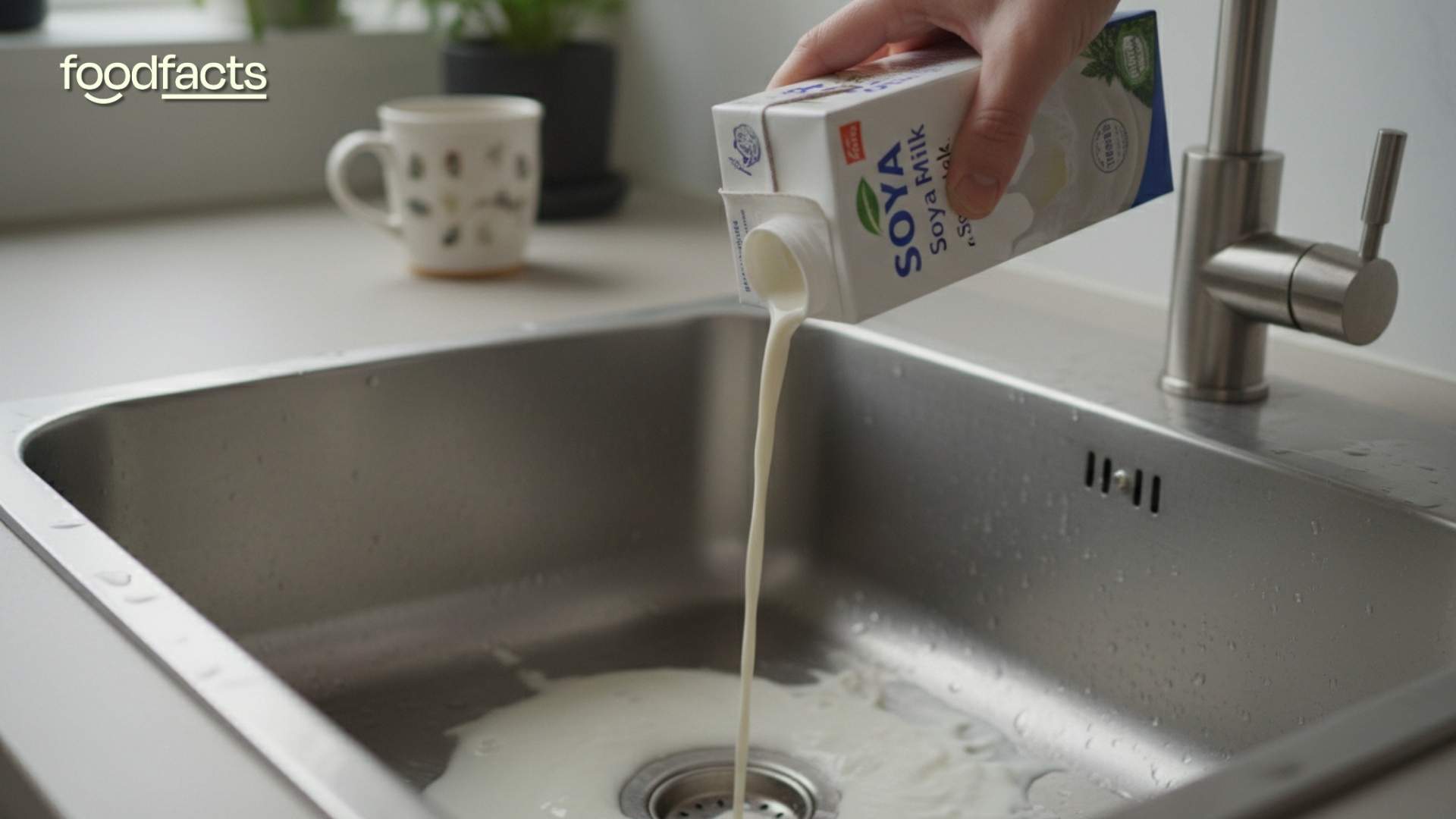
Do plant milks really harm our IQ?

We assess how a misleading headline shapes assumptions about plant-based milks and IQ, and summarises what you need to know about iodine deficiency
FACT CHECK
Opinion
Health

Why saying that raw salad is as dangerous as raw milk misses key context

When people claim that raw salad is as dangerous as raw milk, they're cherry picking data to back up their point. In this article, we dig into the detail.
FACT CHECK
Opinion
Health

Is ginger good for you? Or are the benefits of this "superfood" overstated?

Many people eat ginger when they're feeling unwell, but are ginger's health benefits anecdotal or based in evidence? We find out in this fact-check!
FACT CHECK
Opinion
Media Literacy

Exposing misinformation: how influencers twist the truth on social media

Misinformation Detractors: How Social Media Influencers Deflect Accountability in Nutrition Conversations