





Should people with prediabetes avoid fruit? The viral "fruit is not your friend" claim checked against current evidence


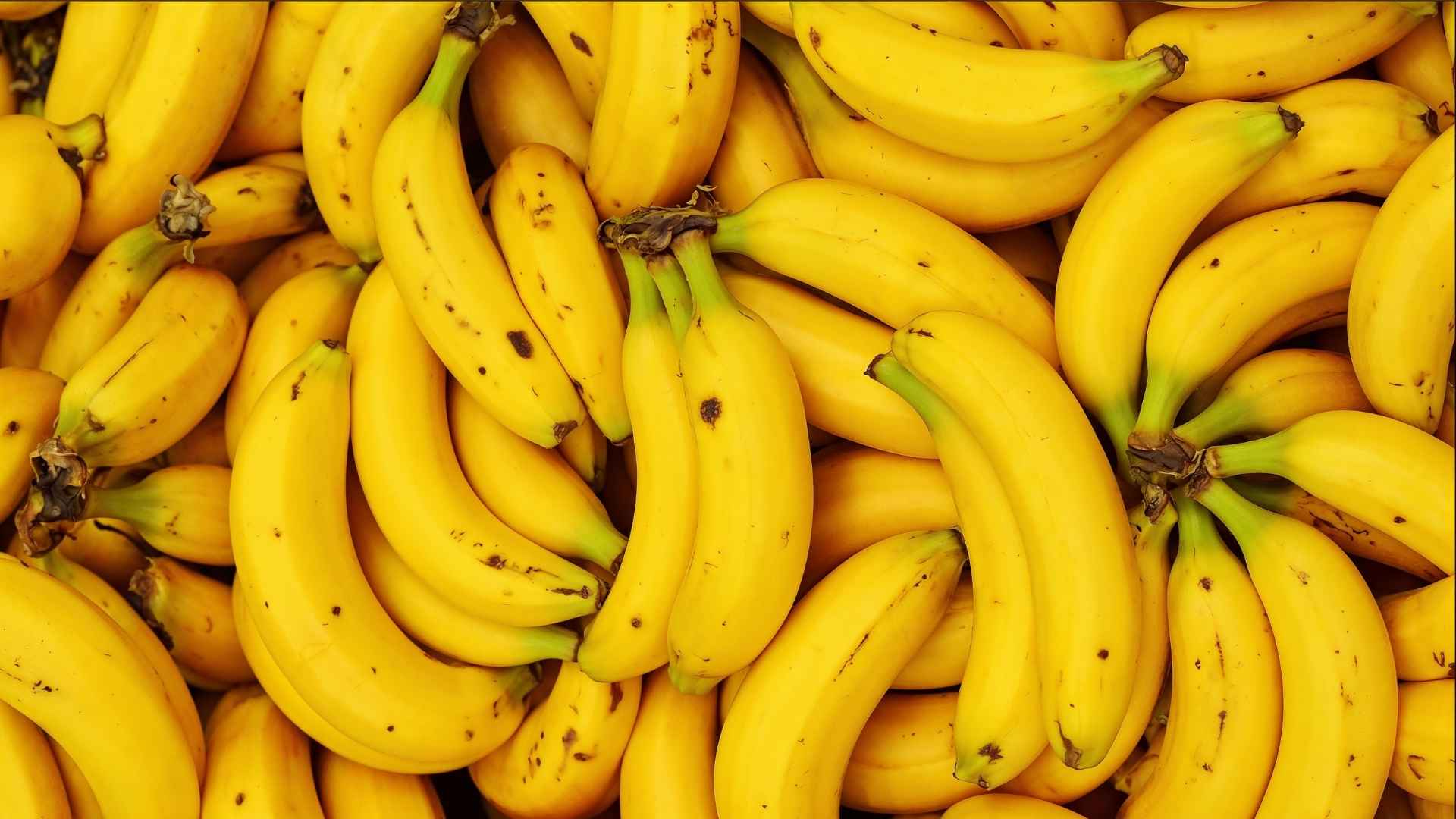
In a recent Instagram Reel, Canadian physician Dr Jocelyn Foran tells people with prediabetes or diabetes that “fruit is not your friend” and suggests they should largely avoid it, especially higher carbohydrate tropical fruits such as bananas which she says are effectively “poison” for people with diabetes. In the video and caption, she claims that many fruits are “high in fructose,” that the liver can only handle a limited amount before converting the rest directly to fat, and that this process contributes to fatty liver disease.
Several comments underneath the post ask whether these warnings apply only to unripe or also to ripe bananas, whether other tropical fruits are included, and whether eating bananas with yoghurt is acceptable, highlighting the confusion that can arise from strict “eat this, don’t eat that” rules applied to everyday foods. Let’s check these claims against the available evidence on fruit consumption and conditions like prediabetes or type 2 diabetes.
Full Claim: If you are living with prediabetes or diabetes, fruit is not your friend. A medium banana has the same amount of carbohydrates as a cup of Coca-Cola, which is ‘poison.’ Fruit is high in fructose, which is metabolised in the liver and converted into fat, causing fatty liver. Choose low-carb fruits like berries and avoid tropical fruits.



Current evidence shows that moderate consumption of whole fruit, including tropical fruits does not increase type 2 diabetes risk or worsen blood glucose control.
Type 2 diabetes affects millions of people in the UK, so many people will turn to social media for advice on how to manage it. This makes it especially important to check that the information shared on those platforms is accurate. Misinformation about diet and diabetes can lead people to unnecessarily worry and restrict nutritious foods like fruit, potentially worsening overall diet quality. Understanding what actually affects blood sugar helps people make informed choices that support long-term health, rather than avoiding foods based on misleading claims.


Claim 1: Fruit is ‘not your friend’ if you have prediabetes or diabetes and should be avoided, especially high carbohydrate topical fruits
Fact-check: This claim is misleading. It oversimplifies diabetes management and ignores evidence that whole fruit (in appropriate portions) can fit safely into the diets of people with pre-diabetes and type 2 diabetes, and are often linked with better long-term metabolic health rather than harm.
Diabetes occurs when the body can’t use insulin (a hormone) properly or doesn’t make enough, and as a result your blood glucose levels become too high. There are different types of diabetes however, and in the video and caption “diabetes” is mentioned without specifying a type. As the discussion focuses on lifestyle and pre-diabetes, this fact-check assumes the claim is about both prediabetes and type 2 diabetes, not type 1 diabetes or other rarer forms.
Dr. Jocelyn Foran’s suggestion that fruit should be avoided solely because of its fructose content is misleading and overlooks the bigger picture of overall dietary patterns, portion sizes and food context.
While fruit does contain natural sugar (in the form of fructose), having pre-diabetes or diabetes does not mean that you should stop eating fruit.

The sugar found in fruit is not the same as free sugars found in sweets, chocolate and sugary drinks, which are the types of sugar we need to cut down on. Whole fruit also provides fibre, vitamins and minerals, all of which are beneficial for health.
One large population study shows that people who eat whole fruit have a lower risk of developing type 2 diabetes, whereas intakes of fruit juices are linked with higher risk. This meta-analysis in people with diabetes also suggests that usual intakes of whole fruit do not worsen average blood glucose levels and may modestly improve some metabolic markers.
For most people with pre-diabetes or type 2 diabetes, what matters most is total carbohydrate intake over the day, overall diet quality, body weight, physical activity, sleep and medications. Not whether you avoid specific fruits. As fruit is a source of carbohydrates, portion size and eating patterns matter, but total restriction is not necessary.
Some people may eat fruit infrequently but have larger portions when they do, which can mean that the carbohydrate portion in one sitting is quite high, therefore impacting blood glucose levels. This can be particularly relevant with tropical fruits which Dr. Foran specifically mentions in her video. These types of fruits can be easy to eat in larger quantities.
Rather than completely avoiding high carbohydrate fruits, a more balanced strategy may be managing portion sizes, including a range of different fruits in the diet and distributing fruit intake throughout the day. Pairing fruit with other foods, such as those containing protein or health fats, may also help to moderate blood glucose response.
This contrasts with Dr Foran’s suggestion to stick mainly to “low‑carb fruits like berries,” which overlooks evidence that a variety of whole fruits, including tropical fruits in sensible portions, can fit into diets for people with prediabetes and type 2 diabetes.
"Rather than fearmongering specific foods, the focus should be on balance, variety, and individualised advice. People with prediabetes or type 2 diabetes may benefit from some simple dietary adjustments, such as portion awareness or pairing carbs with protein or healthy fats to support stable blood glucose levels, but this doesn’t mean any fruit needs to be completely avoided. Long-term blood sugar management relies on consistency, and that’s far more achievable with a balanced, sustainable approach than one built on unnecessary restriction." - Lore Wormsbächer, Diabetes Specialist Dietitian

Claim 2: A medium banana has as many carbohydrates as a cup of Coca-Cola so it is "poison" for those with diabetes
Fact-check: This claim is misleading because it relies on a narrow comparison of total carbohydrate content while ignoring important differences in nutritional value and health effects.
In the video, Dr. Foran explains how the amount of carbohydrates in a banana are the same as the carbohydrates found in a cup of coco-cola. While true that a medium banana and a cup of Coca-Cola contain similar carbohydrates, this comparison lacks the importance of context.
Both bananas and Coco-Cola contain around 27g of carbohydrates but that is where the comparison ends. A medium banana not only has 27g of carbohydrates, but also 3g of fibre and a range of beneficial vitamins and minerals such as vitamin C and potassium. In comparison Coca-Cola has no fibre, negligible micronutrients and it is made almost entirely of free sugars.
High intakes of Coca-Cola and other foods high in free-sugars have been strongly linked to obesity, type 2 diabetes and cardiovascular disease. Comparing the two as if they are equivalent oversimplifies how different foods affect blood sugar and long-term health and is an example of false equivalence.
In addition, foods with similar carbohydrate content can affect blood glucose differently. The fibre and structure of whole fruit slow digestion and absorption, leading to a more gradual rise in blood sugar. In contrast, sugary drinks are rapidly absorbed and tend to cause sharper spikes in blood glucose. Individual responses can also vary, meaning two people may respond differently to the same food which is why nutrition advice may vary between individuals.
For individuals with diabetes it is generally recommended to cut down on high-sugar, low-nutrient foods and drinks, rather than focusing on restricting whole fruits or vegetables. These less nutritious foods can still be consumed occasionally but should not form a large part of the diet.
Claim 3: Fruit is high in fructose which is metabolised in the liver and converted to fat
Fact-check: This claim is misleading as it oversimplifies fructose metabolism by ignoring dose, absorption rates, and evidence consistently showing that moderate intake of whole fruit does not promote fatty liver or negatively impact prediabetes or diabetes management.
Dr.Foran is correct that the primary sugar in fruit is fructose, and that fructose is largely metabolised in the liver. This process occurs relatively quickly, allowing fructose to be used for immediate energy or stored as glycogen.
However, fructose is not directly converted into fat under normal dietary conditions unlike what is implied in this video. Most fructose is used for energy or replenishes liver glycogen stores. Only when fructose intake is excessive, particularly in the context of increased calorie intake does the liver significantly increase de novo lipogenesis, the process of converting excess substrates into fat (triglycerides). In typical diets, it is difficult to consume fructose from whole fruit at a level high enough to drive these harmful effects.
.jpeg)
Importantly, whole fruit also contains fibre, water, and other nutrients that slow absorption and naturally limit intake, making it far less likely to contribute to fat production compared to high-sugar drinks.
This distinction is also seen when comparing whole fruit with fruit juices. When fibre is removed or broken down, sugars become more readily absorbed, behaving like free sugars and potentially having different metabolic effects.
Additionally, this meta-analysis also shows that whole fruit intake is not likely to be associated with increased liver fat or metabolic dysfunction-associated steatotic liver disease (previously known as non-alcoholic fatty liver disease) in both lean and obese adults. Therefore, the claim that fruit inherently promotes fat formation in the liver is not supported by current scientific evidence.
Final take-away and conclusion
All fruits, including tropical fruits, can be included in moderate portions for those who have pre-diabetes and type 2 diabetes. Rather than solely focusing on avoiding specific fruits, it is more helpful to focus on portion sizes, variety, and making other dietary improvements such as reducing the intake of foods which are high in free sugars.
While whole fruit does contain natural sugars, it also provides fibre, vitamins and minerals which benefit overall health. More concentrated forms such as fruit juices and dried fruit may have a greater impact on blood glucose and therefore should be consumed in smaller amounts.
For those managing prediabetes or type 2 diabetes, practical strategies can help support blood glucose control without avoiding fruit altogether. These include keeping portions moderate, spreading fruit intake across the day rather than eating large amounts at once, and pairing fruit with foods that contain protein or healthy fats (such as yogurt, nuts, or seeds) to help slow the rise in blood sugar.
However, individual responses to carbohydrates can always vary, so personalised advice from a healthcare professional, such as a dietitian may be necessary in some cases. Overall dietary pattern, physical activity, sleep, and medication (where relevant) all play important roles in blood glucose management.
Be wary of advice to completely cut out certain foods or using extreme terms like “poison.” Nutrition is rarely that simple, and balanced, evidence-based guidance is more reliable.

When contacted for comment about this fact‑check, Dr Foran replied that “tropical fruit for the vast majority of adults living with metabolic dysfunction exacerbates their fatty liver and insulin resistance” and referred to the work of UK GP Dr David Unwin to support this view, however they did not provide any direct sources to support these claims nor did they acknowledge the other claims in the video.
Dr Unwin’s own low‑carbohydrate resources do recommend extra caution with tropical fruits, but they still allow whole fruit in moderation and do not describe fruit as “poison,” which is a much stronger and more absolute position than his. Dr Unwin’s published work is framed primarily around drug‑free remission of type 2 diabetes (and large HbA1c improvements), rather than routine day‑to‑day management in all people living long‑term with diabetes. Dr. Unwin et al.’s 2023 service evaluation explicitly describes a “primary care‑based method to achieve remission of T2D” using a low‑carbohydrate approach, with emphasis on higher remission rates when treatment is started early after diagnosis.
Dr Unwin’s work also encourages people to “eat lots of green vegetables” and advises that processed meats such as bacon, ham, sausages and salami are “not as healthy” and should only be eaten in moderation, which contrasts with Dr Foran’s dietary approach and claims that bacon is a health food. This is not directly relevant to the question of fruit and diabetes, but it does illustrate how selectively invoking Dr. Unwin’s work to support some claims while leaving out parts that contradict others is an example of cherry‑picking. This also reflects a wider issue with nutrition advice given on social media: broad, simplified messages are often not representative of the full balance of evidence but may still influence how individuals manage health issues.
Disclaimer
This fact-check is intended to provide information based on available scientific evidence. It should not be considered as medical advice. For personalised health guidance, consult with a qualified healthcare professional.
Independent fact-checking, funded by readers like you.
Misinformation is a growing threat to our health and planet. At foodfacts.org, we're dedicated to exposing the truth behind misleading food narratives. But we can't do it without your support.
Sources
- NHS (2025). “Diabetes.”
- Diabetes UK (2026). “Fruit and diabetes.”
- BDA (2025). “Fruit and vegetables - how to get five-a-day.”
- Muraki, I. et al. (2013). “Fruit consumption and risk of type 2 diabetes.”
- Jiang, G. et al. (2023). “Fruit intake and NAFLD.”
- Diabetes UK (2026). “Carbohydrates and diabetes.”
- Diabetes UK (2026). “Portion sizes.”
- Thomas, D. & Elliott, E. (2007). “Low glycaemic diets for diabetes.”
- Imamura, F. et al. (2025). “Fruit/veg intake outcomes.”
- Schwingshackl, L. et al. (2015). “Food groups mortality risk.”
- NIH (2024). “Diabetes diet guidance.”
- Muraki, I. et al. (2019). “Fruit and CVD.”
- SACN (2015). “Carbohydrates and health.”
- Asbaghi, O. et al. (2024). “Fruits/veg and NAFLD.”
- Dholariya, S. J., & Orrick, J. A. (2022). “Biochemistry, Fructose Metabolism.”
- Gonzalez, J. T. et al. (2019). “Fructose and metabolic health: governed by hepatic glycogen status?”
- Gerber, P. A., & Geidl‑Flueck, B. et al. (2023). “Fructose drives de novo lipogenesis affecting metabolic health.”
- Ma, Y. et al. (2024). “Fruit and vegetable intake and the risk of non‑alcoholic fatty liver disease.”
- Unwin, D. et al. (2023). “Low‑carbohydrate diets for type 2 diabetes remission: BMJ Nutrition, Prevention & Health supplementary data.”


foodfacts.org is an independent non-profit fact-checking platform dedicated to exposing misinformation in the food industry. We provide transparent, science-based insights on nutrition, health, and environmental impacts, empowering consumers to make informed choices for a healthier society and planet.






.svg)


.svg)

