
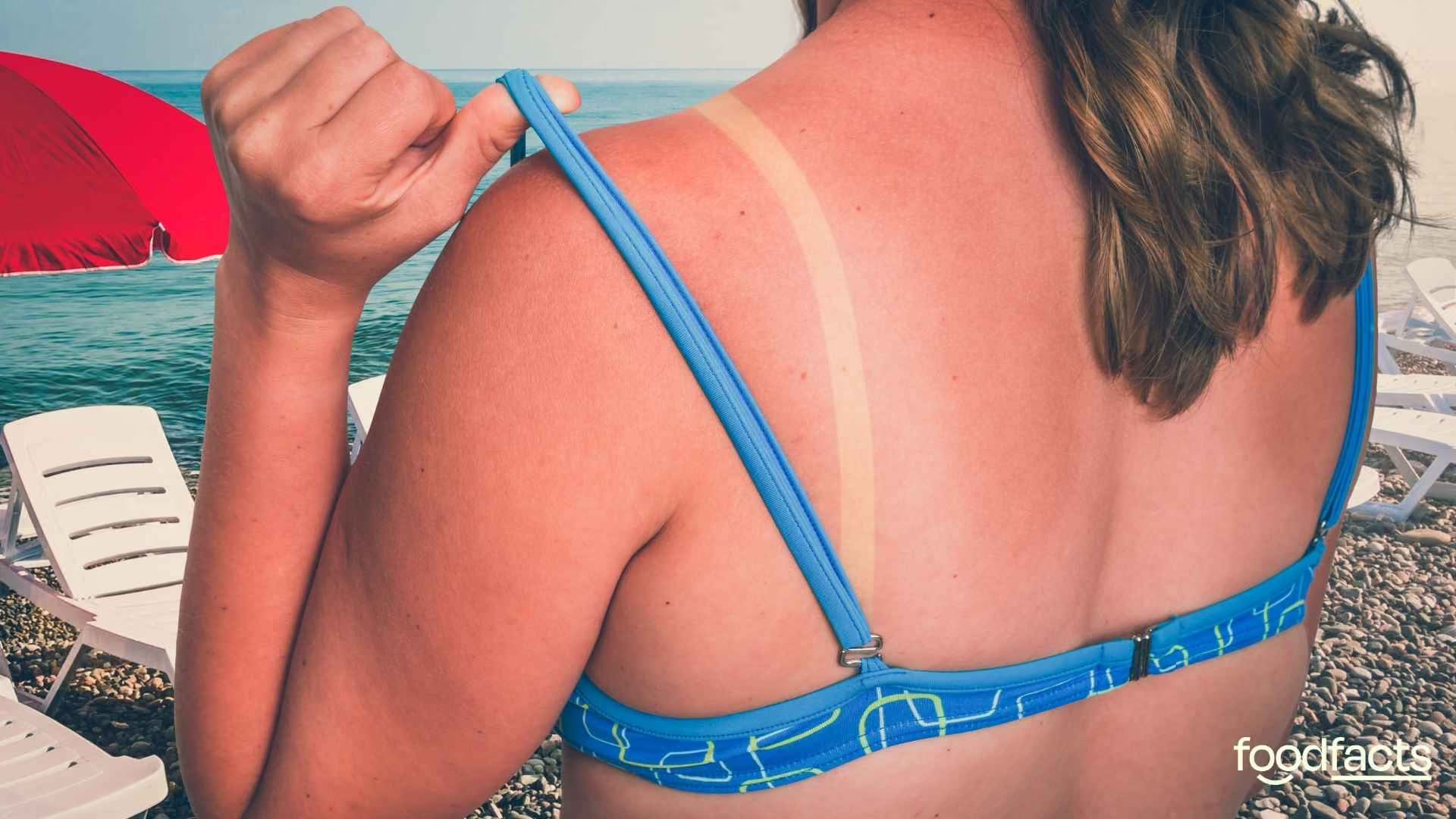




Do seed oils increase risk of sunburn?


In an Instagram reel, anonymous social media influencer Carnivore Aurelius claims that “when people cut seed oils out of their diet, [no longer burning in the sun] is one of the first things they notice”. He claims this is because “linoleic acid from seed oils is incorporated into your cell membranes and causes more oxidative stress”. He provides a list of foods that he claims provides protection from the sun, and goes on to recommend that people “Eat your sunscreen” and “stop wearing it” – implying that consuming those foods can replace the need for sunscreen. In this article, we fact-check these claims against the wider scientific evidence on the topic.
Full Claim: Shout out to everyone who no longer burns in the sun now that they don't eat seed oils. When people cut seed oils out of their diet, this is one of the first things they notice. Because linoleic acid from seed oils is incorporated into your cell membranes and causes more oxidative stress. It turns out that your diet can protect you from the sun. Here's how. Eat beef liver for vitamin A and copper. Drink coffee. Oysters. Fruit for vitamin C. Artichokes. Watermelon for lycopene. Vitamin E. Eggs and saturated fats. Lots of collagen. And of course, no seed oils. Eat your sunscreen. Stop wearing it.



The theory that seed oils increase sunburn risk is based on plausible-sounding biological mechanisms and some animal research, but these findings have not established this effect in humans. Current evidence does not show that consuming seed oils increases susceptibility to sunburn or that avoiding them provides protection from UV radiation. Established sun protection measures, including sunscreen, remain the most effective way to prevent sunburn.
Claims that seed oils increase sunburn risk may encourage people to replace heart-healthy unsaturated fats with saturated fats, which could impact cardiovascular health, and give them a false sense of protection from UV radiation. If this advice leads people to reduce their use of sunscreen or other sun protection measures, it could increase the risk of sunburn and, over time, skin cancer.


Claim 1: “When people cut seed oils out of their diet, [no longer burning in the sun] is one of the first things they notice”
Fact-check: This claim is misleading because it relies on anecdotal reports that are not supported by current human evidence. While there are plausible biological mechanisms, there is no good evidence that eliminating seed oils reduces the risk of sunburn.
What mechanism is being proposed?
The claim is that consuming seed oils, which typically include oils such as sunflower, soybean, corn and canola, makes people more likely to burn in the sun, while removing these oils from the diet can increase resistance to UV exposure and, in some cases, reduce or even eliminate the need for sunscreen.
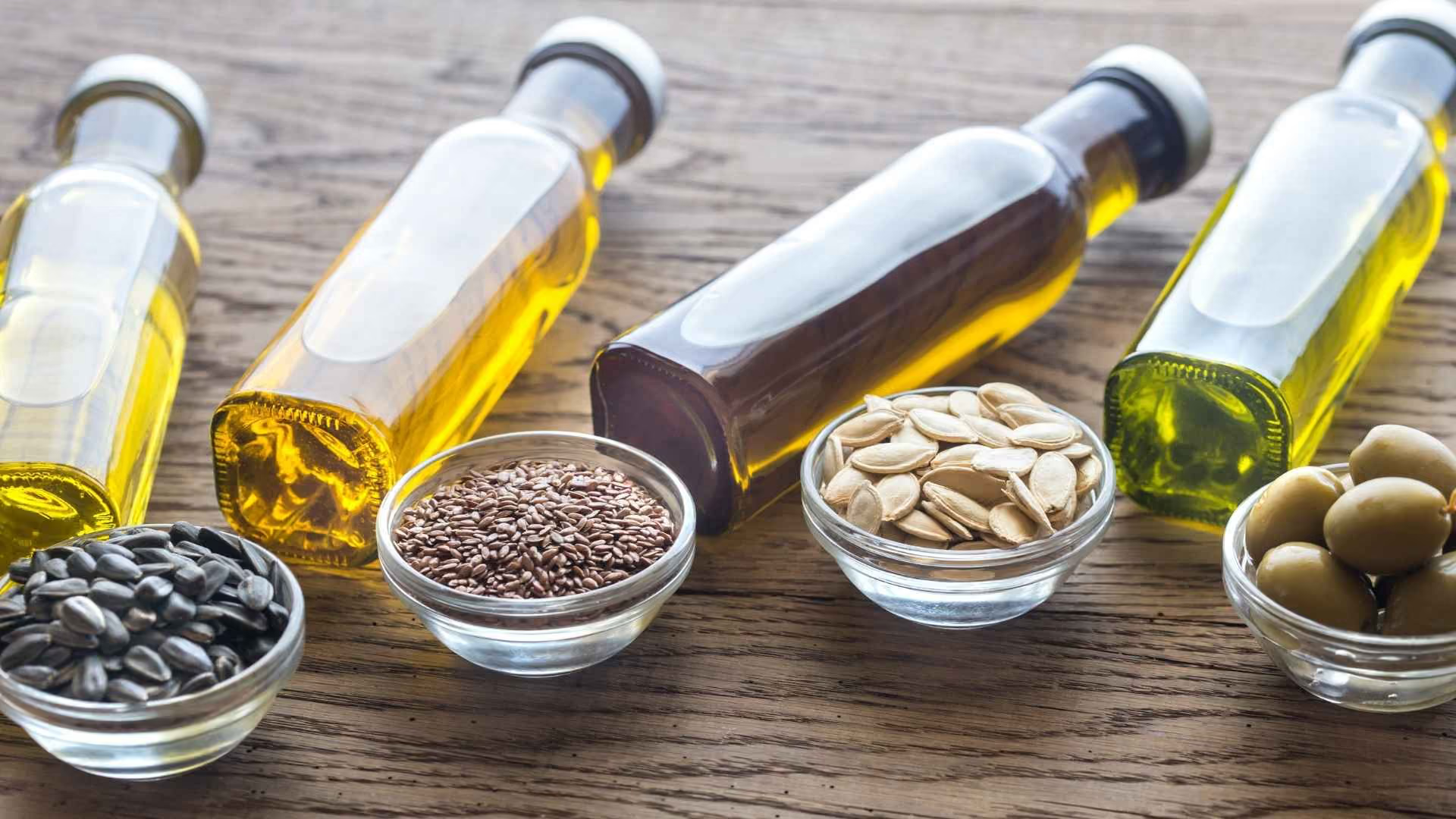
This message is not limited to individual influencers. It has also been promoted by companies with a commercial interest in encouraging consumers to replace seed oils with alternative fats such as beef tallow.
The suggestion usually starts with a genuine observation: seed oils are rich in linoleic acid, an omega-6 polyunsaturated fat, and linoleic acid does become incorporated into cell membranes throughout the body, including the skin.
Proponents of this theory often then highlight that polyunsaturated fats are chemically more vulnerable to oxidation than saturated fats. Since exposure to ultraviolet (UV) radiation generates oxidative stress in the skin, some influencers suggest that skin containing more omega-6 fats may be more susceptible to UV-induced damage.
According to this theory, consuming large amounts of seed oils could therefore increase the risk of sunburn, accelerate skin ageing, and potentially even contribute to skin cancer.
On the surface, this is a plausible-sounding biochemical story. However, theoretical biological mechanisms do not necessarily translate into meaningful effects in real people consuming normal diets – many nutritional hypotheses that appear convincing in the laboratory ultimately fail to produce measurable effects in human studies, which is why it is important to look beyond the proposed mechanism and examine the evidence directly.

Is there evidence supporting this mechanism?
Some animal studies provide support for the biological plausibility of this theory.
In early studies conducted in hairless mice, animals fed diets rich in omega-6 fats developed more UV-induced skin tumours than animals fed diets richer in saturated fats or omega-3 fats (source, source).
These findings are often cited by influencers discussing seed oils and sunburn, however they have important limitations. For instance, they were conducted in mice rather than humans, and often used extreme dietary compositions.
And, interestingly, other mechanistic evidence actually suggests the very opposite effect.
For example, a recent in vitro study exposing cultured cells to linoleic acid (an omega-6 fatty acid) and UV radiation found that linoleic acid increased cellular antioxidant production and protected against UV-induced oxidative stress, suggesting a potentially protective effect rather than a harmful one.
However, neither animal studies nor cell studies conducted under laboratory conditions can tell us whether consuming seed oils alters sunburn risk in real-world human populations. Answering that question reliably requires well-designed human studies.
There are currently no robust randomised controlled trials showing that removing seed oils reduces sunburn risk in humans, nor that replacing them with butter, tallow or other sources of saturated fat improves resistance to UV exposure.
Some observational studies have instead investigated whether dietary fats may influence longer-term skin outcomes such as skin cancer risk. One prospective analysis that is frequently cited reported associations between higher omega-6 intakes and increased risks of some skin cancers (source).
However, the results should be interpreted with caution because the same study also produced findings that are difficult to reconcile with the wider evidence. For example, higher omega-3 intake was also associated with an increased risk of basal cell carcinoma, despite intervention studies suggesting omega-3 fats may help protect against UV-induced skin damage (source).
Other prospective studies have not reported similar findings. For example, a longitudinal study conducted in Australian adults found no association between omega-6 intake and risk of skin cancer, despite being conducted in a population with high levels of UV exposure and skin cancer incidence.
Interestingly, this inconsistency extends beyond skin cancer research. In a separate study involving more than 4,000 American women, higher linoleic acid intake was associated with fewer signs of skin aging, even after accounting for factors such as age and sun exposure (source).
These apparently contradictory findings highlight the difficulty of drawing firm conclusions from observational nutrition research, particularly for outcomes such as skin cancer and skin ageing that are strongly influenced by many factors including genetics, skin type, geography, recreational sun exposure and sunscreen use.
Most importantly, observational studies can identify associations but cannot establish causation.
Taken together, the current human evidence does not support the claim that seed oils cause sunburn or that avoiding them provides meaningful protection from UV radiation.
What are the potential downsides of this advice?
Many influencers recommend replacing seed oils with rich sources of saturated fats such as butter, ghee, coconut oil or beef tallow.
This is potentially concerning because replacing polyunsaturated fats with saturated fats has consistently been shown to increase LDL cholesterol concentrations, a well-established causal risk factor for cardiovascular disease (source).
Large randomised controlled trials and meta-analyses have shown that replacing saturated fats with polyunsaturated fats can reduce the risk of cardiovascular events, including heart attacks and strokes (source, source).
As a result, major health organisations around the world continue to recommend replacing saturated fats with unsaturated fats where possible (source, source).
Another concerning consequence of this messaging is that some individuals may believe that eliminating seed oils and increasing intake of other certain foods removes the need for sunscreen. For instance, in his post, Carnivore Aurelius advises his followers to “Eat your sunscreen. Stop wearing it.”
This claim is not supported by evidence. Ultraviolet radiation is a major environmental risk factor for skin ageing and skin cancer, including melanoma, the most serious form of skin cancer (source). Discouraging sunscreen use or other protective behaviours would likely increase the risk of sunburn and skin cancer.
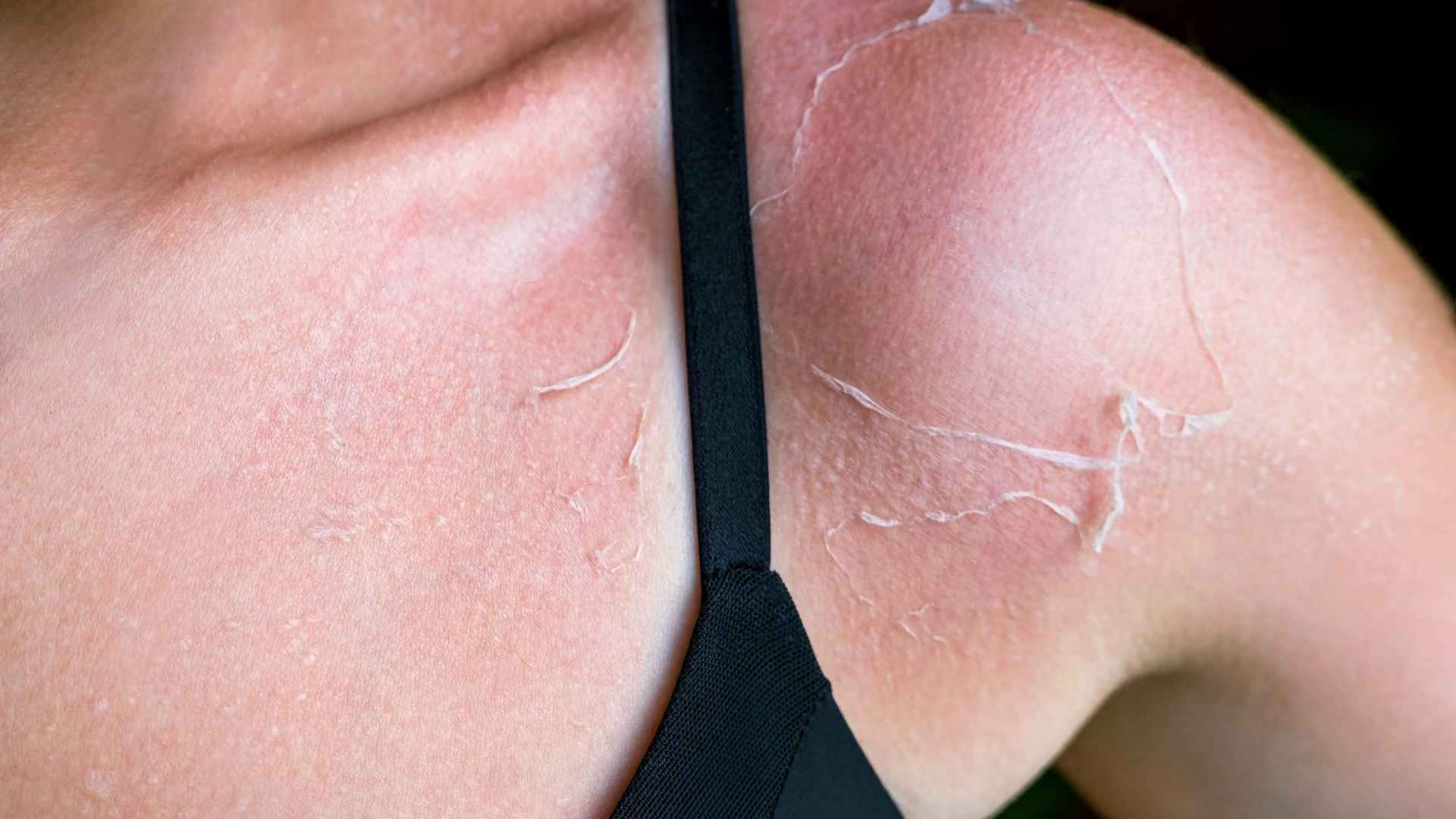
What is the best advice for sun exposure?
Current evidence suggests that diet may play a relatively minor role in determining how the skin responds to UV exposure compared with factors such as genetics, skin pigmentation, latitude, season and duration of exposure.
For this reason, major health organisations continue to recommend evidence-based sun protection strategies (source, source, source).
These include avoiding prolonged exposure during the middle of the day when UV radiation is strongest, seeking shade where possible, covering up with clothing, wearing hats and sunglasses, and using broad-spectrum sunscreen with adequate SPF protection.
These recommendations are supported by decades of research and remain the most effective strategies for reducing the risk of sunburn and skin cancer.

Final take-away
There is currently little evidence that consuming seed oils increases sunburn risk in humans. While some animal and cell studies suggest dietary fats may influence responses to UV exposure, these findings have not been replicated in human intervention studies.
The claim is misleading because it overstates the role of diet in determining how the skin responds to UV radiation, relies heavily on mechanistic and animal evidence while overlooking the lack of supportive human evidence, and ignores the broader evidence that replacing saturated fats with unsaturated fats benefits cardiovascular health.
It also risks undermining confidence in evidence-based sun protection advice by implying that dietary changes can replace sunscreen and other protective behaviours, despite the strong evidence that these measures reduce the risk of sunburn and skin cancer.
We have contacted Carnivore Aurelius and are awaiting a response.
Disclaimer
This fact-check is intended to provide information based on available scientific evidence. It should not be considered as medical advice. For personalised health guidance, consult with a qualified healthcare professional.
Independent fact-checking, funded by readers like you.
Misinformation is a growing threat to our health and planet. At foodfacts.org, we're dedicated to exposing the truth behind misleading food narratives. But we can't do it without your support.
Sources
- Black, H. S., et al. (1983). “Influence of dietary lipid upon ultraviolet-light carcinogenesis.”
- Takemura, N., et al. (2002). “Dietary, but not topical, alpha-linolenic acid suppresses UVB-induced skin injury in hairless mice when compared with linoleic acids.”
- Manosalva, C., et al. (2024). “Linoleic Acid Induces Metabolic Reprogramming and Inhibits Oxidative and Inflammatory Effects in Keratinocytes Exposed to UVB Radiation.”
- Park, M. K., et al. (2018). “Fat Intake and Risk of Skin Cancer in U.S. Adults.”
- Pilkington, S. M., et al. (2011). “Omega-3 polyunsaturated fatty acids: photoprotective macronutrients.”
- Wallingford, S. C., et al. (2012). “Intake of omega-3 and omega-6 fatty acids and risk of basal and squamous cell carcinomas of the skin: a longitudinal community-based study in Australian adults.”
- Cosgrove, M. C., et al. (2007). “Dietary nutrient intakes and skin-aging appearance among middle-aged American women.”
- Ference, B. A., et al. (2017). “Low-density lipoproteins cause atherosclerotic cardiovascular disease. 1. Evidence from genetic, epidemiologic, and clinical studies. A consensus statement from the European Atherosclerosis Society Consensus Panel.”
- Reynolds, A., et al. (2023). “Saturated Fat and Trans-Fat Intakes and Their Replacement with Other Macronutrients: A Systematic Review and Meta Analysis of Prospective Observational Studies.”
- Hooper, L., et al. (2020). Reduction in saturated fat intake for cardiovascular disease.”
- American Heart Association (2026). “2026 Dietary Guidance to Improve Cardiovascular Health.”
- World Health Organization (2023). “Saturated Fatty Acid and Trans-Fatty Acid Intake for Adults and Children: WHO Guideline”.
- Matsumura, Y., & Ananthaswamy, H. N. (2004). “Toxic effects of ultraviolet radiation on the skin.”
- World Health Organization. (2024). “Radiation: Protecting against skin cancer.”
- NHS. (2025). “Sunscreen and sun safety.”
- Cancer Research UK. (n.d.). “Sun safety.”




foodfacts.org is an independent non-profit fact-checking platform dedicated to exposing misinformation in the food industry. We provide transparent, science-based insights on nutrition, health, and environmental impacts, empowering consumers to make informed choices for a healthier society and planet.








.svg)


.svg)

