




Should vegans eat mussels and clams? The sentience, uncertainty and environmental case for bivalves


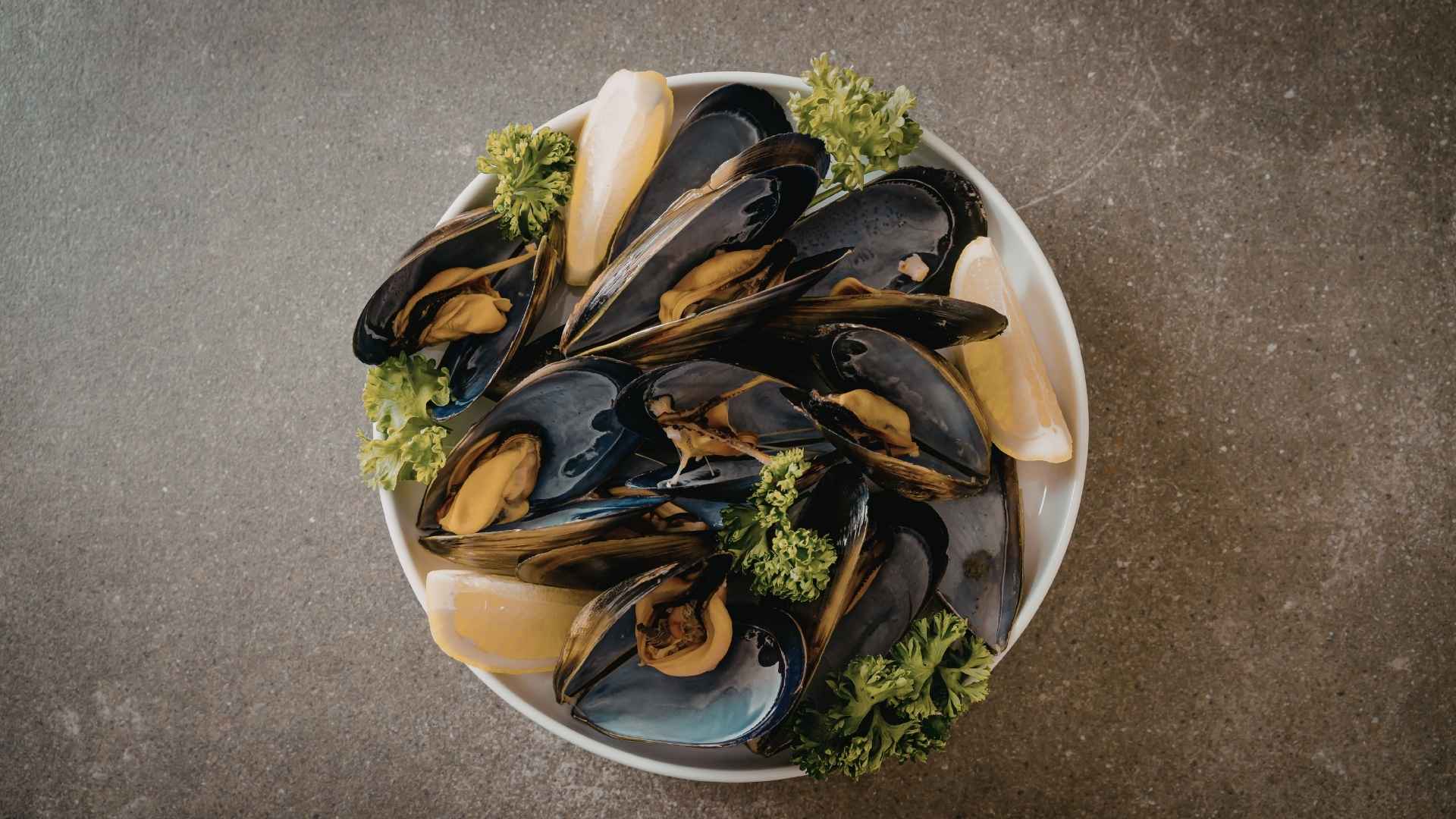
I don't eat animals. That's been my baseline for years. But recently, I've found myself in an uncomfortable grey zone, staring at a plate of mussels and wondering whether my principles are colliding with pragmatism in ways I hadn't anticipated.
The question isn't whether I want to eat them; it's whether my reasons for avoiding them hold up under scrutiny. The more I've learned about bivalves (mussels, clams, oysters, scallops), the less certain I've become that they fit neatly into the category of "animals I shouldn't eat." And this uncertainty matters, especially when the environmental case for bivalve aquaculture looks so remarkably different from nearly every other form of animal farming.
What we actually know (and don't know) about bivalve sentience
The foundation of most vegan ethics is harm reduction: if an animal can suffer, we shouldn't cause that suffering unnecessarily. That requires sentience: the capacity to have subjective experiences like pain, fear, or distress.
For mammals and birds, the evidence is overwhelming. Even for fish, despite past skepticism, the scientific consensus has shifted strongly toward recognizing their capacity to experience pain. But bivalves? That's where the certainty evaporates.
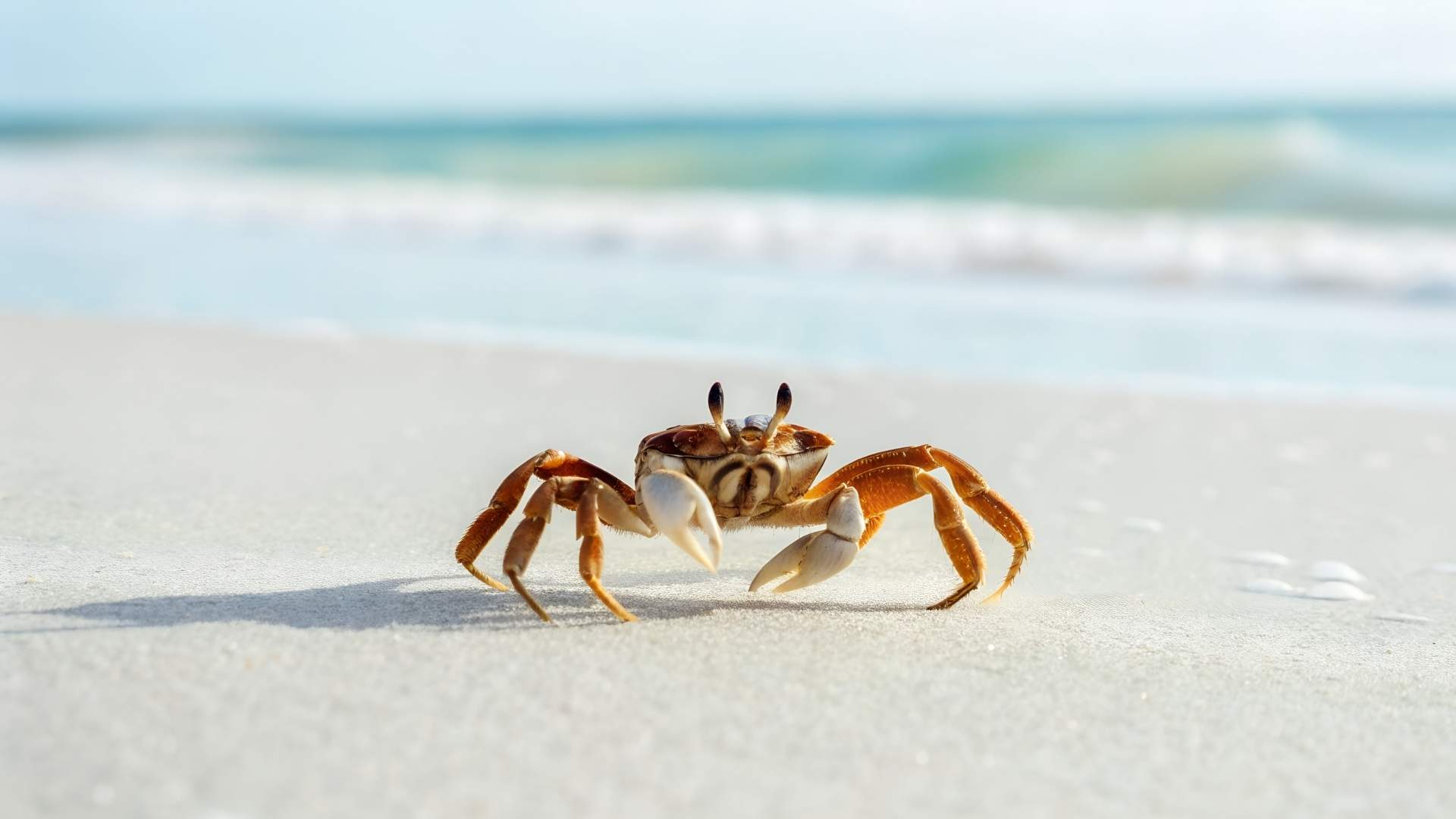
A landmark 2021 review commissioned by the UK government assessed the evidence for sentience in cephalopod molluscs (octopuses, squid, cuttlefish) and decapod crustaceans (crabs, lobsters, shrimp), using eight rigorous criteria: possession of nociceptors, integrative brain regions, neural connections between sensing and integrating regions, responses to anaesthetics or analgesics, motivational trade-offs showing internal balancing of threats versus opportunities, flexible self-protective behaviour, associative learning that links specific stimuli to danger or safety, and behaviour that shows they value pain relief when injured.
The report found "very strong evidence" that octopuses are sentient, and "strong evidence" for true crabs. Critically, the review didn't evaluate bivalves at all, and this omission itself tells us something about the state of research. The authors emphasized a crucial principle: "absence of evidence is not evidence of absence," meaning that lower confidence scores for less-studied animals might simply reflect research gaps rather than genuine lack of sentience.
What we do know about bivalve nervous systems points toward significant differences from animals we confidently recognize as sentient. Bivalves have ganglia—clusters of neurons—but not brains. Their nervous systems are decentralized, with limited integration of sensory information. Research on Pacific oyster neurogenesis shows basic sensory neurons using neurotransmitters like serotonin, but the structure is far simpler than even insects.
A 2021 analysis by Animal Ethics concluded there are "no conclusive reasons" to believe bivalves are sentient, but emphasized the evidence is thin and uncertain. The relatively decentralized nervous systems found in bivalves "show little evidence" of the integrated sensory processing thought necessary for conscious experience.
The honest answer is: we don't know. And when we don't know, we face a choice about which direction to take.
The environmental case that complicates everything
If bivalve sentience were the only question, I could invoke the precautionary principle and move on. But the environmental dimension introduces a genuine paradox; bivalve aquaculture might be one of the lowest-impact forms of aquaculture and farming them may be, in some cases, actively beneficial.
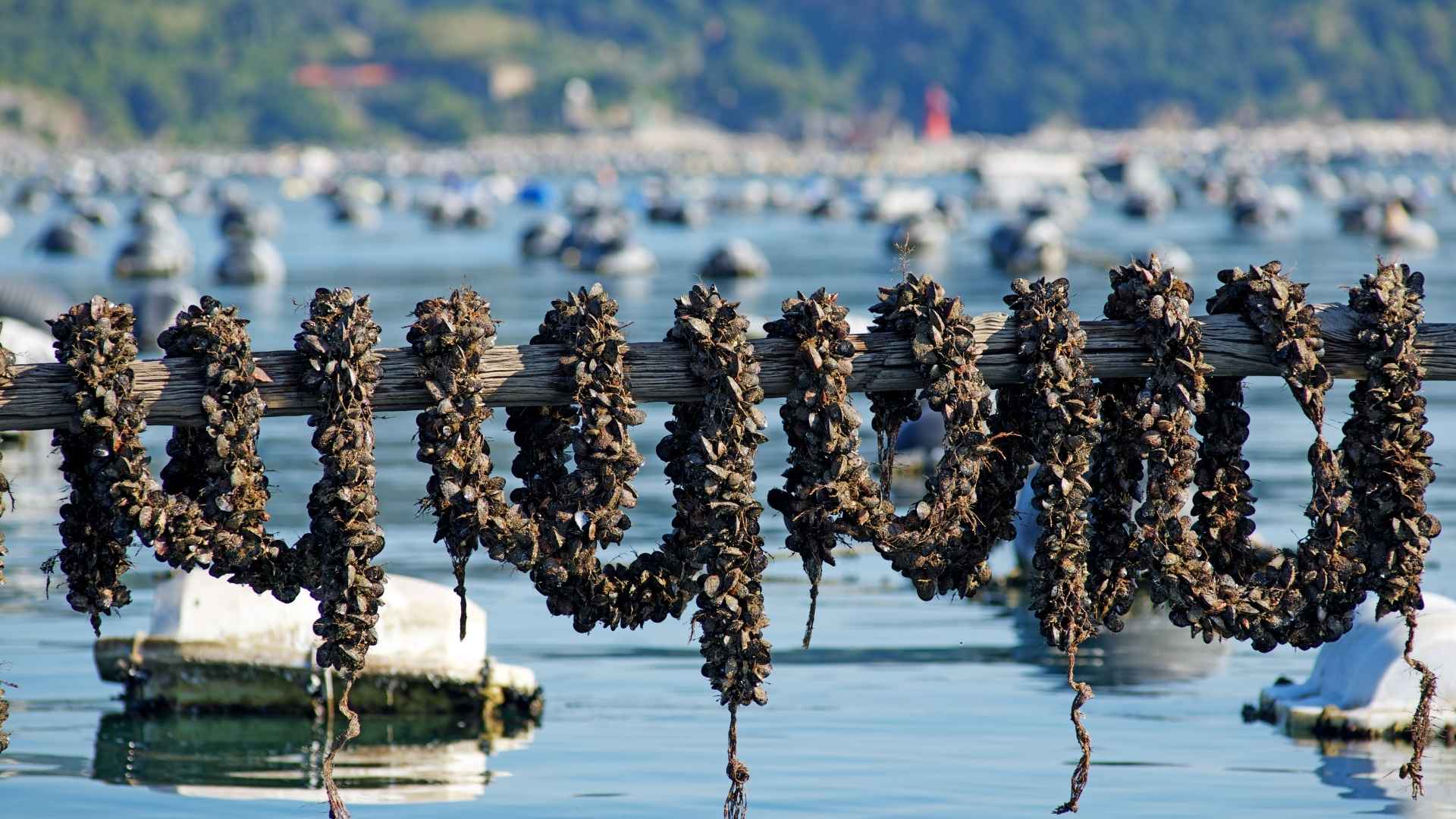
Unlike fish, shrimp, or any land animal, bivalves are filter feeders; they don't need supplemental feed. They extract phytoplankton and organic particles directly from the water, which means zero feed conversion ratio, zero fishmeal demand, and zero competition with wild fish stocks for forage.
The contrast with finfish aquaculture is stark. A 2024 study published in Science Advances found that when you properly account for trimmings and by-products from wild fish, the ratio of fish inputs to farmed fish outputs is 27-307% higher than previously reported by industry. Salmon farming, meanwhile, has been linked to greater than 50% reductions in wild salmon survival in areas near farms, driven by disease, sea lice, escaped fish, and genetic introgression that reduces the fitness of wild populations.
Bivalve farming doesn't just avoid those harms; it can deliver measurable ecosystem benefits. A comprehensive 2020 global review found that bivalve aquaculture provides an estimated $6.47 billion annually in non-food ecosystem services. Cultivated bivalves remove approximately 49,000 tonnes of nitrogen and 6,000 tonnes of phosphorus from coastal waters each year, worth around $1.2 billion in nutrient remediation alone.
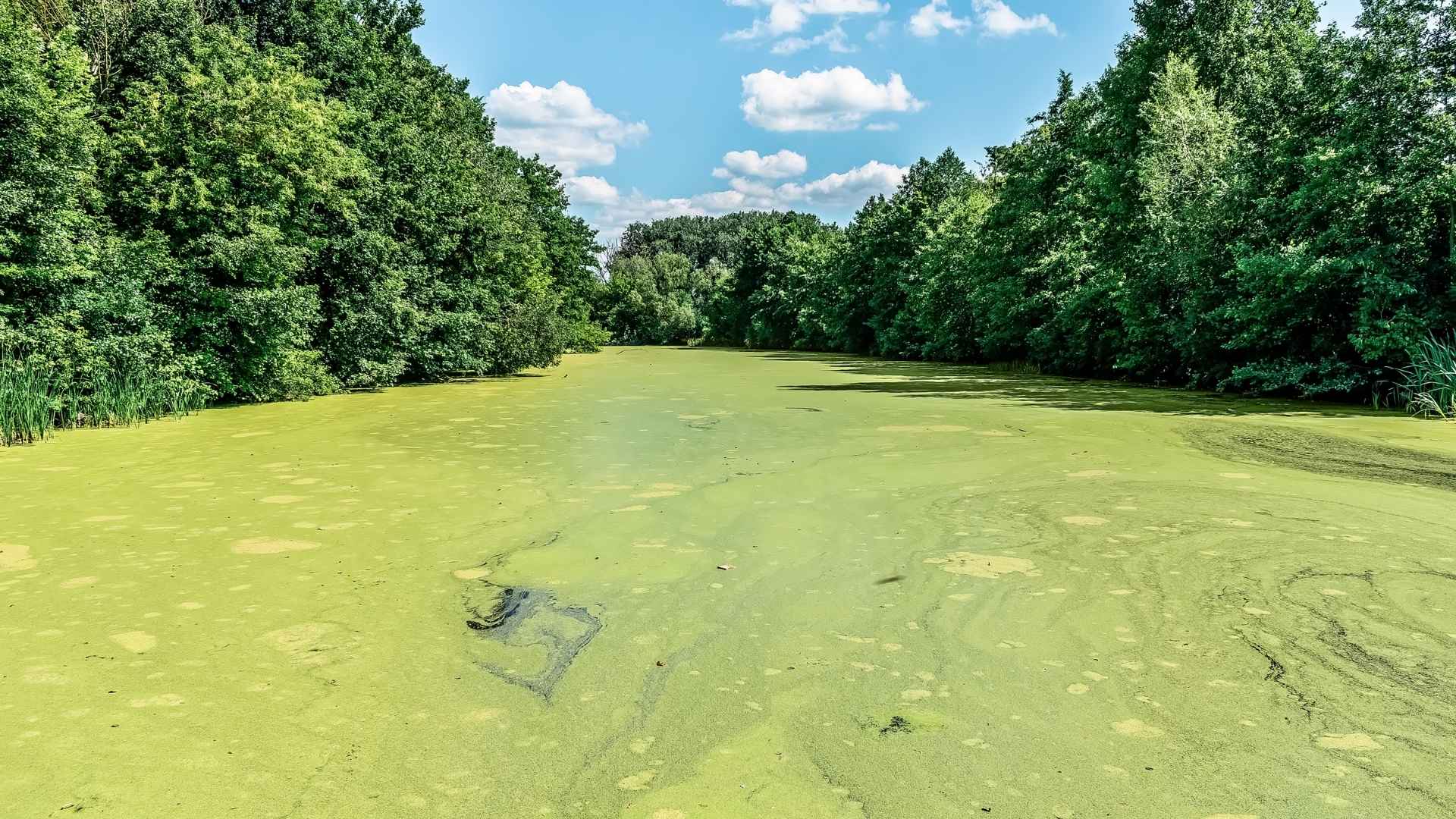
That nutrient removal matters. Eutrophication—the over-enrichment of water with nutrients from agricultural runoff and sewage—causes algal blooms, oxygen depletion, and dead zones. Bivalves counteract that by filtering phytoplankton, clarifying water, and allowing sunlight to reach submerged vegetation that serves as nursery habitat for fish and crustaceans.
A separate systematic review and meta-analysis found that bivalve farms are associated with higher abundance and species richness of wild fish and mobile invertebrates, with suspended mussel and oyster culture showing the largest positive effects. The cultivated bivalves create structured habitats, provide food resources through biodeposition, and can enhance reproduction and recruitment of wild species.
There's also a carbon dimension, though it's more contentious. Bivalves sequester carbon in their shells through calcification, but the calcification process itself releases CO₂. The net effect depends on seawater buffering capacity, biodeposition rates, and what happens to the shells after harvest. A 2023 review in Renewable and Sustainable Energy Reviews evaluated shellfish farming as a potential negative emissions technology, though the authors noted substantial variability depending on species, location, and farm management practices.
The critical qualifier: scale and site matter. High-density bivalve farming can cause localized issues. Studies document increased organic carbon, sulfides, and heavy metal accumulation in sediments beneath farms due to biodeposition of feces and pseudofeces. A 2023 modeling study in Crimea found mussel farms increased ammonium, nitrites, and phosphates in surrounding waters. These impacts don't necessarily negate the benefits, but they mean "environmentally restorative" isn't automatic—it depends on stocking density, water flow, and integration with other species like seaweeds that absorb excess nutrients.
The gap between "low harm" and "no harm"
So here's where I land in the tension: bivalves are very likely much less harmful than any other form of animal agriculture. If sentience exists on a spectrum rather than as a binary, bivalves are almost certainly at the far low end. If environmental impact matters (and it does), bivalve aquaculture compares extraordinarily well to chicken, pork, beef, or farmed salmon.
But "low harm" isn't the same as "no harm." And veganism, for me and many others, isn't purely a sentience calculation; it's also a boundary, a refusal to treat animals as ingredients even when uncertainty remains.
The precautionary argument cuts both ways. If we're uncertain about sentience, we can err on the side of caution and avoid killing them. Or we can recognize that the far greater and more certain harms come from the foods we're already eating or considering as alternatives, and treat bivalves as the least-bad option when animal protein is genuinely needed.
There's also an identity question. Normalizing "some animals are fine to eat" might muddy the clarity of a vegan message in a culture that already treats ethical lines as negotiable. On the other hand, if the goal is reducing suffering and environmental harm rather than adhering to purity, then treating bivalves identically to cows seems to miss the point entirely.
The fish farming comparison makes it worse (or better?)
When I think about someone struggling to maintain a vegan diet for health or access reasons, the alternative they're most likely considering isn't beef, it's fish, and that comparison makes the bivalve case stronger.
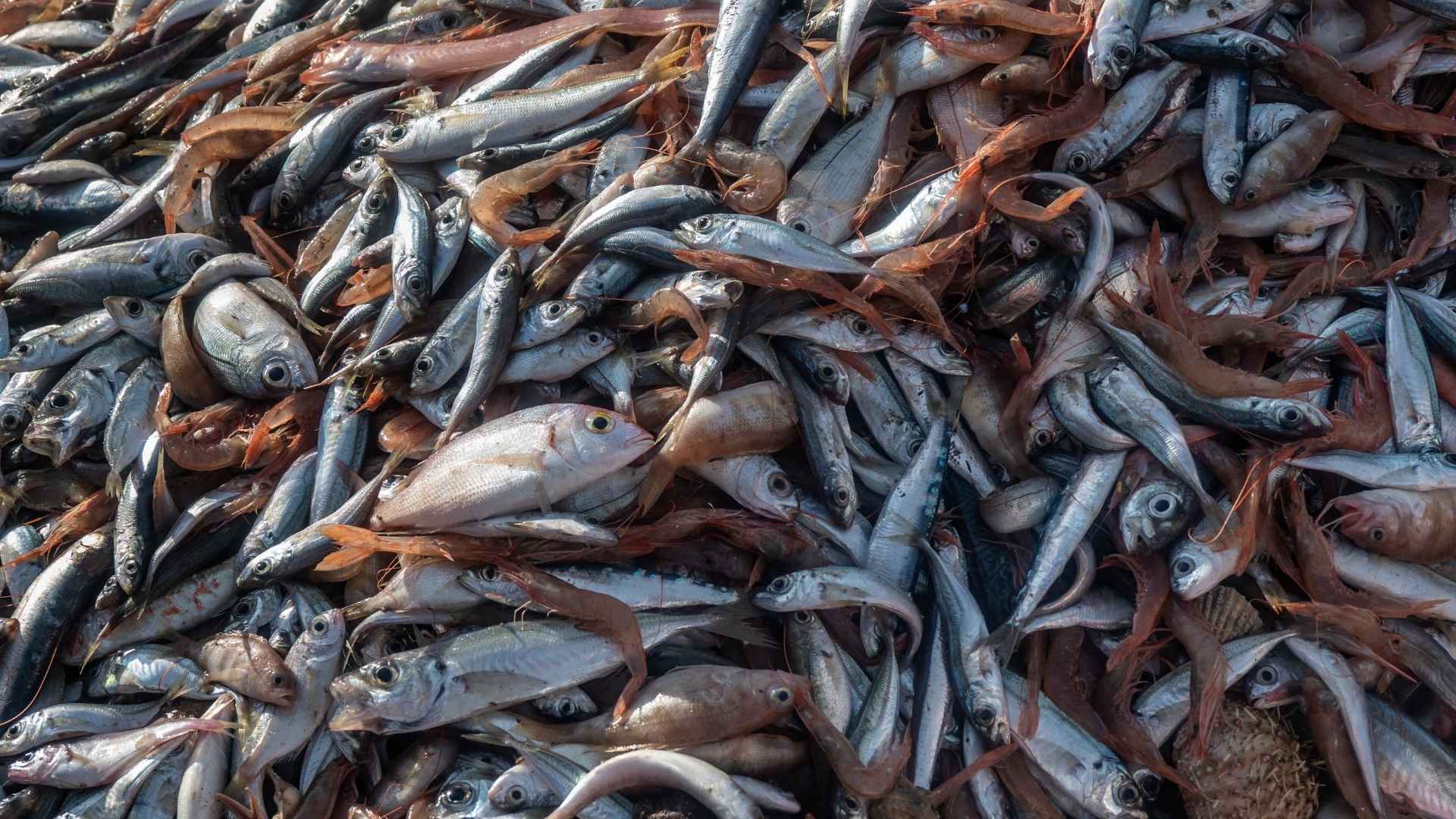
Wild-caught fish involves immense suffering (slow suffocation, crushing, evisceration while conscious) and contributes to overfishing, bycatch, and ecosystem collapse. Farmed fish sidesteps some of those issues but creates others: dependence on wild fish for feed, disease outbreaks, waste pollution, and documented damage to wild populations through escapes and genetic contamination.
If the question is "what should someone eat if they need marine-sourced protein," bivalves are almost certainly the answer with the lowest suffering and environmental cost. And if we're serious about harm reduction, shouldn't we be saying that clearly, even if it complicates the "no animals" message?
Where I actually stand (for now)
I'm not eating bivalves. But not because I think it's unethical in all cases for all people. I'm not eating them because the uncertainty is enough for me to draw the line there, and because I don't need them.
If new evidence emerged, either clarifying that bivalves lack the neural architecture for sentience or showing that mussel farming at scale provides net ecosystem restoration benefits large enough to offset other harms, I'd reconsider. I'd also reconsider if my health genuinely required it, or if I were in a context where the alternative was environmentally catastrophic fish farming or land-intensive animal agriculture.
But for right now, I can avoid them, so I do. And I think that's fine as a personal boundary, even if it's not the only defensible position.
What I don't think is fine is treating bivalves the same as vertebrates in conversations about harm, or ignoring environmental evidence because it's inconvenient to ideological consistency. The science matters. The context matters. And the willingness to update our positions when better evidence arrives matters most of all.
If you're vegan and you're wrestling with this question, I don't think there's a single right or wrong answer. But I do think it's worth asking: what am I actually trying to avoid? Suffering? Environmental harm? Complicity in an unethical system? And does the evidence we have about bivalves genuinely support drawing the same line I'd draw for a fish, a pig, or a cow?
For me, the answer is no, but I'm drawing the line anyway, for now.

Stand Against Nutrition Misinformation
Misinformation is a growing threat to our health and planet. At foodfacts.org, we're dedicated to exposing the truth behind misleading food narratives. But we can't do it without your support.
Sources
- Animal Ethics (21 June 2021). Snails and bivalves: a discussion of indicators of sentience.
- Birch, J., Burn, C., Schnell, A., Browning, H., & Crump, A. (November 2021). Review of the Evidence of Sentience in Cephalopod Molluscs and Decapod Crustaceans. LSE Consulting, commissioned by the UK Department for Environment, Food & Rural Affairs.
- Feng, J., Sun, L., & Yan, J. (2022). Carbon sequestration via shellfish farming: A potential negative emissions technology. Renewable and Sustainable Energy Reviews, 171, 113018. https://doi.org/10.1016/j.rser.2022.113018
- Foodfacts.org (27 January 2026). Fish farming's hidden truth: How aquaculture actually intensifies overfishing of wild species.
- Foodfacts.org (2 February 2026). Seaweed farming: The ethical alternative to fish farming for coastal communities
- Foodfacts.org (n.d.). Vegan Diet
- Foodfacts.org (23 January 2025). What is factory farming? A closer look at why it matters and what can change
- Ford, J.S., & Myers, R.A. (12 February 2008). A Global Assessment of Salmon Aquaculture Impacts on Wild Salmonids. PLOS Biology, 6(2), e33.
- Olivier, S., Jones, L., Vay, L. L., Christie, M., Wilson, J., & Malham, S. K. (2020). A global review of the ecosystem services provided by bivalve aquaculture. Reviews in Aquaculture, 12(1), 3-25. https://doi.org/10.1111/raq.12301
- RSPCA (n.d.). Animal sentience
- The Guardian (14 September 2024). Do fish have feelings? Scientists believe they’re getting closer to an answer
- Theuerkauf, S. J., Barrett, L. T., Alleway, H. K., Costa-Pierce, B. A., Gelais, A. S., & Jones, R. C. (2021). Habitat value of bivalve shellfish and seaweed aquaculture for fish and invertebrates: Pathways, synthesis and next steps. Reviews in Aquaculture, 14(1), 54-72. https://doi.org/10.1111/raq.12584
- Vasechkina, E. (2023). Modeling the environmental impact of mussels’ cultivation in the coastal zone of Crimea. Ecological Modelling, 476, 110245. https://doi.org/10.1016/j.ecolmodel.2022.110245
- Wikipedia (n.d.) Precautionary principle
- Yurchenko, O.V., Skiteva, O.I., Voronezhskaya, E.E., & Dyachuk, V.A. (10 April 2018). Nervous system development in the Pacific oyster Crassostrea gigas (Mollusca: Bivalvia). Frontiers in Neuroanatomy, 12, 32.



foodfacts.org is an independent non-profit fact-checking platform dedicated to exposing misinformation in the food industry. We provide transparent, science-based insights on nutrition, health, and environmental impacts, empowering consumers to make informed choices for a healthier society and planet.




.svg)


.svg)

