
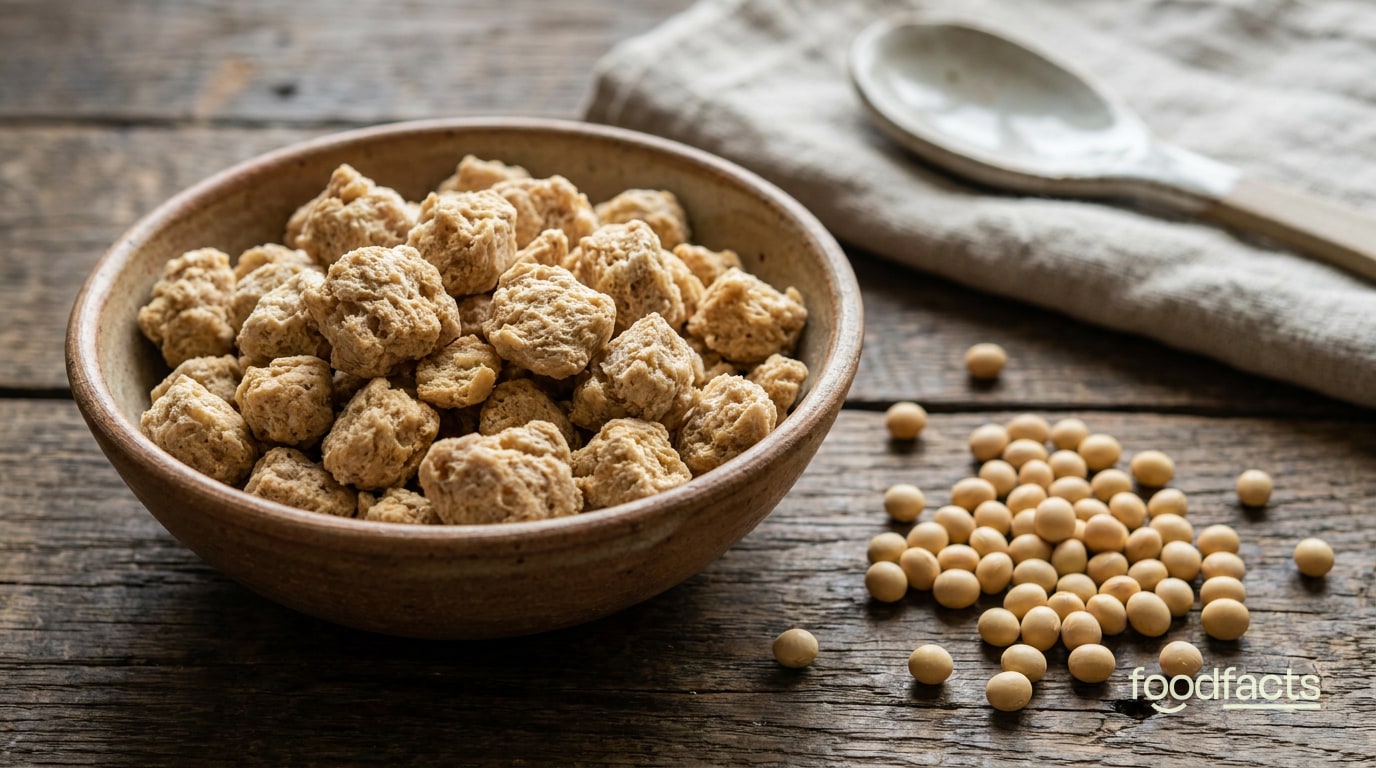




Why texturized soy protein isn't the worst protein in the world — despite what Eric Berg claims


Soy protein isolate (SPI) is a highly purified form of soy protein widely used in food products for its functional and nutritional properties. A recent social media post by Eric Berg has raised concerns about its processing. Eric Berg suggests that it is the “number 1 worst protein in the world”, due to the presence of heavy metals (arsenic, cadmium, lead), the use of hexane for fat removal, the inclusion of sodium hydroxide (NaOH) altering the protein, and finally nutrients loss. Let’s check if those concerns are backed up by evidence.



Soy protein (including processed forms like isolates) generally maintains high protein and micronutrient quality, can modestly lower LDL cholesterol compared with animal protein, and is considered safe regarding contaminants like hexane and heavy metals within regulated limits.
Social media posts like this can cause fear and make people avoid foods that are otherwise perfectly fine to incorporate into a healthy, balanced diet. To state that something is highly processed is one thing, but to then make the unsupported statement that it is toxic for your body, is downright misleading.


Always be cautious when someone speaks in definitive and bold terms such as ‘the worst’ or ‘this product is toxic!’. Usually the reality is much more nuanced. Always double check influencers' credentials on social media, especially when they use bold language. Eric Berg is a Doctor of Chiropractic, not a medical doctor.
Claim 1: “Soy protein contains heavy metals such as arsenic, cadmium and lead.”
Fact-check: The scientific literature provides nuanced insights: trace levels of heavy metals may be present but are generally within regulatory safety limits.
Studies show that trace levels of heavy metals such as cadmium can be detected in soy protein isolate, but these are typically well below international safety limits (source). A 2020 study tested 56 samples of soy food products and in none of the food samples did cadmium levels exceed the maximum permitted concentration level of 0.20 mg/kg for soybeans and soy products established by the European Commission (source, source, source).
Just like any other food sold in EU or UK supermarkets, soy protein products must go through stringent safety checks to ensure levels are below the safety threshold.
“Looking at hexane, the Scientific Committee on Food noted a no observed effect level of 23 mg per kilogram of body weight. And people have an estimated exposure of 0.1 mg per kilogram, so just around 200 times lower than the level needed to see harmful effects.
Secondly, none of this actually matters when the actual health outcomes of consuming soy protein are extremely positive.”

Claim 2: “Residual hexane and other harmful chemicals can linger in the final product.”
Fact-check: Hexane is a petroleum-derived solvent that has been widely used in the food industry, particularly to extract oils from seeds such as soybeans, rapeseed, and sunflower. The fact that it is a chemical and a byproduct of petroleum might sound alarming to many, but the production process involves completely removing the hexane so it is unlikely to pose any health risks.
While I too am an advocate for using fewer chemicals in food products, the main take away here is this: this post is a perfect example of fear-mongering. The argument presented relies heavily on the appeal to nature fallacy, the mistaken belief that "natural" is inherently good and "processed" is inherently bad. In reality, the safety of a product is determined by scientific evidence, not by how "scary" the ingredients sound. Processing is a neutral and necessary tool used to create everything from shelf-stable staples to concentrated health supplements, meaning the method of production is not a valid shortcut for judging safety. Sensational posts generate lots of engagement online, but when they fail to provide context, nuance, or sources to support arguments, the consumer is left with misleading information that could lead to unnecessary restrictions.
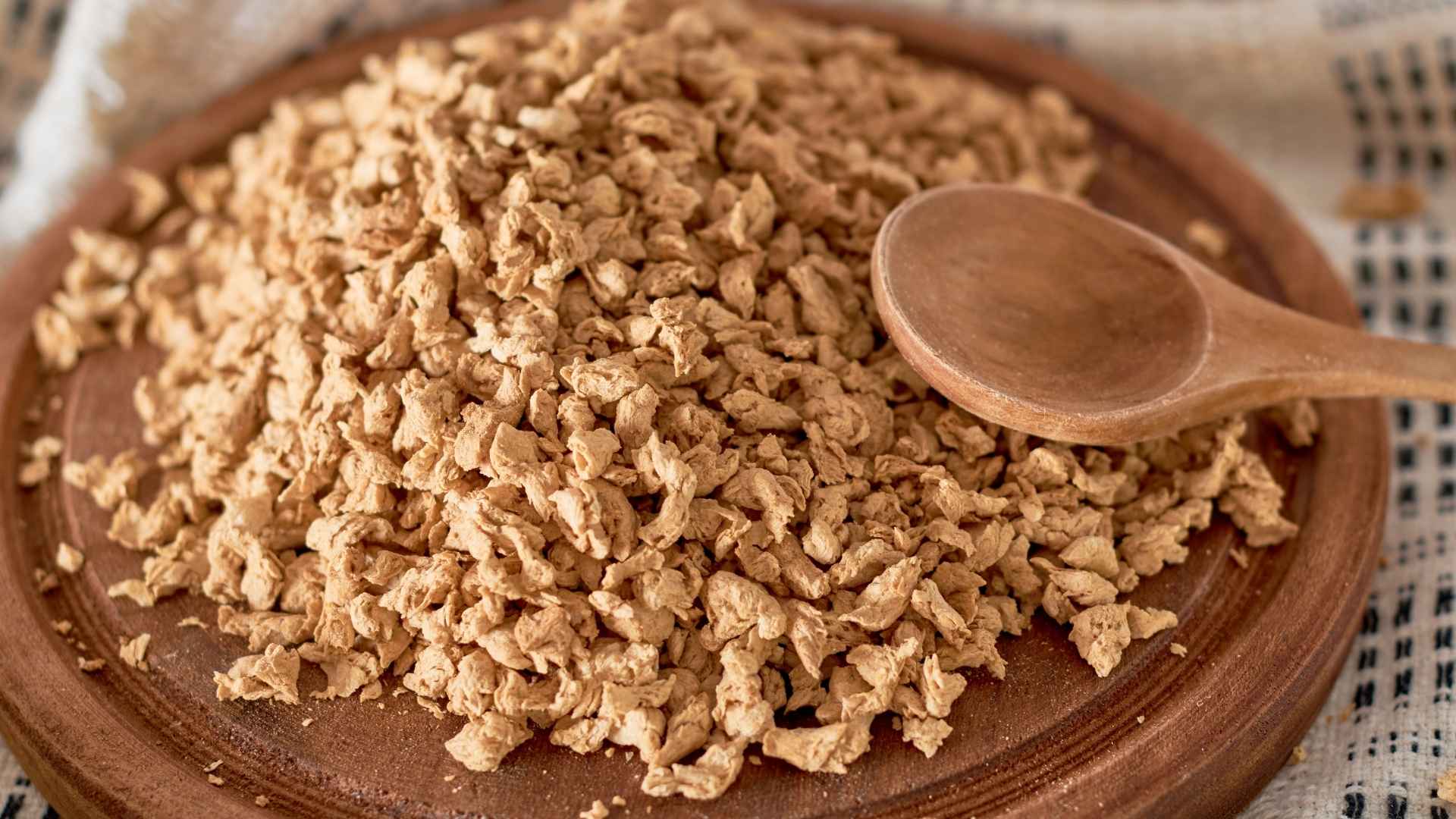
Claim 3: “High levels of processing lead to nutrient loss”
Fact-check: The processing of soy protein does mean that some of the nutrients are lost (fat, carbohydrates and some micronutrients). Most research however shows that soy protein isolate (SPI) keeps its high‑quality protein even after factory processing.
Typical steps such as removing the oil, extracting the protein with water and mild chemicals, and drying the powder do not significantly damage the protein or make it less usable by the body (source). Instead, these steps mainly change how the protein behaves in food (for example, how well it thickens or forms gels), not its basic nutritional value (source). When SPI is used to make plant‑based “meat” through high‑moisture extrusion, the proteins are rearranged to create a fibrous, meat‑like texture, but most of the protein building blocks remain in place, so the protein is still nutritious (source). Compared with whole soybeans or less‑processed soy products, SPI has more protein per gram but less fat, carbohydrate, fibre, and some vitamins and minerals, so it is a very concentrated protein source rather than a “whole food” ingredient (source).
Overall, scientists find that common processing methods change the texture and cooking behaviour of soy protein much more than they reduce its nutritional quality, as long as the processing conditions are properly controlled.

A note on Tofu and Tempeh
Several readers commented on Eric Berg’s post, asking whether tofu and tempeh are ‘fine’ or not.
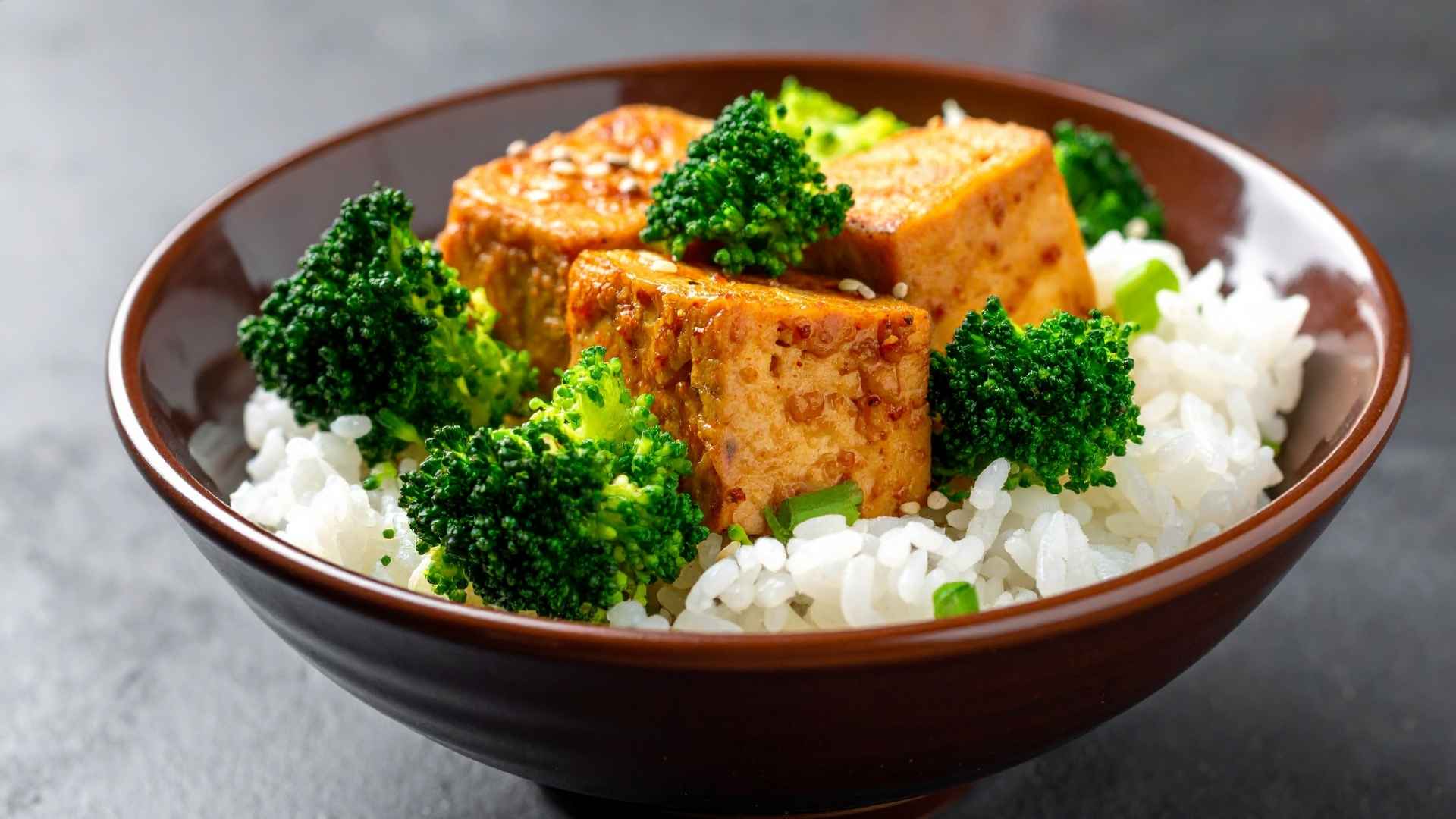
Tofu and tempeh are both whole‑soy foods that keep much more of the bean’s natural structure and nutrients than highly purified soy protein isolate. Tofu is made by grinding soybeans with water to make soymilk, then gently curdling and pressing it; this water‑based process preserves protein, minerals and helpful plant compounds like isoflavones, and has been linked to benefits such as better heart and metabolic health in population studies. Tempeh is made by fermenting cooked soybeans; fermentation makes the protein easier to digest. For more details read our tempeh fact-check. Overall, tofu and tempeh are nutrient-dense soy foods that can contribute to health in multiple ways when consumed as part of a balanced diet.
Claim 4: “Soy protein products are marketed as heart-healthy, but they pale in comparison to real animal proteins.”
Fact-check: A good thing to remember is that the way a product is processed has no influence on how “healthy” a product is for our bodies. Now this claim turns the evidence upside down.
A meta-analysis of 46 studies demonstrates that soy protein lowers LDL cholesterol and total cholesterol concentrations in adults (source). And another large meta-analysis links higher soy intake with 13–21% lower risks of cardiovascular disease, coronary heart disease, and stroke, and 17% lower type 2 diabetes risk (source).
Beyond heart health
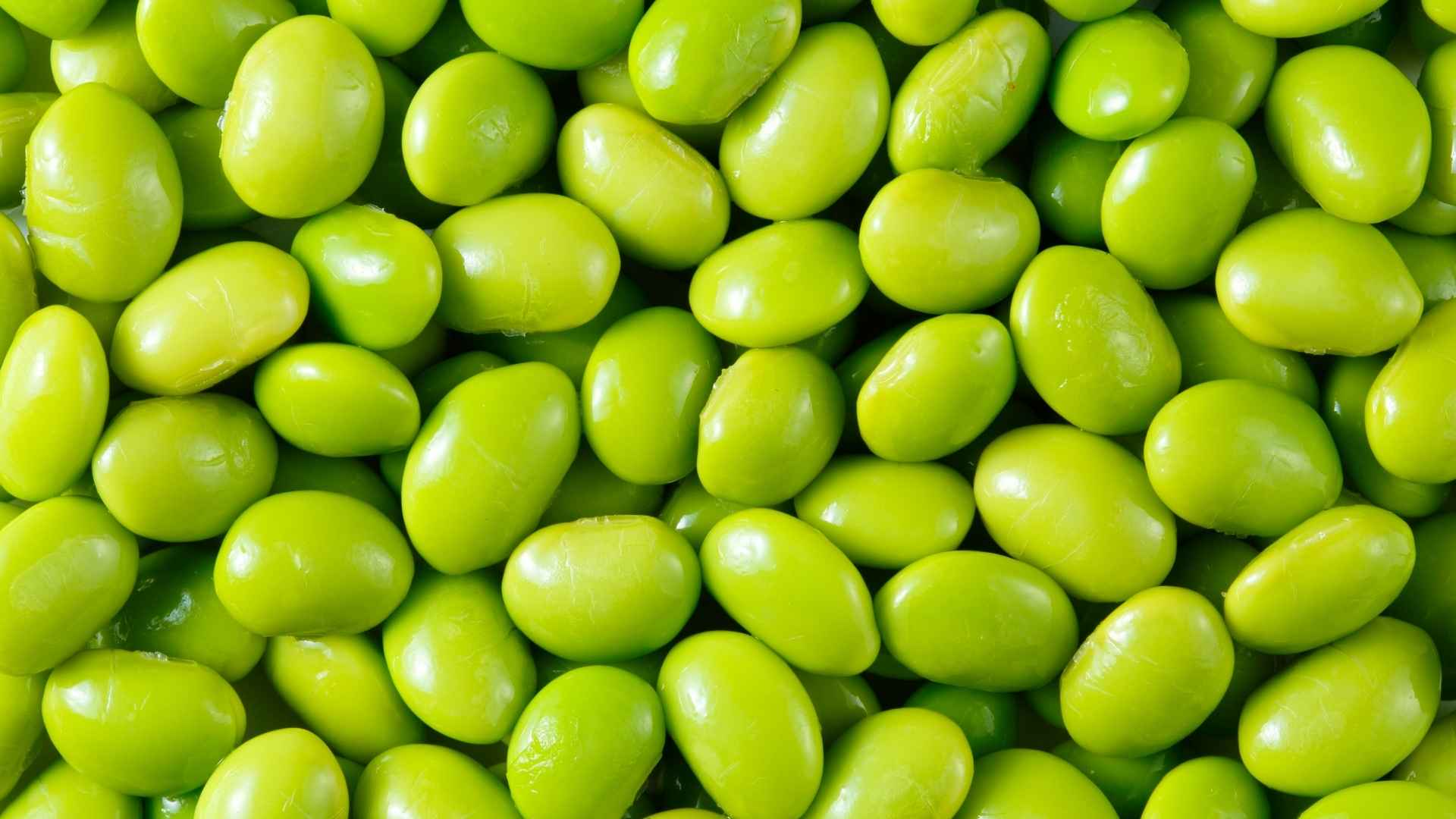
Furthermore, soy protein has similar effects on strength and muscle gains compared to animal-based proteins like whey protein (source). So it is in fact a high-quality protein source. For those concerned about the often referred to “estrogenetic effects of soy,” there have been numerous randomised controlled trials that demonstrate there is no negative effect due to soy protein consumption on estrogenicity in women, nor on sex hormones in men (source, source). For more information on this topic, see this foodfacts fact-check. We also unpacked the wider “soy boy” myth and what the evidence says about soy and testosterone.
Final take away
In this fact-check we examined how soy protein isolate compares with meat in terms of nutrition and cardiovascular impact. Evidence indicates that soy protein even in processed forms like isolates, provides high‑quality protein and beneficial micronutrients while modestly lowering LDL cholesterol which may support heart health. Regulatory data suggest that typical levels of processing residues and contaminants in commercial soy isolates remain well within established safety limits. Overall, substituting some animal protein with soy protein isolate appears nutritionally adequate and potentially cardioprotective for most people, when consumed as part of a balanced diet.
We have contacted Eric Berg and are awaiting a response.
Disclaimer
This fact-check is intended to provide information based on available scientific evidence. It should not be considered as medical advice. For personalised health guidance, consult with a qualified healthcare professional.
Independent fact-checking, funded by readers like you.
Misinformation is a growing threat to our health and planet. At foodfacts.org, we're dedicated to exposing the truth behind misleading food narratives. But we can't do it without your support.
Sources
- European Commission (2025). “Commission Regulation (EU) 2023/915 of 25 April 2023 on maximum levels for certain contaminants in food and repealing Regulation (EC) No 1881/2006.”
- Kosečková, P., et al. (2020). “Estimation of cadmium load from soybeans and soy-based foods for vegetarians.”
- Mititelu M., et al. (2025). “Assessing Heavy Metal Contamination in Food: Implications for Human Health and Environmental Safety.”
- Alarape, K., et al. (2024). “Extraction and Nutritional Value of Soybean Meal Protein Isolate.”
- Peng, Y., et al. (2022). “Production and functional characteristics of low-sodium high-potassium soy protein for the development of healthy soy-based foods.”
- L'Hocine, L., et al. (2006). “Composition and Functional Properties of Soy Protein Isolates Prepared Using Alternative Defatting and Extraction Procedures.”
- Verfaillie, D., et al. (2022). “A systematic study of the impact of the isoelectric precipitation process on the physical properties and protein composition of soy protein isolates.”
- Zhang, L. et al. (2025). “Gelation and emulsification profiles of different commercial soy protein isolates: A proteomic insight through globulin subunit compositions and oxidative modifications.”
- Verfaillie, D., et al. (2024). “Relating the protein denaturation degree and solubility of soy protein isolates to the structure of high moisture extrudates.”
- Yu, J., et al. (2023). “Plant-Based Meat Proteins: Processing, Nutrition Composition, and Future Prospects.”
- Mejia, S. B., et al. (2019). “A Meta-Analysis of 46 Studies Identified by the FDA Demonstrates that Soy Protein Decreases Circulating LDL and Total Cholesterol Concentrations in Adults.”
- Zuo, X., et al. (2023). “Soy Consumption and the Risk of Type 2 Diabetes and Cardiovascular Diseases: A Systematic Review and Meta-Analysis.”
Messina, M., et al (2018). “No difference between the effects of supplementing with soy protein versus animal protein on gains in muscle mass and strength in response to resistance exercise.” - Hertzler, S., et al. (2020). “Plant Proteins: Assessing Their Nutritional Quality and Effects on Health and Physical Function.”
- Viscardi, G., et al. (2025). “Effect of soy isoflavones on measures of estrogenicity: A systematic review and meta-analysis of randomized controlled trials.”
- Reed, K. E., et al. (2021). “Neither soy nor isoflavone intake affects male reproductive hormones: An expanded and updated meta-analysis of clinical studies.”
Qin, P., et al. (2022). A review on plant-based proteins from soybean: Health benefits and soy product development. - foodfacts.org (8 August 2025). “Not real food”? Says Eddie Abbew. A closer look at claims about tempeh, soy, and men’s health.
- foodfacts.org (22 March 2025). The high-protein, gut-friendly food that's been a staple for centuries. And it's going mainstream



foodfacts.org is an independent non-profit fact-checking platform dedicated to exposing misinformation in the food industry. We provide transparent, science-based insights on nutrition, health, and environmental impacts, empowering consumers to make informed choices for a healthier society and planet.








.svg)


.svg)

