
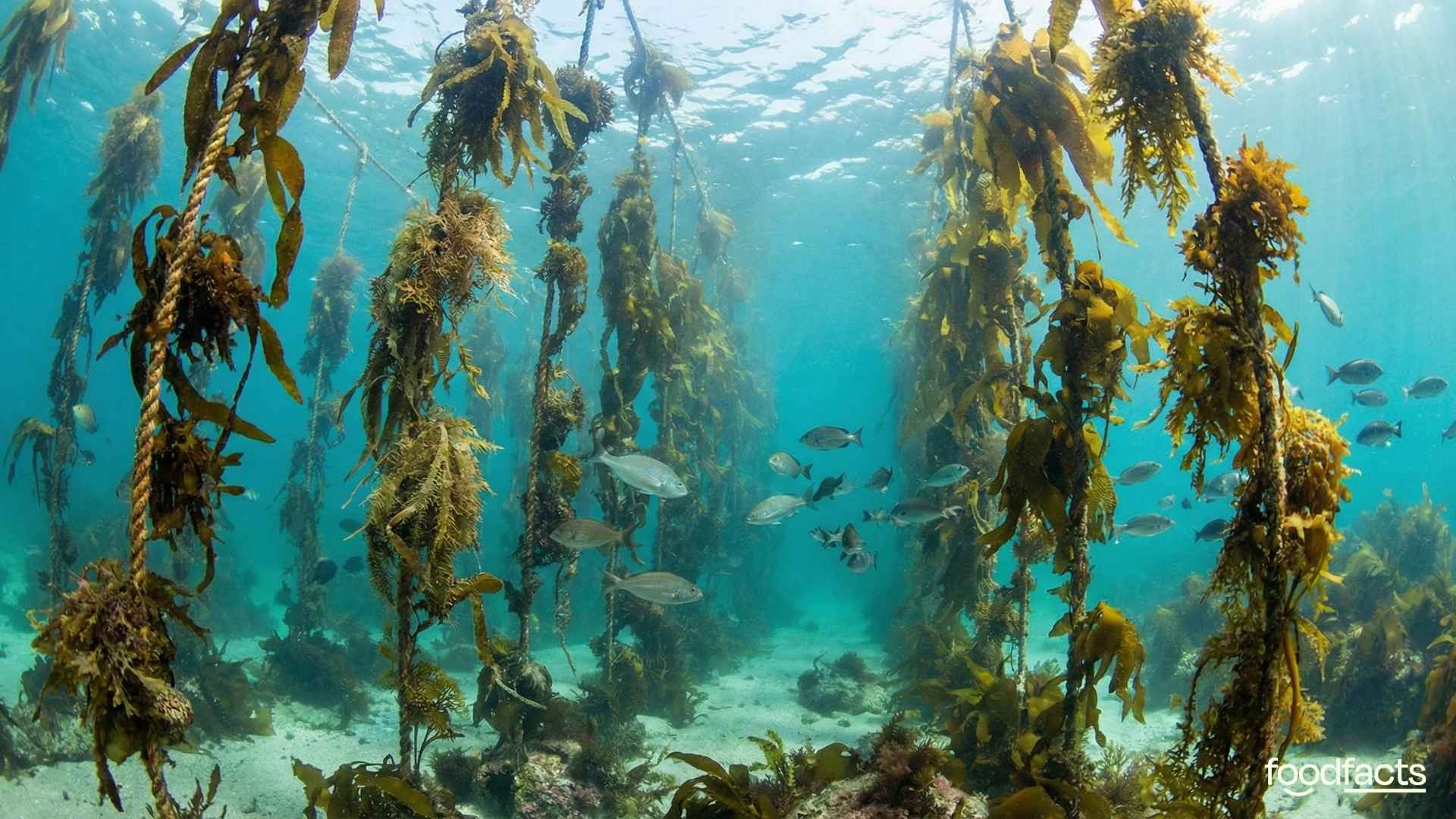




Seaweed farming - The ethical alternative to fish farming for coastal communities




Seaweed farming provides a cruelty-free, environmentally restorative alternative to industrial fish farming in developing coastal regions. Unlike finfish aquaculture, which often serves export markets while burdening local communities with pollution and animal welfare concerns, seaweed cultivation requires no feed or antibiotics, improves water quality, and creates locally-retained economic value.
Across parts of Africa and Asia, coastal communities face an uncomfortable reality: the fish farms that dominate their economies often export their products elsewhere, leaving local people with the environmental damage and precious little else. Meanwhile, the fish themselves endure conditions that would alarm most consumers if they knew about them.
Export-driven fish farming: Environmental and animal welfare costs
In many low and middle-income countries, finfish aquaculture operates primarily for export markets rather than local food security. Communities shoulder the environmental burden of polluted water and degraded coastal ecosystems, while the economic benefits flow to distant markets. This isn't subsistence farming; it's industrial food production that happens to take place in vulnerable regions.
The welfare of farmed fish rarely enters the conversation. Yet intensification for export creates predictable problems: high stocking densities that can exceed 65 kg per cubic meter, poor water quality, and slaughter practices that cause significant stress. Research shows these conditions impair welfare and affect the quality of the final product. Millions of fish experience this suffering largely invisibly, because we've decided their welfare doesn't warrant the same scrutiny we give to land animals.
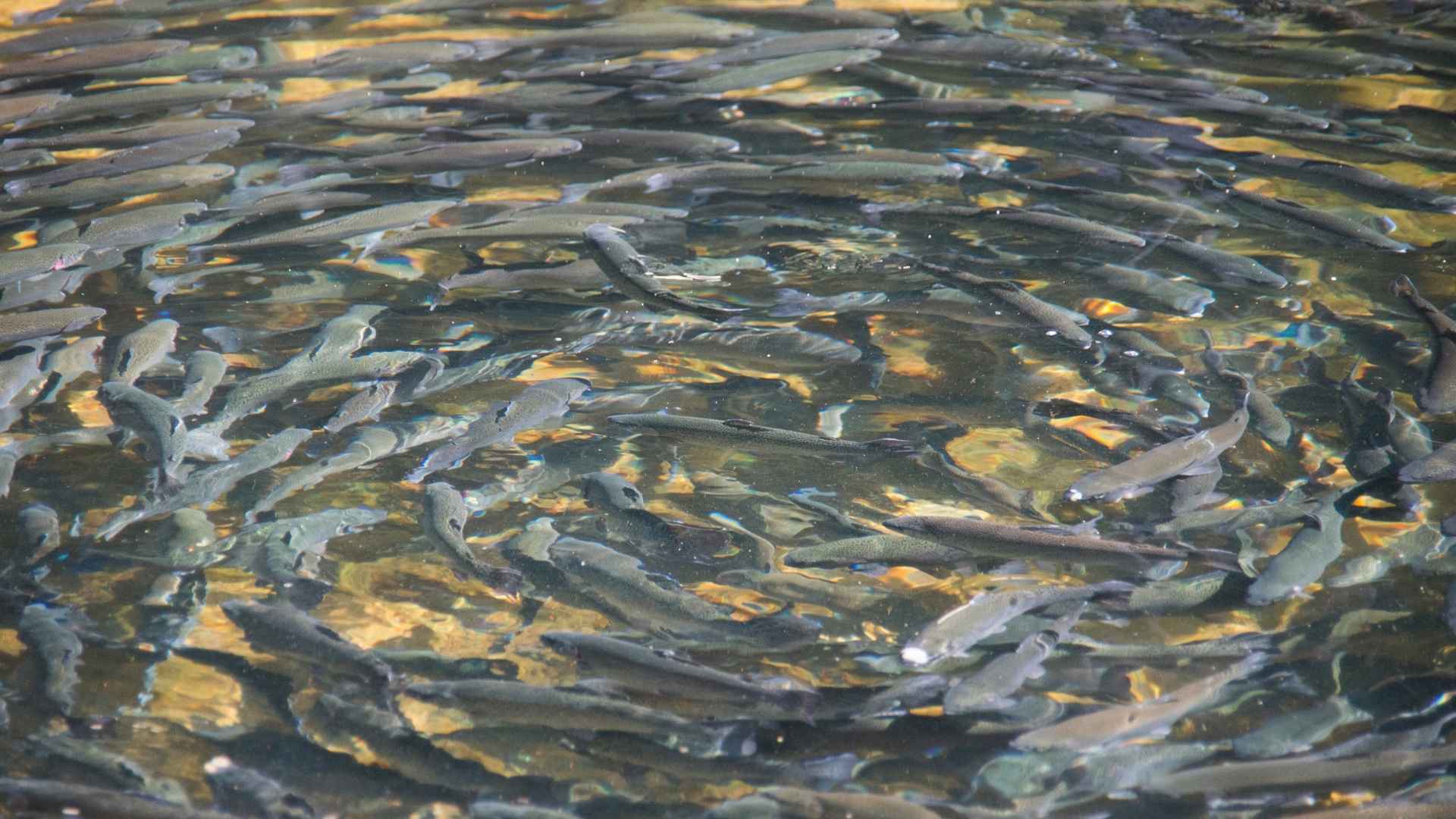
Seaweed farming: A sustainable alternative to fish aquaculture
Seaweed farming offers something fish aquaculture cannot: production without animal suffering. It's non-animal-based, requires minimal inputs, and suits small-scale, community-led operations, including those run by women and marginalised groups who are often excluded from traditional fishing.
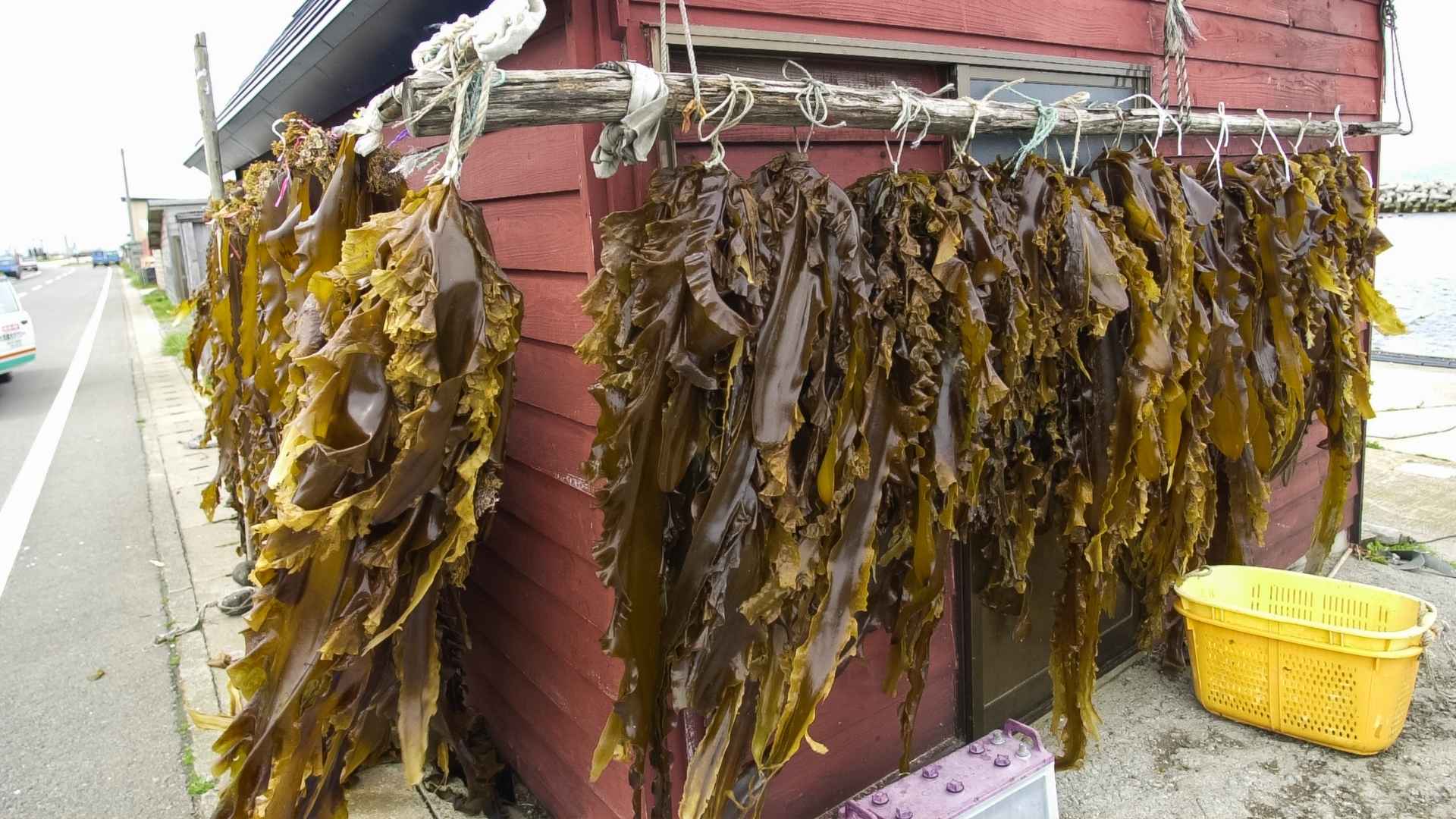
Environmental benefits of seaweed aquaculture
Unlike finfish aquaculture, seaweed farming doesn't require feed, antibiotics, or active slaughter. It avoids the ethical and environmental externalities inherent to animal farming. Seaweed absorbs carbon dioxide and excess nutrients from the water, actually improving local marine environments rather than degrading them. It can filter nitrogen and phosphorus that would otherwise fuel harmful algal blooms.
Economic benefits for coastal communities
The economic case for seaweed farming matters too. Seaweed production creates locally retained value through food, cosmetics, fertilizers, and bioproducts, not just volatile export commodity chains. In Kenya, women-led seaweed farming groups have grown their earnings from $2,000 in 2012 to over $11,000 today, providing financial independence in communities where fishing remains male-dominated.
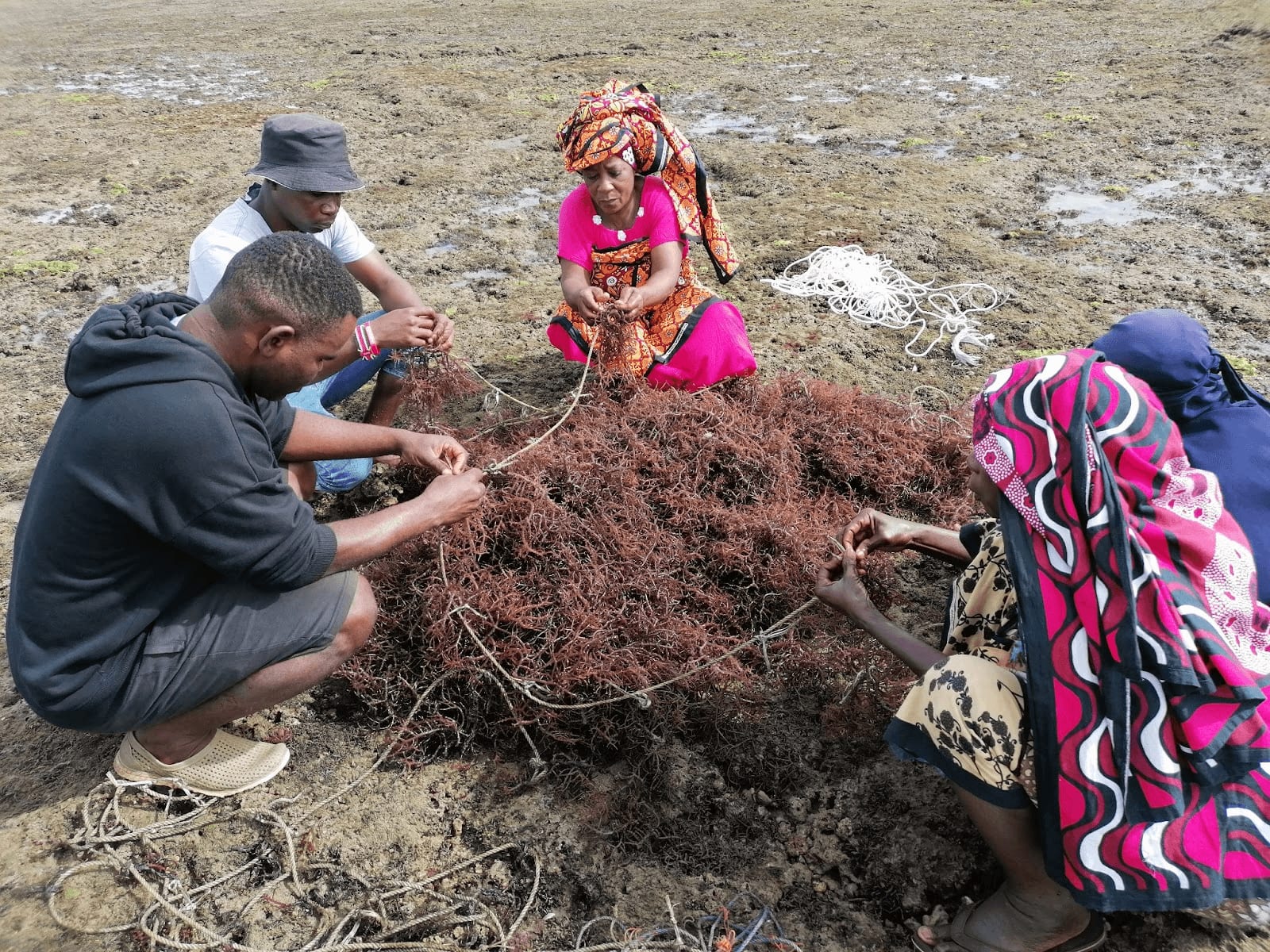
Seaweed farming as a complementary coastal livelihood
Let's be clear: this isn't about being anti-farmer. It's about expanding options and building resilience for producers while reducing dependence on systems that externalize suffering onto animals and vulnerable communities.
In coastal contexts where fish production serves export markets rather than local tables, seaweed farming can complement or partially replace finfish operations without undermining food security. There's genuine global demand driven by interest in sustainable food systems, climate mitigation, and alternative proteins, creating realistic market opportunities if value chains develop responsibly.
Sustainable seaweed farming: Lessons from aquaculture failures
Any transition toward seaweed farming must learn from aquaculture's failures. That means preventing elite capture, where powerful interests control production and profits. It means avoiding export dependency that leaves communities economically vulnerable. It means ensuring decent labor conditions from the start.
Context matters enormously. What works in Tanzania's coastal villages won't necessarily suit Indonesian islands or West African fishing communities. Seaweed farming shouldn't be imposed as a one-size-fits-all solution, but offered as one credible pathway among several for rethinking how coastal livelihoods can meet global demand.
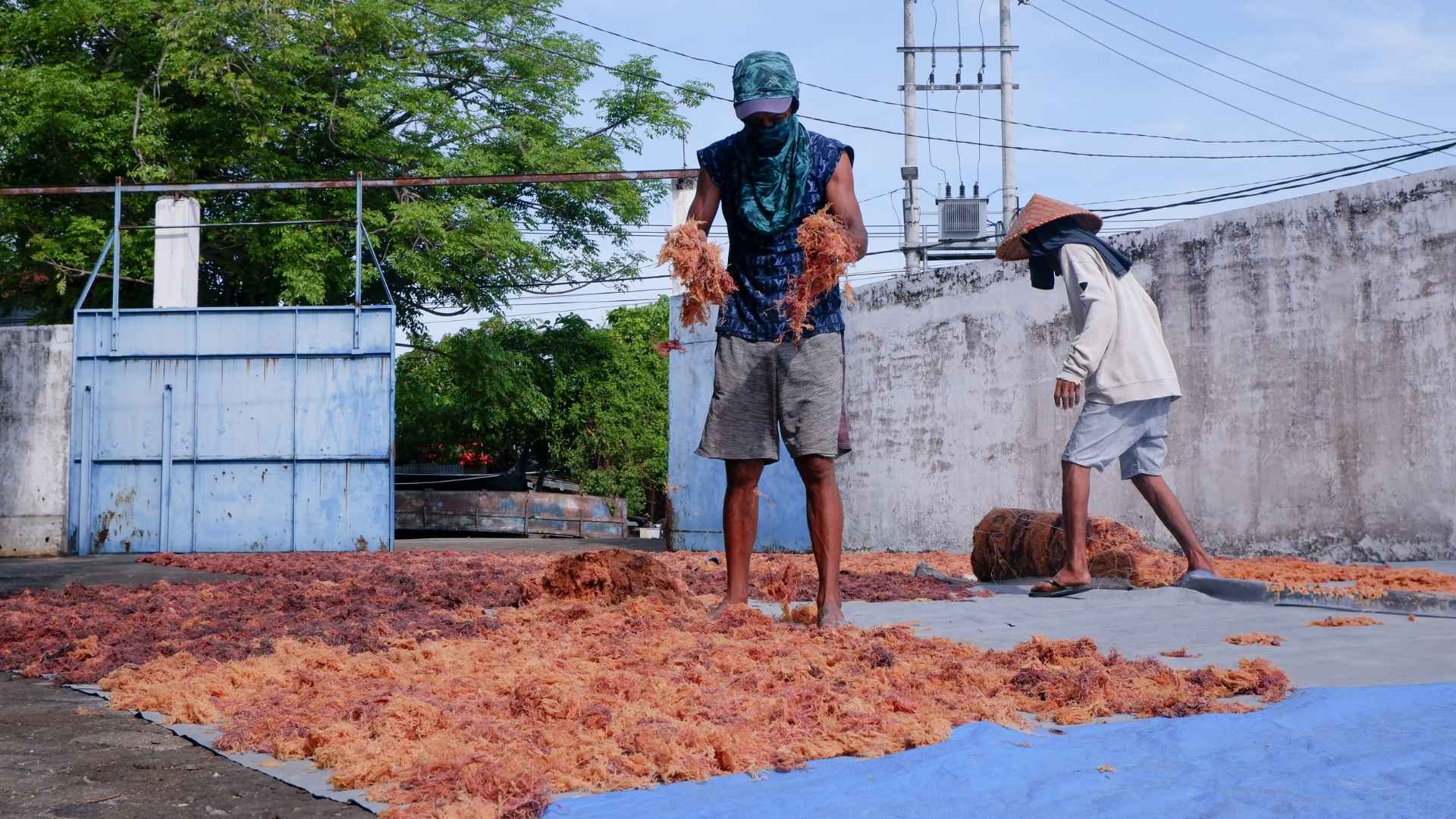
The future of ethical seaweed production and research
Ethical Seafood Research is currently exploring seaweed as a complementary or alternative livelihood in regions dominated by export-oriented aquaculture. This work sits alongside long-standing research on farmed fish welfare, allowing direct comparison between animal-based and non-animal aquatic livelihoods from ethical, environmental, and socio-economic perspectives.
The reality is stark: we're raising billions of sentient fish in conditions that cause measurable suffering, primarily to serve affluent export markets. Communities bear the environmental costs. Animals bear the welfare costs. Both deserve better.
Seaweed farming isn't a silver bullet. But it represents a rare opportunity to support coastal livelihoods while reducing animal suffering and environmental harm. That's worth taking seriously, and worth doing right.
Frequently asked questions about seaweed farming
What is seaweed farming?
Seaweed farming is the cultivation of marine algae for food, cosmetics, fertilizers, and bioproducts. It requires no feed or antibiotics and actively improves water quality by absorbing carbon dioxide and excess nutrients.
Is seaweed farming profitable for coastal communities?
Yes, seaweed farming creates locally-retained value. In Kenya, women-led seaweed farming groups increased earnings from $2,000 in 2012 to over $11,000 today, providing economic opportunities in male-dominated fishing communities.
How does seaweed farming compare to fish farming?
Unlike fish aquaculture, seaweed farming involves no animal welfare concerns, requires minimal inputs, and improves rather than degrades marine environments. Seaweed absorbs CO₂ and filters excess nutrients, while fish farming often creates pollution and ecosystem damage.
Where is seaweed farming most successful?
Seaweed farming has shown particular success in Kenya, Tanzania, Indonesia, and other coastal regions of Africa and Asia. Women-led operations have been especially effective in creating sustainable livelihoods and community economic development.
What products come from seaweed farming?
Seaweed is used in food production, cosmetics, agricultural fertilizers, biofuels, and bioproducts. This diversity creates multiple income streams for coastal communities, unlike single-commodity fish farming.

Independent fact-checking, funded by readers like you.
Misinformation is a growing threat to our health and planet. At foodfacts.org, we're dedicated to exposing the truth behind misleading food narratives. But we can't do it without your support.
Sources
- Aquaculture Accountability Project (January 2026). The Myth of "Sustainable" Aquaculture
- Compassion in World Farming (January 2023). Rethinking EU Aquaculture for people, planet, and animals.
- EarthJounalism (1 December 2023). Empowering Women, Boosting Economies: Seaweed Farming’s Coastal Resilience Solution in Kenya and Tanzania
- Ethical Seafood Research (n.d.) Home
- European Commission (n.d.) Aquaculture for Food Security, Poverty Alleviation and Nutrition
- European Commission (September 2017). Welfare of farmed fish: Common practices during transport and at slaughter
- foodfacts.org (23 January 2025). A closer look at factory farming: why it matters and what can change
- foodfacts.org (n.d.) Meat Alternatives
- Greenly.Earth (4 September 2025). What is Seaweed Farming?
- Hematyar N, Rahimnejad S, Gorakh Waghmare S, Malinovskyi O, Policar T. Effects of Stocking Density and Pre-Slaughter Handling on the Fillet Quality of Largemouth Bass (Micropterus salmoides): Implications for Fish Welfare. Foods. 2024 May 10;13(10):1477. doi: 10.3390/foods13101477. PMID: 38790777; PMCID: PMC11120225.
- International Labour Organization (2024). Forced labour in commercial fishing
- NOAA Fisheries (n.d.). Seaweed Aquaculture
- Rebours, C., Marinho-Soriano, E., Zertuche-González, J. A., Hayashi, L., Vásquez, J. A., Kradolfer, P., Soriano, G., Ugarte, R., Abreu, M. H., Bay-Larsen, I., Hovelsrud, G., Rødven, R., & Robledo, D. (2014). Seaweeds: An opportunity for wealth and sustainable livelihood for coastal communities. Journal of Applied Phycology, 26(5), 1939. https://doi.org/10.1007/s10811-014-0304-8
- UN Trade & Development (30 April 2024). Seaweed holds huge potential to bring economic, climate and gender benefits
- WellBeing International (December 2022). Aquaculture in Africa: Aquatic Animal Welfare, Impact on the Environment and the Sustainability of the Sector



foodfacts.org is an independent non-profit fact-checking platform dedicated to exposing misinformation in the food industry. We provide transparent, science-based insights on nutrition, health, and environmental impacts, empowering consumers to make informed choices for a healthier society and planet.






.svg)


.svg)

