




Are humans meant to eat carbs? Why the insulin and tooth decay arguments don't hold up


In a recent reel, Dr Anthony Chaffee, a well-known promoter of the Carnivore Diet, claims that there are “two things that prove” humans are not meant to eat carbohydrates: (1) our insulin is “designed for protein, not carbohydrates,” and (2) carbs “rot the teeth,” which he argues means they aren’t natural or appropriate for humans. This fact‑check looks at how insulin normally works in the body, why different insulin medicines exist, and what anthropology and genetics say about carbohydrates in the human diet.



The claim relies on misunderstandings about why rapid-acting insulins exist and an over-simplified (and partly incorrect) story about tooth decay and human and animal evolution. Carbohydrates are not inherently “unnatural” for humans, as genetic research shows that the human body has adapted to starch digestion, specifically to the rise in starch-rich diets over time. Rapid-acting insulin products were created to better mimic normal mealtime insulin patterns, not because human insulin is “wrong for carbs.” While frequent intake of fermentable carbs can raise cavity risk, tooth decay arose even in some hunter-gatherer populations and in some wild animals. Therefore, tooth decay isn’t a simple sign of what humans are or aren’t “designed” to eat.
Carbohydrates are an important source of energy, fibre, and nutrients for most people, but the video does not mention those benefits. Framing carbohydrates as something the body cannot process not only spreads false nutrition information but can also encourage restrictive eating patterns that cut out important foods. Avoiding carbohydrates altogether can mean missing out on some nutrients that support gut and metabolic health.


When a video claims to “prove” something about human biology from one or two observations, it is important to ask whether other evidence and counterexamples have been left out. Let’s start with some background context on carbohydrates and glucose management, before looking more closely at the claims made in the video.
A bit of context on carbohydrates and how our body responds to them
Carbohydrates are one of the three main macronutrients, alongside protein and fat, and include starchy foods like bread, rice, pasta, potatoes, cereals, and naturally occurring sugars in fruit. They’ve often been vilified because, when we eat them, carbohydrates are broken down into glucose, which raises blood sugar and triggers an insulin response. But this rise in blood sugar is how the body gets usable energy from food, and in the context of balanced meals built around higher‑fibre, minimally processed starchy foods, carbohydrates are also an important source of energy, fibre, and several vitamins and minerals.
When we eat starchy foods, digestion breaks the starch down into glucose, which enters the bloodstream and raises blood sugar. In response, the pancreas releases insulin, which helps move glucose into cells to be used for energy or stored for later. In people without diabetes, this feedback loop usually keeps blood sugar within a healthy range, whereas in diabetes the body either does not make insulin (type 1) or does not respond to it properly (type 2), so treatments, including different insulin preparations, are used to help control blood glucose after meals (source).
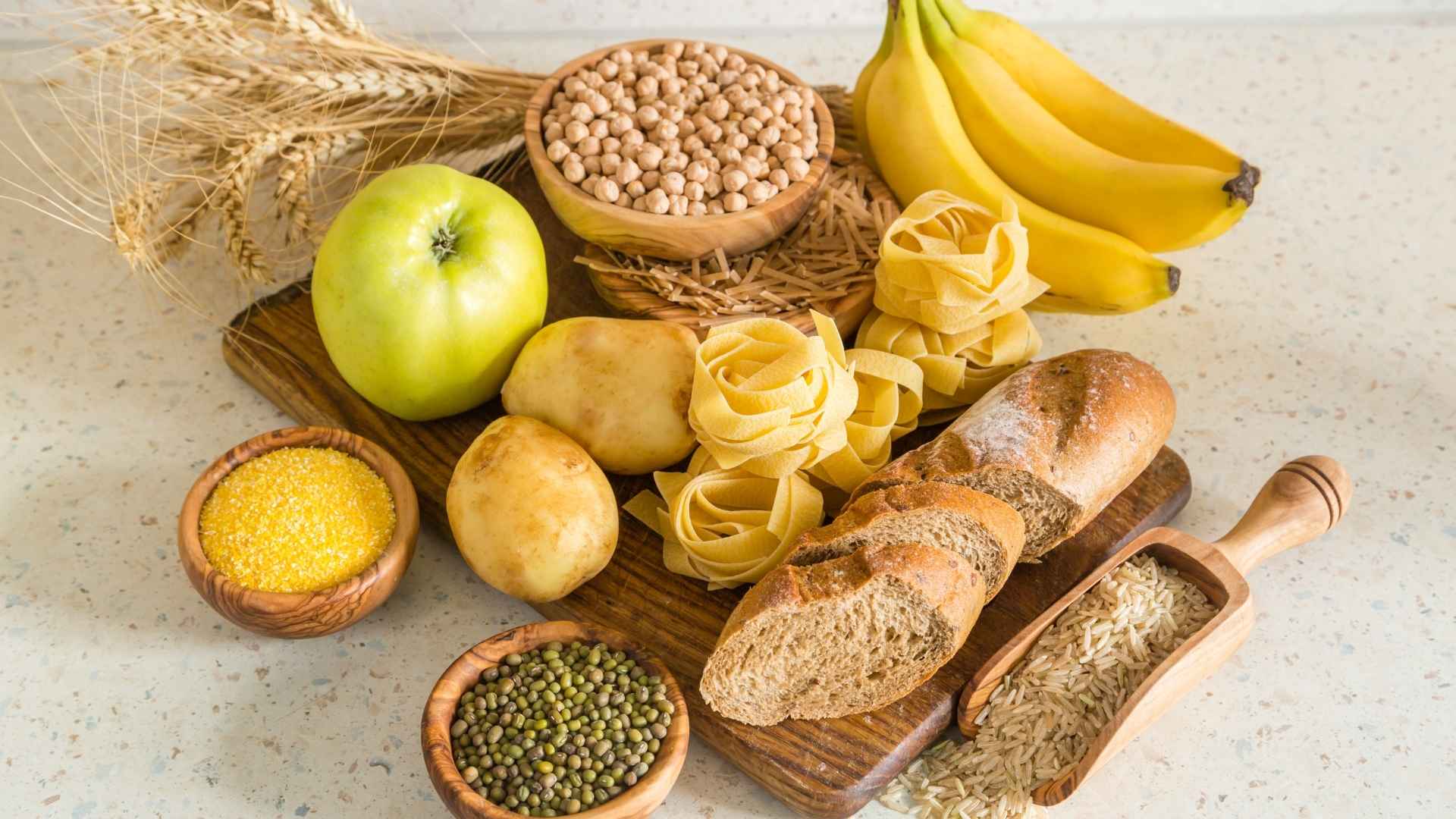
Health services generally recommend including starchy carbohydrates, especially higher‑fibre or wholegrain options, as part of a balanced diet. Rather than cutting out carbs entirely, recommendations focus on the type and amount of carbohydrate, and on combining them with other foods such as vegetables, pulses, and protein‑rich foods as part of a balanced pattern.
Claim 1: “We have the wrong kind of insulin for carbohydrates”
Dr Chaffee claims that as we eat carbs, our blood sugar spikes, causing insulin to be released. He then argues that as insulin keeps going, our blood sugar levels drop too low, leading us to keep eating more carbs. The video then implied that products like ActRapid and NovoRapid, which are forms of short-acting insulin used to treat diabetes, suggest that insulin needed to be “reinvented” to handle “carbohydrate spikes,” especially in type 1 diabetics.
Firstly, clinical pharmacology references explain that rapid-acting insulin analogs were developed to better imitate the body’s prandial (mealtime) insulin response. This is because injected insulin is absorbed more slowly than the insulin the pancreas releases in response to food.
Secondly, implying that insulin had to be reinvented for Type 1 Diabetes because the human body is not made to use carbs is inaccurate. People with Type 1 diabetes are unable to produce insulin on their own to manage their blood glucose levels. This condition typically starts from childhood and is not related to carbohydrate intake or human biology. The difference lies in delivery: injected insulin is absorbed through the skin more slowly and less precisely than insulin released directly from the pancreas into the bloodstream. That does not mean that humans were not meant to eat carbohydrates.
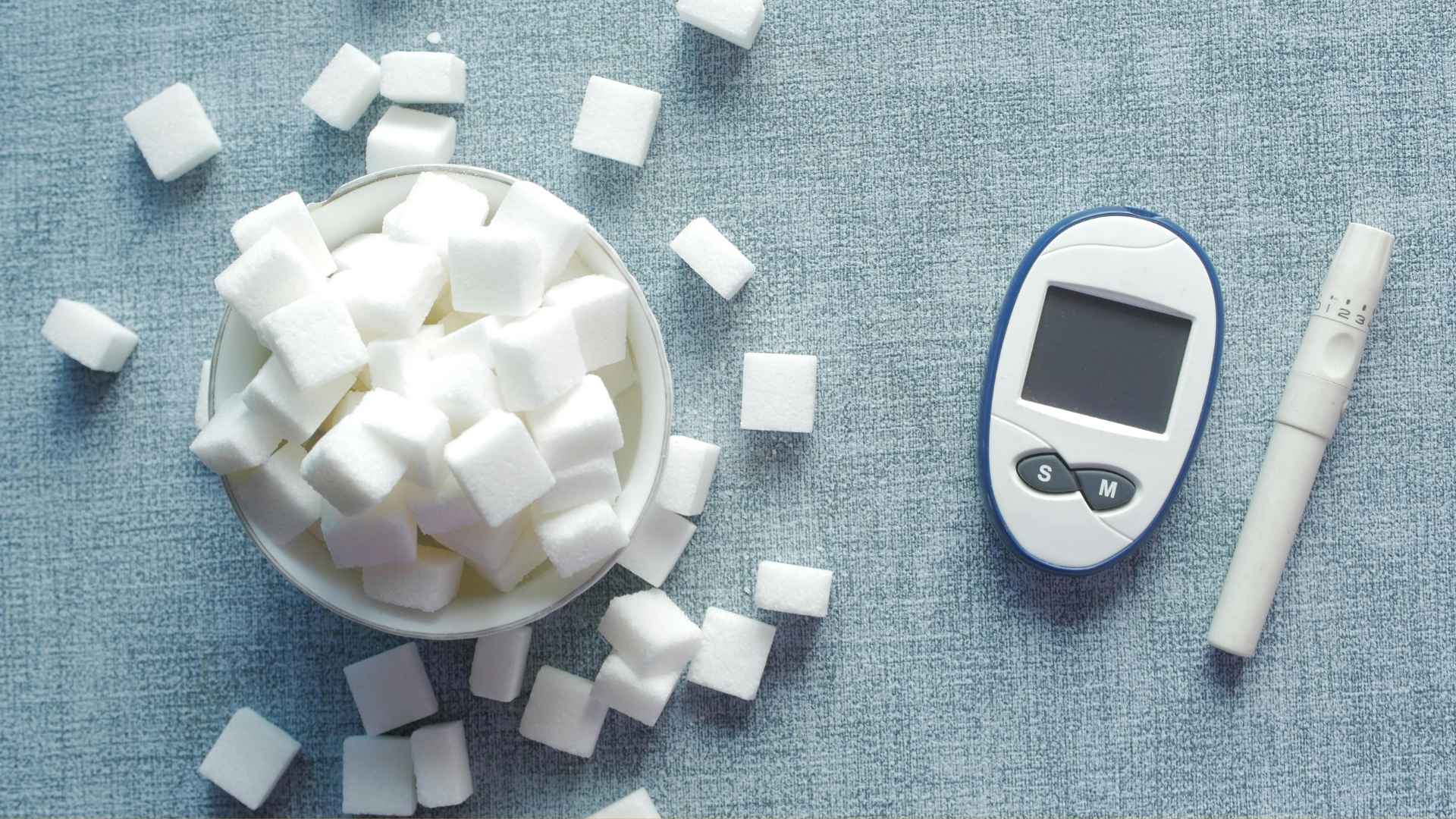
Thirdly, it is misleading to single out carbohydrates as the sole driver of insulin response. Protein can stimulate insulin too, and when protein is eaten with carbs, it can even increase insulin secretion compared with carbs alone. Insulin signalling is a normal part of how the body processes mixed meals, not a “design proof” that carbohydrates are unnatural or harmful.
Lastly, research shows that carbohydrates are an important part of a balanced diet for children with type 1 diabetes, recommending that roughly 45–55% of energy comes from carbohydrates (alongside fat and protein) to support normal growth and development. If carbohydrate intake drops too low, clinicians worry about growth and nutrition harms—such as poor linear growth, inadequate weight gain, poorer bone mineralisation, and micronutrient deficiencies. Low‑carb/keto diets are treated as a legitimate but optional family‑driven strategy for glucose management; it is framed as optional because carbohydrates are important for the growth and health of children. Restricting them completely can carry long term risks.
Claim 2: Type 1 diabetics on a keto diet use ‘old insulin’ because it matches the protein curve
Dr Chaffee goes on to argue that people on a ketogenic diet (low carbohydrate, high fat, some protein) do not need rapid‑acting insulin products because “our normal insulin” supposedly best matches the “protein curve.” He thus suggests ketogenic diets reveal our insulin is “designed for protein,” not carbs. However, clinical reviews of ketogenic diets in type 1 diabetes emphasise that insulin typically still needs careful adjustment and that safety concerns include hypoglycemia and diabetic ketoacidosis risk (whereby chemicals from the liver build up in the blood due to lack of insulin).
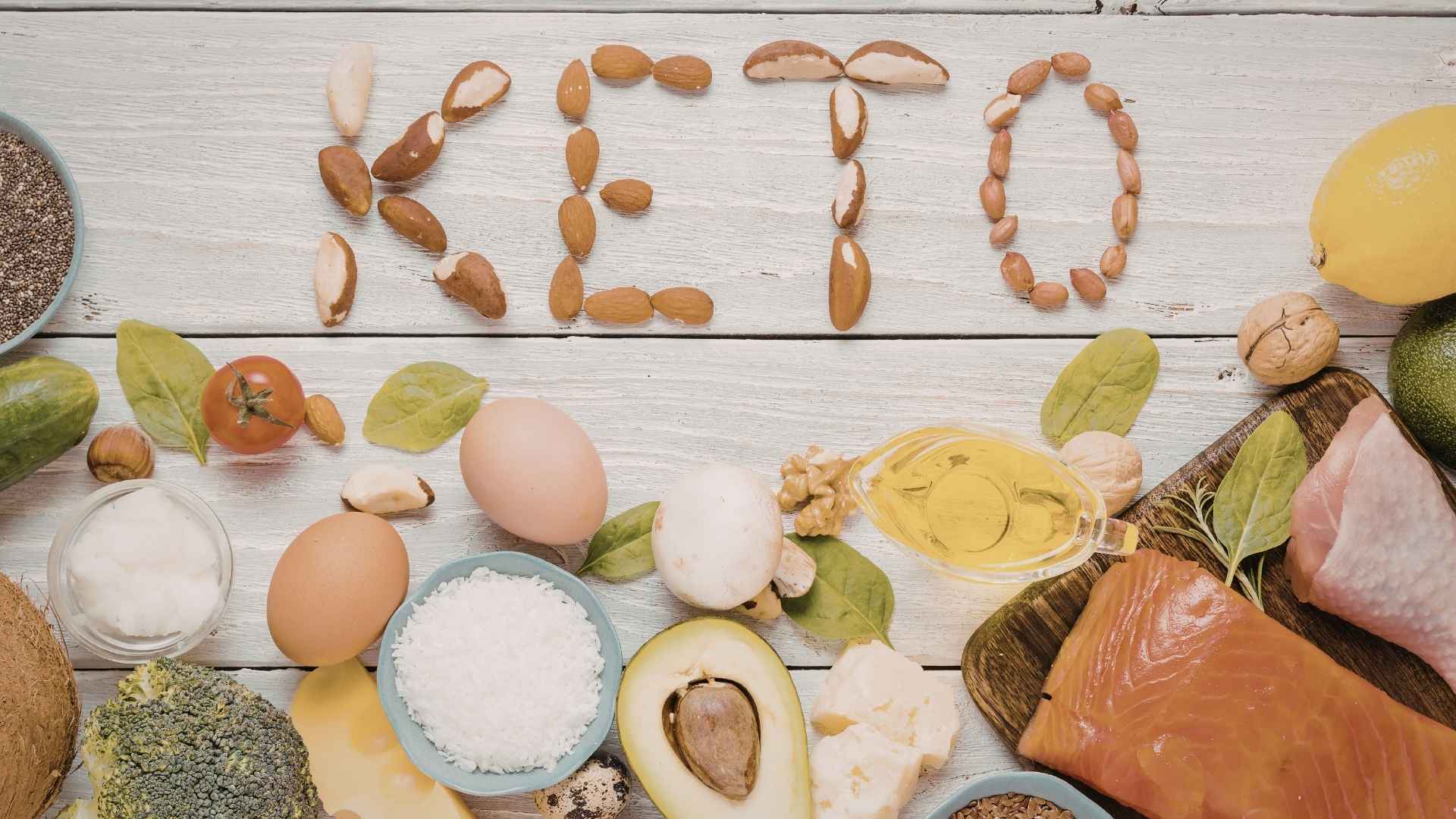
When someone with type 1 diabetes shifts to a ketogenic or very-low-carb pattern, insulin dosing typically has to be reduced and actively re-tuned, especially mealtime doses, because lower carbohydrate intake reduces post-meal glucose rises and changes how much rapid insulin is needed. This does not mean that carbs are “unnatural” but rather reflects that insulin is required for baseline metabolic control and that dose and timing depend on the mix of foods eaten and on the specific insulin formulation.
Claim 3: “Carbohydrates select for certain bacteria that actually cause cavities in our teeth. No animal in the wild eats a natural diet that rots their teeth.”
The clip claims that because carbs can promote cavity-causing bacteria, carbs must not be “meant for us,” and it adds that “no animal in the wild” eats a diet that rots their teeth. Archaeological evidence does show that tooth decay often increased in some populations with the shift to agriculture and higher carbohydrate intake, and jaw or mandible changes have been discussed in that transition. However, it’s also important to note that dental health reflects factors beyond “type of macronutrient”: frequency of eating, stickiness of foods, enamel quality, saliva, fluoride exposure, and oral hygiene all matter. When single factors are taken out of context on social media, it is easy to end up with a distorted picture of what actually happened and, in turn, with false conclusions.
The “no wild animal gets cavities” line is incorrect as a universal claim. Dental cavities have been documented in wild mammals; one study examining five genera of free-living caviomorph rodents reported cavities in all five (capybara, coypu, agouti, acouchi, and paca), directly contradicting the idea that cavities are exclusively a “modern human diet” problem. The paper distinguishes frugivores (agouti, paca, acouchi) from grazers (capybara, coypu) based on diet and ecology, and notes the frugivores’ fruit-heavy feeding pattern. Those fruit-eating species are exactly where the study reports the highest cavity prevalence (10.5–19.8%). This matters because it shows a natural diet pattern (made up of fruit-rich, sugar-containing foods) can be associated with measurable cavity rates in wild animals.
Bottom line: Tooth decay can be influenced by diet and food processing, but it doesn’t logically follow that “any carb-containing diet” is biologically inappropriate for humans.
Final take away
Dr Anthony Chaffee’s claim oversimplifies a very complex issue by saying that if a food causes a problem, it must be the wrong food, promoting the idea that there is only one right way to eat. Additionally, there is no mention of evolution and how the human body had adapted overtime to farming and the post farming environment. This kind of storytelling can be viewed as cherry picking by singling out a macro-nutrient that must be avoided.
When it comes to insulin, rapid-acting insulin analogs exist because injected insulin needs better timing to mimic normal mealtime insulin patterns, not because human insulin is “wrong” for carbohydrates. Tooth decay risk can rise with frequent fermentable carbohydrate intake and certain food processing patterns, but cavities occurred in some pre-agricultural hunter-gatherers and do occur in wild animals. Human evolutionary genetics also supports the reality that starch digestion has been an important, selectable trait in human populations, which conflicts with the video’s central claim.
We have contacted Dr Chaffee and are awaiting a response.
Disclaimer
This fact-check is intended to provide information based on available scientific evidence. It should not be considered as medical advice. For personalised health guidance, consult with a qualified healthcare professional.
Independent fact-checking, funded by readers like you.
Misinformation is a growing threat to our health and planet. At foodfacts.org, we're dedicated to exposing the truth behind misleading food narratives. But we can't do it without your support.
Sources
- foodfacts.org (16 September 2026). The surprising reality about blood sugar spikes (it’s not what you think)
- foodfacts.org (28 January 2025). No, honey isn’t unhealthy because it spikes your blood sugar, but why does this influencer say the opposite?
- Masood, F. (2020) “The Effect of Agriculture on Health in Neolithic Populations in the Levant.”
- MSD Manuals (no date). “Onset, peak, and duration of action of human insulin preparations.”
- Nagy, S., et al.. (2026). ‘Effects of protein intake on glucagon, insulin, and glucose dynamics: implications for diabetes.’
- NHS (2023). “About rapid-acting insulin.”
- NHS (2023). “Starchy foods and carbohydrates.”
- NHS. (no date.) “What is type 1 diabetes?”
- Pantalone, K.M., et al. (2021). ‘Intensifying insulin therapy in type 2 diabetes mellitus.’
- Rydin, A.A., et al. (2021). “Medical management of children with type 1 diabetes on low-carbohydrate or ketogenic diets.”
- Sone, K., et al. (2005). ‘Effects of diet on the incidence of dental pathology in free living caviomorph rodents.’



foodfacts.org is an independent non-profit fact-checking platform dedicated to exposing misinformation in the food industry. We provide transparent, science-based insights on nutrition, health, and environmental impacts, empowering consumers to make informed choices for a healthier society and planet.








.svg)


.svg)

