





Menopause and nutrition: what the Menofood study suggests actually helps




What is the Menofood study?
Since early 2025, a team of researchers from Radboudumc and Erasmus MC have worked on the Menofood project, funded by the Heart Foundation in The Netherlands and ZonMw. The Menofood project aims to gain insight into the facts and myths surrounding dietary behaviour of women throughout the menopause, and if changes in their diet may influence their risk of developing cardiovascular disease. The motive for MENOFOOD was the fact that many women actively seek ways to alleviate their symptoms and support their health during menopause. They experiment on their own with nutrition, herbs, supplements, and other lifestyle strategies, as they often find that reliable and practical information is lacking.

The project was initiated by a woman in menopausal age, recognised as a citizen scientist, who was motivated by her own experience and of those around her to learn more about the relationship between nutrition, menopause and cardiovascular health.
What is a citizen-science approach?
The project rooted itself in a citizen-science approach, in which women in menopause transition act as equal partners throughout the research process. Their contribution spans from data collection to analysis and dissemination, and seeks to align the research to the lived experience of those in the target group, making research more accessible and inclusive.
How was Menofood set-up?
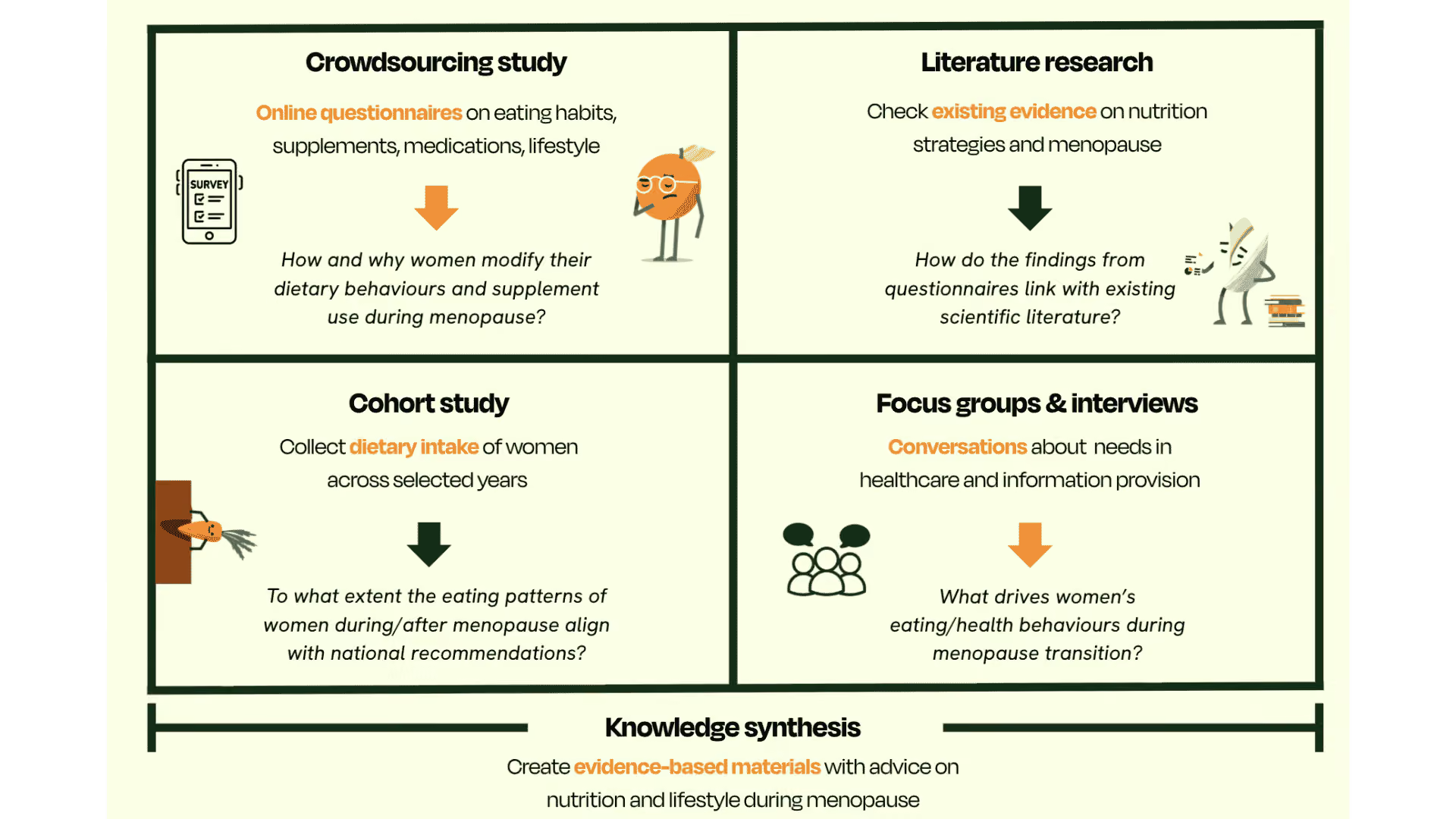
The project has five main components: 1) a crowdsourcing study, 2) in-depth focus groups and interviews, 3) a large-scale cohort analysis, and 4) a literature review to gather scientific evidence for the strategies that emerged from the crowdsourcing study , and 5) an overarching component to translate and synthesize these insights into evidence-based information materials.
What symptoms and concerns did women report?
Across the crowdsourcing study and the focus group study, women described a wide range of complaints during the menopause transition. The most commonly reported symptoms were hot flushes, mood-related symptoms, sleep disturbances, weight-related concerns, reduced energy and vitality, gastrointestinal complaints, joint and muscle-related symptoms, brain fog and concentration difficulties, stress-related complaints, and changes affecting skin, hair, and nails.
Cardiovascular health was also a recurring theme. Women raised concerns about palpitations, cholesterol, hot flushes and blood pressure, alongside a broader interest in preventive cardiovascular health, and some reported experiencing chest pain.
This breadth of physical, cognitive, and emotional symptoms was a motivation for many participants to start adjusting their diet and lifestyle, setting the stage for the self-management strategies described below, however, there is little well-substantiated information available on this. That is why women take matters into their own hands and try things out or look for information that is incorrect.

What did women report doing differently during the menopause transition?
The crowdsourcing study and focus groups/interviews gave insight into the everyday ‘experiments’ women are running on their own diets and supplement routines during the menopausal transition.
On the nutrition side, common changes included:
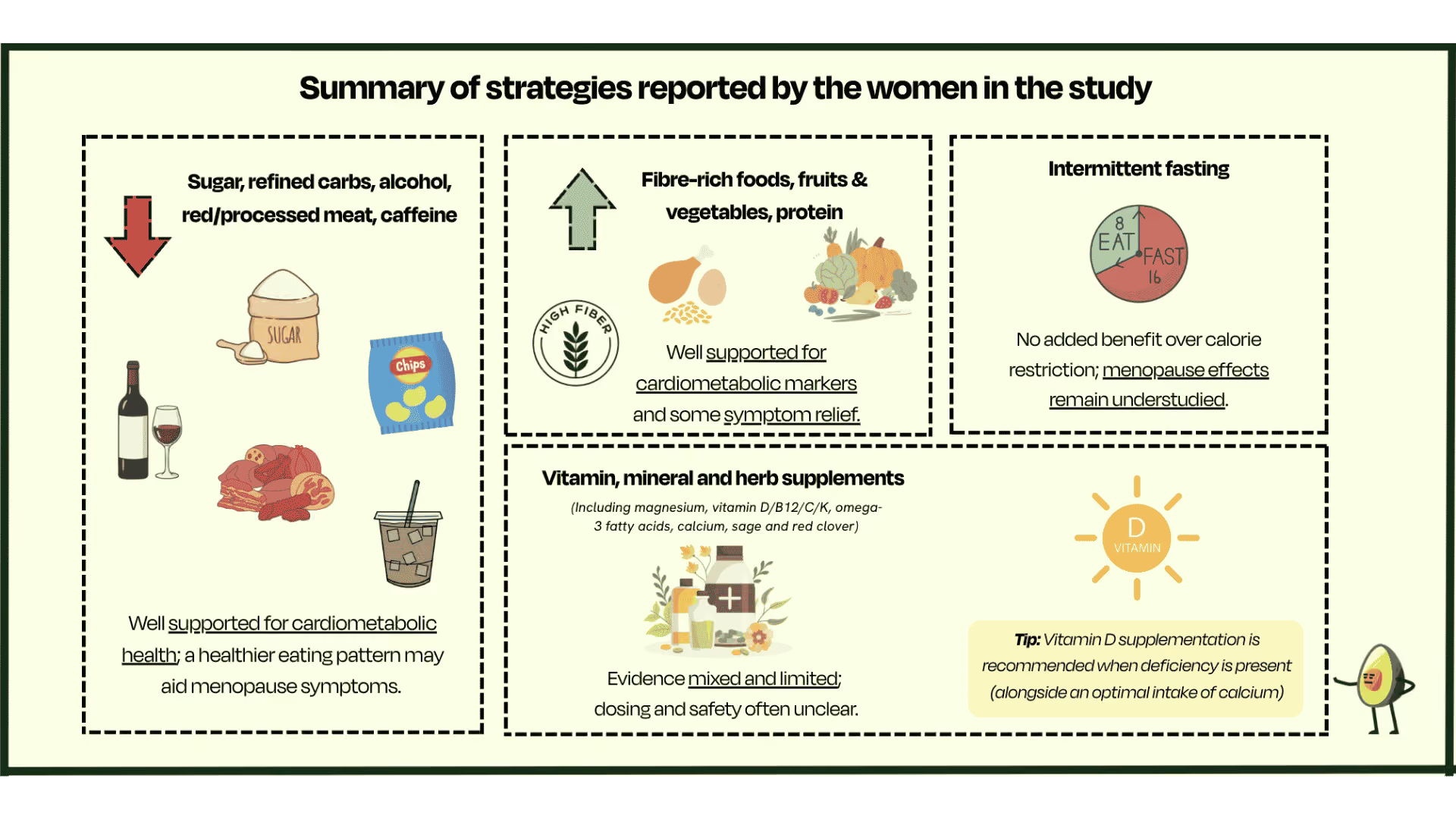
- Eating less sugar, fewer refined carbohydrates, and less alcohol
- Increasing fibre-rich foods, fruits and vegetables, and protein
- Cutting back on red and processed meat and caffeinated drinks
- Moving toward more unprocessed foods
- Trying intermittent fasting
Alongside these dietary shifts, women reported trying a wide variety of supplements and herbs, including magnesium, vitamin D/B12/C/K, omega-3 fatty acids, calcium, sage and red clover.

What does the literature say about these practices?
Dietary strategies
The literature review set out to cross-check these self-reported experiences with existing scientific evidence, and the picture that emerges is a mixed one. Several strategies are well supported: reducing added sugar and refined carbohydrates, eating more fibre-rich foods, fruits and vegetables, cutting back on red and processed meat, and increasing protein intake are all linked to improved cardiometabolic markers and, in some cases, fewer menopausal symptoms, including hot flashes, night sweats, mood changes and symptoms of depression (source; source; source; source; source; source; source).
Others show a more mixed or context-dependent picture. Lower alcohol intake is consistently tied to better cardiovascular health, and while the evidence on the impact of alcohol in menopause symptoms is mixed, some studies suggest that alcohol consumption (and smoking) are related with an increased likelihood of vasomotor symptoms (source). Cutting back on caffeinated drinks may ease sleep and hot flush complaints depending on the amount and timing of consumption (source).
On the other hand, the evidence on a smaller group of strategies is emerging or limited. Eating less highly processed foods may support weight and menopause symptom benefits (source; source), while intermittent fasting appears to offer no clear advantage over regular calorie restriction (source), with its effects specifically during menopause remaining understudied.
Vitamin, mineral and herb supplements
For supplements and herbs, the evidence base is generally more limited and mixed than for dietary strategies. Some recommendations are straightforward, such as vitamin D supplement when a deficiency is present to maintain musculoskeletal health, alongside an optimal intake of calcium (700 to 1,200 mg for women aged ≥ 50 years), preferably from food sources (source; source). However, supplementation of other vitamins such as vitamin K or vitamin B12 may be advised in specific cases when needed, but the evidence does not point yet to specific supplements to be used routinely to improve menopausal symptoms or cardiovascular health.
For herbal supplements, though there is a growing body of scientific evidence, the heterogeneity of studies, outdatedness of studies, and the different dosages and compositions of the preparations used across studies makes it difficult to point towards specific supplements and quantities that could be of support during the menopause transition. Some supplements show to be potentially beneficial to manage certain symptoms (such as black cohosh for vasomotor symptoms), but for many of these supplements the optimal type and dose are unclear, as well as their safety profile.
Before taking any supplement, it is advised to consult with a health professional to prevent interactions with medications, or complications from underlying health conditions.
Menofood project next steps
- Finishing the analysis: The team is finishing up the analysis of the focus groups, looking closely at what women need during the menopause transition (using a framework called the Taxonomy of Human Goals). A scientific publication will be made based on this.
- Making it accessible: Alongside these scientific publications, the team is also creating accessible materials together with people with a mild intellectual disability, to share the findings with the wider audience.
- Next phase: The team is also applying for a follow-up grant to study how hormone replacement therapy affects heart health in menopausal women.

Independent fact-checking, funded by readers like you.
Misinformation is a growing threat to our health and planet. At foodfacts.org, we're dedicated to exposing the truth behind misleading food narratives. But we can't do it without your support.





foodfacts.org is an independent non-profit fact-checking platform dedicated to exposing misinformation in the food industry. We provide transparent, science-based insights on nutrition, health, and environmental impacts, empowering consumers to make informed choices for a healthier society and planet.






.svg)


.svg)

