
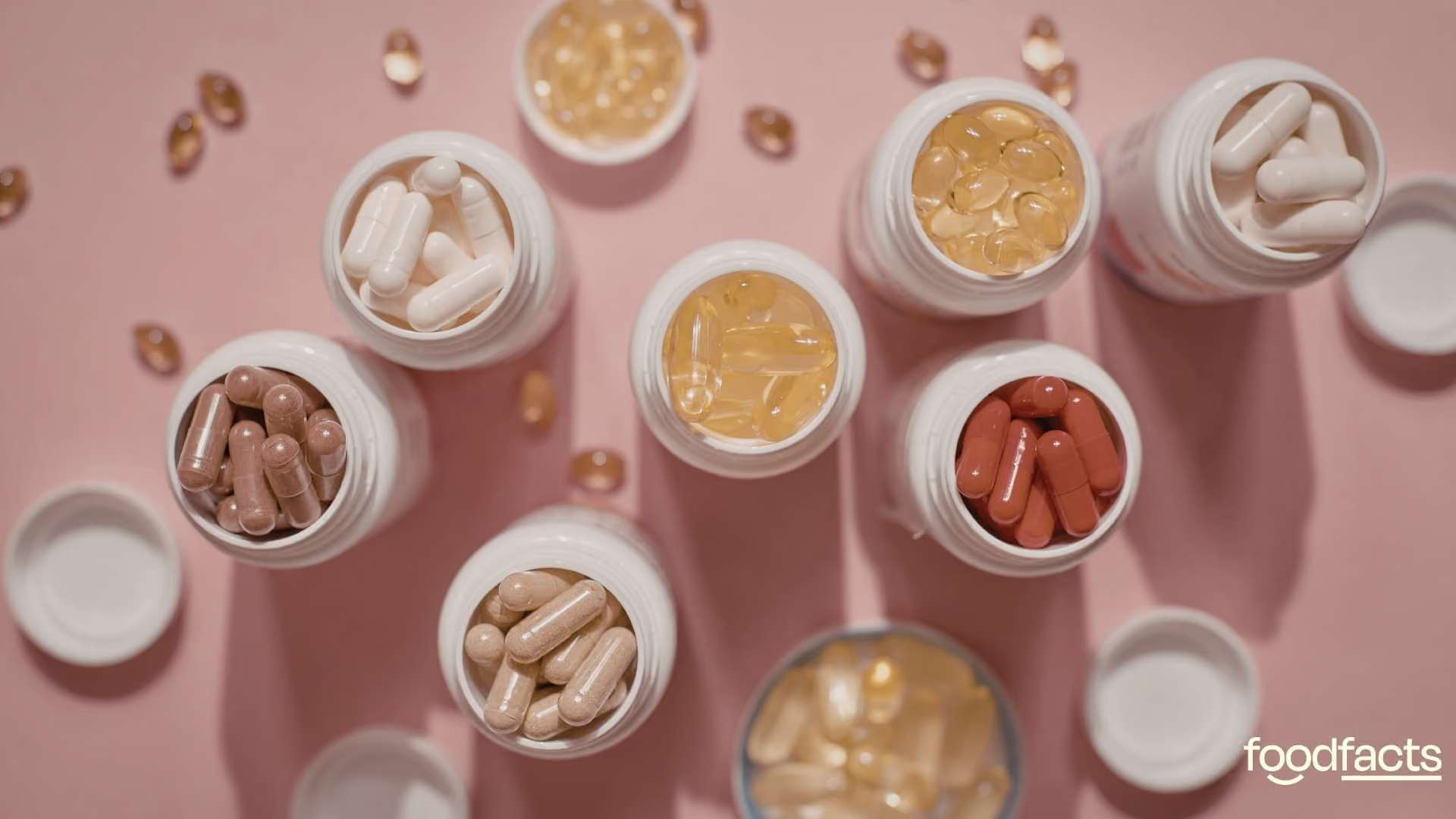




Longevity supplements vs. lifestyle habits: what actually extends your healthy years




Healthy ageing has become one of the most profitable promises in modern wellness. The global longevity market is projected to grow from around USD 27–32 billion in 2025 to between USD 60–70 billion by 2035, underlining just how quickly this promise is being commercialised. From biological age tests to “cellular repair” capsules and private longevity clinics, consumers are being sold the idea that ageing can be measured, slowed, and optimised with the right product.
That appeal is easy to understand. Most people do not want to live forever; they want more years in good health, with less frailty, better energy, and a lower risk of chronic disease. But the longevity industry often blurs that reasonable goal with a much bigger claim: that a supplement can meaningfully alter the biology of ageing itself.
Many longevity ingredients have plausible mechanisms and encouraging laboratory findings, and some do influence biomarkers linked to ageing. But biomarkers are not the same as outcomes, and promising changes in cells, enzymes, or blood markers do not necessarily translate into better health, longer life, or improved function in real people. This is where marketing can get ahead of the current human evidence.
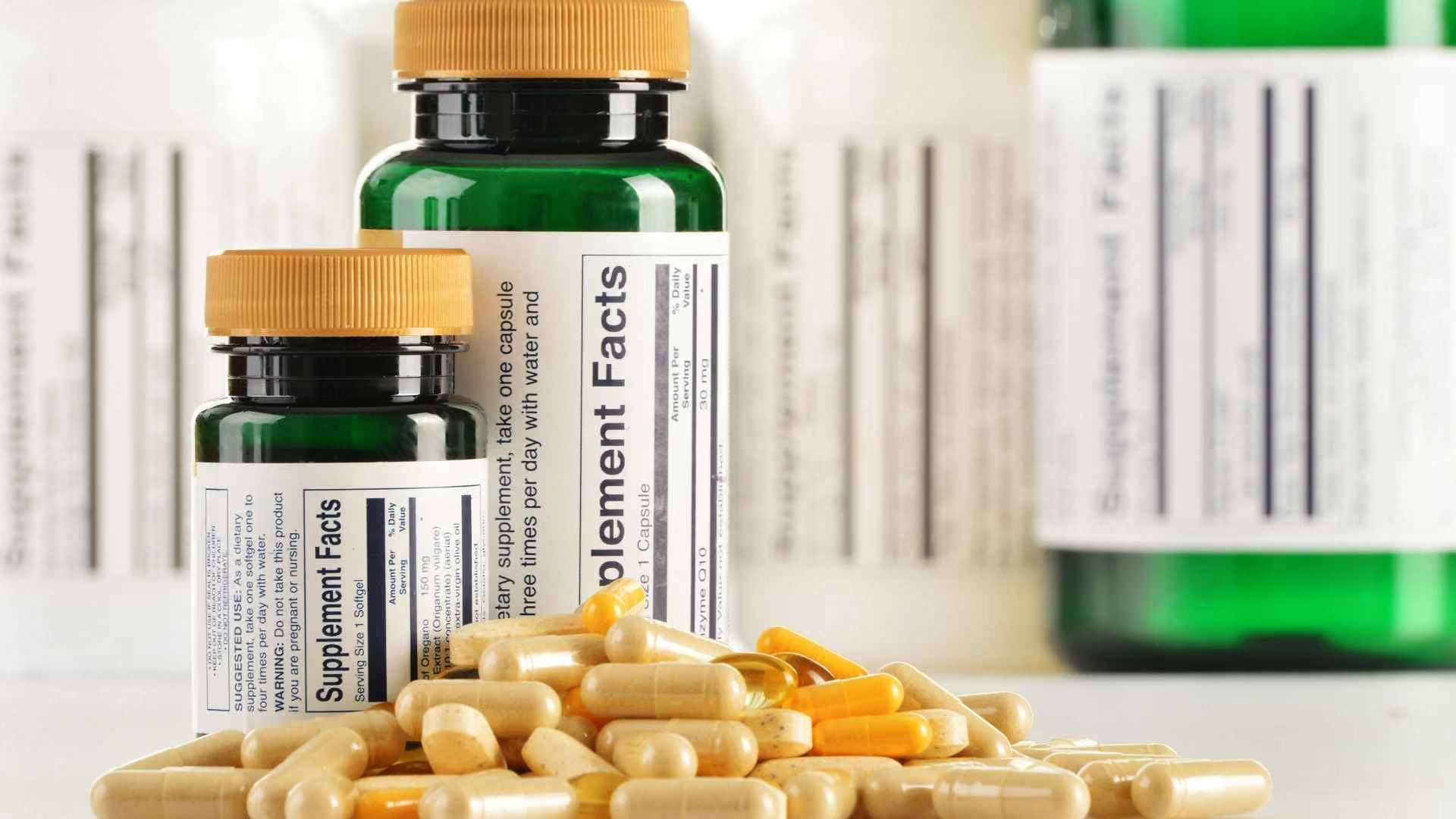
Why longevity supplements are booming
The rise of longevity supplements sits at the intersection of ageing populations, chronic disease anxiety, and a wellness culture that increasingly rewards optimisation. Against that background, longevity supplements offer a simple, appealing promise: take this capsule and you’ll be doing something to “optimise” your biology and slow cellular ageing.
The appeal is not only scientific; it is psychological. These products offer a sense of control in a process that most people find uncomfortable. Ageing is universal, but the longevity market frames it as something that can be managed, tracked, and improved if you buy the right formula.
Longevity science vs the longevity industry
Longevity science is the research field that tries to understand why and how we age at a biological level, and which processes might be safely modified to extend healthy years of life. The longevity industry is the commercial ecosystem that turns that emerging science into products, services, and technologies marketed to consumers.

That speed difference creates a gap between what is scientifically plausible and what has actually been shown to improve how long and how well people live. Early findings about a pathway, biomarker, or mechanism can be translated into a branded protocol or supplement years before we have strong human outcome data, which can leave consumers navigating a marketplace where marketing may run ahead of proof.
Why longevity is so easy to market
Longevity marketing is especially persuasive because it borrows the language of science. Phrases such as “supports healthy ageing”, “promotes cellular repair”, “boosts mitochondrial function”, “increases NAD+”, and “targets the hallmarks of ageing” sound credible because they are real biological processes. But scientific language can also be used as branding.

In the UK, supplements are regulated as food rather than as medicines, so claims must stay within nutrition and health-claims rules. Longevity-branded supplements often sit close to the edge of that system. They may combine approved nutrient claims with broader language about “healthy ageing”, “cellular support”, or “longevity” which can sound more powerful than the evidence behind them.
That can create a grey zone for consumers. A product may be technically compliant while still encouraging people to assume benefits that have not actually been shown in human outcome studies.
The supplements everyone is talking about
Nicotinamide adenine dinucleotide (NAD+)
NAD+ is a molecule involved in energy metabolism, cellular signalling and DNA-repair processes. Some studies have shown its levels appear to naturally decline with age in some tissues which has made it an attractive target for longevity marketing.
Researchers have hypothesised that restoring this decline may help to protect cells and support healthier ageing. Animal studies have shown promising effects on mitochondrial function and some age-related conditions.

However, translating these findings to humans remains a challenge. Animal models live shorter lives, are studied in tightly controlled conditions, and do not always share the same metabolic responses as humans. Therefore benefits seen in animals may be smaller, inconsistent, or absent in people. Raising NAD+ in human tissues is also more complex than it sounds, and current research suggests that NAD+ itself is unlikely to enter cells efficiently, so higher blood levels do not necessarily mean cells are functioning better.
Bottom line: promising biology, limited clinical proof.
NAD+ precursors: Nicotinamide Mononucleotide (NMN) and Nicotinamide Riboside (NR)
NMN and nicotinamide riboside (NR) are the main supplements marketed to boost NAD+. NMN is presented as a precursor that may help increase NAD+ levels, while NR is a form of vitamin B3 that can be converted into NAD+.
In animal studies, both have shown promising effects on metabolism, inflammation, and some age-related outcomes. But the human evidence is still limited. NR can raise NAD+ levels in blood, and it appears to be generally well tolerated in the short to medium term, but clinical trials have not yet shown consistent, meaningful benefits for healthspan or ageing outcomes. For NMN, solid proof in humans is still lacking, and long-term safety remains unclear.
Bottom line: interesting science, but not yet a proven longevity supplement.

Resveratrol
Resveratrol is a plant-derived polyphenol found in grapes, berries, peanuts and red wine. It gained early attention because laboratory and animal studies suggested it might influence stress-response pathways, oxidative stress, and mitochondrial function, which helped make it one of the first “celebrity” ingredients in the longevity space.
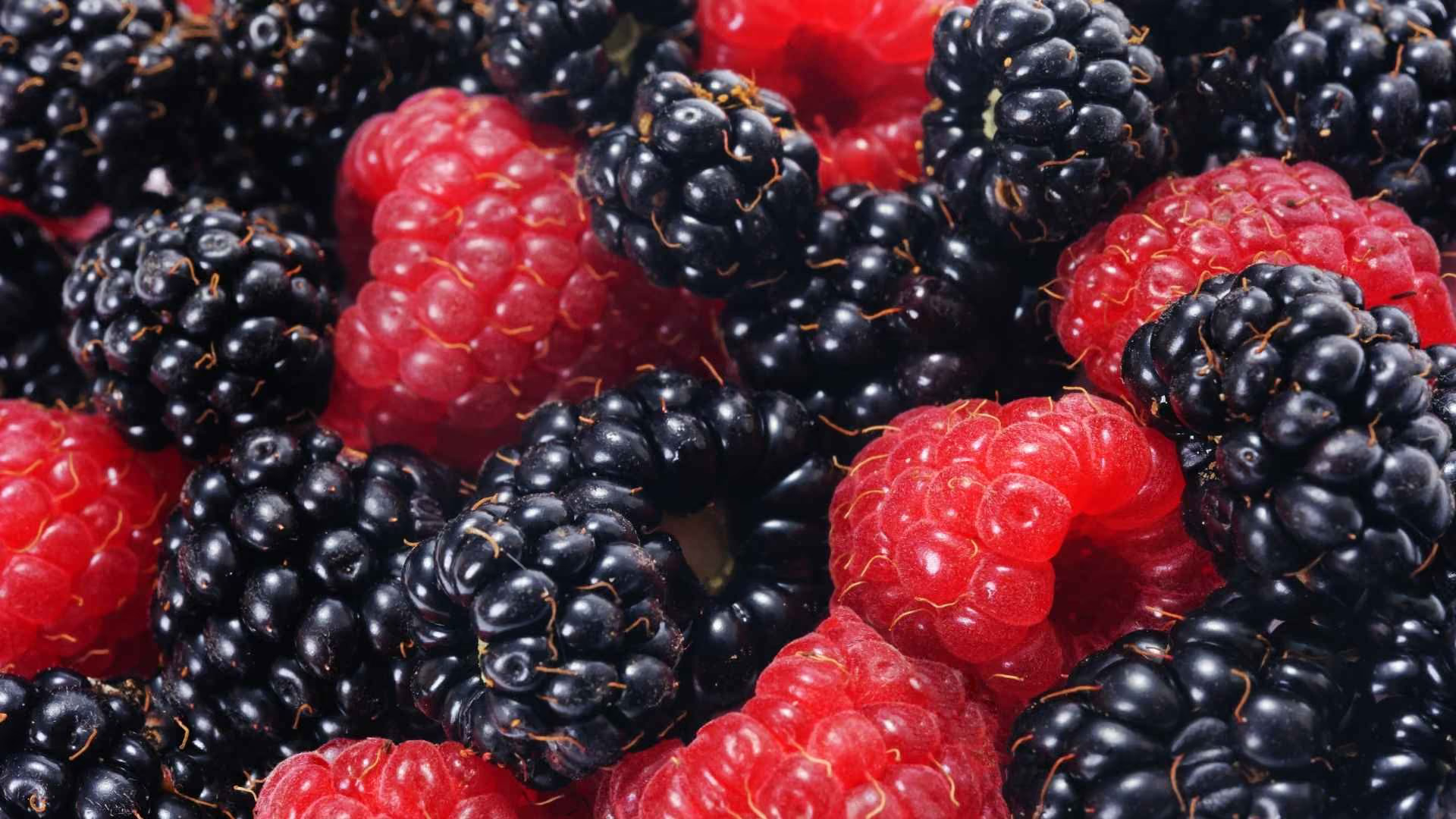
It still appears in many products aimed at healthy ageing, often alongside other compounds that are said to support cellular resilience or stress resistance.
However, human trials have produced inconsistent results, and there is no convincing evidence that resveratrol slows ageing or extends lifespan in humans.
Bottom line: there is no current, convincing evidence that it extends lifespan in humans.
Creatine
Creatine is increasingly appearing in longevity messaging, but it is not clear whether it is a direct anti-ageing intervention. Instead it may help maintain strength, muscle mass, and physical function, particularly when combined with resistance training, although the size and reliability of that benefit vary across studies. However, this potential effect could still be significant because age-related muscle loss, weakness, and reduced mobility are major contributors to frailty and loss of independence.
.avif)
The evidence for creatine supplementation is strongest when creatine is combined with resistance training. In older adults, it may modestly increase gains in lean mass and strength compared with resistance training alone, although results vary and it has not been shown to extend lifespan. Evidence for benefits to cognition, bone health and other aspects of ageing is less consistent.
Bottom line: creatine may help support muscle and function, but it is not a clear anti-ageing intervention.
Omega-3
Omega-3 fatty acids is a family of polyunsaturated fats. Alpha-linolenic acid (ALA) are polyunsaturated fats which are essential and must be obtained through the diet, while the body can convert limited amounts of ALA into Eicosapentaenoic acid (EPA) and Docosahexaenoic acid (DHA).
In the longevity space, omega-3 is of interest because it may help reduce cardiovascular and inflammatory risk pathways that contribute to age-related disease, rather than directly stopping ageing itself.
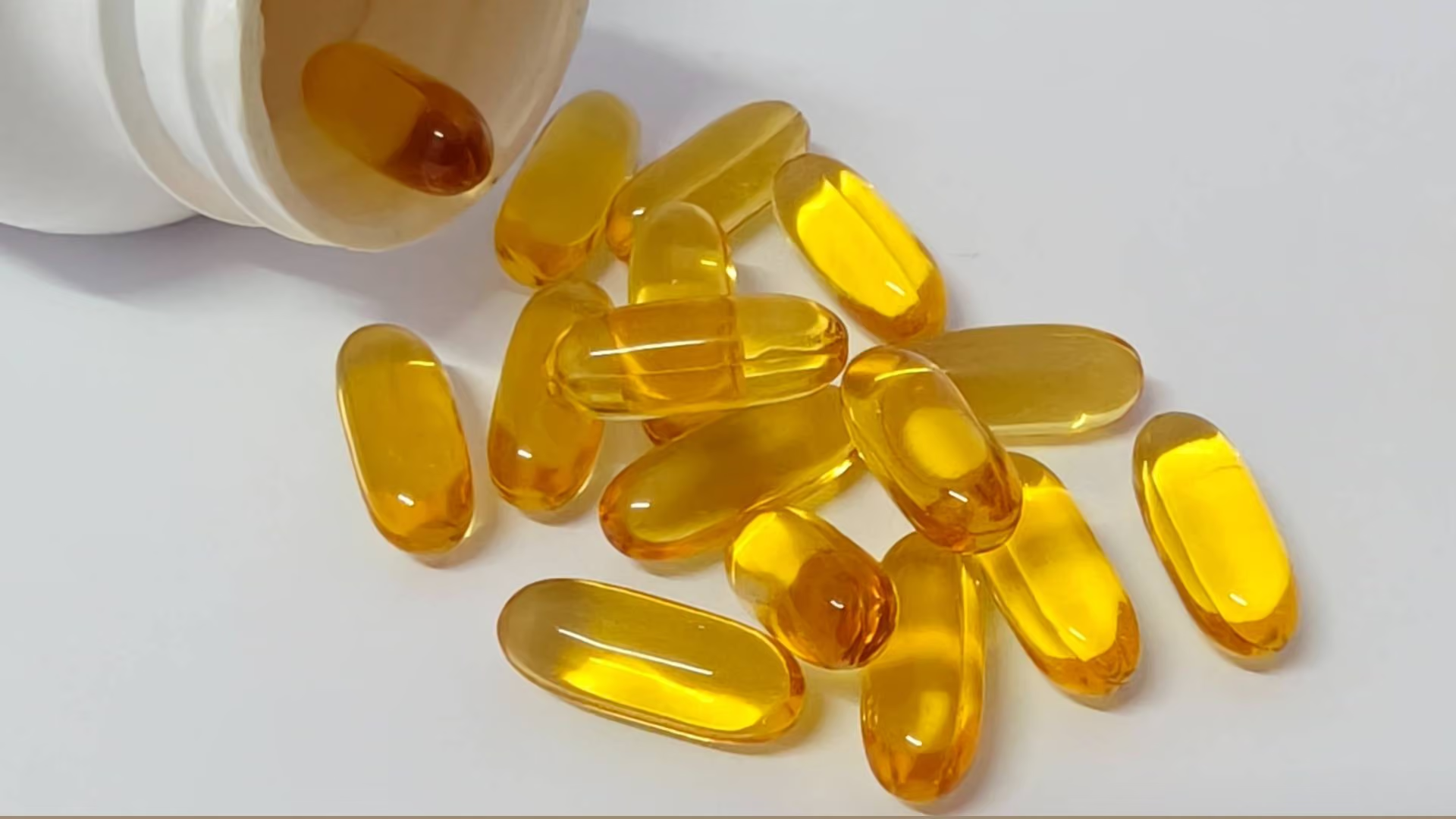
Some recent trial data suggest small effects on certain biological ageing markers, including epigenetic clocks (how fast your body is ageing on a biological level), but the effect appears modest and the evidence is still emerging. The strongest case is still that omega-3 helps lower age-related disease risk rather than acting as a stand-alone longevity drug.
Omega-3 is an important nutrient, but supplementation is not always necessary. For many people, food sources are the preferred first option with sources such as oily fish, nuts and seeds, soy and soy products, and vegetable oils preferred over supplements where possible.
Bottom line: an important nutrient with meaningful health benefits in some contexts, but not an anti-ageing miracle.
Why good science takes time
Longevity research is uniquely difficult. To show that a supplement improves lifespan or healthspan in humans, researchers would need thousands of participants, many years of follow-up, substantial funding, and strong adherence.
That is why many studies instead measure NAD+ levels, inflammation markers, oxidative stress, mitochondrial activity, or other surrogate endpoints. These can be useful clues, but they are not proof of improved lifespan or healthspan.
When supplements do make sense
Supplements can have a useful role in some diets, but their clearest benefits come from being used to meet a genuine nutrition need rather than replace or “optimising” an already balanced and healthy diet. In most cases, food should remain the preferred first source of nutrients, with supplements used selectively when intake is inadequate, requirements are higher, or deficiency is confirmed.
Examples include:
- Vitamin D: most adults should consider a daily supplement during the autumn and winter months, because sunlight is not strong enough for vitamin D synthesis in the UK during this period.Preventing or correcting deficiency can help to support normal bones and muscles and may help reduce the bone weakness, falls and fractures that can threaten mobility and independence in later life.
- Iron: iron supplements may be used when there is a known iron deficiency or iron-deficiency anaemia.Correcting iron-deficiency anaemia can improve fatigue, breathlessness and exercise tolerance, helping people remain physically active and function normally.
- Vitamin B12: people following a vegan diet should ensure they are getting enough vitamin B12 either from fortified foods or through supplementation.
Before starting a supplement, it is sensible to speak to a healthcare professional, especially if you are pregnant, taking medication, or managing a medical condition.
What science says really helps you live longer and healthier
When it comes to living longer in good health, the strongest evidence isn’t for any supplement. It’s for a small set of everyday habits that consistently reduce the risk of chronic disease, and early death.
Large, long‑term studies show that people who follow these behaviours tend to live longer, and spend more of those years in good health, than those who don’t.
The core habits, with the most support include;
Not smoking (and quitting if you do)
Smoking is one of the biggest drivers of premature death and ill health, raising the risk of heart disease, many cancers, lung disease and frailty. Quitting at any age lowers these risks and adds years to life compared with continuing to smoke

A healthy, balanced diet
Diets rich in vegetables, fruit, whole grains, legumes, nuts, seeds, and unsaturated fats—and lower in added sugars, saturated-fats, salt and excessive red and processed meat—are repeatedly associated with lower all‑cause mortality and reduced risk of cardiovascular disease, type 2 diabetes, and some cancers. Patterns such as Mediterranean‑style eating are also linked to better cardiovascular and cognitive outcomes and longer life.
Regular physical activity
Higher levels of moderate and vigorous activity are associated with lower risk of heart disease, stroke, type 2 diabetes, some cancers, depression, dementia, and falls. Current guidelines generally recommend at least 150 minutes a week of moderate activity (or 75 minutes of vigorous activity), plus muscle‑strengthening activities on two or more days a week, but even smaller amounts can be positive for health.
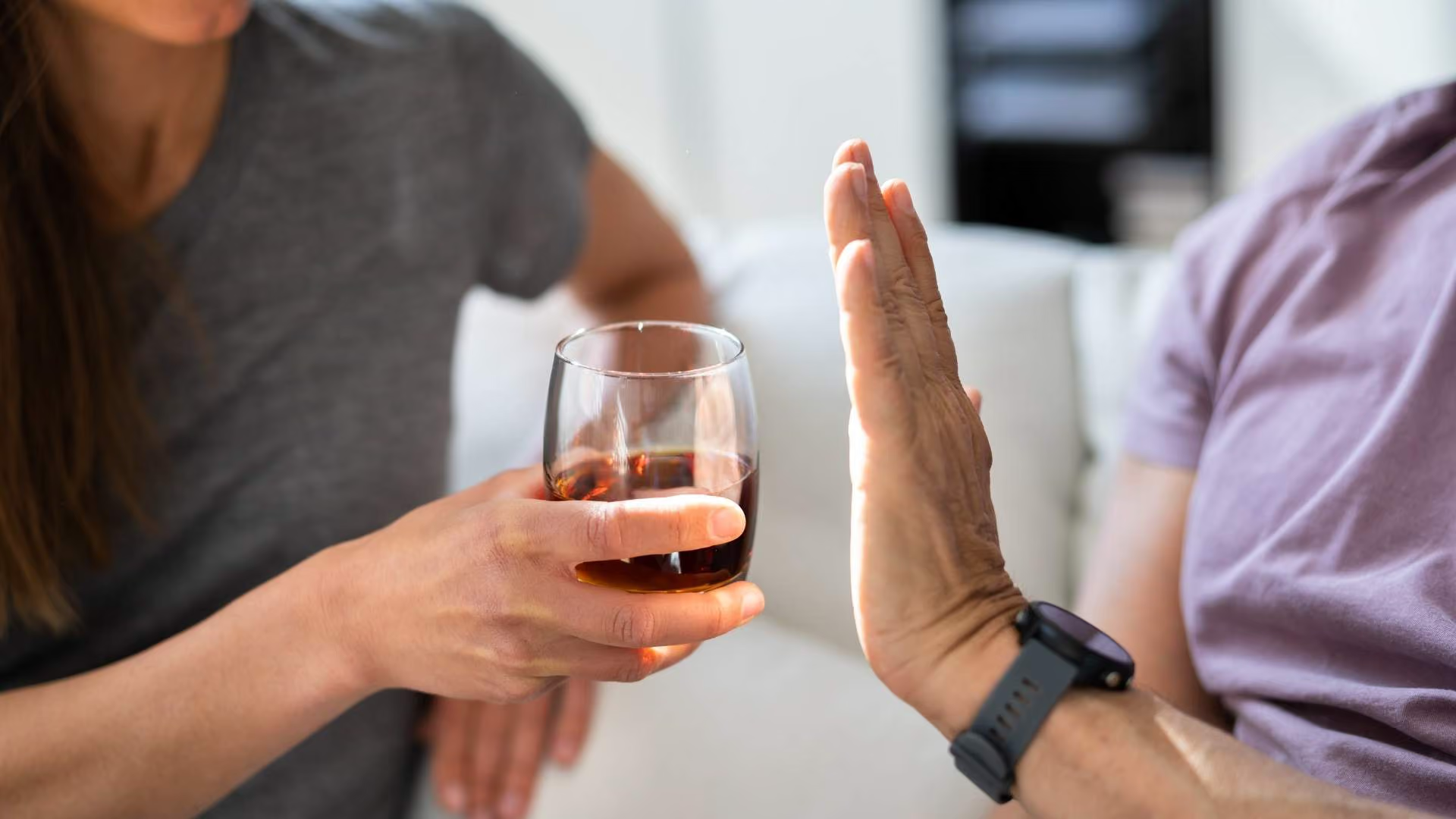
Limiting alcohol
Alcohol increases the risk of several cancers, liver and heart problems, mental health issues and accidents. Even moderate drinking carries some risk, and less is generally better for long‑term health. If you choose to drink, staying within low‑risk limits and having several alcohol‑free days each week is associated with better outcomes than regular or heavy drinking.
Other supporting habits
Good‑quality sleep, managing stress, and staying socially connected may also be associated with better health and longer life, although the evidence base varies in depth across these areas. These are best viewed as complementary to the core four above, rather than replacements.
Taken together, these lifestyle factors do not offer a quick fix or a “longevity hack”, but they are supported by large, long‑term human studies showing reductions in disease and mortality, not just changes in biomarkers.
Final take away
Longevity supplements may be appealing because they offer a sense of control over something that feels inevitable. They promise to “optimise” biology, raise NAD+, repair cells, or target the hallmarks of ageing, often using scientific language that sounds advanced, even when the human evidence is still thin.
Much of the excitement in this space comes from mechanistic and early-stage research: changes in NAD+ levels, mitochondrial function, inflammation markers, or epigenetic clocks. These surrogate endpoints can be useful indicators, but they are not the same as showing that people live longer, stay independent for longer, or feel and function better over time.
There is still a role for supplements but it is narrower and more targeted than much longevity marketing suggests. Supplements are most useful when they address a genuine nutrition need or a clearly defined risk, such as vitamin D in autumn and winter. In these situations, supplementation supports the foundations of health rather than trying to “hack” ageing itself.
What has the strongest evidence for supporting both lifespan and healthspan is far less glamorous, but far more reliable. Not smoking (or quitting), being physically active, eating a nutrient-dense diet and limiting alcohol all have strong, long-term evidence behind them.
Health can often feel complicated, especially in a space filled with optimisation trends and scientific-sounding claims, but the foundations remain remarkably consistent. In many cases, healthy ageing is less about finding the right supplement and more about doing the basics well, and doing them consistently over time.

Independent fact-checking, funded by readers like you.
Misinformation is a growing threat to our health and planet. At foodfacts.org, we're dedicated to exposing the truth behind misleading food narratives. But we can't do it without your support.
References
- McKinsey & Company (2025). “Future of wellness: Trends shaping the consumer health market.” Available from: https://www.mckinsey.com/industries/consumer-packaged-goods/our-insights/future-of-wellness-trends
- Tao, X. et al. 2024 ‘Biomarkers of Aging and Relevant Evaluation Techniques: A Comprehensive Review Available from: https://pmc.ncbi.nlm.nih.gov/articles/PMC11081160/
- Kliemann, N. et al. (2024). “Exploring motivations, information behavior, perceptions, and intentions among dietary supplement users: a cross-sectional survey study in Germany.” Available from: https://pmc.ncbi.nlm.nih.gov/articles/PMC12537374/
- Tarti, G. et al. (2024). “Frailty, aging, and metabolic resilience.” Available from: https://www.frontiersin.org/journals/aging/articles/10.3389/fragi.2024.1334261/full
- Deloitte (2025). “Longevity science and its implications for healthcare systems.” Available from: https://www.deloitte.com/us/en/industries/life-sciences-health-care/articles/longevity-science.html
- Gonzales-Freire, M. (2026). “Advances in longevity and aging biology.” Available from: https://www.frontiersin.org/journals/aging/articles/10.3389/fragi.2026.1742582/full
- Patel, M. and Patel, N. (2025). “Scientific Validation of “Clinically Proven” Claims: Compliance Focused and Global Regulatory Insights.” Available from: https://pmc.ncbi.nlm.nih.gov/articles/PMC12853386/
- UK Government (2003). “The Food Supplements (England) Regulations.” Available from: https://www.legislation.gov.uk/uksi/2003/1387/contents
- Poljsak, B. et al. (2023). “The Central Role of NAD+ Molecule in the Development Aging and the Prevention of Chronic Age-Related Diseases: Strategies for NAD+ Modulation.” Available from: https://pmc.ncbi.nlm.nih.gov/articles/PMC9917998/
- McReynolds, M., Chellappa, K. and Baur, J. (2021). “Age-related NAD+ Decline.” Available from: https://pmc.ncbi.nlm.nih.gov/articles/PMC7442590/
- Gallagher, C. and Emmanuel, O. (2026). “NAD+ supplementation for anti-ageing and wellness: A PRISMA-guided systematic review of preclinical and clinical evidence.” Available from: https://www.sciencedirect.com/science/article/pii/S1568163726000498
- Conlon, M. (2021). “The role of NAD+ in Regenerative Medicine.” Available from: https://pmc.ncbi.nlm.nih.gov/articles/PMC9512238/
- Wei, Z. and Liu, X. (2021). “Nicotinamide adenine dinucleotide.” Available from: https://www.sciencedirect.com/topics/pharmacology-toxicology-and-pharmaceutical-science/nicotinamide-adenine-dinucleotide
- Shade, C. (2020). “The Science Behind MNM- A Stable, Reliable NAD+ Activator Anti-Aging Molecule.” Available from: https://pmc.ncbi.nlm.nih.gov/articles/PMC7238909/
- Freeberg, K., et al. (2023). “Dietary Supplementation with NAD+ Boosting Compounds in Humans: Current Knowledge and Future Directions .” Available from: https://pmc.ncbi.nlm.nih.gov/articles/PMC10692436/
- Salehi, B., et al. (2018). “Resveratrol: A Double-Edged Sword in Health Benefits.” Available from: https://pmc.ncbi.nlm.nih.gov/articles/PMC6164842/
- Zhou, D., et al. (2021). “Effects and Mechanisms of Resveratrol on Ageing and Age-Related Diseases.” Available from: https://pmc.ncbi.nlm.nih.gov/articles/PMC8289612/
- Antonio, J., et al. (2021). “Common questions and misconceptions about creatine supplementation: what does the scientific evidence really show?” Available from: https://pmc.ncbi.nlm.nih.gov/articles/PMC7871530/
- Candow, D., et al. (2019). “Effectiveness of Creatine Supplementation on Aging Muscle and Bone: Focus on Falls Prevention and Inflammation.” Available from: https://pmc.ncbi.nlm.nih.gov/articles/PMC6518405/
- National Institutes of Health Office of Dietary Supplements (2026). “Omega-3 fatty acids: Fact sheet for health professionals.” Available from: https://ods.od.nih.gov/factsheets/Omega3FattyAcids-HealthProfessional/
- Mozaffarian, D. (2011). “Omega-3 Fatty Acids and Cardiovascular Disease: Effects on Risk Factors, Molecular Pathways and Clinical Evidence.” Available from: https://www.sciencedirect.com/science/article/pii/S0735109711031317
- Bischoff-Ferrari, H., et al. (2024). “Individual and additive effectives of vitamin D, omega-3 and exercise on DNA methylation clocks of biological aging in older adults.” Available from: https://pubmed.ncbi.nlm.nih.gov/39900648/
- Ciani, O., et al. (2016). “Time to Review the Role of Surrogate End Points in Health Policy: State of the Art and the Way Forward.” Available from: https://www.sciencedirect.com/science/article/pii/S1098301516340657#s0070
- British Dietetic Association (2022). “Food supplements.” Available from: https://www.bda.uk.com/resource/supplements.html
- NHS (2023). “Vitamin D.” Available from: https://www.nhs.uk/conditions/vitamins-and-minerals/vitamin-d/
- Imdad, B., et al. (2025). “ Higher Reactive Oxygen Species and cellular aging in oral mucosal cells of young smokers: a comparative analytical study.” Available from: https://pmc.ncbi.nlm.nih.gov/articles/PMC11868274/
- Eckstrom, E., et al. (2020). “Physical Activity and Healthy Aging.” Available from: https://pubmed.ncbi.nlm.nih.gov/33010902/
- Leitao, C., et al. (2022). “The Effect of Nutrition on Aging - A Systematic Review Focusing on Aging-Related Biomarkers.” Available from: https://pmc.ncbi.nlm.nih.gov/articles/PMC8838212/
- Population Reference Bureau (2018). “Sleep health and aging.” Available from: https://www.prb.org/wp-content/uploads/2018/10/TRA38-Sleep-Health_Aging.pdf
- Nannini, D., et al. (2022). “Alcohol consumption and epigenetic age acceleration in young adults.” Available from: https://www.nm.org/healthbeat/medical-advances/science-and-research/what-alcohol-can-do-to-your-biological-age
- Li, N. (2025). “Creatine supplementation and exercise in aging: a narrative review of the muscle-brain axis and its impact on cognitive and physical health.” Available from: https://www.frontiersin.org/journals/nutrition/articles/10.3389/fnut.2025.1687719/full
- British Dietetic Association. (2024). “Omega-3.” Available from: https://www.bda.uk.com/resource/omega-3.html
- Lo, W., et al. (2024). “Impact of healthy lifestyle factors on life expectancy and lifetime health care expenditure: nationwide cohort study.” Available from: https://pmc.ncbi.nlm.nih.gov/articles/PMC11292159/
- NHS. (2024). “Physical activity guidelines for adults aged 19 to 64.” Available from: https://www.nhs.uk/live-well/exercise/physical-activity-guidelines-for-adults-aged-19-to-64/
- Alhazzaa, O., et al. (2026). “Molecular pathways linking chronic psychological stress to accelerated aging: mechanisms and interventions.” Available from: https://www.frontiersin.org/journals/aging/articles/10.3389/fragi.2026.1743142/full#s6
- Ong, A., et al. (2025). “Cumulative social advantage is associated with slower epigenetic aging and lower systemic inflammation.” Available from: https://www.sciencedirect.com/science/article/pii/S2666354625001541




foodfacts.org is an independent non-profit fact-checking platform dedicated to exposing misinformation in the food industry. We provide transparent, science-based insights on nutrition, health, and environmental impacts, empowering consumers to make informed choices for a healthier society and planet.






.svg)


.svg)

