





Type 2 diabetes remission explained




You may have seen stories online about people who claim they’ve “reversed” their type 2 diabetes. But is that really possible?
While there’s currently no permanent cure for type 2 diabetes, some people can achieve remission through changes to their diet and lifestyle.
Healthcare professionals prefer the word remission rather than reversal because type 2 diabetes can return. Blood glucose (blood sugar) levels may rise again, particularly if weight is regained or healthy lifestyle changes aren’t maintained.
So while “reversal” makes for a catchy headline, remission is the more accurate and medically recognised term.
What is type 2 diabetes remission?
Type 2 diabetes remission occurs when the blood sugar levels return to below the diabetes diagnostic threshold without glucose-lowering medications. In practice, this looks like a HbA1c of below 48 mmol/mol (6.5%) measured at least 3 months after stopping glucose lowering medication. HbA1c is a blood test that shows your average blood sugar over the past 2–3 months. In the UK, 48 mmol/mol (6.5%) or higher indicates diabetes, and persistently higher HbA1c are associated with greater risk of complications like cardiovascular disease and eye, foot and kidney problems.
How does it happen?
Type 2 diabetes is a condition where the body becomes resistant to insulin, and/or the pancreas becomes unable to make enough of it, leading to persistently high blood sugar.
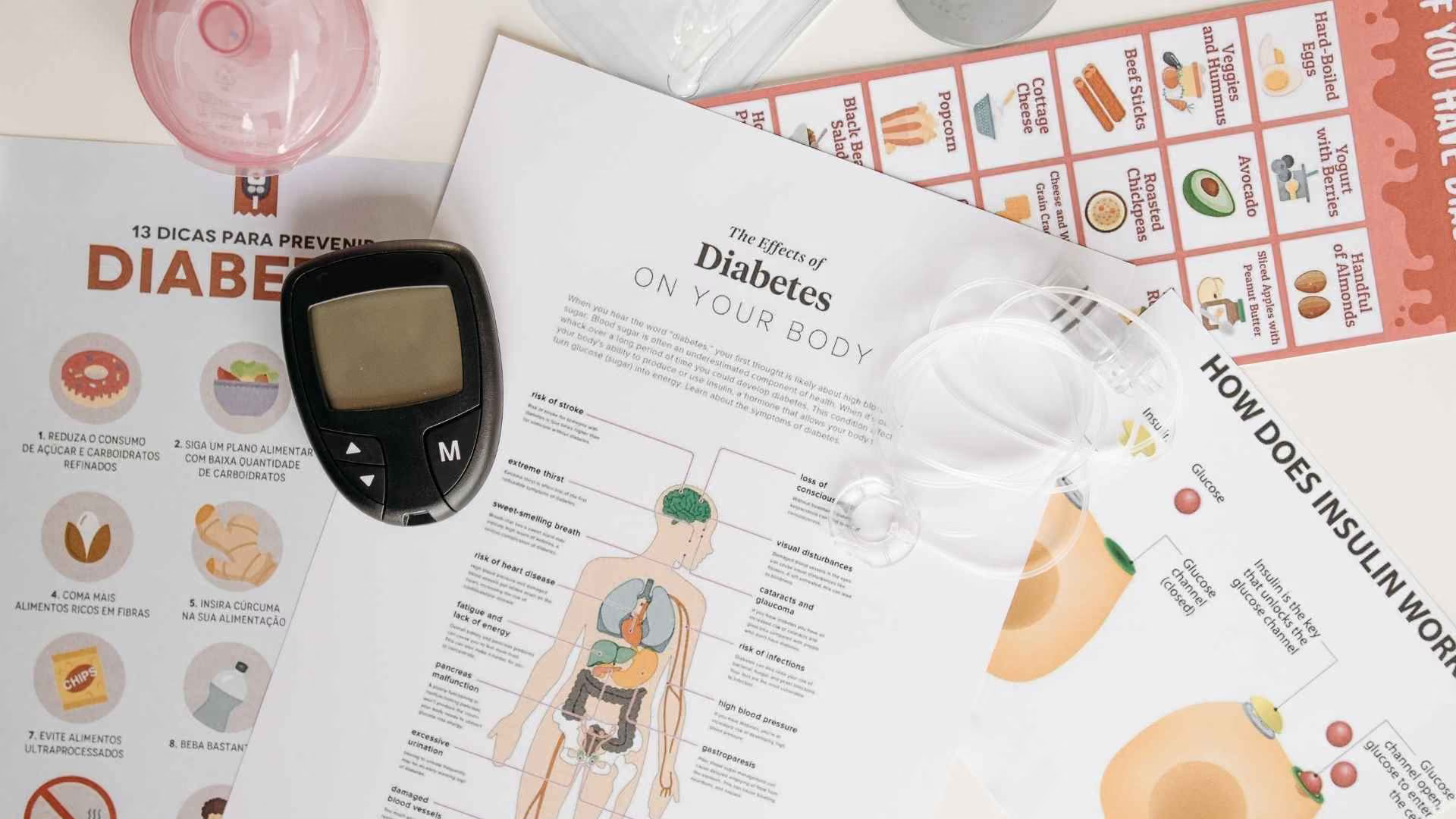
For people living with overweight or obesity, losing weight and maintaining that weight loss can increase the likelihood of putting type 2 diabetes into remission. Studies have observed that as weight is lost, the amount of fat stored in the liver and pancreas may decrease. This can improve insulin sensitivity and, in some people, may improve insulin secretion or pancreatic function which can lead to better blood sugar control.
One proposed explanation for this is the personal fat threshold hypothesis. It suggests that people differ in how much fat they can store under the skin. Once this capacity is exceeded, fat may accumulate in organs such as the liver and pancreas, contributing to insulin resistance and impaired insulin production.
However, the causes of type 2 diabetes are complex and not identical for everyone, meaning that weight loss is not always appropriate or necessary.
What are the benefits of diabetes remission?
For some people, remission may lead to:
- Needing fewer glucose-lowering medications.
- Improved blood sugar and other metabolic measures.
- Possible improvements in energy, sleep and day-to-day wellbeing.
However, remission does not remove the need to stay in contact with your GP or healthcare team. The underlying tendency towards type 2 diabetes may still remain and blood sugars can rise again over time. Previous exposure to high blood sugar may also continue to affect a person’s risk of complications, so your healthcare team can advise on the eye, kidney, foot, blood pressure, cholesterol and other checks you need.

Even when remission is not achieved, improving blood sugar through healthy eating, physical activity, medication and other lifestyle changes can also help to reduce the risk of diabetes-related complications.
What are the factors which make diabetes remission more likely?
Remission may be more likely when a person:
- Loses and maintains a substantial amount of weight safely and where weight loss is appropriate.
- Has a lower HbA1c at the start of treatment.
- It is diagnosed and treated relatively early when type 2 diabetes is less advanced and potentially has less/no glucose-lowering medication.
These factors are associated with a greater chance of remission, but they do not guarantee it. Outcomes vary depending on diabetes duration, overall health, pancreatic function and other individual factors.
What about diabetes remission for those who are not overweight?
BMI does not fully capture type 2 diabetes risk. Many people diagnosed with type 2 diabetes do not have a BMI which is in the obese or overweight category.

At present, the strongest evidence for type 2 diabetes remission comes from studies involving people living with overweight or obesity. However, there is some emerging research which suggests that remission may also be possible in some people with a lower BMI.
The ReTUNE study investigated whether modest weight loss could lead to remission in people with type 2 diabetes and a BMI of 27 kg/m² or below. Its key findings included:
- 14 of 20 participants (70%) achieved remission.
- Participants lost an average of 8% of their body weight.
- Remission was accompanied by reductions in liver and pancreatic fat, along with improved pancreatic function, similar to the changes observed in people with overweight or obesity who achieve remission.
The study suggests that BMI does not capture all variations in body-fat distribution or diabetes risk. While these findings are encouraging, they are still preliminary. The study was small and only included around 20 participants. It had no comparison group and all participants were closely monitored by a specialist healthcare team. As a result, the findings cannot yet be assumed to apply to everyone with a lower BMI.
For people who are already at a lower BMI, unsupervised weight loss or low-calorie diets may not be healthy. Any weight-loss approach should be considered with appropriate medical and dietetic support.
When weight loss is not appropriate, the focus can instead be on supporting blood glucose management, cardiovascular health and overall well-being. This may include:
- Eating a balanced diet that includes vegetables, fruit, pulses, wholegrains, nuts, seeds and other protein-rich foods, and sources of unsaturated fat.
- Limiting sugar-sweetened drinks and reducing foods high in free sugars, salt, saturated fat and refined starches.
- Being physically active.
- If you smoke, getting support to stop smoking.
- Limiting alcohol consumption.
- Having regular check ups and reviews as recommended.

Where can you get support?
Anyone who is considering type 2 diabetes remission should speak with a healthcare professional first. They can assess whether remission is a realistic and safe goal, review medications, check local services and make a referral where appropriate.
Do not stop or change any diabetes medication without clinical advice.
Type 2 diabetes remission may not be discussed during every type 2 diabetes appointment, partly because it is still being incorporated into routine diabetes care and the available support varies between areas. If it has not been raised, you can ask your healthcare team whether remission could be a safe and realistic goal for you. You could say:
“I’ve read that some people with type 2 diabetes can achieve remission. Could we discuss whether it might be a safe and realistic option for me, and what support I would need?”
Remember: You are allowed to ask questions about remission if it has not been raised during an appointment.
Common myths associated with diabetes remission
Myth 1: Remission means type 2 diabetes has been cured.
Fact: Remission means that blood sugar has returned to below the diagnostic threshold for type 2 diabetes without glucose-lowering medication for at least 3 months. It does not mean that the underlying tendency towards type 2 diabetes has permanently disappeared, and blood sugar can rise again.
Some people may find it difficult to remain in remission, even with their best efforts, because diabetes progression, individual biology, changes in body weight, stress, illness, medication changes and access to ongoing support can all play a role.
Myth 2: There is one best diet for achieving type 2 diabetes remission.
Fact: No single diet has been proven to permanently cure type 2 diabetes. Some dietary approaches can help certain people lose weight and achieve remission, but the current evidence relates mainly to the resulting weight loss and metabolic improvements, rather than one particular eating pattern being superior for remission.
Potentially helpful eating patterns include Mediterranean-style, lower-carbohydrate or other balanced approaches. The most appropriate plan is one that is nutritionally adequate, medically safe and sustainable for the individual.
Myth 3: Weight loss through diet is the only way to achieve diabetes remission.
Fact: Diet isn’t the only way to lose weight or pursue type 2 diabetes remission. Weight loss may be achieved through a supported lifestyle programme or, for some people, metabolic (bariatric) surgery. Speak with your diabetes care team to find the safest and most appropriate approach for you.
Myth 4: Once you are in remission, you can eat however you like.
Fact: Remission does not mean that your blood sugars will remain below the diabetes threshold, regardless of future changes. A balanced and sustainable diet, regular physical activity and ongoing health checks can support long-term health and help identify any rises in blood sugar early. However, this does not mean that you need to follow a rigid or “perfect” diet or avoid your favourite foods forever.
Myth 5: Once in remission, I can stop all checks.
Fact: Remission does not mean that diabetes-related follow-up can stop as blood sugar may rise again. Individuals should continue to engage with their GP and healthcare team so they can advise on the monitoring and checks needed.
Key takeaways
- Type 2 diabetes cannot be cured, but some people can achieve remission.
- Remission means an HbA1c of below 48 mmol/mol for at least three months without the use of glucose lowering medications.
- Weight loss can increase the likelihood of remission for some people living with overweight or obesity but it is not suitable or necessary for everyone.
- Remission may reduce the need for diabetes medications and improve some health measures, but regular health checks should still continue.
- Anyone interested in remission should discuss whether it is safe and realistic with their GP or diabetes team, and ask about local support programmes.

Independent fact-checking, funded by readers like you.
Misinformation is a growing threat to our health and planet. At foodfacts.org, we're dedicated to exposing the truth behind misleading food narratives. But we can't do it without your support.
References
- National Institute for Health and Care Excellence (2026). “Type 2 diabetes in adults: management.”
- Diabetes UK (2026). “What is HbA1c?”
- Riddle, M., et al. (2021). “Consensus Report: Definition and Interpretation of Remission in Type 2 Diabetes.”
- Diabetes UK (2024). “Weight Loss Can Put Type 2 Diabetes Into Remission For At Least 5 Years, Direct Study Reveals.”
- Taylor, R. et al. (2023). “Aetiology of Type 2 diabetes in people with a ‘normal’ body mass index: testing the personal fat threshold hypothesis.”
- Taylor, R. et al. (2018). “Remission of Human Type 2 Diabetes Requires Decrease in Liver and Pancreas Fat Content but Is Dependent upon Capacity for B Cell Recovery.”
- Diabetes UK (2026). “What causes Type 2 Diabetes.”
- Diabetes UK (2024). “What is Type 2 Diabetes Remission,”
- Chacko, E., and Signore, C (2020). “Five Evidence-Based Lifestyle Habits People With Diabetes Can Use.”
- Rothbery, M., et al. (2024). “Remission of type 2 diabetes: always more questions, but enough answers for action.”
- Gujral, U., et al. (2018). “Diabetes Among Non-Overweight Individuals: Emerging Public Health Challenge.”
- Diabetes UK (2022). “ReTune Study Shows Type 2 Remission Possible For People With Lower Body Weight.”
- National Health Service (2025). “Treatment for type 2 diabetes.”




foodfacts.org is an independent non-profit fact-checking platform dedicated to exposing misinformation in the food industry. We provide transparent, science-based insights on nutrition, health, and environmental impacts, empowering consumers to make informed choices for a healthier society and planet.






.svg)


.svg)

