




Can we reverse type 2 diabetes with an animal-based diet? What the science shows


In a recent social media collaboration, multiple advocates for the carnivore diet, including @thatcarnivorenurse, Shawn Baker, and doctors Robert Kiltz and Anthony Chaffee, made the claim that eating an animal-based diet could ‘reverse type II diabetes’.
An excerpt:
“To reverse it [type II diabetes], you must change your lifestyle. Taking medications will not address this. Here is what you must do: stabilise blood sugar levels, lower insulin, shrink your fat cells, grow your muscles. The healthiest way to do this is to: Cut out all ultra-processed foods. Cut out all high-carbohydrate foods: grains, pasta, bread, cereal, fruit, honey, potato. Replace these carbohydrates with animal fats: tallow, butter, ghee, lard. Centre all your meals around fatty meat, seafood, eggs.” (Lucy, aka @thatcarnivorenurse on Instagram, July 1, 2025)
This fact-check evaluates the accuracy of those claims against current scientific evidence.



The best evidence shows that diets high in animal fats do not reverse type 2 diabetes — and may actually increase risk. Plant-forward, high-fibre diets remain the most effective for prevention and management.
Type 2 diabetes is estimated to affect over 460 million individuals worldwide. People living with the condition are often faced with an overwhelming amount of advice online, and it can be hard to know what’s reliable. It's true that type 2 diabetes can be "reversed" - blood sugar levels returning to normal without medication. This usually requires lifestyle changes including dietary modifications. However, cutting out whole food groups or eating mostly animal products is not supported by science. Such advice carries potential risks, including nutrient deficiencies and other health complications.


To understand claims about dietary changes and type 2 diabetes, it helps to start with how the condition affects the body. In type 2 diabetes, the body’s cells don’t respond properly to insulin, the hormone that helps lower blood sugar. This means that no matter how much insulin the pancreas produces, diabetic individuals end up with all that sugar in their blood. Because of this, lifestyle strategies such as dietary changes can play an important role in managing the condition, though these are best pursued with the guidance of qualified health professionals.
Claim 1: “The healthiest way to do this is to: Cut out all ultra-processed foods.”
Fact-check: Cutting out soda, chips, candy, and greasy fast foods is universally recommended! However, not all foods classified as “ultra-processed” are harmful. The NOVA classification defines ultra-processed foods as those containing industrial ingredients like high-fructose corn syrup, hydrogenated oils, and flavour agents that are not found in our kitchens. But it also lumps in foods that can be healthy and convenient — like canned beans, fortified plant milks, or whole-grain breads with preservatives — simply if they have one of these ingredients.
A 2023 synthesis of three large cohorts found that ultra-processed food intake overall was linked to higher diabetes risk — but when broken down, refined grains, sugary drinks, and animal products increased risk, while whole-grain breads and fruit products reduced it. So avoiding sodas, sweets, and greasy fast food is clearly beneficial, but labelling all ultra-processed foods as harmful oversimplifies the evidence and may discourage people from choosing affordable, nutritious options that support diabetes management.

Claim 2: “Cut out all high-carbohydrate foods: grains, pasta, bread, cereal, fruit, honey, potato.”
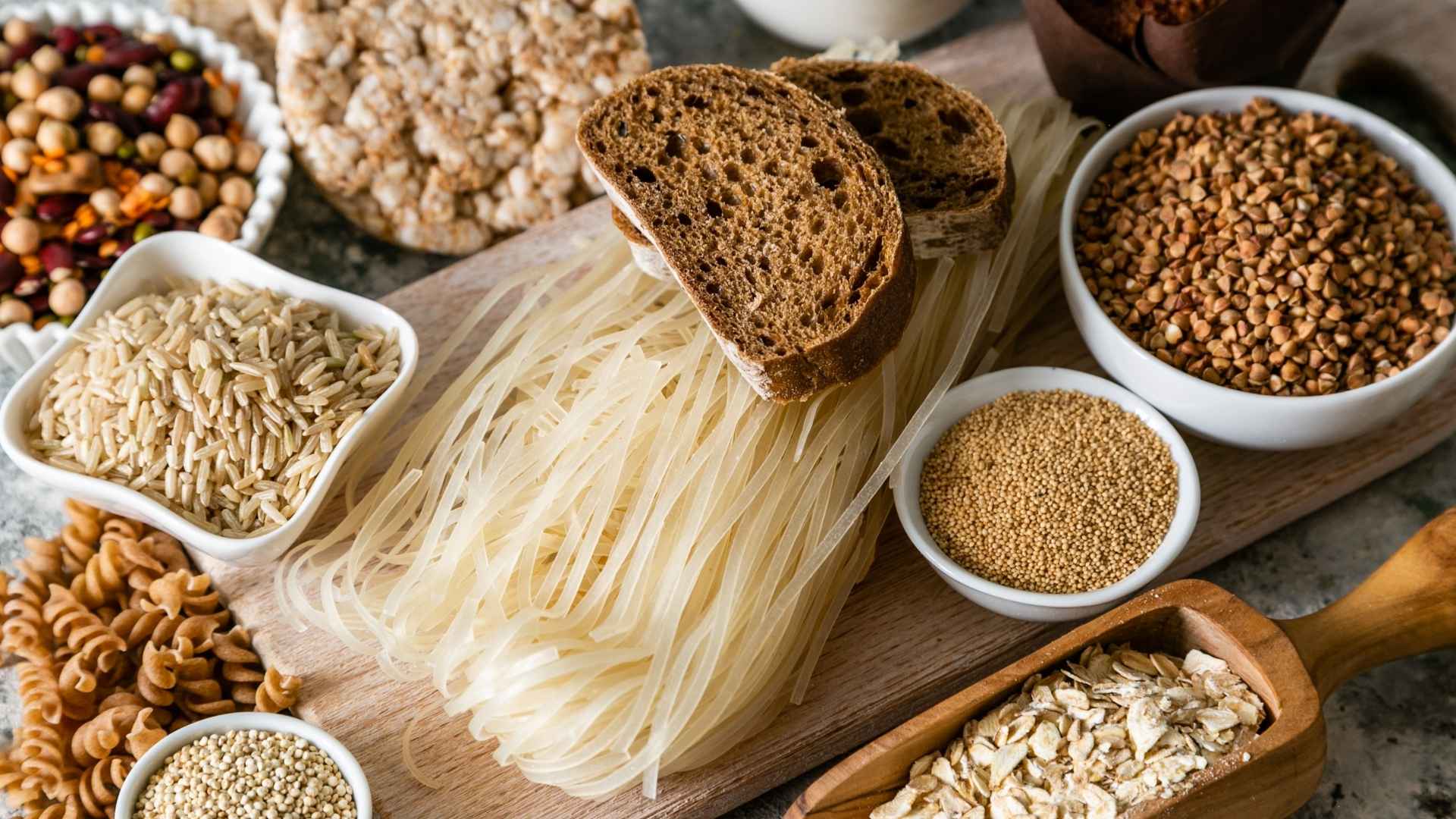
Fact-check: While it is true that managing carbohydrate intake is central to diabetes care, this does not mean eliminating carbohydrates altogether but rather choosing high quality carbs.
The American Diabetes Association, for example, recommends that carbohydrates make up roughly a quarter of the plate, with an emphasis on whole grains, beans, vegetables, and fruits. That is because these foods provide fibre, vitamins, minerals, and phytochemicals that not only support general health but also help regulate blood sugar through various mechanisms in the body. For example, whole grains like brown rice, quinoa, whole wheat bread versus refined grains like instant cereals, while rice and bread, crackers, chips, etc.
Extensive research backs this up. Meta-analyses show that people who eat more whole grains, fruits (excluding fruit juice), and beans/lentils (source, source) have lower insulin resistance, better lipid and glycemic control, lower body weight, and reduced risk for developing type II diabetes. So saying that all high-carbohydrate foods should be avoided oversimplies the science and may deprive people of foods that can actually help with blood sugar control.
Claim 3: “Replace these carbohydrates with animal fats: tallow, butter, ghee, lard. Centre all your meals around fatty meat, seafood, eggs.”
Fact check: This advice directly contradicts decades of scientific evidence and the recommendations of major health organisations. Diabetes and cardiovascular disease are often called “sister diseases” because they share common risk factors: obesity, hypertension, inflammation, dyslipidemia, and insulin resistance. Any effective dietary intervention for diabetes must also reduce cardiovascular risk, not increase it.
High intake of animal protein has repeatedly been linked to increased risk of type 2 diabetes. For example, in three large U.S. cohort studies, raising red meat consumption by just ½ serving per day increased diabetes risk by nearly 50%. In contrast, replacing one daily serving of red meat with legumes or nuts lowered diabetes risk by 30%. Vegetarians consistently show a lower risk of type 2 diabetes than omnivores—evidence that contradicts the idea that animal products are essential for diabetes reversal.
While the claim is that type 2 diabetes can be reversed by stabilising blood sugar, lowering insulin, and shrinking fat cells, clinical trials show that plant-based diets can accomplish all three. Following a low-fat plant-based diet improved weight and blood sugar, reduced diabetes medications, improved beta-cell function, insulin sensitivity, and significantly reduced fat in liver and muscle cells—key drivers of insulin resistance.
These findings align with recommendations from the World Health Organization, American Diabetes Association, and the British Diabetic Association, which recommend limiting saturated fats and choosing lean proteins to prevent lipid abnormalities (high triglycerides, elevated LDL-C, and low HDL-C) that contribute to atherosclerosis. Tallow, butter, ghee, lard, and fatty meats are high in saturated fats, which experts advise limiting for better long-term health. A Nature Medicine study found that diets rich in plant-based unsaturated fats were associated with lower rates of both type 2 diabetes and cardiovascular disease, compared with diets high in saturated animal fats.
Final take-away
These claims misrepresent nutritional science by ignoring evidence linking animal protein to type 2 diabetes, oversimplifying advice by cutting out entire food groups, and downplaying decades of research and global health guidelines. While small amounts of lean animal products can fit into balanced diets, the strongest evidence supports plant-based patterns, which consistently improve blood sugar control and cardiovascular outcomes. This type of narrative can also leave people feeling uncertain about who to trust, pulling them away from healthcare professionals and making it harder to feel confident in safe, evidence-based options.
We have contacted Lucy Fabbri and are awaiting a response.
Disclaimer
This fact-check is intended to provide information based on available scientific evidence. It should not be considered as medical advice. For personalised health guidance, consult with a qualified healthcare professional.
Independent fact-checking, funded by readers like you.
Misinformation is a growing threat to our health and planet. At foodfacts.org, we're dedicated to exposing the truth behind misleading food narratives. But we can't do it without your support.
Sources
Monteiro, C.A., et al. (2019). “Ultra-processed foods, diet quality, and health using the NOVA classification system.”
Chen, Z. et al. (2023). “Ultra-Processed Food Consumption and Risk of Type 2 Diabetes: Three Large Prospective U.S. Cohort Studies.”
American Diabetes Association (2025). “What is the Diabetes Plate?”
Riccardi, G. & Rivellese, A.A. (1991). “Effects of Dietary Fiber and Carbohydrate on Glucose and Lipoprotein Metabolism in Diabetic Patients.”
Raghuvanshi, D.S. et al. (2023). “Relationship Between Vitamins and Diabetes.”
Situmorang, P.C. et al. (2025). “Harnessing phytochemicals to combat diabetes: Insights into molecular pathways and therapeutic advances.”
Aune, D. et al. (2013). “Whole grain and refined grain consumption and the risk of type 2 diabetes: a systematic review and dose–response meta-analysis of cohort studies.”
BMJ (2013). “Fruit consumption and risk of type 2 diabetes: results from three prospective longitudinal cohort studies.”
Becerra-Tomàs, N. et al. (2018). “Legume consumption is inversely associated with type 2 diabetes incidence in adults: A prospective assessment from the PREDIMED study.”
Hafiz, M.S. (2021). “Pulse consumption improves indices of glycemic control in adults with and without type 2 diabetes: a systematic review and meta-analysis of acute and long-term randomized controlled trials.”
Saldanha de Mattos Matheus, A. et al. (2013). “Impact of Diabetes on Cardiovascular Disease: An Update.”
Sluijs, I. et al. (2009). “Dietary Intake of Total, Animal, and Vegetable Protein and Risk of Type 2 Diabetes in the European Prospective Investigation into Cancer and Nutrition (EPIC)-NL Study.”
Pan, A. et al. (2013). “Changes in Red Meat Consumption and Subsequent Risk of Type 2 Diabetes Mellitus. Three Cohorts of US Men and Women.”
Gu, X. et al. (2023). “Red meat intake and risk of type 2 diabetes in a prospective cohort study of United States females and males.”
Lee, Y. & Park, K. (2017). “Adherence to a Vegetarian Diet and Diabetes Risk: A Systematic Review and Meta-Analysis of Observational Studies.”
Barnard, N.D. et al. (2006). “A Low-Fat Vegan Diet Improves Glycemic Control and Cardiovascular Risk Factors in a Randomized Clinical Trial in Individuals With Type 2 Diabetes.”
Kahleova, H. et al. (2018). “A Plant-Based Dietary Intervention Improves Beta-Cell Function and Insulin Resistance in Overweight Adults: A 16-Week Randomized Clinical Trial.”
Kahleova, H. et al. (2020). “Effect of a Low-Fat Vegan Diet on Body Weight, Insulin Sensitivity, Postprandial Metabolism, and Intramyocellular and Hepatocellular Lipid Levels in Overweight Adults. A Randomized Clinical Trial.”
WHO (2023). “Saturated Fatty Acid and Trans-Fatty Acid Intake for Adults and Children: WHO Guideline.”
American Diabetes Association. “Fats.”
Diabetes UK. “Fats and Diabetes.”
Eichelmann, F. et al. (2024). “Lipidome changes due to improved dietary fat quality inform cardiometabolic risk reduction and precision nutrition.”


foodfacts.org is an independent non-profit fact-checking platform dedicated to exposing misinformation in the food industry. We provide transparent, science-based insights on nutrition, health, and environmental impacts, empowering consumers to make informed choices for a healthier society and planet.








.svg)


.svg)

