





Early-onset type 2 diabetes in young adults: why it’s rising and what can help




Early-onset Type 2 Diabetes
Imagine being told that you have type 2 diabetes in your twenties, a condition that most people still associate with middle age. It can feel surprising, even unfair. How can a “later life” disease show up just as adulthood is getting started?
But that is exactly what we are seeing more of in healthcare today.
Type 2 diabetes occurs when the body becomes resistant to insulin and/or the pancreas doesn't produce enough insulin. Insulin’s job is to help move sugar from the blood into cells for energy, and when it can’t do that, blood sugar rises. Early-onset type 2 diabetes is the same condition, but commonly defined as diagnosed before age 40. Most diagnoses of the condition now occur between the ages of 18 and 38, and in England alone, there are around 160,000 people living with it, with diagnoses under 40 up roughly 18% in the last five years. What was once relatively uncommon in young adults is becoming a growing public health concern.
The concern isn’t just the rising number, it’s what they mean for the future. When diabetes occurs earlier in life, it often has more time to do damage because the body is exposed to high blood sugar levels for longer. That can mean complications like heart disease, kidney problems, and nerve damage appearing sooner than expected, sometimes in the 30s or 40s.

But the impact isn’t only medical. Living with a long-term condition in early adulthood brings everyday pressures. Managing diet, medication and appointments sits alongside studying, building a career, and navigating relationships. It’s constantly in the background of daily life rather than a separate medical issue.
On top of this, having access to endless and often conflicting information online means that many young adults with early-onset type 2 diabetes are navigating not just their diagnosis, but also information overload and nutrition misinformation. Conflicting messages about everyday foods, for example, whether it is “safe” to eat fruit can add to confusion and make it harder to feel confident about what to put on their plate.
And then there are the emotional and social elements. Early-onset type 2 diabetes is often surrounded by misunderstanding and stigma. This can affect how confident young people feel towards the healthcare they receive and whether they engage in support for the condition. Research suggests many experience a double burden of stigma being seen as too young for a condition often associated with older people, while also facing assumptions that it is caused only by lifestyle or weight.
This can lead to feelings of blame, shame, and isolation, with some people feeling less confident managing their condition and less willing to seek help. Stigma has also been linked to people missing appointments or engaging less with treatment, which can have a negative impact on both physical and mental health over time.
What's causing the rise in Type 2 Diabetes?
There isn’t one clear explanation. While type 2 diabetes is often simplified as being caused by lifestyle alone, and while lifestyle factors remain important, the rise in early-onset cases is likely driven by a combination of biological, environmental, and social influences, including diet patterns and wider food environments.
One of the key drivers is the modern food environment. Nutrient-poor calorie-dense food high in saturated fats, salt and sugar, sugary drinks, and refined carbohydrates now make up a large part of many young adults’ diets, often due to convenience, price, and heavy marketing. This pattern of eating can contribute to obesity, which is one of the strongest risk factors for type 2 diabetes. Although not everyone living with obesity develops type 2 diabetes, and not everyone diagnosed with early-onset type 2 diabetes is living with obesity, carrying excess adipose tissue, especially around the stomach and internal organs, can make it harder for the body to respond properly to insulin.

Behavioural factors can also play a role. Many young adults spend long periods sitting at work, studying, or using screens, while busy schedules can limit time for preparing meals from scratch. Combined with easy access to nutrient-poor calorie-dense foods, this can shape eating and activity patterns in ways that increase risk
Researchers are also investigating the influence of genetics, socioeconomic factors, and ethnicity. People with a family history of type 2 diabetes are more likely to develop the condition themselves. Limited financial resources can make it harder to access healthier foods and opportunities for physical activity, increasing risk further. Certain ethnic groups, including Black African, African Caribbean, and South Asian populations, are also known to have a higher likelihood of developing type 2 diabetes, often at younger ages and at a lower BMI than other groups. The reasons are complex but are likely to involve a combination of genetic susceptibility, body fat distribution, and broader social determinants of health.
This shows that risk is not only about individual choices, but also about wider food access, affordability, and how food is marketed and made available in everyday life.
Understanding why more young adults are developing type 2 diabetes is only part of the picture. Recognising the condition early is equally important, as timely diagnosis and treatment can help reduce the risk of long-term complications.
Who is at risk of Type 2 Diabetes?
Type 2 diabetes can affect anyone, but some people are more likely to develop it. Your risk may be higher if you:
- Are living with overweight or obesity, particularly if you carry excess weight around your waist
- Have a parent or sibling with type 2 diabetes
- Are from South Asian, Black African, African Caribbean, or Chinese backgrounds
- Have pre-existing conditions such as hypertension or prediabetes, or have a history of gestational diabetes
Diabetes UK also offers a free “Know Your Risk” tool that helps people check their likelihood of developing type 2 diabetes.
Having one or more of these risk factors does not mean you will definitely develop type 2 diabetes, but it does increase the likelihood. Being aware of your risk can help you recognise symptoms earlier and seek advice from your GP if you have any concerns.
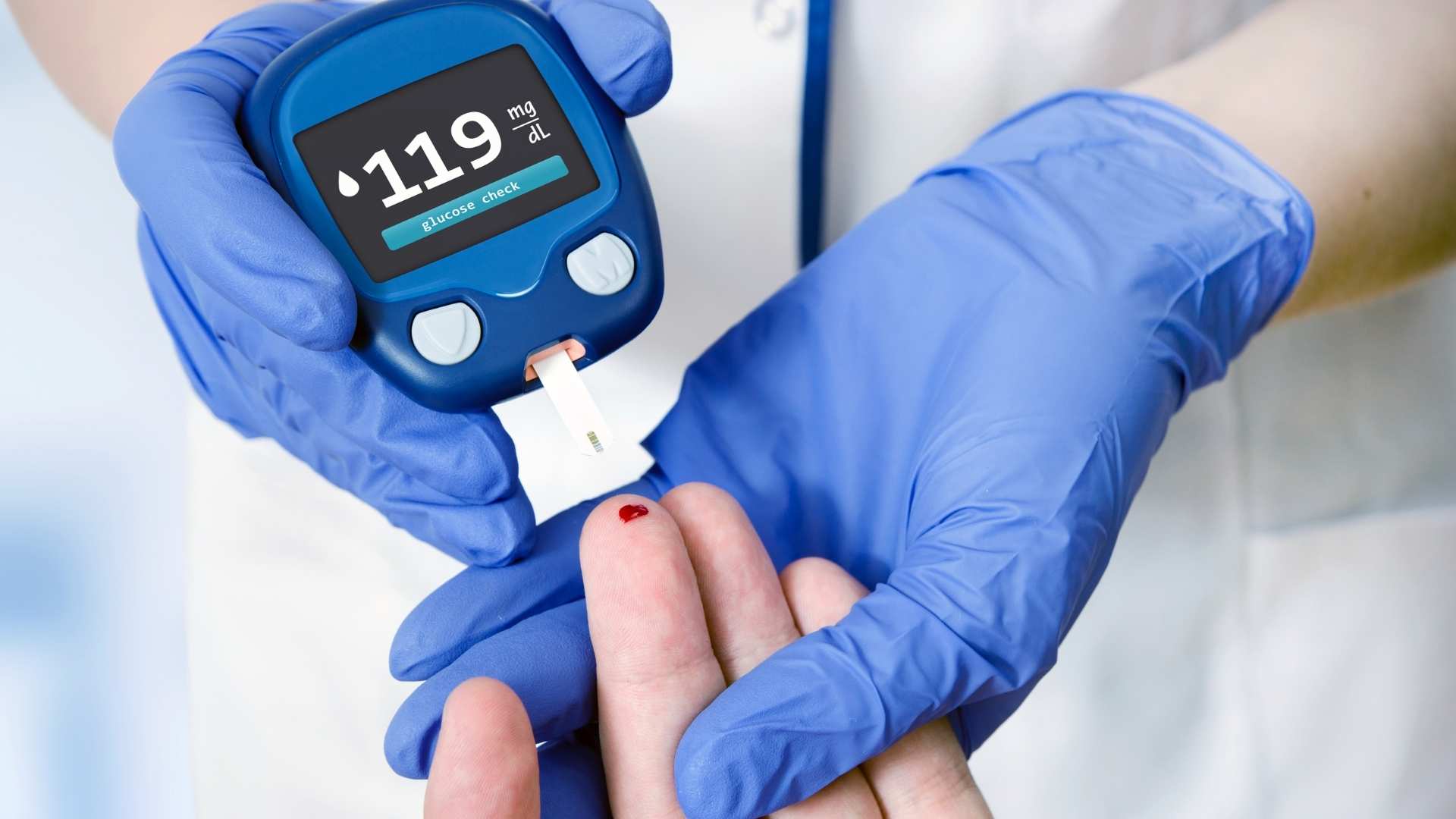
Type 2 Diabetes symptoms to watch out for:
One of the challenges with type 2 diabetes is that the symptoms can often develop slowly over time, so they can be easy to miss. Many people put it down to stress, a busy lifestyle or simply feeling run down.
A qualitative insight study from Diabetes UK found that many young people with early-onset type 2 diabetes didn’t recognise the early warning signs before their diagnosis.
So what should you look out for?
- Going to the loo more often, particularly at night
- Feeling unusually thirsty all of the time
- Persistent tiredness or low energy
- Losing weight without trying or looking thinner than usual
- Recurrent thrush or genital itching
- Cuts and wounds that are slow to heal
- Blurred vision
Not everyone will experience every symptom. Some people might only notice one or two, while others may not notice any at all. If any of these signs sound familiar, it’s worth speaking to your GP and asking for advice.
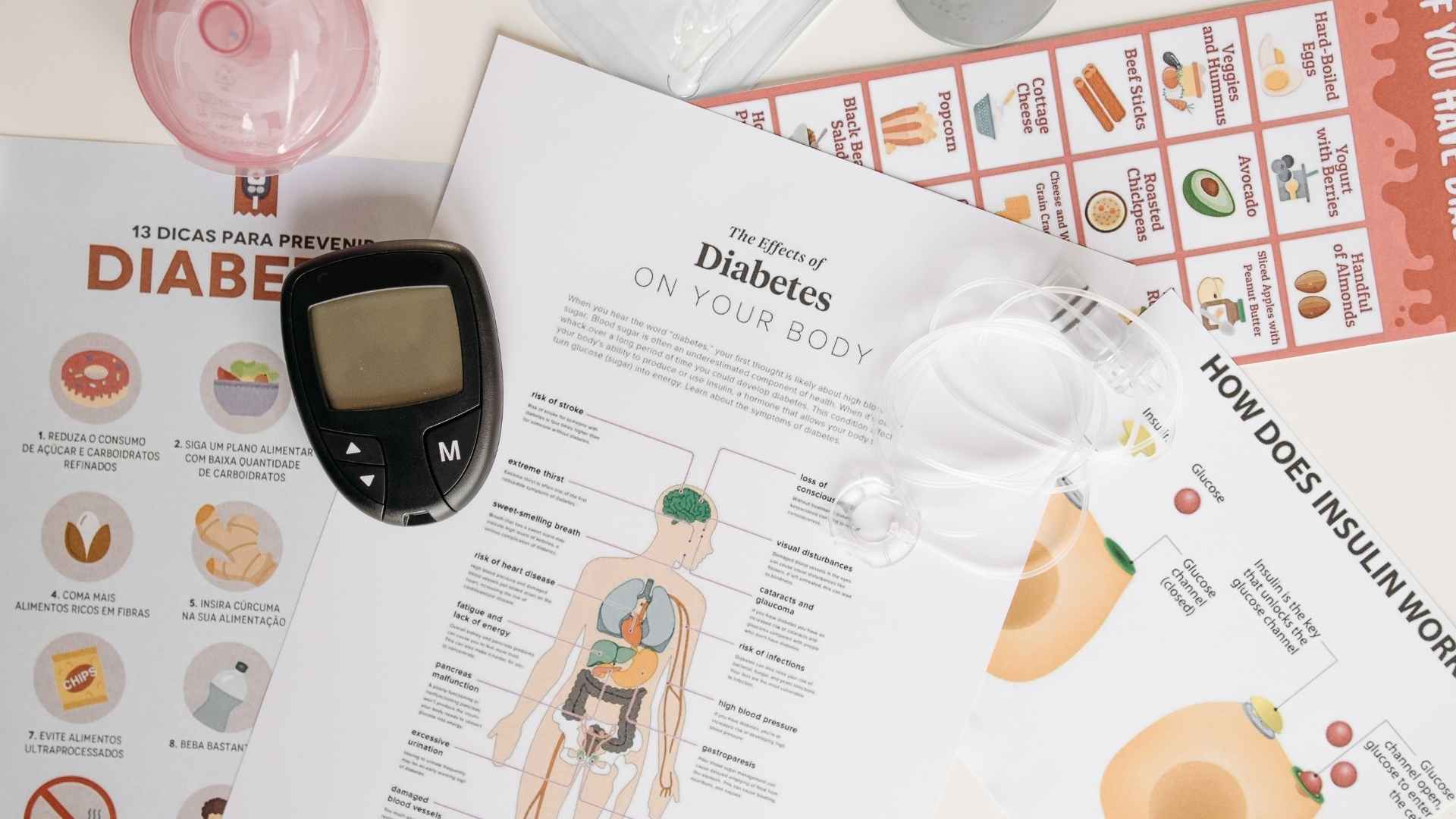
Reducing your risk of Type 2 Diabetes
While some risk factors such as genetics, ethnicity and wider social and environmental conditions are outside individual control, everyday habits can still make a meaningful difference.
This includes improving diet quality by cutting back on nutrient-poor calorie-dense ultraprocessed foods high in sugar, saturated fat and salt, swapping sugary drinks for healthier options, and eating more fibre-rich foods like fruit, vegetables, beans and whole grains. Moving more during the day and, where appropriate, losing weight if living with overweight or obesity can also help reduce risk over time.
Final thoughts:
Early-onset type 2 diabetes is changing what many people think they know about the condition. No longer something associated only with later life, it is affecting growing numbers of young adults at a stage when they are studying, building careers, forming relationships, and planning for the future. Yet despite its increasing prevalence, misconceptions and stigma continue to shape how the condition is understood and experienced.
The rise in early-onset type 2 diabetes is a reminder that health is influenced by far more than individual choices alone. Genetics, social circumstances, access to healthy food, and the environments people live in all play a role. Recognising this complexity is essential if we are to move beyond blame and towards more effective prevention and support.
For those at risk, knowing the signs and seeking advice early can make a real difference. For healthcare providers, policymakers, and society more broadly, the challenge is to create environments that make healthy choices easier and support more accessible. As more young people are diagnosed with type 2 diabetes, tackling the condition will require not only medical action but also greater understanding, compassion, and a willingness to look beyond lifestyle alone.
If you have type 2 diabetes and live in England, the NHS offers a free online education programme called Healthy Living for people with type 2 diabetes.
You can also speak to your GP or another healthcare professional about additional support services in your area that may be available to help you manage your type 2 diabetes.
Disclaimer
This article is intended for general information only and should not be considered medical advice. If you have any concerns about your health or think you may be experiencing symptoms of type 2 diabetes, please consult your GP or another qualified healthcare professional.

Independent fact-checking, funded by readers like you.
Misinformation is a growing threat to our health and planet. At foodfacts.org, we're dedicated to exposing the truth behind misleading food narratives. But we can't do it without your support.
References:
- NHS. (2024). "Type 2 diabetes."
- Diabetes UK. (2024). "Type 2 diabetes and young adults."
- NHS Digital. (2024). "Young people with type 2 diabetes 2023-24. National Diabetes Audit."
- Song, S.H., & Hardisty, C.A. (2009). "Early onset type 2 diabetes mellitus: a harbinger for complications in later years—clinical observation from a secondary care cohort."
- Misra, S. et al. (2023). "Current insights and emerging trends in early-onset type 2 diabetes."
- Liu, N.F. et al. (2017). "Stigma in people with type 1 or type 2 diabetes."
- Wu, Y. et al. (2014). "Risk factors contributing to type 2 diabetes and recent advances in the treatment and prevention."
- Drewnowski, A. (2009). "Obesity and the food environment."
- Diabetes UK. (2024). "Causes of type 2 diabetes."
- National Institutes of Health. (2023). "Obesity and type 2 diabetes."
- Kahn, H.S. (2005). "'Metabolically obese' normal weight: a distinct phenotype."
- Holten, S.K. et al. (2004). "Lifestyle changes and type 2 diabetes risk."
- Scott, R.A. et al. (2025). "Family history and type 2 diabetes risk."
- Walker, R. et al. (2024). "Financial resources and type 2 diabetes risk."
- Office for National Statistics. (2019). "Risk factors for prediabetes and undiagnosed type 2 diabetes in England, 2013 to 2019."
- Diabetes UK. (2024). "Know Your Risk tool."
- Diabetes UK. (2024). "Findings from an EOT2D qualitative study."
- NHS. (2024). "Type 2 diabetes symptoms."
- Diabetes UK. (2024). "How to prevent type 2 diabetes."
- NHS. (2024). "Healthy living."
- Denniss, E. et al. (2023). “Quality and accuracy of online nutrition-related information: a systematic review of content analysis studies.”
- Foodfacts.org. (2026). “Should people with prediabetes avoid fruit? The viral ‘fruit is not your friend’ claim checked against current evidence.”



foodfacts.org is an independent non-profit fact-checking platform dedicated to exposing misinformation in the food industry. We provide transparent, science-based insights on nutrition, health, and environmental impacts, empowering consumers to make informed choices for a healthier society and planet.






.svg)


.svg)

