Articles
Latest
All Fact Checks
Guides
Features
Opinion Pieces
Topics
The Climate Crisis
Politics Of Food
Health
Food Systems
Media Literacy
Popular Media
Ethics
Environment
Nutrition
Trending Tags
Brain Health
Yoghurt
Electrolytes
Glucose
Food Storage
Metabolic Health
ApoB
LDL
Ultra Processed Animals (UPA)
Zoonotic Diseases
Lab-Grown Meat
(UPF) Ultra Processed Foods
Chemophobia
Precision Livestock Farming (PLF)
Glossary
Fact Checks
Can a sugar‑free diet really ‘conquer’ cancer?
Red meat, APOE4 and Alzheimer’s risk: what the evidence really shows
Parents warned not to give children sweetened oat and soya milks, or they're risking obesity, tooth decay and malnutrition
Take Action
About
About
The Team
Our Experts
Fact Checking Policies
Funding/Disclosures
Advisory Board
Media Mentions
FAQs
Food Database
Misinfo Watchlist
Report Misinfo
Donate
Home
/
Articles
The most accurate, science-backed information about food.
Filter by Tag:
Iron
Sustainable Livestock Feed
Grass-Fed Beef
Food Storage
Soy
Animal Welfare
Finance
Species Conservation
Aquaponics
Plant-Based Milks
All Articles
Feature
OPINION
Media Literacy
Jacob Smith posted a tofu video. Meta banned him under its 'terrorism' policy
A nutrition creator cooked tofu, drew a 'soy boy' backlash, and says Meta then banned him under its terrorism policy. What it reveals about platform power.
Read more
Feature
OPINION
Environment
How much water does AI use? Meat and dairy use 200 times more
How much water does AI use? Data centres may use about 1 km³ a year by 2028, but livestock already uses 228 km³, about 200 times more. The numbers, and why it matters.
Read more
Fact Check
OPINION
Health
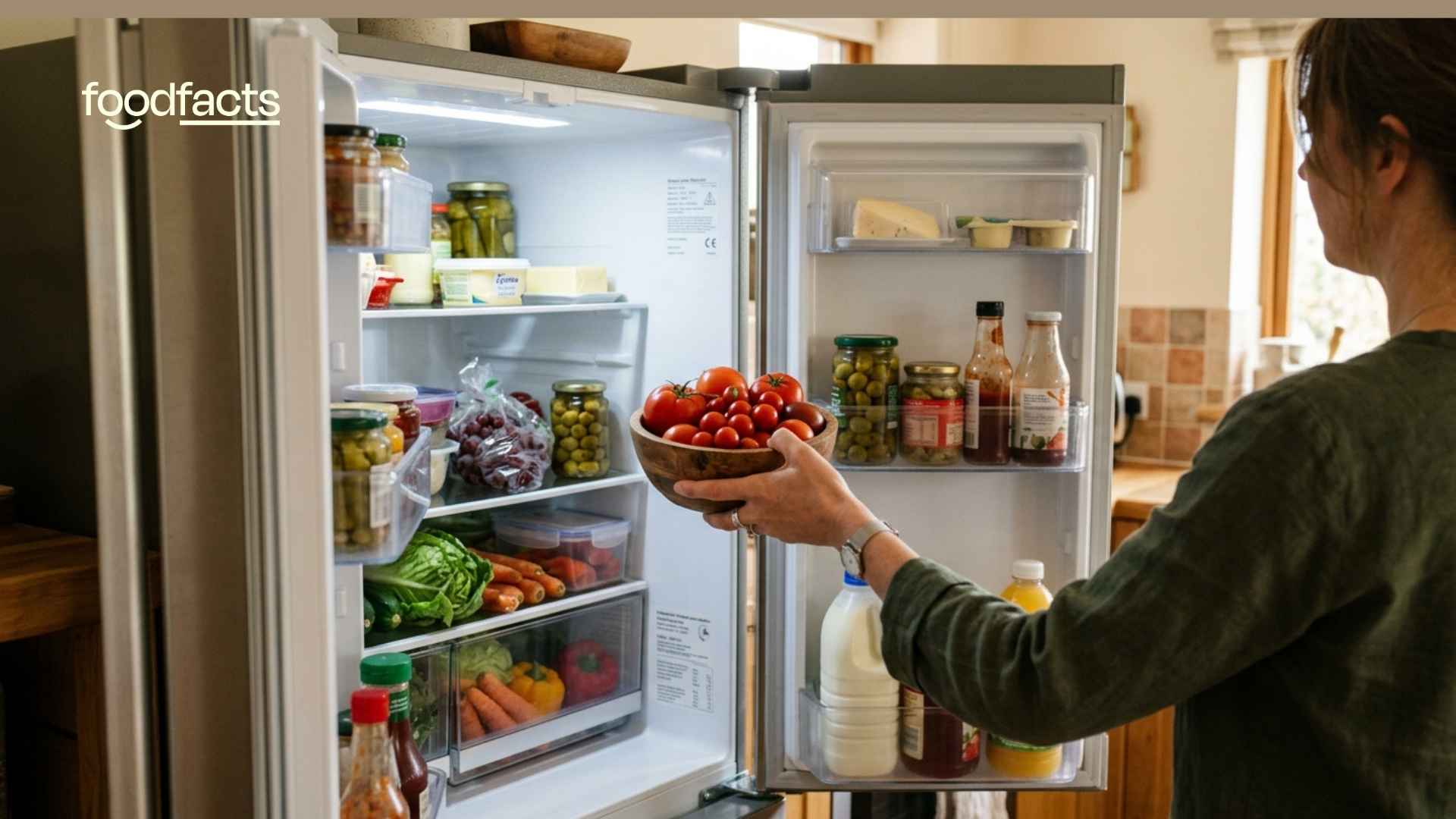
Do tomatoes, bread, and ginger turn toxic in the fridge?
Fridge storage can change food quality, but tomatoes, bread, and ginger do not automatically turn toxic when refrigerated.
Read more
Opinion
OPINION
Nutrition
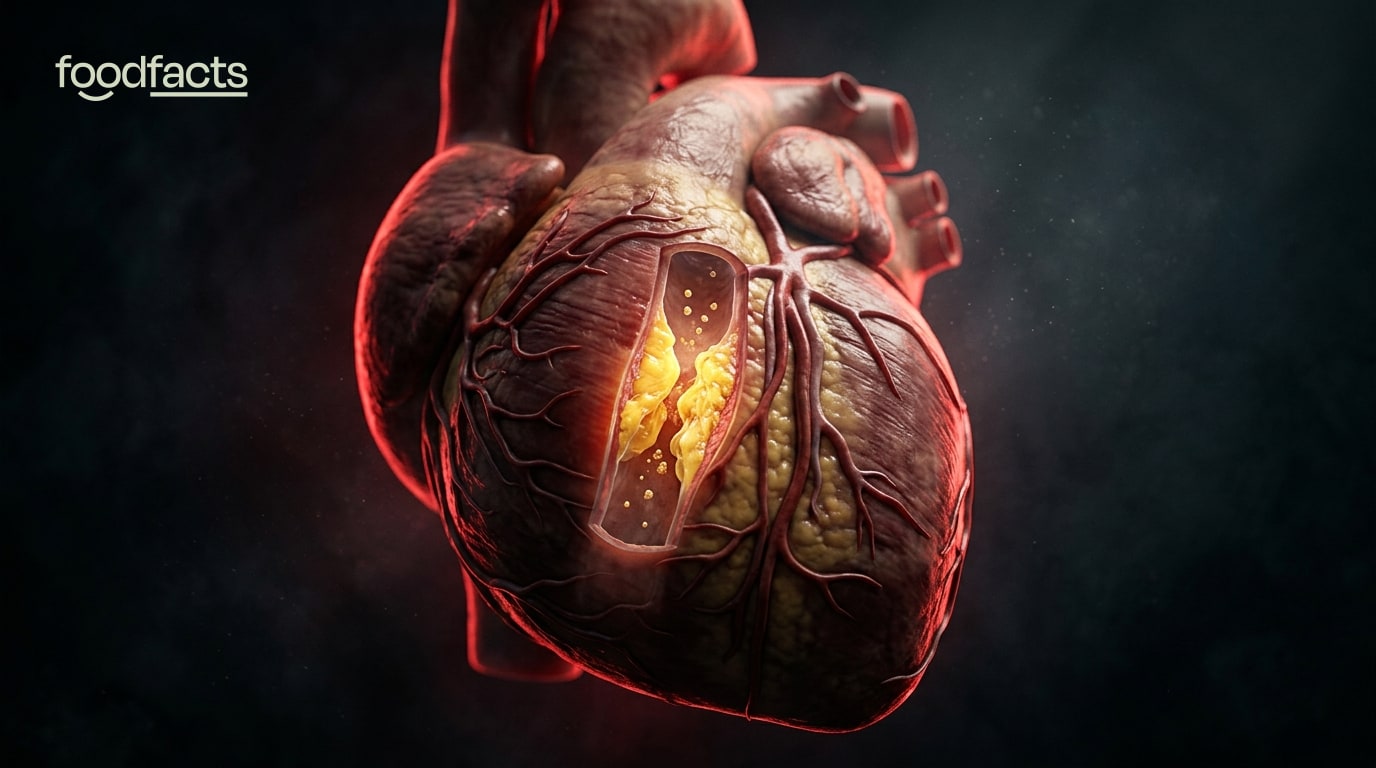
The Cholesterol Code: a scientific review of the documentary
Our scientific review of The Cholesterol Code (2026 keto documentary): what the film gets right, and why its claim that high LDL is harmless doesn't hold up.
Read more
Previous
More
Ready to take action?
You have the power to make a difference 3 times a day.
Get Inspired Today!
Get the latest articles
You're all set! We've added you to our newsletter.
Oops! Something went wrong while submitting the form.
Follow Us
youtube [#168]
Created with Sketch.
Privacy Policy
Terms & Conditions
© 2024

-jacob-hero.jpeg)







.svg)
