Please don't scroll past — we need your help to survive

No ads, no industry money. Without reader support, foodfacts will vanish.

Donate now →
foodfacts logo
  • Articles
    
    Latest
    arrow pointing right
    All Fact Checks
    arrow pointing right
    Guides
    arrow pointing right
    Features
    arrow pointing right
    Opinion Pieces
    arrow pointing right
    Topics
    The Climate Crisis
    Politics Of Food
    Health
    Food Systems
    Media Literacy
    Popular Media
    Ethics
    Environment
    Nutrition
    Trending Tags
    Microbiome
    Red Wine
    Mediterranean Diet
    Alcohol
    Seed Oils
    Artificial Sweeteners
    Lifestyle
    Brain Health
    Polyphenols
    Frankenchicken
    Observational Study
    Ultra Processed Animals (UPA)
    Zoonotic Diseases
    Lab-Grown Meat
    Glossary
    arrow pointing right
    Fact Checks
    Is eating two meals a day better for your health? What the evidence says
    Is berberine really “nature’s metformin and Ozempic”? What research actually shows
    Is ketosis needed to combat inflammation?
  • About
    
    • About
    • The Team
    • Science Communication Fellowship
    • Board of Trustees
    • Our Experts
    • Fact Checking Policies
    • Funding/Disclosures
    • Advisory Board
    • Media Mentions
    • FAQs
  • Food Database
  • Misinfo Watchlist
Report Misinfo
Join freeJoin
Log inBecome a memberMy dashboardMy accountLog out
Home
/
Articles
/
Latest Articles

The most accurate, science-backed information about food.

Filter by Tag:

Algae Bloom
Krill
Potassium
Packaging
Vitamins
Vegetables
Acidic Foods
Allergies
Community Kitchens
Farming Subsidies

Latest Articles

An illustrated infographic depicting the concept of the circular economy, with interconnected arrows forming a loop, symbolizing sustainability, waste reduction, and resource reuse. The image is tied to the article "Reimagining the Food System Through Circular Thinking," which explores how a circular economy model can transform food systems by minimizing waste and optimizing resources for a more sustainable future. The article discusses how this approach can help reshape food production, consumption, and waste management to create a more resilient and eco-friendly system.
Feature
OPINION
Food Systems

Reimagining the food system through circular thinking

A circular food economy could dramatically cut waste and emissions. Here's what it means in practice and why it could transform how we produce and…
Read more
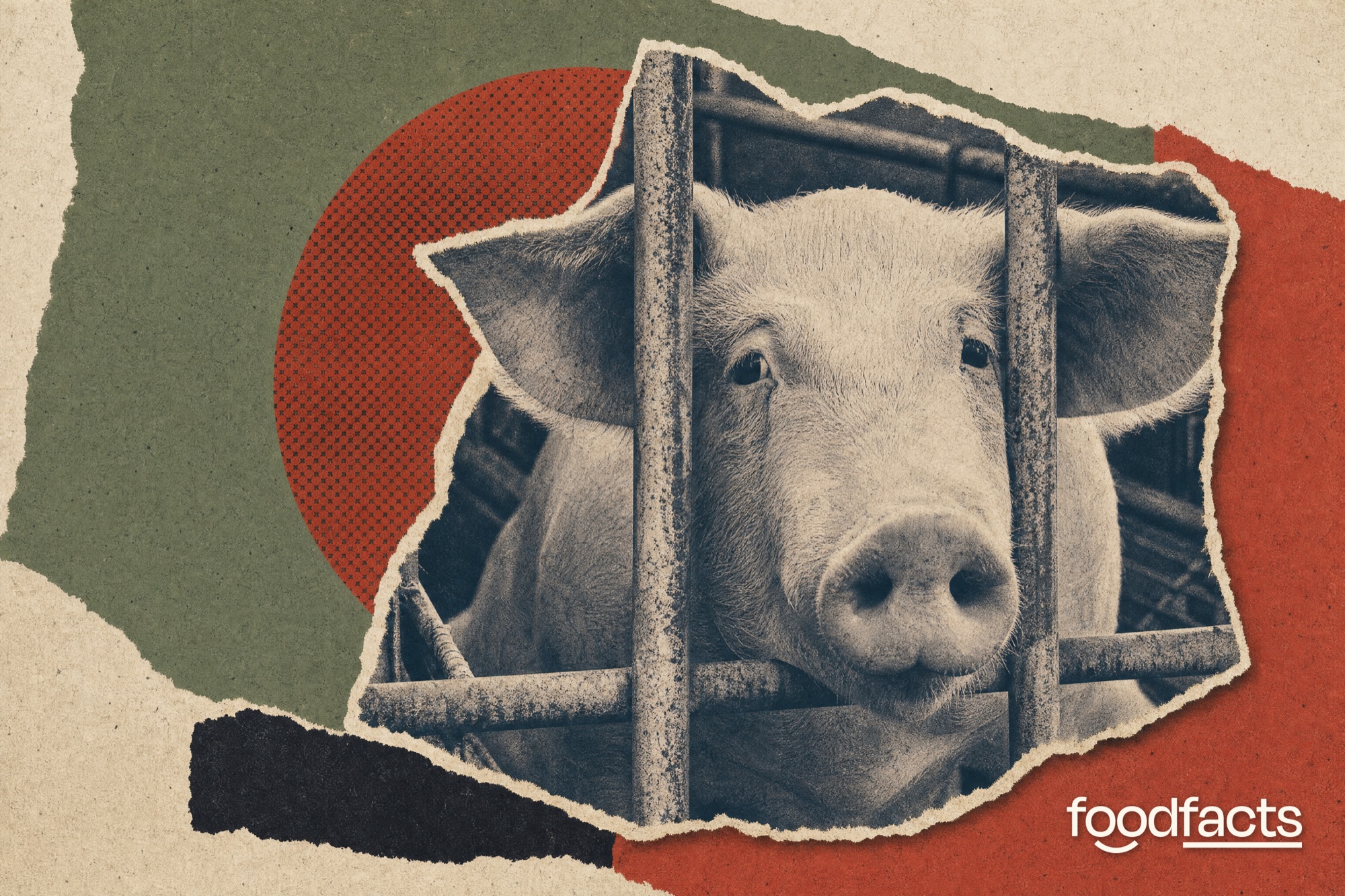
Printed editorial collage about factory farming: cut-out photographs of an industrial livestock shed with roof vents and extractor fans, a crowd of pigs and metal gestation crates, set against torn strips of green fields and a leaf.
Feature
OPINION
Food Systems

What is factory farming? A closer look at why it matters and what can change

Factory farming confines billions of animals in cramped conditions, fuels antibiotic resistance, and drives significant greenhouse emissions. Here's…
Read more
A contemplative farmer stands in a vibrant, scenic field, looking toward the horizon with a picturesque mountainous backdrop and a colorful sky. The scene symbolizes a harmonious relationship between agriculture and innovation. This aligns with the article "Farmers Say Lab-Grown Meat Is Not the Enemy," which discusses the growing acceptance of lab-grown meat within the farming community. The article emphasizes that lab-grown meat could complement traditional farming practices rather than replace them, fostering sustainability and reducing environmental impacts in the food production system.
Feature
OPINION
Food Systems

Farmers say lab-grown meat 'not the enemy'. Here's why

British farmers say they are open to collaborating with “lab-grown” meat producers in the coming years
Read more
A young child smiles while holding and about to eat a red candy, set against a warm, colorful background. This image connects to the article "FDA Bans Red No.3 Cancer Risk," which discusses the FDA's recent decision to ban the use of Red No.3 in food products due to health concerns, including its potential links to cancer. The image emphasizes the common consumption of food additives in sweets often enjoyed by children, linking to the ongoing debate about food safety.
Fact Check
OPINION
Health

FDA bans the use of Red No.3 in food because of links to cancer. What’s the actual risk?

The FDA’s ban on Red No. 3 is more about outdated legal requirements than new evidence of harm On Wednesday, January 15th, the FDA banned the use of a synt
Read more
Previous
More

Free account, free goodies.

Save your favourite articles and unlock our members-only fact-checking toolkits, guides and resource library. Free to join, no card required.

Create free account

Get the facts, not the fads

Evidence-based nutrition and food-industry investigations — free to your inbox, every week.

One last step: check your inbox and click the confirmation link.

It may take a minute. Please check Promotions, Updates, or spam if you can’t see it.

Follow Us
youtube [#168] Created with Sketch.
Food misinformation threatens public and planetary health. We're fighting back against misinformation, fostering healthy communities, honest food, and a thriving planet

ai powered chat bot experience provided by Elevenlabs
Lenny the Lime, the foodfacts.org chatbotOr message Lenny on WhatsApp: +44 7356 131717 →
Article

Top Myths

Latest

The Climate Crisis
Politics Of Food
Health
Food Systems
Media Literacy
Popular Media
Ethics
Environment
Nutrition
Take Action
Become a MemberPartner Organisations
About
Fact Checking PoliciesOur Funding/DisclosuresThe TeamScience Communication FellowshipOrganisational StructureArticles Of AssociationIndependence & TransparencyAi Usage PolicyAdvisory BoardMedia MentionsFAQsGlossaryXML News Feed
Contact
Report Mis/DisinformationContact Us / PressHire Us To TalkProvide Feedback
Privacy Policy  
Terms & Conditions © 2024
The Worlds First Food Fact-Check Platform.
foodfacts.org is a non-profit organisation. (no. 15414442) limited by guarantee and registered in England and Wales.
‍
© Copyright 2024-2026 foodfacts.org  Launched in 2025. 🇬🇧 Grown in the United Kingdom.