




How a landmark study on vegetarian diets and cancer got reduced to a scare headline — and what the evidence actually suggests


On 27 February 2026, The Telegraph published a news article about a major new Oxford University study on vegetarian diets and cancer. The study, the largest of its kind ever conducted, pooled individual-level data from 1.8 million people across three continents and compared the risk of 17 different cancers across five dietary groups. Its headline result was that vegetarians had meaningfully lower risk of five major cancers: breast, prostate, kidney, pancreatic, and multiple myeloma.
The Telegraph's headline led with a different angle: "Vegetarian diet doubles risk of oesophageal cancer." The subheading added: "Study also finds vegans more likely to develop bowel disease." The protective findings appeared several paragraphs in, after the risk framing had already been firmly established. Along the way, the article made several specific factual claims about the science, claims that deserve close scrutiny.



A landmark Oxford study on vegetarian diets and cancer made headlines in The Telegraph, but the way those findings were reported contained factual errors and framing that risks distorting public perception of the evidence. The study's own authors described their unexpected findings as preliminary and urged caution, while the headline communicated a level of certainty and alarm that the science does not support.
An increasing number of people are adopting a plant-based diet, and accurate information about its risks and benefits is crucial for health. Around 80% of people do not read past the headline, and so alarming statements that risk misrepresenting a study’s findings can cause people to turn away from diets that offer more health benefits than they risk.


What the Oxford study actually found
The study, published in the British Journal of Cancer on 27 February 2026, pooled data from nine cohort studies including EPIC-Oxford, the Million Women Study, UK Biobank, and NIH-AARP, with a median follow-up of 16 years (source). Compared with meat-eaters, vegetarians had a 21% lower risk of pancreatic cancer, 9% lower risk of breast cancer, 12% lower risk of prostate cancer, 28% lower risk of kidney cancer, and 31% lower risk of multiple myeloma. For 11 other cancers, including colorectal, stomach, liver, lung (in never-smokers), and oesophageal adenocarcinoma, no statistically significant difference was found between vegetarians and meat-eaters.
Two types of oesophageal cancer in the UK
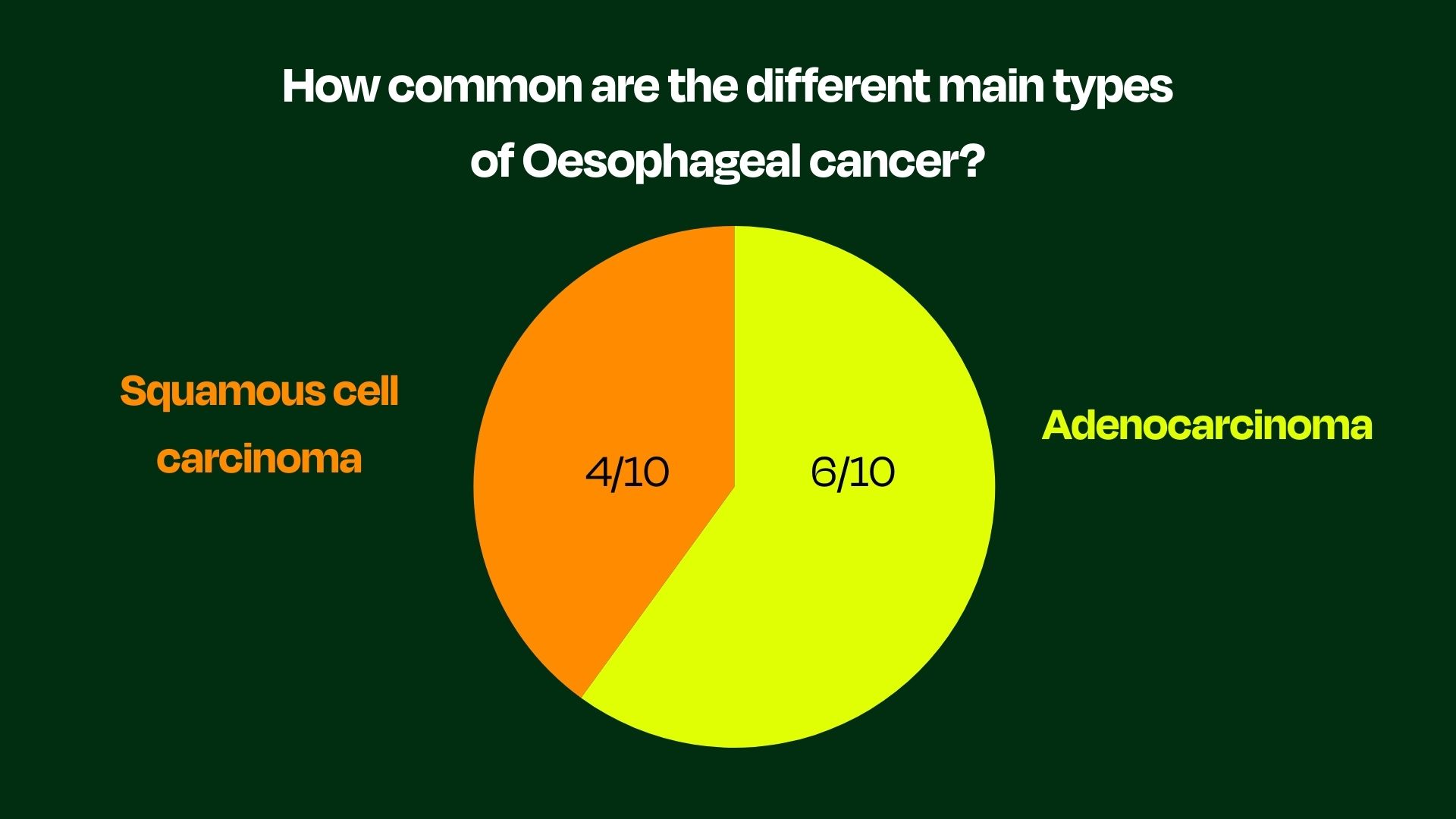
Oesophageal cancer has two main types. In the UK, adenocarcinoma accounts for six out of ten cases. Squamous cell carcinoma accounts for the remaining four in ten and is most prevalent globally in regions such as northeastern Iran and parts of China, where it is strongly associated with smoking, alcohol, nutritional deficiencies, and chronic oesophageal irritation. The study found no statistically significant elevated risk of adenocarcinoma in vegetarians; the higher risk applied only to squamous cell carcinoma (source, source, source).
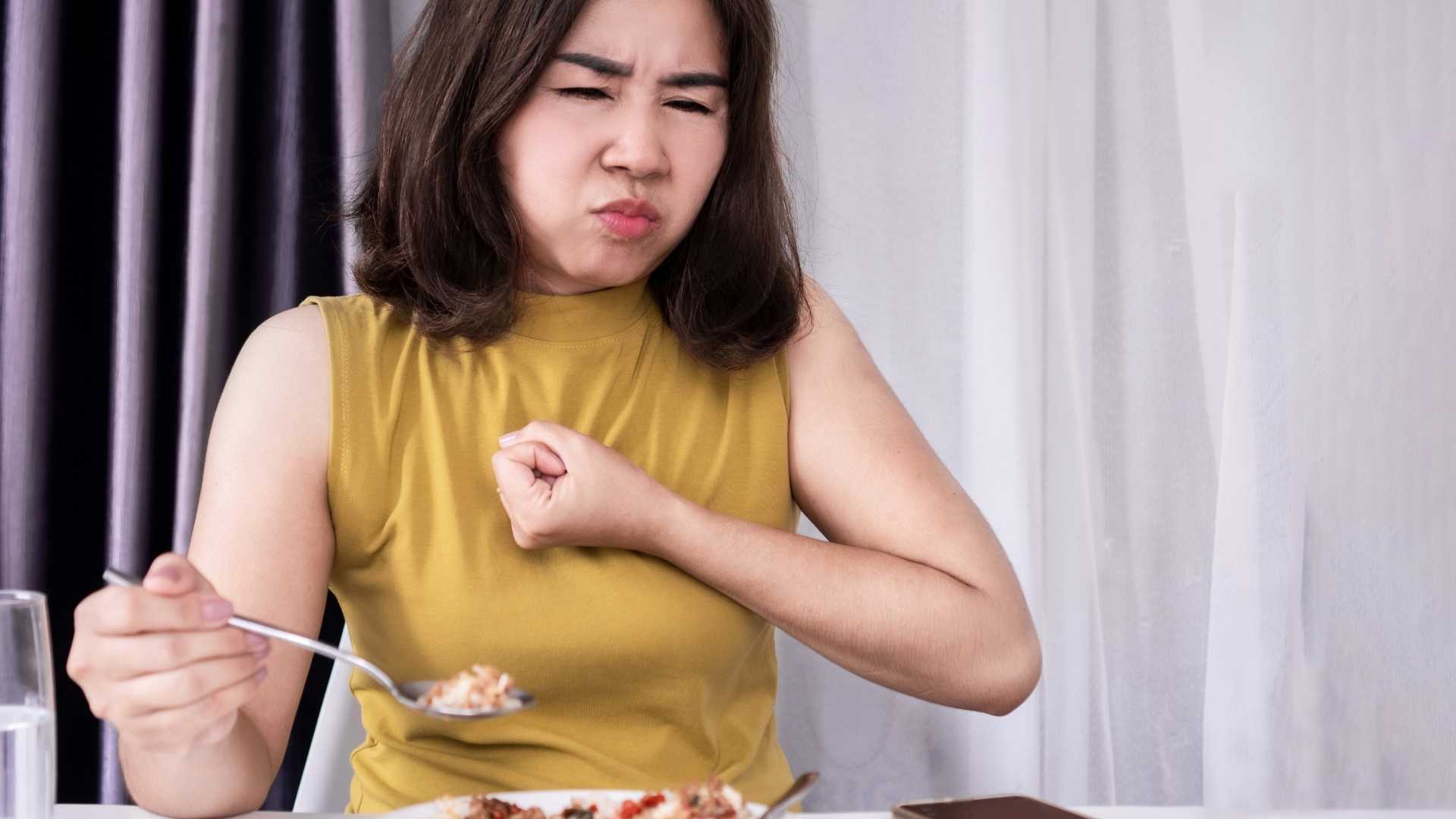
Claim 1: Vegetarians "had a 93% higher chance of developing the most common type of oesophageal cancer"
Fact-check: Squamous cell carcinoma is not the most common type of oesophageal cancer in the UK; adenocarcinoma is. The study found no elevated risk of adenocarcinoma in vegetarians.
The Telegraph describes squamous cell carcinoma as "the most common type of oesophageal cancer." In the UK, this is factually incorrect. Adenocarcinoma is more common, accounting for six out of ten cases, while squamous cell carcinoma accounts for four in ten, and its incidence has been declining since the 1990s (source). Describing squamous cell carcinoma as "the most common type" makes the finding appear to apply to the majority of oesophageal cancers in the UK, when the study actually found no elevated risk for the majority form at all.
How many cases was this based on?
The hazard ratio of 1.93 for squamous cell carcinoma was based on only 31 cases among vegetarians across three UK studies. The finding survived sensitivity analyses, including exclusion of the first four years of follow-up and restriction to never-smokers, which gives it more credibility than many isolated results. However, as the study authors acknowledged, the finding "is based on only 31 cases in vegetarians in three studies in the UK," and "the generalisability of the findings should be considered cautiously." (source)
What might explain it?
The study authors suggest the association may relate to lower levels of riboflavin (vitamin B2) and zinc in some vegetarian diets. Importantly, the dietary data were collected between 1980 and 2010, before widespread fortification of plant-based foods with key micronutrients became standard in the UK. For example, many plant-based milks are fortified with vitamin B12. Modern vegetarian diets may not carry the same nutritional gaps reflected in this data (source, source).
Bottom line: The article contains a direct factual error on the cancer type. The finding does not apply to the most common form of oesophageal cancer in the UK and rests on just 31 cases.
Claim 2: "Vegans were much more likely to develop bowel cancer"
Fact-check: The subheadline's use of "bowel disease" is inaccurate; the study examined colorectal cancer only. The bowel cancer finding itself is far more uncertain than the article implies, resting on 93 cases, disappearing in a key sensitivity analysis, and based on dietary data that predates modern plant-based food fortification.
The subheadline uses the term "bowel disease", a broad category that encompasses inflammatory bowel disease, irritable bowel syndrome, Crohn's disease, and ulcerative colitis, none of which were examined by this study. The study examined colorectal cancer only. This is not a minor distinction: "bowel disease" implies a far wider and more common set of conditions than a specific cancer type.
.jpeg)
How alarming is a "40% higher risk"?
The study found vegans had approximately a 40% higher relative risk of colorectal cancer compared to meat-eaters (source). Relative risk figures without absolute context are routinely misread by general audiences. The UK lifetime risk of bowel cancer is 5-6%, so a 40% relative increase would raise it to 6-7%, equivalent to only one to two extra cases per 100 people over a lifetime (source).
Why the finding needs cautious interpretation
The finding was based on just 93 cases among 8,849 vegans, with some studies contributing fewer than 10 vegan cases each. Critically, when the first four years of follow-up were excluded, the elevated risk disappeared entirely, raising the possibility of reverse causality: people may have switched to a vegan diet after health issues arose, rather than veganism causing harm.
There is also a comparison problem. The meat-eaters in this study ate less than half the typical amount of processed meat consumed by average UK meat-eaters, meaning vegans were being compared to an unusually healthier baseline group. Against typical UK meat-eaters, the relative risk for vegans would likely be meaningfully lower.
The calcium gap may no longer exist
The study authors suggested that lower calcium intake may partly explain the vegan bowel cancer finding. However, the dietary data were collected between 1980 and 2010, before calcium fortification of plant-based milks and foods became widespread. The UK FEED study found no significant difference in calcium intake between vegans, vegetarians, and meat-eaters today (source). Therefore, this reasoning may be less relevant to people following today’s fortified plant-based diets than the research implies.
Bottom line: "Bowel disease" is inaccurate; the study examined bowel cancer only. The finding rests on 93 cases, disappears in a key sensitivity analysis, may reflect reverse causality, and is based on dietary data predating modern fortified plant foods.
Claim 3: "Cancer Research UK found that a glass of milk a day cut the risk of [bowel cancer] by almost a fifth"
Fact-check: The statistic is broadly accurate, but the research was conducted by Oxford Population Health, not Cancer Research UK, and the study found that the protective effect comes from calcium in any form, not from milk specifically (source, source).
The underlying research is real. A large 2025 study using data from over 542,000 women found that an additional 300mg of calcium per day, roughly the amount in a large glass of milk, was associated with a 17% lower risk of colorectal cancer (source). The "almost a fifth" figure is a reasonable description of a 17% reduction.
Who actually conducted the research?
The Telegraph attributes the finding to Cancer Research UK. The study was conducted by researchers at Oxford Population Health's Cancer Epidemiology Unit. Cancer Research UK funded and publicised the research, but did not conduct it.
What did the study say about milk specifically?
The researchers found that calcium had a similar protective effect whether it came from dairy or non-dairy sources, explicitly concluding that calcium, not milk, is likely the active protective factor (source). By citing "a glass of milk a day" without noting that the same benefit applies to non-dairy calcium sources, the article implies the finding is an argument for dairy consumption specifically, which is not what the study concluded.
Bottom line: The number is broadly accurate, but attributing it to Cancer Research UK is incorrect, and omitting that non-dairy calcium carries the same benefit significantly distorts the study's conclusion.
Final takeaway
The Telegraph article does report the study's protective findings, and the lead researcher's own words are quoted accurately. The specific factual errors identified, including describing squamous cell carcinoma as the most common type of oesophageal cancer in the UK, labelling a bowel cancer finding as "bowel disease," and misattributing the calcium research to Cancer Research UK, are errors within the article rather than a wholesale misrepresentation of the study. We contacted The Telegraph, and the article's author clarified that the novelty of the oesophageal finding was what led to the choice of headline. We do not dispute the fact that this was indeed a noteworthy finding.
The headline, however, presents a more fundamental problem. The journalist cited the novelty of the oesophageal finding as justification for leading with it. Studies show that most readers do not read past headlines, an effect compounded when content is behind a paywall. When risk findings receive prominent coverage and protective findings do not, because they align with existing guidelines and are considered less newsworthy, the cumulative picture presented to readers diverges significantly from what the overall evidence shows.
The unexpected findings in this study are not without scientific value. The squamous cell carcinoma result survived sensitivity analyses and may prompt further research into specific nutrient gaps in some vegetarian diets. Findings that warrant further investigation, however, are categorically different from findings that are cause for alarm. That distinction is absent from the headline, and that is the basis for the Misleading rating.
Disclaimer
This fact-check is intended to provide information based on available scientific evidence. It should not be considered as medical advice. For personalised health guidance, consult with a qualified healthcare professional.
Independent fact-checking, funded by readers like you.
Misinformation is a growing threat to our health and planet. At foodfacts.org, we're dedicated to exposing the truth behind misleading food narratives. But we can't do it without your support.
Sources
- Dunneram Y, Papier K, Tong TYN et al. "Vegetarian diets and cancer risk: pooled analysis of 1.8 million women and men in nine prospective studies on three continents." British Journal of Cancer, 27 February 2026. DOI: 10.1038/s41416-025-03327-4
- Papier K et al. "Diet-wide analyses for risk of colorectal cancer: prospective study of 542,778 women." Nature Communications, 7 January 2025. DOI: 10.1038/s41467-024-55219-5
- Offman J, Pesola F, Sasieni P. "Trends and projections in adenocarcinoma and squamous cell carcinoma of the oesophagus in England from 1971 to 2037." British Journal of Cancer, 118, 1391–1398, 22 March 2018. DOI: 10.1038/s41416-018-0047-4
- World Cancer Research Fund. "Oesophageal cancer." wcrf.org. https://www.wcrf.org/preventing-cancer/cancer-types/oesophageal-cancer/
- Oxford Population Health / NDPH. "Increased calcium and dairy intake lower risk of bowel cancer by nearly a fifth." Press release, 7 January 2025. https://www.ndph.ox.ac.uk/news/increased-calcium-and-dairy-intake-lower-risk-of-bowel-cancer-by-nearly-a-fifth
- Lawson I, Wood C, Syam N, Rippin H, Dagless S, Wickramasinghe K, Amoutzopoulos B, Steer T, Key TJ, Papier K. "Assessing Performance of Contemporary Plant-Based Diets against the UK Dietary Guidelines: Findings from the Feeding the Future (FEED) Study." Nutrients, 16(9):1336, 29 April 2024. DOI: 10.3390/nu16091336. PMID: 38732583.
- Butler J. "Plant-based diets protect your health." Viva!, 4 March 2026. https://viva.org.uk/health/blog-health/plant-based-diets-still-protect-your-health/




foodfacts.org is an independent non-profit fact-checking platform dedicated to exposing misinformation in the food industry. We provide transparent, science-based insights on nutrition, health, and environmental impacts, empowering consumers to make informed choices for a healthier society and planet.






.svg)


.svg)

