


The avocados-vs-local-meat argument: a recurring comparison that doesn't hold up to scrutiny


Students at the University of Southampton voted to make plant-based meals the default option at all its catering facilities. Following a campaign by Plant-Based Universities, more than 950 students signed to support the motion in a single week. The Express reported the news with the headline: “Woke students force veganism on top British university after just 12 back move”. The article also features a quote from the Shadow Environment Secretary that includes misleading comments comparing avocados’ and local meat’s environmental impact.



Local meat and dairy production has a higher climate and biodiversity impact than avocados. It also increases the risk of zoonotic diseases and pollutes local waterways. Referencing avocados after a Student Union vote for plant-based catering is “whataboutist” because plant-based menus do not have to include avocados. The quote also misrepresents student politics by suggesting that the University of Southampton’s vote for plant-based menus was undemocratic when it actually received widespread support within the student body, amongst academics and from democratically elected representatives of the Students’ Union.
The Plant-Based Universities (PBU) campaign is gaining momentum, and students are increasingly concerned with how their institutions are responding to the climate and biodiversity crises. In response to this, repetition of the same comparison (avocados vs local meat) does not advance the discussion. It is important to place these issues in context and understand that what we eat has a significantly greater climate impact than how it is transported.


Claim 1: "If the student union is so worried about the environmental impacts of food, presumably they will also ban avocados flown in from the other side of the world, grown in the smoke-blackened embers of rainforest deforestation."
Fact check: It’s a well-worn comparison, but Victoria Atkins’s argument about avocados does not stand up to scrutiny.
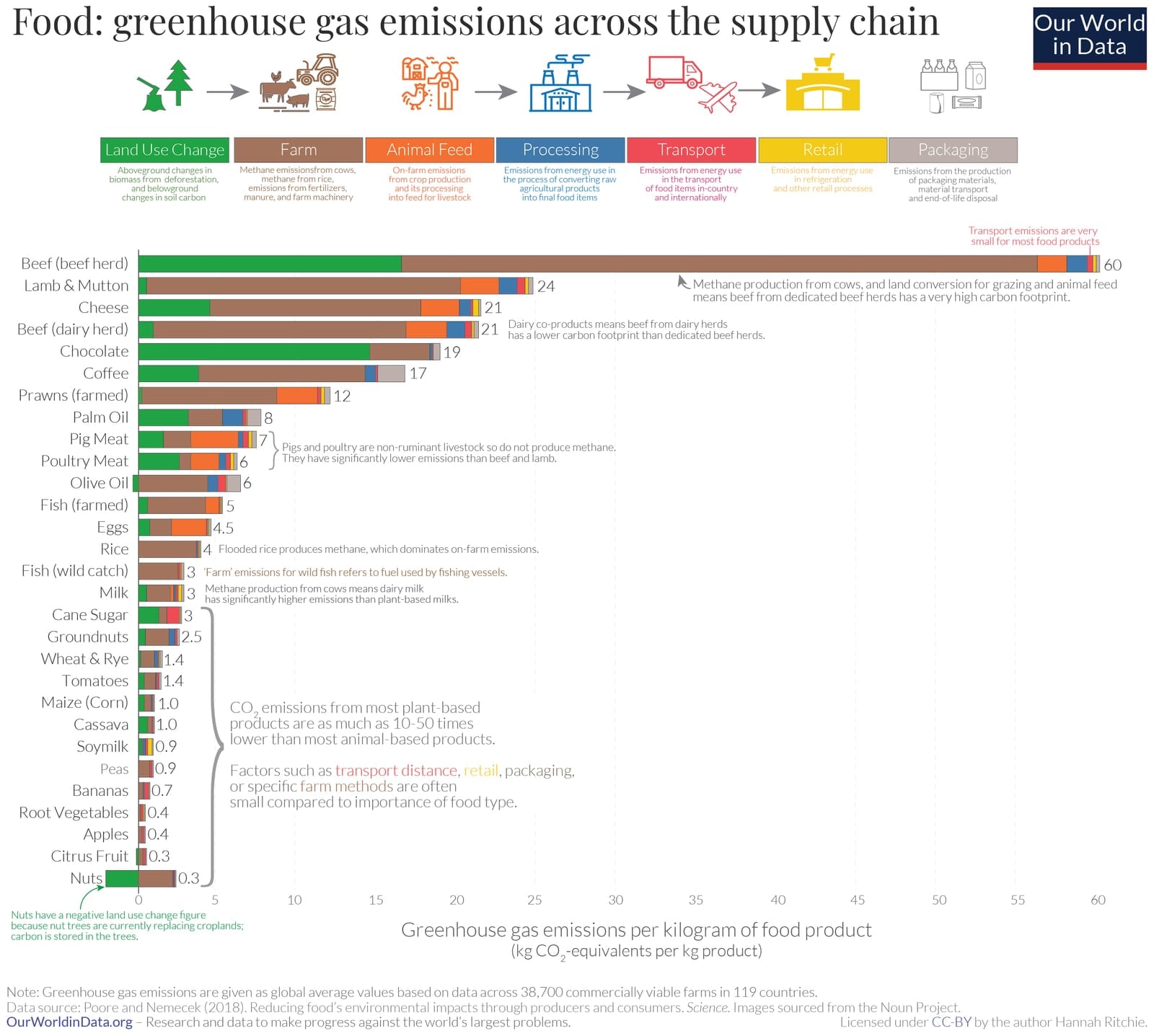
In shifting the focus onto avocados, the Shadow Environmental Secretary employs a classic “whataboutist” manoeuvre that appears to downplay the environmental impact of meat and dairy. In fact, on climate metrics, it’s not even a contest: producing 1kg of beef emits between 36 and 100 kg of CO₂e versus around 2.5 kg of CO₂e for the same quantity of avocados. Dairy, eggs, fish and chicken all come with considerably higher emissions than avocados too.
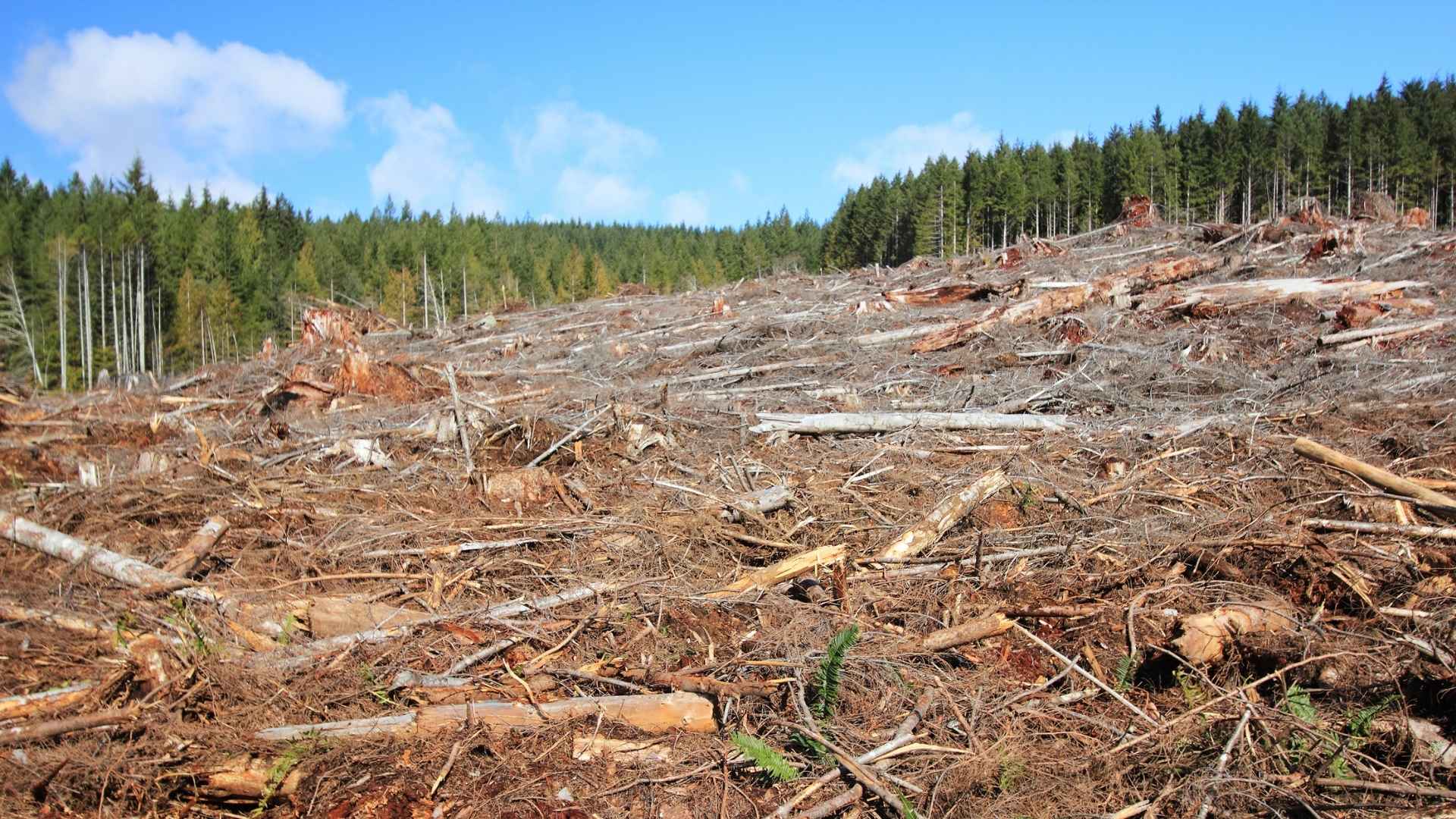
Atkins paints a vivid picture of deforestation, but it is misleading to connect the “smoke-blackened embers” only to avocados. Indeed, deforestation is primarily caused by commercial agriculture, including livestock, according to a recent meta-analysis of 234 articles. In Brazil, some 72% of deforestation is driven by cattle ranching.

The emotive evocation of “avocados flown in” is also misleading, since most avocados consumed in the UK arrive by sea. In any case, transport accounts for less than 10% of greenhouse gas (GHG) emissions for most foods; indeed, for beef from beef herds, transport is responsible for just 0.5% of the final product’s emissions.
Although the claims about avocados are taken out of proportion, a sustainable plant-based caterer might choose to leave avocados off the menu. Avocados are associated with a higher water usage than other plant-based proteins (though lower than meat and dairy), and their production can pose human rights issues, including cartel-controlled supply chains in Mexico. The most environmentally friendly protein sources are beans, lentils and chickpeas.
Read more about the avocado argument: Are vegans really destroying the planet with avocados? | foodfacts.org
Claim 2: "Students should have the choice to buy good, local meat and dairy products – produced in the UK, to the highest animal welfare standards in the world."
Fact check: Having evoked the example of avocados implying that not all plant-based foods are perfect, the Shadow Environment Secretary asserts that students should therefore get to choose “local meat”, produced to the highest welfare standards in the world. Her assertion is misleading and unsubstantiated.
Local meat
Local meat is not a climate solution. As a recent review paper noted, basing policy around local food “neither can ensure food security nor does it necessarily have a lower carbon footprint”. Whether we’re talking about regenerative beef or the UK’s recent expansion of intensive poultry units, buying local meat has limited climate benefits.
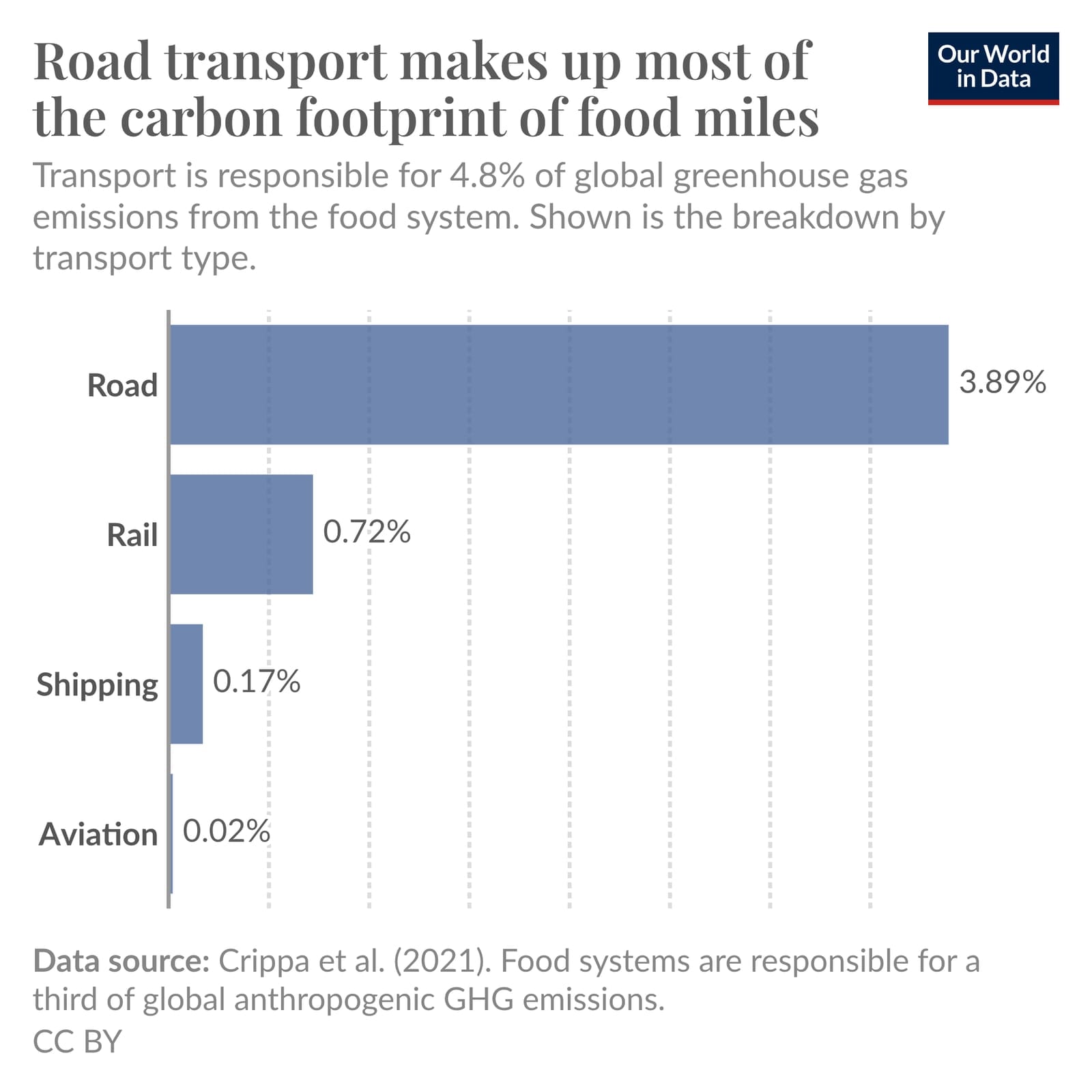
First, an overemphasis on food miles distracts from more significant environmental metrics. Transport accounts for only 5% of global food emissions, and most of these emissions come from domestic delivery trucks on the road. For most food products, transport accounts for no more than 10% of the total emissions.
Since transport accounts for only a small percentage of an institution's total climate impact, even if all meat and dairy served at an institution were sourced within a 10-mile radius, its environmental performance would still be significantly worse than that of a fully plant-based menu with ingredients from around the world.
Second, plant-based foods don’t have to come from abroad. Oat milk is a more sustainable choice than dairy, and several brands in the UK are 100% British grown. Plant-based menus using whole foods or meat alternatives can both be sourced locally.
Third, the concept of “local meat” is itself an illusion because the UK imports more than three million tonnes of soy from South America to feed animals (primarily chickens) on intensive farms each year. Meeting this demand requires some 850,000 hectares of ghost acres (the area of land abroad used to grow feed for animals within a country), leading to large areas of tropical rainforest being cleared. Even when feed is grown locally, animal agriculture is incredibly inefficient: some 40% of the UK’s most productive cropland is used for animal feed rather than direct human consumption.
Fourth, meat production has health and environmental consequences locally and globally. Local meat increases the spread of zoonotic diseases, heightens the risk of antimicrobial resistance, and contributes to the pollution of local waterways. Add to that the adverse health and amenity impacts for residents living near chicken farms, including deadly particulate matter build-up, and it is no wonder communities are objecting to new intensive farm units rather than clamouring for more.
While local meat is not the answer, there are valid reasons to prioritise a more locally resilient food system, most notably to support farmers and the local economy. Doing so is entirely compatible with the University of Southampton’s plant-based menus.
Animal welfare
The claim that the UK has the “highest animal welfare standards in the world” is often repeated, but has little evidence to back it up.
Having implemented the world’s first national legislation aimed at preventing animal cruelty in 1822, the UK has a longstanding reputation for its animal welfare laws. However, no comprehensive audit has been carried out to back up the claim that its standards are the highest in the world. In recent years, moreover, the UK has moved backwards in some respects, for example by legalising the carrying of chickens by their legs.
Even if the claim were true on paper, the UK has a severe enforcement problem. Written standards have repeatedly been shown not to exist in practice, while labels like "outdoor bred" are used by the meat industry to conceal the realities of industrial animal farming. This claim to world-beating status is therefore not a reliable fact-based statement, and makes it easier to undermine the harms of meat and dairy production.
Claim 3: “Why foist a vegan diet on 25,000 students because a few hundred of them signed a petition?”
Fact check: The Shadow Environment Secretary misrepresents how democracy works to question the validity of the vote. She also wrongly equates an institutional transition to default plant-based catering with enforced veganism.
As the democratic process in Southampton dictates, Plant-Based Universities gathered the requisite number of signatures to trigger a vote in the Students’ Union (500) – and then, for good measure, comfortably surpassed that number, securing 950 supporters. Following a democratic debate, the elected delegates voted 12 to 3 in favour of the motion.

Transitioning to a plant-based offering does not mandate that any individual become vegan; it is an institutional decision to favour more sustainable catering. Most universities have climate commitments and sustainable development goals. The University of Southampton, for example, has pledged to reduce scope 3 emissions to “net zero by 2045”, with an interim goal of eliminating 65,940 tonnes of CO2e by 2027/28. Thanks to the efforts of its students, plant-based menus will help give it a chance of meeting this target.
We have contacted Victoria Atkins and are awaiting a response.
Independent fact-checking, funded by readers like you.
Misinformation is a growing threat to our health and planet. At foodfacts.org, we're dedicated to exposing the truth behind misleading food narratives. But we can't do it without your support.
Sources
- Lancaster, C. (2026). “Students vote for plant-based menus at university.”
- Ritchie, H. (2020). “The carbon footprint of foods: are differences explained by the impacts of methane?” Published online at OurWorldinData.org.
- World Avocado Organisation (2024). “A Dive into Europe’s Love for Avocados: Key Facts and Figures.”
- Laville, S. (2024). “UK’s intensive farming hotspots have 79 times more chickens than people, data shows.”
- Stein, A. J., & Santini, F. (2022). “The sustainability of "local" food: a review for policy-makers.”
- Ritchie, H. (2024). “Most carbon emissions from food miles are produced by trucks on the road.”
- Ritchie, H. (2020). “Very little of global food is transported by air; this greatly reduces the climate benefits of eating local” Published online at OurWorldinData.org.
- Sarathy, S.P., et al. (2025). “Plant-based protein: A multi-nutritional sustainable alternative to animal foods and their structure, functions, and relationship: A review.”
- Craig, W., et al. (2023). “Plant-Based Dairy Alternatives Contribute to a Healthy and Sustainable Diet.”
- Ritchie, H. (2021). “Drivers of Deforestation” Published online at OurWorldinData.org.
- Feurer, M., et al. (2025). “Drivers of deforestation and forest degradation between 1990 and 2023 - A global meta-analysis.”
- Green.Earth (2023). “Top 10 causes of deforestation.”
- Kirkman, A. (2020). “Winging it: UK’s chicken boom is fuelling deforestation in South America.”
- WWF (2022). “Transform UK farmland to boost food resilience and tackle nature crisis – WWF.”
- Moseley, P. (2025). “Controversial pig farm plans rejected.”
- LegalClarity (2025). “When Was the First Animal Cruelty Law Passed?”
- Duncan, G. (2024). “Carrying chickens by legs to be legalised in UK.”
- Lockwood, A. on behalf of Animal Rising (2024). “RSPCA ASSURED: COVERING UP CRUELTY ON AN INDUSTRIAL SCALE.”



foodfacts.org is an independent non-profit fact-checking platform dedicated to exposing misinformation in the food industry. We provide transparent, science-based insights on nutrition, health, and environmental impacts, empowering consumers to make informed choices for a healthier society and planet.






.svg)


.svg)

