
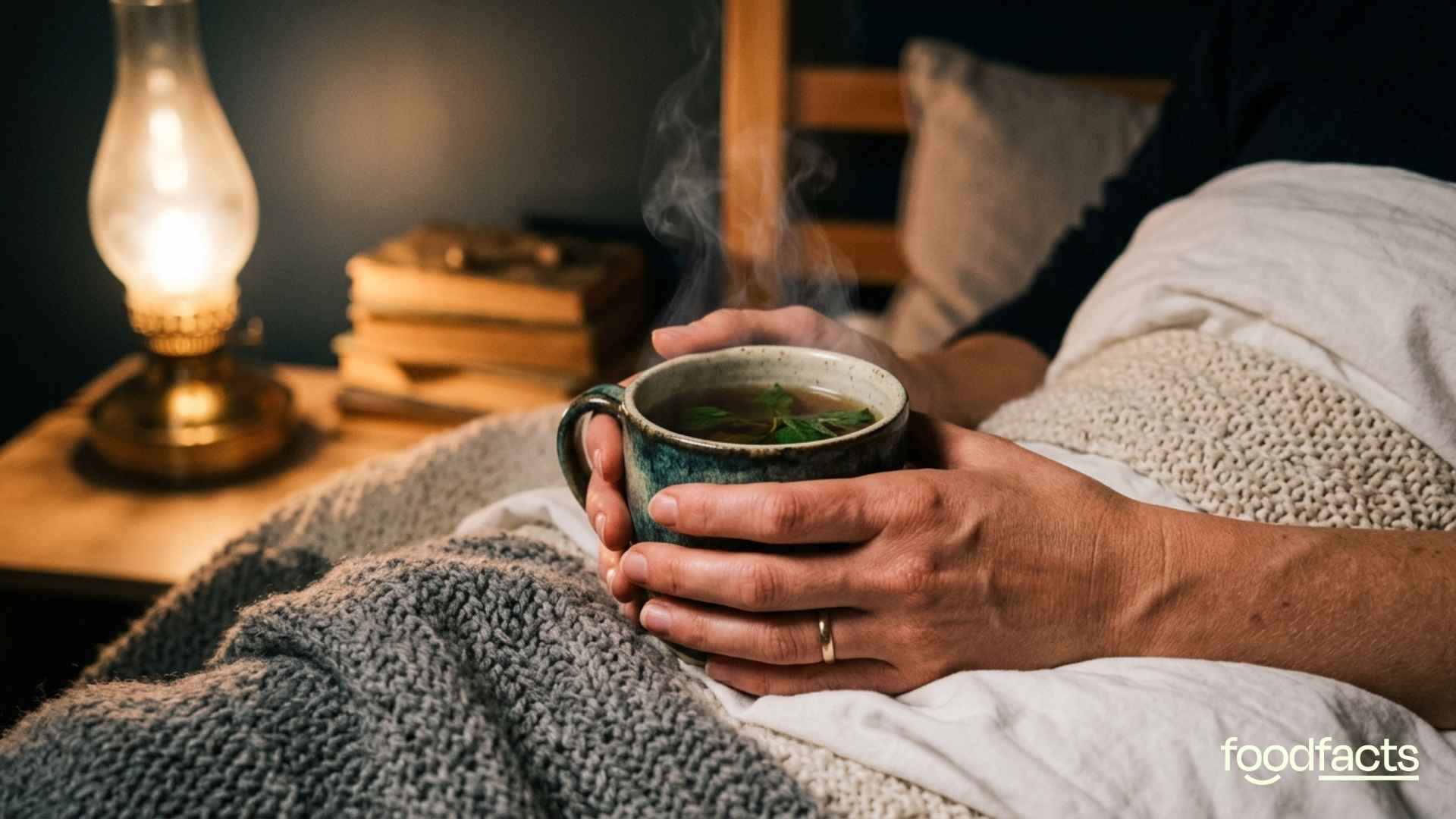




Nighttime teas, cortisol and belly fat: what current research suggests (and what it doesn’t)


A popular post by Dr Eric Berg claims lemon balm tea, once taken 60 minutes before bed and “supercharged” with magnesium, can lower cortisol, improve sleep, “boost fat burning,” and lead to a smaller waist, especially in women. Let’s check those claims against the latest scientific evidence.



The claim links a chain of effects—lemon balm → Gamma-aminobutyric Acid (GABA) → lower anxiety/cortisol → better sleep → more fat burning → smaller waist—but the clinical evidence mainly addresses mood/sleep measures and is mixed, while direct waistline outcomes are not established. The post uses real biology terms, but it makes a direct waistline promise that requires human trials measuring waist circumference or body fat, not just mechanism talk.
Weight-loss claims tied to “hormone hacks” can lead people to expect targeted belly-fat loss from a single drink instead of changes that are proven to work (diet pattern, physical activity, sleep habits, and medical care when needed).It also matters for safety: lemon balm can cause sleepiness and may interact with sedatives, and “stacking” supplements (like magnesium) isn’t risk-free for everyone.


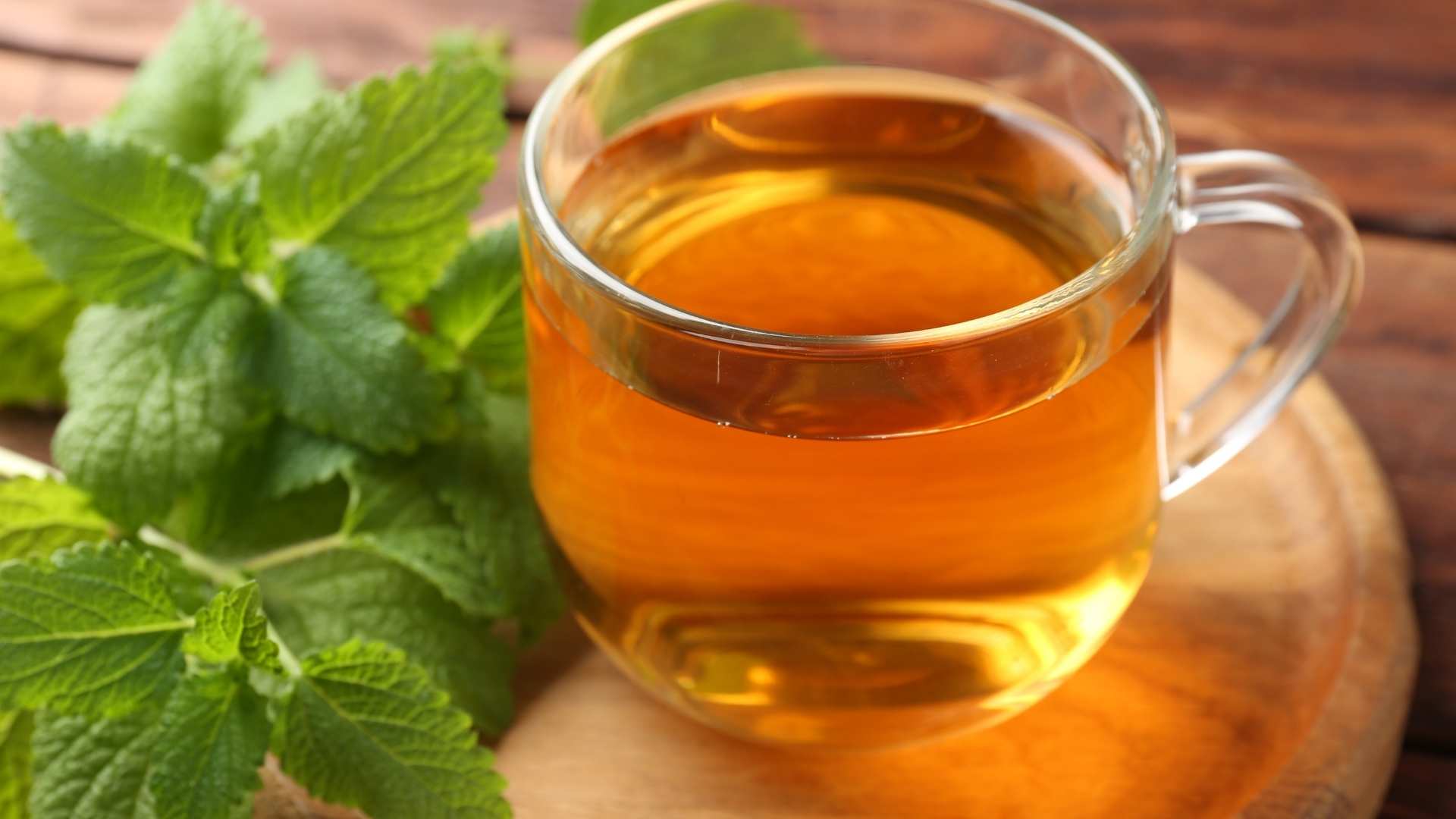
Claim 1: Lemon balm tea 60 minutes before bed is the “best bedtime drink” for waist loss.
Fact-check: There is no evidence to support that drinking lemon balm tea before bedtime on its own will lead to a smaller waist.
Lemon balm is a herbal plant known for its aromatic leaves and has been studied for its potential benefits in conditions such as anxiety, sleep disorders and indigestion (source). A 2014 double-blind, placebo-controlled crossover trial testing a lemon balm extract beverage found the drink was associated with reduced state anxiety at some timepoints and doses, supporting the idea that lemon balm preparations can affect subjective stress/anxiety measures in certain contexts. Although research has shown that its calmness effects exist, they do not demonstrate that using lemon balm as a bedtime drink on its own will lead to a smaller waist.
Research has been conducted on lemon balm extracts in animals, and a 2025 study in mice found that there was reduced weight gain and metabolic changes in fat cells. This suggested a potential anti-obesity therapy, specifically in mice with a high fat diet, but there has not been meaningful clinical proof suggesting weight loss in humans. It is important to note that results from animal studies don’t reliably predict results in humans, because their metabolism works differently. Furthermore, there was no provision of doses or safety that can concretely translate into noticeable, significant fat burning at night.
Claim 2: Magnesium lowers cortisol directly
Fact-check: While there is some evidence linking magnesium and improved insomnia symptoms, the claim that magnesium directly lowers cortisol, which translates to fat loss is unsubstantiated.
Evidence for magnesium improving insomnia symptoms exists in some trials and reviews, but overall certainty as it relates to lowering cortisol is limited. Cortisol is known as the principal stress hormone with influences over a range of processes in the body like metabolism, immune activity and stress response by adapting glucose availability.
A 2021 post-hoc analysis of an intervention trial reported that 24 weeks of magnesium supplements (350 mg/day) lowered 24‑hour urinary cortisol excretion when compared with a placebo. Though this suggests that magnesium can influence cortisol over time, it does not explicitly state that magnesium will act as a supercharge for lemon balm tea that will directly lower cortisol, as claimed.
When it comes to the link between cortisol and weight, research shows relationships between obesity and altered cortisol rhythms, but correlation does not prove that lowering nighttime cortisol with a tea leads to abdominal fat loss. A cross-sectional study of women on regular menstrual cycles found that those with obesity had higher mean serum cortisol over the day and a sustained elevation in the evening for normal weight women. The trial did find that evening cortisol was higher for women with obesity; however, it did not demonstrate that lowering nighttime cortisol is the mechanism of abdominal fat loss, nor that any generic “cortisol-lowering tea” will reproduce these results.
Bottom line
More broadly, obesity is a condition influenced by a multitude of factors including genetics, diet patterns, physical inactivity, sleep disruption, hormones, medications, and socioeconomic factors. So while cortisol dysregulation correlates with abdominal fat in some studies, no single nighttime tea can realistically target these root drivers; evidence-based approaches still centre on holistic lifestyle changes rather than quick fixes.
Claim 3: Lemon balm tea boosts GABA in the brain
Fact-check: The post’s statement on Gamma-aminobutyric acid (GABA), the brain’s primary calming chemical, is presented as a certainty, but there is limited human evidence suggesting that the brain’s GABA levels will be increased directly after drinking lemon balm tea.
A 2024 review of lemon balm found that it “holds promise as a calming agent” and discusses possible mechanisms (including effects related to the GABA system), but that is not the same as proving a measurable brain GABA increase in humans that leads to body-fat changes.
Final take-away
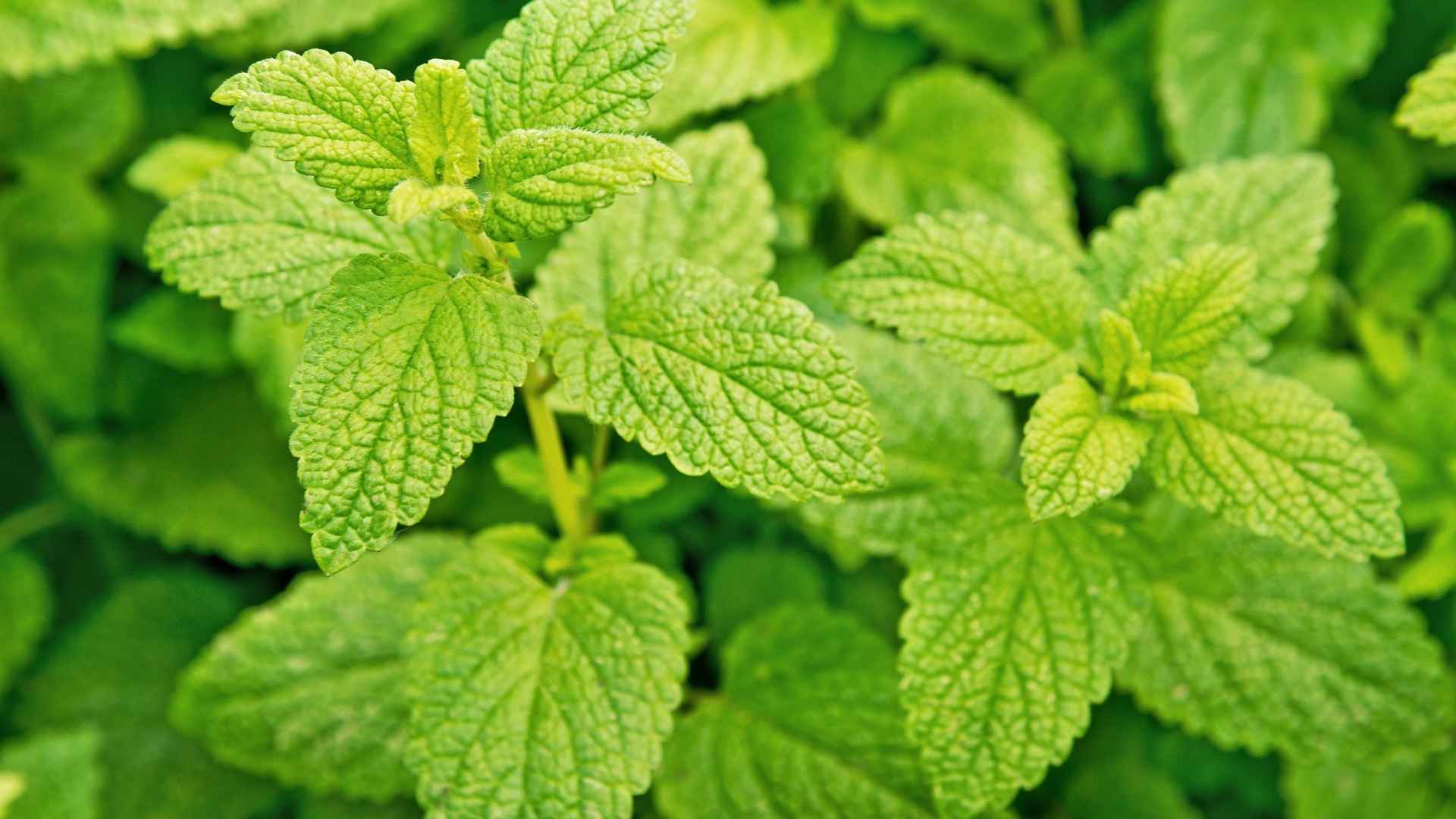
Lemon balm tea (with or without magnesium) may help some people feel calmer or sleep a bit better, but there is little evidence that a single drink before bed reliably shrinks your waist or “melts” belly fat at bedtime, without a reliable timeline. The post strings together real concepts (GABA, cortisol, sleep, fat metabolism) into a neat story, yet the missing piece is human research showing that this specific routine leads to meaningful, sustained changes in waist circumference or body fat, which current trials do not provide.
By contrast, the things that do have strong, consistent evidence behind them are the basics: achieving and maintaining a calorie deficit through overall dietary patterns, getting regular physical activity (around 150+ minutes of moderate exercise per week), supporting sleep with good sleep hygiene, and seeking medical input where needed. Sustainable fat loss in clinical and public‑health research comes from these broad, behaviour‑level changes over time, not from single‑ingredient “hormone hacks” added at bedtime. When people start “stacking” supplements, it is important to talk with a relevant healthcare professional first, because dosing, interactions, and underlying conditions can change what is safe or appropriate.
Additionally, Dr. Berg’s claim presents a conflict of interest readers should be made aware of. When discussing issues like obesity, sleep, or even fatigue, it would be easy for viewers who do not know his background to assume that “Dr Berg” is a medical doctor rather than a chiropractor. Hacks that seem to offer multiple solutions with a single supplement are extremely popular, and this narrative has recently been amplified by outlets such as The Mirror, which ran a full article on nighttime waking and magnesium while presenting Dr Eric Berg, DC, as a health or medical expert to comment on potential underlying issues. It is important for audiences to know that he directs Dr. Berg Nutritionals and sells magnesium products like magnesium glycinate and magnesium drink powders, the same types of supplements he frequently promotes in his content as potential solutions or prevention tips to a wide range of complaints (source, source, source); this creates a strong commercial incentive when he positions these products as answers to common problems such as poor sleep, low energy, or difficulty losing weight. Viewers should be clearly aware when the person recommending a supplement also profits from selling it.
Therefore, lemon balm tea is best thought of as a potentially soothing bedtime drink, not a targeted hormone hack for abdominal fat loss.
We have contacted Eric Berg and are awaiting a response.
Disclaimer
This fact-check is intended to provide information based on available scientific evidence. It should not be considered as medical advice. For personalised health guidance, consult with a qualified healthcare professional.
Independent fact-checking, funded by readers like you.
Misinformation is a growing threat to our health and planet. At foodfacts.org, we're dedicated to exposing the truth behind misleading food narratives. But we can't do it without your support.
Sources:
- foodfacts.org (1 October 2017). Sustainable weight management backed by science: 7 long-term strategies that work
- Gambineri, A., et al. (2017). “Evidence for disruption of normal circadian cortisol rhythm in women with obesity. Clinical Endocrinology”
- Kaur, J., et al. (2025). “Physiology, Cortisol”
- Kim, J.G., et al. (2025). “Effects of Melissa officinalis extracts on obesity and anxiety”
- Mathews, I.M., et al. (2024). “Clinical Efficacy and Tolerability of Lemon Balm (Melissa officinalis L.) in Psychological Well-Being: A Review”
- Schutten, J.C., et al. (2021). “Long-term magnesium supplementation improves glucocorticoid metabolism: A post-hoc analysis of an intervention trial”




foodfacts.org is an independent non-profit fact-checking platform dedicated to exposing misinformation in the food industry. We provide transparent, science-based insights on nutrition, health, and environmental impacts, empowering consumers to make informed choices for a healthier society and planet.








.svg)


.svg)

