





From pork to poultry: how a chicken‑heavy meat system concentrates environmental, welfare and disease risks




The FAO’s meat report
A new FAO analysis of global meat supply shows how dramatically the world’s diet has changed in just a few decades: the average person today eats about six times as much chicken and twice as much pork as their grandparents did. That shift is often celebrated as progress, yet it also concentrates environmental risks and locks billions of animals into some of the most intensive farming systems on the planet.
This feature explores the FAO’s findings on meat, why chicken has become the world’s go‑to animal protein, and what that means for climate, welfare and consumers trying to shop “ethically”.
What changed and why it matters
The FAO‑linked data show that global meat supply per person has risen from about 25 kilograms per year in 1961 to around 47 kilograms per year in 2022. Within that, poultry supply jumped from under 3 kilograms per person to about 17 kilograms, while pork supply doubled to roughly 15 kilograms per person; beef supply stayed broadly flat at around 9 kilograms per person. Put simply, the average person now eats about six times as much chicken and twice as much pork as people did six decades ago.
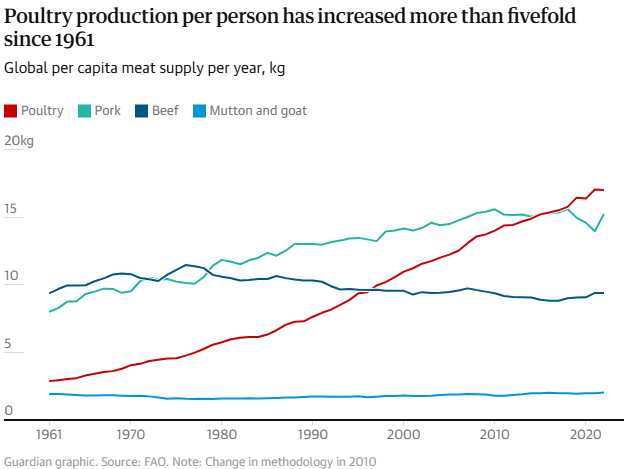
These headline numbers are not evenly shared. The FAO notes that high‑income countries still consume far more meat per person, while many low‑income countries remain constrained by affordability and access. In 2023, Compassion in World Farming analysed this trend in their ‘More Money More Meat’ report. At the same time, the FAO report projects that global demand for animal‑source foods will continue to grow, with poultry and pig meat leading the increase.
Why the world pivoted to chicken and pork
There are clear reasons chicken and pork have risen so quickly. Poultry, in particular, is seen by many governments and industry groups as a “climate‑friendlier” meat because, per kilogram of protein, it typically produces fewer greenhouse gas emissions than beef or lamb. Chickens also convert feed into meat more efficiently, reproduce quickly and require less land, which makes them attractive to producers and policy‑makers trying to increase protein supply at lower cost.
On the consumer side, public health advice in many high‑income countries has nudged people away from red and processed meat, and towards leaner white meat like chicken. Supermarkets and fast‑food chains have responded with an explosion of cheap chicken products, from nuggets to ready‑marinated fillets, which can be sold at relatively low prices compared with beef.
The FAO report focuses heavily on supply trends, productivity, and trade. While it acknowledges that wealthy countries are driving “excessive consumption” of animal products, it stops short of recommending lower meat consumption. This risks presenting the growth of chicken and pork production as a neutral, or even positive, development. Missing from that framing is a fuller account of what it means for animals and ecosystems when the cheapest forms of meat come to dominate the global diet.
If you want a sense of how this plays out on the ground, foodfacts.org has already examined how factory farming works and why they raise such serious welfare and environmental questions.
The environmental bill: more meat, more pressure
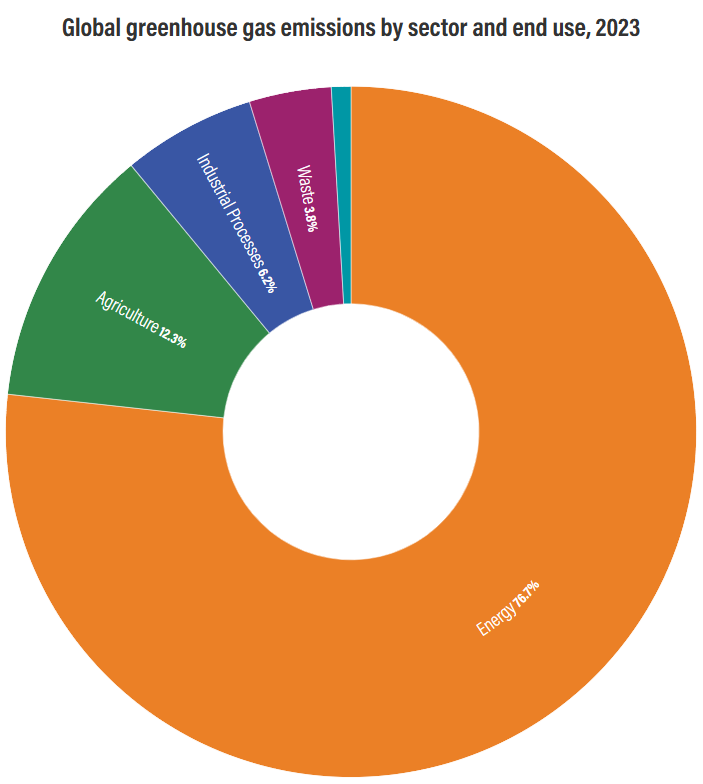
The FAO’s own numbers show that livestock is now one of the fastest‑growing parts of agriculture and a major driver of environmental pressure. Agriculture overall is the second‑largest source of greenhouse gas emissions globally, and the latest projections suggest emissions from the sector could rise by around 7.6% over the next decade, with livestock responsible for nearly 80% of that increase.
From a climate perspective, shifting some demand from beef to chicken can lower emissions intensity per kilogram of meat, but it does not make large, growing volumes of poultry benign. Intensive poultry systems still contribute to climate change through carbon dioxide, methane and nitrous oxide, and they generate significant emissions of ammonia and fine particulate matter that affect air quality and public health.
Environmental scientists have also flagged the broader ecological footprint of rapidly expanding poultry and pig production. Large-scale units concentrate manure, which can contaminate soil and water with excess nitrogen and phosphorus, and they draw heavily on global feed crops such as soy and maize that are linked to deforestation, biodiversity loss and land‑use change in exporting regions.
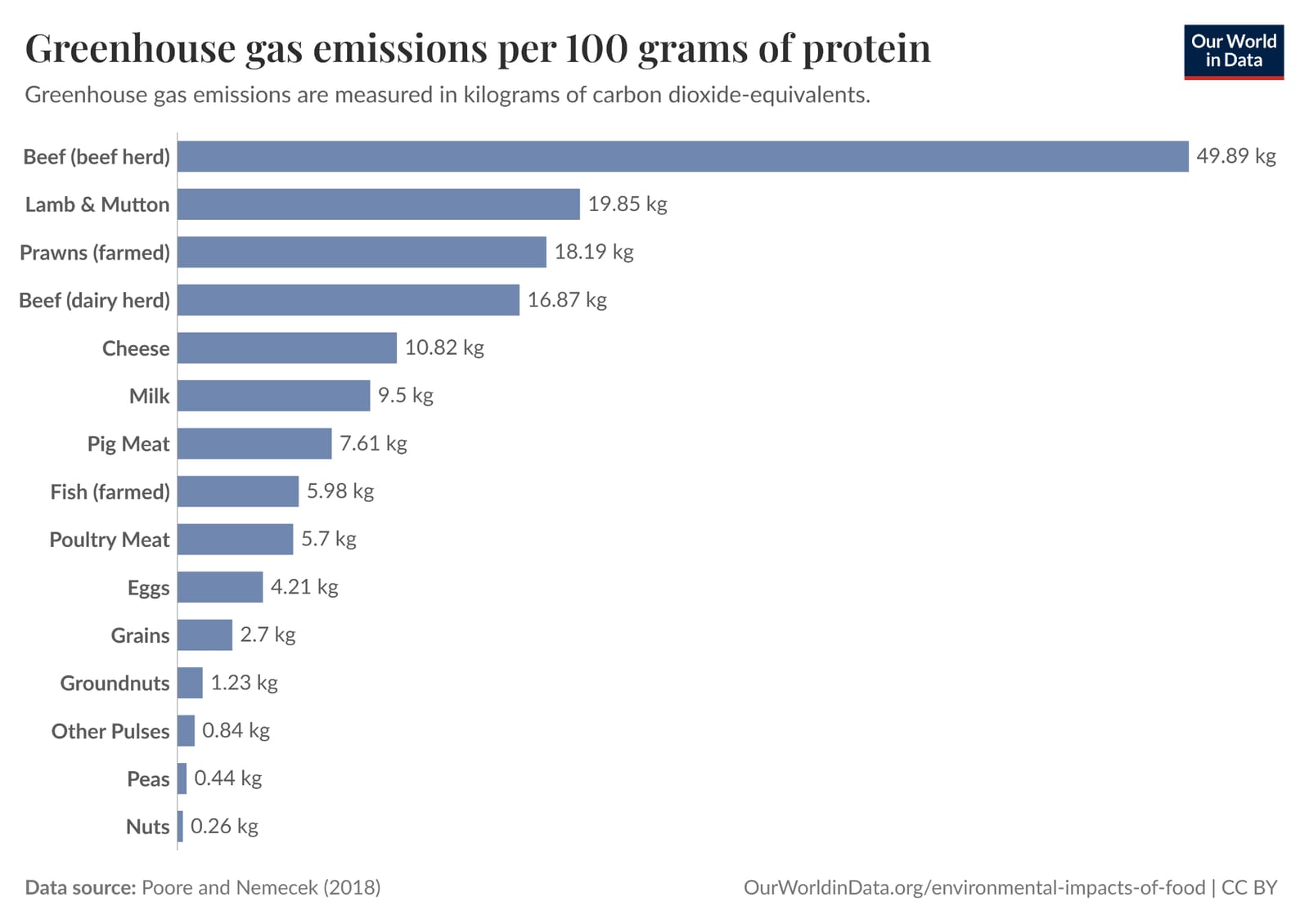
So when the FAO charts a global meat supply that has quadrupled since the 1960s, largely by scaling up chicken and pork, it’s describing a food system that is, in many regions, pushing up against environmental limits while still leaving hundreds of millions of people priced out of regular access to animal‑source foods.
For readers who want to dig more into this, the FAO’s livestock and environment hub and foodfacts.org’s explainer on factory farming unpack these trade‑offs in more detail.
The chicken reality: from crowded sheds to gas tunnels
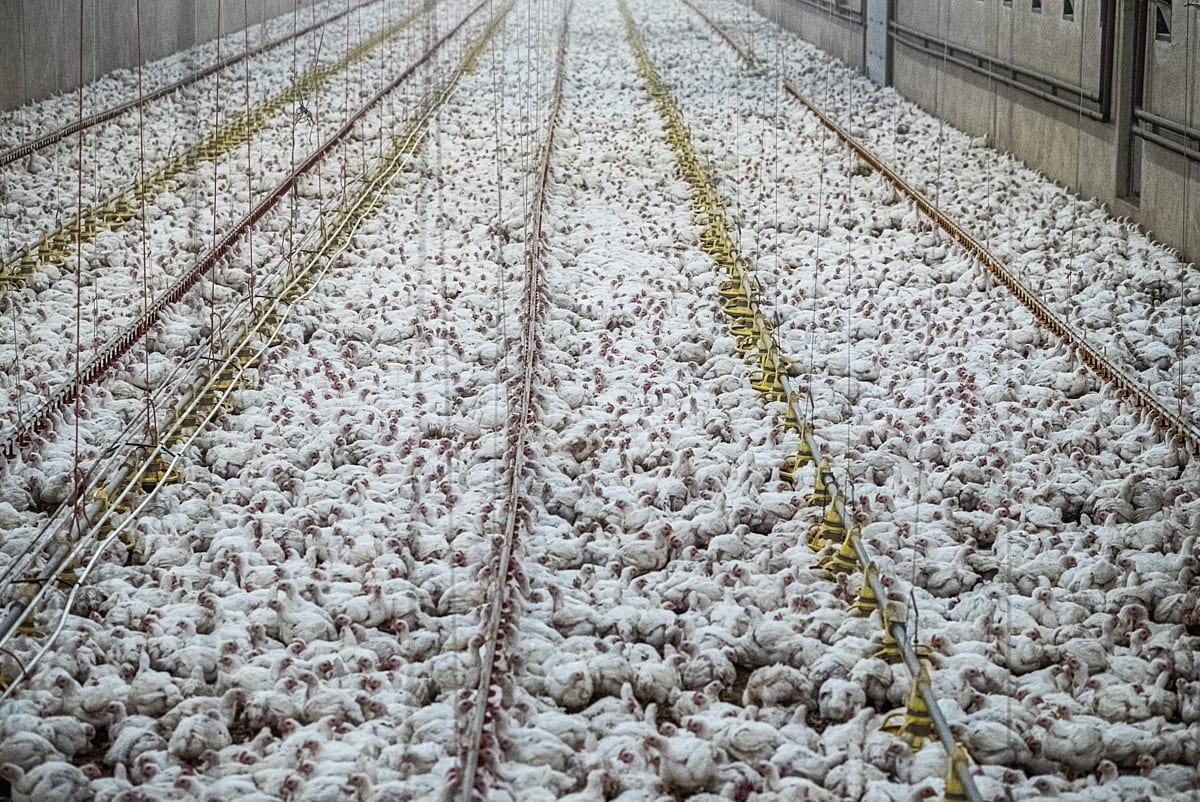
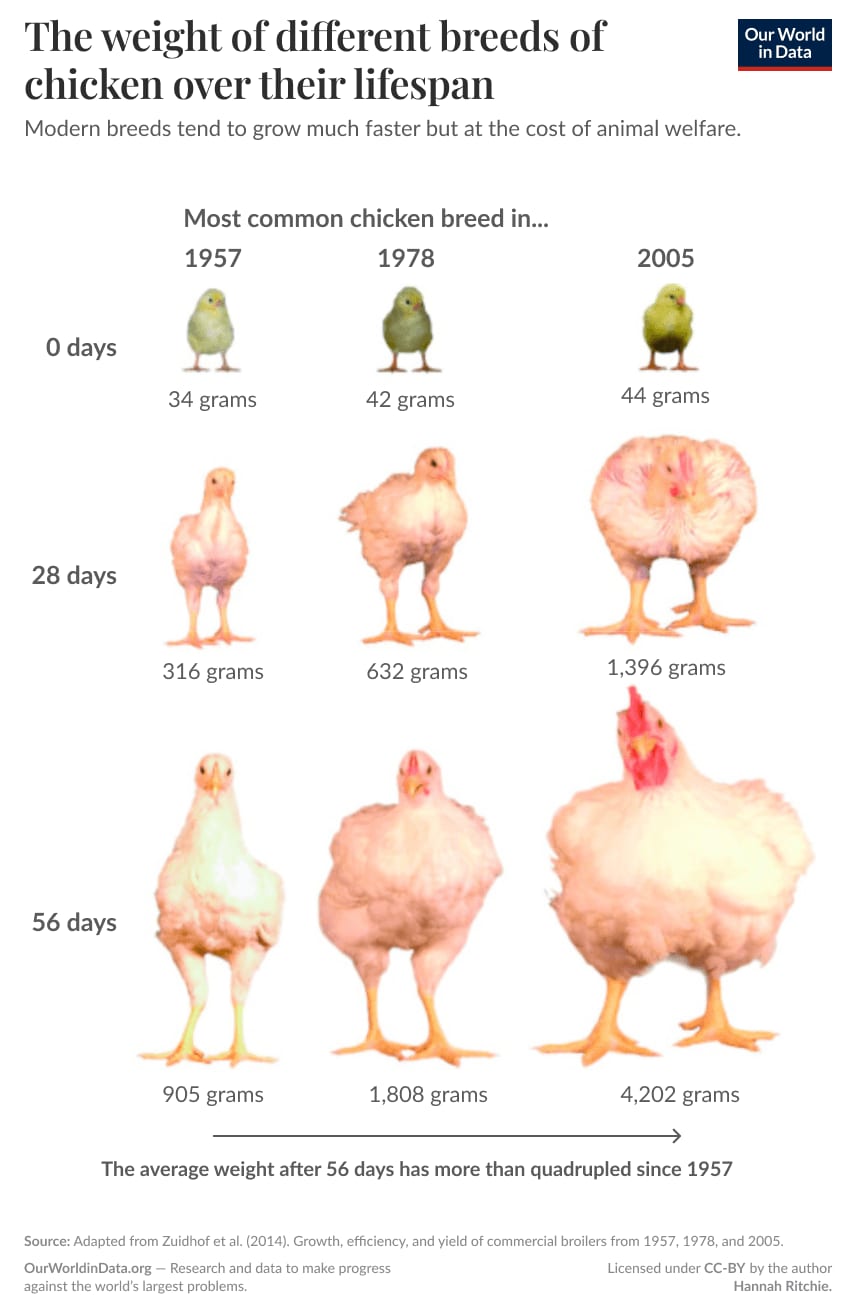
The FAO report treats poultry as a category on a chart, but behind every line is a physical system that breeds, raises and kills billions of sentient animals. Modern broiler chickens are typically bred to reach slaughter weight in around six weeks, in sheds that can house tens of thousands of birds at a time. High stocking densities, rapid growth rates and genetic selection can lead to leg disorders, breathing difficulties and an inability to express natural behaviours.
When consumers do think about welfare, many imagine the moment of slaughter as controlled, quick and largely painless. Yet recent data from the UK’s Food Standards Agency, analysed by foodfacts.org, shows that around 77% of meat chickens and 99% of spent laying hens there are now killed using gas stunning systems, formally called controlled atmosphere stunning. Birds stay in their transport crates and travel through a tunnel where carbon dioxide concentrations rise in stages, with exposure long enough to cause death rather than just unconsciousness.
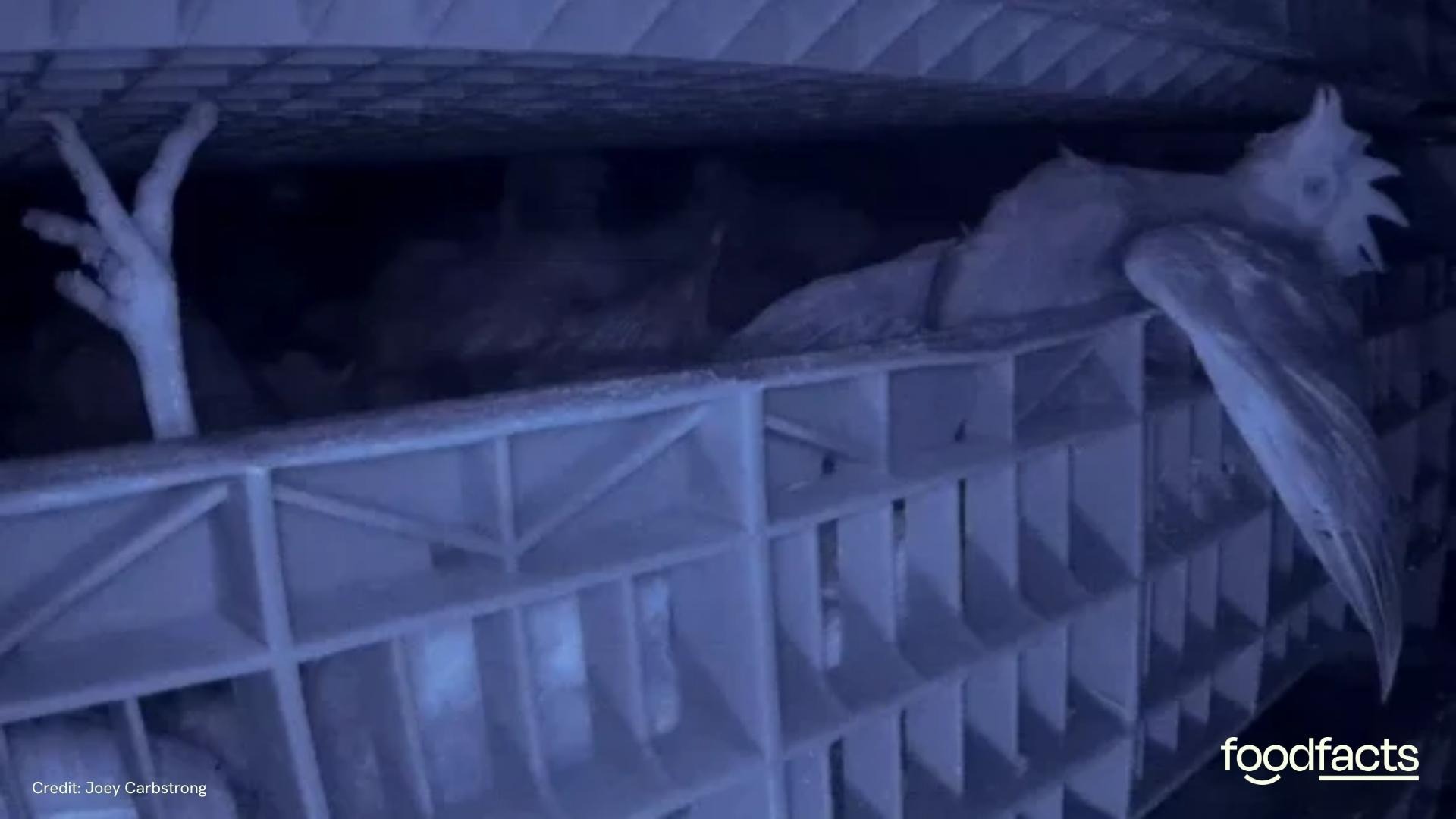
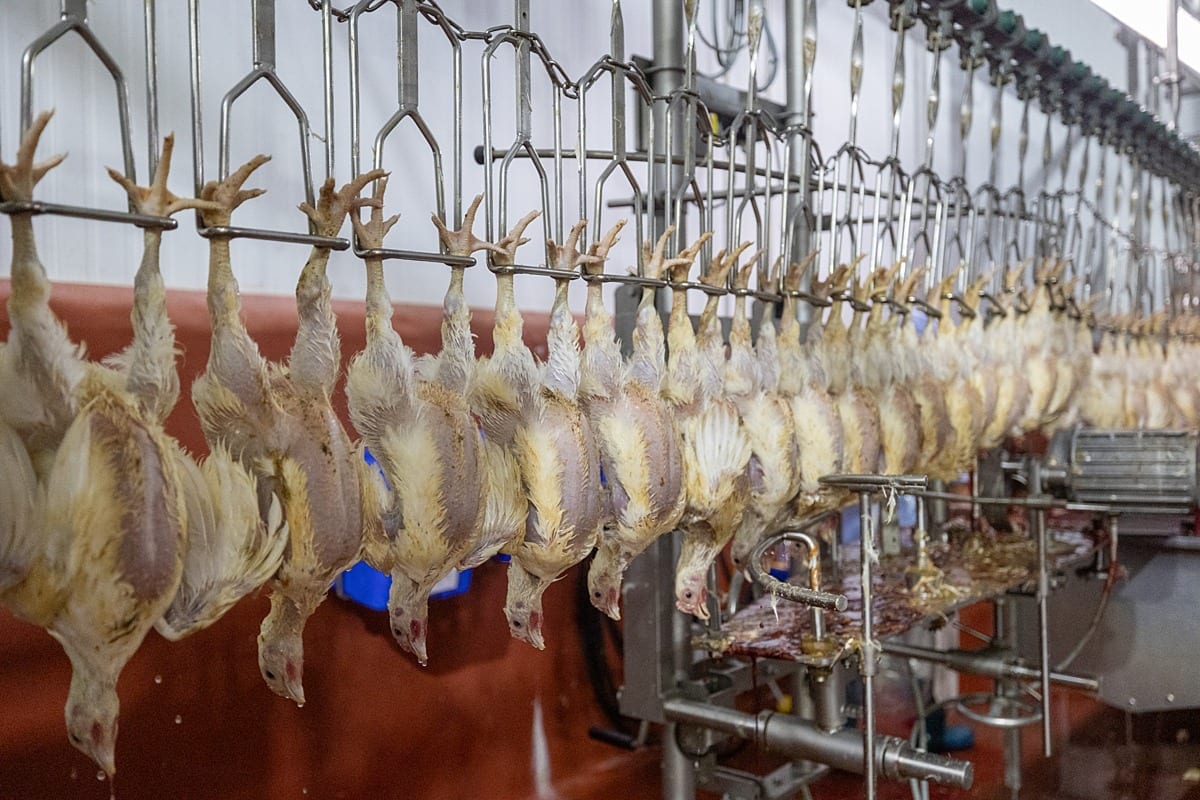
Scientific assessments by bodies like EFSA and the EU’s poultry welfare reference centre have found that carbon dioxide at common stunning concentrations is aversive and can cause respiratory distress, gasping and panic before loss of consciousness. In large high‑throughput plants, monitoring each bird’s state in real time is unrealistic, which means some proportion of animals may experience this distress at scale. Electrical waterbath stunning, the older ‘humane’ method many people picture, carries serious welfare problems of its own, including pain and injury from shackling, and also cannot reliably guarantee a pain‑free process.
A new hierarchy of risk: what a chicken‑heavy system means for the future
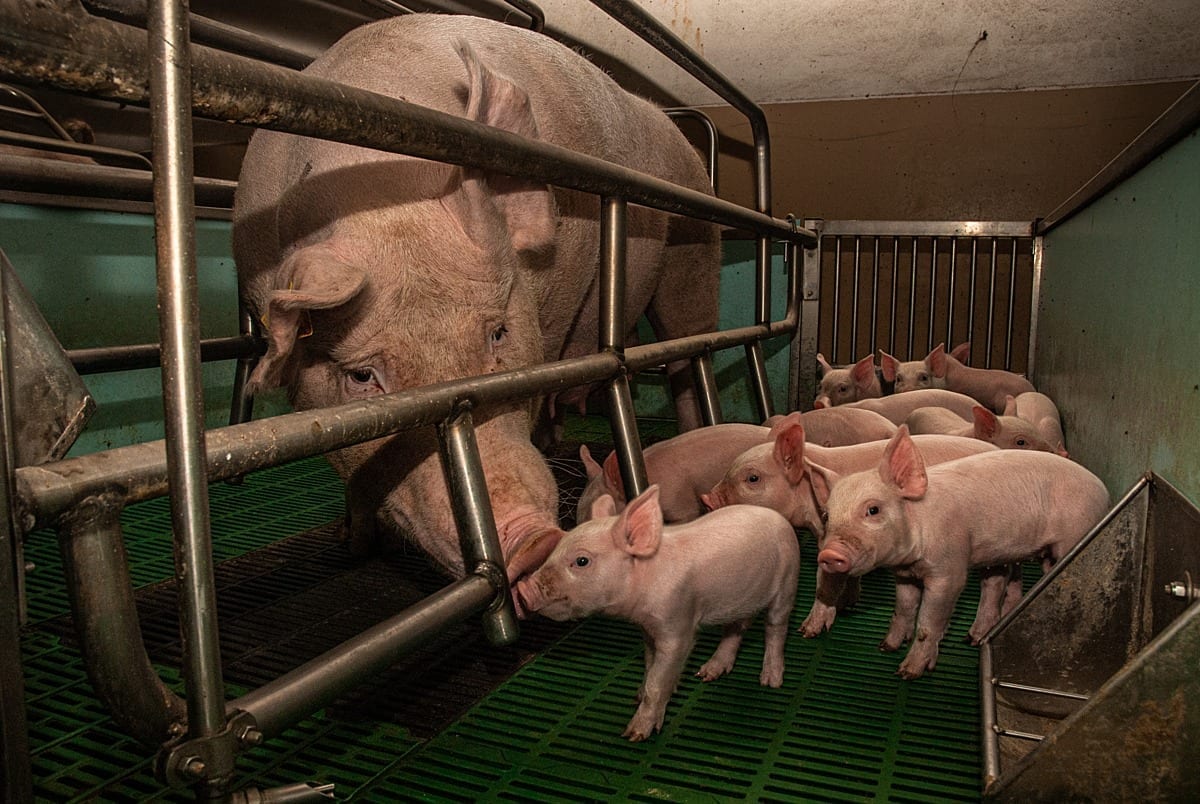
When meat supply becomes dominated by chicken and pork, the risks concentrate too. Intensive poultry and pig systems often involve large numbers of genetically similar animals kept in close quarters, which can facilitate the spread of infectious diseases and create pressure to use antibiotics. Public‑health agencies have repeatedly warned that such conditions can contribute to antimicrobial resistance and increase the likelihood of zoonotic pathogens emerging or amplifying in farm settings.
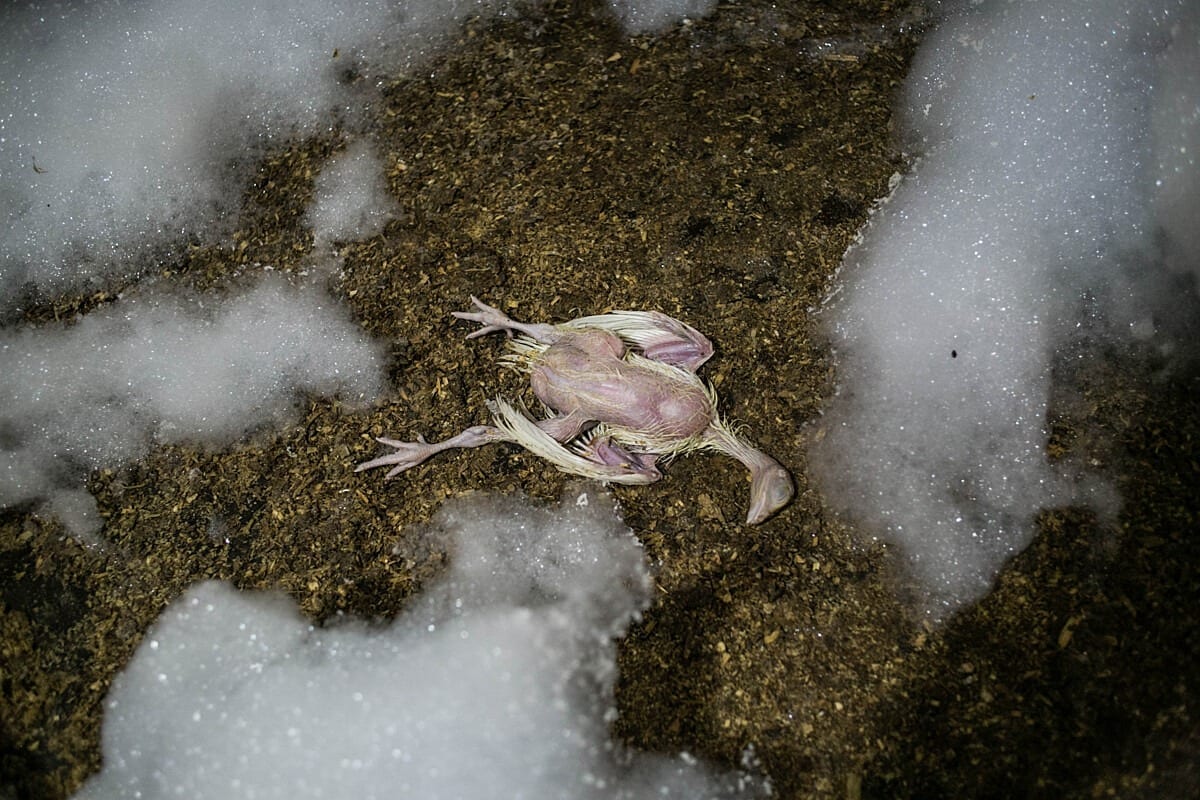
The FAO report touches on these concerns, highlighting that rapid growth in terrestrial animal‑source foods has come with challenges including poor welfare, disease risks and environmental degradation. Yet, as critics have noted, the report’s policy framing leans heavily towards improving productivity and managing impacts, rather than asking how much meat, and what kind, fits within planetary boundaries while respecting animals as more than units of production.
This is where consumer‑facing narratives become crucial. When retailers and fast‑food chains advertise “better chicken” or new welfare commitments, they are usually operating within the same basic model: very large numbers of birds, raised and killed very quickly, with incremental improvements to shed design, breed choice or slaughter technology. Those steps matter, but they don’t change the reality that global meat supply growth is being delivered by scaling an inherently intensive system, not by replacing it with something fundamentally different.
For a more nuanced look at labels and assurance schemes, foodfacts.org’s breakdown of what “free range” really means is a useful companion read. It shows how terms that sound reassuring can sit alongside practices, such as gas stunning, that many people would find deeply troubling if they saw them up close.
So what now: cutting through the noise as a consumer
If you are reading the FAO headlines and wondering what they mean for your plate, it helps to separate three questions: how much meat you eat, which types, and how they are produced. Many independent health and climate experts argue that high‑income countries should reduce overall meat intake, especially from industrial systems, and shift towards more plant‑based foods, which tackles both emissions and the welfare impacts of high‑volume intensive farming.
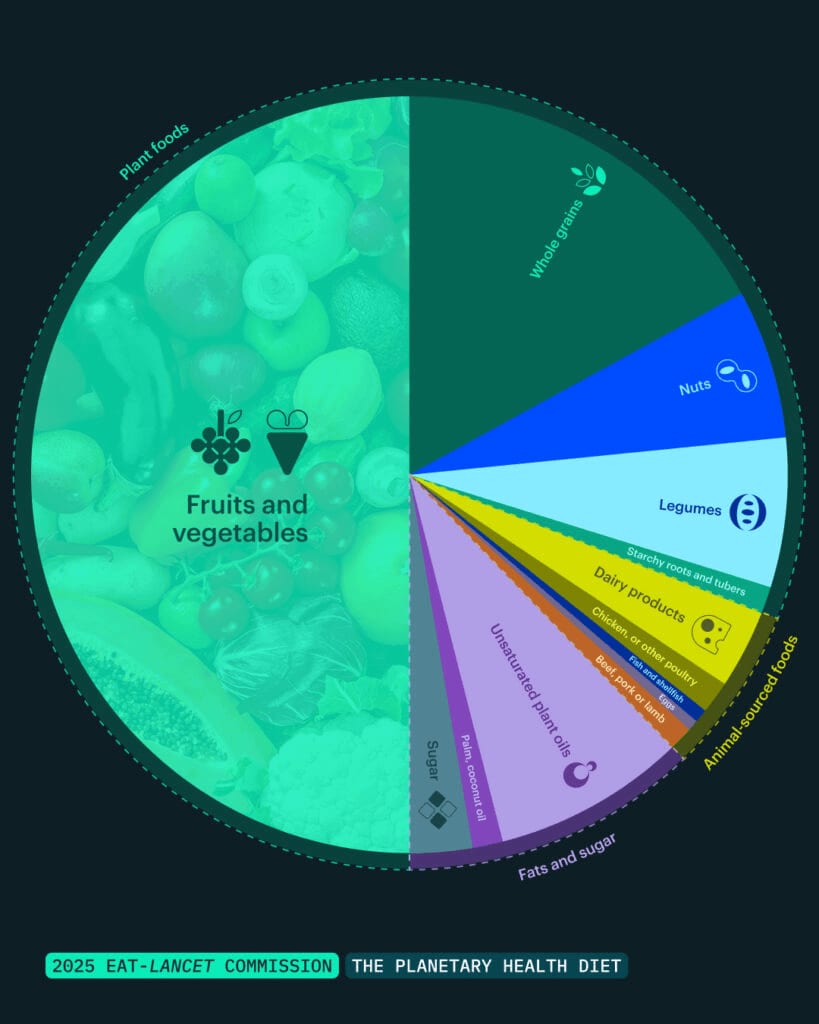
If you do choose to buy chicken, digging beyond front‑of‑pack claims can make a real difference. Looking for slower‑growing breeds, lower‑density systems and producers that disclose their slaughter methods is more informative than relying on generic logos alone. Supporting plant‑based proteins, from pulses to newer meat alternatives, also sends a market signal that there is appetite for protein sources that do not depend on gas tunnels or crowded sheds.
Ultimately, the FAO report is a reminder that “meat” is not a monolith. The choice to centre global supply on chicken and pork may lower certain metrics per kilogram of protein, but it carries its own set of environmental, welfare and health risks that deserve to be part of the headline conversation, not an afterthought.

Independent fact-checking, funded by readers like you.
Misinformation is a growing threat to our health and planet. At foodfacts.org, we're dedicated to exposing the truth behind misleading food narratives. But we can't do it without your support.
Resources:
- FAO. 2026. Drivers of supply and demand of terrestrial animal source food – An evidence and policy overview on the state of knowledge and gaps. Rome. https://doi.org/10.4060/cd9125en
- The Guardian (5 June 2026). Average person eats six times more chicken than in 1961, UN report finds
- Compassion in World Farming (April 2023). More Money, More Meat.
- “Data Page: Greenhouse gas emissions per 100 grams of protein”. Our World in Data (2026). Data adapted from Poore and Nemecek. Retrieved from https://archive.ourworldindata.org/20260518-090244/grapher/ghg-per-protein-poore.html [online resource] (archived on May 18, 2026).
- foodfacts.org (n.d). Dietary Guidelines
- foodfacts.org (23 January 2025). What is factory farming? A closer look at the industry that produces most of the world's meat — and what can change
- foodfacts.org (n.d). Animal Welfare
- World Resources Institute (5 February 2020). Where Do Emissions Come From? These Charts Explain Greenhouse Gas Emissions by Sector
- FAO (n.d). Livestock and the environment
- foodfacts.org (23 March 2026). The slaughter method hiding behind your chicken's welfare logo
- foodfacts.org (6 June 2025) Can slaughter ever be humane? A closer look at what the industry standard actually involves
- foodfacts.org (22 April 2025). Food safety in peril: why cutting key committees puts millions of consumers at risk
- foodfacts.org (10 July 2025). What does 'free range' really mean? The truth behind the label
- foodfacts.org (17 October 2025). Why the new EAT-Lancet report matters — and why Food Facts stands behind it



foodfacts.org is an independent non-profit fact-checking platform dedicated to exposing misinformation in the food industry. We provide transparent, science-based insights on nutrition, health, and environmental impacts, empowering consumers to make informed choices for a healthier society and planet.






.svg)


.svg)

