foodfacts logo
  • Articles
    
    Latest
    arrow pointing right
    All Fact Checks
    arrow pointing right
    Guides
    arrow pointing right
    Features
    arrow pointing right
    Opinion Pieces
    arrow pointing right
    Topics
    The Climate Crisis
    Politics Of Food
    Health
    Food Systems
    Media Literacy
    Popular Media
    Ethics
    Environment
    Nutrition
    Trending Tags
    Studies
    Fact Checking
    Cortisol
    Chicken
    Vegetarian
    Finance
    Saturated Fat
    Water
    Ultra Processed Animals (UPA)
    Zoonotic Diseases
    Lab-Grown Meat
    (UPF) Ultra Processed Foods
    Chemophobia
    Precision Livestock Farming (PLF)
    Glossary
    arrow pointing right
    Fact Checks
    Is coffee really decreasing the amount of magnesium in your body? The nuance behind “anti-nutrients”
    Menopause, hormone replacement therapy, and social media: The cost of medical advice from unqualified voices
    Does eating croissants really raise cancer risk? Fact-checking France’s cadmium warning and what it means for the UK
  • Take Action
  • About
    
    • About
    • The Team
    • Our Experts
    • Fact Checking Policies
    • Funding/Disclosures
    • Advisory Board
    • Media Mentions
    • FAQs
  • Food Database
  • Misinfo Watchlist
Report MisinfoDonate
Home
/
Articles
/
Plastic Use

Plastic Use

Explore Categories

The Climate Crisis
Politics Of Food
Health
Food Systems
Media Literacy
Popular Media
Ethics
Environment
Nutrition
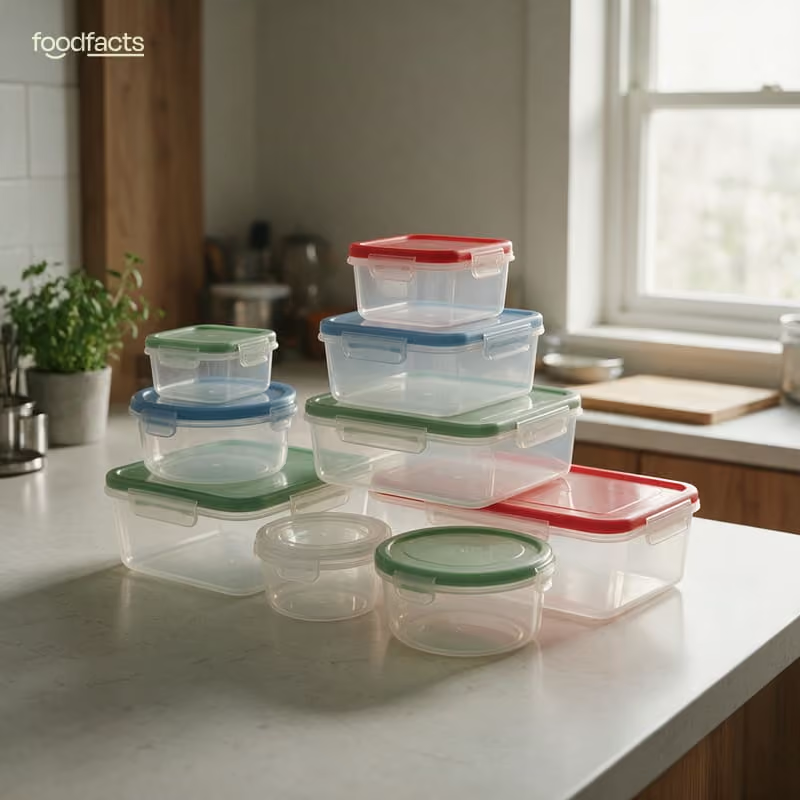
A person stands in a kitchen between different sets of kitchen equiptment. Some equiptment is plastic, the other is metal or wooden, signifying the conversation about the risks of using plastic cooking utensils.
FACT CHECK
OPINION
Health

Should you throw out all your plastic containers? A fact-check on microplastics and kitchen safety

Yes, plastic kitchenware can release microplastics after intensive use, but that doesn't mean that you need to throw out your plastic utensils!
Read more
A beach heavily littered with plastic waste, including bottles, containers, and other debris, stretches alongside a scenic shoreline with lush green cliffs and calm ocean waves. The image, featured in a FoodFacts.org article, emphasizes the environmental toll of food packaging and highlights the urgent need for sustainable alternatives to reduce plastic pollution in marine ecosystems.
FACT CHECK
OPINION
Environment

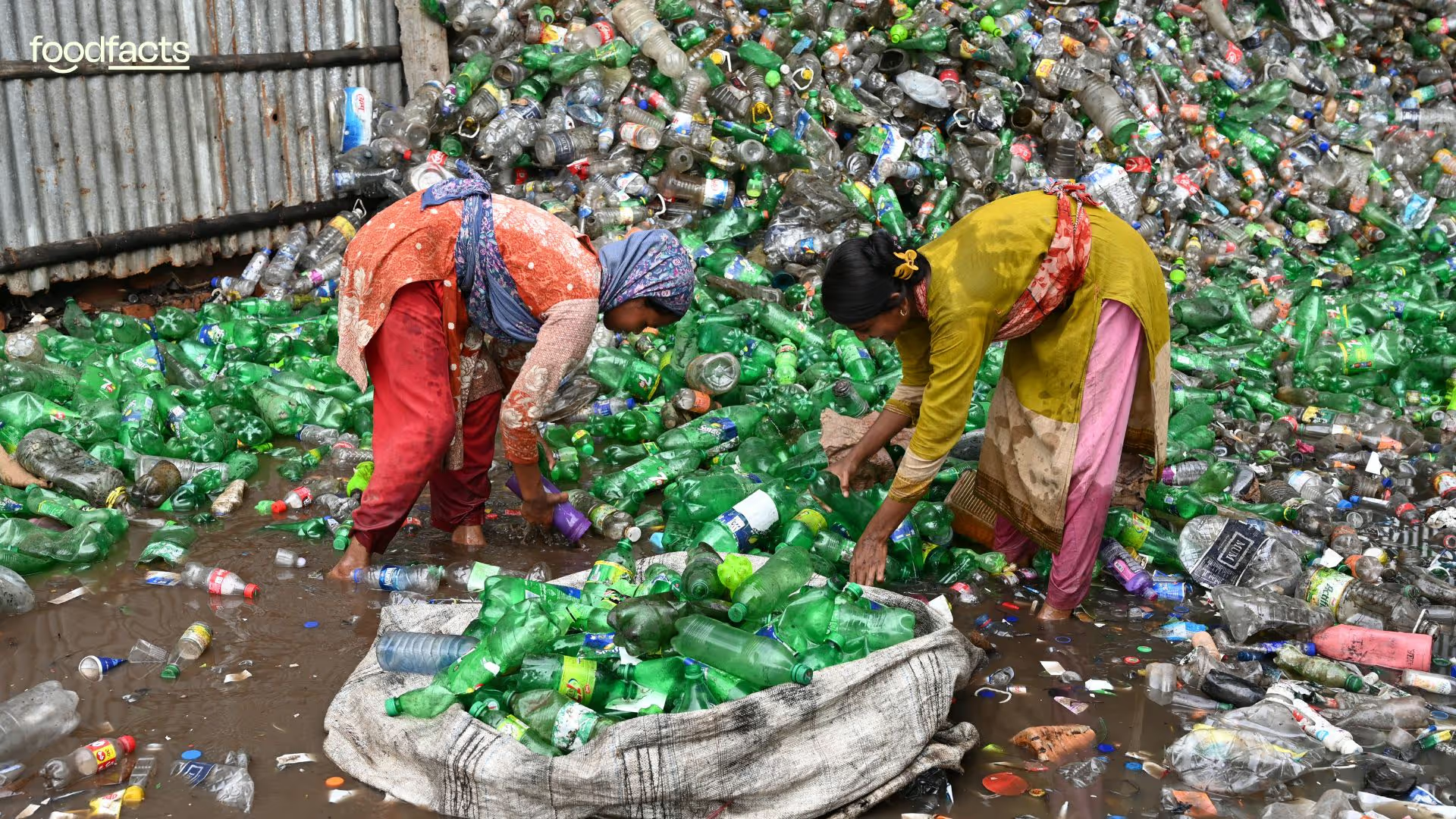
Trapped in a plastic tide: the devastating impact of food packaging and the fight for change

Plastic food packaging contributes to pollution, microplastics, and health risks, but innovations like bioplastics and global action offer hope
Read more
See all articles

Ready to take action?

You have the power to make a difference 3 times a day.

Get Inspired Today!
Get the latest articles
You're all set! We've added you to our newsletter.
Oops! Something went wrong while submitting the form.
Follow Us
youtube [#168] Created with Sketch.
Food misinformation threatens public and planetary health. We're fighting back against misinformation, fostering healthy communities, honest food, and a thriving planet

ai powered chat bot experience provided by Elevenlabs
Article

Top Myths

Latest

The Climate Crisis
Politics Of Food
Health
Food Systems
Media Literacy
Popular Media
Ethics
Environment
Nutrition
Take Action
Partner Organisations
About
Fact Checking PoliciesOur Funding/DisclosuresThe TeamOrganisational StructureIndependence & TransparencyAi Usage PolicyAdvisory BoardMedia MentionsFAQsGlossaryXML News Feed
Contact
Report Mis/DisinformationContact Us / PressProvide Feedback
Privacy Policy  
Terms & Conditions © 2024
foodfacts.org is a non-profit organisation. (no. 15414442) limited by guarantee and registered in England and Wales.
‍
© Copyright 2024-2026 foodfacts.org  Launched in 2025. 🇬🇧 Grown in the United Kingdom.