Cofounder & Research Director (Volunteer)

Elise Hutchinson, PhD

Elise is a cofounder of foodfacts.org, she has a PhD in cognitive linguistics and focuses on fighting misinformation & creating meaningful debate.

About Elise Hutchinson, PhD

Elise is one of the founders of foodfacts.org. She is a linguistics professional who was awarded Summa Cum Laude for her PhD thesis, which focused on the cognitive and discursive mechanisms behind effective persuasion, particularly in the long term. She is passionate about finding ways to fight against the spread of misinformation and disinformation, and to generate meaningful, constructive debates.

She is Director of Research and Co-Editor in Chief at foodfacts.org. Her responsibilities include:

  • Conducting research into misinformation, its mechanisms and evidence-based methods to fight it effectively
  • Training all of our volunteer fact-checkers
  • Overseeing the fact-checking process, from selecting claims to fact-checks, writing fact-checks to editing final drafts
  • Content creation

Elise earned her PhD at the Université de Neuchâtel and currently lives in England.

Articles featuring  

Elise Hutchinson, PhD

FACT CHECK
Opinion
Health

The great fat debate: what science really says about butter and plant oils

Replacing butter with plant oils lowers LDL cholesterol and reduces cardiovascular risk — despite the 'butter is back' headlines that misread the research.
FACT CHECK
Opinion
Nutrition

There is no evidence that a low vitamin A diet might be beneficial for your health

Cutting out vitamin A isn’t a biohack—it’s a health risk with no scientific upside
FACT CHECK
Opinion
Nutrition

Plants are good for you, so why do wellness influencers call them toxic?

Calling broccoli “toxic” makes for great clicks, but terrible nutrition advice In an Instagram reel shared recently through Billy Carson’s account ‘4bidden
FACT CHECK
Opinion
Nutrition

No, honey isn’t unhealthy because it spikes your blood sugar, but why does this influencer say the opposite?

Honey raises blood sugar — but so does everything sweet. The evidence shows honey's glycaemic response is more nuanced than most influencer claims suggest.
FACT CHECK
Opinion
Media Literacy

Exposing misinformation: how influencers twist the truth on social media

Misinformation Detractors: How Social Media Influencers Deflect Accountability in Nutrition Conversations
FACT CHECK
Opinion
Health

Gut health vs. life-threatening peanut allergies: Why one viral story doesn’t equal a safe cure

Can cure severe allergies through healing your gut? Before people start swapping their EpiPen for sauerkraut, let's examine what the evidence says.
FACT CHECK
Opinion
Health

Is excess iron a cancer risk? Debunking Dr Eric Berg’s claim with peer-reviewed evidence

Eric Berg warns against iron supplements linking them to cancer — but the evidence on iron and cancer risk is far more nuanced than his claims suggest.
FACT CHECK
Opinion
Media Literacy

“I changed my diet and got pregnant”: What’s the evidence behind these claims?

Fertility influencers claim specific diets trigger pregnancy — but evidence for dietary interventions on fertility is limited. Here's what research…
FACT CHECK
Opinion
Health

Garlic and blood pressure: what the evidence shows and what it doesn’t

Garlic may reduce blood pressure modestly in some people, but the evidence is inconsistent. It is not a substitute for medication — here's the full…
FACT CHECK
Opinion
Health

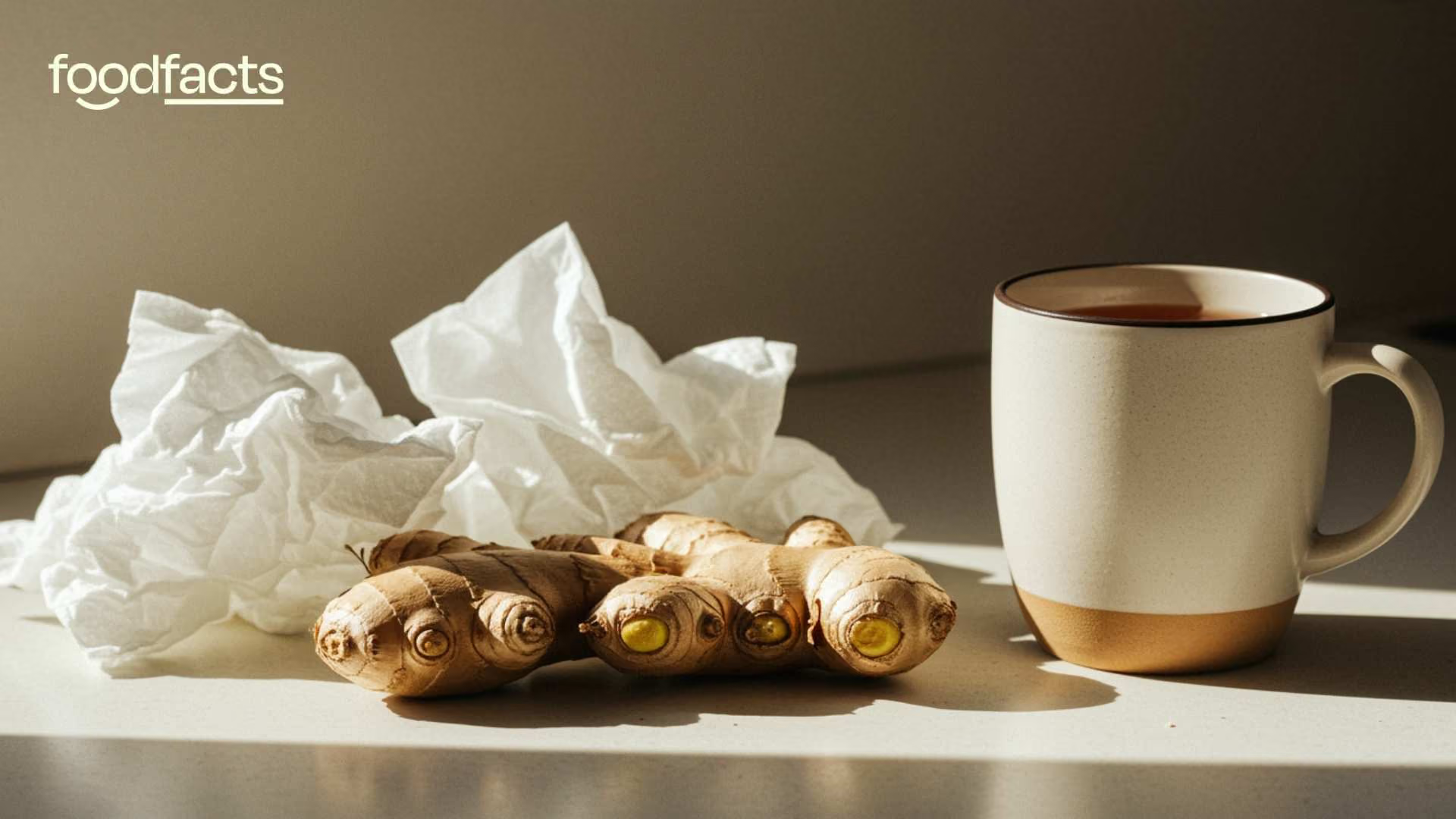
Is ginger good for you? Or are the benefits of this "superfood" overstated?

Many people eat ginger when they're feeling unwell, but are ginger's health benefits anecdotal or based in evidence? We find out in this fact-check!
FACT CHECK
Opinion
Media Literacy

Exposing misinformation: how influencers twist the truth on social media

Misinformation Detractors: How Social Media Influencers Deflect Accountability in Nutrition Conversations